0571-82995618
 [email protected]
- Wholesale Blended Fabrics Manufacturers
Content
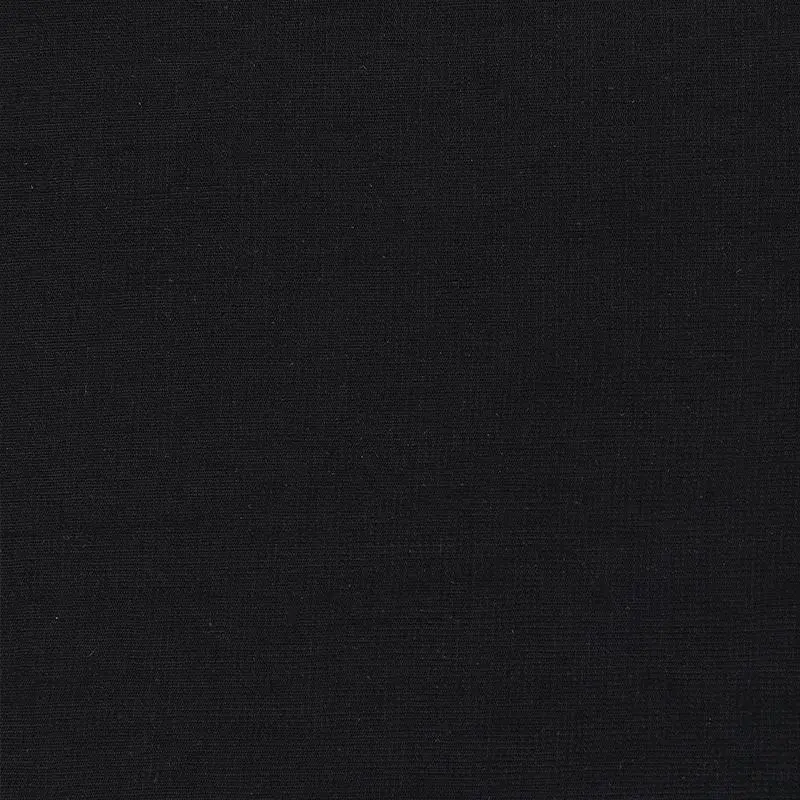
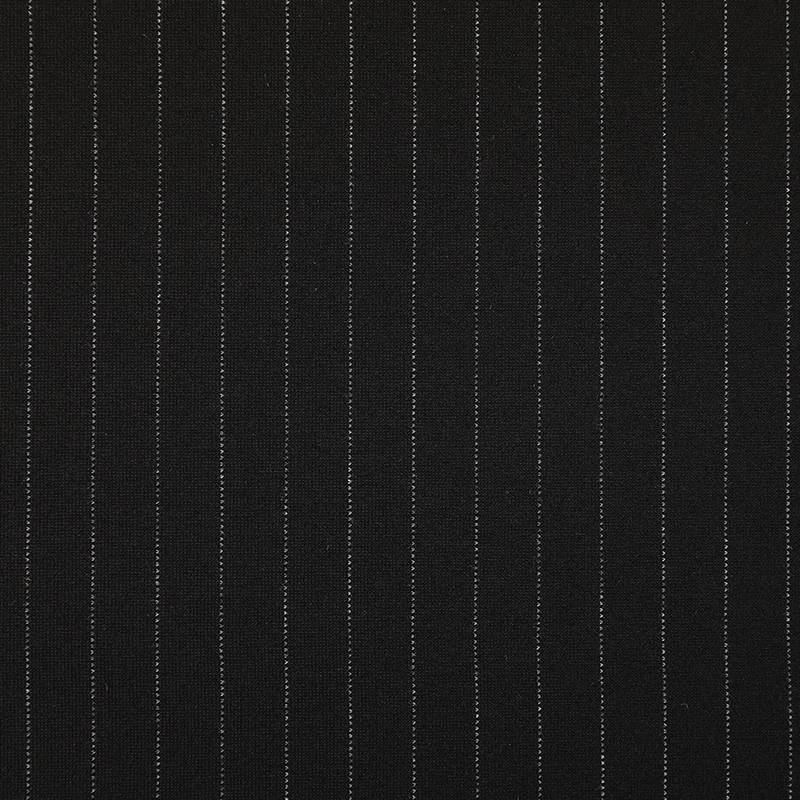
Polyester Rayon fabric, commonly known in the industry as TR fabric, is a synthetic-artificial blend made by combining Polyester (T) and Rayon ® fibers, most frequently in a 65/35 ratio. It is engineered to provide the high-end appearance and “hand-feel” of fine wool while maintaining the durability and cost-efficiency of synthetic materials.
At Hangzhou Jinfeng Textile, we’ve seen this become our most requested export because it solves the “wrinkle and price” problem of natural fibers. Unlike 100% cotton or wool, TR fabric is a “stabilized” textile. The Polyester provides a structural backbone that prevents shrinking and wrinkling, while the Rayon (a regenerated cellulose fiber) adds breathability, moisture absorption, and a silky drape.
According to textile engineering standards, the 65/35 blend is the “Golden Ratio” because it ensures the fabric remains breathable enough for daily wear while staying strong enough to withstand industrial laundry cycles.
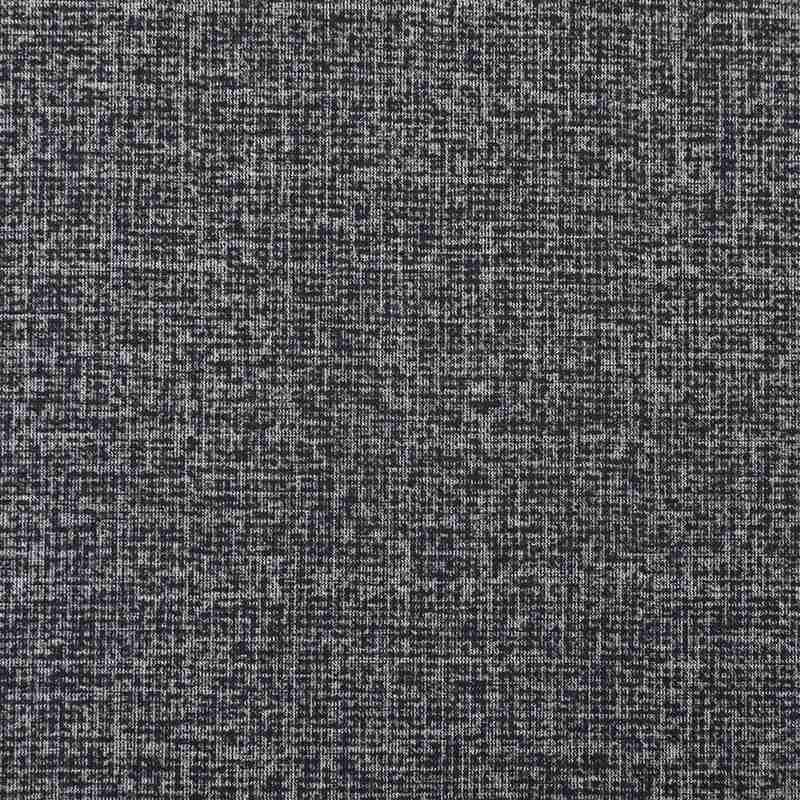
TR fabric is critical for your business because it offers the highest “perceived value-to-cost” ratio in the textile world. It allows brands to produce garments that look like luxury wool suits but cost 50% to 70% less to manufacture.
In our 20+ years of manufacturing in the Xiaoshan district, we’ve tracked why our clients keep coming back to TR. Here is the data-driven reality:
You should choose TR fabric when your project requires a “professional” look that must survive high-frequency wear and tear. If you are making a product that will be worn 40 hours a week, natural fibers will often fail you; TR will not.
Based on our factory’s order history at Hangzhou Jinfeng, here is when it is most effective:
Uniforms are the “stress test” of the textile world. They are washed weekly and worn daily. TR fabric is the industry standard here because it maintains its shape. A student’s pleated skirt made of TR will keep its sharp edges even after months of use, whereas a cotton blend would go limp.
If you are designing for brands like Zara, H&M, or Uniqlo, you need a fabric that drapes like silk but can be cut and sewn quickly. TR’s “weight” (typically between 180gsm to 350gsm for suiting) provides that expensive-looking swing when a person walks.
Because Rayon is a breathable fiber derived from wood pulp, it doesn’t trap heat like 100% Polyester. This makes TR fabric an “all-season” choice, suitable for both spring collections and autumn office wear.
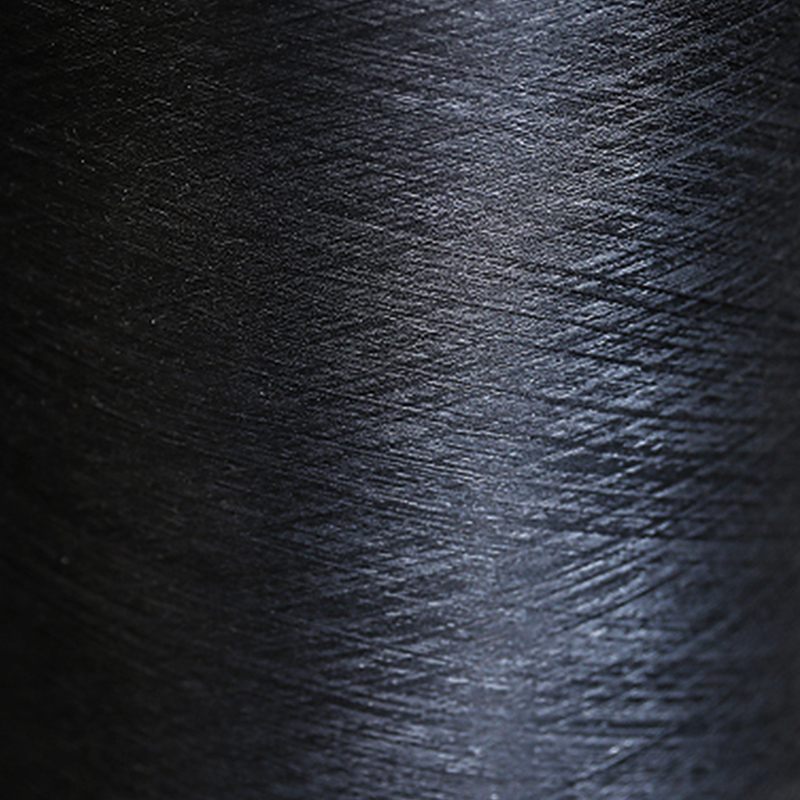
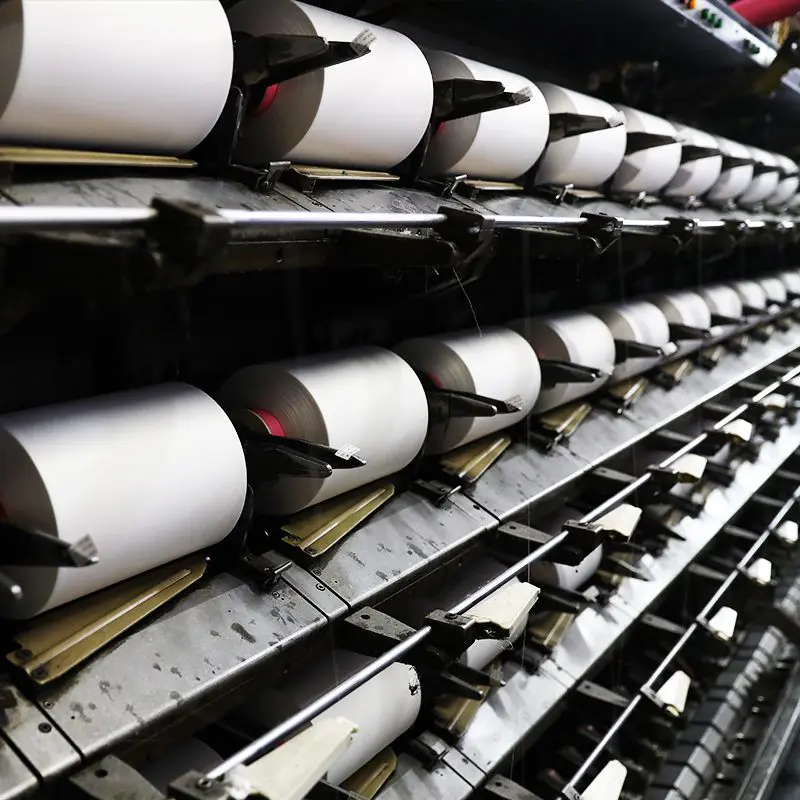
TR fabric “works” by mechanically bonding two very different fibers during the spinning and weaving stages. It isn’t just about mixing them; it’s about how they are treated.
At our 18,000-square-meter facility, the process looks like this:
The primary trade-off when choosing TR fabric is the balance between “performance durability” and “natural luxury.” While TR outperforms natural fibers in 80% of commercial applications, it is important to know where it hits its limit.
You should watch out for “recycled waste” fibers and “under-weight” rolls, which are common ways low-end factories cut costs. Not all 65/35 TR is created equal.
When you are talking to a supplier on the phone, ask these specific questions to avoid a “production nightmare”:
Low-quality TR uses short-staple fibers that rub together and create fuzzy balls (pilling) after just two weeks of wear. At Hangzhou Jinfeng, we use high-tenacity long-staple fibers. Always ask for a Pilling Test Report (ISO 12945-2). If a supplier won’t show you one, the fabric will likely pill.
A common industry “trick” is to quote a fabric as 200 GSM (grams per square meter) but deliver 185 GSM. This 7% difference saves the factory money but makes your garments feel thin and “cheap.” Always verify the weight with a GSM cutter upon arrival.
Many cheap dyes and finishing agents contain formaldehyde, which is restricted under REACH (EU) and OEKO-TEX Standard 100 regulations. Since Hangzhou Jinfeng is an export-oriented manufacturer, we ensure our chemical treatments meet global safety standards to prevent your shipment from being seized at customs.
You can determine a fair price by looking at the “yarn count” and the “weaving density,” not just the price per meter. In the textile market, price is often a reflection of the Yarn Density (Threads per inch). A “bargain” fabric usually has a lower thread count, meaning the weave is loose. You might save $0.20 per meter, but your seam strength will be weak, leading to garments that “split” at the pockets or crotch.
Pro-Tip: Ask for the “Construction Details” (e.g., 32S/2 x 32S/2). The “S” stands for the yarn count—the higher the number, the finer and more expensive the yarn.
The “Hangzhou Advantage” is our proximity to the world’s most advanced textile supply chain and our 20+ years of technical expertise.
We don’t just “sell fabric”; we manage the risk of your production.
If you are building a brand that stands for practicality, professional aesthetics, and value, then Polyester Rayon is your best friend. It’s the fabric that allows your customers to look like a million bucks without spending it.
This is the technical “ID card” for your best-selling TR fabric. Providing this level of detail builds immediate trust with professional buyers.
| Category | Technical Specification | Standard / Reference |
|---|---|---|
| Composition | 65% Polyester, 35% Rayon | Grade A Virgin Fiber |
| Weave Type | Twill / Plain / Jacquard | High-Density Jet Loom |
| Weight (GSM) | 240g/m² (Customizable 180-350) | Electronic Scale Verified |
| Cuttable Width | 148cm - 150cm (58/60") | Standard Suiting Width |
| Yarn Count | 32S/2 × 32S/2 | High-Twist Durability |
| Pilling Resistance | Grade 3.5 - 4.0 | ISO 12945-2 (2000 rubs) |
| Color Fastness | Grade 4.0+ (Dry), 3.5 (Wet) | ISO 105-X12 |
| Residual Shrinkage | ≤ ±3% | After 5 Domestic Washes |
| Formaldehyde | < 20 mg/kg (Pass) | OEKO-TEX Standard 100 |
Note to Designers: This specific blend is optimized for “Low-Iron” performance. If your garment requires extra stretch, we can integrate 3% - 5% Spandex (Lycra) upon request.
To turn readers into leads, offer a curated physical sample kit. Here is how we describe what they will receive:
We don’t just send random scraps. Our Professional Designer Kit is designed to help you make a final decision in minutes. It includes:
Hangzhou Jinfeng Textile Co., Ltd
 1279 Shenda Road, Jingjiang Branch, Xiaoshan District, Hangzhou
 +86-0571-82995618
Copyright : Hangzhou Jinfeng Textile Co., Ltd ALL rights reserved
China DTY Polyester Yarn Suppliers


 English
 简体中文
简体中文