 0571-82995618


 English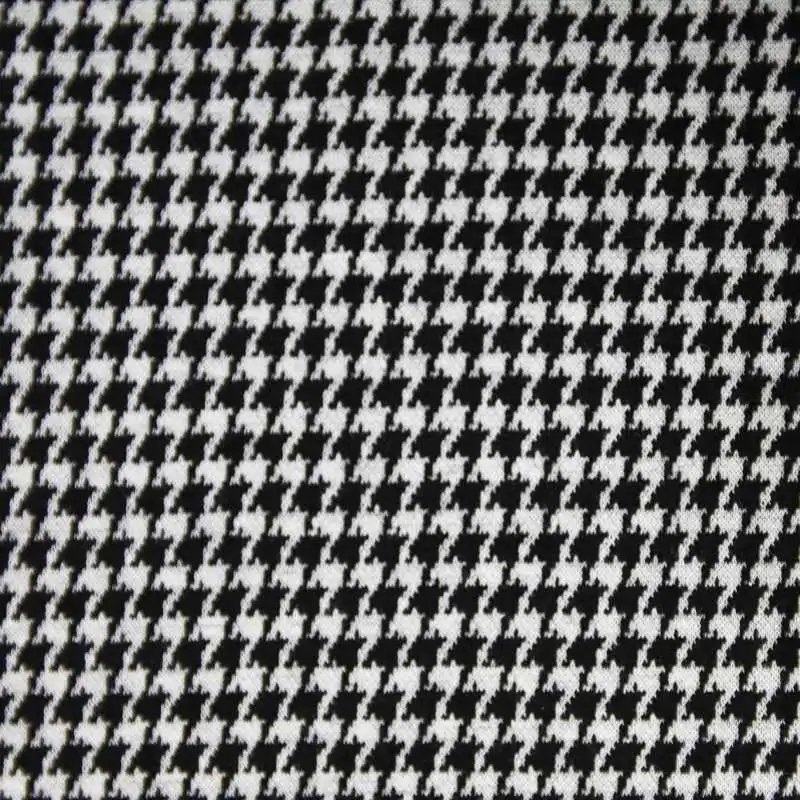
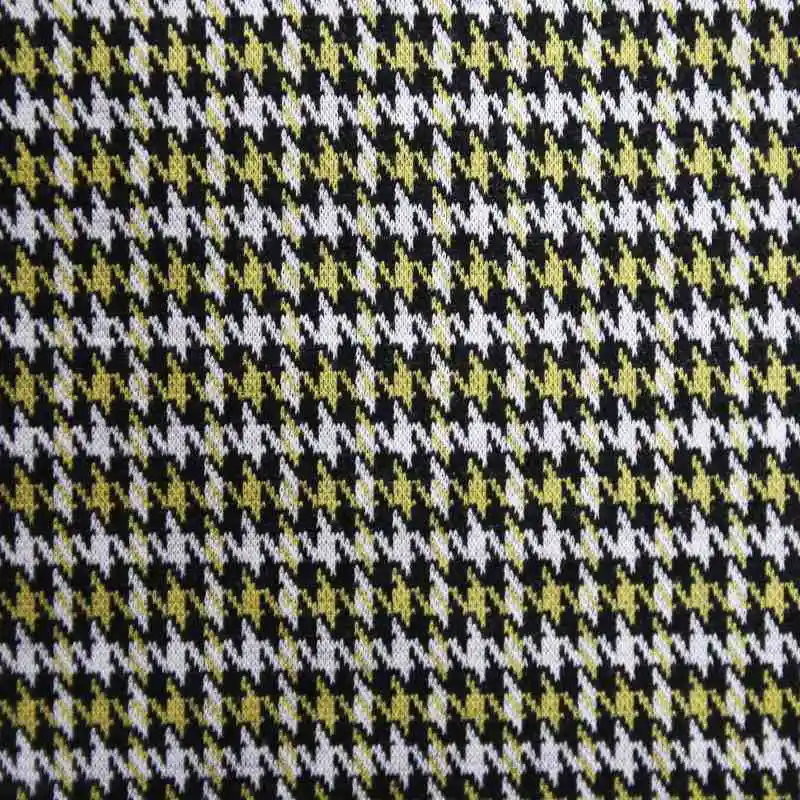
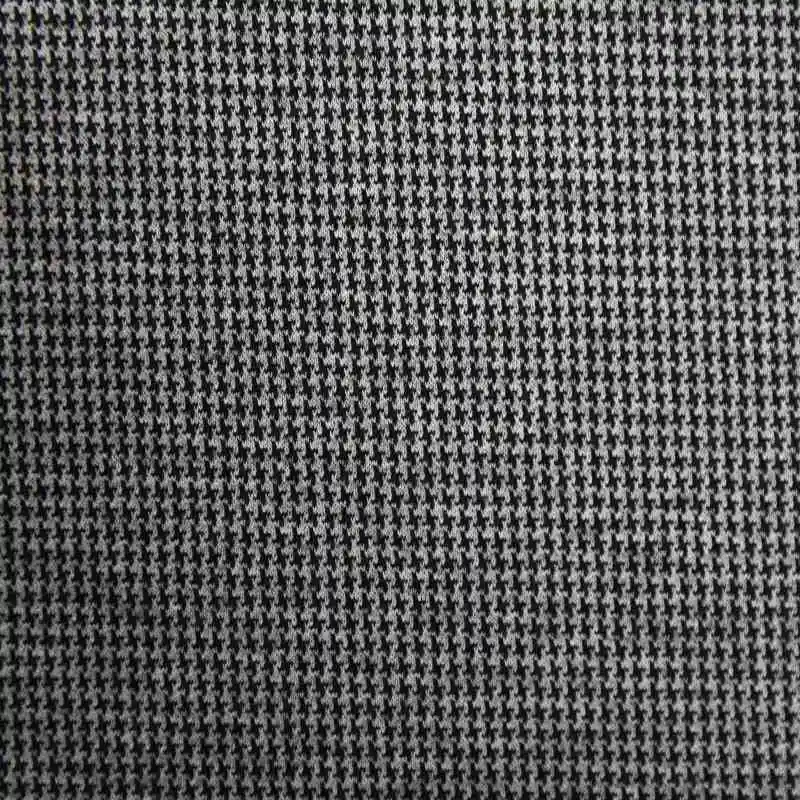
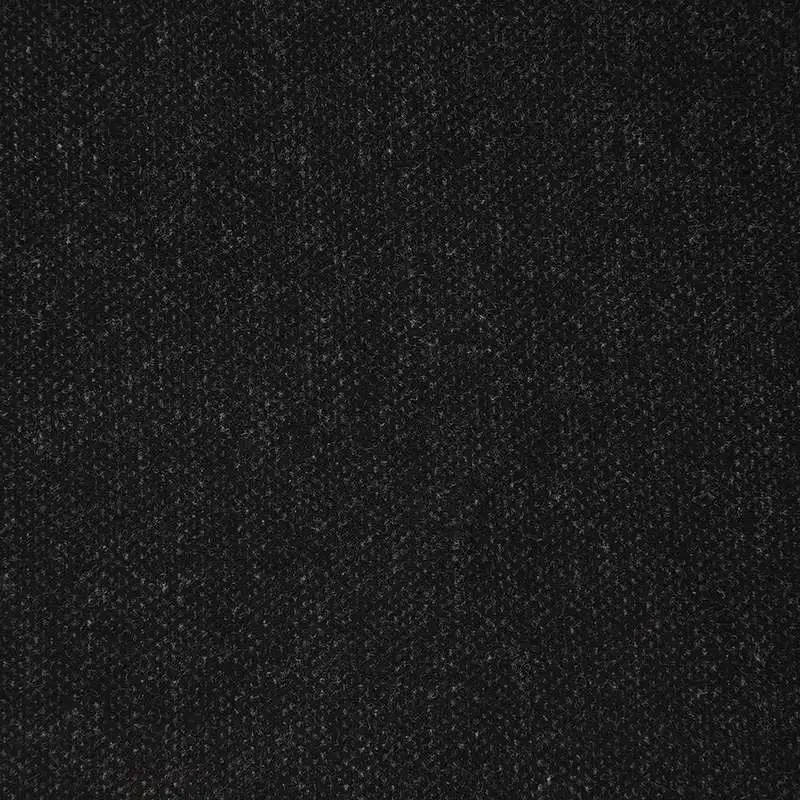


Specification
| Property | Details |
|---|---|
| Composition Ratio | Poly/Spandex, Nylon/Cotton, or Viscose/Poly blends |
| Weight (GSM) | 100 GSM – 300 GSM (Wide Range) |
| Width | 150 cm – 180 cm (Often wide width) |
| Knitting Type | Tricot or Raschel Warp Knit |
| Key Feature | High Stability, Non-Run, Good Drape |
| End-Use Focus | Technical Linings, Activewear, Underwear |
| Testing Standard | ISO/ASTM for Run Resistance |
Advantage
Superior Dimensional Stability: Warp knitting locks the stitches in a unique vertical pattern, resulting in a fabric that stretches minimally and holds its shape exceptionally well.
Non-Run Construction: Unlike weft knits, if a stitch is broken, the fabric will not "ladder," dramatically improving the garment's longevity and quality perception.
Fabric Versatility: The warp knitting process allows for the creation of lightweight meshes, brushed velours, and highly structured technical fabrics from the same blending base.
Fast Production Speeds: Warp knitting is generally faster than weft knitting, leading to highly efficient production for high-volume orders.
Application
Technical Linings: Stable, lightweight lining for jackets and trousers where minimizing friction and movement is key.
Swimwear and Underwear: High resistance to snagging and excellent shape retention, crucial for close-fitting garments.
Automotive Headliners: Used in specialized industrial applications for its smooth finish and stability.
Athletic Mesh and Netting: Highly durable open structures for sports uniforms and bag components.

 1279 Shenda Road, Jingjiang Branch, Xiaoshan District, Hangzhou
 +86-0571-82995618
