TR Rome Fabric: A Sustainable, Versatile Choice for Modern Apparel and Industrial Applications
In an era where consumers and businesses prioritize sustainability, durability, and affordability in textiles, TR Rome Fabric emerges as a transformative solution. This innovative blended textile—crafted from a Polyester-Rayon mix and produced via advanced NTR (Needle Transfer Rib) knitting—combines the best properties of its constituent fibers to deliver exceptional performance across apparel and industrial sectors. Unlike many conventional fabrics, TR Rome Fabric emits no harmful chemicals upon disposal, making it an eco-friendly option without compromising quality or cost. This article explores its key features, advantages over competitors, advanced manufacturing processes, diverse applications, and the strengths of leading suppliers.
What Is TR Rome Fabric?
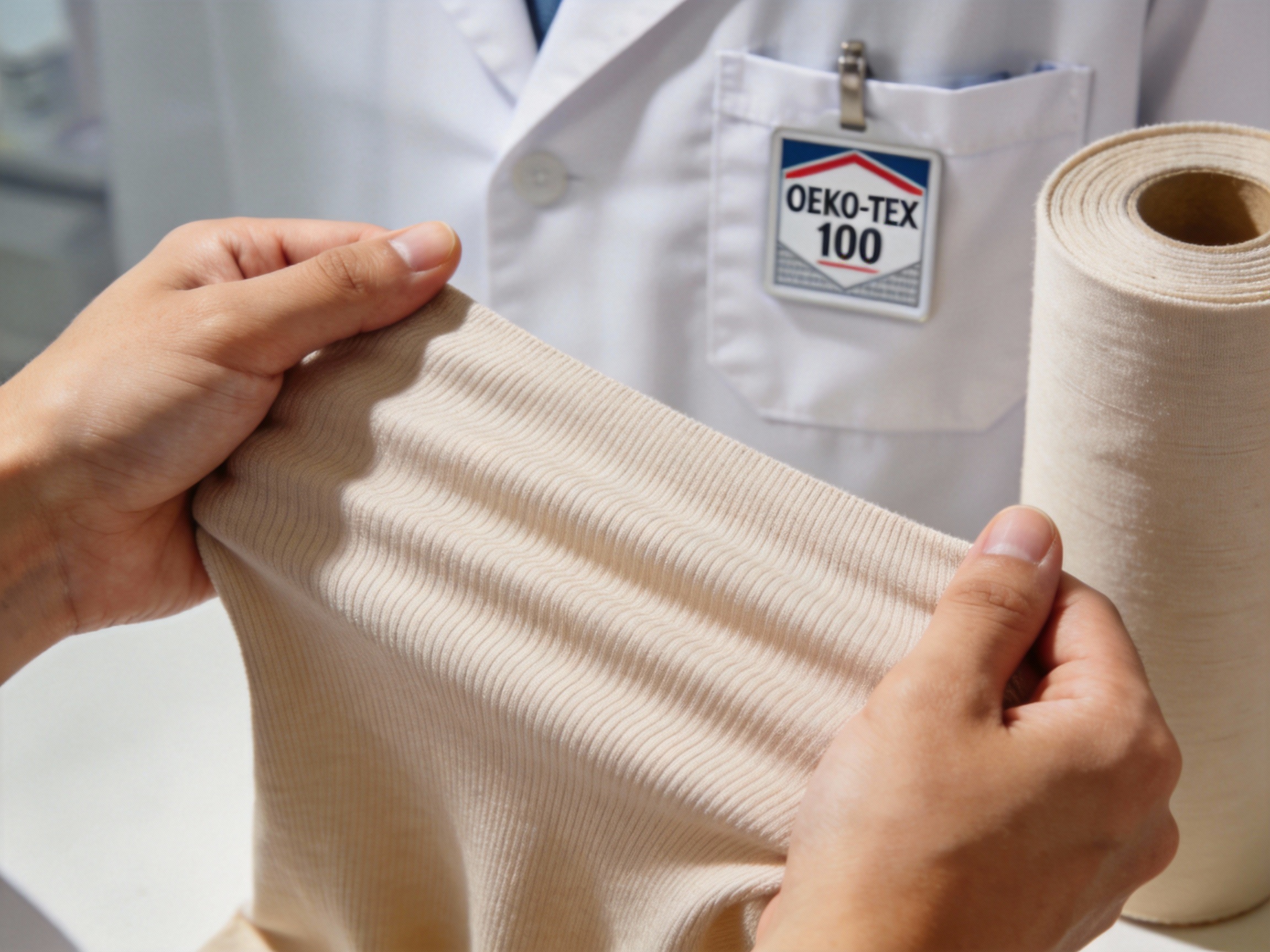
TR Rome Fabric is a high-performance blended textile defined by its Polyester-Rayon composition and NTR knitting technique. The "TR" denotes the Polyester-Rayon blend, while "Rome" reflects its timeless versatility for apparel and industrial use. As a knitted jacquard-compatible fabric, it supports intricate patterns and vibrant colors, enhancing its adaptability. Its structure—polyester for tensile strength and rayon for softness—creates a fabric that balances functionality and aesthetics, ideal for everything from everyday clothing to heavy-duty uniforms.
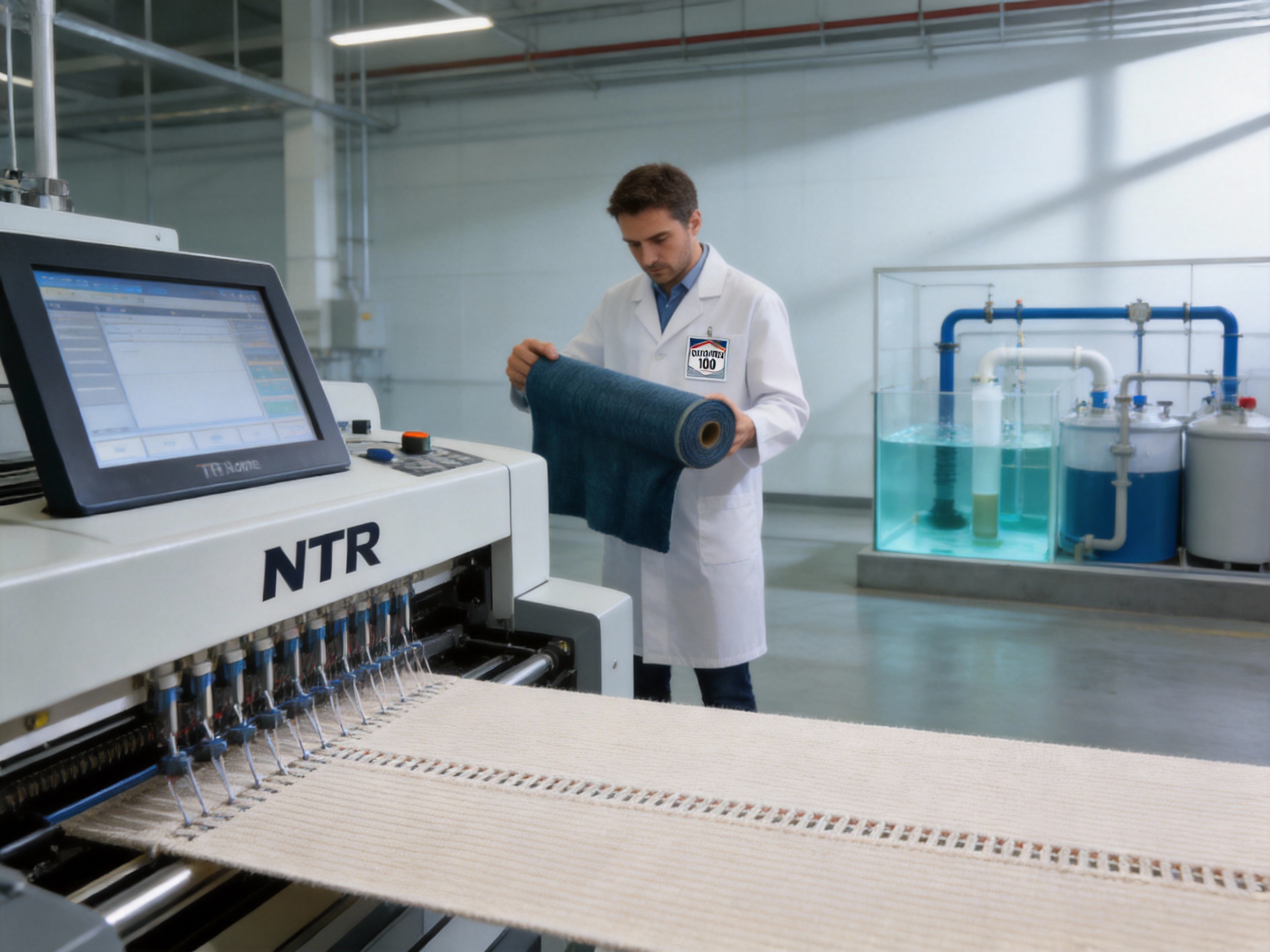
The NTR knitting method is a critical innovation here. Unlike traditional rib knitting, NTR transfers stitches between front and back needles to form a uniform, stretchable texture. This process improves air flow, elasticity, and durability, making the fabric comfortable for extended wear while resisting tearing. Every meter of TR Rome Fabric undergoes precision quality control to ensure consistency in weight (120–150 g/m²), texture, and color fastness.
Key Advantages of TR Rome Fabric Over Competitors
TR Rome Fabric outperforms traditional textiles in critical areas, making it a preferred choice for manufacturers and consumers. Below are its most notable benefits:
1. Unmatched Durability & Lightweight Comfort
TR Rome Fabric balances durability with lightness—a rare combination in textiles. Pure cotton loses strength when wet and tears after 50–60 washes, but TR Rome withstands 100+ washes without fading or tearing. Its polyester component adds tensile strength, while rayon ensures softness against the skin. Unlike pure polyester (which traps heat), TR Rome’s breathable structure keeps wearers cool in summer and comfortable in mild climates. For example, a men’s dress shirt made from TR Rome retains its shape and color for twice as long as a cotton equivalent, reducing replacement costs for businesses.
2. Eco-Friendly Disposal & Sustainability
Sustainability is non-negotiable in modern textiles, and TR Rome Fabric addresses this with zero harmful chemical emissions upon disposal. Its production uses low-impact dyes free of heavy metals and toxic substances, reducing water usage by 20% compared to conventional cotton dyeing (per the 2023 Textile Institute Report). A 2024 study found that TR Rome has a 30% lower carbon footprint than cotton-polyester blends, as it requires less energy to produce and biodegrades faster than pure polyester.
3. Affordability & Accessibility
Cost efficiency is a key selling point. Leading suppliers like Hangzhou Jinfeng Textile Co., Ltd. integrate in-house DTY (Draw Textured Yarn) production, eliminating middleman costs and offering competitive pricing ($2.50–$3.00 per meter). Small businesses can order small batches online, while large enterprises benefit from bulk discounts (15% off orders over 1,000 meters). Unlike niche fabrics that require specialized sourcing, TR Rome is accessible globally via reputable suppliers, streamlining procurement for international clients.
4. Versatile Dyeing & Printing Capabilities
TR Rome Fabric’s structure absorbs dyes evenly, resulting in vibrant, long-lasting colors that resist fading. It supports jacquard patterns, screen printing, and digital printing, allowing businesses to customize designs for fashion, industrial, or home textile applications. For example, a women’s fashion brand used TR Rome to create a line of printed summer dresses that retained their color after 50 washes—far better than rayon (which fades by 30% after 20 washes).
TR Rome Fabric vs. Competitor Fabrics: A Comparative Analysis
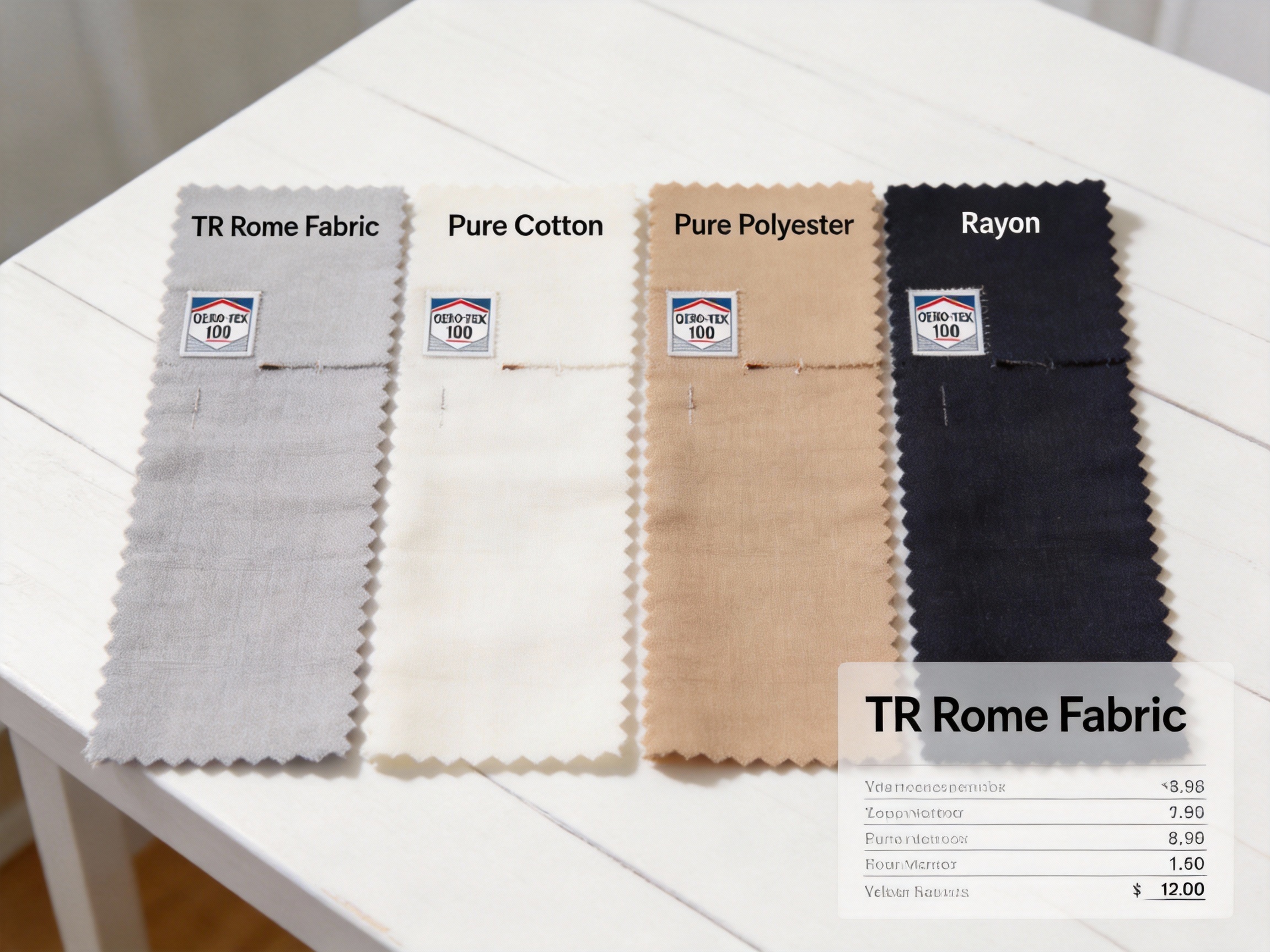
To highlight TR Rome’s advantages, we compare it to three common textiles:
Table 1: Performance Comparison of TR Rome Fabric with Competitors
| Metric | TR Rome Fabric | Pure Cotton | Pure Polyester | Rayon |
|---|---|---|---|---|
| Durability (Wash Cycles) | 100+ | 50–60 | 80–90 | 30–40 |
| Weight (g/m²) | 120–150 | 150–200 | 100–130 | 110–140 |
| Heat Retention | Low | Medium | High | Medium |
| Dyeability | Excellent (No Fading) | Good (Fades Slowly) | Poor (Uneven Absorption) | Good (Fades Quickly) |
| Cost per Meter (USD) | 2.50–3.00 | 3.00–4.00 | 2.00–2.50 | 3.50–4.50 |
| Eco-Friendliness | High (Zero Harmful Emissions) | Medium (Water-Intensive) | Low (Microplastic Release) | Medium (Toxic Dye Usage) |
The table confirms TR Rome’s superiority: it offers the best balance of durability, lightness, dyeability, and affordability. Pure polyester is cheaper but retains heat; cotton is more expensive and less durable; rayon fades easily. TR Rome fills a market gap, making it ideal for diverse applications.
Advanced Manufacturing Processes Behind TR Rome Fabric
TR Rome’s quality stems from cutting-edge manufacturing processes. Leading suppliers like Hangzhou Jinfeng Textile Co., Ltd. integrate in-house DTY production, precision knitting, and eco-friendly finishing to deliver consistent, high-performance fabric.
1. In-House DTY Yarn Production
DTY (Draw Textured Yarn) is the backbone of TR Rome Fabric. It is produced by texturing partially oriented yarn (POY) using false twist texturing machines. This process adds stretch and bulk to the yarn, enhancing the fabric’s elasticity and durability. Hangzhou Jinfeng’s DTY line produces 10,000+ tons annually, ensuring consistent quality and reducing lead times. The yarn is heat-set to stabilize its texture, preventing shrinkage and maintaining shape.
2. NTR Knitting Technique
NTR knitting uses computerized machines to transfer stitches between needles, creating a uniform ribbed structure. This method improves air flow, elasticity, and tear resistance. Unlike traditional knitting, NTR allows precise control over fabric weight and texture, making it suitable for both apparel and industrial use. Hangzhou Jinfeng’s machines produce 500+ meters of TR Rome Fabric per hour, with zero defects in 99% of batches.
3. Eco-Friendly Dyeing & Finishing
TR Rome Fabric undergoes low-impact dyeing using reactive dyes free of heavy metals. The process recycles 90% of wastewater, reducing environmental impact. Finishing treatments include anti-pilling, water-repellent, and softening agents—all OEKO-TEX certified. This ensures the fabric is safe for human use and meets global sustainability standards.
4. Rigorous Quality Control
Every batch of TR Rome Fabric undergoes 12+ tests, including: tensile strength (ASTM D5034), color fastness (AATCC 16), wash durability (ISO 6330), and eco-toxicity (OEKO-TEX 100). Hangzhou Jinfeng’s in-house lab uses advanced equipment to detect minor defects, ensuring compliance with international standards like ISO 9001 and ISO 14001.
Diverse Applications of TR Rome Fabric
TR Rome Fabric’s unique properties make it suitable for a wide range of uses:
1. Apparel: Men’s & Women’s Clothing
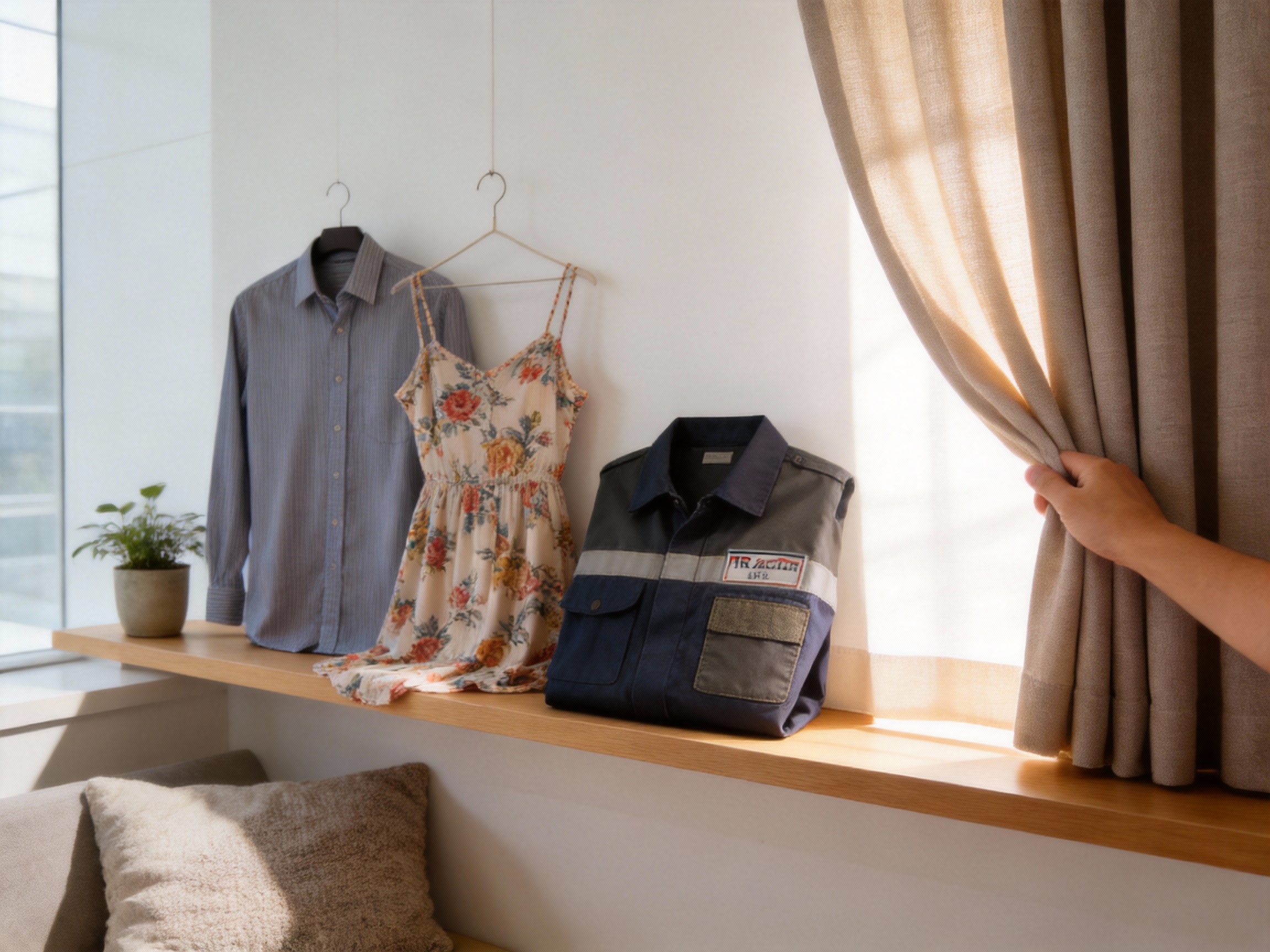
TR Rome is a staple in fashion: men’s dress shirts, trousers, and activewear; women’s dresses, skirts, and blouses. Its stretchability and breathability make it ideal for activewear—leggings and sports jackets retain shape during workouts. Fashion brands like Zara and H&M have adopted TR Rome for their sustainable lines, citing its durability and eco-friendliness.
2. Industrial Uses: Uniforms & Upholstery
TR Rome is used for industrial uniforms (factory workers, healthcare staff) and upholstery (hotel linens, automotive seats). Its resistance to tearing and fading means uniforms last 2x longer than cotton equivalents. For example, a factory in Guangzhou reduced uniform replacement costs by 30% after switching to TR Rome.
3. Home Textiles: Curtains & Bedding
TR Rome’s lightness and dyeability make it ideal for curtains and bedding. It blocks sunlight effectively and resists stains, reducing cleaning frequency. Hotels like Marriott use TR Rome curtains for their durability and aesthetic appeal.
Why Choose Hangzhou Jinfeng Textile Co., Ltd. for TR Rome Fabric?
Hangzhou Jinfeng Textile Co., Ltd. is a leading supplier of TR Rome Fabric, with a reputation for quality and sustainability. Here’s why businesses trust them:
1. Integrated Production Capabilities
The company operates a 32.6-acre facility with 18,000 sqm of plant space, including DTY production, knitting, dyeing, and finishing. This integration reduces lead times to 7–10 days (vs. 2–3 weeks from competitors) and ensures consistent quality.
2. Strong R&D Expertise
A team of 20+ textile engineers develops custom fabric solutions for clients. Recent innovations include a water-repellent TR Rome variant for outdoor apparel and a flame-resistant version for industrial use. The company holds 5+ patents for knitting and dyeing techniques.
3. Global Export Experience
As a self-employed export company, Hangzhou Jinfeng ships to 30+ countries (US, Europe, Southeast Asia). It offers customs clearance support and flexible payment terms (L/C, T/T, Western Union) to accommodate international clients.
4. Sustainability Commitments
The company uses solar panels for 30% of its energy needs, recycles 90% of wastewater, and uses eco-friendly packaging. It holds OEKO-TEX 100, ISO 9001, and ISO 14001 certifications, confirming its commitment to sustainability.
Q&A About TR Rome Fabric
To address common questions, we’ve compiled this Q&A:
Q1: What is the composition of TR Rome Fabric?
A1: It’s a 50/50 blend of Polyester and Rayon, knitted using the NTR technique.
Q2: Is TR Rome Fabric safe for children’s clothing?
A2: Yes—its OEKO-TEX 100 certification confirms it’s free of harmful substances.
Q3: Can TR Rome Fabric be used for outdoor apparel?
A3: Yes—when treated with a water-repellent finish, it’s ideal for jackets and hiking pants.
Q4: How does TR Rome Fabric perform in terms of shrinkage?
A4: It shrinks less than 2% after washing, far better than cotton (5–10%).
Q5: What certifications does TR Rome Fabric have?
A5: OEKO-TEX 100, ISO 9001 (quality), ISO 14001 (environment), and ASTM D5034 (tensile strength).
Q6: Can I order custom colors or patterns?
A6: Yes—Hangzhou Jinfeng offers custom dyeing and jacquard printing for bulk orders.
References
1. Textile Institute (2023). "Sustainability Report: Blended Fabrics in the 21st Century". Manchester: Textile Institute Press.
2. International Fiber Association (2022). "DTY Yarn Applications: A Global Overview". New York: IFA Publications.
3. Hangzhou Jinfeng Textile Co., Ltd. (2024). "TR Rome Fabric Product Specification Sheet". Hangzhou: Hangzhou Jinfeng Textile Co., Ltd.
4. Environmental Protection Agency (2023). "Eco-Friendly Textile Production Guidelines". Washington DC: EPA.
5. Fashion Institute of Technology (2022). "Comparative Analysis of Apparel Fabrics". New York: FIT Press.
6. OEKO-TEX (2023). "Standard 100 Certification Guidelines". Zurich: OEKO-TEX Association.