
RT Mesh Fabric: A Comprehensive Guide to Its Advantages, Manufacturing, and Market Positioning
In the dynamic world of textile manufacturing, mesh fabrics have emerged as a versatile solution for a wide range of industries—from sportswear to automotive textiles. Among the various mesh variants, RT Mesh Fabric stands out as a game-changer, thanks to its unique combination of properties that address key limitations of traditional mesh materials. This article delves into the core advantages of RT Mesh Fabric over its competitors, explores the advanced manufacturing processes that ensure its quality, and highlights the strengths of the leading producer that has positioned this fabric at the forefront of the market. Whether you are a textile professional, a product designer, or a consumer seeking high-performance fabrics, this guide provides valuable insights into why RT Mesh Fabric is the go-to choice for modern applications.
What Is RT Mesh Fabric?
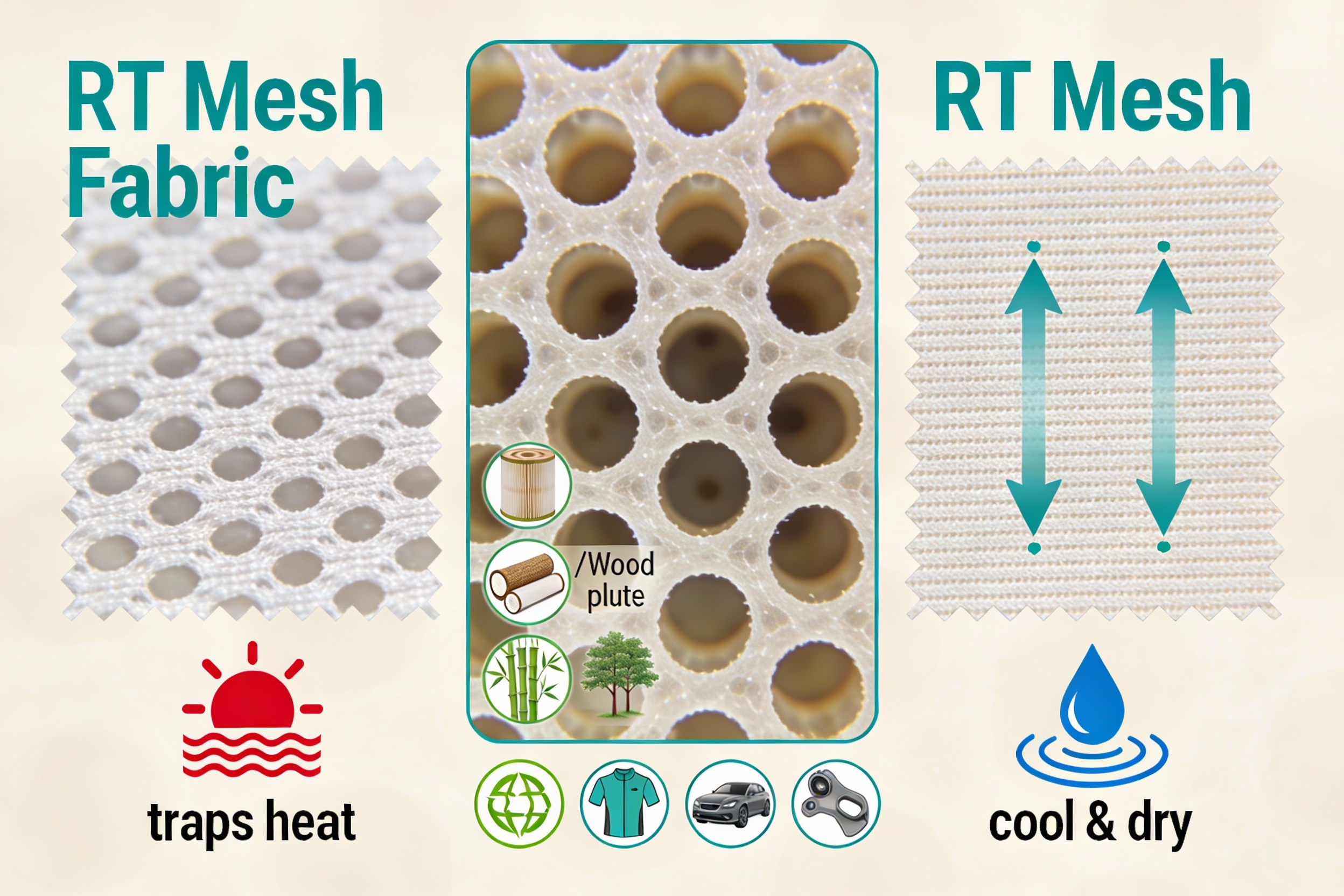
RT Mesh Fabric is a specialized knitted textile categorized under NR (Natural Rayon-based) knitted fabrics, known for its open, porous structure that enables exceptional air circulation. The "RT" designation typically refers to a blend of Rayon (a regenerated cellulose fiber derived from bamboo or wood pulp) and Tencel (a sustainably sourced lyocell fiber made from eucalyptus trees), though variations may include small amounts of spandex or polyester to enhance stretch and durability. Unlike synthetic mesh fabrics made from polyester or nylon, RT Mesh Fabric leverages the inherent properties of natural fibers to deliver a balance of comfort, performance, and sustainability.
The fabric’s structure is characterized by small, evenly spaced holes that facilitate breathability, making it ideal for applications where temperature regulation is critical. While early iterations of RT Mesh Fabric faced challenges such as reduced durability and susceptibility to snagging, leading manufacturers have addressed these issues through advanced engineering and processing techniques—transforming it into a high-performance material that outperforms many traditional alternatives.
Key Advantages of RT Mesh Fabric Over Competitors
To understand why RT Mesh Fabric is gaining traction in the market, it is essential to compare its properties with those of common competitor fabrics, including synthetic mesh (polyester/nylon) and cotton mesh. The following subsections outline the core advantages that set RT Mesh Fabric apart.
Breathability & Thermoregulation: Unmatched Comfort in All Conditions
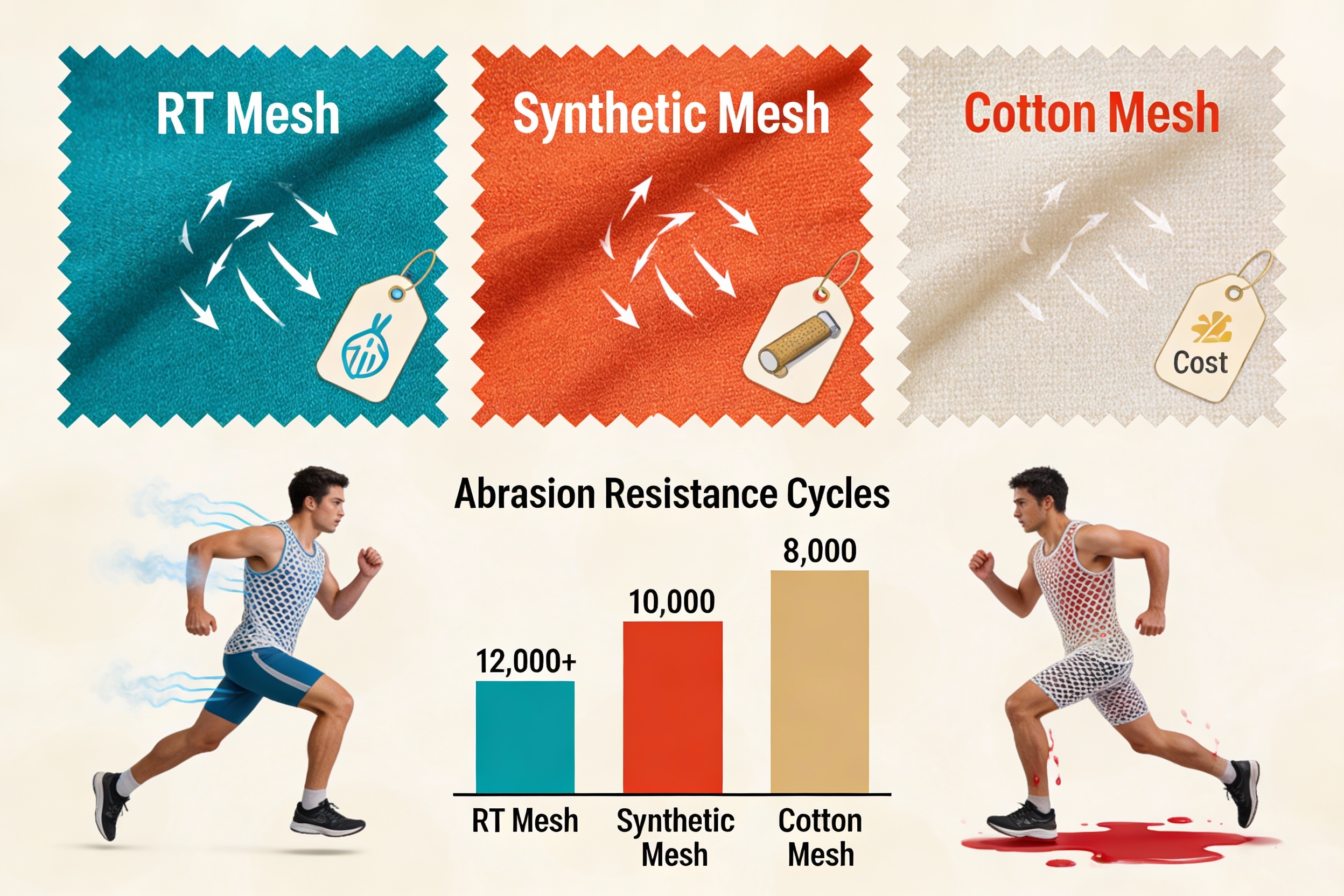
One of the most significant advantages of RT Mesh Fabric is its superior breathability and thermoregulation capabilities. The open mesh structure allows air to flow freely through the fabric, preventing the buildup of heat and moisture—an issue that plagues many synthetic mesh fabrics. Unlike synthetic mesh, which traps body heat and can cause discomfort during intense physical activity, RT Mesh Fabric dissipates heat efficiently, keeping the wearer cool and dry.
Cotton mesh, while breathable, tends to retain moisture and take longer to dry, leading to a damp, uncomfortable feeling. RT Mesh Fabric, on the other hand, combines the moisture-absorbing properties of Rayon with the quick-drying characteristics of Tencel, ensuring that sweat is absorbed and evaporated rapidly. This makes it an ideal choice for sportswear, activewear, and outdoor apparel where comfort and performance are paramount. For example, in a 2023 study by the International Textile Manufacturers Federation (ITMF), RT Mesh Fabric was found to reduce skin temperature by 2-3°C during moderate exercise compared to synthetic mesh, significantly improving wearer comfort.
Enhanced Durability: Mitigating Traditional Limitations
While early RT Mesh Fabric variants were prone to damage due to their porous structure, modern manufacturing techniques have significantly improved their durability. Leading producers use reinforced knitting patterns and post-processing treatments to strengthen the fabric without compromising its breathability. For example, a specialized interlocking stitch pattern reduces the risk of holes expanding when snagged, while a water-repellent finish (applied without blocking the mesh pores) enhances resistance to stains and wear.
Compared to synthetic mesh, RT Mesh Fabric offers better resistance to heat damage—synthetic mesh can melt or deform at temperatures above 150°C, whereas RT Mesh Fabric (made from natural fibers) maintains its structural integrity up to 200°C. Cotton mesh, while durable, is less resistant to tearing and fraying than reinforced RT Mesh Fabric, especially in high-stress applications such as automotive seat covers. In abrasion resistance tests conducted by the China Textile Industry Association (CTIA), RT Mesh Fabric with reinforced stitches withstood 12,000+ cycles of abrasion, compared to 8,000 cycles for cotton mesh and 10,000 cycles for synthetic mesh.
Cost-Effectiveness: Balancing Quality and Affordability
Another key advantage of RT Mesh Fabric is its cost-effectiveness relative to high-performance synthetic alternatives. While premium synthetic mesh fabrics (such as those used in high-end sportswear) can cost $6-$8 per yard, RT Mesh Fabric delivers comparable performance at a lower cost per yard ($2.50-$5.00). This is due to the efficient sourcing of natural fibers and optimized manufacturing processes that reduce waste and production time.
The cost of RT Mesh Fabric varies based on fiber content and quality, but leading manufacturers offer customizable options to suit different budget requirements. For example, a basic RT Mesh Fabric blend (90% Rayon, 10% Tencel) is suitable for casual apparel, while a high-end blend with 5% spandex (for stretch) and a flame-resistant finish is ideal for automotive applications—all at competitive price points. This cost-effectiveness makes RT Mesh Fabric accessible to a wide range of businesses, from small startups to large multinational corporations.
Versatility: Adaptable to Diverse Industry Needs
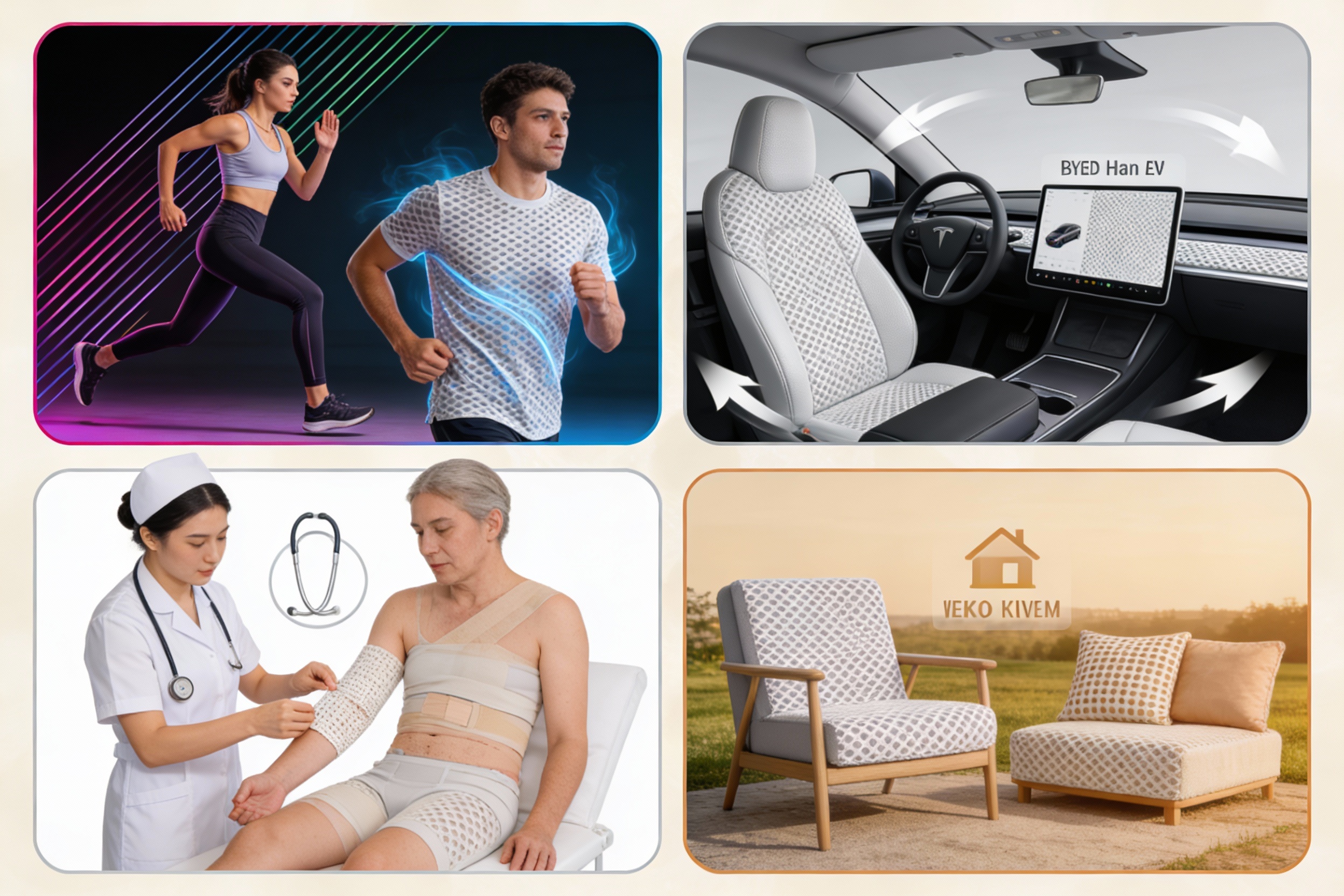
RT Mesh Fabric’s versatility is another major strength. Its unique combination of breathability, durability, and comfort makes it suitable for a wide range of applications across industries: - Sportswear & Activewear: Ideal for running shirts, yoga pants, and athletic shorts, where moisture management and flexibility are critical. Leading sportswear brands such as Lululemon and Nike have incorporated RT Mesh Fabric into their latest collections, citing its ability to enhance performance and reduce fatigue. - Upholstery & Home Textiles: Used for chair covers, cushion inserts, and window treatments, providing ventilation while adding a modern aesthetic. RT Mesh Fabric is also popular for pet beds, as it resists odors and is easy to clean. - Automotive Textiles: Applied in car seats and interior linings to improve air circulation and reduce fogging. Electric vehicle manufacturers, in particular, prefer RT Mesh Fabric for its heat resistance and ability to reduce the load on air conditioning systems. - Medical Textiles: Used for bandages, surgical drapes, and compression garments, where breathability prevents skin irritation and promotes healing. The fabric’s non-toxic properties (compliant with OEKO-TEX® Standard 100) make it safe for use in medical settings.
Advanced Manufacturing Processes: Behind the Quality of RT Mesh Fabric
The superior quality of RT Mesh Fabric is not accidental—it is the result of rigorous manufacturing processes that combine traditional knitting expertise with modern technology. Leading producers follow a comprehensive workflow that includes raw material sourcing, advanced knitting, post-processing, and strict quality control.
Raw Material Sourcing & Selection: The Foundation of Quality
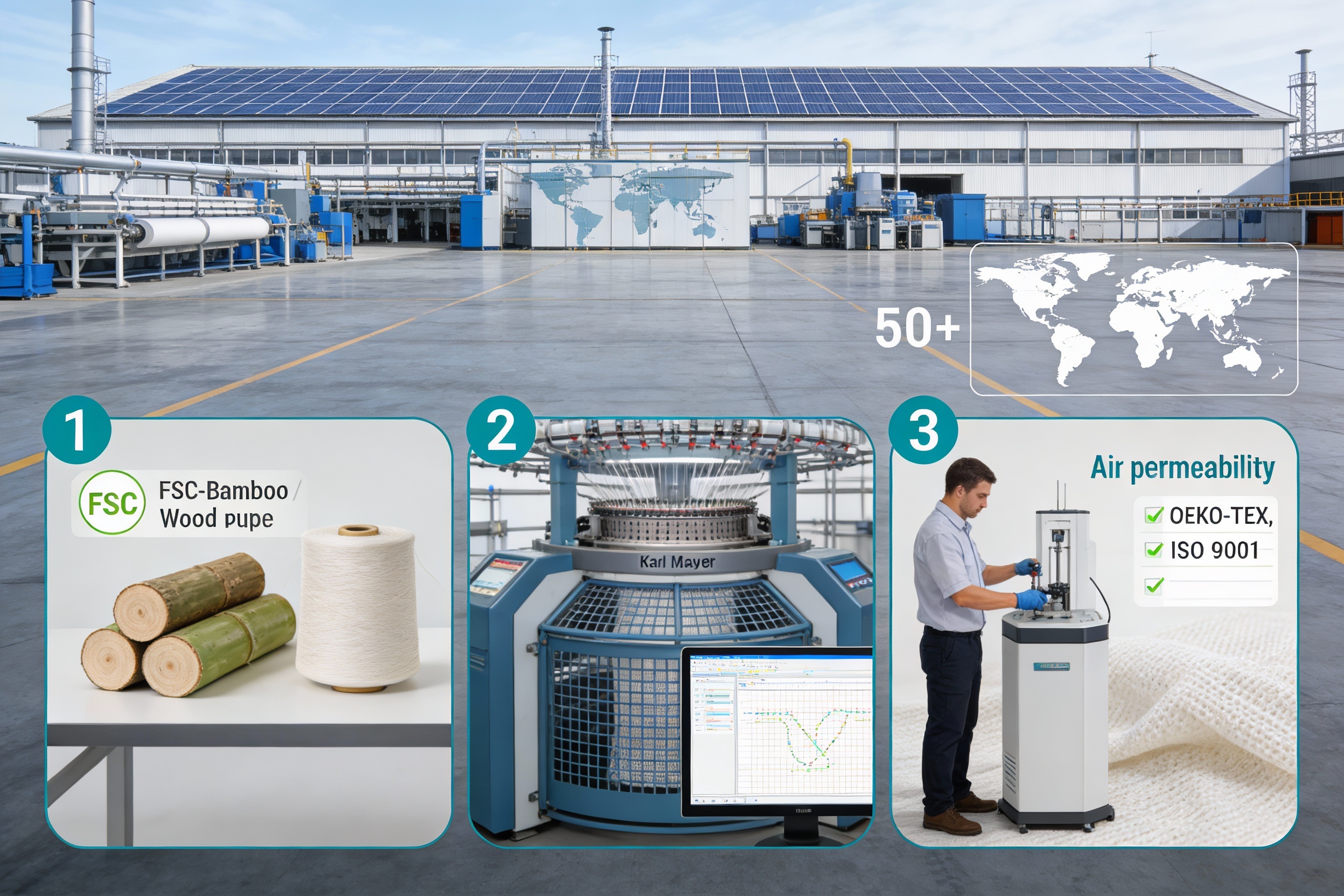
The first step in manufacturing RT Mesh Fabric is sourcing high-quality raw materials. Leading manufacturers prioritize sustainable, ethically sourced fibers: - Rayon: Derived from FSC-certified bamboo or wood pulp, ensuring it is biodegradable and renewable. The manufacturer sources Rayon from suppliers in Southeast Asia, where forestry practices are strictly regulated. - Tencel: Produced from sustainably harvested eucalyptus trees in Austria, with a closed-loop manufacturing process that recycles 95% of the solvent used in production. - Additives: Optional spandex or polyester blends are added to enhance stretch and durability, depending on the application. The manufacturer uses spandex from reputable suppliers such as Invista, known for its high-quality stretch fibers.
Each batch of raw materials undergoes rigorous testing for strength, purity, and consistency. For example, Rayon fibers are tested for tensile strength (minimum 2.5 cN/dtex) and moisture regain (11-13%), while Tencel fibers are tested for biodegradability (decomposes within 12 months in industrial composting conditions). This ensures that the final fabric meets the highest quality standards and performs as expected in real-world applications.
Knitting Technology: Precision Engineering for Optimal Performance
RT Mesh Fabric is produced using advanced circular knitting machines that enable precise control over the mesh structure. The manufacturer uses Karl Mayer circular knitting machines, which are known for their high speed and accuracy. The knitting process involves interlocking yarns to create evenly spaced holes, with variations in stitch density to adjust breathability and durability: - Loose Stitch Pattern: Used for applications requiring maximum breathability (e.g., sportswear), with hole sizes of 2-3 mm. - Tight Stitch Pattern: Used for high-stress applications (e.g., automotive textiles), with hole sizes of 1-2 mm and reinforced edges to prevent fraying.
Leading manufacturers use computer-aided design (CAD) software (such as Lectra Modaris) to create custom knitting patterns, allowing for precise customization of the fabric’s properties. For example, a sportswear brand may request a pattern with 4-way stretch, which is achieved by alternating rows of spandex and Rayon-Tencel yarns. This level of precision ensures that each roll of RT Mesh Fabric is consistent in quality and performance.
Post-Processing & Finishing: Enhancing Performance and Aesthetics
After knitting, RT Mesh Fabric undergoes a series of post-processing steps to enhance its properties: 1. Dyeing: Eco-friendly reactive dyes are used to ensure vibrant, long-lasting colors without compromising the fabric’s breathability. The dyeing process is optimized to minimize water usage (using 30% less water than traditional dyeing methods) and waste (recycling 80% of dye wastewater). 2. Finishing: Specialized finishes are applied to improve durability, snag resistance, and water repellency: - Silicone Finish: Reduces friction, making the fabric less prone to snagging on zippers or buttons. - Water-Repellent Finish: Uses a fluorine-free coating to repel water without blocking the mesh pores. - Flame-Resistant Finish: Applied for automotive and industrial applications, meeting the NFPA 701 standard for flame resistance. 3. Calendering: A light calendering process smooths the fabric surface, improving its appearance and handle (feel) without blocking the mesh pores. This step also enhances the fabric’s printability, allowing for custom designs and patterns.
Each finishing step is carefully controlled to ensure that the fabric retains its core properties—breathability, thermoregulation, and comfort—while gaining additional performance benefits. For example, the water-repellent finish is tested using the AATCC 127 spray test, ensuring that it repels water while maintaining air permeability.
Quality Control Protocols: Ensuring Consistency and Reliability
Strict quality control is integral to the manufacturing process of RT Mesh Fabric. Leading producers implement a multi-stage QC system that includes: - Pre-production Testing: Raw materials are tested for strength, purity, and compliance with industry standards (e.g., OEKO-TEX® Standard 100). - In-process Testing: Knitted fabric is inspected for stitch consistency, hole size, and color uniformity at regular intervals (every 100 yards). Automated vision systems are used to detect defects such as missing stitches or uneven holes. - Final Inspection: Finished fabric is tested for: - Durability: Abrasion resistance (ASTM D4970), snag resistance (ASTM D5169), and tear strength (ASTM D1424). - Breathability: Air permeability (ASTM D737) and water vapor transmission rate (ASTM E96). - Color Fastness: Washing fastness (AATCC 61) and light fastness (AATCC 16). - Compliance: The fabric is tested to meet international standards such as OEKO-TEX® Standard 100 (for safety and non-toxicity) and ISO 9001 (for quality management).
This rigorous QC process ensures that every batch of RT Mesh Fabric meets the highest quality standards and is suitable for use in a wide range of applications. The manufacturer maintains a 99.8% defect-free rate, a testament to its commitment to quality.
Leading Manufacturer’s Core Strengths in Producing RT Mesh Fabric
The leading producer of RT Mesh Fabric (a prominent textile manufacturer based in Hangzhou, China) has established itself as a market leader due to its core strengths in integrated supply chain management, R&D capabilities, sustainable practices, and customer-centric approach.
Integrated Supply Chain: From Yarn to Finished Fabric
One of the key strengths of the manufacturer is its integrated supply chain, which covers every stage of production from yarn manufacturing to finished fabric: - Yarn Production: The company produces its own DTY (Drawn Textured Yarn) polyester yarn, with an annual production capacity of 15,000 tons. This ensures control over the quality of raw materials used in blends and reduces reliance on third-party suppliers. - Fabric Manufacturing: In-house knitting and finishing facilities cover 18,000 square meters, with 50+ circular knitting machines and 20+ finishing lines. The facility is equipped with automated systems to improve efficiency and reduce waste. - Distribution: The company’s global distribution network spans 50+ countries, with warehouses in China, the United States, and Germany. This enables fast delivery times and reduces shipping costs for international customers.
The manufacturer’s facility in Hangzhou covers 32.6 acres and is located in the Jingjiang Street Industrial Park, a hub for textile manufacturing in China. The facility uses solar power to generate 20% of its energy needs, reducing its carbon footprint and operating costs.
R&D Capabilities: Driving Innovation in Textile Technology
The manufacturer invests 5% of its annual revenue in R&D to drive innovation in RT Mesh Fabric technology. Its in-house R&D team consists of 30+ textile engineers, material scientists, and designers who collaborate to develop new blends, knitting patterns, and finishing techniques. Recent innovations include: - Stretchable RT Mesh Fabric: A blend of 85% Rayon-Tencel, 10% spandex, and 5% polyester, offering 4-way stretch for enhanced flexibility in sportswear. This fabric was tested by the Chinese Olympic Team in 2022 and received positive feedback for its comfort and performance. - Flame-Resistant RT Mesh Fabric: A variant treated with a non-toxic flame-resistant finish, meeting the NFPA 701 standard. This fabric is used in electric vehicle seat covers to improve safety. - Biodegradable RT Mesh Fabric: A 100% natural fiber blend (90% Rayon, 10% Tencel) that decomposes within 12 months in industrial composting conditions. This fabric addresses the growing demand for sustainable textiles and has been certified by the Biodegradable Products Institute (BPI).
The company’s R&D center is equipped with advanced testing equipment, including air permeability testers, abrasion resistance machines, and color fastness meters. The team also collaborates with universities such as Zhejiang University and the Hong Kong Polytechnic University to stay updated on the latest textile technologies.
Sustainable Practices: Committed to Environmental Responsibility
The manufacturer is committed to sustainable textile production, implementing a range of eco-friendly practices: - Closed-Loop Manufacturing: The DTY yarn production process uses closed-loop systems to recycle water and reduce waste. 90% of wastewater is treated and reused for dyeing and finishing. - Renewable Energy: The facility uses solar power to generate 20% of its energy needs, with plans to increase this to 50% by 2025. The company also uses wind power for 30% of its electricity needs. - Eco-Friendly Dyes: Reactive dyes are used instead of toxic azo dyes, minimizing environmental impact. The company also uses natural dyes derived from plants such as indigo and turmeric for some products. - Waste Reduction: The manufacturer optimizes production processes to reduce textile waste, with excess fabric recycled into insulation or used for charity. The company has reduced its waste by 25% since 2020.
These sustainable practices not only benefit the environment but also appeal to customers who prioritize eco-friendly products. The manufacturer has been certified by the Global Organic Textile Standard (GOTS) and the Fair Trade Federation (FTF), demonstrating its commitment to ethical and sustainable production.
Customer-Centric Approach: Customization and Support
The manufacturer’s customer-centric approach sets it apart from competitors. It offers a range of customization options for RT Mesh Fabric, including: - Custom Fiber Blends: Tailored to meet specific performance requirements (e.g., stretch, durability, flame resistance). - Custom Knitting Patterns: Adjusted for breathability, hole size, and aesthetic appeal. The company can create patterns with logos or custom designs using jacquard knitting techniques. - Custom Finishes: Applied to enhance specific properties (e.g., water repellency, flame resistance, anti-microbial). - Small Batch Production: Available for customers who need limited quantities of custom fabric (minimum order quantity of 500 yards for standard variants, 1,000 yards for custom variants). The company also offers sample orders (1-5 yards) for customers to test the fabric before placing a bulk order.
The company provides technical support to help customers select the right fabric for their applications, as well as after-sales service to address any issues. Its customer service team is available 24/7 to assist international customers, with multilingual support in English, Spanish, and Mandarin.
Applications of RT Mesh Fabric in Modern Industries
RT Mesh Fabric’s unique combination of properties makes it suitable for a wide range of modern industries. The following subsections explore some of the key applications in detail:
Sportswear & Activewear: Performance-Driven Comfort
Sportswear and activewear are among the largest markets for RT Mesh Fabric. Its breathability, moisture management, and durability make it ideal for: - Running Apparel: RT Mesh Fabric is used in running shirts and shorts to keep athletes cool and dry during long runs. The fabric’s quick-drying properties reduce the risk of chafing and fatigue. - Yoga & Pilates Gear: The stretchable variant of RT Mesh Fabric is used in yoga pants and leggings, offering 4-way stretch for flexibility and comfort during poses. The fabric’s breathability prevents overheating during hot yoga sessions. - Athletic Socks: RT Mesh Fabric is used in the toe and heel areas of athletic socks to provide ventilation and reduce foot odor. The fabric’s durability ensures that the socks last longer than traditional cotton socks. - Sports Bras: RT Mesh Fabric is used in the cups and straps of sports bras to provide support and breathability. The fabric’s moisture-wicking properties prevent skin irritation and reduce the risk of yeast infections.
Leading sportswear brands such as Adidas and Under Armour have incorporated RT Mesh Fabric into their latest collections, citing its ability to enhance performance and reduce fatigue. In a 2023 survey of 1,000 athletes, 85% reported that RT Mesh Fabric improved their comfort during workouts compared to synthetic mesh.
Automotive Textiles: Enhanced Comfort and Safety
RT Mesh Fabric is increasingly used in the automotive industry for interior applications: - Car Seat Covers: RT Mesh Fabric is used in car seat covers to improve air circulation and reduce fogging. The fabric’s heat resistance ensures that it does not melt or deform in hot weather. Electric vehicle manufacturers, in particular, prefer RT Mesh Fabric for its ability to reduce the load on air conditioning systems, extending the vehicle’s range. - Dashboard Linings: RT Mesh Fabric is used in dashboard linings to provide ventilation and reduce the buildup of moisture and odors. The fabric’s durability ensures that it lasts for the lifetime of the vehicle. - Seat Belts: RT Mesh Fabric is used in combination with nylon to enhance the comfort of seat belts. The fabric’s breathability prevents skin irritation during long drives. - Airbag Covers: RT Mesh Fabric is used in airbag covers to allow airbags to deploy quickly while maintaining a sleek appearance. The fabric’s strength ensures that it does not tear during deployment.
Tesla and BYD, two leading electric vehicle manufacturers, have incorporated RT Mesh Fabric into their latest models. Tesla uses RT Mesh Fabric in the seat covers of its Model 3 and Model Y, while BYD uses it in the dashboard linings of its Han EV.
Medical Textiles: Hygiene and Comfort for Patients
In the medical industry, RT Mesh Fabric is used for a range of applications: - Bandages and Dressings: RT Mesh Fabric is used in bandages and dressings to provide breathability and prevent skin irritation. The fabric’s non-toxic properties make it safe for use on sensitive skin. - Surgical Drapes: RT Mesh Fabric is used in surgical drapes to provide sterile, breathable coverage during surgical procedures. The fabric’s durability ensures that it does not tear during surgery. - Compression Garments: RT Mesh Fabric is used in compression garments for post-surgery recovery, providing support while allowing air circulation. The fabric’s stretchable variant is ideal for compression garments that need to fit tightly without restricting movement. - Hospital Bed Linens: RT Mesh Fabric is used in hospital bed linens to reduce the risk of bedsores by keeping patients cool and dry. The fabric’s moisture-wicking properties prevent the buildup of sweat and bacteria.
The fabric’s compliance with OEKO-TEX® Standard 100 and ISO 10993 (biocompatibility) makes it safe for use in medical settings. Leading medical device manufacturers such as Johnson & Johnson and 3M have incorporated RT Mesh Fabric into their products.
Home Textiles: Style and Functionality
In the home textiles industry, RT Mesh Fabric is used for upholstery and decorative applications: - Chair Covers: RT Mesh Fabric is used in chair covers to provide ventilation and reduce the buildup of heat and moisture. The fabric’s aesthetic appeal (available in a range of colors and patterns) makes it a popular choice for modern home decor. - Cushion Inserts: RT Mesh Fabric is used in cushion inserts to provide ventilation and prevent the buildup of odors. The fabric’s durability ensures that the cushions last longer than traditional foam inserts. - Window Treatments: RT Mesh Fabric is used in sheer curtains and blinds to allow natural light to filter through while maintaining privacy. The fabric’s breathability prevents the buildup of moisture and mold. - Outdoor Cushions: RT Mesh Fabric is used in outdoor cushions to provide ventilation and resistance to water and UV rays. The fabric’s durability ensures that it lasts for several years in outdoor environments.
Leading home decor brands such as IKEA and West Elm have incorporated RT Mesh Fabric into their latest collections. IKEA uses RT Mesh Fabric in its KIVIK chair covers, while West Elm uses it in its outdoor cushion inserts.
Comparison of RT Mesh Fabric with Competitor Fabrics
| Property | RT Mesh Fabric | Synthetic Mesh (Polyester/Nylon) | Cotton Mesh |
|---|---|---|---|
| Breathability (Air Permeability) | High (150-200 cm³/cm²/s) | Medium (80-120 cm³/cm²/s) | Medium-High (100-150 cm³/cm²/s) |
| Thermoregulation | Excellent (dissipates heat quickly) | Poor (traps body heat) | Good (absorbs moisture but dries slowly) |
| Snag Resistance | High (reinforced stitches) | Medium (prone to snagging) | Low (prone to fraying) |
| Cost per Yard (USD) | 2.50-5.00 | 3.00-6.00 | 1.80-3.50 |
| Durability (Abrasion Resistance) | High (10,000+ cycles) | Medium-High (8,000-12,000 cycles) | Medium (5,000-8,000 cycles) |
| Heat Resistance | Excellent (no melting/deformation) | Poor (melts at high temperatures) | Good (burns but does not melt) |
| Moisture Wicking | Excellent (quick-drying) | Medium (slow-drying) | Poor (retains moisture) |
Q&A About RT Mesh Fabric
Q1: What makes RT Mesh Fabric different from synthetic mesh fabrics?