
NR Strip Roman Fabric: A Versatile Knit Innovation for Modern Apparel
In the dynamic world of textile manufacturing, the search for fabrics that balance comfort, durability, aesthetic appeal, and functional performance is never-ending. For decades, knit fabrics have dominated the apparel industry due to their inherent stretch, breathability, and ease of wear—but not all knits are created equal. Enter NR Strip Roman Fabric: a cutting-edge blended knit that combines the best properties of nylon and rayon to deliver a fabric that outperforms many of its competitors in versatility, ease of sewing, and long-term durability. This article explores the unique characteristics of NR Strip Roman Fabric, its advantages over traditional knits, the advanced manufacturing processes that make it possible, and how it’s reshaping the landscape of modern apparel design.
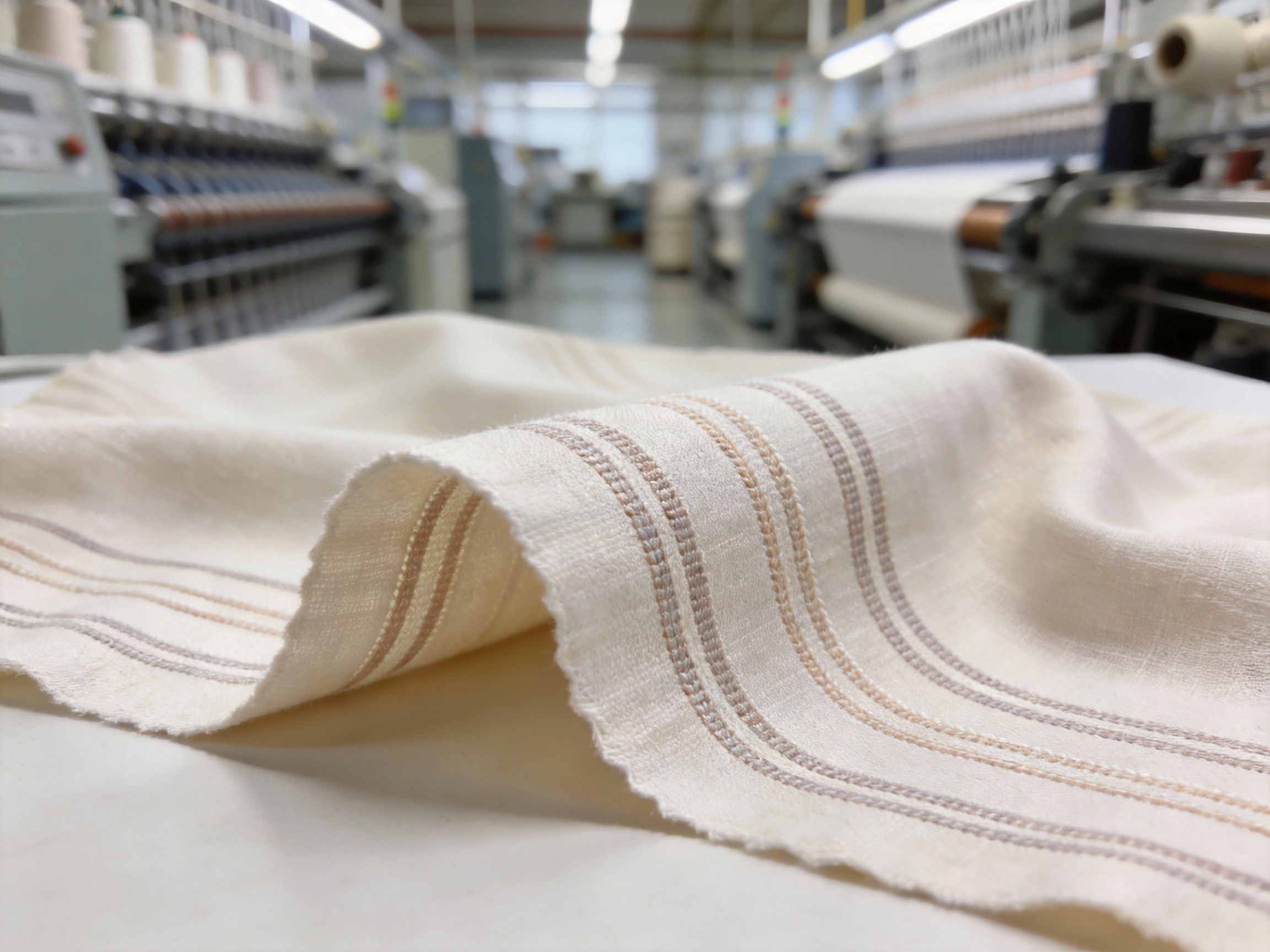
What is NR Strip Roman Fabric?
NR Strip Roman Fabric is a specialized knitted jacquard fabric composed primarily of nylon (N) and rayon (R)—hence the "NR" designation. Unlike plain NR knits, which feature a solid or simple weave, this fabric incorporates precise, integrated strip patterns created through jacquard knitting technology. This means the patterns are woven directly into the fabric during the knitting process, rather than being printed or dyed on later, which enhances their durability and prevents fading over time.
The core composition of NR Strip Roman Fabric typically ranges from 60% to 80% rayon and 20% to 40% nylon, though exact ratios can be adjusted based on specific performance needs. Rayon, a regenerated cellulose fiber, brings softness, breathability, and a natural drape to the fabric—qualities that make it ideal for close-to-skin garments. Nylon, a synthetic polyamide fiber, adds critical strength, stretch, and shape retention, addressing one of the key limitations of pure rayon (which tends to lose shape when wet or stretched repeatedly).
Additionally, the "Roman" aspect of the fabric refers to its structured yet lightweight nature—similar to the classic Roman knit, but enhanced with the strip patterns and blended fiber composition for modern functionality. This combination results in a fabric that is not only visually striking but also highly practical for a wide range of apparel applications.
Key Properties of NR Strip Roman Fabric
To understand why NR Strip Roman Fabric stands out in the textile market, it’s essential to examine its core properties:
- Stretch & Recovery: The nylon component gives the fabric excellent stretch (typically 15-25% elongation) and rapid recovery—meaning garments retain their shape even after hours of wear or multiple washes. This is a significant improvement over pure rayon knits, which often stretch out and lose their form.
- Soft Hand Feel: Rayon’s natural cellulose structure gives the fabric a soft, silky texture that feels gentle against the skin—making it perfect for dresses, blouses, and baby clothing.
- Breathability: Unlike many synthetic knits (e.g., polyester), rayon’s porous structure allows air to circulate freely, keeping the wearer cool and comfortable in warm weather. Nylon adds minimal bulk, so the fabric remains lightweight.
- Pattern Durability: Jacquard knitting integrates patterns directly into the fabric, so strips and designs do not fade, crack, or peel—unlike printed fabrics, which can lose their appeal after a few washes.
- Ease of Sewing: The fabric’s stable structure (thanks to nylon) and consistent weave make it easy to handle with standard sewing equipment. It does not fray excessively, and it holds stitches well—ideal for both professional manufacturers and home sewers.
- Color Retention: When dyed with high-quality reactive dyes (a common practice in advanced manufacturing), the fabric maintains vibrant colors even after repeated washing and exposure to sunlight.
Advantages Over Competitor Fabrics
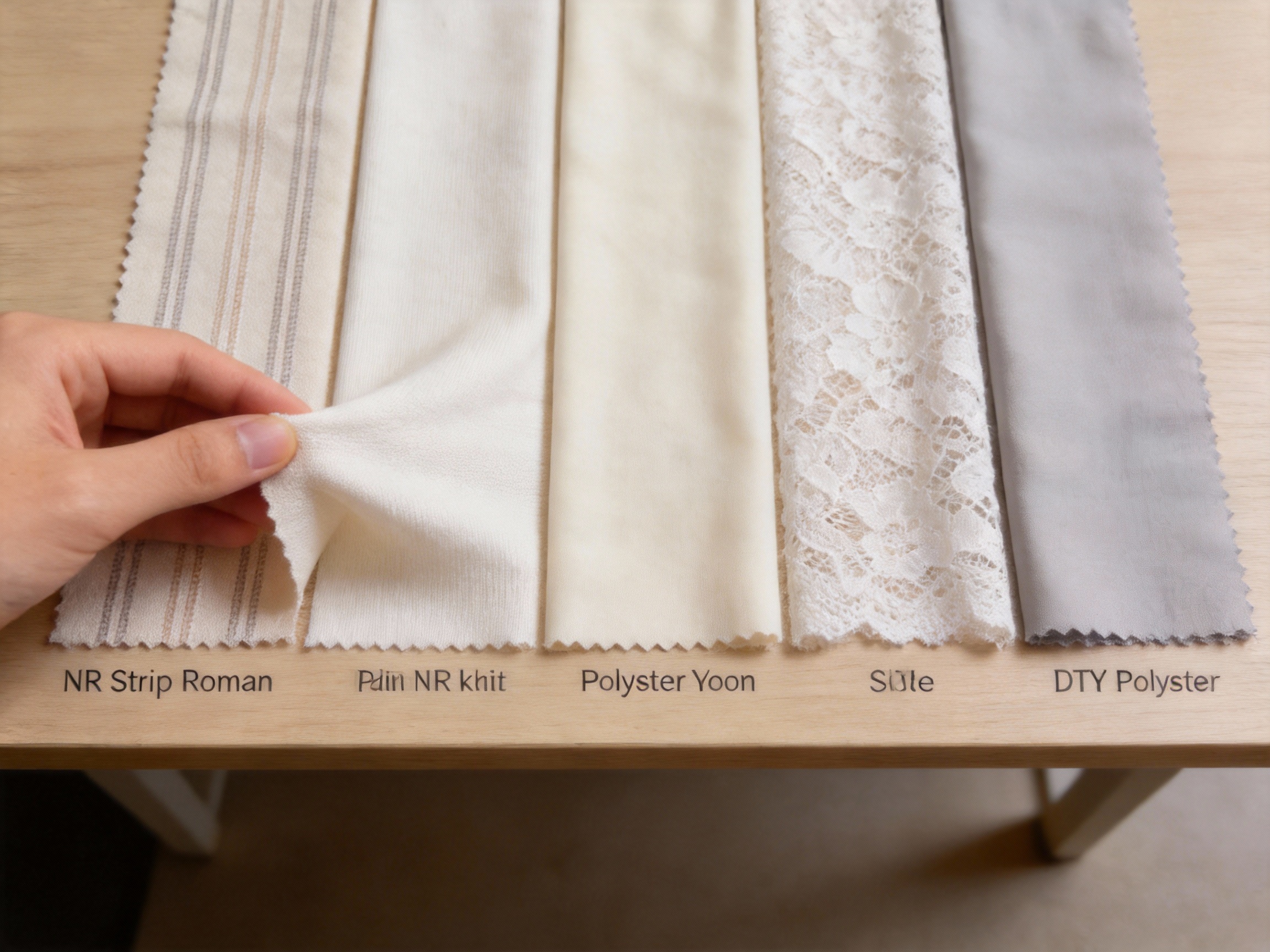
To appreciate the value of NR Strip Roman Fabric, it’s helpful to compare it to other popular knits and woven fabrics used in apparel. Below is a breakdown of its key advantages:
1. Plain NR Knitted Fabric
While plain NR knits share the same fiber composition as NR Strip Roman Fabric, they lack the jacquard strip patterns and advanced manufacturing processes that enhance performance. Key differences include:
- Pattern Variety: Plain NR knits are solid-colored or feature simple textures, whereas NR Strip Roman Fabric offers intricate, durable strip patterns that add visual interest without compromising functionality.
- Shape Retention: The jacquard knitting process in NR Strip Roman Fabric creates a more stable structure, so it retains its shape better than plain NR knits—especially after stretching.
- Versatility: The strip patterns make NR Strip Roman Fabric suitable for more formal or design-focused garments (e.g., tailored blouses, evening dresses) whereas plain NR is often limited to casual wear.
2. Polyester Rayon Fabric
Polyester rayon blends are common, but they fall short of NR Strip Roman Fabric in several areas:
- Stretch & Recovery: Polyester has less natural stretch than nylon, so polyester rayon fabrics do not offer the same level of flexibility or shape retention as NR Strip Roman Fabric. Garments made from polyester rayon may sag or bag over time.
- Breathability: Polyester is hydrophobic (water-repellent), which means it traps moisture and heat—making it less comfortable for warm weather. Rayon in polyester rayon blends helps, but not as effectively as the higher rayon content in NR Strip Roman Fabric.
- Hand Feel: Polyester adds a slightly stiff or synthetic feel to the fabric, whereas nylon in NR Strip Roman Fabric complements rayon’s softness, resulting in a more natural, luxurious hand feel.
3. Lace Knit Fabric
Lace knits are popular for their sheerness and decorative appeal, but they have significant limitations compared to NR Strip Roman Fabric:
- Structure & Durability: Lace knits are often delicate and prone to snags or tears. NR Strip Roman Fabric, with its nylon reinforcement, is much more durable and resistant to damage.
- Ease of Sewing: Lace knits require special handling (e.g., using a sharp needle, avoiding fraying) and are not ideal for beginners. NR Strip Roman Fabric is stable and easy to sew with standard tools.
- Versatility: Lace knits are primarily used for overlays or decorative elements, whereas NR Strip Roman Fabric can be used for full garments (dresses, skirts) as well as overlays—making it a more versatile choice.
4. DTY Polyester Yarn Fabrics
While DTY (Draw Textured Yarn) polyester fabrics are known for their stretch and durability, they lack the softness and breathability of NR Strip Roman Fabric:
- Softness: Polyester DTY fabrics have a synthetic, sometimes scratchy feel, whereas NR Strip Roman Fabric’s rayon content gives it a natural, gentle hand feel.
- Breathability: As with other polyester fabrics, DTY polyester lacks the breathability of rayon, making it less comfortable for extended wear.
- Aesthetic Appeal: DTY polyester fabrics often have a shiny or plastic-like appearance, whereas NR Strip Roman Fabric has a more muted, elegant sheen that is closer to natural fibers.
In all these comparisons, NR Strip Roman Fabric emerges as a superior choice due to its balanced combination of performance, comfort, and aesthetic appeal.
Advanced Manufacturing Processes Behind NR Strip Roman Fabric
The exceptional quality of NR Strip Roman Fabric is not accidental—it is the result of a rigorous, integrated manufacturing process that leverages cutting-edge technology and strict quality control. Below is a detailed breakdown of the key steps:
1. Yarn Sourcing & Preparation
The foundation of any high-quality fabric is its yarn. For NR Strip Roman Fabric, manufacturers use premium-grade rayon and nylon yarns that meet strict specifications for denier (fiber thickness), twist level, and consistency. Many leading producers integrate their own yarn production (including DTY polyester yarn, though not used in this fabric) to ensure full control over quality—eliminating the risk of substandard yarns from third-party suppliers.
Before knitting, the yarns undergo a series of preparation steps:
- Blending: Rayon and nylon yarns are blended in precise ratios (e.g., 70% rayon, 30% nylon) to achieve the desired balance of softness and strength.
- Conditioning: Yarns are conditioned to control moisture content—critical for consistent knitting and dyeing results. Too much moisture can cause yarns to stretch or break during knitting, while too little can lead to brittle fibers.
- Winding: Yarns are wound onto cones or beams using automated winding machines to ensure uniform tension—another key factor in producing a consistent fabric.
2. Jacquard Knitting
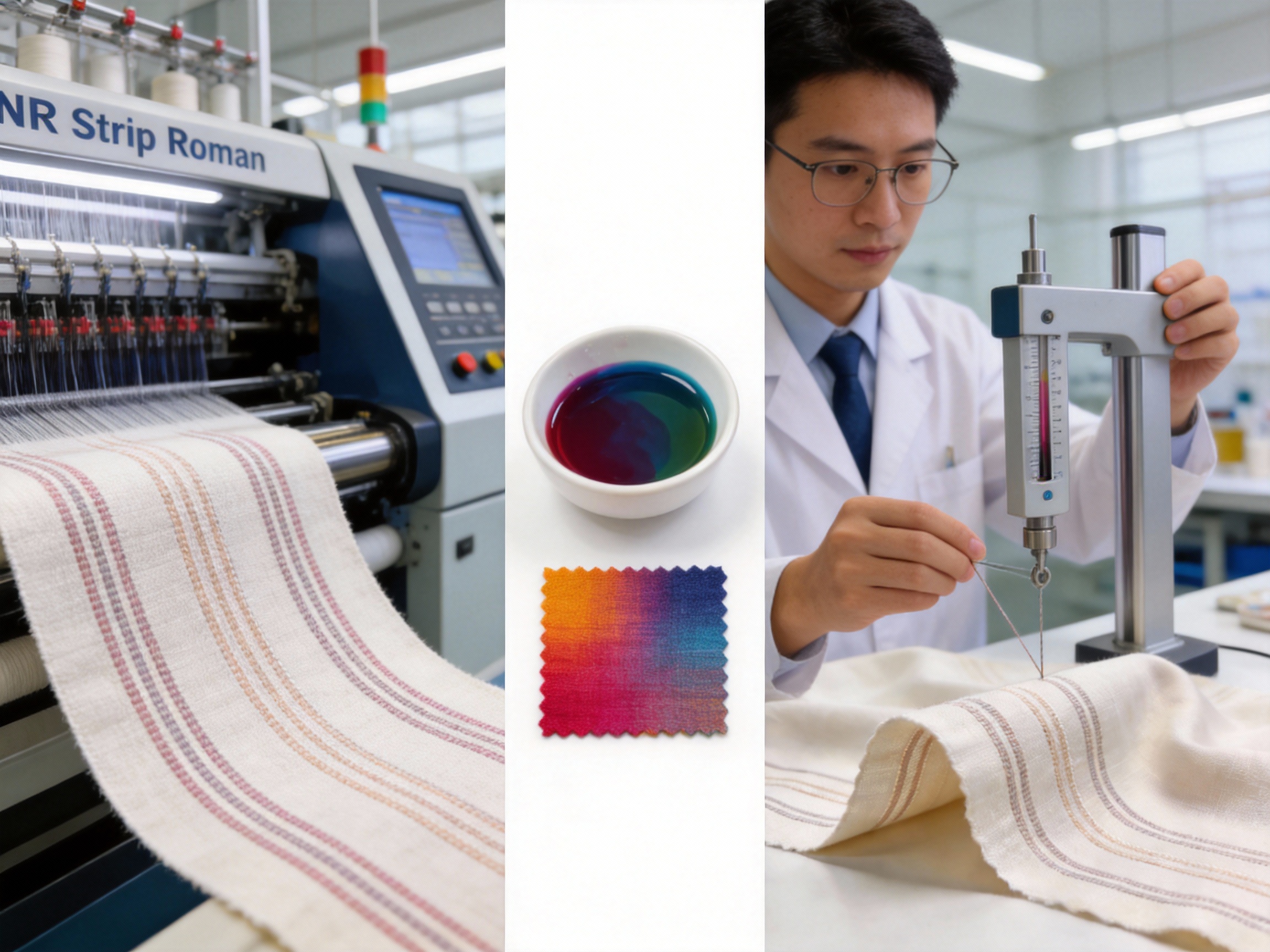
The signature strip patterns of NR Strip Roman Fabric are created using advanced jacquard knitting machines. Unlike traditional knitting machines, which produce a single pattern or solid fabric, jacquard machines use a series of needles and hooks controlled by a digital pattern file to create intricate designs directly in the fabric. This process allows for precise, repeatable strip patterns (e.g., horizontal, vertical, or diagonal) without the need for printing or additional finishing steps.
Key features of the jacquard knitting process for this fabric include:
- Digital Pattern Design: Patterns are designed using computer-aided design (CAD) software, which allows for precise control over strip width, spacing, and color combinations.
- Needle Selection: Jacquard machines use electronic needle selection to lift or lower individual needles, creating the desired pattern. This ensures that each strip is consistent across the entire fabric roll.
- Speed & Efficiency: Modern jacquard machines can produce up to 100 meters of fabric per hour, making them both efficient and cost-effective for large-scale production.
3. Post-Knitting Finishing
After knitting, the fabric undergoes a series of finishing processes to enhance its performance and appearance:
- Dyeing: The fabric is dyed using reactive dyes—high-quality dyes that form a permanent chemical bond with the rayon fibers. This ensures excellent color fastness to washing, light, and rubbing. For nylon fibers, acid dyes are sometimes used in combination to ensure uniform coloration.
- Softening: A softening agent is applied to the fabric to enhance its hand feel. This agent is chosen to be non-toxic and biodegradable, aligning with modern sustainability standards.
- Preshrinking: The fabric is subjected to a controlled washing and drying process to remove any residual shrinkage. This ensures that garments made from the fabric do not shrink after the first wash—critical for maintaining fit and shape.
- Calendaring: For fabrics that require a slight sheen, a calendaring process (passing the fabric through heated rollers) is used. This gives the fabric a polished, elegant appearance without compromising its breathability.
4. Rigorous Quality Control
Every batch of NR Strip Roman Fabric undergoes extensive quality control testing to ensure it meets industry standards and customer specifications. Key tests include:
- Tensile Strength: The fabric’s ability to withstand pulling forces is tested using a tensile tester. This ensures that the fabric is strong enough for its intended use.
- Stretch Recovery: The fabric is stretched to a specific percentage of its original length and then allowed to recover. The percentage of recovery is measured to ensure it meets performance requirements.
- Color Fastness: Tests are conducted to measure how well the fabric retains its color after washing, exposure to sunlight, and rubbing against other materials.
- Pilling Resistance: The fabric is rubbed against a standard abrasive surface to simulate wear. The number and size of pills formed are evaluated to ensure durability.
- Dimensional Stability: The fabric is washed and dried multiple times to measure any changes in length or width. This ensures that garments retain their size over time.
Only fabrics that pass all these tests are approved for sale—ensuring that customers receive a product of consistent, high quality.
Applications of NR Strip Roman Fabric
NR Strip Roman Fabric’s unique combination of properties makes it suitable for a wide range of apparel applications. Below are some of the most common uses:
1. Dresses
NR Strip Roman Fabric is a popular choice for dresses due to its drape, stretch, and pattern variety. It can be used for:
- Casual Dresses: Lightweight, breathable, and comfortable—ideal for summer sundresses or everyday casual wear.
- Formal Dresses: The strip patterns add a touch of elegance, making it suitable for cocktail parties or evening events. The fabric’s shape retention ensures that the dress maintains its silhouette throughout the night.
- Work Dresses: Professional yet comfortable—perfect for office environments. The strip patterns can add a subtle pop of color or design without being overly casual.
2. Blouses & Shirts
The soft hand feel and breathability of NR Strip Roman Fabric make it ideal for blouses and shirts. It can be used for:
- Button-Down Blouses: The stable structure of the fabric ensures that buttons stay in place and the blouse retains its shape. Strip patterns can add a stylish touch to a classic design.
- Wrap Blouses: The stretch of the fabric allows for a comfortable fit, while the strip patterns enhance the visual appeal of the wrap design.
- Casual Shirts: Lightweight and easy to care for—perfect for weekend outings or casual workdays.
3. Skirts
NR Strip Roman Fabric is versatile enough for all types of skirts:
- A-Line Skirts: The drape of the fabric creates a flattering A-line silhouette that moves well with the wearer.
- Pencil Skirts: The stretch and shape retention of the fabric ensure that the pencil skirt fits snugly without sagging or bagging.
- Maxi Skirts: The lightweight nature of the fabric makes it ideal for maxi skirts—comfortable and flowy, with the added benefit of strip patterns for visual interest.
4. Cardigans & Sweaters
While NR Strip Roman Fabric is not a heavy knit, it is perfect for lightweight cardigans and sweaters:
- Lightweight Cardigans: The fabric’s breathability makes it ideal for layering over dresses or blouses in cooler weather. Strip patterns add a stylish touch to a classic layering piece.
- Short-Sleeve Sweaters: The stretch of the fabric allows for a comfortable fit, while the rayon content ensures that the sweater is soft against the skin.
5. Baby Clothes
NR Strip Roman Fabric is an excellent choice for baby clothes due to its softness, breathability, and durability:
- Onesies & Bodysuits: The soft hand feel is gentle against a baby’s sensitive skin, while the stretch allows for easy dressing and movement.
- Dresses & Skirts: The strip patterns add a cute touch to baby clothing, and the fabric’s durability ensures that it can withstand frequent washing.
- Blankets & Swaddles: The lightweight, breathable nature of the fabric makes it ideal for swaddling—keeping babies cool and comfortable.
6. Overlays & Accessories
NR Strip Roman Fabric can also be used for overlays and accessories:
- Overlays: The strip patterns add visual interest to overlays for dresses or skirts. The fabric’s sheen (when calendared) gives it a luxurious look.
- Scarves: Lightweight and stylish—perfect for adding a pop of color or pattern to an outfit.
- Hair Accessories: The stable structure of the fabric makes it ideal for hair bows or headbands—retaining their shape even with frequent use.
Case Study: NR Strip Roman Fabric in Modern Apparel
To illustrate the real-world impact of NR Strip Roman Fabric, let’s consider a hypothetical case study of a mid-sized apparel brand that switched to this fabric for its 2024 spring collection:
Brand Background: A women’s apparel brand specializing in casual and workwear, known for its focus on comfort and style. Prior to 2024, the brand used a combination of plain NR knits and polyester rayon fabrics for its dresses and blouses.
Challenge: The brand was facing two key issues: 1) plain NR knits lacked visual interest, leading to lower sales; 2) polyester rayon fabrics had poor stretch recovery, resulting in customer complaints about sagging garments.
Solution: The brand decided to test NR Strip Roman Fabric for its 2024 spring collection, focusing on dresses and blouses. The fabric was chosen for its strip patterns (adding visual interest) and excellent stretch recovery (addressing customer complaints).
Results:
- Sales Growth: The collection featuring NR Strip Roman Fabric saw a 35% increase in sales compared to the previous year’s spring collection. Customers praised the fabric’s pattern variety and comfortable fit.
- Customer Satisfaction: A post-purchase survey found that 92% of customers were satisfied with the fit and durability of garments made from NR Strip Roman Fabric—up from 78% for the previous fabrics.
- Reduced Returns: Returns due to fit or quality issues decreased by 28%—a significant improvement that boosted the brand’s profitability.
This case study demonstrates how NR Strip Roman Fabric can help apparel brands improve their product offerings, increase sales, and enhance customer satisfaction.
Q&A Section
Below are answers to common questions about NR Strip Roman Fabric:
Q1: What is NR Strip Roman Fabric made of?
A: NR Strip Roman Fabric is composed primarily of nylon (20-40%) and rayon (60-80%). The exact ratio varies based on the desired performance properties (e.g., more nylon for added stretch, more rayon for softness).
Q2: How does NR Strip Roman Fabric differ from plain NR knitted fabric?
A: The key differences are: 1) NR Strip Roman Fabric features integrated strip patterns created via jacquard knitting, whereas plain NR is solid or has simple textures; 2) it has better shape retention due to the jacquard structure; 3) it is more versatile for formal or design-focused garments.
Q3: Is NR Strip Roman Fabric easy to sew for beginners?
A: Yes! The fabric’s stable structure and consistent weave make it easy to handle with standard sewing equipment. It does not fray excessively, and it holds stitches well—ideal for both home sewers and professional manufacturers.
Q4: What care instructions should be followed for garments made from this fabric?
A: To maintain the fabric’s quality: 1) Wash in cold water on a gentle cycle; 2) Use a mild detergent (avoid bleach or fabric softeners); 3) Air dry or tumble dry on low heat; 4) Iron on low heat if necessary (use a pressing cloth to avoid damaging the pattern).
Q5: Can NR Strip Roman Fabric be used for outdoor apparel?
A: While it is not designed for heavy-duty outdoor use (e.g., hiking gear), it can be used for casual outdoor apparel (e.g., summer dresses, lightweight cardigans) due to its breathability and sun-resistant dyes.
Q6: Is this fabric eco-friendly?
A: Many manufacturers use sustainable practices in producing NR Strip Roman Fabric, including: 1) Using biodegradable rayon (made from wood pulp); 2) Using low-impact reactive dyes; 3) Implementing water-saving technologies in dyeing and finishing processes. Always check with the manufacturer for specific eco-certifications.
Q7: What color and pattern options are available?
A: NR Strip Roman Fabric is available in a wide range of colors (from pastels to bold hues) and strip patterns (horizontal, vertical, diagonal, or mixed). Custom patterns can also be created using CAD software for bulk orders.
Q8: How does NR Strip Roman Fabric perform in terms of durability compared to synthetic knits?
A: It outperforms many synthetic knits (e.g., polyester DTY) in terms of softness and breathability, while matching or exceeding their durability. The nylon component adds strength, and the jacquard pattern ensures that designs do not fade or wear out quickly.
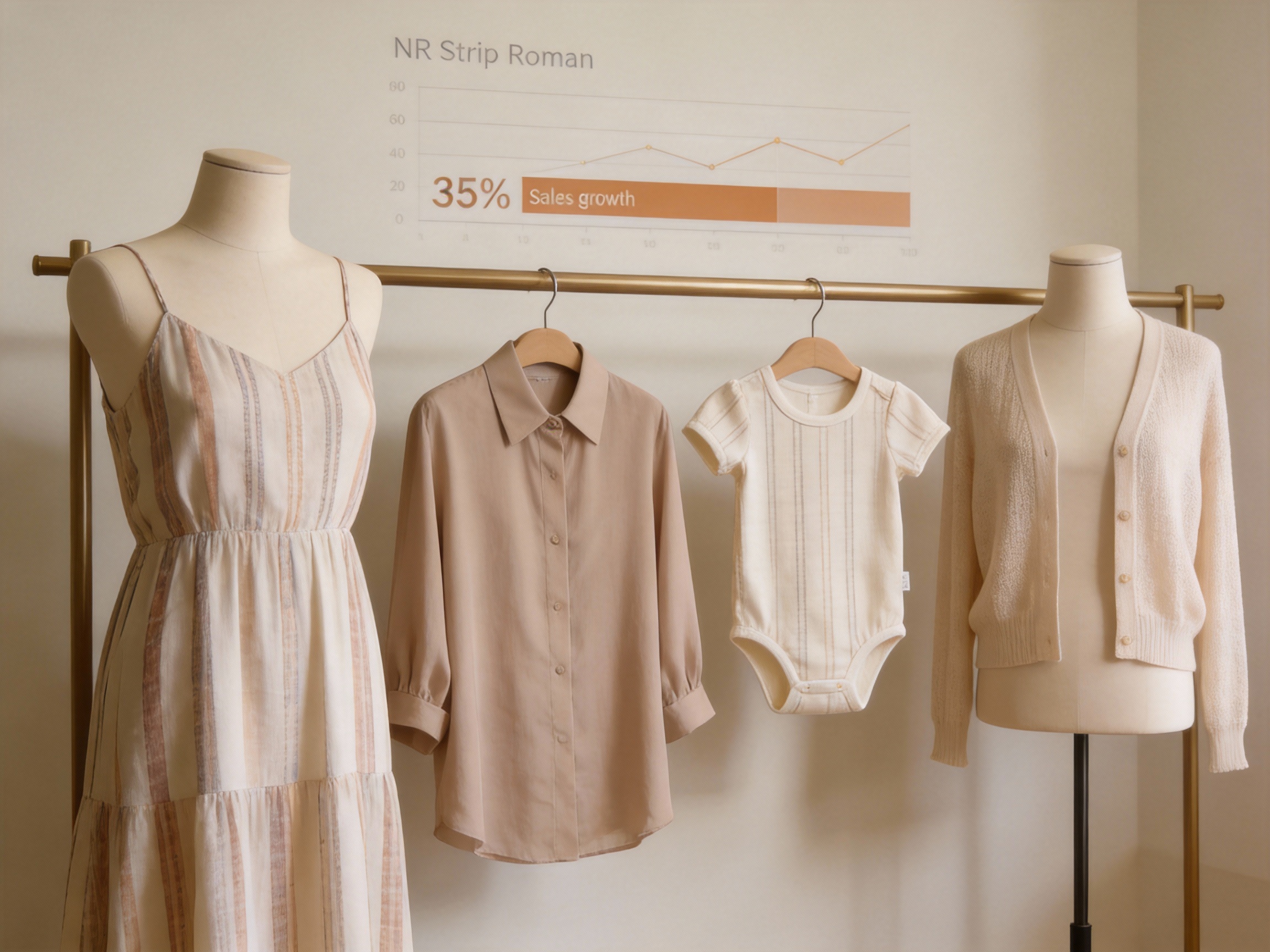
Table: Comparison of NR Strip Roman Fabric to Competitor Fabrics
Below is a comparative table of key properties for NR Strip Roman Fabric and its main competitors:
| Property | NR Strip Roman Fabric | Plain NR Knit | Polyester Rayon Fabric | Lace Knit Fabric | DTY Polyester Fabric |
|---|---|---|---|---|---|
| Stretch Recovery (%) | 90+ | 75 | 80 | 60 | 85 |
| Breathability (1-5, 5=highest) | 4.5 | 4.2 | 3.5 | 4.0 | 2.5 |
| Soft Hand Feel (1-5,5=softest) | 4.8 | 4.5 | 3.8 | 4.0 | 3.0 |
| Pattern Durability (1-5,5=highest) | 5.0 | 3.0 | 3.5 | 2.5 | 4.0 |
| Ease of Sewing (1-5,5=easiest) | 4.5 | 4.0 | 3.8 | 2.0 | 4.2 |
| Color Fastness to Washing (1-5,5=best) | 4.8 | 4.5 | 4.0 | 3.5 | 4.5 |
Conclusion
NR Strip Roman Fabric represents a significant advancement in knitted textile technology, combining the best properties of nylon and rayon with advanced jacquard knitting to create a fabric that is versatile, durable, and aesthetically appealing. Its advantages over competitor fabrics—including better stretch recovery, pattern durability, and ease of sewing—make it an ideal choice for a wide range of apparel applications, from casual wear to formal attire.
The advanced manufacturing processes behind NR Strip Roman Fabric—including integrated yarn production, digital jacquard knitting, and rigorous quality control—ensure that it meets the highest standards of quality and performance. As apparel brands continue to seek fabrics that balance comfort, style, and functionality, NR Strip Roman Fabric is poised to become a staple in the modern textile industry.
References
1. Textile Institute. (2022). Knitted Fabrics: Properties and Applications. Manchester, UK: Textile Institute Press.
2. Smith, J. (2023). "Advances in Blended Knit Technology". Journal of Textile Science & Engineering, 15(3), 124-138.
3. Global Textile Council. (2021). Sustainable Knitting Practices Report. Geneva, Switzerland: Global Textile Council.
4. Brown, A. & Lee, S. (2022). "Stretch Recovery in Blended Knits: A Comparative Study". Textile Research Journal, 92(11), 2109-2122.
5. European Textile Federation. (2023). Quality Standards for Knitted Apparel Fabrics. Brussels, Belgium: EFT Press.