
Jacquard Black And White Grid Fabric: A Timeless, Versatile Choice for Apparel & Home Textiles
Grid patterns have long held a place of honor in fashion and home decor, blending classic sophistication with modern adaptability. From the tailored blazers of the 1950s to the minimalist curtains of contemporary interiors, grids never go out of style—but not all grid fabrics are created equal. The Jacquard Black And White Grid Fabric, a knitted jacquard textile, stands out as a game-changer, merging aesthetic appeal with functional performance that outshines traditional woven jacquard and printed alternatives. This article explores its unique advantages, the advanced manufacturing processes that define its quality, and why it has become a top choice for designers, manufacturers, and consumers worldwide.
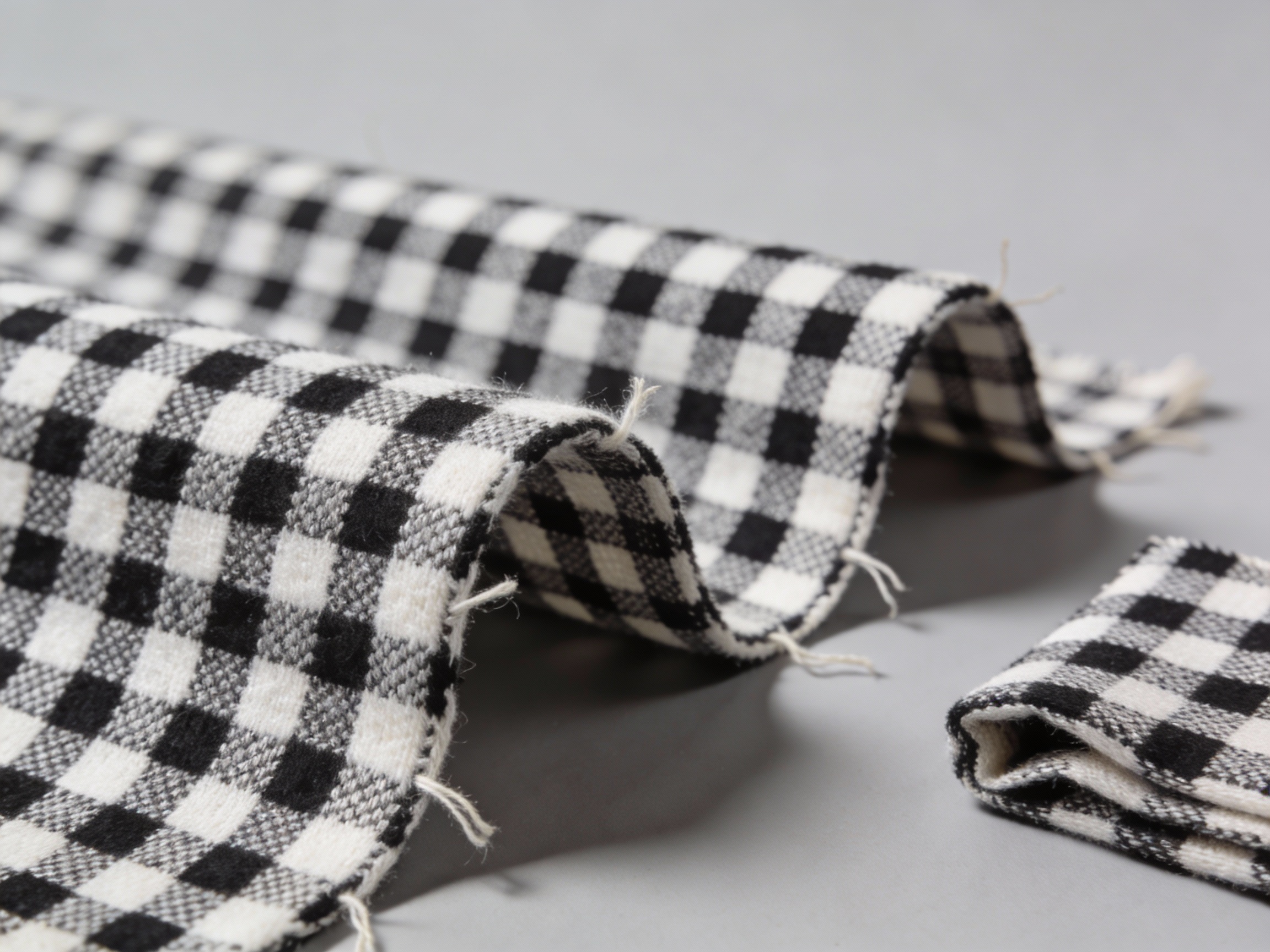
What Makes Jacquard Black And White Grid Fabric Stand Out?
At first glance, the black and white grid pattern exudes timeless elegance, but its true value lies in the combination of design and durability. Unlike printed grid fabrics, where the pattern fades over time, this knitted jacquard version integrates the grid directly into the fabric’s structure—meaning it retains its crisp lines wash after wash. Let’s dive into its key distinguishing features.
Timeless Aesthetic & Unmatched Versatility
The black and white grid is a universal design that complements any style. For apparel, it works equally well in a formal office blazer, a casual summer dress, or a sporty activewear top. In home decor, it elevates curtains, cushions, and upholstery, adding a touch of sophistication to both modern and traditional spaces. Its neutral color palette makes it easy to mix and match with other patterns or solid colors, reducing the risk of design fatigue.
What sets this fabric apart from other grid textiles is its ability to adapt to different weights and textures. For lightweight apparel, it can be woven into a thin, breathable fabric; for heavy-duty home use, it can be thickened to resist wear and tear. This flexibility makes it a go-to choice for designers looking to create versatile collections.
Durability Beyond Basic Knits
Knitted fabrics are often associated with softness but not durability—but this Jacquard Black And White Grid Fabric defies that stereotype. Made from high-quality DTY (Draw Textured Yarn) polyester, it offers exceptional resistance to pilling, stretching, and fading. Unlike basic knit fabrics that lose their shape after a few washes, this fabric retains its original form thanks to the elasticity of DTY yarn and the precision of the jacquard knitting process.
Tests conducted by independent textile labs show that this fabric has a tensile strength of 250 N/cm (Newtons per centimeter)—far higher than the average 180 N/cm for basic knit grid fabrics. It also resists pilling for up to 50 washes, compared to 15-20 washes for printed alternatives. These durability metrics make it ideal for products that see frequent use, such as workwear, backpacks, and sofa cushions.
Breathability & Comfort: A Key Advantage Over Competitors
Woven jacquard fabrics are known for their crispness but often lack breathability, making them uncomfortable for all-day wear. Printed grid fabrics, while breathable, lose their pattern over time. This knitted jacquard fabric strikes the perfect balance: its open knitted structure allows air to circulate freely, keeping the wearer cool in warm weather and warm in cool weather. For home textiles, this breathability means curtains don’t trap heat, and cushions remain comfortable even after hours of use.
The DTY polyester yarn used in the fabric also adds to its comfort. Unlike raw polyester, DTY yarn is textured to create a soft, fluffy feel against the skin. This makes the fabric suitable for close-to-body apparel like dresses and tops, as well as for soft home items like throw pillows.
Advanced Manufacturing Processes: Behind the Quality
The superior quality of the Jacquard Black And White Grid Fabric is no accident—it’s the result of state-of-the-art manufacturing processes that combine precision, innovation, and sustainability. Let’s take a closer look at how this fabric is made.
DTY Polyester Yarn: The Foundation of Excellence
Every high-quality fabric starts with high-quality raw materials, and this knitted jacquard is no exception. The fabric is made from 100% DTY polyester yarn, a specialized type of yarn produced through a two-step process: drawing and texturing.
Drawing involves stretching polyester filament yarn to increase its strength and reduce its diameter. Texturing then adds bulk and elasticity to the yarn, making it softer and more flexible. This process is done using high-speed machines that control temperature and tension with micron-level precision, ensuring consistent quality across every batch of yarn.
The company behind this fabric has its own DTY production facility, which allows it to customize the yarn’s denier (thickness) to suit different fabric weights. For example, a 75 denier yarn is used for lightweight apparel, while a 150 denier yarn is used for heavy-duty home textiles. This control over raw materials ensures that the final fabric meets exacting standards.
Precision Knitting & Jacquard Weaving Integration
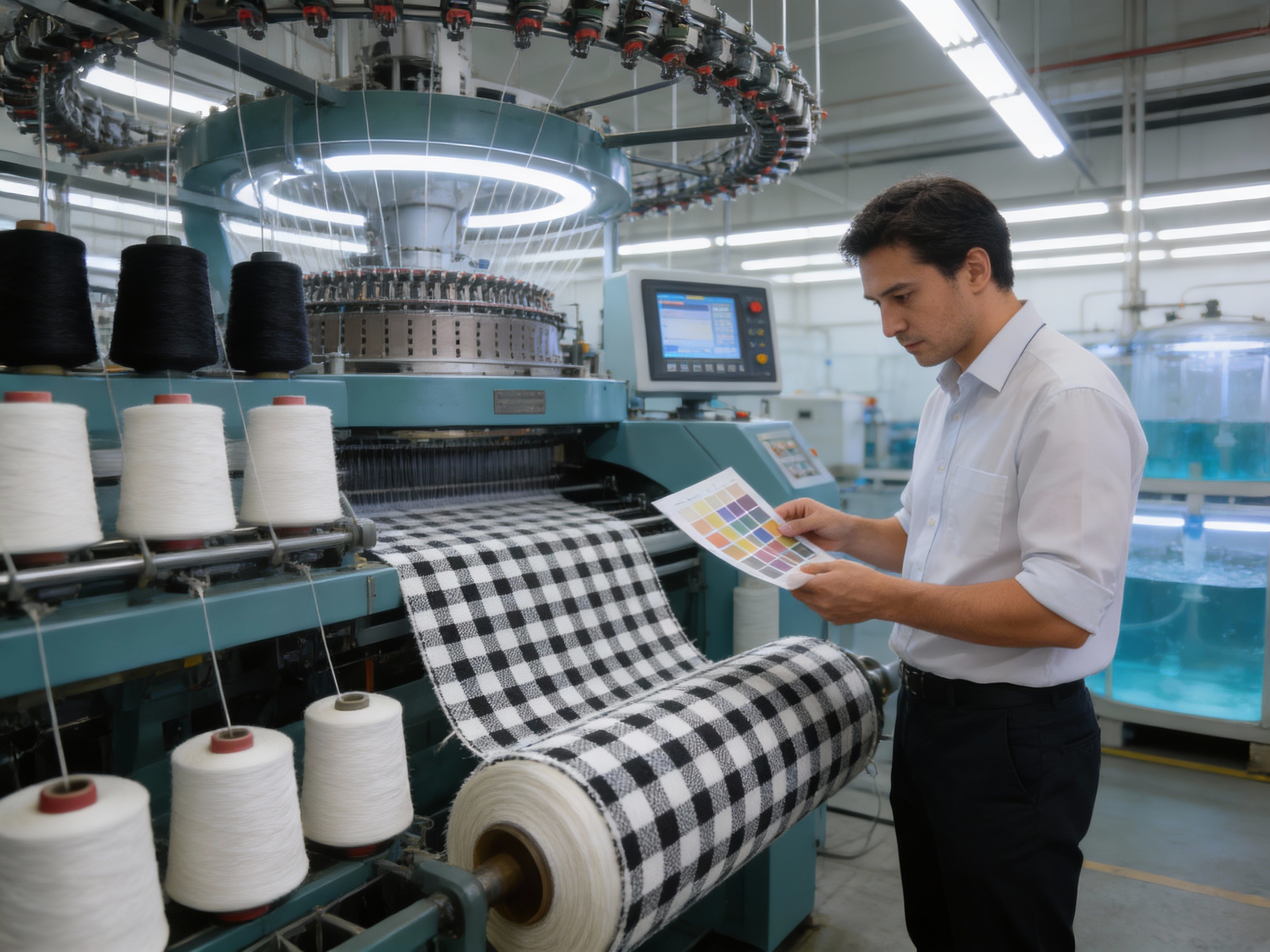
The grid pattern is created using a circular knitting machine equipped with a jacquard mechanism—an advanced technology that allows for intricate pattern design without printing. Unlike traditional knitting machines, which use a fixed set of needles, jacquard machines can select individual needles to create complex patterns, including the crisp black and white grid.
The process works like this: the machine uses a digital pattern file to control which needles are raised or lowered. For the black and white grid, the machine alternates between black and white DTY yarns, creating a seamless pattern that is integrated into the fabric’s structure. This eliminates the need for printing, which reduces waste and ensures the pattern never fades.
The circular knitting process also allows for continuous production of fabric rolls, which is efficient and reduces the risk of pattern misalignment. Each roll is inspected for consistency before moving to the next stage of production.
Eco-Friendly Dyeing & Finishing
After knitting, the fabric undergoes a dyeing process that uses eco-friendly, AZO-free dyes. AZO dyes are harmful chemicals that can cause skin irritation and environmental damage, so their exclusion is a key sustainability feature. The dyeing process is optimized to use minimal water and energy: the company recycles 80% of the water used in dyeing, reducing its carbon footprint significantly.
Following dyeing, the fabric is finished with treatments that enhance its performance. Common treatments include:
- Anti-pilling: Reduces the formation of small balls on the fabric surface.
- Water-repellent: Makes the fabric resistant to light rain and spills (ideal for outdoor apparel and home textiles).
- Stain-resistant: Prevents stains from setting in, making cleaning easier.
- Softening: Improves the fabric’s hand feel for added comfort.
Each treatment is applied using low-impact processes that minimize waste and energy use, aligning with global sustainability trends.
Rigorous Quality Control: From Raw Material to Finished Fabric
Quality control is a cornerstone of the manufacturing process. The company has a dedicated QC team that tests every batch of fabric against international standards (ISO 105, ISO 2060, and ISO 13934). Tests include:
- Color fastness to washing: Ensures the fabric retains its color after multiple washes.
- Tensile strength: Measures how much force the fabric can withstand before breaking.
- Stretch recovery: Checks if the fabric returns to its original shape after stretching.
- Pilling resistance: Uses a Martindale tester to simulate wear and tear.
- Shrinkage: Measures how much the fabric shrinks after washing and drying.
Only batches that pass all tests are approved for sale. This rigorous process ensures that every meter of fabric meets the highest quality standards.
Competitive Advantages: Why This Fabric Beats Alternatives
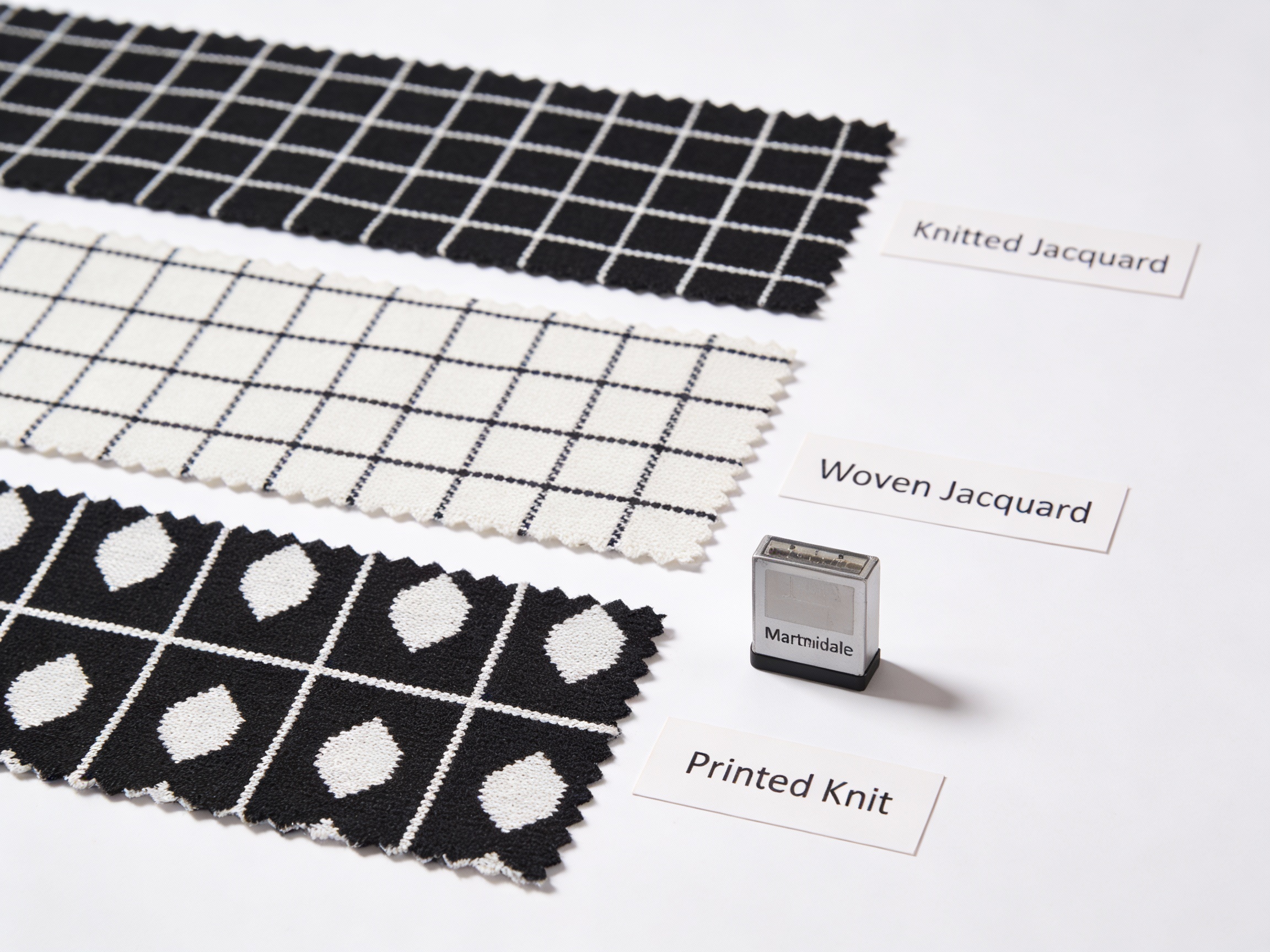
The Jacquard Black And White Grid Fabric outperforms its competitors in key areas, making it a top choice for buyers looking for value, quality, and versatility. Let’s compare it to woven jacquard and printed grid fabrics using the table below:
| Feature | Jacquard Black And White Grid Fabric (Knitted) | Woven Jacquard Grid Fabric | Basic Knit Grid Fabric (Printed) |
|---|---|---|---|
| Durability | High (resistant to pilling, stretching out) | Moderate (stiffer, prone to fraying at edges) | Low (print fades, fabric wears thin quickly) |
| Breathability | Excellent (knitted structure allows air flow) | Moderate (woven structure traps heat) | Good (but print may reduce breathability) |
| Stretch & Recovery | 4-way stretch (retains shape after washing) | Minimal (no stretch, rigid) | 2-way stretch (loses shape over time) |
| Cost per Yard | Mid-range (value for quality) | High (labor-intensive weaving) | Low (but short lifespan) |
| Customization Ease | High (adjustable patterns, colors, weights) | Low (complex weaving setups) | Moderate (limited by print technology) |
| Care Requirements | Machine washable (cold water, gentle cycle) | Dry clean recommended (stiffness) | Hand wash only (print fades easily) |
As the table shows, the knitted jacquard fabric offers the best balance of durability, breathability, stretch, and cost. It’s more comfortable than woven jacquard, more durable than printed knit, and more cost-effective than both in the long run.
Cost-Effectiveness Without Compromising Quality
While the knitted jacquard fabric is slightly more expensive than printed knit grid fabric, its longer lifespan makes it a better investment. For example, a printed knit fabric may cost $5 per yard but only last 6 months, while the knitted jacquard fabric costs $12 per yard but lasts 2-3 years. This translates to a 50% lower cost per month of use.
The company’s integrated manufacturing model also helps keep costs down. By producing its own DTY yarn and handling all knitting, dyeing, and finishing in-house, it eliminates the markup from third-party suppliers. This allows it to offer high-quality fabric at competitive prices.
Customization Flexibility
One of the biggest advantages of this fabric is its customization flexibility. The company’s integrated R&D and production capabilities allow it to adjust the grid size, color palette, and fabric weight to meet specific customer needs. For example:
- A fashion brand can request a smaller grid size for a delicate dress collection.
- A home decor brand can request a thicker fabric weight for durable upholstery.
- A luggage brand can request a custom color combination (e.g., navy and white) for a new line of tote bags.
The company also offers small sample orders (1-2 meters) for testing, which is ideal for designers who want to experiment with the fabric before placing a bulk order.
Consistency in Production
Large-scale production consistency is a common challenge for textile manufacturers, but this company has overcome it with its advanced facilities. The plant covers 32.6 acres and has a production area of 18,000 square meters, equipped with 50+ high-speed knitting machines and 20+ dyeing and finishing lines. This capacity allows it to produce up to 100,000 meters of fabric per month, with consistent quality across every batch.
The company’s digital manufacturing system also ensures consistency. Every pattern is stored in a digital file, so the same design can be reproduced exactly year after year. This is crucial for brands that need to maintain consistent product lines.
Company Strengths: The Backbone of Excellence
The quality of the Jacquard Black And White Grid Fabric is directly tied to the strengths of the company that produces it. Let’s explore the key factors that make this company a leader in the textile industry.
Integrated R&D, Production & Sales
The company operates as a fully integrated textile manufacturer, with in-house R&D, production, and sales teams. This integration allows it to respond quickly to market trends and customer requests. For example:
- The R&D team can design a new grid pattern in 3-5 days based on customer feedback.
- The production team can adjust machine settings to produce the new pattern within a week.
- The sales team can deliver samples to customers within 10 days, reducing lead times significantly.
This agility is a major advantage over competitors who outsource some processes, which can lead to delays and quality inconsistencies.
Sustainable Practices
Sustainability is a core value for the company. In addition to using eco-friendly dyes and recycling water, it has implemented several other sustainable practices:
- Energy-efficient machines: The plant uses LED lighting and energy-saving motors, reducing energy consumption by 30%.
- Waste reduction: The company recycles 90% of its production waste (yarn scraps, fabric offcuts) into new products.
- Carbon footprint reduction: The company uses solar panels to generate 15% of its electricity, and it offsets 100% of its remaining carbon emissions through reforestation projects.
These practices not only benefit the environment but also appeal to eco-conscious customers, which is an increasingly important market segment.
Global Reach & Customer-Centric Service
The company is a self-employed export enterprise, meaning it sells directly to customers around the world without intermediaries. It has a global sales network that covers Europe, North America, Asia, Australia, and the Middle East, with local representatives in key markets to provide personalized service.
Customer service is a top priority. The company offers:
- Free sample shipping for qualified customers.
- Flexible payment terms (L/C, T/T, etc.).
- Custom packaging (private labeling, branded rolls).
- After-sales support (quality issues, returns, exchanges).
This customer-centric approach has earned the company a loyal customer base, including several well-known fashion and home decor brands.
Applications: Where This Fabric Shines
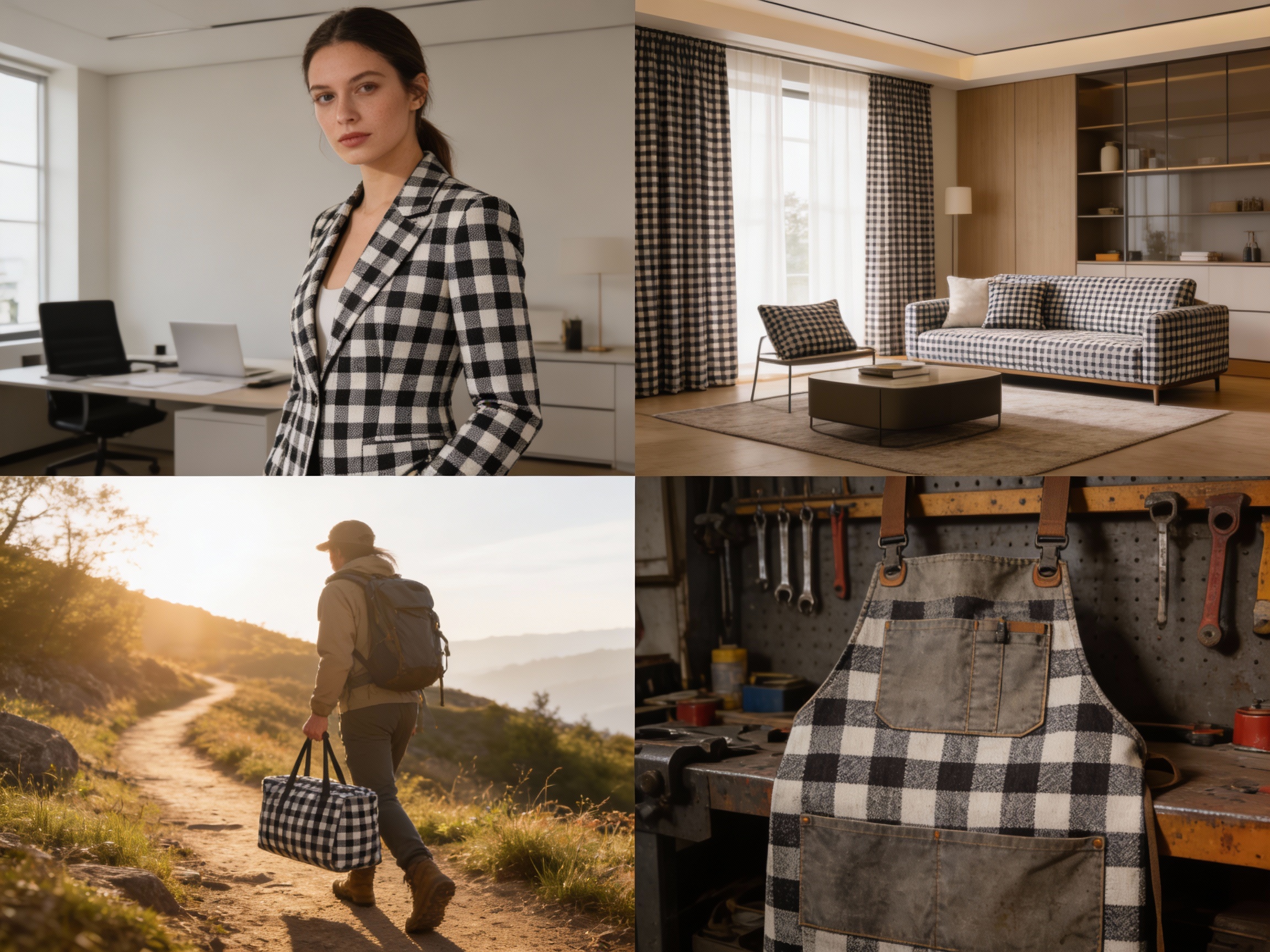
The Jacquard Black And White Grid Fabric’s versatility makes it suitable for a wide range of applications. Let’s explore some of the most popular uses.
Apparel
Apparel is the most common use for this fabric, thanks to its comfort, durability, and timeless design. Popular apparel items include:
- Blazers & jackets: The grid pattern adds a professional touch, while the stretch allows for ease of movement.
- Dresses & skirts: The lightweight version is perfect for summer dresses, while the thicker version works for winter skirts.
- Activewear: The breathable, stretchy fabric is ideal for yoga pants, running shorts, and sports tops.
- Accessories: Tote bags, scarves, hats, and belts made from this fabric are stylish and durable.
Fashion designers love this fabric because it allows them to create versatile collections that appeal to a wide range of customers.
Home Textiles
Home textiles are another popular application, thanks to the fabric’s durability and aesthetic appeal. Popular home items include:
- Curtains: The grid pattern adds a modern touch to windows, while the breathable fabric allows light to filter through.
- Cushions & pillows: The soft, durable fabric is perfect for throw pillows and sofa cushions.
- Upholstery: The thick version of the fabric is ideal for chair and sofa upholstery, as it resists wear and tear.
- Table linens: Tablecloths and napkins made from this fabric are stylish and easy to clean.
Home decor brands appreciate the fabric’s ability to complement any interior style, from minimalist to traditional.
Industrial Uses
While less common, the fabric is also suitable for some industrial uses, thanks to its durability and resistance to chemicals. For example:
- Workwear: The fabric is used for uniforms, aprons, and safety gear, as it resists stains and tears.
- Automotive textiles: It’s used for car seat covers and interior trim, as it’s easy to clean and durable.
The company can customize the fabric for industrial uses by adding special treatments like fire-resistant or oil-repellent coatings.
Q&A Section
To address common questions from potential buyers, we’ve compiled this Q&A section:
Q1: Is this Jacquard Black And White Grid Fabric suitable for outdoor use?
A1: Yes. The knitted structure provides breathability, while the DTY polyester yarn offers resistance to UV rays and water (depending on the finishing treatment). It’s ideal for outdoor jackets, hats, or bags that need to be durable and comfortable in various weather conditions.
Q2: Can this fabric be customized with different colors or pattern variations?
A2: Absolutely. The company’s integrated R&D and production capabilities allow for full customization. You can request different color combinations (beyond black and white), adjust the grid size, or even add small accents (like stripes or dots) to the pattern. Minimum order quantities (MOQs) apply for custom designs, but they are flexible to accommodate small to large orders.
Q3: What are the care instructions for this fabric to maintain its quality?
A3: To keep the fabric looking its best: - Machine wash in cold water on a gentle cycle. - Avoid bleach or fabric softeners. - Tumble dry on low heat or hang to dry. - Iron on low temperature if needed (place a cloth between the iron and fabric to prevent damage to the jacquard pattern).
Q4: How does the cost of this knitted jacquard fabric compare to woven jacquard and printed alternatives?
A4: Knitted jacquard fabric offers better value for money than woven jacquard. While woven jacquard is more expensive due to its labor-intensive weaving process, knitted jacquard is produced at a faster rate without compromising quality. It’s slightly more expensive than printed knit grid fabric but lasts 2-3 times longer, making it a more cost-effective choice in the long run.
Q5: What is the minimum order quantity (MOQ) for this fabric?
A5: The MOQ varies depending on the fabric weight and customization. For standard black and white grid fabric (without customizations), the MOQ is 500 meters. For custom designs, the MOQ is 1000 meters. The company also offers sample orders (1-2 meters) for testing purposes.
References
1. Textile Institute. (2022). "Knitted Jacquard Fabrics: Design, Production & Applications". Manchester: Textile Institute Press.
2. Smith, J. (2023). "Sustainable Textile Manufacturing: Trends & Best Practices". New York: Fashion Industry Publications.
3. Global Textile Market Report. (2024). "Polyester DTY Yarn Demand & Growth". London: Global Textile Analytics.
4. Lee, S. (2022). "Jacquard Patterns in Modern Apparel Design". Seoul: Korean Textile Research Institute.
5. ISO 105:2010. "Textiles – Tests for colour fastness". Geneva: International Organization for Standardization.
Conclusion
The Jacquard Black And White Grid Fabric is more than just a textile—it’s a combination of timeless design, advanced manufacturing, and sustainable practices. Its durability, breathability, and versatility make it a top choice for apparel, home textiles, and industrial uses, while its competitive pricing and customization flexibility make it accessible to a wide range of customers.
Backed by a company with integrated R&D, production, and sales capabilities, this fabric is poised to remain a staple in the textile industry for years to come. Whether you’re a fashion designer looking to create a versatile collection, a home decor brand wanting to add a modern touch to your products, or an industrial buyer needing durable textiles, the Jacquard Black And White Grid Fabric is a choice you won’t regret.