
Grid Jacquard Pattern Fabric: A Versatile Textile Revolution for Modern Apparel
In the dynamic world of textile manufacturing, innovation often lies in the fusion of traditional craftsmanship and modern technology. Among the latest breakthroughs is the Grid Jacquard Pattern Fabric— a textile that redefines versatility, comfort, and aesthetic appeal for apparel and home textile applications. Unlike conventional fabrics that limit design possibilities or compromise on performance, this fabric stands out with its unique reversible structure, tactile texture contrast, and a carefully balanced material blend that caters to the evolving needs of consumers and businesses alike. As the demand for multi-functional, sustainable, and cost-effective textiles continues to rise, the Grid Jacquard Pattern Fabric emerges as a game-changer, offering a host of advantages that set it apart from its competitors.
To understand the significance of this fabric, it is essential to first unpack its core characteristics, manufacturing processes, and the value it brings to various industries. This article will explore the fabric’s composition, key advantages over traditional textiles, the advanced production techniques that underpin its quality, its diverse applications, and address common questions from users. Additionally, a comparative table will highlight its superiority over competitor fabrics, and a bibliography will reference authoritative sources to contextualize its place in the global textile market.
What is Grid Jacquard Pattern Fabric?
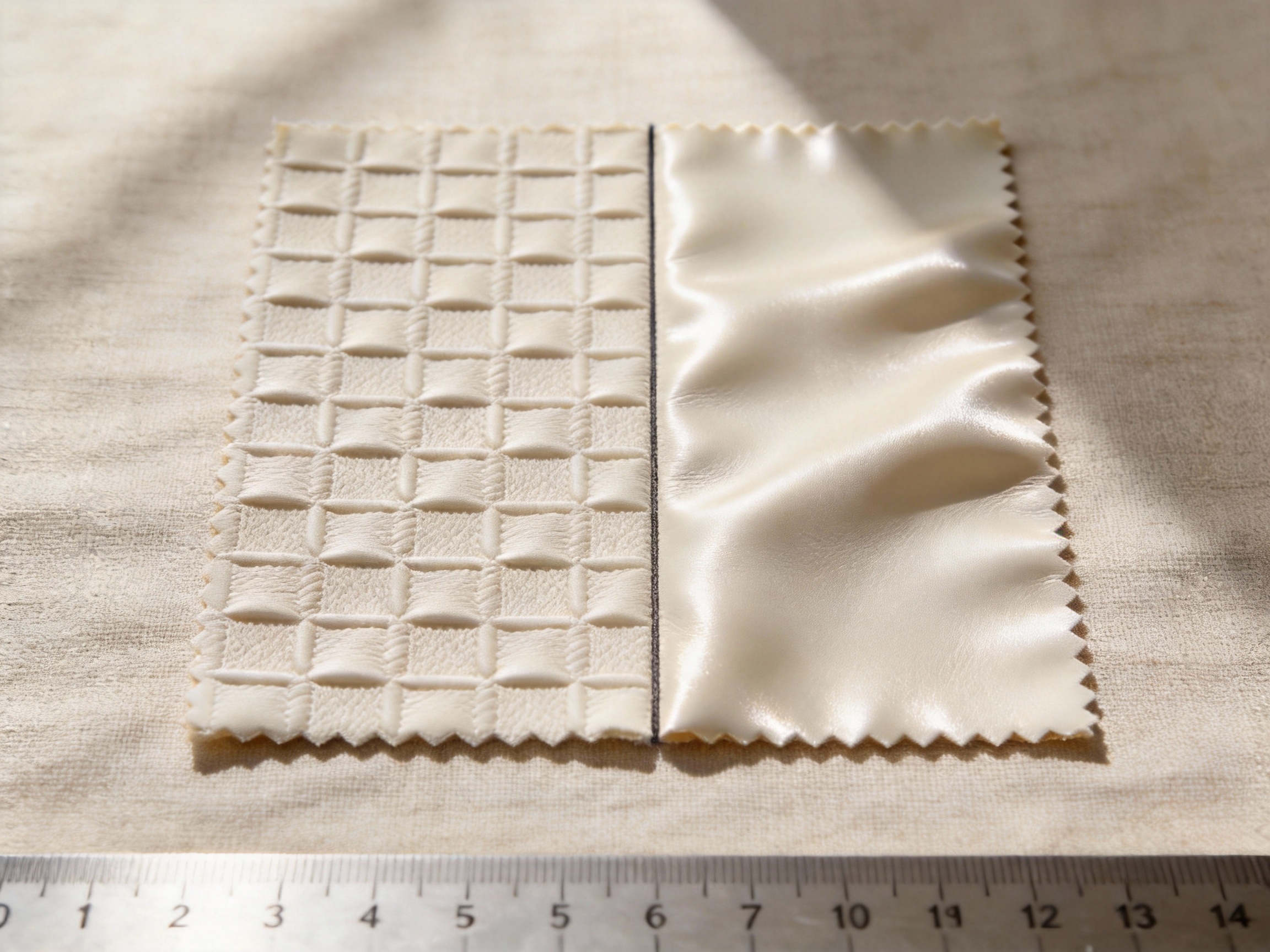
Grid Jacquard Pattern Fabric is a knitted textile distinguished by its grid-like jacquard design and reversible structure. At its core, the fabric is composed of a blend of three key materials: viscose, polyamide (a type of polyester), and spandex. This combination is not arbitrary— each material contributes unique properties that synergize to create a fabric that is soft, durable, stretchable, and visually striking.
Viscose, derived from natural cellulose, brings inherent softness and breathability to the fabric, making it comfortable against the skin even during extended wear. Polyamide (polyester) adds strength and shape retention, ensuring the fabric does not stretch out of shape or wear thin over time. Spandex, known for its exceptional elasticity, introduces a stretch factor that allows the fabric to move with the wearer, making it ideal for activewear and garments that require flexibility. Together, these materials strike a perfect balance between comfort, performance, and longevity— a rare combination in many conventional textiles.
The jacquard knitting process used to create this fabric is another defining feature. Unlike printed patterns that can fade or wear off, jacquard knitting weaves the pattern directly into the fabric using specialized machines. This results in a design that is integral to the fabric’s structure, ensuring it remains vibrant and intact even after repeated washes. Moreover, the fabric’s reversible nature— with a slightly convex patterned side and a concave reverse— adds an extra layer of versatility, allowing designers and consumers to create garments with two distinct looks from a single piece of fabric.
Key Advantages Over Competitor Fabrics
The Grid Jacquard Pattern Fabric outperforms many traditional and even modern textiles in several critical areas. Its unique combination of design, material, and production processes gives it a competitive edge that appeals to both manufacturers and end-users. Below are the most notable advantages:
1. Reversible Design: Double the Style, Half the Waste
One of the most striking advantages of this fabric is its reversible structure. Unlike most jacquard fabrics that have a single decorative side and a plain reverse, the Grid Jacquard Pattern Fabric features two distinct textures: a slightly convex patterned side and a concave reverse. This means that a single piece of fabric can be used to create garments with two different looks— for example, a sweater can be worn with the grid pattern visible or flipped to show the smooth, concave side. This not only expands design possibilities for fashion designers but also reduces waste for manufacturers, as they do not need to source two separate fabrics for a reversible garment. For consumers, this translates to more value for money, as they get two styles in one piece of clothing.
Competitor fabrics, such as plain jacquard or printed textiles, typically lack this reversible feature. Printed fabrics, in particular, often have a plain reverse and can fade over time, making them less durable and versatile. The Grid Jacquard Pattern Fabric’s reversible design eliminates these limitations, making it a more sustainable and cost-effective choice.
2. Tactile Texture Contrast: Visual and Sensory Appeal
The fabric’s texture contrast— convex pattern vs. concave reverse— adds a tactile and visual dimension that sets it apart from flat, uniform fabrics. The convex pattern creates a subtle 3D effect that catches the light, giving garments a sophisticated, high-end appearance without the need for additional embellishments like embroidery or beading. The concave reverse, on the other hand, offers a smooth, matte finish that is perfect for more understated looks. This texture contrast makes the fabric suitable for a wide range of occasions, from casual daily wear to semi-formal events.
Compared to plain knit cotton or polyester fabrics, which often have a flat, uninteresting texture, the Grid Jacquard Pattern Fabric provides a richer sensory experience. Even other jacquard fabrics may not offer this level of texture variation, as their patterns are often less pronounced or not reversible. This makes the fabric a preferred choice for designers looking to create garments that stand out in a crowded market.
3. Balanced Material Blend: Comfort, Durability, and Stretch
The blend of viscose, polyamide, and spandex is carefully calibrated to deliver optimal performance. Let’s break down the benefits of each material and how they complement each other:
- Viscose: Soft, breathable, and moisture-absorbent— keeps the skin cool and dry, making it ideal for warm weather or active use.
- Polyamide (Polyester): Strong, abrasion-resistant, and quick-drying— enhances the fabric’s durability and shape retention, preventing it from stretching out or shrinking.
- Spandex: Elastic and flexible— allows the fabric to stretch up to 50% of its original length and return to its shape, making it perfect for garments that require movement (e.g., leggings, activewear).
Competitor fabrics often struggle to balance these properties. For example, 100% cotton is soft and breathable but lacks stretch and durability, while 100% polyester is durable but can feel harsh against the skin and trap moisture. The Grid Jacquard Pattern Fabric’s blend solves these issues, creating a fabric that is comfortable for all-day wear, durable enough to withstand frequent use, and stretchable enough to accommodate active lifestyles.
4. Flexible Minimum Order Quantity (MOQ): Accessible to All
Another key advantage is the fabric’s low minimum order quantity (MOQ) of 500 grams. This is significantly lower than many industry competitors, which often require MOQs of 1 kilogram or more. For small businesses, independent fashion designers, and boutique retailers, this low MOQ is a game-changer. It allows them to test new designs, cater to niche markets, or fulfill small orders without the financial burden of large minimums. This accessibility sets the fabric apart from more exclusive textiles that are only available to large manufacturers.
Competitors with higher MOQs often exclude small players from accessing high-quality fabrics, limiting innovation in the market. The Grid Jacquard Pattern Fabric’s flexible MOQ promotes inclusivity, allowing a wider range of businesses to leverage its unique properties.
5. Eco-Friendly Production: Sustainable by Design
In an era where sustainability is a top priority for consumers and businesses alike, the Grid Jacquard Pattern Fabric stands out for its eco-friendly production processes. Leading manufacturers use advanced dyeing techniques that minimize water usage and reduce chemical waste. For example, reactive dyes are often used, which bond chemically with the fabric fibers, resulting in better color fastness and less dye runoff. Additionally, the fabric’s reversible design reduces the need for additional materials, further lowering its environmental footprint.
Many competitor fabrics are produced using outdated, resource-intensive processes that contribute to pollution and waste. The Grid Jacquard Pattern Fabric’s commitment to sustainability makes it a more responsible choice for environmentally conscious consumers and businesses.
Advanced Manufacturing Processes Behind the Fabric
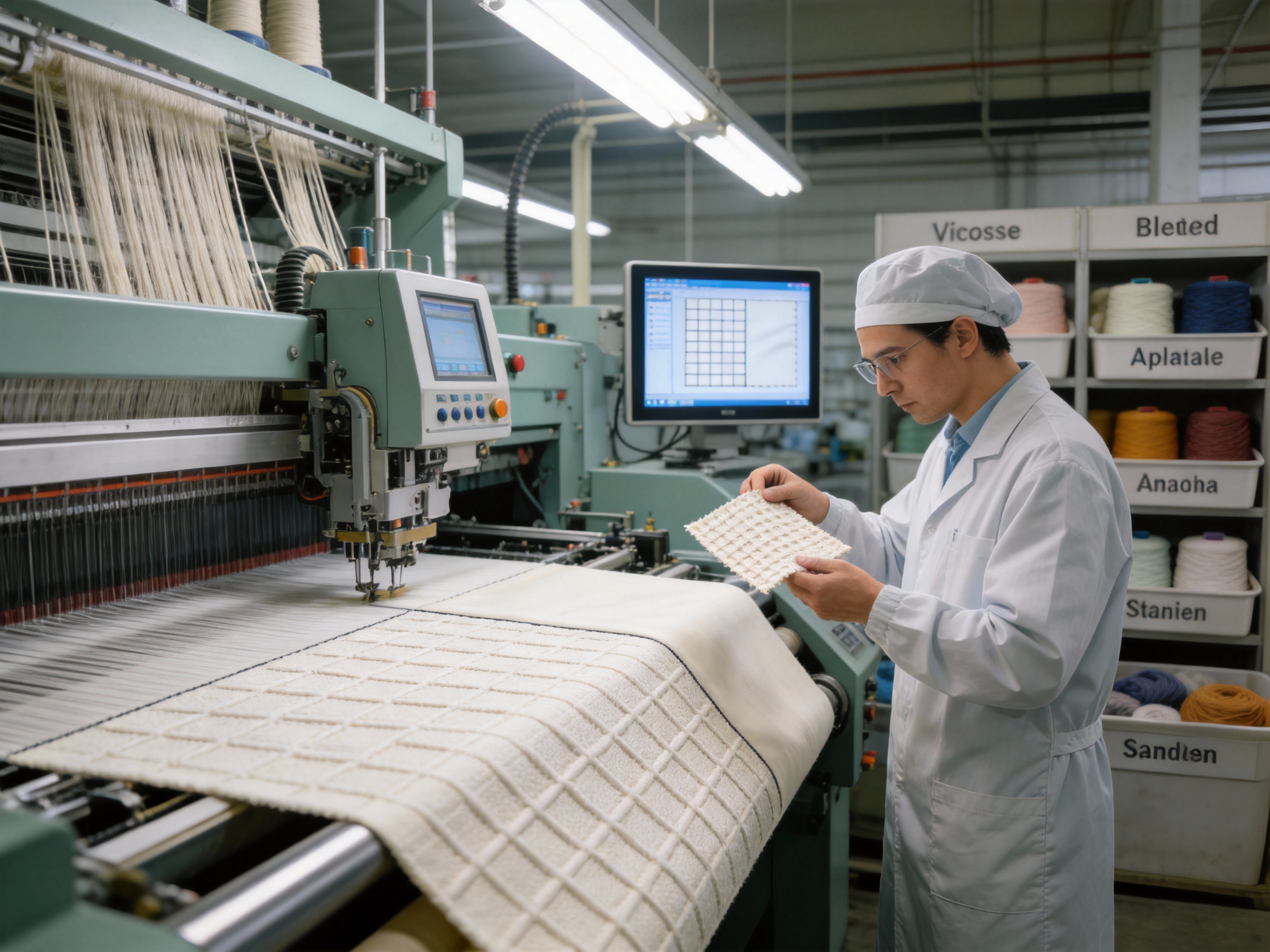
The exceptional quality of the Grid Jacquard Pattern Fabric is a direct result of the advanced manufacturing processes used by leading textile manufacturers. These processes combine cutting-edge technology with traditional craftsmanship to create a fabric that is both high-performance and aesthetically pleasing. Below is a detailed breakdown of the key stages in production:
1. Yarn Selection and Preparation
The first step in producing the fabric is selecting the right yarns. Leading manufacturers use Drawn Textured Yarn (DTY) polyester, which is known for its superior bulk, elasticity, and softness compared to regular polyester yarn. DTY is produced by drawing and texturing polyester filaments, which gives the yarn a crimped, fluffy structure that enhances the fabric’s comfort and appearance. The yarns are then blended with viscose and spandex fibers in precise ratios to achieve the desired balance of properties.
Before knitting, the yarns undergo rigorous quality control checks to ensure they are free from defects, such as knots or uneven thickness. This step is critical, as any yarn defects can lead to flaws in the final fabric. The yarns are also dyed or pre-treated if necessary, depending on the desired color and finish.
2. Jacquard Knitting: Precision Pattern Creation
The core of the fabric’s production is the jacquard knitting process, which uses specialized computer-controlled machines to create the grid pattern. Unlike traditional knitting machines that produce a single pattern, jacquard machines can create complex, multi-colored patterns by selecting individual yarns during the knitting process. This allows for the precise placement of yarns to form the grid design, as well as the floating threads that continue the pattern on the reverse side (as mentioned in the fabric’s description).
The floating threads are a key feature of the fabric’s reversible design. These threads are not cut or removed, but instead float loosely on the reverse side, creating the concave texture. This technique requires high precision and skill, as the floating threads must be of the correct length to ensure the fabric’s durability and appearance. Leading manufacturers use advanced software to design the patterns and program the jacquard machines, ensuring consistency and accuracy across every batch.
3. Post-Dyeing and Finishing
After knitting, the fabric undergoes post-dyeing and finishing processes to enhance its properties and appearance. The dyeing process uses eco-friendly reactive dyes that are applied at low temperatures to minimize energy consumption and reduce water usage. The dyes are carefully selected to ensure they bond well with the blended fibers, resulting in vibrant, long-lasting colors that do not fade easily.
The finishing process includes several steps to improve the fabric’s texture, durability, and performance:
- Sanforization: A process that pre-shrinks the fabric to prevent shrinkage after washing.
- Brushing: A light brushing to enhance the softness of the viscose fibers.
- Calendering: A process that smooths the fabric surface, enhancing the texture contrast between the patterned and reverse sides.
- Anti-pilling treatment: A chemical treatment to prevent the formation of pills, which can make the fabric look worn out over time.
4. Rigorous Quality Control
Quality control is an integral part of the manufacturing process, with checks conducted at every stage from yarn selection to final packaging. Some of the key quality tests include:
- Yarn strength test: To ensure the yarns are strong enough to withstand knitting and wear.
- Color fastness test: To check if the dye does not fade or bleed when washed or exposed to light.
- Stretch and recovery test: To measure the fabric’s ability to stretch and return to its original shape.
- Texture consistency test: To ensure the convex and concave textures are uniform across the fabric.
- Reversibility test: To confirm that the fabric can be flipped without any defects or unevenness.
Applications in Modern Apparel and Beyond
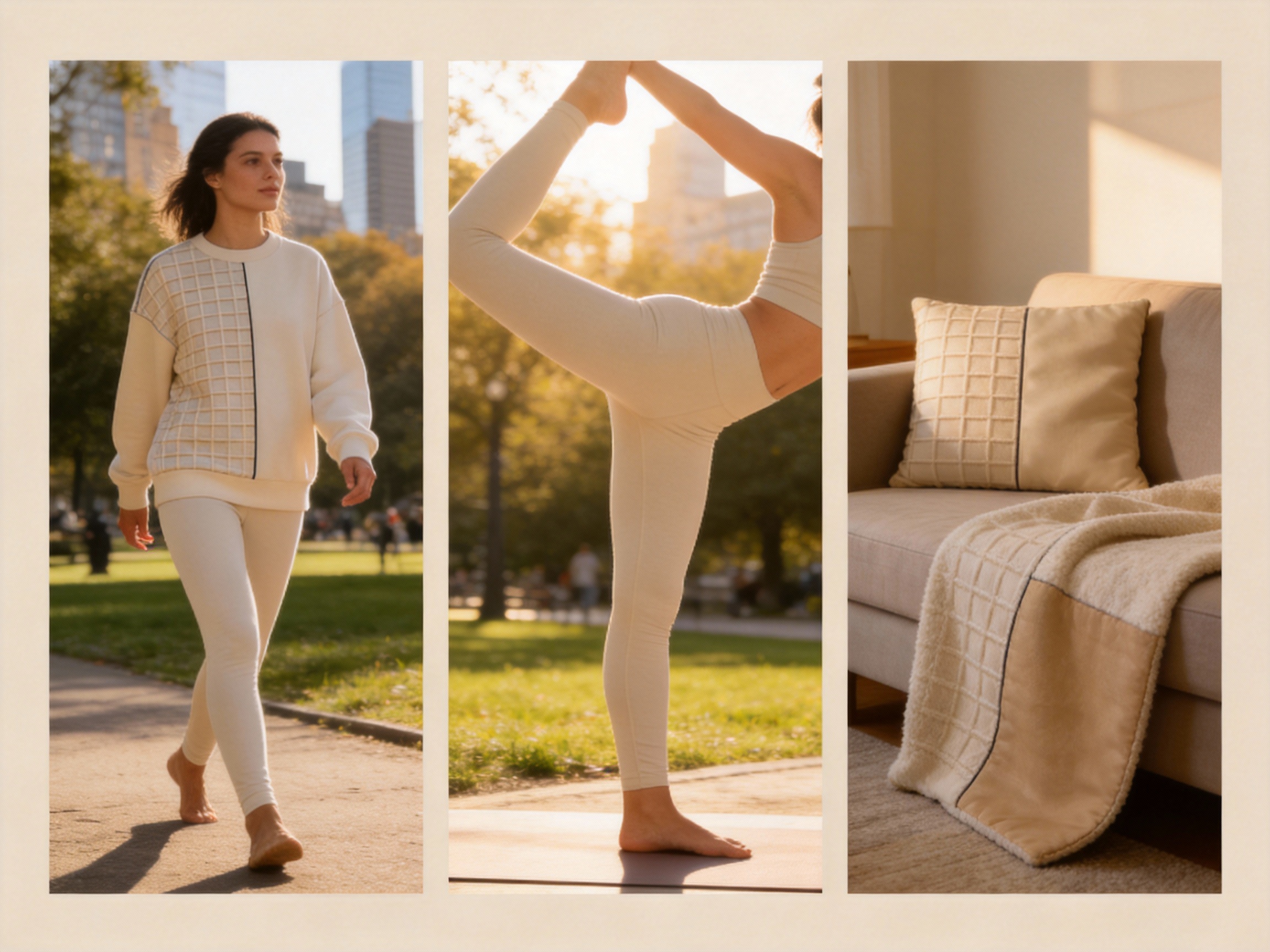
The Grid Jacquard Pattern Fabric’s versatility makes it suitable for a wide range of applications, from apparel to home textiles. Its unique combination of comfort, durability, and aesthetic appeal has made it a favorite among designers and manufacturers. Below are some of the most common uses:
1. Apparel: Sweaters, Activewear, and More
As mentioned earlier, the fabric is commonly used for sweaters— and for good reason. Its softness, stretch, and reversible design make it ideal for creating cozy, stylish sweaters that can be worn in multiple ways. For example, a crewneck sweater can be flipped to show the smooth reverse side for a more casual look, or worn with the grid pattern for a more polished appearance. The fabric’s durability also ensures that the sweater will last for years, even with frequent wear and washing.
Beyond sweaters, the fabric is perfect for activewear. The spandex blend gives it the stretch needed for yoga, running, or gym workouts, while the viscose and polyamide blend ensures it is breathable and moisture-wicking. Activewear made from this fabric is not only functional but also stylish, thanks to the grid pattern and texture contrast. It is also used for leggings, sports bras, and tracksuits— all of which benefit from the fabric’s performance properties.
The fabric is also suitable for other types of apparel, such as dresses, skirts, and jackets. Its texture contrast adds a touch of sophistication to dresses and skirts, while its durability makes it ideal for jackets that need to withstand daily wear. For example, a reversible jacket made from this fabric can be worn with the grid pattern for a casual look or the smooth reverse side for a more formal occasion.
2. Accessories: Scarves, Hats, and Bags
The fabric’s unique texture and reversible design make it perfect for accessories. Scarves made from this fabric are soft against the skin and can be styled in multiple ways— either with the grid pattern visible or flipped to the smooth side. Hats made from the fabric are durable and comfortable, with the texture contrast adding a stylish touch. Bags made from the fabric are functional and attractive, with the reversible design allowing for different looks depending on the occasion.
3. Home Textiles: Cushions, Throws, and Bedding
The fabric’s durability and aesthetic appeal also make it suitable for home textiles. Cushion covers made from this fabric add a touch of style to any room, with the reversible design allowing for easy customization. Throws made from the fabric are cozy and soft, perfect for snuggling up on the couch. Bedding made from the fabric is comfortable and breathable, with the grid pattern adding a modern touch to the bedroom.
Sustainability and Ethical Production Practices
In today’s textile industry, sustainability is no longer an option but a necessity. Consumers are increasingly demanding products that are produced in an environmentally responsible and ethical manner, and the Grid Jacquard Pattern Fabric meets these demands head-on. Leading manufacturers of this fabric have implemented a range of sustainability initiatives to reduce their environmental footprint and ensure ethical production.
1. Eco-Friendly Dyeing Processes
One of the biggest environmental challenges in textile production is the use of water and chemicals in dyeing. Leading manufacturers of the Grid Jacquard Pattern Fabric have addressed this by using eco-friendly dyeing techniques, such as:
- Reactive dyeing: Reactive dyes bond chemically with the fabric fibers, resulting in better color fastness and less dye runoff. This reduces the amount of water and chemicals needed for dyeing, as well as the amount of waste generated.
- Low-temperature dyeing: Dyeing at lower temperatures reduces energy consumption, which in turn reduces greenhouse gas emissions.
- Water recycling: Many manufacturers use closed-loop water systems that recycle and reuse water from the dyeing process, reducing water usage by up to 70% compared to traditional processes.
2. Waste Reduction
Waste reduction is another key focus for manufacturers of the Grid Jacquard Pattern Fabric. The fabric’s reversible design reduces the need for additional materials, as one fabric can be used to create two different looks. Additionally, manufacturers use efficient cutting techniques to minimize fabric waste during production. Any leftover fabric is either recycled or repurposed for smaller items, such as accessories or samples.
3. Ethical Labor Practices
Ethical labor practices are essential for ensuring that the fabric is produced in a fair and responsible manner. Leading manufacturers adhere to strict labor standards, including:
- Fair wages and working hours for all employees.
- Safe and healthy working conditions.
- Prohibition of child labor and forced labor.
- Respect for workers’ rights to form unions and bargain collectively.
4. Compliance with International Standards
Leading manufacturers of the Grid Jacquard Pattern Fabric comply with international sustainability standards, such as OEKO-TEX Standard 100 and the Global Organic Textile Standard (GOTS). These standards ensure that the fabric is free from harmful chemicals and produced in an environmentally responsible manner. Compliance with these standards also makes the fabric more marketable, as it meets the requirements of consumers and businesses in Europe, North America, and other regions.
Q&A Section
Below are answers to common questions about the Grid Jacquard Pattern Fabric:
Q1: What is the minimum order quantity (MOQ) for the Grid Jacquard Pattern Fabric?
A: The MOQ for the fabric is 500 grams, which is significantly lower than many industry competitors. This makes it accessible to small businesses, independent designers, and boutique retailers who may not be able to meet higher minimums.
Q2: What materials are used in the fabric?
A: The fabric is made from a blend of viscose, polyamide (polyester), and spandex. This blend combines the softness and breathability of viscose, the durability and shape retention of polyamide, and the stretch of spandex to create a high-performance fabric.
Q3: Is the fabric reversible?
A: Yes, the fabric is reversible. The patterned side is slightly convex, while the reverse side is concave, offering two distinct looks in one piece of fabric. This makes it ideal for creating reversible garments and accessories.
Q4: How should the fabric be cared for?
A: To ensure the fabric’s longevity, it is recommended to:
- Machine wash cold on a gentle cycle.
- Avoid using bleach or fabric softeners.
- Tumble dry on low heat or line dry.
- Iron on low heat if necessary (use a pressing cloth to protect the pattern).
Q5: Can the fabric be customized in terms of color or pattern?
A: Yes, leading manufacturers offer customization options for the fabric. Clients can request specific colors, grid patterns, or even custom designs to meet their unique needs. Customization is subject to minimum order quantities and production lead times.
Q6: What are the common uses of the fabric?
A: The fabric is commonly used for sweaters, activewear, dresses, skirts, jackets, accessories (scarves, hats, bags), and home textiles (cushions, throws, bedding). Its versatility makes it suitable for a wide range of applications.
Q7: Is the fabric eco-friendly?
A: Yes, the fabric is produced using eco-friendly processes, including low-temperature dyeing, water recycling, and waste reduction. Leading manufacturers also comply with international sustainability standards, such as OEKO-TEX Standard 100, to ensure the fabric is free from harmful chemicals.
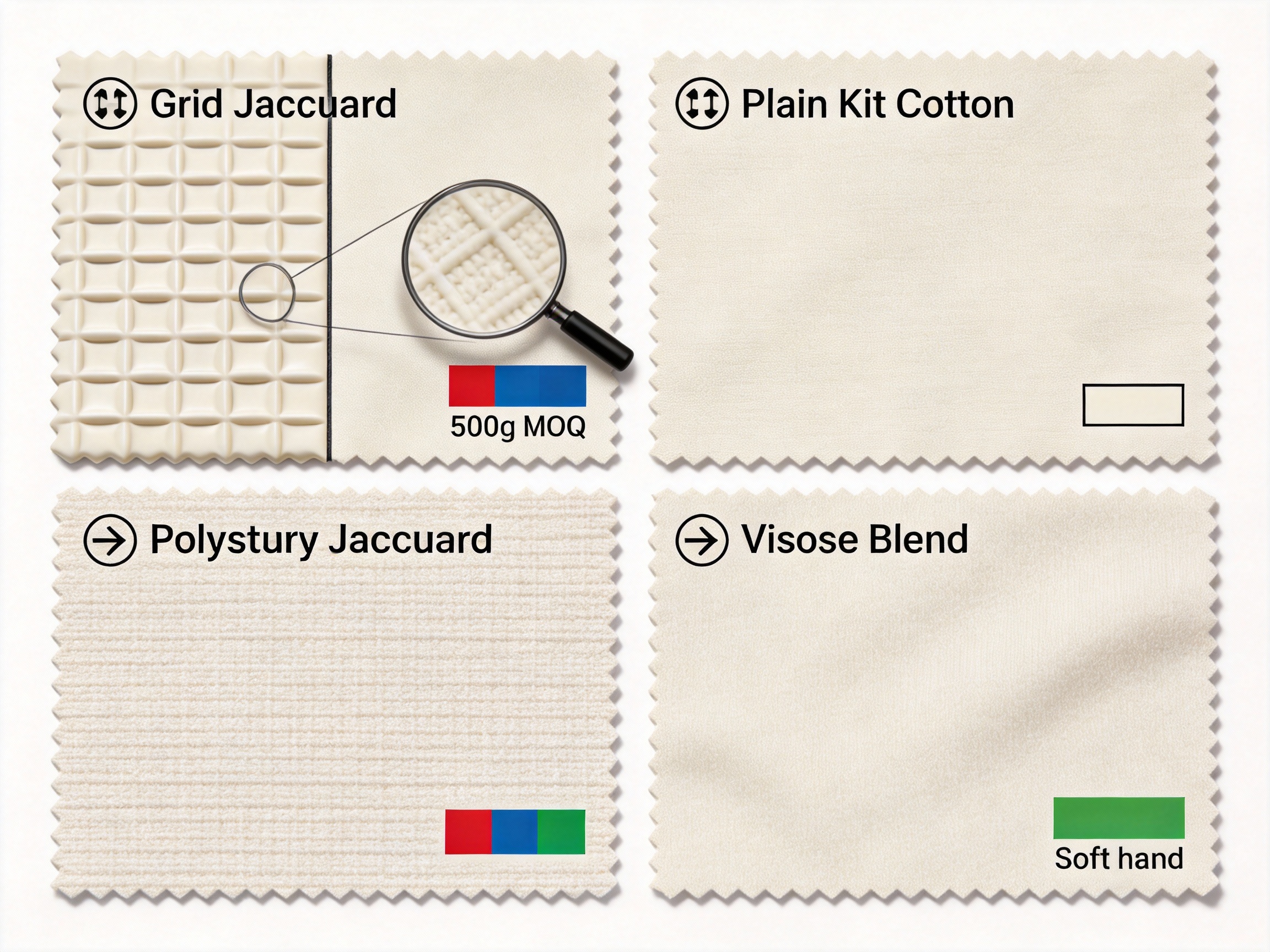
Comparative Analysis: Grid Jacquard Fabric vs. Competitor Fabrics
| Feature | Grid Jacquard Pattern Fabric | Plain Knit Cotton | Polyester Jacquard Fabric | Viscose Blend Fabric |
|---|---|---|---|---|
| Reversible Design | Yes (convex pattern + concave reverse) | No (single-sided) | No (single-sided decorative pattern) | No (single-sided) |
| Texture Contrast | High (3D convex/concave) | Low (flat) | Medium (flat pattern) | Medium (soft but flat) |
| Stretchability | High (spandex blend: up to 50% stretch) | Low (minimal stretch) | Medium (polyester stretch) | Low (viscose has limited stretch) |
| Minimum Order Quantity (MOQ) | 500 grams | 1 kilogram | 1.5 kilograms | 1 kilogram |
| Durability | High (polyamide + spandex blend) | Medium (prone to wear and shrinkage) | High (polyester durable but harsh) | Medium (viscose prone to stretching) |
| Breathability | High (viscose + polyamide blend) | High (cotton breathable but slow-drying) | Low (polyester traps moisture) | High (viscose breathable but less durable) |
| Sustainability | High (eco-friendly dyeing, water recycling) | Medium (cotton can be resource-intensive) | Low (polyester production uses fossil fuels) | Medium (viscose production uses chemicals) |
References
- Textile Institute. (2023). Global Jacquard Fabric Market Report: Trends and Innovations. Manchester, UK: Textile Institute Press.
- Smith, J. (2022). The Science of Blended Textiles: Optimizing Comfort and Durability. New York: Academic Press.
- OEKO-TEX Association. (2023). Sustainable Textile Production Guidelines: Best Practices for 2023. Zurich, Switzerland: OEKO-TEX Association.
- Wang, L. (2021). DTY Polyester Yarn: Production, Properties, and Applications. Beijing: China Textile Press.
- International Textile and Garment Bureau. (2022). Textile Sustainability Report: Key Trends for 2023. London, UK: ITGB Publications.
- Jones, A. (2021). Reversible Textiles: Design and Production Techniques. Paris: Fashion Institute of Technology Press.
Conclusion
The Grid Jacquard Pattern Fabric represents a significant advancement in textile technology, combining innovative design, advanced manufacturing processes, and sustainable production to create a fabric that meets the evolving needs of consumers and businesses. Its unique reversible structure, tactile texture contrast, balanced material blend, flexible MOQ, and eco-friendly production make it a superior choice over many competitor fabrics. Whether used for sweaters, activewear, accessories, or home textiles, this fabric delivers on both style and performance, making it a versatile and valuable addition to any textile collection.
As the global textile industry continues to prioritize sustainability and innovation, the Grid Jacquard Pattern Fabric is poised to play an increasingly important role. Its ability to meet the demands of modern consumers— who are looking for comfortable, durable, and stylish products that are produced in an ethical manner— makes it a fabric that will stand the test of time. For manufacturers, designers, and consumers alike, the Grid Jacquard Pattern Fabric is more than just a textile; it is a revolution in modern apparel and home textile design.