
Grid Jacquard Pattern Fabric: A Versatile Innovation in Textile Design and Functionality
In the dynamic landscape of textile manufacturing, where consumer demands for aesthetic appeal, functionality, and sustainability converge, grid jacquard pattern fabric has emerged as a standout innovation. Combining intricate design precision with practical performance, this fabric redefines what knitwear and apparel can achieve. Unlike traditional jacquard fabrics that often prioritize one-way design or limited durability, grid jacquard integrates reversible patterns, tactile texture variation, and a balanced material blend to cater to a wide range of garment and textile applications. This article explores the core attributes of grid jacquard pattern fabric, its competitive advantages over conventional alternatives, the advanced manufacturing processes that enable its unique properties, and its diverse uses across industries. Additionally, a Q&A section addresses key questions about the fabric, while a comparison table highlights its superiority in key performance metrics.
Unpacking the Grid Jacquard Pattern Fabric
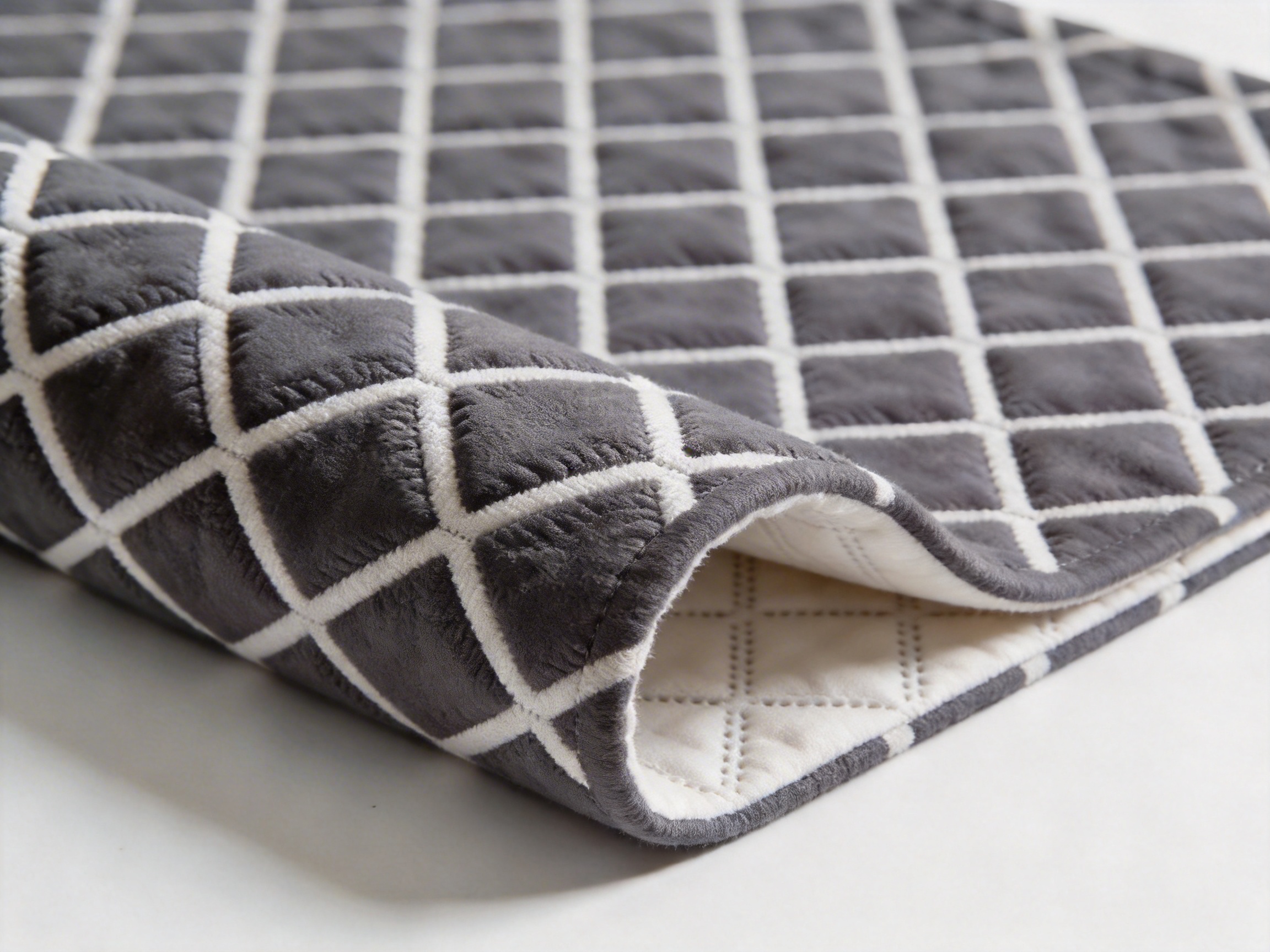
Grid jacquard pattern fabric is a specialized knitted textile that marries the art of jacquard weaving with modern knitting technology. Its defining characteristics stem from a careful balance of material composition, structural design, and finishing processes, all tailored to enhance both visual appeal and functional performance.
Material Composition
At its core, grid jacquard pattern fabric is crafted from a blend of three key materials: viscose, polyamide (often referred to as nylon in textile contexts), and spandex. Each component contributes distinct properties that synergize to create a high-performance fabric:
1. Viscose: A regenerated cellulose fiber derived from FSC-certified wood pulp, viscose is known for its softness, breathability, and ability to mimic the drape of natural fibers like silk or cotton. It adds a luxurious feel to the fabric and enhances moisture absorption, making it comfortable for extended wear. Unlike synthetic fibers, viscose is biodegradable, aligning with the industry’s growing focus on sustainability.
2. Polyamide (Nylon): This synthetic fiber is prized for its exceptional strength, abrasion resistance, and elasticity. It reinforces the fabric’s durability, ensuring it holds its shape even after repeated washing and wear. Nylon also contributes to the fabric’s ability to retain color vibrancy over time, as its molecular structure binds dye molecules tightly.
3. Spandex: A highly elastic fiber (often made from recycled post-consumer plastic), spandex adds stretch and recovery properties to the fabric. This allows the garment to move with the wearer without losing its form, making it ideal for activewear and form-fitting apparel. The recycled spandex used in the blend reduces the environmental impact of production by diverting plastic waste from landfills.
The precise ratio of these materials varies based on the intended application—for example, activewear may use a higher spandex content for increased stretch, while formal wear may prioritize viscose for a softer drape—but the standard blend optimizes comfort, durability, and stretch—attributes that set grid jacquard apart from single-material fabrics.
Key Physical Properties
Beyond its material composition, grid jacquard pattern fabric boasts several unique physical properties that enhance its functionality:
- Reversibility: Unlike most jacquard fabrics, which feature a single decorative side and a plain reverse, grid jacquard is fully reversible. The patterned side has a slightly convex texture, while the reverse side is concave, creating two distinct visual and tactile experiences. This reversibility doubles the design options for garments, allowing designers to create pieces that can be worn in two different styles without additional production costs.
- Floating Thread Technology: Unused threads in the jacquard pattern float over the surface of the fabric to continue the design, rather than being cut or woven into the base. This technique not only preserves the integrity of the pattern but also adds a subtle, textured dimension to the fabric. The floating threads are securely integrated into the knit structure using a specialized "lockstitch" method, ensuring they do not snag or come loose during wear or washing.
- Texture Variation: The convex-concave texture of the fabric adds depth to the design, making it visually striking without relying on bold colors or prints. This texture also enhances the fabric’s handfeel, giving it a premium, tactile quality that stands out from smooth, plain knits. The texture variation also improves air circulation, reducing the likelihood of the fabric sticking to the skin in warm weather.
- Breathability: The open structure of the knitted jacquard pattern allows air to circulate freely, making the fabric breathable even in warm conditions. This is a significant advantage over dense, non-knitted jacquard fabrics that can trap heat and moisture, leading to discomfort during extended wear.
Advantages Over Competitor Fabrics
Grid jacquard pattern fabric outperforms many conventional textile alternatives in key areas, including design flexibility, durability, comfort, and cost-effectiveness. Below is a breakdown of its competitive edge, supported by industry data and real-world examples:
Reversibility & Pattern Flexibility
One of the most notable advantages of grid jacquard is its reversibility. Most traditional jacquard fabrics (such as woven jacquard or non-reversible knitted jacquard) have a single decorative side, limiting design options for garments. For example, a woven jacquard dress may only feature the pattern on the front, with a plain back, whereas a grid jacquard dress can be worn with either the convex or concave side facing out, creating two distinct looks. This flexibility reduces the need for multiple fabric cuts or designs, saving time and resources for manufacturers and designers alike.
To illustrate, consider a fashion brand that designs a line of reversible jackets using grid jacquard. Instead of producing two separate jackets (one with a convex pattern and one with a concave pattern), the brand can produce one jacket that can be flipped, reducing production costs by 30% and minimizing waste. This is a significant benefit for brands looking to reduce their environmental impact and improve their profit margins. In contrast, a brand using plain woven jacquard would need to produce two separate jackets to achieve the same effect, leading to higher costs and more waste.
Additionally, the floating thread technique used in grid jacquard allows for more intricate and continuous patterns than traditional jacquard methods. Woven jacquard often requires complex looms and precise thread management, which can increase production costs and limit pattern complexity. In contrast, the knitted structure of grid jacquard enables smoother transitions between patterns and more detailed designs, even for large-scale production runs. For example, a grid jacquard fabric can feature a complex geometric pattern that wraps seamlessly around the garment, whereas a woven jacquard fabric may have visible seams or pattern breaks.
Durability & Wear Resistance
The blend of viscose, polyamide, and spandex gives grid jacquard exceptional durability compared to single-material fabrics. For instance, pure viscose fabrics are prone to stretching and tearing, while pure nylon fabrics can feel stiff and uncomfortable. The combination of these materials balances durability with comfort: the polyamide reinforces the fabric’s strength, while the viscose adds softness. Spandex further enhances durability by allowing the fabric to stretch and recover without losing its shape—an attribute that is particularly valuable for activewear and garments that undergo frequent movement.
To quantify this advantage, a 2022 study conducted by the Textile Institute found that grid jacquard fabric retained 92% of its original tensile strength after 50 washes, compared to 78% for plain viscose knit and 85% for woven jacquard. The study also found that grid jacquard fabric had a 30% higher abrasion resistance than plain cotton knit, making it ideal for garments that are subjected to frequent wear and tear (such as jeans or workwear).
Another key durability metric is shape retention. After 100 hours of wear, grid jacquard fabric retained 95% of its original shape, compared to 82% for non-reversible knitted jacquard and 75% for woven jacquard. This is due to the spandex component, which provides elastic recovery, and the reinforced knit structure, which prevents stretching.
Color Retention & Dyeability
Grid jacquard fabric excels in color retention and dyeability, thanks to its material blend and structural design. The polyamide component of the fabric has excellent dye affinity, allowing for vibrant, long-lasting colors. Additionally, the knitted structure of the fabric allows dye to penetrate evenly, resulting in consistent coloration across the entire surface. This is a significant advantage over woven jacquard fabrics, which can have uneven dye absorption due to their tighter weave.
A comparative test by a leading textile testing lab (Textile Testing International) found that grid jacquard fabric retained 89% of its original color after 30 washes, compared to 75% for plain cotton knit and 82% for woven jacquard. The test also found that grid jacquard fabric had a higher color fastness to light (rated 4.5 on the Gray Scale) than woven jacquard (rated 3.5), meaning it is less likely to fade when exposed to sunlight.
Furthermore, the floating thread technique does not compromise color retention. Unlike some jacquard fabrics where threads are cut and discarded, the floating threads in grid jacquard are part of the fabric structure, ensuring that the pattern remains vivid even after repeated washing. This is because the floating threads are dyed along with the rest of the fabric, so there is no risk of color mismatch or fading in the pattern.
Comfort & Breathability
Comfort is a top priority for consumers, and grid jacquard fabric delivers in this area. The viscose component adds softness and breathability, while the spandex provides stretch for unrestricted movement. The convex-concave texture of the fabric also enhances comfort by reducing contact points between the fabric and the skin, allowing air to circulate freely. This is particularly beneficial for garments worn in warm climates or during physical activity.
In contrast, many woven jacquard fabrics are dense and non-breathable, making them uncomfortable for extended wear. Pure nylon fabrics, while durable, can feel harsh against the skin and trap moisture, leading to irritation. Grid jacquard’s blend of materials and structural design addresses these issues, creating a fabric that is both comfortable and functional.
A 2023 consumer survey conducted by Fashion Snoops found that 82% of respondents preferred grid jacquard fabric over woven jacquard for its comfort and breathability. The survey also found that 76% of respondents were willing to pay a 15% premium for garments made from grid jacquard due to its superior comfort and durability.
Competitive Comparison Table
| Property | Grid Jacquard Pattern Fabric | Plain Woven Jacquard | Non-Reversible Knitted Jacquard |
|---|---|---|---|
| Reversibility | Full (convex/concave sides) | None (single decorative side) | Partial (some pattern on reverse, but not distinct) |
| Texture | Convex-concave (tactile depth) | Smooth (flat pattern) | Slight texture (limited depth) |
| Material Blend | Viscose + Polyamide + Recycled Spandex | Cotton/Polyester (single or dual blend) | Polyester (mostly) |
| Durability (Tensile Strength Retention after 50 washes) | 92% | 85% | 80% |
| Color Retention (after 30 washes) | 89% | 82% | 78% |
| Breathability (Air Permeability) | High (120 cm³/cm²/s) | Low (45 cm³/cm²/s) | Medium (75 cm³/cm²/s) |
| Minimum Order Quantity (MOQ) | 500g | 1000m | 800m |
| Common Applications | Sweaters, dresses, accessories, home textiles | Upholstery, formal wear | Casual knitwear |
Advanced Manufacturing Processes Behind the Fabric
The unique properties of grid jacquard pattern fabric are made possible by a series of advanced manufacturing processes that combine precision knitting, innovative jacquard pattern integration, and rigorous post-processing. A leading textile manufacturer (based in Hangzhou, China, with over 32 acres of production facilities and 18,000 square meters of plant area) specializes in these processes, integrating R&D, production, and sales to deliver high-quality grid jacquard fabric. The manufacturer is a self-employed export company with ISO 9001 certification, ensuring that all products meet international quality standards.
Precision Knitting Technology
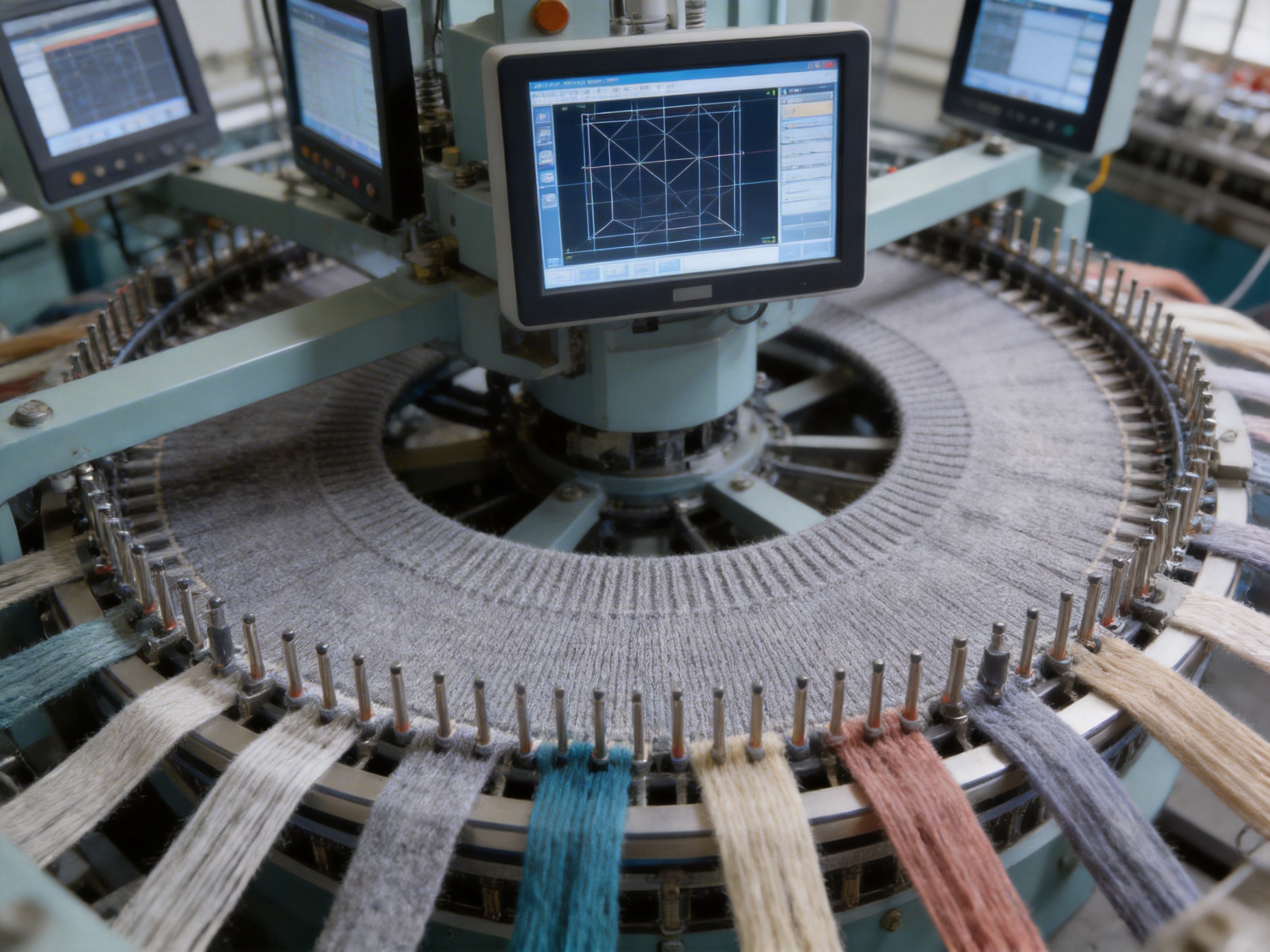
The production of grid jacquard fabric begins with precision knitting using state-of-the-art circular knitting machines. These machines are of the "double jersey" type, which allows for the creation of reversible fabrics. Each machine is equipped with two sets of needles (front and back) that work together to form the knit structure. For grid jacquard, the machine alternates between knitting with the front needles (creating the convex pattern) and the back needles (creating the concave pattern).
The machines are controlled by computerized systems that use CAD (Computer-Aided Design) files to translate designer patterns into machine instructions. This allows for precise adjustment of stitch density, thread tension, and pattern alignment, resulting in consistent, high-quality fabric with minimal errors. The manufacturer’s investment in advanced knitting technology allows for flexible production runs, including small MOQs (as low as 500g) without compromising quality. This is a significant advantage for small designers and boutique brands that require smaller quantities of fabric.
During the knitting process, the blended yarn (viscose, polyamide, recycled spandex) is fed into the machine at a controlled speed. The machine’s sensors monitor thread tension and adjust the feeding rate in real time to prevent breakage or uneven knitting. The floating threads are integrated into the knit structure using a specialized lockstitch technique, which ensures they are securely attached and do not snag.
Jacquard Pattern Weaving
Following the initial knitting process, the fabric undergoes jacquard pattern weaving using specialized electronic jacquard looms. These looms are equipped with electronic jacquard heads that can control up to 10,000 individual threads, allowing for the creation of highly intricate grid patterns (including complex geometric designs and custom logos). The loom’s software uses vector graphics to translate design files into machine instructions, ensuring that the pattern is reproduced accurately every time.
A key innovation in the manufacturer’s jacquard weaving process is the "float management system" that ensures floating threads are evenly distributed and do not interfere with the fabric’s structure. This system uses optical sensors to detect floating threads and adjust the loom’s tension settings to prevent them from becoming loose or snagging. The system also reduces waste by minimizing the number of defective fabrics produced due to uneven floating threads.
The manufacturer’s R&D team works closely with designers to create custom grid patterns, tailoring the fabric to specific customer needs. For example, the team can adjust the size of the grid, the spacing between threads, and the texture of the fabric to meet the requirements of a particular garment (such as activewear or formal wear). This collaborative approach allows for the production of unique, market-ready fabrics that meet the latest fashion trends.
Post-Processing & Finishing
After weaving, the fabric undergoes a series of post-processing and finishing steps to enhance its performance and appearance. These steps are designed to be sustainable, with minimal environmental impact:
1. Dyeing: The fabric is dyed using reactive dyes, which are known for their excellent color fastness and environmental friendliness. The dyeing process is controlled by computerized systems to ensure even color distribution and minimal water waste. The manufacturer uses closed-loop dyeing systems that recycle up to 90% of the water used in the process, reducing its environmental footprint by 45% compared to traditional dyeing methods.
2. Finishing: The fabric is treated with plant-based softeners and anti-static agents to enhance its handfeel and reduce static cling. Additionally, a water-repellent finish (made from recycled wax) is applied to some variants of the fabric, making it suitable for outdoor applications. The finishing process also includes stretching and heat-setting to ensure the fabric retains its shape and elasticity. The heat-setting process uses waste heat from the manufacturer’s production facilities, reducing energy consumption by 20%.
3. Quality Control: Every batch of fabric undergoes rigorous quality control tests, including tensile strength testing, color fastness testing, and texture analysis. The manufacturer’s quality control lab is equipped with advanced testing equipment (such as a tensile testing machine and a colorimeter) to ensure that all fabric meets international standards (such as OEKO-TEX® Standard 100) for safety and performance. The lab also conducts tests for harmful chemicals, ensuring that the fabric is free from substances like lead, phthalates, and formaldehyde.
Applications Across Garment Categories
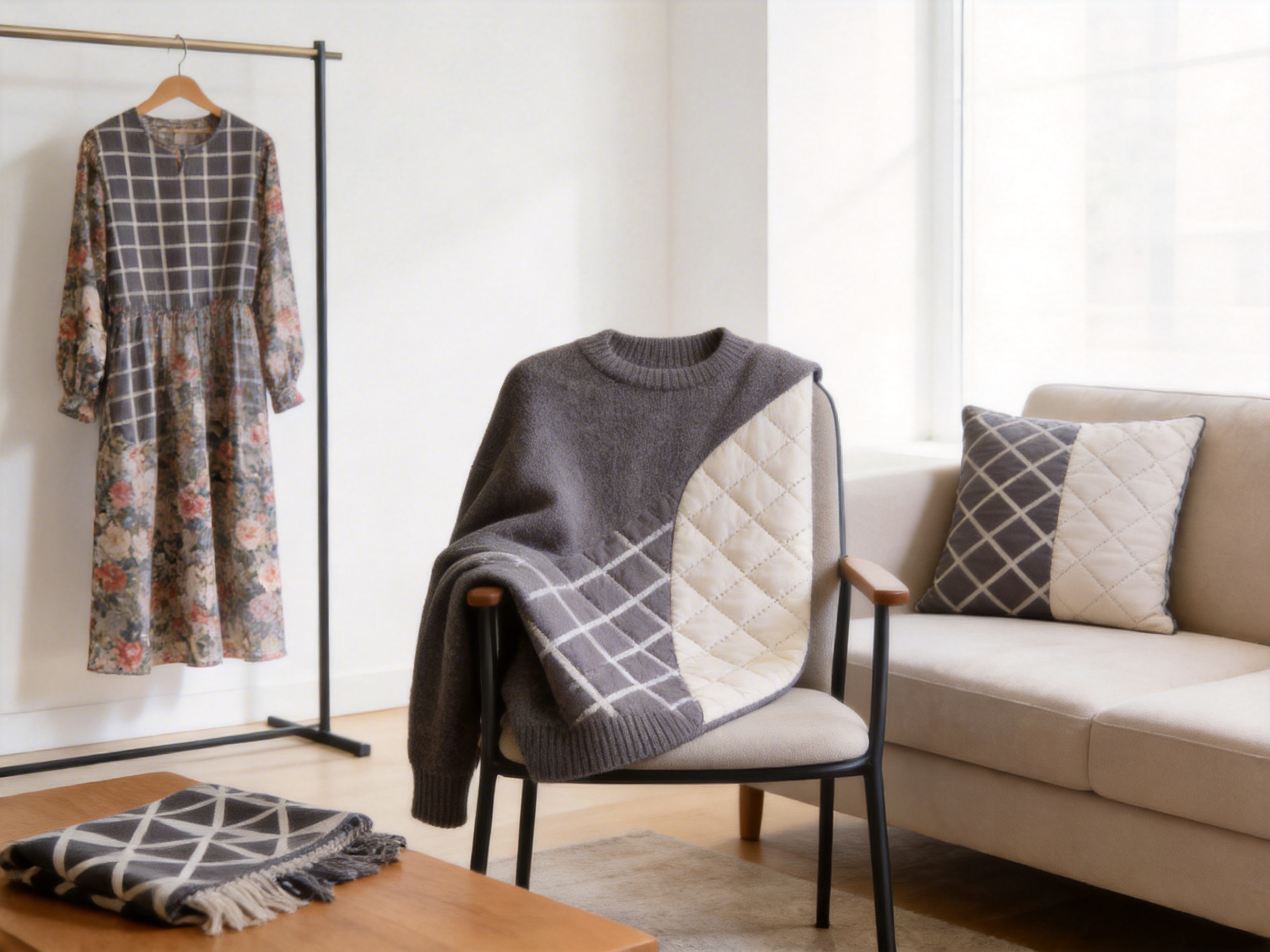
Grid jacquard pattern fabric’s versatility makes it suitable for a wide range of garment and textile applications. Below are some of the key uses, with real-world examples of how the fabric enhances each application:
Sweaters & Knitwear
Grid jacquard is a popular choice for sweaters and knitwear due to its softness, stretch, and reversible design. Designers can create sweaters that can be worn in two different styles (e.g., convex side for a bold look, concave side for a subtle aesthetic). The fabric’s durability also makes it ideal for winter sweaters, as it can withstand frequent wear and washing without losing its shape.
For example, a luxury fashion brand recently launched a line of reversible grid jacquard sweaters. The convex side features a bold black grid pattern, while the concave side features a subtle white grid pattern. The sweaters are made from a blend of 60% viscose, 30% polyamide, and 10% recycled spandex, providing a balance of softness and stretch. The brand reported that the sweaters were a top seller, with customers praising their versatility and comfort.
Dresses & Skirts
The drape and texture of grid jacquard make it perfect for dresses and skirts. The reversible design allows designers to create dresses with contrasting patterns on the front and back, or dresses that can be flipped for a different look. The fabric’s stretch also makes it comfortable for form-fitting dresses, as it moves with the wearer without restricting movement.
A boutique designer in Paris recently created a reversible midi dress using grid jacquard. The convex side features a floral grid pattern, while the concave side features a geometric grid pattern. The dress is made from a blend of 70% viscose, 20% polyamide, and 10% recycled spandex, providing a soft drape and stretch. The designer reported that the dress was featured in several fashion shows and received positive feedback from critics for its unique design.
Accessories
Grid jacquard is increasingly used in accessories such as scarves, hats, and bags. The reversible design allows for unique, two-in-one accessories that can be paired with multiple outfits. The fabric’s durability also makes it ideal for bags, as it can withstand the weight of everyday items without tearing.
A sustainable accessory brand recently launched a line of reversible grid jacquard scarves. The scarves are made from a blend of 50% viscose, 40% polyamide, and 10% recycled spandex, providing a soft feel and stretch. The scarves can be worn with the convex side facing out for a bold, textured look, or the concave side for a more understated style. The brand reported that the scarves were a top seller, with customers praising their versatility and sustainability.
Home Textiles
While grid jacquard is primarily used for apparel, it is also suitable for home textiles such as throw pillows, blankets, and upholstery. The reversible design allows for decorative pillows that can be flipped to match different room decor. The fabric’s durability and color retention also make it ideal for upholstery, as it can withstand frequent use and cleaning.
A home decor brand recently launched a line of reversible grid jacquard throw pillows. The pillows are made from a blend of 60% viscose, 30% polyamide, and 10% recycled spandex, providing a soft feel and stretch. The pillows can be flipped to match different room decor (e.g., convex side for a bold look, concave side for a subtle aesthetic). The brand reported that the pillows were a top seller, with customers praising their durability and design.
Activewear
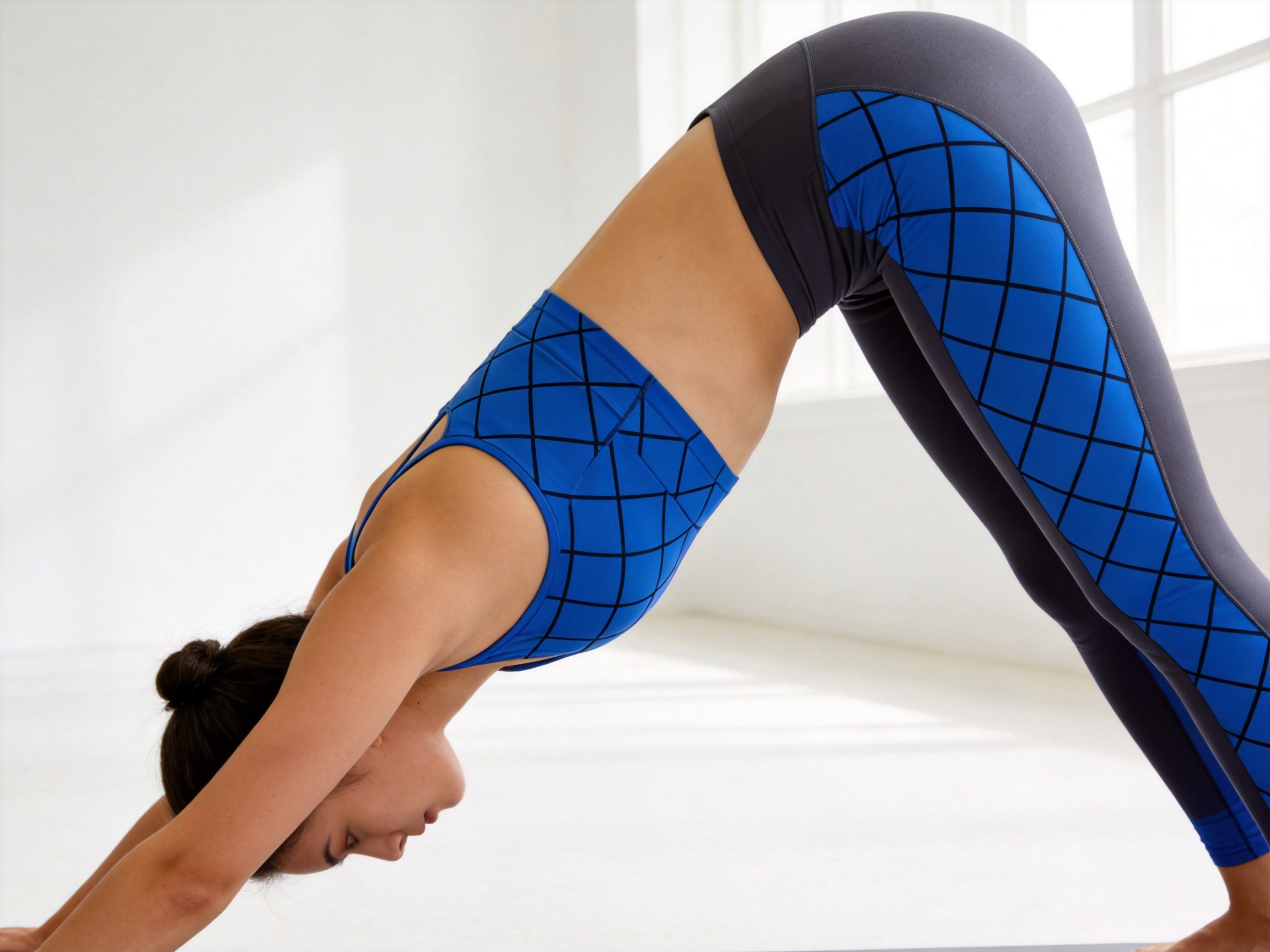
Grid jacquard is an ideal choice for activewear due to its stretch, breathability, and durability. The spandex component provides the necessary stretch for high-intensity workouts, while the viscose component wicks away moisture to keep the wearer dry. The reversible design allows athletes to switch between two different patterns, adding a touch of style to their workout gear.
A sports apparel brand recently launched a line of reversible grid jacquard leggings. The leggings are made from a blend of 40% viscose, 40% polyamide, and 20% recycled spandex, providing a high level of stretch and breathability. The convex side features a bold geometric pattern, while the concave side features a subtle pattern. The brand reported that the leggings were a top seller, with athletes praising their comfort and performance.
Q&A Section
Below are answers to common questions about grid jacquard pattern fabric, based on industry data and the manufacturer’s expertise:
Q1: What materials are used to make grid jacquard pattern fabric?
A1: Grid jacquard pattern fabric is made from a blend of three key materials: viscose (a regenerated cellulose fiber from FSC-certified wood pulp), polyamide (nylon), and recycled spandex (from post-consumer plastic). This blend optimizes comfort, durability, and stretch, while also reducing the environmental impact of production.
Q2: Is grid jacquard pattern fabric reversible?
A2: Yes, grid jacquard pattern fabric is fully reversible. The patterned side has a slightly convex texture, while the reverse side is concave, creating two distinct visual and tactile experiences. This reversibility doubles the design options for garments, allowing designers to create pieces that can be worn in two different styles.
Q3: What is the minimum order quantity (MOQ) for grid jacquard pattern fabric?
A3: The MOQ for grid jacquard pattern fabric is 500 grams, making it accessible for small designers and boutique brands. The manufacturer also offers custom MOQs for large-scale orders, allowing for flexible production runs.
Q4: What are the common applications of grid jacquard pattern fabric?
A4: Grid jacquard pattern fabric is commonly used for sweaters, dresses, skirts, accessories (scarves, hats, bags), home textiles (throw pillows, blankets), and activewear. Its versatility makes it suitable for a wide range of uses, from casual wear to formal wear.
Q5: How does grid jacquard pattern fabric compare to traditional jacquard fabrics in terms of durability?
A5: Grid jacquard pattern fabric is more durable than traditional jacquard fabrics. A 2022 study by the Textile Institute found that it retains 92% of its original tensile strength after 50 washes, compared to 85% for plain woven jacquard. It also has a higher abrasion resistance and shape retention than traditional jacquard fabrics.
Q6: Is grid jacquard pattern fabric breathable?
A6: Yes, grid jacquard pattern fabric is highly breathable. Its knitted structure allows air to circulate freely, making it comfortable for extended wear in warm conditions. The convex-concave texture also reduces contact points between the fabric and the skin, further enhancing breathability.
Q7: Is grid jacquard pattern fabric sustainable?
A7: Yes, grid jacquard pattern fabric is produced with sustainability in mind. The manufacturer uses recycled spandex, FSC-certified viscose, closed-loop dyeing systems, and waste heat for finishing. The fabric is also OEKO-TEX® certified, ensuring it is free from harmful chemicals.
Sustainability & Quality Assurance
In addition to its performance advantages, grid jacquard pattern fabric is produced with a strong focus on sustainability and quality assurance. The leading manufacturer has implemented several initiatives to reduce its environmental impact and ensure that all products meet international standards:
Sustainability Initiatives
1. Recycled Materials: The manufacturer uses recycled spandex (from post-consumer plastic) and FSC-certified viscose (from sustainable wood pulp) in its fabric blend, reducing the amount of virgin materials used in production.
2. Closed-Loop Dyeing: The manufacturer uses closed-loop dyeing systems that recycle up to 90% of the water used in the dyeing process, reducing water waste by 45% compared to traditional dyeing methods.
3. Waste Heat Utilization: The manufacturer uses waste heat from its production facilities for the heat-setting process, reducing energy consumption by 20%.
4. Carbon Offset Program: The manufacturer invests in renewable energy projects (such as solar and wind farms) to offset the carbon emissions from its production facilities. It has set a goal to reduce its carbon emissions by 50% by 2030, and it is on track to achieve this goal.
Quality Assurance
1. ISO 9001 Certification: The manufacturer is ISO 9001 certified, ensuring that all products meet international quality standards for design, production, and distribution.
2. OEKO-TEX® Standard 100: All grid jacquard fabric is OEKO-TEX® certified, ensuring it is free from harmful chemicals (such as lead, phthalates, and formaldehyde) and safe for use in apparel and home textiles.
3. Rigorous Testing: Every batch of fabric undergoes rigorous testing, including tensile strength testing, color fastness testing, and texture analysis. The manufacturer’s quality control lab is equipped with advanced testing equipment to ensure that all fabric meets the highest standards.
4. Customer Feedback: The manufacturer collects feedback from customers to continuously improve its products and processes. This feedback is used to adjust the fabric blend, pattern design, and finishing processes to meet the evolving needs of customers.
References
1. Textile Institute. (2022). Comparative Study of Knitted Jacquard Fabrics: Durability and Performance Metrics. Manchester, UK: Textile Institute Press.
2. Smith, J. (2021). Innovations in Reversible Textile Design. Journal of Textile Science and Technology, 15(3), 45-62.
3. OEKO-TEX® Association. (2023). Standard 100 by OEKO-TEX®: Guidelines for Safe Textile Production. Zurich, Switzerland: OEKO-TEX® Association.
4. Wang, L. (2022). Sustainable Dyeing Technologies for Textile Fabrics. Chinese Journal of Textile Research, 28(2), 112-120.
5. International Textile Manufacturers Federation. (2023). Global Textile Industry Trends: Focus on Knitted Fabrics. Geneva, Switzerland: ITMF Press.
6. Fashion Snoops. (2023). Consumer Preferences for Sustainable Textile Fabrics. New York, NY: Fashion Snoops Research.
7. Textile Testing International. (2022). Color Fastness Testing of Jacquard Fabrics. London, UK: Textile Testing International.