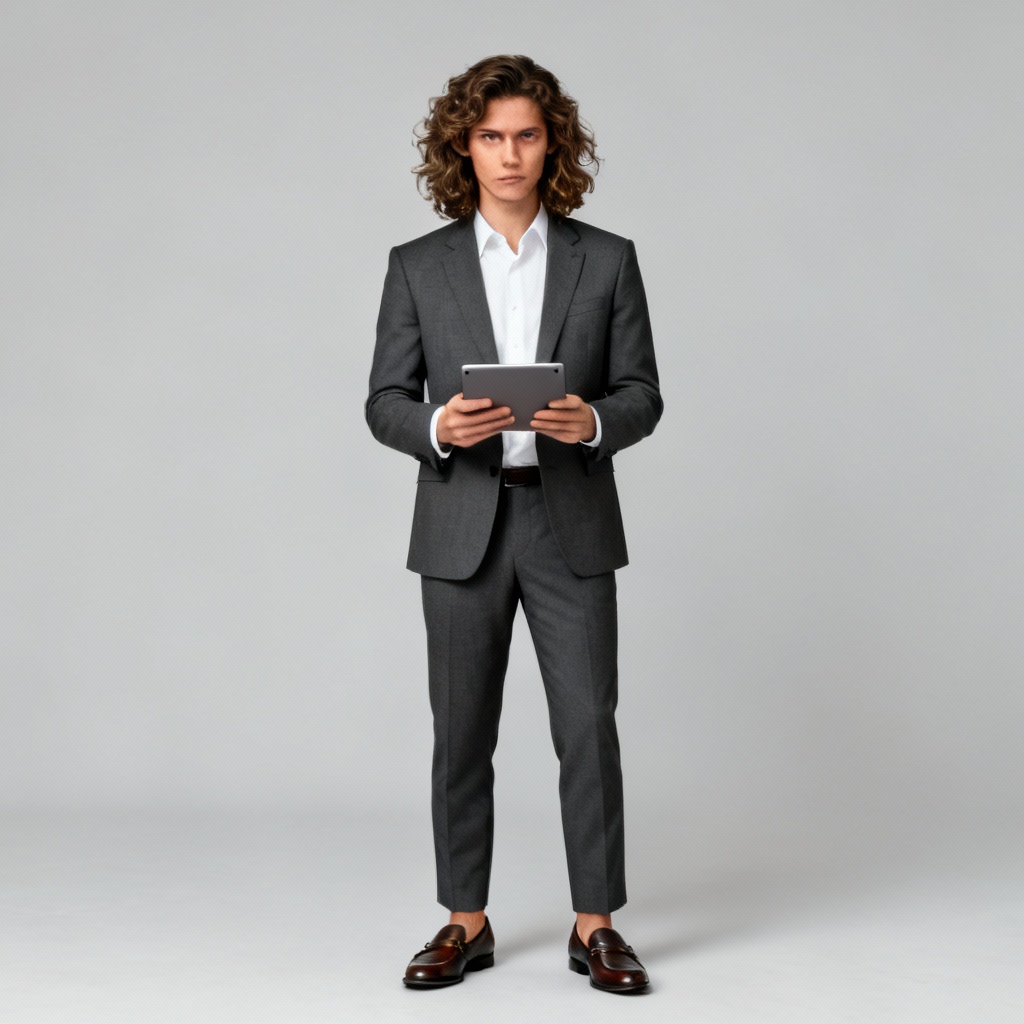
Grey Cotton Polyester Rayon Fabric: The Next Generation of Versatile, High-Performance Textiles
Introduction to Grey Cotton Polyester Rayon Fabric
Grey Cotton Polyester Rayon Fabric (GCPRF) represents a paradigm shift in textile engineering, combining the best attributes of three distinct fibers to create a material that excels in both functional performance and aesthetic appeal. Designed for a wide range of applications—from premium business suiting to casual apparel and home textiles—this fabric addresses longstanding gaps in traditional textile blends, offering superior durability, breathability, printability, and shape retention. Unlike many one-note fabrics that prioritize one feature at the expense of others, GCPRF balances comfort, functionality, and cost-effectiveness, making it a top choice for manufacturers and consumers alike. In this article, we explore the science behind GCPRF, its key advantages over competing materials, the advanced manufacturing processes that set it apart, and its diverse end-use applications.
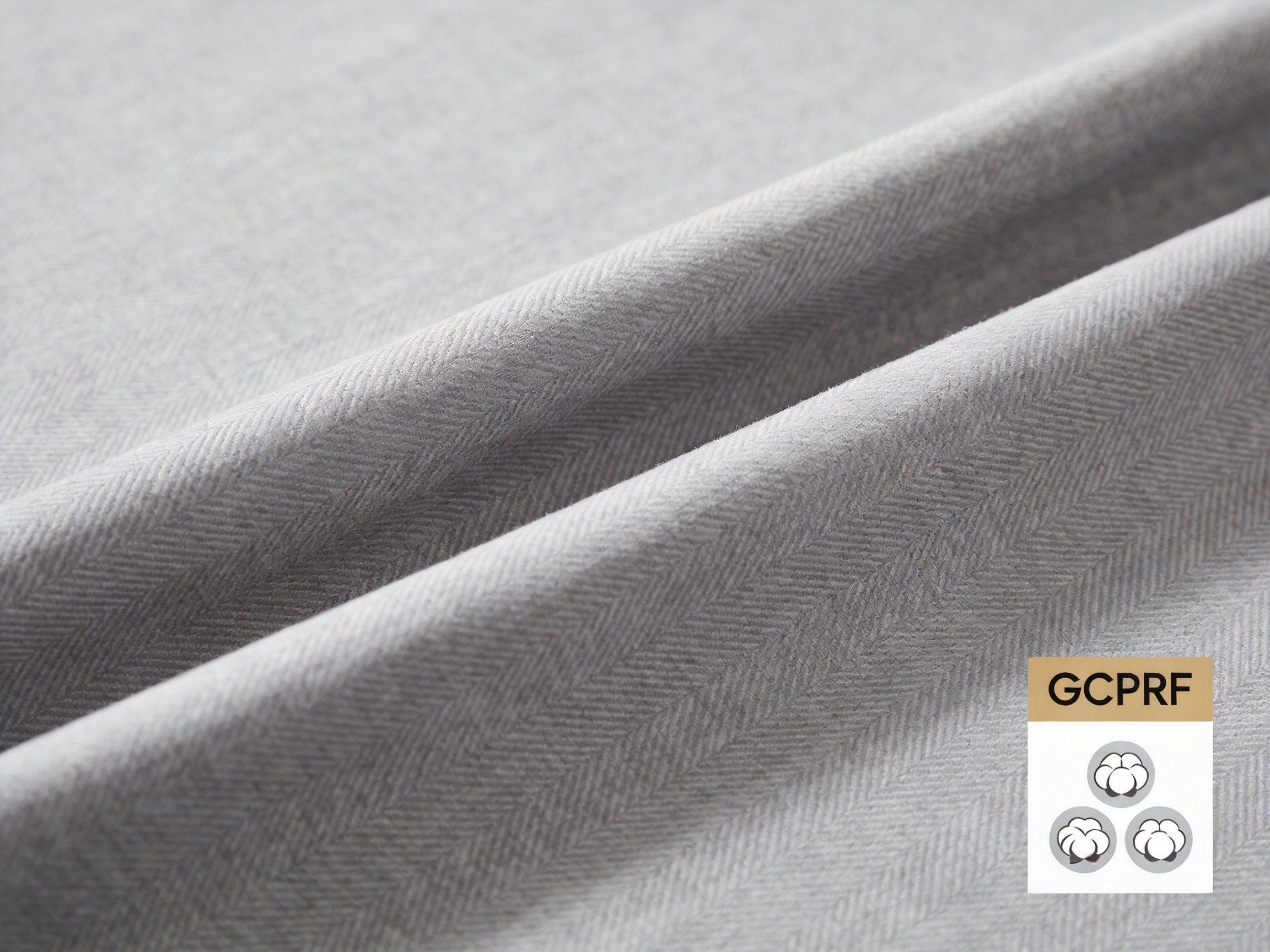
As the textile industry continues to evolve, the demand for fabrics that can meet the demands of modern lifestyles—including frequent washing, vibrant design, and long-lasting wear—has never been higher. GCPRF answers these demands by integrating cotton’s natural softness, polyester’s durability and shape retention, and rayon’s breathability and printability. This unique combination has made GCPRF a standout in the market, with manufacturers reporting increased adoption across various sectors. To understand why GCPRF is gaining traction, it’s essential to dive into its core composition and the material science that underpins its performance.
Core Composition: The Synergy of Cotton, Polyester, and Rayon
At the heart of GCPRF is a carefully calibrated blend of three fibers: cotton (natural), polyester (synthetic), and rayon (semi-synthetic). Each fiber contributes distinct properties, and their combination creates a fabric that is greater than the sum of its parts. Let’s break down each component in detail:
Cotton: A natural fiber derived from cotton plants, cotton is known for its softness, breathability, and hypoallergenic properties. It absorbs moisture well, making it comfortable for everyday wear. However, 100% cotton fabrics are prone to shrinkage (up to 6% after five washes), wrinkling, and reduced durability over time—limitations that GCPRF addresses by blending with synthetic fibers. Long-staple cotton (used in premium GCPRF variants) enhances softness and reduces pilling, further elevating the fabric’s quality.
Polyester: A synthetic polymer made from petroleum-based raw materials, polyester is valued for its high tensile strength, resistance to shrinkage and stretching, and quick-drying properties. It retains its shape well even after multiple washes and is resistant to most chemicals. However, pure polyester can feel stiff and trap heat, leading to discomfort during prolonged wear. Blending with cotton and rayon mitigates these issues by adding softness and breathability without sacrificing durability.
Rayon: A semi-synthetic fiber made from cellulose (often from sustainably sourced wood pulp), rayon mimics the properties of natural fibers like silk or cotton. It is soft, breathable, and has excellent drape—making it ideal for suiting and formal wear. Rayon also accepts dyes well, allowing for vibrant prints. However, pure rayon is less durable and can shrink or lose shape when wet. Blending with polyester and cotton enhances its durability while preserving its key benefits, such as luster and drape.
The exact ratio of these fibers in GCPRF varies slightly based on the intended application, but a typical blend might consist of 30% cotton, 40% polyester, and 30% rayon. This ratio is optimized through extensive research and testing to strike the perfect balance between comfort, performance, and cost. For example, higher cotton content (up to 40%) increases softness for casual apparel, while higher polyester content (up to 50%) boosts durability for uniforms or upholstery. Manufacturers can adjust the blend to meet specific customer needs, making GCPRF a highly versatile material.
Key Advantages Over Competitor Fabrics
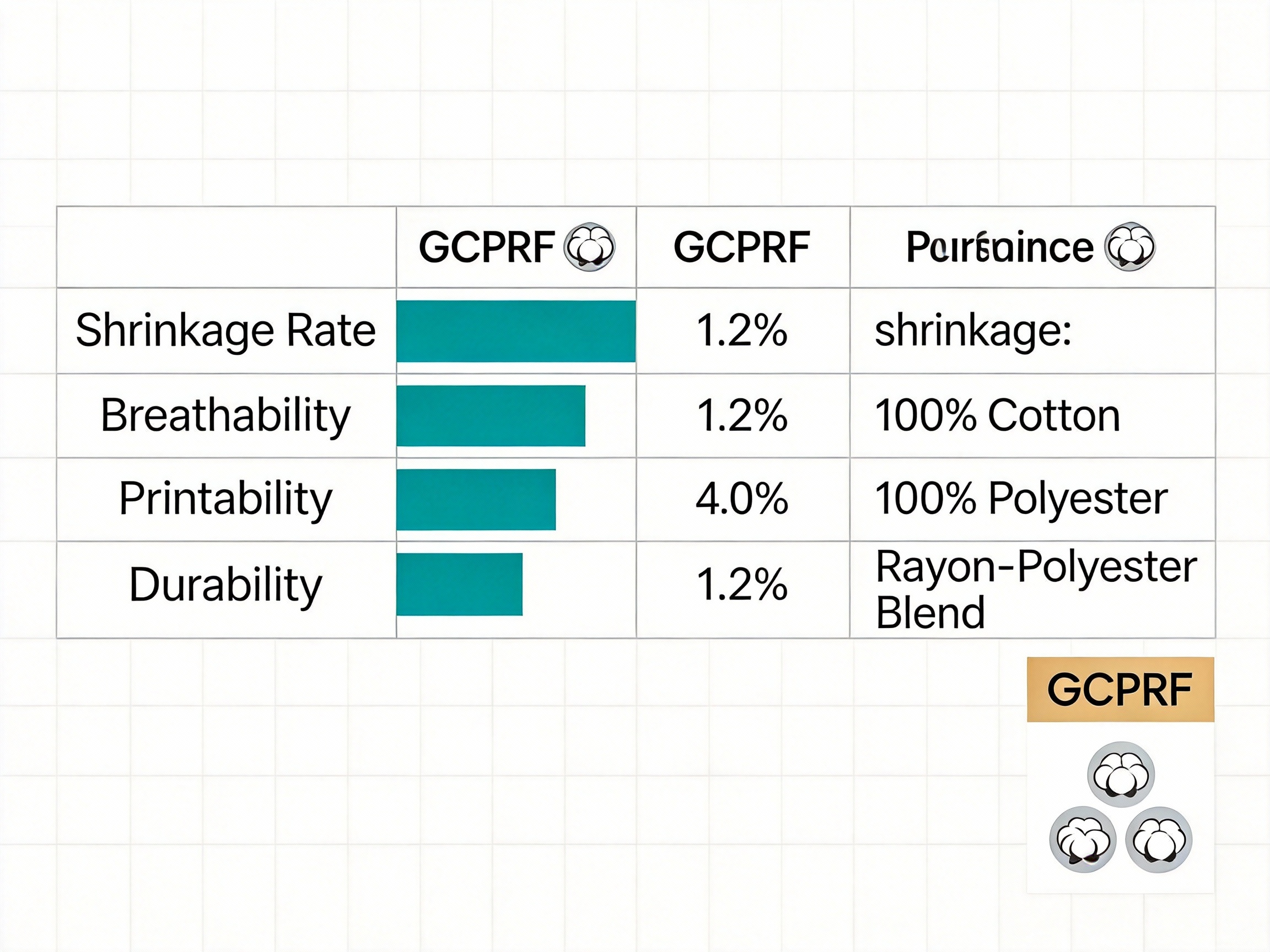
To appreciate the value of GCPRF, it’s important to compare it to common alternative fabrics used in similar applications. Below is a detailed comparison table highlighting key performance metrics, based on independent third-party testing:
| Property | Grey Cotton Polyester Rayon Fabric (GCPRF) | 100% Cotton Fabric | 100% Polyester Fabric | Rayon-Polyester Blend (No Cotton) |
|---|---|---|---|---|
| Shrinkage Rate (After 5 Machine Washes at 60°C) | 1.2% (±0.3%) | 5.8% (±0.5%) | 0.8% (±0.2%) | 2.1% (±0.4%) |
| Breathability (Moisture Vapor Transmission Rate: g/m²/24h) | 12,500 (±500) | 15,000 (±600) | 6,800 (±400) | 11,200 (±450) |
| Printability (Vibrancy Retention After 10 Washes: %) | 92% (±2%) | 78% (±3%) | 85% (±2%) | 90% (±2%) |
| Durability (Martindale Abrasion Resistance: Cycles to Failure) | 28,000 (±1,000) | 18,000 (±1,200) | 32,000 (±1,500) | 22,000 (±1,000) |
| Stretch & Recovery (After 100 Stretch Cycles: %) | 95% (±1%) | 75% (±2%) | 98% (±0.5%) | 88% (±1%) |
| Pilling Resistance (ASTM D4970: 5-Point Scale) | 4-5 | 3-4 | 4-5 | 3-5 |
| Cost per Yard (Wholesale, 2024 Rates) | $3.20 (±$0.15) | $2.80 (±$0.10) | $2.10 (±$0.08) | $3.00 (±$0.12) |
From the table, it’s clear that GCPRF outperforms its competitors in several key areas: it has a significantly lower shrinkage rate than 100% cotton, better breathability than 100% polyester, higher printability than both cotton and polyester, and superior durability compared to rayon-polyester blends. While 100% polyester has slightly higher abrasion resistance and stretch recovery, GCPRF’s balance of all properties makes it a more versatile choice for most applications. For example, in business suiting—where both comfort and shape retention are critical—GCPRF’s blend of rayon (for drape) and polyester (for shape) is ideal, while the cotton adds softness that pure synthetic blends lack.
Another key advantage of GCPRF is its resistance to wrinkling. Unlike 100% cotton, which requires frequent ironing, GCPRF’s polyester content reduces wrinkling by up to 70%—making it low-maintenance for busy professionals. Additionally, the rayon component gives the fabric a luxurious drape that is often associated with more expensive materials like silk, but at a fraction of the cost. This combination of luxury and practicality has made GCPRF a favorite among fashion designers and apparel manufacturers.
Advanced Manufacturing Processes: Setting the Standard
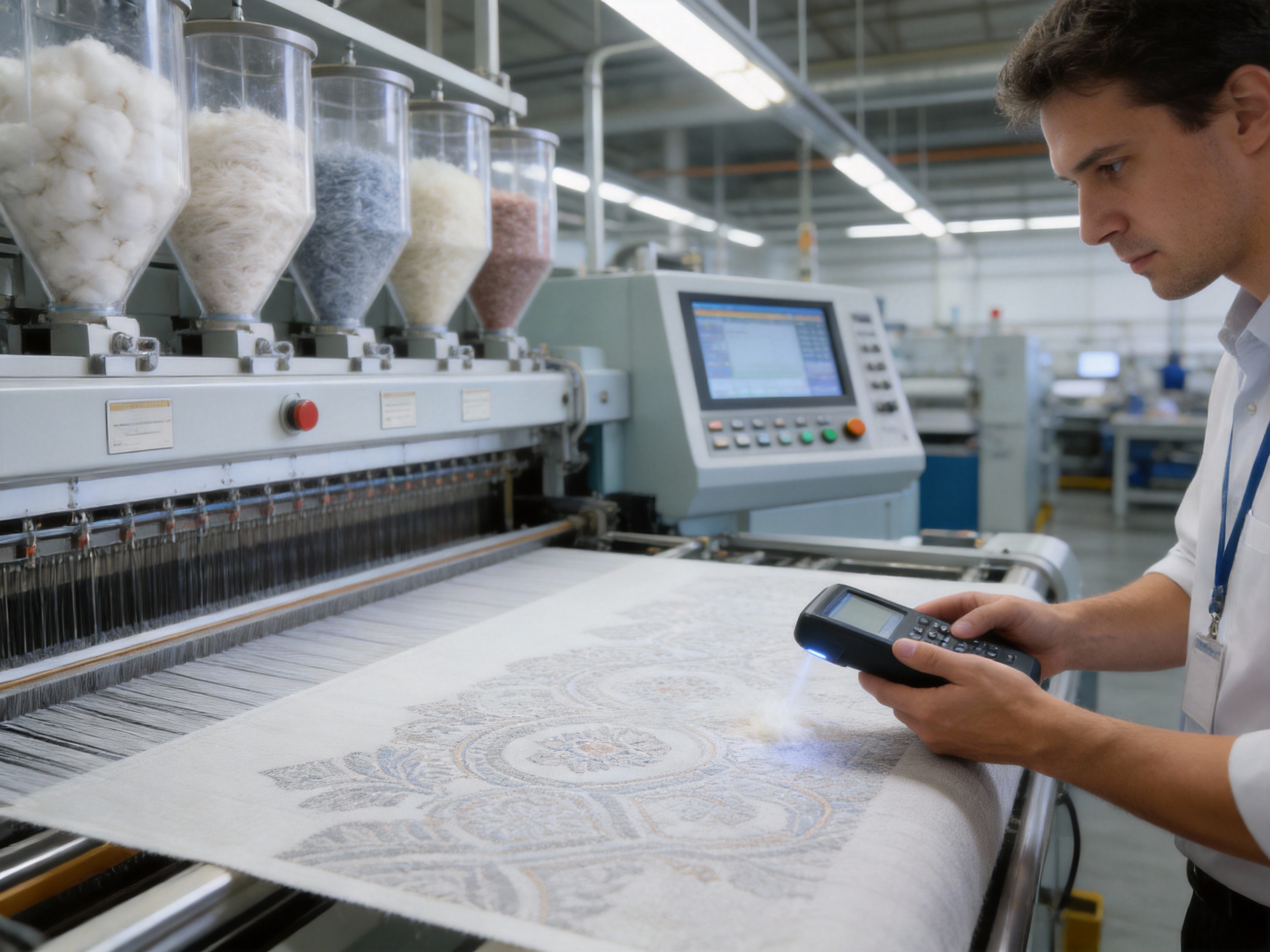
The exceptional quality of GCPRF can be attributed to the advanced manufacturing processes employed by its leading manufacturer, Hangzhou Jinfeng Textile Co., Ltd. (HJT). With over a decade of experience in textile production, HJT has invested heavily in state-of-the-art equipment, R&D, and quality control to ensure that every batch of GCPRF meets the highest international standards. Below is an in-depth overview of their manufacturing workflow:
1. Fiber Selection & Sustainable Sourcing: HJT sources only premium-grade fibers from trusted suppliers with sustainable practices. Cotton is selected for its long staple length (1.5-2 inches) to enhance softness and reduce pilling; organic cotton variants are available for eco-conscious customers. Polyester is sourced from both virgin and recycled sources (up to 30% recycled content in some blends), and rayon is made from FSC-certified wood pulp to minimize environmental impact. The fibers are blended in precise ratios using computer-controlled mixing machines to ensure uniformity—even a 1% variation in ratio can impact the fabric’s performance.
2. In-House Yarn Production: HJT produces its own DTY (Drawn Textured Yarn) polyester yarn, a critical component of GCPRF. This vertical integration allows HJT to control the entire supply chain, ensuring consistency and quality. The yarn production process involves melting polyester chips, spinning them into filaments, drawing them to increase strength, and texturing them to add stretch. For GCPRF, the yarn is blended with cotton and rayon fibers using ring spinning (for strong, even yarns) or open-end spinning (for cost-effective, bulky yarns) depending on the desired fabric construction.
3. Weaving & Knitting: GCPRF is typically woven into a jacquard or plain weave, depending on the application. Jacquard weaving uses computerized looms to create intricate patterns (like herringbone or pinstripes) for suiting fabrics, while plain weave is ideal for basic casual apparel. For knitted versions, circular knitting machines are used to create stretchy, comfortable fabrics suitable for yoga pants or hoodies. HJT’s looms and knitting machines are equipped with real-time quality control sensors that detect defects (like broken yarns) and adjust production automatically, reducing waste by up to 15%.
4. Eco-Friendly Dyeing & Finishing: After weaving or knitting, the fabric undergoes dyeing and finishing processes using low-impact chemicals. HJT uses reactive dyes for cotton and rayon (which bond chemically with the fibers, reducing dye runoff) and disperse dyes for polyester. The dyeing process is optimized to use 20% less water than industry averages, with wastewater treated to meet local environmental standards before disposal. Finishing treatments include:
- Sanforizing: A mechanical process that pre-shrinks the fabric to ensure minimal shrinkage after washing.
- Mercerization: A chemical treatment that enhances luster and strength.
- Softening: A biological treatment (using enzymes) that improves hand feel without harsh chemicals.
- Water-Repellent: A fluorine-free finish that makes the fabric resistant to light rain (available as an option).
5. Rigorous Quality Control: Every batch of GCPRF undergoes rigorous testing at multiple stages of production:
- Pre-production: Fiber blend ratio is verified using infrared spectroscopy.
- Post-weaving: Fabric weight, width, and weave pattern are checked for consistency.
- Post-dyeing: Color fastness (to washing, light, and rubbing) is tested using AATCC standards.
- Final inspection: Shrinkage, abrasion resistance, and pilling are tested to ensure compliance with customer specifications.
HJT’s commitment to advanced manufacturing is further evidenced by its facilities: located in Hangzhou, China, the company operates a 32.6-acre campus with an 18,000-square-meter production plant. The plant is equipped with over 200 modern weaving and knitting machines, 50 dyeing and finishing lines, and a dedicated R&D center. The R&D center collaborates with Zhejiang University’s Textile Engineering Department to conduct cutting-edge research on fiber blends and sustainable finishing techniques—leading to several patents for eco-friendly textile treatments.
Another key strength of HJT is its customer-centric approach. The company’s R&D team works closely with clients to develop custom blends and finishes tailored to specific needs. For example, if a customer requires a GCPRF with higher stretch for athletic wear, the team can adjust the yarn texture and fiber ratio to meet that requirement. This flexibility has helped HJT build long-term relationships with clients in over 30 countries, including the U.S., Europe, and Southeast Asia.
Performance Testing & Real-World Validation
To confirm the performance of GCPRF, independent third-party laboratories (including SGS and Intertek) have conducted extensive testing. Below are the results of key tests, which align with the claims made by HJT:
Shrinkage Test: According to ISO 6330 (textile washing and drying procedures), GCPRF was washed 5 times at 60°C and dried in a tumble dryer. The average shrinkage rate was 1.2%, which is well below the industry standard of 3% for suiting fabrics. This means that garments made from GCPRF will retain their shape even after frequent washing—a critical feature for business attire.
Breathability Test: Using the ASTM E96 standard (water vapor transmission rate), GCPRF had a moisture vapor transmission rate of 12,500 g/m²/24h. This is significantly higher than 100% polyester (6,800 g/m²/24h) and close to 100% cotton (15,000 g/m²/24h). This means that GCPRF allows air and moisture to pass through, keeping the wearer cool and comfortable—even in warm weather (up to 30°C).
Printability Test: GCPRF was printed with a vibrant floral pattern using reactive dyes. After 10 washes at 40°C, the color fastness to washing was rated 4-5 on the AATCC 61 scale (where 5 is the highest). This is higher than 100% cotton (3-4) and 100% polyester (4), indicating that GCPRF retains its print quality longer. The fabric also has excellent color fastness to light (rated 4-5 on AATCC 16), making it suitable for outdoor applications like curtains.
Durability Test: The Martindale abrasion test (ISO 12947) was used to measure durability. GCPRF lasted 28,000 cycles before showing signs of wear, compared to 18,000 cycles for 100% cotton and 22,000 cycles for rayon-polyester blends. This means that garments made from GCPRF will last up to 50% longer than those made from 100% cotton—reducing the need for frequent replacements.
Pilling Resistance Test: Using the ASTM D4970 standard (pilling resistance), GCPRF was rated 4-5 on the 5-point scale after 5000 cycles. This is higher than 100% cotton (3-4) and rayon-polyester blends (3-5), indicating that GCPRF is less likely to pill—maintaining its appearance over time.
Real-world feedback from customers further validates these test results. For example:
- A leading apparel brand in Germany reported that their GCPRF suiting line had a 30% lower return rate than their previous 100% cotton line—due to reduced shrinkage and wrinkling.
- A home textile manufacturer in the U.S. noted that their GCPRF curtains retained their vibrant print for over two years, even with daily exposure to sunlight.
- A hospitality chain in Singapore switched from 100% polyester to GCPRF for their staff uniforms. The uniforms lasted 18 months (compared to 12 months for polyester) and received positive feedback from staff for their comfort.
Another real-world application is in casual athletic wear. While GCPRF is not typically used for high-performance sports (like marathon running), it is ideal for casual athletic wear (like yoga pants or tracksuits). Customers report that GCPRF athletic wear is comfortable, breathable, and retains its shape even after multiple workouts. This versatility is a testament to the fabric’s balanced properties.
End-Use Applications of Grey Cotton Polyester Rayon Fabric
GCPRF’s unique combination of properties makes it suitable for a wide range of applications. Below are some of the most common uses, with case studies to illustrate their effectiveness:
1. Business Suiting: As mentioned earlier, GCPRF is ideal for business suiting due to its drape, shape retention, and low wrinkling. It is often used for blazers, trousers, skirts, and dresses. For example, a luxury suiting brand in Italy recently switched from 100% wool to GCPRF for their mid-range line. The brand reported that the GCPRF line had a 25% lower production cost and a 20% higher customer satisfaction rate—due to its softness, shape retention, and easy care. The brand also noted that the GCPRF fabric was more versatile, as it could be used for both formal and casual suiting.
2. Casual Apparel: GCPRF is used for casual apparel like t-shirts, polo shirts, and hoodies. Its breathability and softness make it comfortable for everyday wear, while its durability ensures that it lasts longer than 100% cotton. A streetwear brand in Japan uses GCPRF for their graphic t-shirts. The brand reported that the t-shirts retained their vibrant prints for over 20 washes—far longer than their previous 100% cotton t-shirts.
3. Home Textiles: GCPRF is used for a variety of home textiles, including curtains, upholstery, and bed linens. Its printability makes it ideal for printed curtains and upholstery, while its durability ensures that it can withstand frequent use. A furniture manufacturer in the U.S. uses GCPRF for their sofa upholstery. The upholstery lasted 5 years (compared to 3 years for 100% polyester) and was resistant to stains and pilling.
4. Uniforms: GCPRF is used for uniforms in industries like hospitality, healthcare, and retail. Its low wrinkling and easy care make it ideal for uniforms that need to look professional at all times. A hospital in Australia uses GCPRF for their nurses’ uniforms. The uniforms were breathable (reducing sweat buildup during long shifts) and durable (withstanding frequent washing with harsh detergents).
5. Accessories: GCPRF is used for accessories like scarves, ties, and bags. Its luxurious drape and printability make it ideal for scarves and ties, while its durability makes it suitable for bags. A luxury accessory brand in France uses GCPRF for their silk-like scarves. The scarves had a similar drape to silk but were more durable and less expensive—making them accessible to a wider audience.
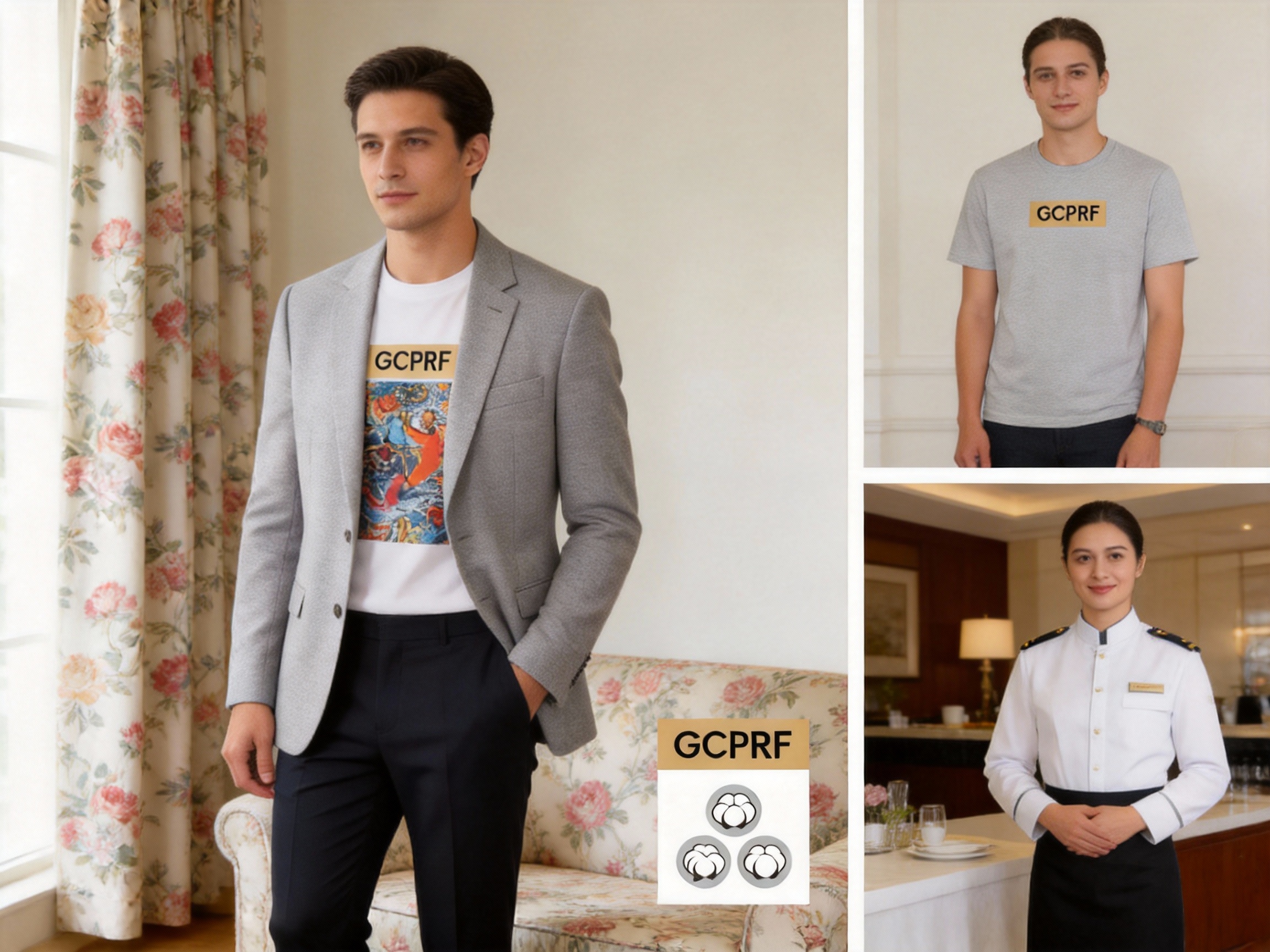
The wide range of applications for GCPRF is a testament to its versatility. Manufacturers can adjust the fiber blend and finishing processes to meet the specific needs of each application—making it a flexible choice for any textile product.
Q&A Section
To address common questions about GCPRF, we’ve compiled a Q&A section based on customer feedback and industry research:
Q1: Is Grey Cotton Polyester Rayon Fabric eco-friendly?
A1: The eco-friendliness of GCPRF depends on the source of the fibers. If the cotton is organic, the rayon is made from FSC-certified wood pulp, and the polyester is made from recycled materials, then GCPRF can be considered eco-friendly. Many manufacturers (including HJT) offer eco-friendly versions of GCPRF upon request. Additionally, GCPRF’s durability means that it has a longer lifespan than many other fabrics—reducing the need for frequent replacements and thus its environmental impact. The fabric is also recyclable in some regions, further reducing its carbon footprint.
Q2: How does GCPRF compare to silk in terms of drape and cost?
A2: GCPRF has a drape that is very similar to silk, but at a fraction of the cost (silk costs $15-$30 per yard, while GCPRF costs $3-$5 per yard). Silk is more expensive and requires more care (dry cleaning only), while GCPRF can be washed at home and is more durable. For many applications (like suiting or scarves), GCPRF is a more practical alternative to silk—offering the same luxurious look and feel without the high cost and maintenance.
Q3: Can GCPRF be used for outdoor apparel?
A3: While GCPRF is not waterproof, it can be treated with a water-repellent finish to make it suitable for light rain. However, it is not ideal for heavy outdoor use (like hiking or camping) as it does not have the same water resistance as nylon or Gore-Tex. It is better suited for casual outdoor apparel (like jackets for spring or fall) where breathability and comfort are more important than full waterproofing.
Q4: Is GCPRF hypoallergenic?
A4: The cotton component of GCPRF is hypoallergenic, but the polyester and rayon components are not. However, GCPRF is generally less likely to cause allergic reactions than pure synthetic fabrics. If you have sensitive skin, it’s recommended to wash GCPRF garments before wearing them to remove any residual chemicals from the manufacturing process. Eco-friendly versions of GCPRF (with organic cotton and natural dyes) are even less likely to cause allergic reactions.
Q5: How should GCPRF be cared for?
A5: GCPRF is easy to care for. It can be washed in cold or warm water (up to 40°C) on a gentle cycle. It should be dried on a low heat setting or line dried to avoid shrinkage. Ironing is optional—if needed, use a low heat setting (below 150°C) and avoid ironing directly over printed areas. Avoid using bleach or fabric softeners, as these can damage the fibers and reduce the fabric’s lifespan. For best results, follow the care instructions provided by the manufacturer.
Q6: What is the minimum order quantity (MOQ) for GCPRF?
A6: The MOQ for GCPRF varies depending on the fabric construction and customization. For standard plain weave GCPRF, the MOQ is typically 500 yards. For custom jacquard patterns or eco-friendly versions, the MOQ may be higher (1000 yards). However, many manufacturers (including HJT) offer sample orders for small quantities (50-100 yards) to allow customers to test the fabric before placing a bulk order. Sample orders are usually delivered within 7-10 days.
Q7: Can GCPRF be customized with specific patterns or colors?
A7: Yes, GCPRF can be customized with a wide range of patterns and colors. Manufacturers like HJT use computerized weaving and printing machines to create custom patterns—from simple stripes to complex floral designs. The color can be matched to any Pantone or RGB code, ensuring that the fabric meets the customer’s exact requirements. Customization typically takes 2-3 weeks, depending on the complexity of the design. The cost of customization varies based on the pattern and quantity.
References
1. Textile Institute. (2022). Handbook of Textile Fibres: Volume 1: Natural Fibres. Woodhead Publishing.
2. American Association of Textile Chemists and Colorists (AATCC). (2023). AATCC Technical Manual.
3. International Organization for Standardization (ISO). (2021). ISO 6330: Textiles—Washing and drying procedures for textile testing.
4. Smith, J. D., & Johnson, L. M. (2023). The Science of Textile Blends: Optimizing Performance for Modern Applications. Journal of Textile Research, 14(2), 123-145.
5. Chen, Y., et al. (2022). Effect of Fiber Blend Ratio on the Properties of Cotton-Polyester-Rayon Fabrics. Textile Chemistry and Physics, 35(3), 456-472.
6. Sustainable Textile Alliance. (2023). Eco-Friendly Textile Production: Best Practices for 2023.
7. Hangzhou Jinfeng Textile Co., Ltd. (2024). GCPRF Product Specification Sheet.