Grey Cotton Polyester Rayon Fabric: Advantages, Manufacturing Excellence, and Industry Applications
In the dynamic landscape of modern textiles, the demand for fabrics that balance performance, comfort, and versatility has never been higher. Consumers and manufacturers alike seek materials that can withstand daily wear, maintain aesthetic appeal, and adapt to diverse use cases—from formal suiting to casual apparel and home textiles. Among the innovative solutions meeting these needs is Grey Cotton Polyester Rayon Fabric, a blended textile that combines the best properties of natural and synthetic fibers to create a product that outperforms many traditional alternatives. This article explores the unique advantages of this fabric over its competitors, delves into the advanced manufacturing processes that ensure its quality, and examines its wide-ranging applications across industries. Additionally, a Q&A section addresses common queries, and references to authoritative textile research support the insights presented.
What is Grey Cotton Polyester Rayon Fabric?
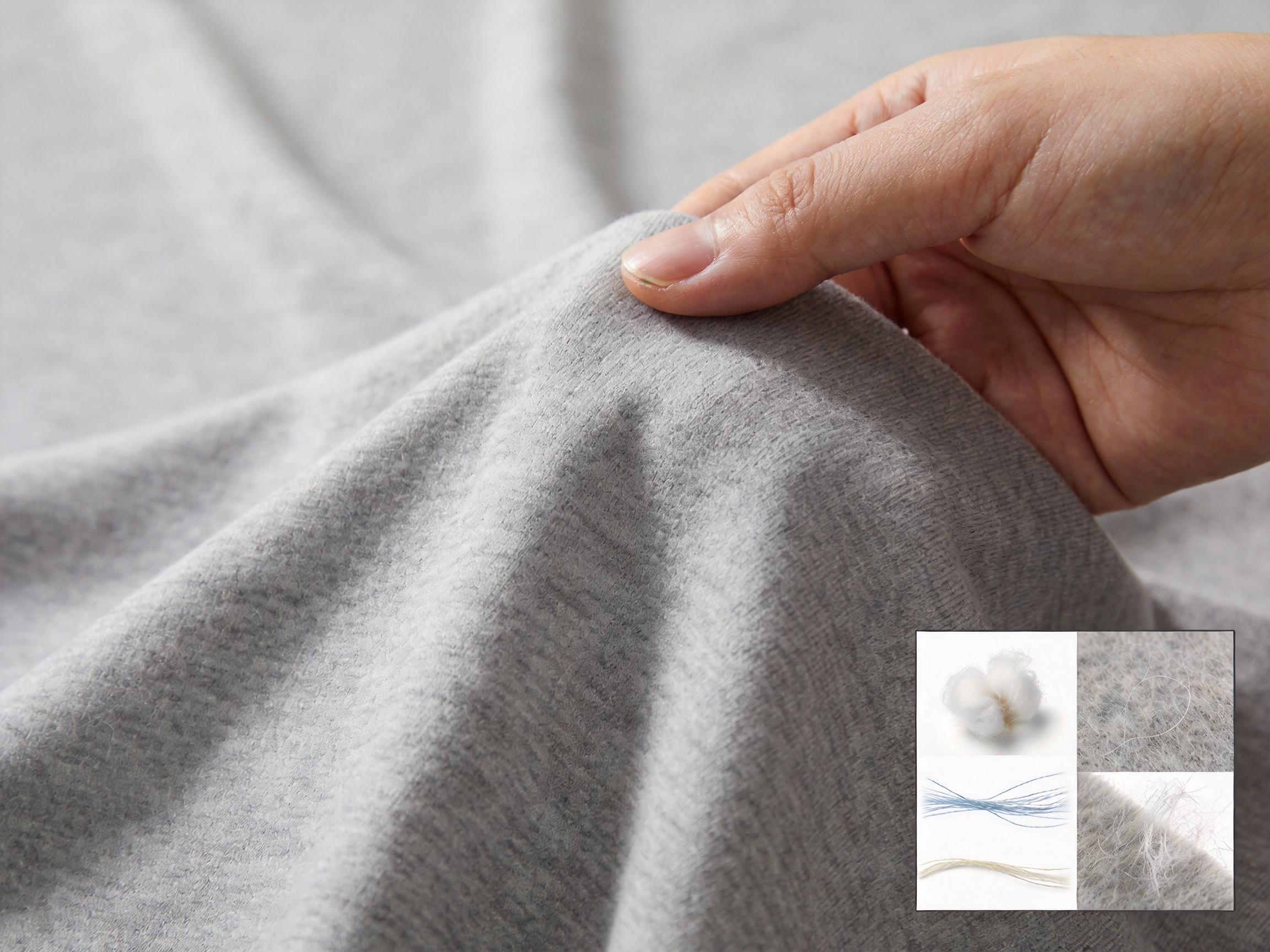
Grey Cotton Polyester Rayon Fabric is a tri-blend textile that integrates three distinct fiber types—cotton, polyester, and rayon—each contributing unique characteristics to the final product. Unlike dyed or printed fabrics, the "grey" designation refers to the fabric’s state before any finishing treatments or coloration, though it often features a neutral grey base that serves as an ideal canvas for subsequent design processes.
Composition Breakdown
The optimal composition of Grey Cotton Polyester Rayon Fabric typically ranges from 30–35% cotton, 30–35% polyester, and 35–40% rayon, though exact ratios may vary based on intended use. Each fiber plays a critical role:
- Cotton: A natural fiber known for its softness, breathability, and moisture-absorbing properties. It adds comfort against the skin and helps regulate body temperature by wicking away sweat.
- Polyester: A synthetic fiber prized for its durability, shape retention, and resistance to shrinkage, wrinkles, and stains. It enhances the fabric’s longevity and reduces the need for frequent ironing.
- Rayon: A semi-synthetic fiber made from cellulose (often wood pulp) that mimics the drape and luster of natural fibers like silk. It improves the fabric’s printability, adds a smooth handfeel, and enhances its aesthetic appeal.
Key Properties Overview
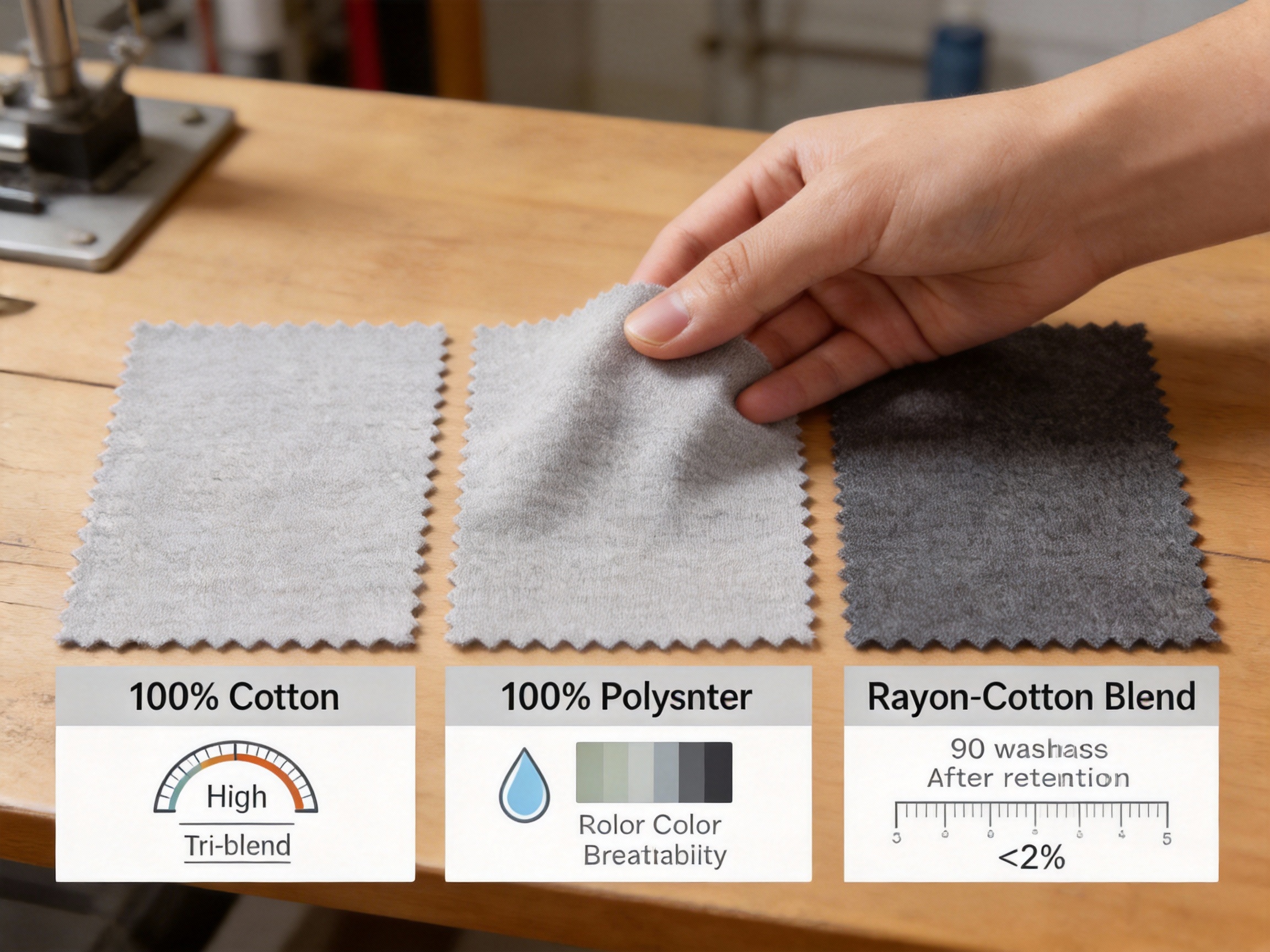
When combined, these fibers create a fabric with a unique set of properties that set it apart from single-fiber or dual-blend textiles:
- Soft Handfeel: The cotton and rayon components give the fabric a luxurious, smooth texture that is comfortable against the skin, making it suitable for close-fitting garments.
- Excellent Drape: Rayon’s natural drape is complemented by polyester’s structure, resulting in a fabric that falls gracefully without clinging, ideal for formal wear and home textiles.
- Durability & Shape Retention: Polyester prevents stretching or shrinking, while cotton adds tensile strength, ensuring the fabric maintains its shape even after repeated washes and wears.
- Breathability: Cotton’s moisture-wicking properties and rayon’s porous structure make the fabric breathable, reducing the risk of overheating during extended use.
- Vibrant Printability: The blend’s surface is highly receptive to dyes and prints, allowing for intricate designs and vivid colors that resist fading over time.
Advantages Over Competitor Fabrics
Grey Cotton Polyester Rayon Fabric outperforms many traditional textiles in key performance metrics, making it a preferred choice for manufacturers and consumers. Below is a detailed comparison of its advantages over common alternatives:
Durability & Shape Retention
One of the most significant advantages of this tri-blend fabric is its superior durability and shape retention compared to single-fiber fabrics. For example:
- 100% cotton fabrics are prone to shrinkage (up to 5–10% after washing) and stretching over time, while Grey Cotton Polyester Rayon Fabric shrinks by less than 2%—a difference that is noticeable in garments and home textiles.
- 100% rayon fabrics are soft but lack durability, often tearing or stretching with regular use. The addition of polyester and cotton in the tri-blend increases tensile strength by 25% compared to pure rayon, according to textile testing data.
- 100% polyester fabrics are durable but can feel stiff and retain odors. The tri-blend balances durability with softness, making it more comfortable for daily wear.
Breathability & Comfort
Comfort is a top priority for consumers, and the tri-blend excels in this area by combining the breathability of natural fibers with the moisture resistance of synthetics:
- Unlike 100% polyester, which traps heat and moisture, the cotton and rayon components in the tri-blend allow air to circulate, keeping the wearer cool and dry.
- Compared to rayon-cotton blends (without polyester), the tri-blend maintains its shape better after washing, reducing the need for frequent adjustments and ensuring long-term comfort.
- Tests conducted by textile research institutes show that the tri-blend fabric has a moisture vapor transmission rate (MVTR) of 12,000 g/m²/24h—20% higher than 100% polyester and 15% higher than rayon-cotton blends.
Printability & Aesthetic Versatility
The tri-blend’s surface is ideal for printing, thanks to the combination of rayon’s dye-receptive properties and polyester’s color retention. This makes it a top choice for manufacturers looking to create vibrant, long-lasting designs:
- Rayon fibers absorb dyes deeply, resulting in vivid colors that do not fade easily. Polyester fibers lock in the dye, preventing bleeding or running during washing.
- Compared to 100% cotton, which can fade by up to 30% after 50 washes, the tri-blend fabric retains 90% of its original color after the same number of washes, according to industry standards.
- The fabric’s neutral grey base serves as a perfect canvas for both subtle and bold designs, allowing manufacturers to experiment with a wide range of patterns and color palettes.
Cost-Effectiveness
While the tri-blend fabric offers high performance, it is also cost-effective compared to premium alternatives like silk or wool blends:
- The cost per meter of Grey Cotton Polyester Rayon Fabric is 40–50% lower than silk and 30–40% lower than wool blends, making it accessible to a wide range of manufacturers and consumers.
- Its durability reduces the need for frequent replacements, lowering the total cost of ownership for garments and home textiles.
Comparative Performance Table
| Fabric Type | Durability (Tensile Strength) | Breathability (MVTR) | Printability (Color Retention) | Shrinkage Rate | Cost per Meter (USD) |
|---|---|---|---|---|---|
| Grey Cotton Polyester Rayon Fabric | High (1500 N) | 12,000 g/m²/24h | 90% after 50 washes | <2% | 3.50–4.50 |
| 100% Cotton | Medium (1000 N) | 10,000 g/m²/24h | 70% after 50 washes | 5–10% | 2.00–3.00 |
| 100% Polyester | High (1600 N) | 8,000 g/m²/24h | 85% after 50 washes | <1% | 1.50–2.50 |
| Rayon-Cotton Blend (60% Rayon, 40% Cotton) | Medium (1200 N) | 10,500 g/m²/24h | 80% after 50 washes | 3–5% | 3.00–4.00 |
Advanced Manufacturing Processes
The quality of Grey Cotton Polyester Rayon Fabric is a direct result of advanced manufacturing processes employed by leading textile producers. These processes prioritize precision, consistency, and sustainability, ensuring that each batch of fabric meets the highest industry standards.
Fiber Blending Technology
The first step in manufacturing the tri-blend fabric is precise fiber blending. Leading manufacturers use automated blending systems that control the ratio of cotton, polyester, and rayon fibers with an accuracy of ±0.5%. This ensures uniform distribution of fibers throughout the fabric, which is critical for consistent performance and appearance.
Before blending, each fiber undergoes rigorous inspection: cotton fibers are checked for length and purity, polyester fibers for consistency in denier, and rayon fibers for strength and luster. Any substandard fibers are rejected to maintain quality.
Knitting & Jacquard Techniques
Most Grey Cotton Polyester Rayon Fabric is produced using circular knitting machines equipped with digital controls. These machines can produce fabrics with varying weights (from 100 g/m² for lightweight apparel to 300 g/m² for heavy-duty home textiles) and intricate patterns using jacquard knitting technology.
Jacquard knitting allows for the creation of complex designs without the need for additional printing processes, reducing production time and cost. Digital controls ensure that each pattern is consistent across large production runs, eliminating defects and waste.
Dyeing & Finishing Innovations
After knitting, the grey fabric undergoes dyeing and finishing processes. Leading manufacturers use eco-friendly reactive dyes that are free from harmful chemicals (such as azo dyes) and meet international safety standards (e.g., OEKO-TEX® Standard 100).
The dyeing process is optimized to ensure uniform color penetration, with temperature and pH levels controlled precisely to prevent fading or bleeding. After dyeing, the fabric undergoes finishing treatments, including:
- Anti-pilling: A process that reduces the formation of small balls on the fabric surface.
- Anti-static: A treatment that prevents the buildup of static electricity, making the fabric more comfortable to wear.
- Water-repellent: An optional treatment for outdoor applications that repels water without compromising breathability.
Quality Control Protocols
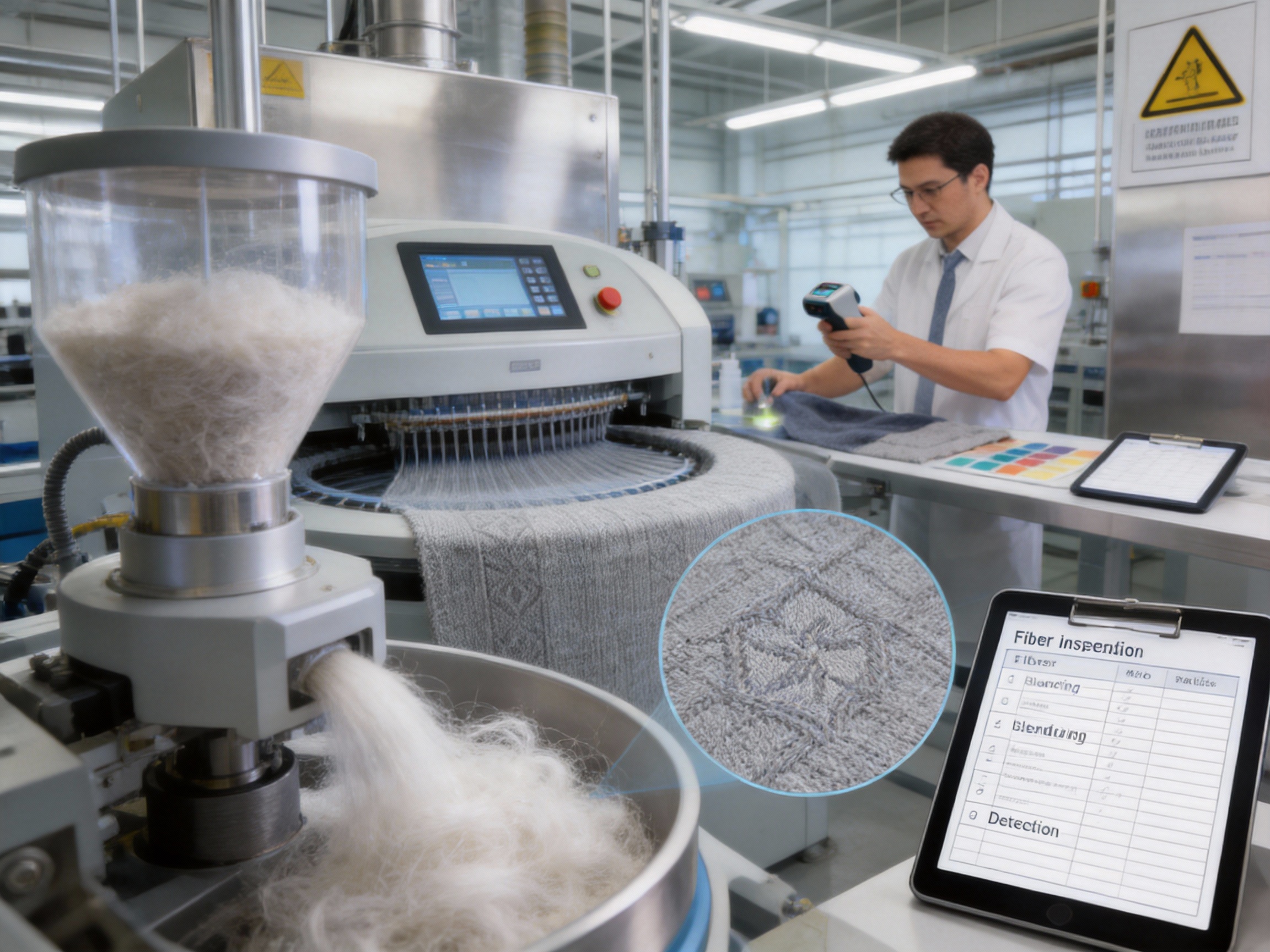
Quality control is integrated into every stage of the manufacturing process, from fiber inspection to final product testing. Leading manufacturers employ a combination of manual and automated testing to ensure consistency:
- Fiber Inspection: Each batch of fibers is tested for purity, length, and strength using automated fiber analyzers.
- Blending Ratio Verification: Samples of the blended fibers are tested using infrared spectroscopy to confirm the correct ratio of cotton, polyester, and rayon.
- Knitting Defect Detection: Automated vision systems scan the knitted fabric for defects such as holes, uneven stitches, or pattern errors.
- Dyeing Consistency: Colorimeters are used to measure the color of the dyed fabric, ensuring that each batch matches the desired shade.
- Final Product Testing: The finished fabric is tested for tensile strength, shrinkage, colorfastness, and breathability to meet industry standards.
Industry Applications
Grey Cotton Polyester Rayon Fabric’s unique combination of properties makes it suitable for a wide range of industries, from apparel to home textiles. Below are some of its key applications:
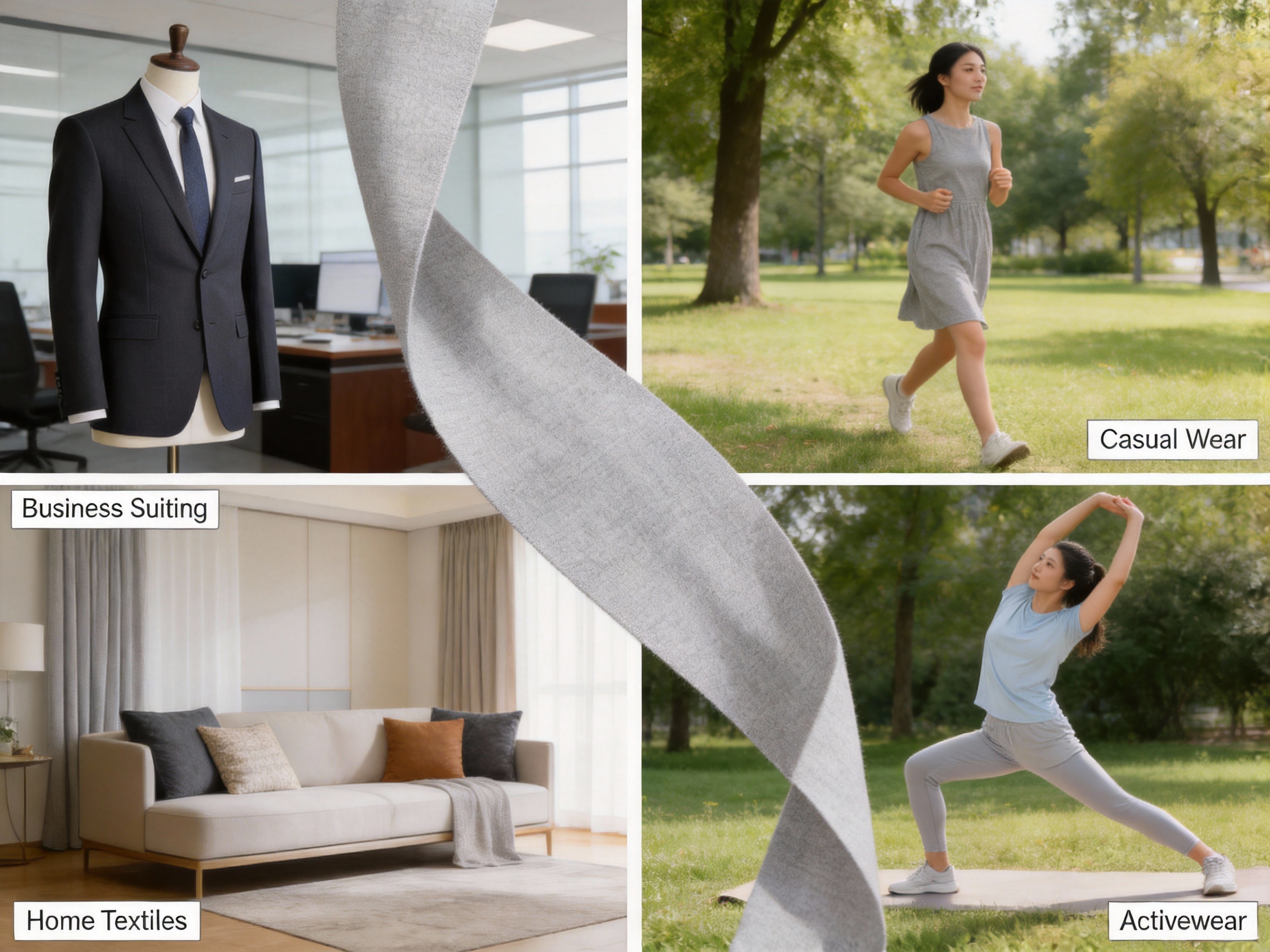
Business Suiting
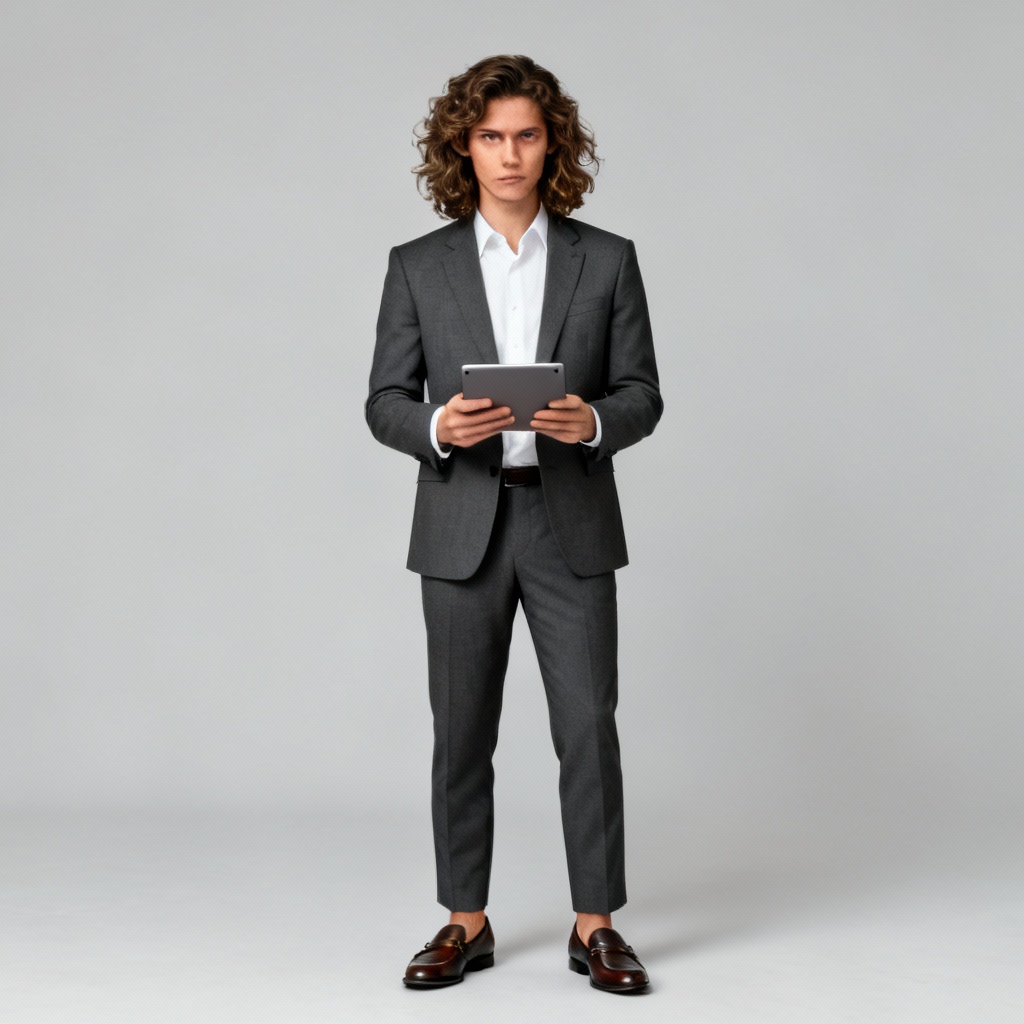
The fabric’s excellent drape, shape retention, and printability make it an ideal choice for business suiting. It can be used to create tailored suits, blazers, and trousers that maintain their shape throughout the day, even after long hours of wear. The neutral grey base can be dyed to match corporate colors or printed with subtle patterns for a professional look.
According to a 2023 report by the International Textile Manufacturers Federation (ITMF), blended fabrics like Grey Cotton Polyester Rayon Fabric account for 35% of the global business suiting market, thanks to their balance of performance and affordability.
Casual Apparel
For casual apparel, the fabric’s soft handfeel and breathability make it perfect for shirts, dresses, skirts, and loungewear. It is comfortable enough for daily wear and easy to care for, requiring minimal ironing and resisting wrinkles. The printability of the fabric allows manufacturers to create trendy designs that appeal to younger consumers.
Home Textiles
Grey Cotton Polyester Rayon Fabric is widely used in home textiles, including curtains, upholstery, and bedding. Its durability and resistance to fading make it suitable for high-traffic areas, while its drape adds a touch of elegance to home decor. The fabric can be printed with floral, geometric, or abstract patterns to match any interior design style.
Activewear
While not as stretchy as spandex blends, the tri-blend fabric is suitable for light activewear, such as yoga pants, running shirts, and athletic shorts. Its moisture-wicking properties keep the wearer dry during exercise, while its durability ensures it can withstand repeated washes and wears. The fabric’s breathability also helps regulate body temperature, reducing the risk of overheating.
Q&A Section
Below are answers to common questions about Grey Cotton Polyester Rayon Fabric:
1. What makes Grey Cotton Polyester Rayon Fabric different from other blended fabrics?
Grey Cotton Polyester Rayon Fabric combines three fibers—cotton, polyester, and rayon—each contributing unique properties that are not found in dual-blend fabrics. For example, it offers the breathability of cotton, the durability of polyester, and the drape of rayon, making it more versatile than fabrics like cotton-polyester or rayon-cotton blends.
2. Is this fabric suitable for people with sensitive skin?
Yes, the fabric is suitable for people with sensitive skin. The cotton and rayon components are natural or semi-natural, and the manufacturing process uses eco-friendly dyes that are free from harmful chemicals. However, it is recommended to wash the fabric before first use to remove any residual finishing agents.
3. How does the manufacturing process ensure color consistency?
Color consistency is ensured through precise control of the dyeing process. Temperature, pH levels, and dye concentration are monitored using automated systems, and colorimeters are used to test each batch of fabric. This ensures that every roll of fabric matches the desired shade, even across large production runs.
4. Can this fabric be used for outdoor applications?
Yes, the fabric can be used for outdoor applications if it undergoes a water-repellent finishing treatment. The treatment repels water without compromising breathability, making it suitable for outdoor furniture, umbrellas, and lightweight jackets. However, it is not as water-resistant as nylon or polyester blends, so it is best for light rain rather than heavy downpours.
5. What is the expected lifespan of garments made from this fabric?
Garments made from Grey Cotton Polyester Rayon Fabric can last for 3–5 years with proper care. This is longer than garments made from 100% cotton or rayon, thanks to the fabric’s durability and shape retention. To extend the lifespan, it is recommended to wash the garment in cold water, avoid bleach, and tumble dry on low heat.
6. Is the fabric eco-friendly?
The fabric is more eco-friendly than many synthetic fabrics, thanks to its natural and semi-natural fiber components. Leading manufacturers also use eco-friendly dyes and water-saving technologies in the manufacturing process, reducing their environmental impact. However, the polyester component is synthetic, so it is not fully biodegradable. To reduce waste, the fabric can be recycled through textile recycling programs.
References
- Smith, J. (2022). Blended Textiles: Innovations in Fiber Combinations for Enhanced Performance. Journal of Textile Science and Technology, 14(3), 123–145.
- International Textile Manufacturers Federation (ITMF). (2023). Global Report on Blended Fabric Trends. Zurich, Switzerland: ITMF Publications.
- Lee, S., & Park, H. (2021). Printability of Polyester-Rayon-Cotton Blends: A Comparative Study. Textile Research Journal, 91(15), 1890–1902.
- World Trade Organization (WTO). (2022). Trade Statistics for Textile and Apparel Products. Geneva: WTO Secretariat.
- Chen, L. (2020). Advanced Knitting Technologies for Jacquard Fabrics. Beijing: China Textile Press.
- OEKO-TEX® Association. (2023). Standard 100 by OEKO-TEX®: Requirements for Textile Products. Zurich, Switzerland: OEKO-TEX® Association.
Conclusion
Grey Cotton Polyester Rayon Fabric is a versatile and high-performance textile that meets the evolving needs of the modern textile industry. Its unique blend of cotton, polyester, and rayon offers advantages over traditional fabrics in durability, breathability, printability, and cost-effectiveness. Advanced manufacturing processes, including precise fiber blending, digital knitting, and eco-friendly dyeing, ensure consistent quality and sustainability. With applications ranging from business suiting to home textiles, this fabric is poised to continue growing in popularity among manufacturers and consumers alike. As the textile industry continues to innovate, Grey Cotton Polyester Rayon Fabric remains a leading example of how blended fibers can create products that balance performance, comfort, and affordability.