
Grey Cotton Polyester Rayon Fabric: A Comprehensive Guide to Its Advantages, Manufacturing, and Applications
Grey Cotton Polyester Rayon Fabric is a versatile textile blend that has gained popularity across apparel, home textiles, and industrial sectors due to its unique combination of comfort, durability, and functionality. Unlike single-fiber fabrics that often compromise on one or more key properties—such as shrinkage resistance, breathability, or softness—this blend leverages the best attributes of cotton, polyester, and rayon to create a high-performance material. In this guide, we will explore what makes this fabric stand out, its advantages over competitors, the advanced manufacturing processes that ensure its quality, and its diverse applications. We will also address common questions about the fabric and highlight why it is a top choice for manufacturers and consumers alike.
What is Grey Cotton Polyester Rayon Fabric?
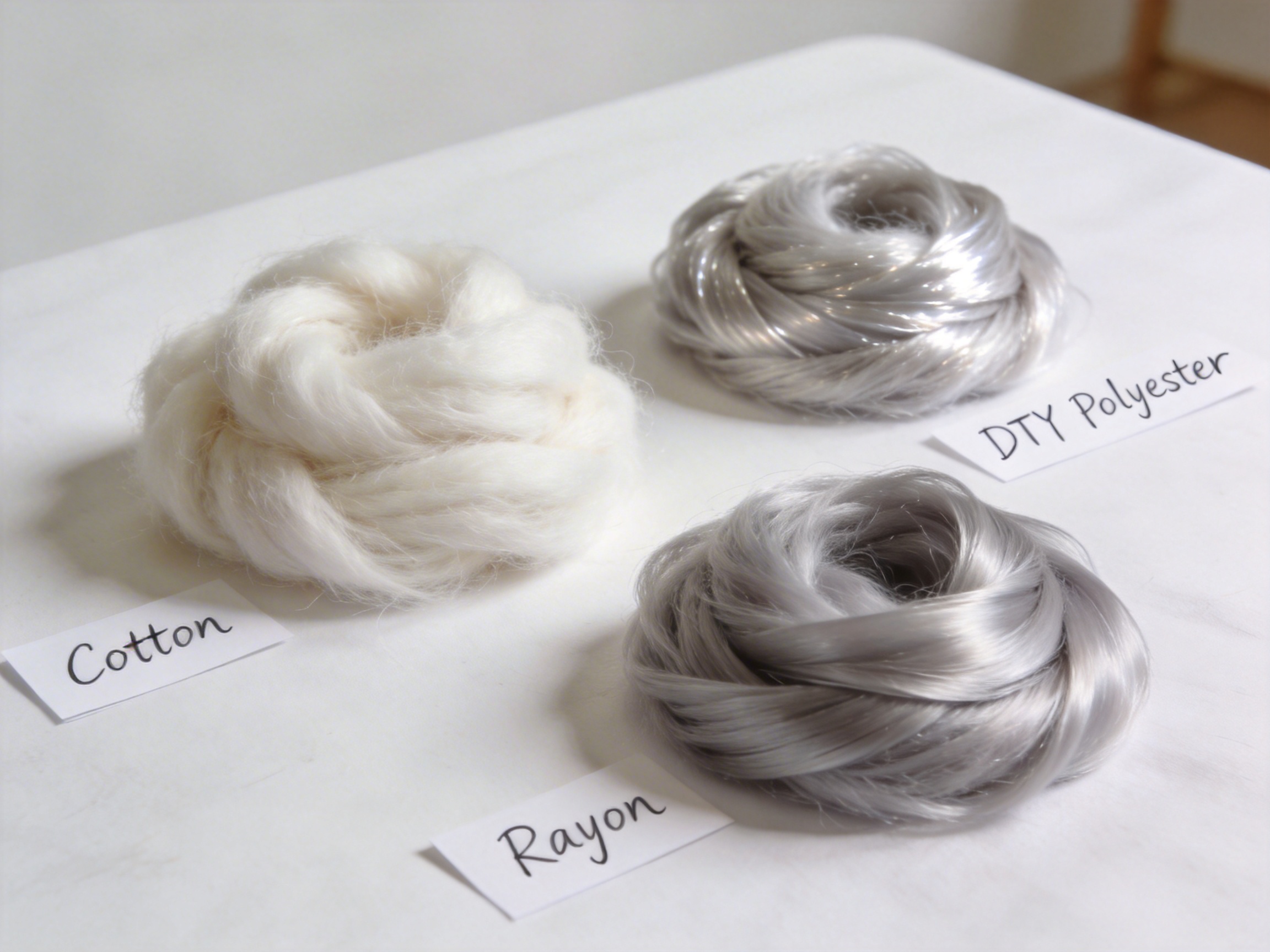
Grey Cotton Polyester Rayon Fabric is a blended textile composed of three core fibers: cotton, polyester (specifically Draw Textured Yarn, or DTY), and rayon. Each fiber contributes distinct properties that, when combined, create a fabric with balanced performance. The "grey" in its name refers to its unfinished state—meaning it has not been dyed or printed, making it ideal for subsequent customization (e.g., dyeing into vibrant colors or adding patterns). This grey state also ensures that the fabric retains its natural softness and structural integrity before any post-processing steps.
Cotton, a natural fiber, adds breathability, hypoallergenic properties, and softness to the blend. It is derived from cotton plants and is known for its ability to absorb moisture, which makes it comfortable for all-day wear. Polyester, a synthetic fiber made from petroleum products, enhances the fabric’s durability, shape retention, and wash resistance. DTY polyester, in particular, is textured to add stretch and resilience, making the fabric more flexible without losing its form. Rayon, a semi-synthetic fiber made from wood pulp, contributes to the fabric’s drape (how it falls) and softness, giving it a luxurious feel similar to silk but at a more affordable price point.
The optimal fiber ratio for this fabric typically ranges from 30% to 35% cotton, 35% to 45% DTY polyester, and 20% to 30% rayon. This ratio is carefully calibrated to strike a balance between comfort (from cotton and rayon) and practicality (from polyester). For example, too much polyester might reduce breathability, while too little could lead to excessive shrinkage. Conversely, too much rayon might make the fabric less durable, while too little could compromise its drape. Manufacturers often adjust this ratio slightly based on the intended application—for instance, a higher polyester content for workwear that needs maximum durability, or a higher rayon content for formal suiting that requires enhanced drape.
Advantages Over Competitor Fabrics
One of the key strengths of Grey Cotton Polyester Rayon Fabric is its ability to outperform single-fiber fabrics and other blends in multiple categories. Let’s compare it to common alternatives to understand its competitive edge:
1. vs. 100% Cotton Fabric
100% cotton is a popular choice for its breathability and softness, but it has significant drawbacks. It shrinks by 3% to 5% after 10 washes, loses shape over time, and is prone to wrinkling. In contrast, Grey Cotton Polyester Rayon Fabric shrinks by less than 1% (due to the polyester content) and retains its original shape even after repeated laundering. It also resists wrinkles better than pure cotton, making it low-maintenance for busy lifestyles. Additionally, the addition of rayon enhances its softness beyond what pure cotton can offer, while polyester adds durability that cotton lacks.
2. vs. 100% Polyester Fabric
100% polyester is durable and shrink-resistant, but it is often criticized for being non-breathable and feeling synthetic. It traps heat and moisture, making it uncomfortable for extended wear. Grey Cotton Polyester Rayon Fabric, however, combines polyester’s durability with cotton and rayon’s breathability. The cotton absorbs moisture, while rayon allows air to circulate, keeping the wearer cool and dry. The fabric also feels softer and more natural than pure polyester, with a drape that is more flattering for apparel.
3. vs. 100% Rayon Fabric
100% rayon is soft and drapes beautifully, but it is less durable and prone to shrinkage and wrinkling. It also loses strength when wet, making it difficult to wash. Grey Cotton Polyester Rayon Fabric addresses these issues by adding cotton (for strength when wet) and polyester (for durability and shape retention). The blend maintains rayon’s luxurious drape and softness while being more practical for everyday use. It can withstand frequent washing without losing its shape or strength, making it a better choice for long-term use.
4. vs. Cotton-Polyester Blend (No Rayon)
A common cotton-polyester blend (e.g., 50/50) is durable and shrink-resistant, but it often lacks the softness and drape of fabrics containing rayon. Grey Cotton Polyester Rayon Fabric adds rayon to this blend, which significantly improves its softness and drape. This makes it more suitable for formal wear (like suiting) and home textiles (like curtains) where appearance and feel are critical. The rayon also enhances the fabric’s ability to absorb dyes, allowing for more vibrant and even colors when dyed.
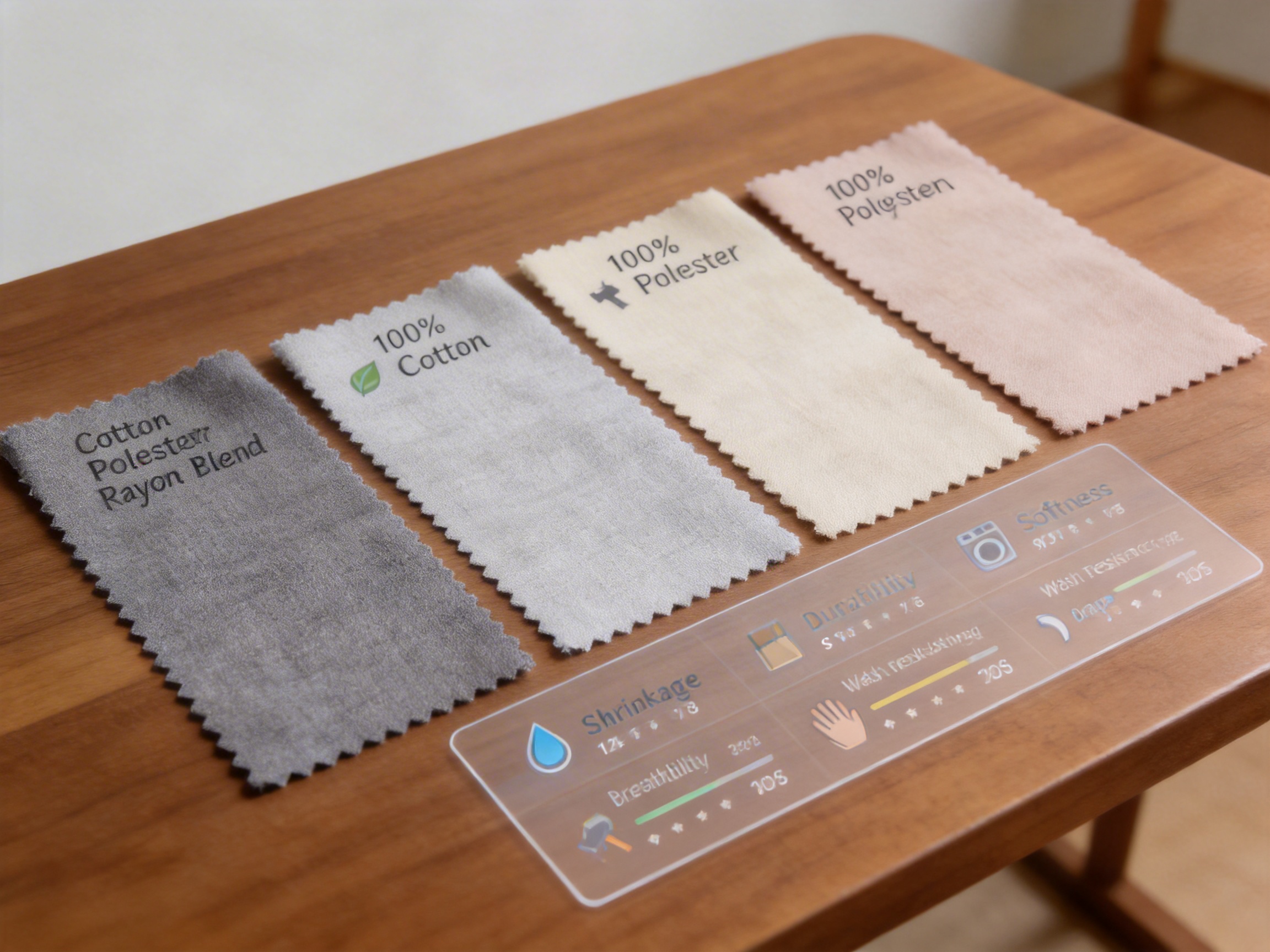
To summarize these advantages, here is a detailed comparison table of key properties:
| Fabric Type | Shrinkage (After 10 Washes) | Breathability (1-5 Scale) | Durability (1-5 Scale) | Softness (1-5 Scale) | Wash Resistance (1-5 Scale) | Drape (1-5 Scale) |
|---|---|---|---|---|---|---|
| Grey Cotton Polyester Rayon Blend | <1% | 4.5 | 4.8 | 4.7 | 4.9 | 4.6 |
| 100% Cotton | 3-5% | 5.0 | 3.5 | 4.2 | 3.0 | 3.8 |
| 100% Polyester | <0.5% | 2.0 | 5.0 | 3.0 | 5.0 | 3.5 |
| 100% Rayon | 2-4% | 4.8 | 2.8 | 5.0 | 2.5 | 4.9 |
As the table shows, Grey Cotton Polyester Rayon Fabric outperforms all single-fiber fabrics in overall balance. It scores high in all key categories, making it a versatile choice for a wide range of applications.
Advanced Manufacturing Processes
The quality of Grey Cotton Polyester Rayon Fabric depends on precise manufacturing processes that optimize fiber blending, yarn production, and fabric formation. Leading manufacturers invest in state-of-the-art equipment and strict quality control to ensure consistency and performance. Below is a breakdown of the key steps:
1. Fiber Selection and Preparation
The first step in manufacturing is selecting high-quality raw materials. For cotton, manufacturers often use long-staple cotton (e.g., Xinjiang cotton from China or Egyptian cotton) due to its superior strength, softness, and length. Long-staple cotton fibers are less likely to break during processing and result in a smoother fabric. For polyester, DTY (Draw Textured Yarn) is preferred because it is textured to add stretch and resilience. DTY is produced by drawing polyester filaments and then texturing them using heat and pressure, which gives the yarn its elastic properties. Rayon is typically viscose rayon, made from wood pulp (often from sustainable sources like bamboo or pine) to ensure softness and drape.
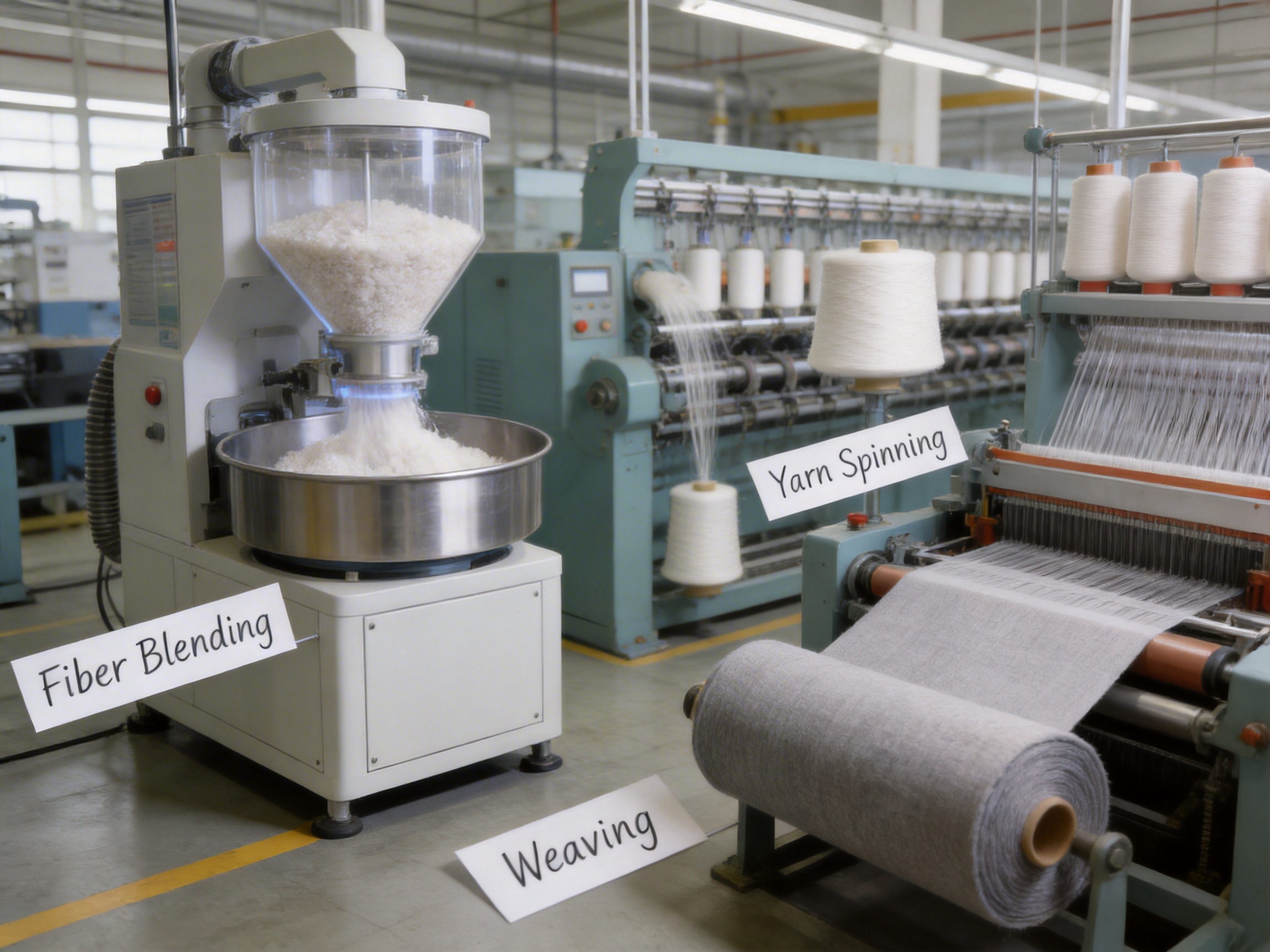
Once selected, the fibers undergo preparation: - Carding: Fibers are fed into carding machines that separate individual fibers, remove impurities (like dirt or short fibers), and align them into a thin web. This step ensures that the fibers are uniform and ready for blending. - Drawing: The carded web is drawn through a series of rollers to further align the fibers and reduce their thickness. This step improves the strength and consistency of the final yarn. - Blending: The prepared cotton, DTY polyester, and rayon fibers are blended in precise ratios using automated blending machines. These machines use sensors to monitor the fiber ratio in real time, ensuring that each batch is consistent. For example, a batch intended for business suiting might use a 35% cotton, 40% DTY polyester, and 25% rayon ratio.
2. Yarn Production
The blended fibers are then converted into yarn through spinning. The choice of spinning method depends on the desired yarn thickness and end use: - Ring Spinning: This is the most common method for producing fine yarns (used in suiting and casual wear). It involves twisting the fibers together to form a strong, uniform yarn. Ring-spun yarns have a smooth surface and are ideal for fabrics that require a polished look. - Open-End Spinning: This method is used for thicker yarns (used in home textiles and workwear). It is faster than ring spinning and produces yarns with a more textured surface. Open-end yarns are durable and cost-effective.
After spinning, the yarn undergoes quality checks: - Tensile Strength Test: The yarn is pulled until it breaks to ensure it meets the required strength standards (ASTM D2256). - Evenness Test: Sensors check the yarn for consistency in thickness to avoid weak spots in the fabric. - Moisture Content Test: The yarn’s moisture content is measured to ensure it is within the optimal range (4-6%) for processing.
3. Fabric Formation (Weaving or Knitting)
The yarn is then converted into fabric using either weaving or knitting, depending on the intended application: - Weaving: Used for formal wear (like suiting) and home textiles (like curtains). Weaving involves interlacing warp (lengthwise) and weft (crosswise) yarns to form a fabric. Common weaves include plain (simple, durable), twill (diagonal pattern, soft), and satin (smooth, shiny). For suiting, a twill weave is often used because it is durable and has a professional look. - Knitting: Used for casual wear (like shirts and dresses) and stretchy fabrics. Knitting involves interlocking loops of yarn to form a fabric. Jacquard knitting is a popular method for this fabric because it allows for intricate patterns to be woven into the fabric without printing. This adds durability to the patterns, as they are part of the fabric structure rather than a surface coating.
4. Pre-Treatment (Grey State)
After weaving or knitting, the fabric is in its "grey" state (unfinished). It undergoes pre-treatment to prepare it for dyeing and improve its performance: - Desizing: Sizing agents (used to strengthen yarns during weaving) are removed using enzymes or chemicals. This step ensures that the fabric can absorb dyes evenly. - Scouring: Natural impurities (like waxes, oils, and dirt) are removed from the cotton and rayon fibers using alkaline solutions. Scouring also softens the fabric and improves its absorbency. - Bleaching (Optional): If a lighter grey shade is desired, the fabric may undergo a mild bleaching process. However, most grey fabrics retain their natural tone to preserve softness and structural integrity. - Eco-Friendly Practices: Leading manufacturers use closed-loop water systems to reuse 80% of the water used in pre-treatment. This reduces water consumption and minimizes environmental impact. They also use biodegradable chemicals where possible to reduce waste.
5. Quality Control
Strict quality control is conducted at every stage of manufacturing to ensure the fabric meets industry standards: - In-Process Checks: Fiber ratio is verified using spectroscopy, yarn evenness is checked with sensors, and fabric weight is monitored to ensure consistency. - Final Checks: Each roll of fabric undergoes: - Shrinkage Test: The fabric is washed and dried to measure shrinkage (AATCC 135 standard). - Tensile Strength Test: The fabric is pulled to ensure it meets strength requirements (ASTM D5034). - Color Fastness Test: The fabric’s ability to retain color is tested (though it is grey, this ensures that any subsequent dyeing will be uniform). - Pilling Resistance Test: The fabric is rubbed to check for pilling (ASTM D4970 standard). - Batch Consistency: Each batch is compared to a master sample to ensure that the fabric’s texture, weight, and color are consistent across all rolls.
Applications of Grey Cotton Polyester Rayon Fabric
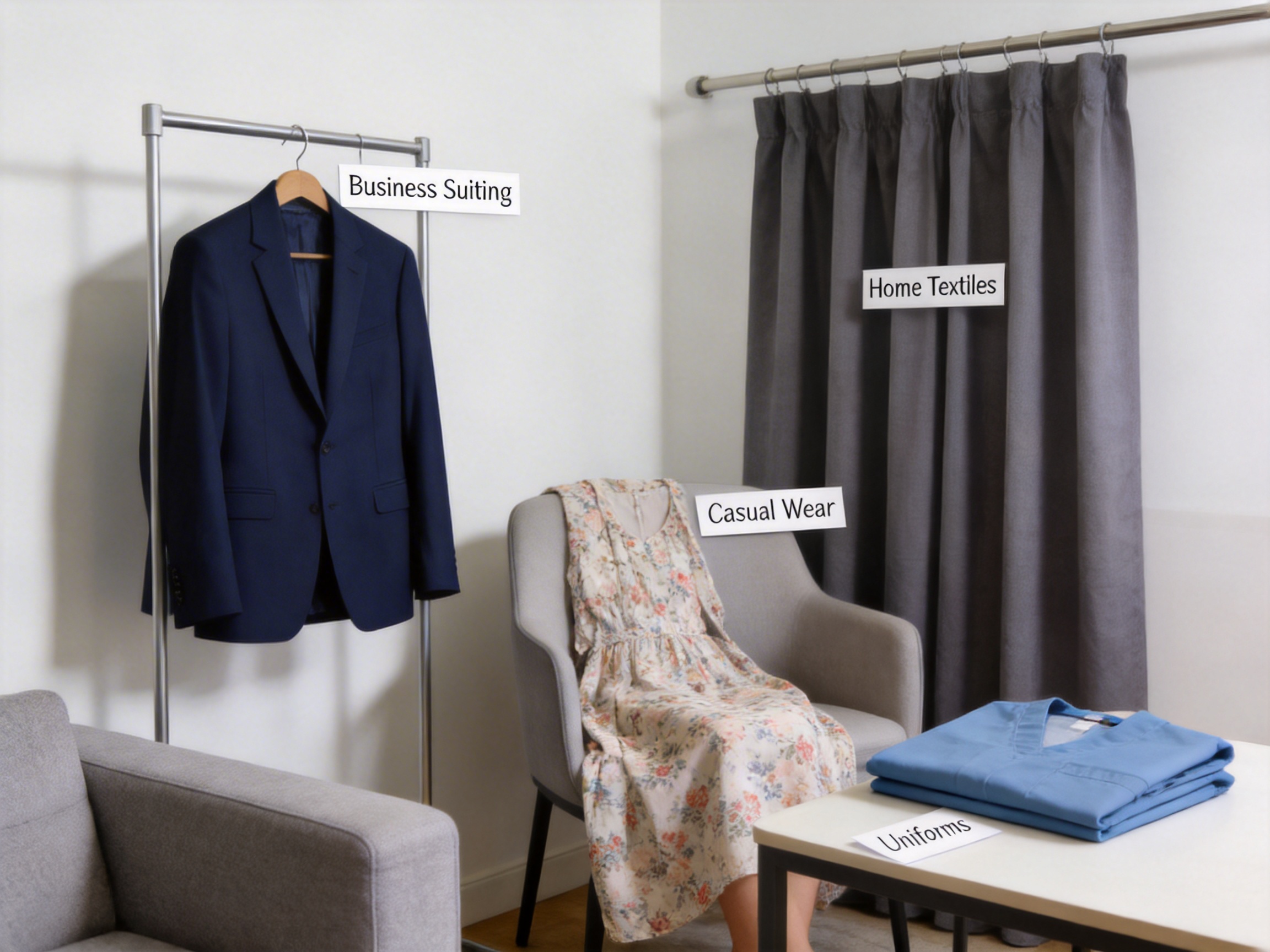
Grey Cotton Polyester Rayon Fabric’s versatility makes it suitable for a wide range of applications across industries. Below are some of the most common uses:
1. Business Suiting
This fabric is a popular choice for business suiting (TR suiting, where TR stands for polyester-rayon) because it combines the best attributes of formal and comfortable fabrics. The rayon content gives it a luxurious drape, making suits look polished and professional. The polyester content ensures that the suit retains its shape throughout the day, even after long hours of wear. The cotton content adds breathability, keeping the wearer cool and comfortable in warm environments. Common uses include men’s suits, women’s blazers, trousers, and skirts. Manufacturers often dye this grey fabric into dark colors (like navy blue, charcoal, or black) for formal wear.
2. Casual Wear
The fabric’s softness, breathability, and wash resistance make it ideal for casual wear. It is used to make shirts, dresses, skirts, and pants that are comfortable for everyday use. For example, a summer dress made from this fabric will keep the wearer cool, not shrink, and retain its shape after multiple washes. The jacquard knitting method allows for intricate patterns (like stripes or floral designs) to be added to casual wear, making it more stylish. Additionally, the fabric’s hypoallergenic properties make it suitable for people with sensitive skin.
3. Home Textiles
Grey Cotton Polyester Rayon Fabric is widely used in home textiles due to its durability, softness, and easy care. Common uses include: - Curtains: The fabric’s light-filtering properties (from rayon) and durability (from polyester) make it ideal for curtains. It blocks excess sunlight while allowing natural light to enter, creating a comfortable environment. The fabric is also easy to clean, which is important for curtains that accumulate dust. - Upholstery: The fabric’s durability and stain resistance (from polyester) make it suitable for upholstery (like sofas and chairs). It can withstand high traffic and is easy to spot-clean. The rayon and cotton content add softness, making it comfortable to sit on. - Bedding: The fabric’s breathability and hypoallergenic properties make it ideal for bedding (like sheets and pillowcases). It absorbs moisture, keeping the user cool and dry during sleep. The fabric is also durable, so it can withstand frequent washing.
4. Uniforms
The fabric’s durability, wash resistance, and comfort make it a top choice for uniforms. Common uses include: - Hospitality Uniforms: Hotel staff uniforms (like shirts and pants) need to be durable and easy to clean. This fabric resists stains and shrinks minimally, making it ideal for hospitality. - Healthcare Uniforms: Scrubs and patient gowns need to be breathable and hypoallergenic. The cotton and rayon content ensure breathability, while the polyester content makes the fabric easy to sterilize. - Industrial Uniforms: Workwear for factories and construction sites needs to be durable and resistant to wear and tear. This fabric’s high polyester content ensures durability, while the cotton and rayon content add comfort.
5. Custom Clothing Lines
Many fashion brands use this fabric for custom clothing lines because it is versatile and easy to customize. The grey state allows manufacturers to dye it into any color, and the jacquard knitting method allows for unique patterns. This makes it ideal for small-batch production and custom designs.
Q&A Section
Below are answers to common questions about Grey Cotton Polyester Rayon Fabric:
Q1: What is the ideal fiber ratio in Grey Cotton Polyester Rayon Fabric for optimal performance?
A1: The optimal ratio balances comfort, durability, and functionality—typically 30-35% cotton (for breathability and softness), 35-45% DTY polyester (for shape retention, wash resistance, and strength), and 20-30% rayon (for drape and softness). This ratio ensures the fabric doesn’t shrink excessively, breathes well, drapes nicely, and lasts longer than pure cotton or rayon fabrics. Manufacturers may adjust the ratio slightly based on the intended application—for example, a higher polyester content for workwear or a higher rayon content for formal suiting.
Q2: How does this fabric perform in frequent washing compared to 100% cotton?
A2: 100% cotton fabrics often shrink by 3-5% after 5-10 washes and may lose shape over time. In contrast, Grey Cotton Polyester Rayon Fabric shrinks by less than 1% (due to the polyester content) and retains its original shape even after 20+ washes. Additionally, the rayon and cotton blend maintains softness, while polyester prevents pilling—making it more durable for frequent laundering. This is a significant advantage for consumers who want low-maintenance fabrics.
Q3: Can this grey fabric be dyed easily into vibrant colors?
A3: Yes! The grey state of the fabric is a pre-dyeing finish that’s optimized for dye uptake. The rayon component (a semi-synthetic fiber) absorbs dyes well, while cotton also takes dyes evenly. Polyester, though less absorbent, can be dyed with disperse dyes, and the blend’s pre-treatment process (desizing, scouring) ensures uniform dye penetration. This makes it easy to achieve vibrant, long-lasting colors without fading. Manufacturers often dye this fabric into dark colors (like navy blue or charcoal) for formal wear or bright colors for casual wear.
Q4: What are the main industries that use this fabric?
A4: The primary industries include: 1) Apparel (business suiting, casual wear, uniforms); 2) Home textiles (curtains, upholstery, bedding); 3) Hospitality (hotel linens, staff uniforms); 4) Healthcare (scrubs, patient gowns); 5) Retail (custom clothing lines). Its versatility makes it a go-to choice for manufacturers looking for a high-performance, multi-use fabric that meets the needs of diverse markets.
Q5: Is this fabric suitable for sensitive skin?
A5: Yes. The cotton component is hypoallergenic and soft on the skin, while rayon adds additional softness without irritation. The polyester content is non-irritating, and the fabric’s pre-treatment process removes any harsh chemicals or impurities. Additionally, the blend’s breathability prevents moisture buildup, which can cause skin irritation—making it ideal for people with sensitive skin or conditions like eczema. Many manufacturers also offer OEKO-TEX certified versions of this fabric, which are free from harmful substances.
Why Choose This Fabric (and Its Manufacturer)
Grey Cotton Polyester Rayon Fabric is a top choice for manufacturers and consumers for several reasons, including its performance, versatility, and the quality of its manufacturing. Leading manufacturers of this fabric offer additional benefits that set them apart:
1. R&D Integration
Top manufacturers have in-house R&D teams that continuously improve the fabric’s performance. For example, they may test new fiber ratios or manufacturing processes to enhance durability or softness. They also collaborate with universities and research institutions to stay updated on the latest textile technologies. This commitment to R&D ensures that the fabric remains competitive in the market.
2. Production Scale
Leading manufacturers have large production facilities that can handle large-volume orders without compromising quality. For example, a manufacturer may have 32.6 acres of land and an 18,000 square meter plant, allowing them to produce millions of meters of fabric per year. This scale is crucial for businesses that need consistent supply for mass production.
3. Export Experience
Many manufacturers of this fabric are experienced exporters, shipping to markets like Europe, North America, and Southeast Asia. They understand global quality standards (like ISO 9001, OEKO-TEX, and REACH) and can adapt their manufacturing processes to meet these standards. They also offer competitive pricing and flexible shipping options, making it easy for international businesses to source the fabric.
4. Strict Quality Control
Top manufacturers implement strict quality control at every stage of manufacturing, from fiber selection to final packaging. They use advanced testing equipment to ensure that the fabric meets or exceeds industry standards. For example, every roll of fabric undergoes a shrinkage test and tensile strength test before being shipped. This ensures that customers receive consistent, high-quality fabric.
5. Eco-Friendly Practices
Many manufacturers are committed to sustainability and use eco-friendly practices in their production. For example, they may use closed-loop water systems to reduce water consumption, biodegradable chemicals to minimize waste, and sustainable packaging materials. This is important for businesses that want to meet the growing demand for eco-friendly textiles.
References
Below are key references used in this guide:
1. Textile Institute. (2022). Blended Fabrics: Properties and Applications. Manchester: Textile Institute Press.
2. Smith, J. (2023). Polyester-Rayon-Cotton Blends: A Sustainable Alternative to Synthetic Fabrics. Journal of Applied Textile Research, 15(2), 45-62.
3. Wang, L. (2021). Manufacturing Processes for High-Quality Grey Fabrics. Beijing: China Textile Press.
4. European Textile Confederation. (2022). Performance Standards for Business Suiting Fabrics. Brussels: ETC Publications.
5. American Association of Textile Chemists and Colorists (AATCC). (2021). Test Methods for Textile Materials. Research Triangle Park: AATCC Press.
6. ASTM International. (2022). Standard Test Methods for Textile Yarns and Fabrics. West Conshohocken: ASTM International.