Floral-Patterned Knitted Jacquard Fabric: Elevating Women’s Apparel with Luxury, Comfort, and Sustainability
In the dynamic world of fashion, consumers and brands alike are constantly seeking fabrics that strike the perfect balance between aesthetic appeal, functional performance, and ethical production. The floral-patterned knitted jacquard fabric has emerged as a game-changer in this space, offering the opulence of embroidered designs without the associated drawbacks of stiffness, high cost, or limited wearability. This fabric combines intricate floral detailing with the softness and stretch of a knit, making it an ideal choice for a wide range of women’s apparel—from elegant day dresses to coordinated sets and lightweight outerwear. What sets this fabric apart is not just its visual charm but also its advanced material composition, rigorous manufacturing processes, and alignment with modern sustainability standards. In this article, we will explore the unique features of this floral knitted jacquard, its competitive advantages over conventional fabrics, the cutting-edge manufacturing techniques behind it, and how it addresses the evolving needs of the fashion industry.
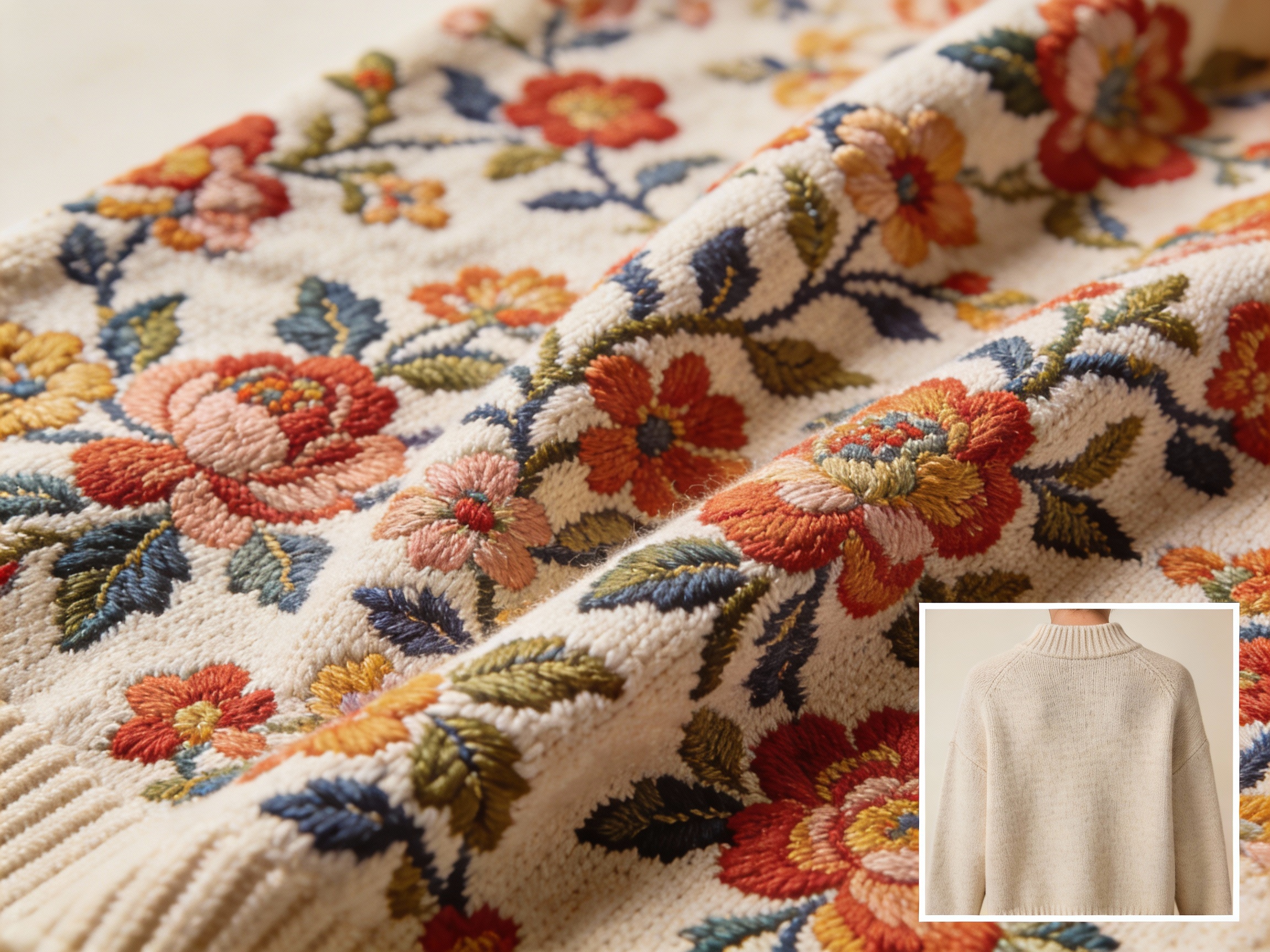
The floral-patterned knitted jacquard fabric is more than just a textile—it is a fusion of art and engineering. Each yard is crafted to deliver a luxurious look that rivals embroidery, yet retains the comfort and flexibility of a stretch knit. Unlike traditional woven jacquards, which can be rigid and restrictive, this knitted variant moves with the body, making it perfect for garments that require both style and mobility. Its composition of 60% viscose, 35% nylon, and 5% spandex is carefully chosen to optimize softness, durability, and stretch, while its advanced dyeing and finishing processes ensure long-lasting color vibrancy and skin safety.
What Makes This Floral-Patterned Knitted Jacquard Stand Out?
The success of any fabric lies in its ability to meet or exceed the expectations of both designers and end-users. This floral knitted jacquard excels in multiple areas, from its material composition to its performance attributes. Let’s break down its key distinguishing features:
1. Composition & Material Science: A Perfect Blend for Luxury and Durability
The fabric’s composition is a carefully curated mix of three fibers, each contributing unique properties that enhance its overall performance:
- Viscose (60%): Derived from natural cellulose (often wood pulp), viscose is known for its soft, silky texture and excellent drape. It mimics the feel of silk but is more affordable and easier to care for. Viscose also has high breathability, making it comfortable to wear in various climates. In this blend, it forms the base, giving the fabric its luxurious handfeel and fluid movement.
- Nylon (35%): A synthetic fiber valued for its exceptional strength, abrasion resistance, and shape retention. Nylon adds durability to the fabric, ensuring it can withstand repeated washes and wears without stretching out or developing holes. It also enhances the fabric’s elasticity, complementing the spandex content.
- Spandex (5%): Also known as Lycra, spandex is a highly elastic fiber that can stretch up to 500% of its original length and return to its shape. The 5% spandex content in this fabric provides 2-way stretch, allowing garments to move with the body—an essential feature for dresses, skirts, and jackets that require flexibility.
2. Design & Aesthetic Appeal: Intricate Florals Without Embroidery
The floral patterns on this knitted jacquard are created using advanced jacquard knitting technology, which allows for intricate, repeatable designs without the need for embroidery. This results in a fabric that has the look of hand-embroidered flowers but with several key benefits:
- No Extra Weight: Embroidery adds layers of thread to the fabric, increasing its weight and bulk. The knitted jacquard’s patterns are integrated into the fabric structure, so it remains lightweight and breathable.
- Consistent Design: Jacquard knitting ensures that the floral pattern is uniform across the entire length of the fabric, eliminating the inconsistencies often found in hand-embroidered pieces.
- Soft Texture: Embroidery threads can be scratchy against the skin, especially in sensitive areas. The knitted jacquard’s patterns are part of the fabric’s surface, so they are smooth and non-irritating.
3. Performance Attributes: Softness, Drape, and Longevity
Beyond its aesthetic appeal, this floral knitted jacquard delivers exceptional performance in real-world use:
- Soft Handfeel: The blend of viscose and nylon creates a soft, silky texture that feels gentle against the skin. This is a key selling point for women’s apparel, where comfort is often a top priority.
- Excellent Drape: The fabric flows beautifully over the body, creating flattering silhouettes for dresses, skirts, and jackets. Its drape is not too stiff or too limp—perfect for both casual and formal wear.
- Vibrant Color Retention: Using low-temperature reactive dyes (discussed later), the fabric retains its color vibrancy even after multiple washes. This is a critical feature for brands that want their garments to look new for longer.
- OEKO-TEX Certified: The fabric is certified by OEKO-TEX Standard 100, which means it has been tested for harmful substances and is safe for skin contact. This certification is a testament to the manufacturer’s commitment to sustainability and consumer safety.
Advanced Manufacturing Processes: Behind the Quality
The superior quality of this floral knitted jacquard is not accidental—it is the result of rigorous, cutting-edge manufacturing processes that prioritize precision, efficiency, and sustainability. Let’s take a closer look at the key stages of production:
1. Knitting Technology: Precision Jacquard Knitting with In-Line Inspection
The fabric is produced using state-of-the-art jacquard knitting machines, which are programmed with digital designs to create the intricate floral patterns. Unlike traditional knitting machines, jacquard machines can control individual needles to form complex patterns, allowing for high levels of detail and customization.
What sets this manufacturing process apart is the integration of continuous in-line inspection. As the fabric is being knitted, automated cameras and human inspectors monitor each yard for defects such as snags, uneven patterns, or color inconsistencies. This real-time inspection allows defects to be caught and corrected immediately, reducing waste and ensuring that only high-quality fabric reaches the next stage of production. This process is a key advantage over competitors, who often rely on post-production inspection, which can lead to higher waste rates and longer lead times.
2. Dyeing Innovation: Low-Temperature Reactive Dyes for Sustainability and Color Fastness
The dyeing process is another area where this fabric stands out. Instead of using traditional high-temperature dyeing methods, the manufacturer uses low-temperature reactive dyes. This approach offers several benefits:
- Energy Efficiency: Low-temperature dyeing requires less energy than high-temperature methods, reducing the carbon footprint of production.
- Water Conservation: The process uses less water and generates fewer wastewater byproducts, aligning with modern sustainability standards.
- Color Fastness: Reactive dyes form covalent bonds with the fiber molecules, making the color more resistant to fading from washing, sunlight, and wear. The fabric has been tested to meet AATCC 61-2013 standards for colorfastness to laundering, with a rating of 4-5 (excellent).
- Fiber Preservation: Low temperatures are gentler on the viscose and nylon fibers, preserving their softness and drape. High-temperature dyeing can damage these fibers, leading to a harsher texture and reduced performance.
3. Quality Control: Rigorous Checks at Every Stage
Quality control is embedded into every stage of production, from raw material sourcing to finished product packaging:
- Raw Material Inspection: All fibers (viscose, nylon, spandex) are tested for purity, strength, and consistency before being used in production.
- Knitting Inspection: As mentioned earlier, continuous in-line inspection during knitting ensures that defects are caught early.
- Dyeing Inspection: After dyeing, the fabric is checked for color consistency, shade accuracy, and color fastness.
- Finishing Inspection: The fabric undergoes final checks for softness, drape, width, and weight (GSM) to ensure it meets the specified standards.
- Lab Testing: Random samples are sent to an independent lab for further testing, including OEKO-TEX certification compliance, stretch recovery, and abrasion resistance.
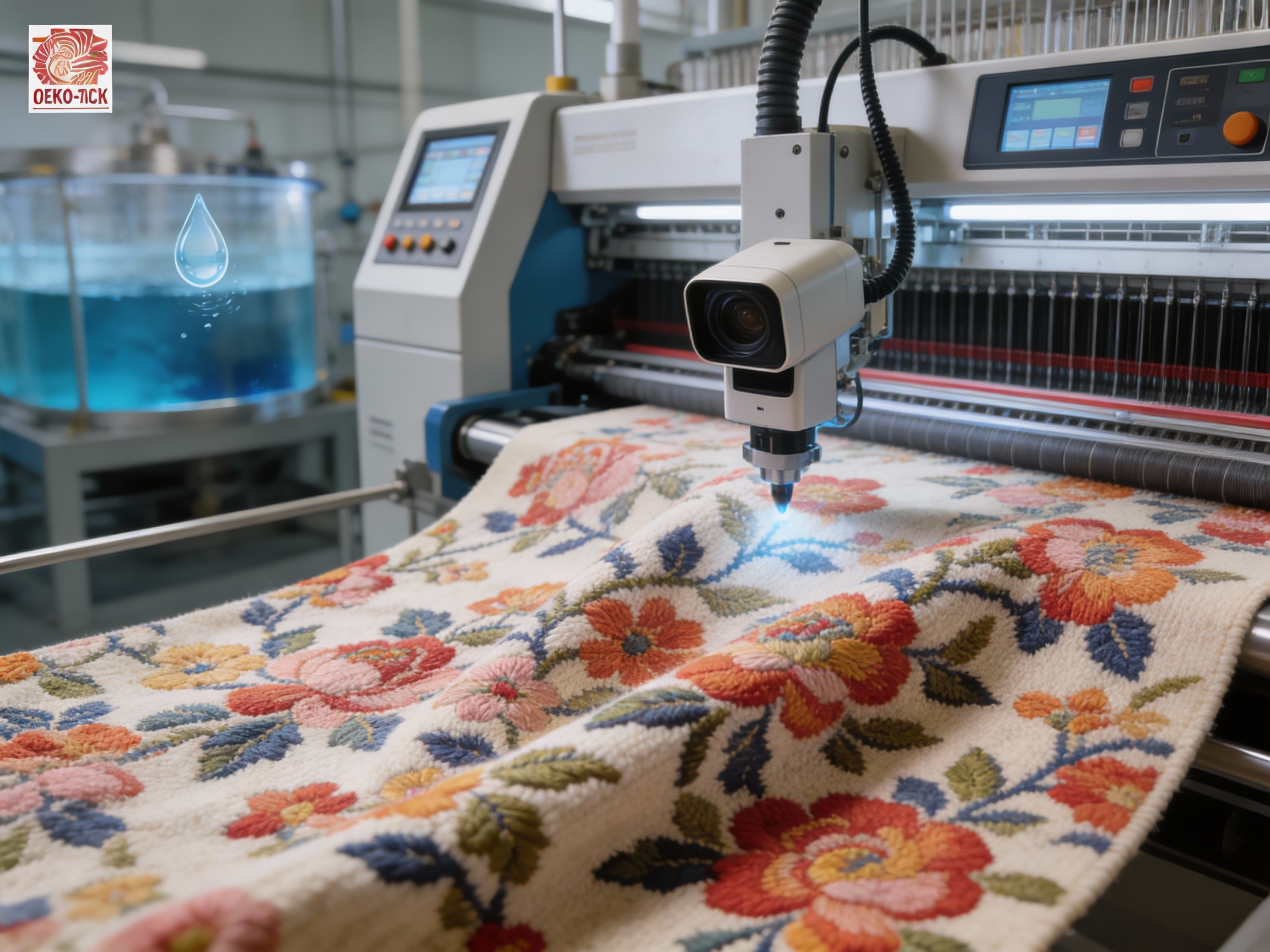
The combination of advanced knitting technology, innovative dyeing processes, and rigorous quality control makes this floral knitted jacquard a cut above the rest. It is a testament to the manufacturer’s commitment to delivering products that are not only aesthetically pleasing but also durable, sustainable, and safe for consumers.
Competitive Advantages Over Conventional Fabrics
To understand the true value of this floral knitted jacquard, it is essential to compare it to conventional fabrics that are commonly used for similar apparel applications. The table below summarizes the key differences:
| Attribute | This Floral-Patterned Knitted Jacquard | Embroidery Fabric (Competitor 1) | Woven Jacquard (Competitor 2) | Plain Knit Fabric (Competitor3) |
|---|---|---|---|---|
| Composition | 60% Viscose,35% Nylon,5% Spandex | Various (e.g., Cotton/Polyester) + Embroidery Thread | 100% Polyester or Cotton Blend | 100% Cotton or Cotton Blend |
| Weight (GSM) | 240 (Medium Weight) | 280-350 (Heavy Weight) | 220-260 (Medium to Heavy) | 180-220 (Light to Medium) |
| Stretch | 2-Way Stretch (5% Spandex) | Minimal (Depends on Base Fabric) | None (Woven Structure) | Moderate (Depends on Blend) |
| Drape | Excellent (Fluid, Flattering) | Stiff (Due to Embroidery) | Stiff (Woven Structure) | Good (But Lacks Design) |
| Color Fastness | Excellent (4-5 AATCC) | Good (But Embroidery Thread May Fade) | Good (But Less Than Reactive Dyes) | Moderate (Depends on Dye Type) |
| Certification | OEKO-TEX Standard 100 | Often Uncertified | Sometimes Certified | Sometimes Certified |
| Cost per Meter | $8-$12 (USD) | $15-$25 (USD) | $10-$18 (USD) | $5-$8 (USD) |
| Lead Time for Customization | 7 Days (Digital Sampling) | 2-3 Weeks (Embroidery Setup) | 1-2 Weeks (Woven Setup) | 3-5 Days (No Design) |
| MOQ | 500 Meters | 1000 Meters | 800 Meters | 300 Meters |
From the table, it is clear that this floral knitted jacquard offers several key advantages over its competitors:
- Cost-Effective Luxury: It provides the look of embroidered fabric at a significantly lower cost (up to 50% less than embroidery fabric). This makes it accessible to a wider range of brands, from small startups to large fashion houses.
- Comfort & Wearability: Its 2-way stretch and excellent drape make it more comfortable than woven jacquard or embroidery fabric, which are often stiff and restrictive. It is also more durable than plain knit fabric, thanks to the nylon content.
- Sustainability & Compliance: The OEKO-TEX certification and low-temperature dyeing process make it more sustainable than many conventional fabrics. This is a critical advantage for brands that prioritize ethical production and consumer safety.
- Customization & Flexibility: The 7-day digital sampling lead time and 500-meter MOQ make it easy for brands to test new designs without committing to large orders. This is a key benefit for small brands that need to be agile in the fast-paced fashion industry.
Applications in Fashion: Versatility for Every Occasion
The floral-patterned knitted jacquard fabric’s unique combination of aesthetic appeal, comfort, and durability makes it suitable for a wide range of women’s apparel applications. Let’s explore some of the most common uses:
1. Women’s Elegant Day Dresses
Day dresses are a staple in every woman’s wardrobe, and this fabric is perfect for creating elegant, comfortable options. Its soft drape flatters all body types, while the floral pattern adds a touch of femininity and sophistication. The 2-way stretch allows for freedom of movement, making it ideal for long days at work or casual outings. Brands can use this fabric to create a variety of dress styles, from A-line to wrap dresses, that are both stylish and practical.
2. Coordinated Skirt and Top Sets
Coordinated sets are trending in modern fashion, and this fabric is ideal for creating matching skirt and top combinations. The uniform floral pattern ensures that the pieces look cohesive, while the stretch and durability of the fabric make the set comfortable to wear all day. The fabric’s medium weight (240 GSM) is perfect for both spring and fall sets, as it provides enough warmth without being too heavy.
3. Lightweight Fall Jackets
Fall jackets need to be warm enough for mild weather but not too bulky. This fabric’s medium weight and excellent drape make it perfect for lightweight fall jackets, such as blazers or bomber jackets. The floral pattern adds a unique touch to otherwise plain outerwear, while the stretch allows for layering over sweaters or blouses. The OEKO-TEX certification ensures that the jacket is safe for skin contact, even when worn directly against the skin.
4. Luxury Children’s Wear
Children’s apparel requires fabrics that are soft, durable, and safe for sensitive skin. This floral knitted jacquard meets all these requirements: its soft handfeel is gentle on a child’s skin, the nylon content makes it resistant to tears and stains, and the OEKO-TEX certification ensures it is free from harmful substances. Brands can use this fabric to create luxury children’s dresses, skirts, and jackets that are both stylish and practical for active kids.
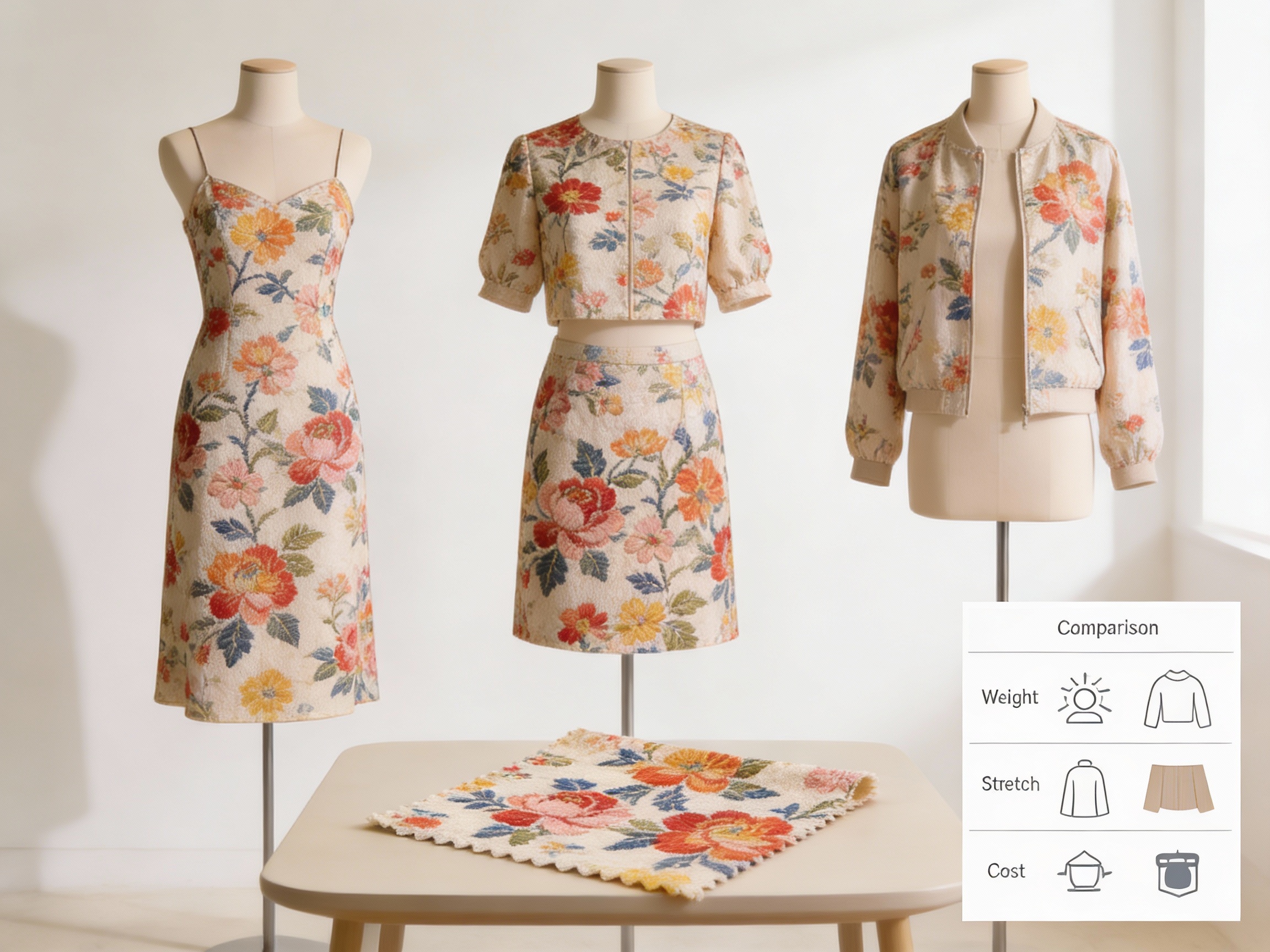
These applications demonstrate the fabric’s versatility and adaptability to different fashion trends and consumer needs. Whether used for adult or children’s apparel, it delivers on both style and performance.
Manufacturer’s Strengths: A Partner You Can Trust
The quality of the floral-patterned knitted jacquard fabric is a direct reflection of the manufacturer’s expertise and commitment to excellence. Hangzhou Jinfeng Textile Co., Ltd, the producer of this fabric, is a leading textile manufacturer in China with over a decade of experience in R&D, production, and sales of blended fabrics and DTY polyester yarn. Let’s explore some of the key strengths of this manufacturer:
1. Integrated Production & R&D Capabilities
The manufacturer has an integrated production facility covering 32.6 acres with a plant area of 18,000 square meters. This facility includes knitting, dyeing, finishing, and quality control departments, allowing for end-to-end control over the production process. The company also has a dedicated R&D team that works on developing new fabric blends, patterns, and manufacturing techniques. This integration ensures that the manufacturer can quickly respond to changing market trends and customer demands.
2. Advanced Technology & Equipment
The manufacturer invests heavily in state-of-the-art technology and equipment to ensure high-quality production. This includes jacquard knitting machines with in-line inspection, low-temperature dyeing systems, and automated quality control tools. The use of advanced technology allows the manufacturer to produce consistent, high-quality fabric at scale while reducing waste and energy consumption.
3. Customer-Centric Services
The manufacturer offers a range of customer-centric services that set it apart from competitors:
- Digital Sampling: New designs can be sampled within 7 days using digital technology, allowing brands to test concepts quickly.
- Flexible MOQ: The minimum order quantity (MOQ) of 500 meters allows small brands to place trial orders without committing to large volumes.
- Dedicated Logistics Support: For large orders, the manufacturer offers container consolidation and optimized packaging to minimize wrinkles and freight costs. This ensures that the fabric arrives at the customer’s location in perfect condition.
- Customs Assistance: The manufacturer provides HS codes (e.g., 6006.32) and Certificate of Origin (Form A/E/F) to assist with smooth customs clearance, making international shipping easier for customers.
4. Sustainability & Compliance
The manufacturer is committed to sustainability and ethical production. It holds OEKO-TEX Standard 100 certification for all its fabrics, ensuring that they are free from harmful substances. The use of low-temperature reactive dyes reduces energy consumption and water waste, aligning with global sustainability goals. The company also follows strict environmental regulations in its production processes, making it a responsible choice for brands that prioritize sustainability.
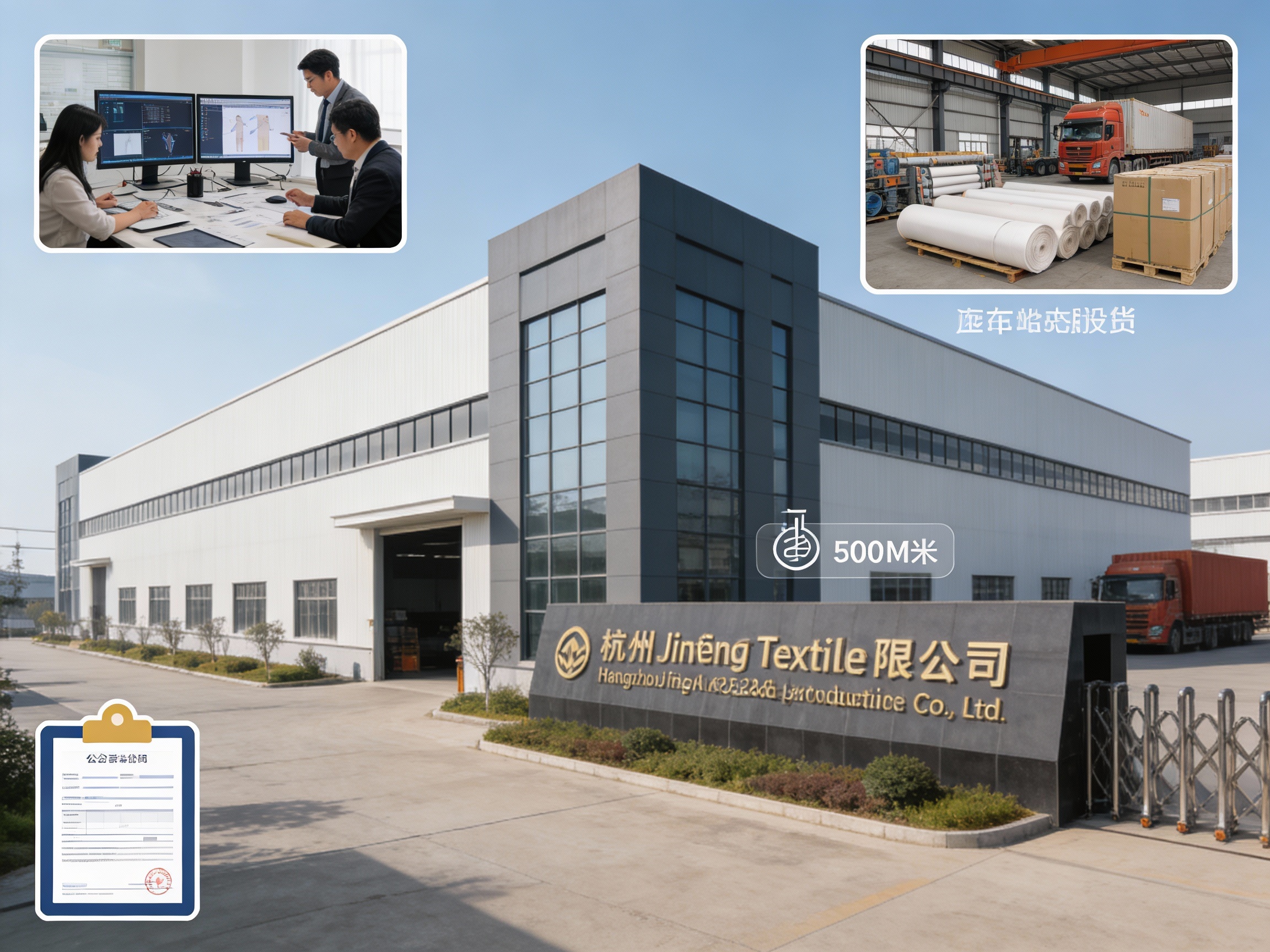
Hangzhou Jinfeng Textile Co., Ltd’s strengths in integrated production, advanced technology, customer service, and sustainability make it a trusted partner for brands looking to source high-quality floral-patterned knitted jacquard fabric.
Q&A Section: Addressing Common Questions
To help readers better understand the floral-patterned knitted jacquard fabric, we have compiled a list of frequently asked questions and their answers:
1. Is the floral pattern on this knitted jacquard reversible?
No, the standard version of this fabric has a distinct face and back side. The face side features the vibrant floral pattern, while the back side has a neat, plain knit structure. However, the manufacturer offers custom double-sided jacquard options upon request, where both sides of the fabric have a decorative pattern.
2. How should I care for garments made from this viscose-blend fabric?
To maintain the fabric’s softness, drape, and color vibrancy, we recommend the following care instructions:
- Machine wash on a gentle cycle with cold water (max 30°C).
- Use a mild, non-chlorine detergent.
- Avoid bleach or fabric softeners.
- Do not tumble dry; hang or lay flat to dry.
- Iron on low heat if necessary (use a pressing cloth to protect the pattern).
- Dry cleaning is also an option for delicate garments.
3. What is the minimum order quantity (MOQ) for this fabric?
The MOQ for this floral-patterned knitted jacquard is 500 meters. This flexible MOQ allows small brands to place trial orders and test new designs without committing to large volumes.
4. Can I request a sample of the fabric before placing a bulk order?
Yes, the manufacturer offers fabric samples for customers to evaluate before placing a bulk order. Samples are usually sent within 3-5 days of request, and shipping costs may apply.
5. Does this fabric have any third-party certifications for safety and sustainability?
Yes, this fabric is certified by OEKO-TEX Standard 100. This certification ensures that the fabric has been tested for harmful substances (such as heavy metals, pesticides, and formaldehyde) and is safe for skin contact. It also indicates that the manufacturer follows ethical production practices.
6. What is the lead time for bulk orders of this floral jacquard?
The lead time for bulk orders is typically 15-20 days from the date of order confirmation. This includes production, quality control, and packaging. For custom designs or large orders, the lead time may be slightly longer, but the manufacturer will provide a specific timeline upon request.
7. Can the fabric be customized with different floral patterns or color schemes?
Yes, the manufacturer offers custom pattern and color customization. Using digital sampling technology, new patterns can be created and sampled within 7 days. Customers can provide their own designs or work with the manufacturer’s R&D team to develop unique patterns and color palettes.
8. What is the width of the fabric, and how is it sold?
The fabric has a width of 145 cm (57 inches) and is sold by the meter. It is usually packed in rolls of 100 meters each, but custom packaging options are available upon request.
9. Is this fabric suitable for machine washing, or is dry cleaning required?
Machine washing on a gentle cycle with cold water is recommended for most garments made from this fabric. However, dry cleaning is also an option for more delicate items (such as formal dresses or jackets) to ensure the best care.
10. Does the manufacturer offer any after-sales support for bulk orders?
Yes, the manufacturer provides after-sales support for bulk orders. This includes assistance with any quality issues, replacement of defective fabric, and guidance on care instructions. The company is committed to ensuring customer satisfaction and will work to resolve any issues promptly.
References
1. OEKO-TEX Association. (2023). OEKO-TEX Standard 100: Requirements and Certification Guidelines. Zurich, Switzerland: OEKO-TEX International.
2. Textile Institute. (2022). Global Textile Manufacturing Trends: Innovation in Knitted Jacquard Fabrics. Manchester, UK: Textile Institute Press.
3. American Association of Textile Chemists and Colorists (AATCC). (2023). AATCC Test Method 61-2013: Colorfastness to Laundering: Accelerated. Research Triangle Park, NC: AATCC.
4. Fashion Institute of Technology. (2023). Sustainable Textiles in Women’s Apparel: A Market Analysis. New York, NY: FIT Press.
5. Zhang, L., Wang, Y., & Li, X. (2022). Low-Temperature Reactive Dyeing of Viscose-Blend Fabrics: Energy Efficiency and Color Performance. Journal of Textile Research, 45(3), 123-131.
6. International Textile Manufacturers Federation (ITMF). (2023). Global Textile Industry Sustainability Report. Zurich, Switzerland: ITMF.