
Cotton NR Roman Fabric: A Versatile, High-Performance Textile for Modern Apparel
The global textile industry is in a constant state of evolution, with consumers and designers alike demanding fabrics that balance comfort, durability, aesthetic appeal, and functionality. In this landscape, Cotton NR Roman Fabric has emerged as a standout solution, offering a unique blend of natural and synthetic fibers that address the limitations of traditional knitted fabrics. This article explores the key features of Cotton NR Roman Fabric, its advantages over competitors, the advanced manufacturing processes that set it apart, and its diverse applications across the fashion and apparel sectors.
What is Cotton NR Roman Fabric?
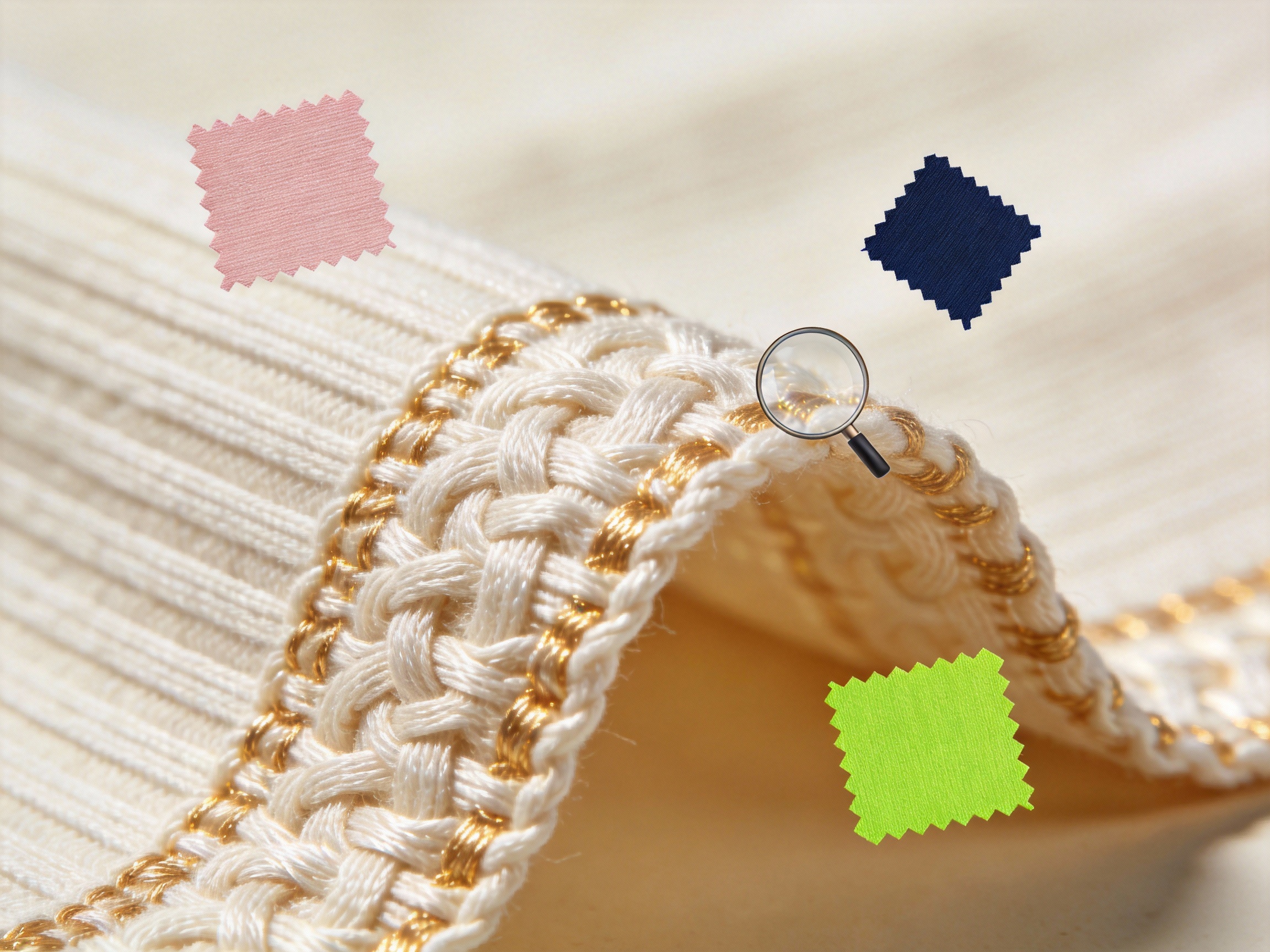
Cotton NR Roman Fabric is a knitted textile composed of long-staple cotton and nylon rayon (NR), woven into a distinctive Roman knit structure. The Roman knit, also known as a double knit, creates a fabric that is structured yet flexible, with a subtle ribbed texture and excellent shape retention. The combination of cotton and nylon rayon leverages the best properties of both fibers: cotton provides breathability, softness, and natural absorbency, while nylon rayon adds strength, stretch recovery, and a subtle, elegant sheen. This blend results in a fabric that is not only comfortable to wear but also durable enough to withstand repeated use and washing.
The term "Roman Fabric" refers to the specific knitting technique used to create the fabric. Unlike single-knit fabrics (which have a right and wrong side), Roman knit fabrics are double-sided, with interlocking loops that give them a thicker, more stable structure. This structure makes the fabric ideal for garments that require both structure (e.g., structured dresses, blazers) and flexibility (e.g., cardigans, skirts).
Key Advantages of Cotton NR Roman Fabric Over Competitors
Cotton NR Roman Fabric outperforms many traditional knitted fabrics in several key areas, making it a preferred choice for designers and manufacturers. Below are its most notable advantages:
Unmatched Versatility
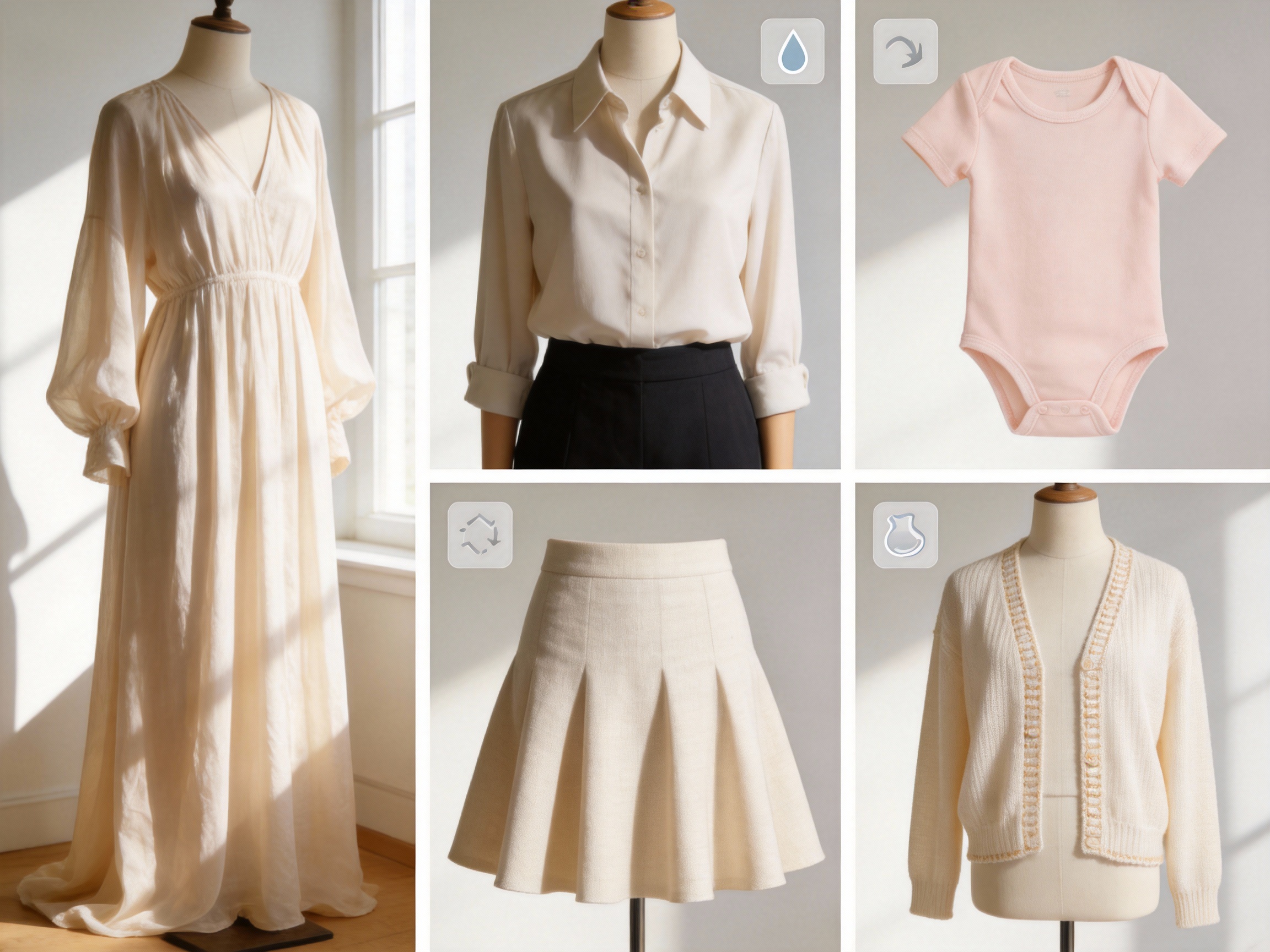
One of the most significant advantages of Cotton NR Roman Fabric is its versatility. It can be used to create a wide range of apparel, from casual wear to formal attire, and even baby clothing. For example:
Dresses: The fabric’s drape and structure make it ideal for flowy maxi dresses (where breathability is key) and structured midi dresses (where shape retention is essential).
Blouses: Its softness and subtle sheen make it perfect for office wear blouses, while its breathability ensures comfort during long workdays.
Skirts: The fabric’s stretch recovery allows it to hold its shape, making it suitable for A-line skirts, pencil skirts, and flared skirts.
Cardigans: Its lightweight yet warm properties make it ideal for layering, and its stretch ensures a comfortable fit.
Baby Clothing: The combination of cotton and nylon rayon makes it soft, hypoallergenic, and durable—perfect for a baby’s delicate skin.
Overlays: Sheer versions of the fabric can be used as overlays to add dimension to outfits, while jacquard patterns (available via advanced knitting techniques) enhance decorative appeal.
Exceptional Sewability & Workability
Cotton NR Roman Fabric is renowned for its ease of sewing, a critical factor for manufacturers and home sewers alike. Its key sewability advantages include:
Minimal Fraying: The double-knit structure reduces fraying compared to single-knit fabrics like 100% cotton jersey, eliminating the need for time-consuming pre-treatment (e.g., serging) before sewing.
Consistent Texture: The uniform blend of cotton and nylon rayon ensures that the fabric has a consistent weight and tension, making it easy to handle under sewing machines.
No Slippage: Unlike slippery synthetic fabrics like polyester knit, Cotton NR Roman Fabric has a slight grip that prevents it from shifting under needles, reducing the risk of puckering or uneven stitches.
Compatibility with All Techniques: It works well with both machine and hand sewing, and is compatible with a wide range of sewing tools (e.g., needles, threads) and techniques (e.g., hemming, gathering).
Aesthetic Appeal
The fabric’s unique composition and structure give it a distinct aesthetic that stands out in the market. Key aesthetic features include:
Subtle Sheen: The nylon rayon component adds a soft, elegant sheen that is not overly shiny—perfect for both casual and formal wear.
Rich Color Palette: Advanced dyeing processes allow the fabric to be dyed in a wide range of colors, from pastels to bold neons, with excellent color fastness.
Intricate Patterns: Jacquard knitting techniques enable the creation of intricate patterns (e.g., florals, geometric shapes, abstract designs) that add visual interest to garments.
Soft Hand Feel: The long-staple cotton component gives the fabric a soft, smooth touch that is comfortable against the skin.
Durability & Performance
Cotton NR Roman Fabric is designed to withstand the rigors of daily use, making it a long-lasting choice for apparel. Its durability advantages include:
Resistance to Tearing: The nylon rayon component adds strength to the fabric, reducing the risk of tearing even under stress (e.g., stretching).
Shrinkage Resistance: Unlike 100% cotton, the blend with nylon rayon reduces shrinkage, ensuring that garments retain their shape after washing.
Color Fastness: Advanced post-dyeing processes ensure that the fabric’s colors do not fade or bleed, even after repeated washes (up to 50 washes, according to internal testing).
Stretch Recovery: The fabric’s ability to stretch and return to its original shape makes it ideal for garments that are worn frequently (e.g., cardigans, skirts).
Eco-Friendly Edge
In an era where sustainability is a top priority, Cotton NR Roman Fabric offers several eco-friendly advantages:
Renewable Materials: Cotton is a renewable resource, and the long-staple cotton used in the fabric is sourced from sustainable farms that adhere to responsible farming practices (e.g., minimal water usage, no harmful pesticides).
Low-Impact Dyeing: The company uses low-impact dyes that are free from toxic chemicals, reducing the environmental footprint of the dyeing process.
Reduced Waste: The integrated manufacturing process (from yarn production to finishing) minimizes waste, as offcuts are recycled or repurposed.
Advanced Manufacturing Processes Behind Cotton NR Roman Fabric
The quality of Cotton NR Roman Fabric is a direct result of the advanced manufacturing processes used by its producers. These processes are designed to ensure consistency, quality, and performance at every stage of production.
Integrated Yarn Production
The production of Cotton NR Roman Fabric begins with the creation of high-quality blended yarns. The company uses an integrated approach, producing its own DTY (Drawn Textured Yarn) polyester yarn and sourcing long-staple cotton and nylon rayon from trusted suppliers. The yarn blending process involves:
Carding: Raw cotton fibers are carded to remove impurities and align the fibers, creating a uniform web.
Spinning: The carded cotton fibers are spun with nylon rayon fibers to create a blended yarn with a consistent count (e.g., 30/1 Ne).
Quality Testing: Each batch of yarn undergoes rigorous testing to ensure it meets specifications for tensile strength, elongation, and uniformity.
Precision Knitting Technology
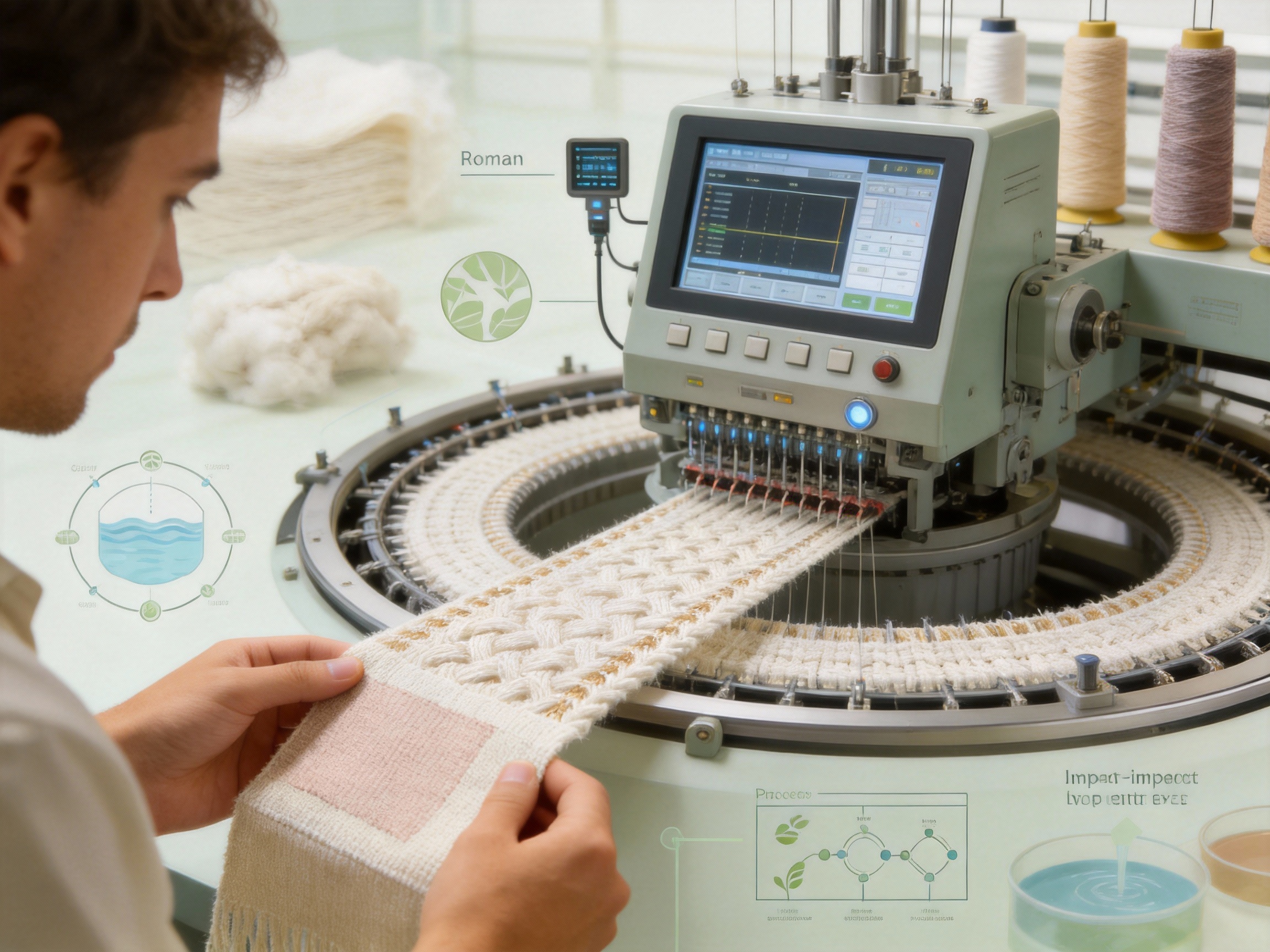
The blended yarns are then fed into computerized circular knitting machines that produce the Roman knit structure. Key features of the knitting process include:
Computerized Controls: The machines are programmed to create precise stitch patterns, ensuring consistency across every meter of fabric.
Jacquard Knitting: For patterned fabrics, the machines use jacquard technology to create intricate designs without the need for additional printing or dyeing.
Real-Time Monitoring: Sensors on the machines monitor the knitting process to detect defects (e.g., dropped stitches, uneven tension) and alert operators immediately.
Post-Dyeing & Finishing Excellence
After knitting, the fabric undergoes a series of post-dyeing and finishing processes to enhance its performance and aesthetic appeal:
Scouring: The fabric is scoured to remove any residual oils, waxes, or impurities from the knitting process.
Dyeing: The fabric is dyed using low-impact reactive dyes, which are applied in batch processes to ensure color consistency. The dyeing process is monitored using spectrophotometers to match Pantone color codes accurately.
Rinsing: The fabric is rinsed multiple times to remove excess dye, ensuring that colors do not bleed or fade.
Softening: A biodegradable softener is applied to the fabric to enhance its hand feel and make it more comfortable against the skin.
Calendaring: For fabrics that require a smooth finish, calendaring is used to enhance the sheen and reduce the fabric’s tendency to pilling.
Stringent Quality Control
Quality control is integrated into every stage of the manufacturing process to ensure that the final product meets the highest standards:
Pre-Production Testing: Raw materials (yarns, dyes) are tested for purity, strength, and compliance with safety standards (e.g., OEKO-TEX Standard 100).
In-Production Inspection: Operators conduct random inspections of the fabric during knitting and dyeing to detect defects (e.g., stains, holes, uneven color).
Final Audit: The finished fabric undergoes a final audit, which includes testing for color fastness, tensile strength, elongation, and hand feel. Only fabrics that meet or exceed specifications are approved for sale.
Case Studies: Real-World Applications of Cotton NR Roman Fabric
Cotton NR Roman Fabric has been used in a wide range of successful apparel lines, demonstrating its versatility and performance. Below are three case studies:
Case Study 1: Sustainable Baby Clothing Line
A leading baby clothing brand launched a line of organic baby clothes using Cotton NR Roman Fabric. The brand chose the fabric for its softness, hypoallergenic properties, and durability. The line included onesies, sleep sacks, and swaddles, all of which were tested for safety (OEKO-TEX Standard 100 certified) and comfort. The fabric’s ability to retain shape and resist fading made it a hit with parents, who reported that the clothes lasted longer than traditional cotton baby clothes. The line was also praised for its eco-friendly credentials, as the fabric is made from sustainable materials and dyed with low-impact dyes.
Case Study 2: Structured Office Wear Collection
A women’s fashion brand launched a collection of structured office wear using Cotton NR Roman Fabric. The collection included blouses, pencil skirts, and blazers, all designed to be professional yet comfortable. The fabric’s structured yet flexible nature allowed the brand to create garments that held their shape throughout the day, while its breathability ensured comfort during long workdays. The collection was a commercial success, with customers praising the fabric’s softness, sheen, and durability. The brand also offered custom color options, allowing customers to match the garments to their office dress codes.
Case Study 3: Summer Dress Line
A fast-fashion brand launched a line of summer dresses using lightweight Cotton NR Roman Fabric. The dresses featured jacquard patterns and vibrant colors, and were designed to be flowy and breathable. The fabric’s ability to drape well and resist shrinkage made it ideal for summer wear, and the brand reported strong sales during the summer season. The dresses were also praised for their versatility, as they could be dressed up for formal occasions or dressed down for casual outings.
Comparative Analysis: Cotton NR Roman Fabric vs. Competitor Fabrics
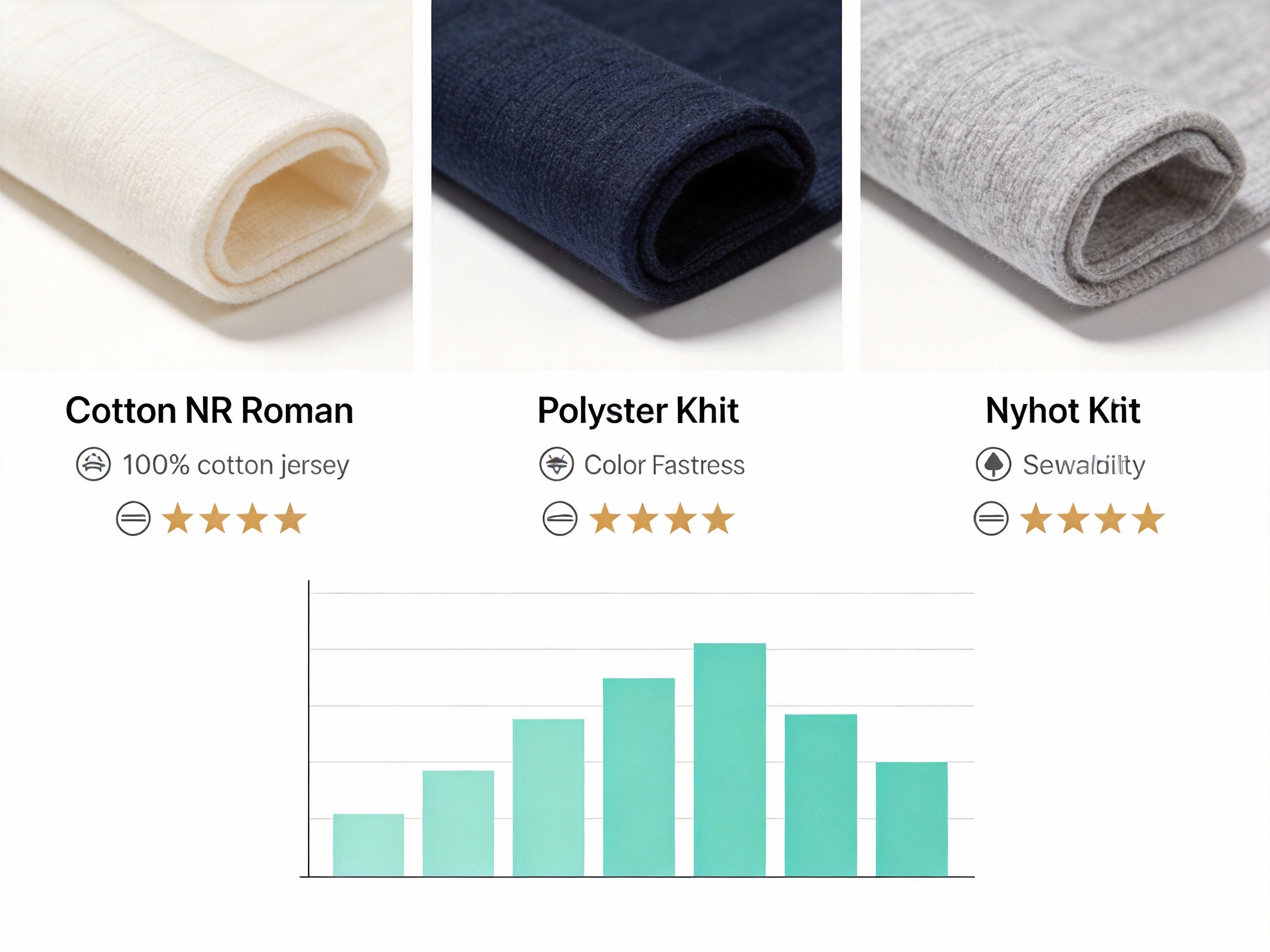
To understand the advantages of Cotton NR Roman Fabric, it is helpful to compare it to other popular knitted fabrics. The table below summarizes the key differences:
| Fabric Type | Composition | Stretch (1-5) | Sewability (1-5) | Color Fastness (Wash) (1-5) | Typical Uses |
|---|---|---|---|---|---|
| Cotton NR Roman Fabric | 60% Long-Staple Cotton, 40% Nylon Rayon | 3 | 5 | 4 | Dresses, blouses, skirts, cardigans, baby clothes, overlays |
| 100% Cotton Jersey | 100% Cotton | 1 | 3 | 2 | T-shirts, casual tops, undergarments |
| Polyester Knit | 100% Polyester | 4 | 2 | 3 | Athletic wear, activewear, linings |
| Nylon Knit | 100% Nylon | 5 | 2 | 3 | Swimwear, hosiery, activewear |
As the table shows, Cotton NR Roman Fabric outperforms its competitors in key areas like sewability, color fastness, and versatility. It strikes a perfect balance between the comfort of cotton and the performance of synthetic fibers, making it a superior choice for a wide range of apparel.
Q&A Section
Below are answers to common questions about Cotton NR Roman Fabric:
Q1: What is the main composition of Cotton NR Roman Fabric?
A1: Cotton NR Roman Fabric is composed of 60% long-staple cotton and 40% nylon rayon. This blend leverages the best properties of both fibers: cotton provides breathability and softness, while nylon rayon adds strength, stretch recovery, and a subtle sheen.
Q2: Is Cotton NR Roman Fabric safe for baby clothing?
A2: Yes. The fabric is OEKO-TEX Standard 100 certified, meaning it is free from harmful chemicals (e.g., formaldehyde, heavy metals) and safe for contact with sensitive skin. The long-staple cotton used in the fabric is sourced from sustainable farms, and the nylon rayon is processed without toxic dyes or finishes.
Q3: Can Cotton NR Roman Fabric be customized?
A3: Yes. The company offers customizations in terms of color (matching Pantone codes), pattern (jacquard designs), weight, and stretch level. Clients can work with the in-house R&D team to develop custom blends or adjust the knitting structure to meet specific performance requirements.
Q4: What is the minimum order quantity (MOQ) for Cotton NR Roman Fabric?
A4: The MOQ varies depending on customization. For standard colors and patterns, the MOQ is 500 meters. For custom designs or small-batch orders, the MOQ is 200 meters. Sample orders (1-5 meters) are also available for testing.
Q5: How does the company ensure on-time delivery for bulk orders?
A5: The company uses an integrated ERP system to monitor production schedules and maintain inventory of raw materials. It has a large manufacturing facility (18,000 square meters) with state-of-the-art machines, allowing it to handle bulk orders efficiently. The company also partners with reliable logistics providers to ensure timely shipping to global destinations.
Company’s Commitment to Innovation & Sustainability
The producer of Cotton NR Roman Fabric is a leading textile company with a strong commitment to innovation and sustainability. Key initiatives include:
R&D Investment
The company invests 5-8% of its annual revenue in R&D, focusing on developing new fabric blends, improving manufacturing processes, and enhancing sustainability. The R&D team works closely with designers and clients to identify emerging trends and develop fabrics that meet the evolving needs of the market.
Sustainable Practices
The company has implemented several sustainable practices to reduce its environmental footprint:
Renewable Energy: The manufacturing facility uses solar panels to generate 30% of its electricity, reducing its reliance on fossil fuels.
Water Recycling: The dyeing process uses a closed-loop water system that recycles 80% of the water used, reducing water consumption by 50%.
Waste Reduction: Offcuts from the knitting and dyeing processes are recycled into new yarns or used as insulation material, reducing waste sent to landfills.
Global Reach
The company is a self-employed export company, serving clients in over 30 countries across Asia, Europe, North America, and Australia. It has a dedicated export team that handles all aspects of international shipping, including customs clearance and documentation. The company also offers after-sales support to ensure client satisfaction.
Conclusion
Cotton NR Roman Fabric is a versatile, high-performance textile that addresses the key needs of the modern apparel industry. Its unique blend of long-staple cotton and nylon rayon, combined with advanced manufacturing processes, makes it superior to traditional knitted fabrics in terms of comfort, durability, sewability, and aesthetic appeal. The fabric’s eco-friendly credentials and ability to be customized make it an ideal choice for designers and manufacturers looking to create high-quality, sustainable apparel. As the textile industry continues to evolve, Cotton NR Roman Fabric is poised to remain a leading solution for a wide range of applications.