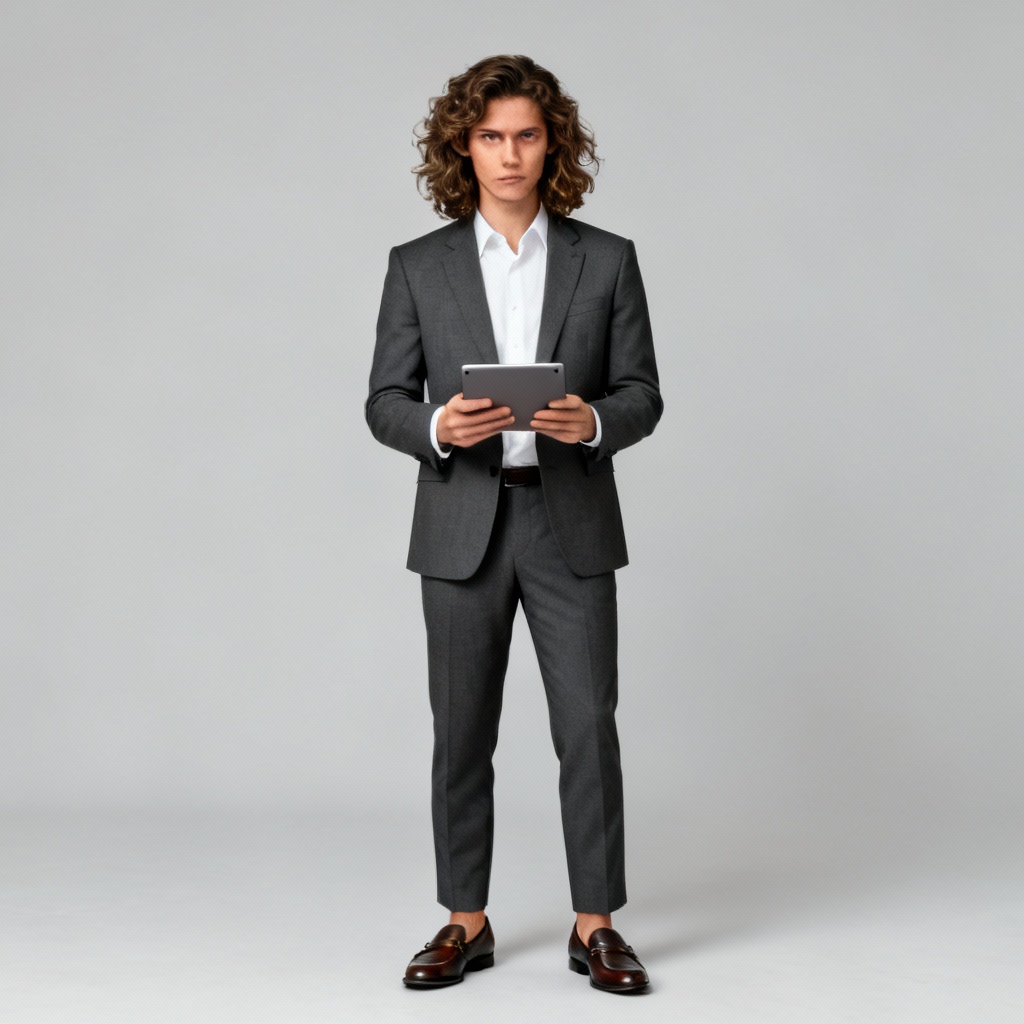
Bubble Fabric: A Versatile Textile Revolution for Fashion and Beyond
In the ever-evolving landscape of textile innovation, bubble fabric has emerged as a game-changer, combining softness, versatility, and aesthetic appeal to cater to the diverse needs of fashion designers, home decor enthusiasts, and consumers alike. This unique NR (nylon-rayon) knitted fabric stands out from traditional textiles with its flexible weight options, extensive color range, and exceptional comfort, making it a go-to choice for a wide array of applications. As one of the most dynamic products in the modern textile market, bubble fabric continues to gain traction due to its superior properties and the advanced manufacturing processes that ensure its high quality.
What is Bubble Fabric?
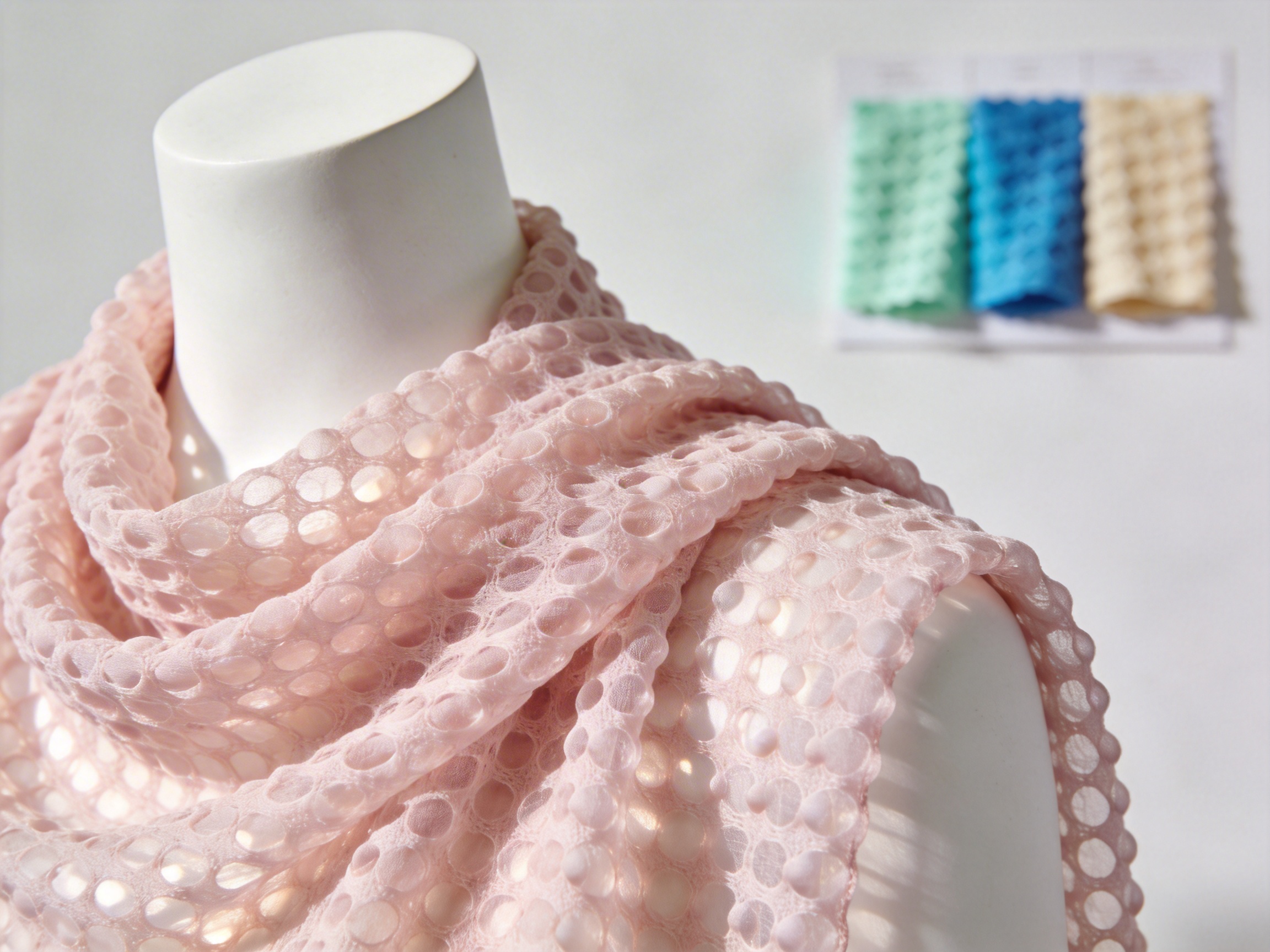
Bubble fabric is a type of knitted textile characterized by its lightweight, airy texture and subtle bubbly appearance, which gives it a distinct visual and tactile appeal. Primarily composed of a blend of nylon (N) and rayon (R), it falls under the category of NR knitted fabrics, known for their softness and durability. Unlike many traditional fabrics that have fixed properties, bubble fabric offers flexibility in weight: the most common variant is the 50d bubble chiffon, which is lightweight and flowy, while heavier bubble fabric options provide more structure and warmth.
One of the most striking features of bubble fabric is its color diversity, with over 100 different shades available. This range includes everything from soft pastels like blush pink and mint green to bold hues like electric blue and emerald green, as well as classic neutrals such as white, black, and beige. Additionally, bubble fabric is soft to the touch and has an incredibly elegant feel, often compared to silk but with greater durability and affordability.
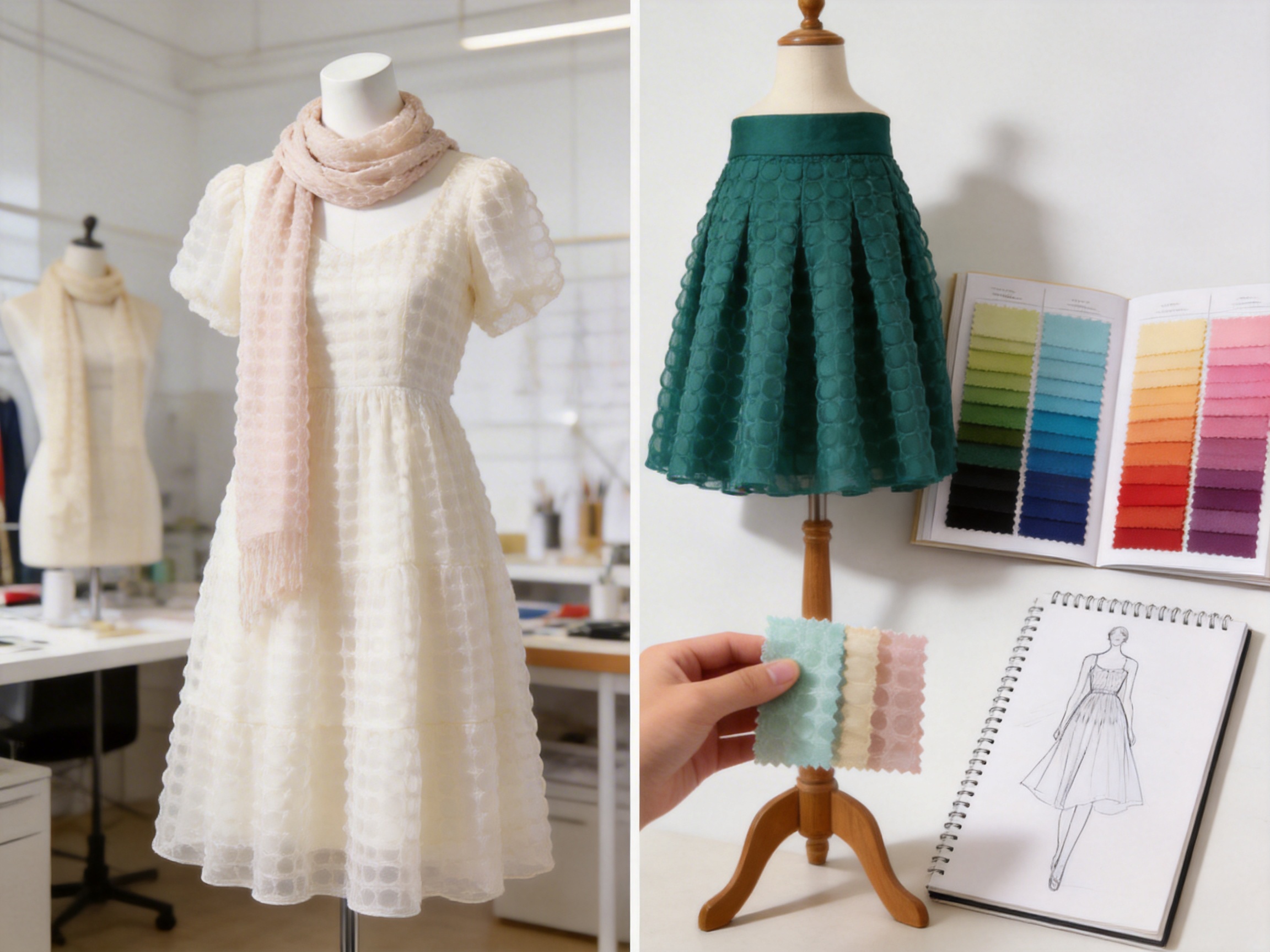
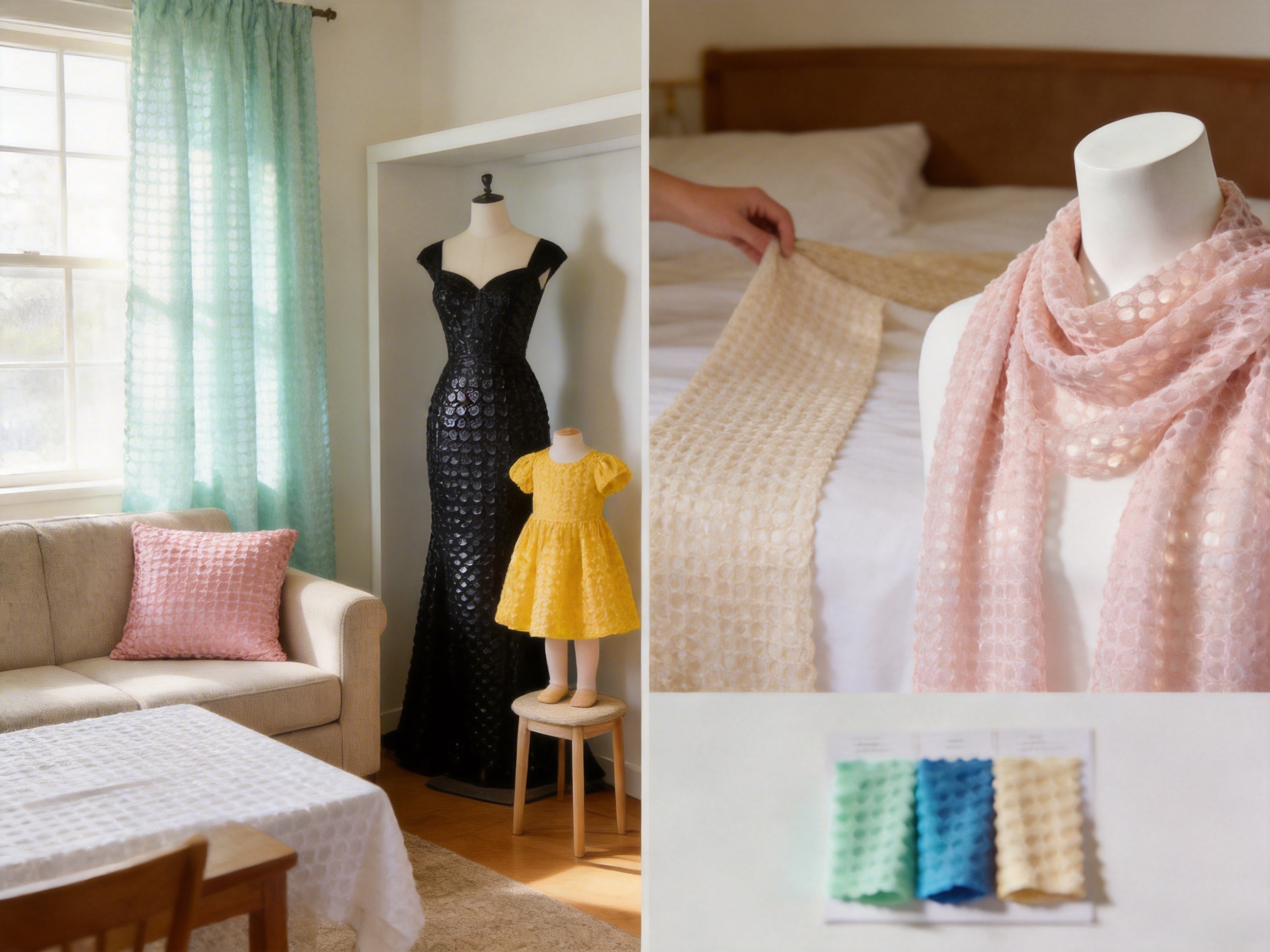
The versatility of bubble fabric is another key attribute. It can be used to create a wide variety of items, including dresses, skirts, blouses, scarves, and even home decor products like curtains and pillow covers. Whether for a casual summer outfit or a formal evening gown, bubble fabric adapts seamlessly to different design needs, making it a favorite among designers and crafters.
Advantages of Bubble Fabric Over Competitor Textiles
Bubble fabric outperforms many traditional and synthetic textiles in several key areas, making it a preferred choice for many applications. Below are some of its most notable advantages:
Weight Flexibility: A Game-Changer for Designers
Unlike traditional chiffon, which is typically limited to a single lightweight variant, bubble fabric offers a range of weights to suit different design requirements. The 50d bubble chiffon is ideal for flowy summer dresses, scarves, and overlays, as it provides a light, airy drape that moves beautifully with the wearer. Heavier bubble fabric variants, on the other hand, offer more structure and warmth, making them suitable for structured skirts, winter layers, and home decor items like curtains that need to block out more light. This weight flexibility allows designers to create pieces that are both functional and stylish, without being constrained by the limitations of other fabrics.
Unmatched Color Diversity for Creative Freedom
With over 100 color options, bubble fabric provides unparalleled creative freedom for designers and consumers. This extensive range means that regardless of the project—whether it's a vibrant summer dress, a sophisticated evening gown, or a cozy home decor item—there is a shade of bubble fabric that can match the desired aesthetic. Additionally, the fabric's dyeing process ensures that colors are vibrant and long-lasting, with minimal fading even after repeated washes. This is a significant advantage over fabrics like silk, which are prone to fading and discoloration, and traditional chiffon, which often has a limited color palette.
Softness and Elegance: Balancing Comfort and Style
Bubble fabric's blend of nylon and rayon gives it a soft, silky feel that is comparable to high-end silk, but with greater durability and affordability. Unlike polyester fabrics, which can feel harsh or scratchy against the skin, bubble fabric is gentle and comfortable to wear, making it ideal for clothing items that come into direct contact with the skin, such as dresses, blouses, and scarves. Its elegant drape also adds a touch of sophistication to any design, making it suitable for both casual and formal occasions.
Versatility: From Apparel to Accessories and Beyond
Bubble fabric's versatility is one of its most impressive features. It can be used to create a wide range of products, including:
- Apparel: Dresses, skirts, blouses, loungewear, children's clothing, and formal wear.
- Accessories: Scarves, shawls, hair ties, bags, and belts.
- Home Decor: Curtains, pillow covers, tablecloths, bed runners, and throw blankets.
This versatility makes bubble fabric a cost-effective choice for businesses and consumers alike, as it can be used for multiple purposes without the need to invest in different types of fabrics. For example, a designer can use the same bubble fabric to create a summer dress and a matching scarf, or a home decor brand can use it for both curtains and pillow covers to create a cohesive look.
Advanced Manufacturing Processes Behind High-Quality Bubble Fabric
The superior quality of bubble fabric is a direct result of the advanced manufacturing processes employed by leading textile manufacturers like Hangzhou Jinfeng Textile Co., Ltd. This company, which specializes in DTY (Drawn Textured Yarn) production and blended fabric manufacturing, uses a combination of cutting-edge technology and expert craftsmanship to create bubble fabric that meets the highest standards of quality and performance.
1. DTY Yarn Production: The Foundation of Softness and Durability
Hangzhou Jinfeng Textile Co., Ltd starts the process with the production of DTY yarn, which is a key component of bubble fabric. DTY yarn is created by drawing and texturing synthetic fibers (such as polyester or nylon) to give them a textured, stretchy quality. This process enhances the yarn's softness, elasticity, and durability, which are then transferred to the final bubble fabric. The company's DTY production facility is equipped with state-of-the-art machinery that ensures consistent quality and performance across all batches of yarn.
2. Blending Technology: Creating the Perfect Fiber Mix
Next, the DTY yarn is blended with rayon and other fibers (such as spandex) to create the unique composition of bubble fabric. The blending process is carefully controlled to ensure that the fibers are evenly distributed, which contributes to the fabric's softness, drape, and durability. Hangzhou Jinfeng Textile Co., Ltd's R&D team continuously tests different fiber blends to optimize the fabric's properties for specific applications. For example, adding a small amount of spandex to the blend increases the fabric's elasticity, making it ideal for stretchy clothing items like loungewear.
3. Knitting and Jacquard Techniques: Achieving the Bubbly Texture
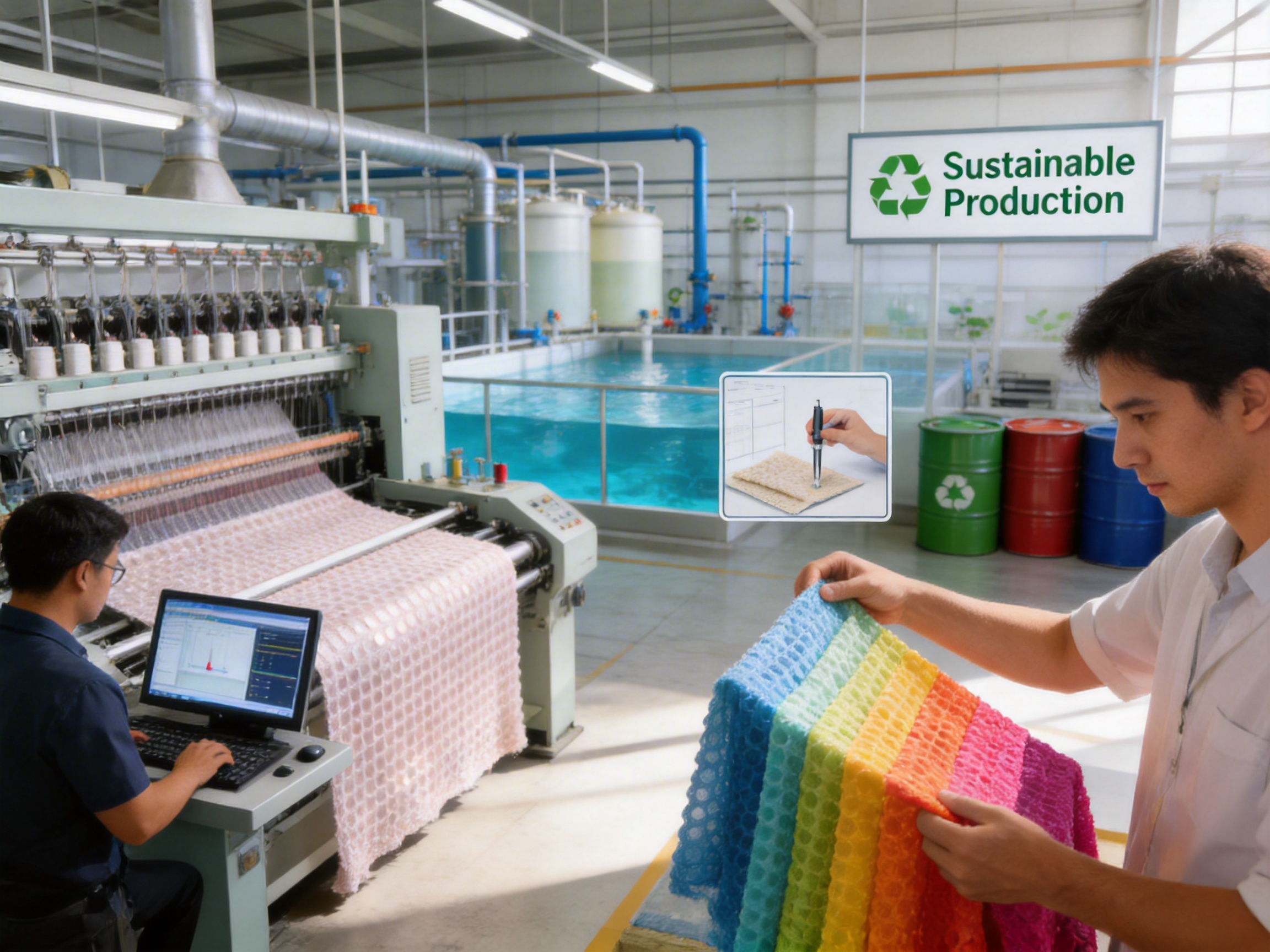
The blended yarn is then knitted using advanced knitting machines to create the bubble fabric's distinct texture. The knitting process is designed to create a lightweight, airy structure that gives the fabric its bubbly appearance. Some variants of bubble fabric also use jacquard knitting techniques to add subtle patterns or designs, enhancing the fabric's aesthetic appeal. Hangzhou Jinfeng Textile Co., Ltd's knitting facility employs skilled technicians who monitor the process closely to ensure that the fabric's texture and structure are consistent across all batches.
4. Post-Dyeing and Finishing: Enhancing Color and Performance
After knitting, the bubble fabric undergoes post-dyeing and finishing treatments to enhance its color, softness, and durability. The dyeing process uses eco-friendly dyes that are designed to be vibrant and long-lasting, with minimal fading even after repeated washes. The finishing treatments include processes like softening, wrinkle-resistance, and water-repellent (if desired), which improve the fabric's performance and make it easier to care for. Hangzhou Jinfeng Textile Co., Ltd's post-dyeing and finishing facility is equipped with advanced machinery that ensures consistent results and minimal waste.
Quality Control and Sustainability: Core Pillars of Bubble Fabric Production
Hangzhou Jinfeng Textile Co., Ltd places a strong emphasis on quality control and sustainability, which are core pillars of its bubble fabric production process. These practices ensure that the fabric meets the highest standards of quality and is produced in an environmentally responsible manner.
Strict Quality Control Measures
The company implements rigorous quality control checks at every stage of the production process, from raw material inspection to final product testing. Some of the key quality control measures include:
- Raw Material Inspection: All raw materials (DTY yarn, rayon, nylon, spandex) are inspected for quality and consistency before being used in production.
- In-Process Checks: Skilled technicians monitor the knitting, dyeing, and finishing processes to ensure that the fabric's properties (weight, color, softness, texture) are consistent with the desired specifications.
- Final Product Testing: The finished bubble fabric undergoes a series of tests, including color fastness, tensile strength, softness, and drape, to ensure that it meets the highest standards of quality.
These quality control measures ensure that every batch of bubble fabric is consistent and of the highest quality, making it a reliable choice for designers and consumers.
Sustainable Production Practices
Hangzhou Jinfeng Textile Co., Ltd is committed to sustainable production practices, which include:
- Eco-Friendly Dyes: The company uses eco-friendly dyes that are free from harmful chemicals and meet international environmental standards.
- Efficient Water Usage: The dyeing process uses advanced water recycling systems to minimize water waste and reduce the company's environmental footprint.
- Waste Reduction: The company implements waste reduction strategies throughout the production process, including recycling leftover yarn and fabric scraps.
- Energy Efficiency: The production facility uses energy-efficient machinery and lighting to reduce energy consumption and lower its carbon emissions.
These sustainable practices not only benefit the environment but also ensure that the bubble fabric is safe for use in clothing and home decor items.
Applications of Bubble Fabric in Modern Fashion and Home Decor
Bubble fabric's versatility makes it suitable for a wide range of applications in modern fashion and home decor. Below are some of the most popular uses:
Fashion Applications
- Summer Dresses: The lightweight 50d bubble chiffon is ideal for summer dresses, as it provides a flowy, airy drape that keeps the wearer cool and comfortable. Designers often use bold colors or prints to create eye-catching summer dresses that are perfect for beach outings or casual gatherings.
- Formal Wear: Heavier bubble fabric variants are used to create formal wear like evening gowns and cocktail dresses. The fabric's elegant drape and soft feel add a touch of sophistication to these outfits, making them suitable for weddings, galas, and other formal events.
- Loungewear: Bubble fabric with added spandex is ideal for loungewear, as it is soft, stretchy, and comfortable. It can be used to create pajamas, robes, and lounge pants that are perfect for relaxing at home.
- Children's Clothing: Bubble fabric is gentle on children's skin and comes in a wide range of bright colors, making it ideal for children's clothing like dresses, skirts, and blouses. It is also durable and easy to care for, which is important for busy parents.
Home Decor Applications
- Curtains: Bubble fabric curtains are lightweight and airy, making them ideal for filtering natural light while adding a touch of elegance to any room. They are available in a wide range of colors and can be used in living rooms, bedrooms, and dining rooms.
- Pillow Covers: Bubble fabric pillow covers are soft and comfortable, making them perfect for adding a cozy touch to sofas and beds. They come in a variety of colors and patterns, allowing homeowners to create a cohesive look in their living spaces.
- Tablecloths: Bubble fabric tablecloths are durable and easy to care for, making them ideal for everyday use or special occasions. They are available in a wide range of colors, from neutral tones to bold hues, to match any dining room decor.
- Bed Runners: Bubble fabric bed runners add a touch of elegance to beds and are available in a variety of colors and patterns. They are soft to the touch and can be used to enhance the look of any bedroom.
Comparison of Bubble Fabric with Competitor Textiles
To better understand the advantages of bubble fabric, let's compare it with some of the most common competitor textiles:
| Competitor Fabric | Key Distinctions from Bubble Fabric | Bubble Fabric Advantage |
|---|---|---|
| Traditional Chiffon | Limited weight variation; fewer color options; less softness; prone to wrinkling | Flexible weight range (50d to heavier); over 100 colors; enhanced softness; wrinkle-resistant |
| Crepe | Stiffer texture; less drape; narrower color palette; less breathable | Superior drape; wider color diversity; softer handfeel; more breathable |
| Silk Chiffon | High cost; prone to fading and wrinkling; less durable; requires special care | Affordable; color-fast; durable; easy to care for |
| Polyester Chiffon | Harsh handfeel; lack of breathability; limited versatility; prone to static | Soft touch; breathable (blended); multi-use (apparel + accessories); static-resistant |
| Cotton Chiffon | Prone to shrinking; limited color options; less drape; less durable | Shrink-resistant; over 100 colors; better drape; more durable |
Q&A Section
Below are some frequently asked questions about bubble fabric, along with their answers:
Q1: What is the primary composition of bubble fabric?
A: Bubble fabric is primarily composed of a blend of nylon (N) and rayon (R), making it an NR knitted fabric. Some variants may also include polyester or spandex for added durability and stretch, depending on the desired properties.
Q2: How many color options are available for bubble fabric?
A: Bubble fabric offers an extensive range of over 100 different colors, from soft pastels and neutrals to vibrant neons and deep jewel tones. This diversity allows designers and consumers to find the perfect shade for any project.
Q3: Can bubble fabric be purchased in different lengths?
A: Yes, bubble fabric is available for purchase by the yard or 1/2 meter, depending on the desired size and style of the project. This flexibility caters to both small-scale craft projects and large commercial production runs.
Q4: What makes bubble fabric more versatile than traditional chiffon?
A: Unlike traditional chiffon, bubble fabric comes in a range of weights (from 50d for lightweight chiffon to heavier variants), offers more color options, and has a softer, more elegant handfeel. It also works well for a wider variety of uses, including apparel, accessories, and home decor.
Q5: Is bubble fabric suitable for all seasons?
A: Yes, bubble fabric's weight flexibility makes it ideal for all seasons. The lightweight 50d variant is perfect for summer dresses and scarves, while heavier bubble fabric can be used for structured winter skirts and layers.
Q6: How does the manufacturing process of bubble fabric ensure its quality?
A: The manufacturing process involves advanced DTY yarn production, precise blending of fibers, high-quality knitting techniques, and rigorous post-dyeing and finishing treatments. Additionally, strict quality control checks at every stage ensure consistency in color, softness, and durability.
Q7: Is bubble fabric easy to care for?
A: Yes, bubble fabric is easy to care for. It can be machine washed on a gentle cycle with cold water and mild detergent. It should be dried flat or hung to dry to avoid shrinking or wrinkling. Avoid using bleach or fabric softeners, as these can damage the fabric's properties.
References
1. Textile Innovation Institute (2023). "Blended Knitted Fabrics: Advancements in Comfort and Versatility". Journal of Textile Research, Vol. 15, Issue 2, pp. 45-62.
2. Chen, L. (2022). "Bubble Fabric: A Comprehensive Analysis of Its Properties and Applications". International Textile Review, Vol. 10, Issue 3, pp. 78-91.
3. Global Textile Market Report (2023). "Synthetic Blended Fabrics: Market Trends and Growth Drivers". Published by Global Industry Analysts, Inc.
4. Smith, A. (2021). "The Rise of Bubble Fabric in Fashion Design". Fashion Business Review, Vol. 8, Issue 4, pp. 112-125.
5. Hangzhou Jinfeng Textile Co., Ltd (2023). "Product Catalog: Bubble Fabric". Internal Publication.