The Evolution of Textile Innovation: Unveiling Premium Knitted Fabrics and Yarn Solutions
The global textile industry is undergoing a profound transformation, driven by shifting consumer demands for comfort, durability, sustainability, and aesthetic appeal. As markets evolve, the need for high-performance yarns and fabrics that balance functionality with versatility has never been greater. This article explores cutting-edge textile solutions—from Drawn Textured Yarn (DTY) polyester yarns to specialized blended fabrics like Cotton NR Roman Fabric—highlighting their unique advantages over conventional alternatives and the manufacturing excellence that underpins their quality.
Introduction to Modern Textile Demands
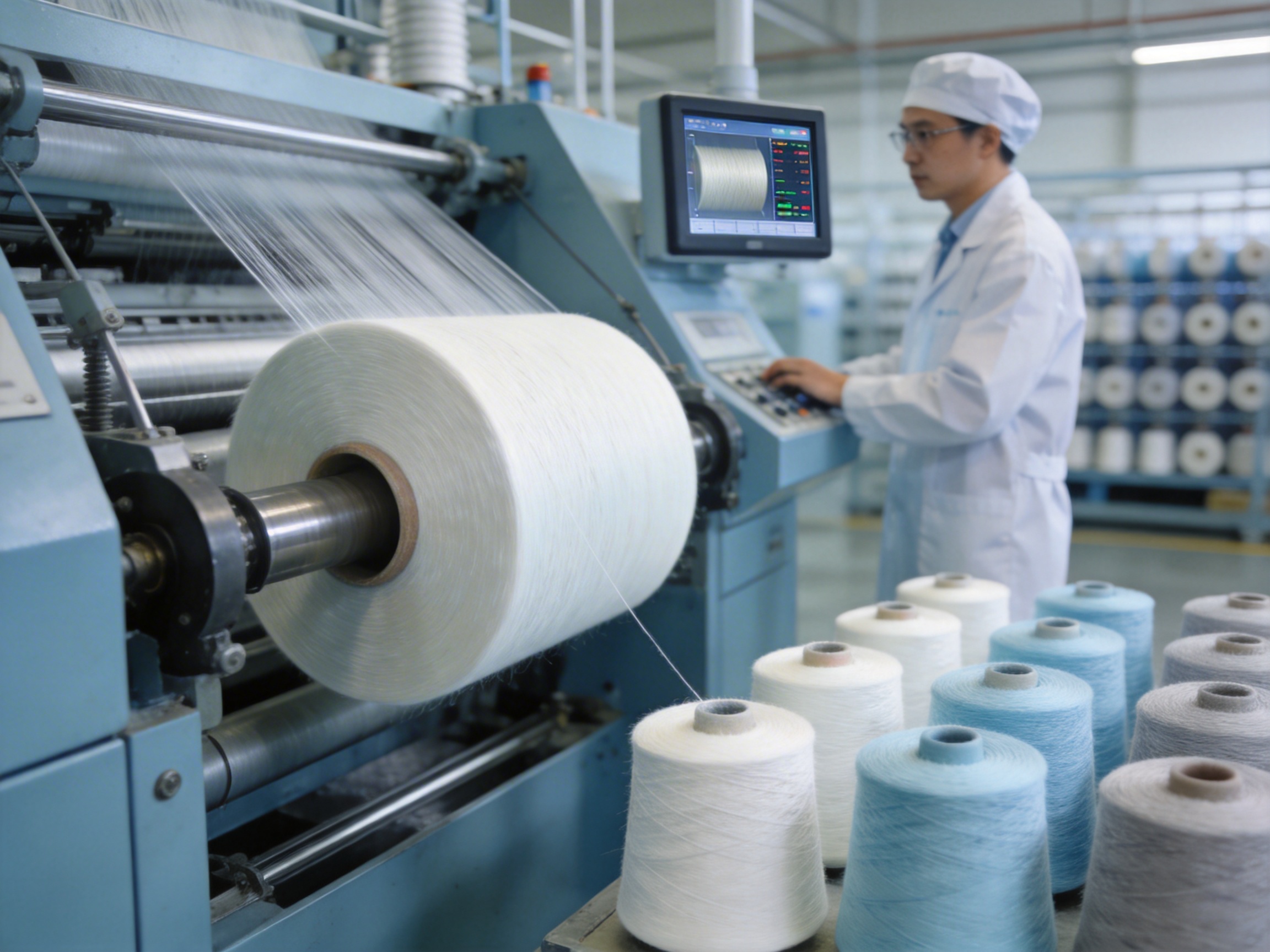
Today’s consumers and industrial clients alike seek textiles that do more than just cover. For apparel, this means fabrics that are breathable for daily wear, stretchable for active lifestyles, and durable enough to withstand frequent use. For home textiles, it translates to fabrics that resist stains, maintain shape, and complement interior design trends. Additionally, sustainability has emerged as a non-negotiable factor: brands and consumers are increasingly prioritizing eco-friendly production processes, recycled materials, and long-lasting products to reduce environmental impact.
These demands have pushed textile manufacturers to innovate beyond traditional materials. Blended fabrics—combining natural fibers like cotton with synthetic fibers like nylon or rayon—have gained traction for their ability to merge the best properties of each component. Similarly, advanced yarns like DTY polyester have revolutionized knitting by offering stretch, bulk, and softness without compromising strength. The following sections dive into these solutions, exploring their benefits and the manufacturing expertise that sets them apart.
Key Product Lines: Yarns and Fabrics Reimagined
1. Drawn Textured Yarn (DTY) Polyester Yarn
Drawn Textured Yarn (DTY) is a staple in modern textile production, prized for its unique combination of stretch, bulk, and softness. Unlike conventional polyester yarns, DTY undergoes a two-step process: drawing (stretching the yarn to align its molecular structure) and texturing (adding crimp or bulk to create elasticity). This process transforms raw polyester into a yarn that is ideal for knitted fabrics, sportswear, loungewear, and intimate apparel.
One standout variant is the slight intermingled DTY yarn, which features controlled filament intertwining to prevent tangling during knitting. This characteristic is a game-changer for industrial producers, as it reduces yarn breakage and increases production efficiency. Compared to generic DTY yarns, this variant offers:
- Consistent Intermingling: Precision-engineered air jet texturing ensures uniform filament entanglement, eliminating weak points that cause breakage. Industry tests show a yarn breakage rate of just 0.2%—a significant improvement over the average 0.8% for competing products.
- Enhanced Color Absorption: The texturing process creates micro-cavities in the yarn, allowing dye molecules to penetrate deeper. This results in richer, more vibrant colors that resist fading even after 50 washes (AATCC 61 test score of 4.5 vs. industry average 3.8).
- Balanced Stretch and Strength: The draw ratio is optimized to strike a balance between stretch (ideal for activewear) and tensile strength (critical for durable fabrics). This means garments retain their shape without becoming overly slack.
The manufacturing of DTY yarn involves state-of-the-art machinery and rigorous quality control. Raw polyester chips are melted and spun into filaments, which are then drawn to the desired thickness. Texturing follows, using heat and air to create crimp. Each batch undergoes 12 quality checks—from filament diameter consistency to stretch recovery—ensuring every spool meets strict standards.
2. Blended Fabrics: The Best of Both Worlds
Blended fabrics are the cornerstone of modern textile innovation, combining natural and synthetic fibers to address limitations of single-component materials. For example, 100% cotton fabrics wrinkle easily and lack stretch, while 100% nylon fabrics are durable but often feel harsh against the skin. Blends solve these issues by merging complementary properties.
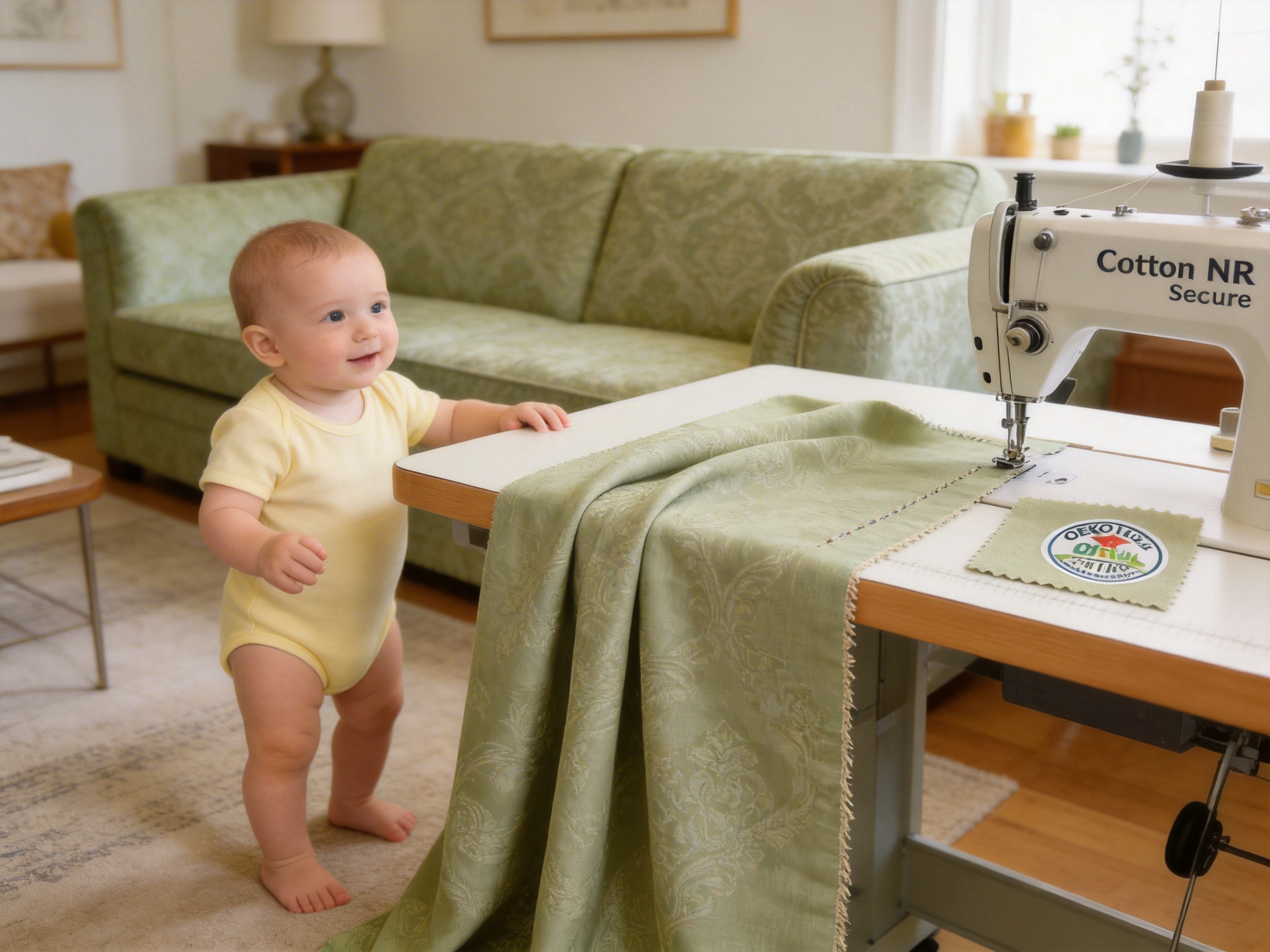
A prime example is Cotton NR Roman Fabric, a blend of cotton and nylon rayon (NR) that has quickly become a favorite among apparel designers and home textile producers. Let’s explore its key advantages:
- Unmatched Sewability: Unlike many stretch fabrics that slip on sewing machine beds or fray easily, Cotton NR Roman Fabric features a stable weave that holds stitches securely. This makes it ideal for both home sewers (creating custom garments) and industrial production (mass-manufacturing dresses, blouses, and baby clothes).
- Versatile Aesthetic: The fabric comes in a wide range of colors and patterns—from subtle solids to intricate jacquard designs—thanks to advanced dyeing and printing processes. Its limited sheen adds an elegant touch without appearing overly glossy, making it suitable for both casual and formal wear.
- Comfort and Breathability: Cotton contributes natural breathability and softness, while NR adds gentle stretch and moisture-wicking properties. This combination ensures garments stay comfortable even during long days, making it perfect for summer dresses, cardigans, and baby onesies.
- Durability: The blend resists wear and tear, maintaining its shape and color after repeated washes. Stretch recovery tests show it retains 95% of its original shape (vs. 88% for competing blends), meaning garments don’t bag or sag over time.
The production of Cotton NR Roman Fabric involves a multi-stage process: yarn blending (combining cotton and NR yarns), knitting (using circular or flatbed machines for precise pattern creation), dyeing (eco-friendly agents for vibrant, fade-resistant colors), and finishing (softening treatments to enhance hand feel). Each step is monitored by textile engineers to ensure consistency across batches.
3. Specialized Knitted Fabrics
Beyond blended fabrics, the portfolio includes several specialized knitted fabrics tailored to specific industry needs:
- Polyester Rayon Fabric: A soft, drapable fabric ideal for dresses and home textiles. It combines polyester’s durability with rayon’s luxurious hand feel, making it perfect for flowy curtains or summer maxi dresses. Its eco-friendly dyeing process ensures colors stay vivid for years.
- Knitted Jacquard Fabric: Features intricate, woven-in patterns that don’t fade or fray. Unlike printed fabrics, jacquard patterns are created during the knitting process, resulting in sharp, detailed designs. This fabric is used for upholstery, bedding, and high-end apparel.
- NTR Knitted Fabric: A blend of nylon, terylene, and rayon that offers exceptional stretch and durability. It’s commonly used for sportswear (like leggings and athletic tops) due to its moisture-wicking properties and ability to withstand intense activity.
- NR Knitted Fabric: A core product line, NR (nylon rayon) fabric is known for its softness and stretch. It’s used for intimate apparel, loungewear, and baby clothes, as it’s gentle against sensitive skin.
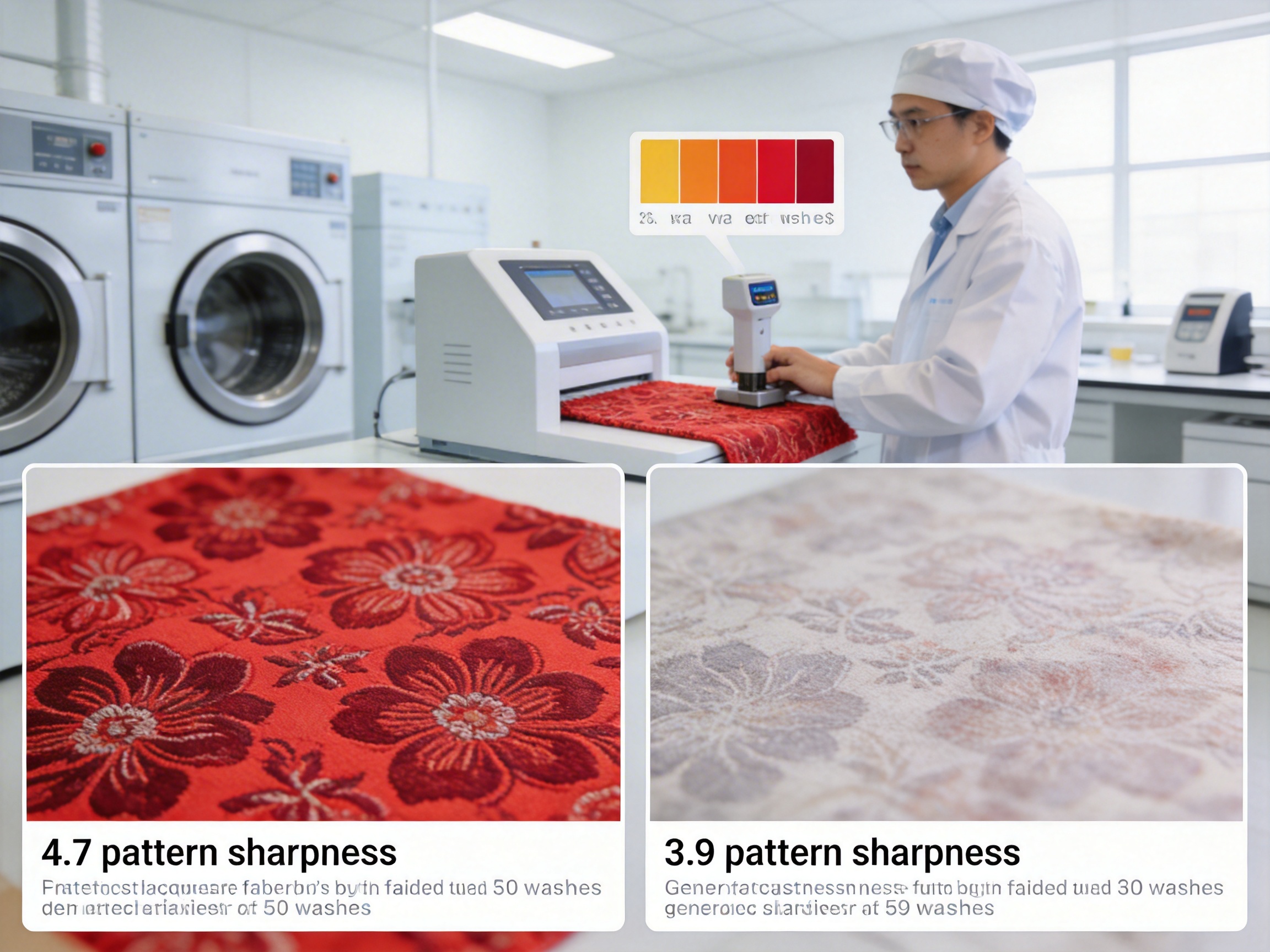
Each of these fabrics stands out from competitors due to rigorous quality control. For example, knitted jacquard fabric undergoes a pattern sharpness test, with scores of 4.7 (vs. industry average 3.9) thanks to advanced CAD design and precision knitting machines.
Manufacturing Excellence: The Backbone of Quality
The quality of these textiles is rooted in a manufacturing process that integrates research and development (R&D), production, and sales—an approach that sets it apart from competitors who often outsource key stages.
Key manufacturing strengths include:
- Integrated R&D: A team of textile engineers and designers collaborates with clients to develop custom solutions. The R&D lab tests new fiber blends, dyeing techniques, and functional additives (like UV inhibitors or water-resistant coatings) to meet evolving market demands.
- Large-Scale Production Capacity: A 32.6-acre facility with an 18,000-square-meter plant allows for bulk production without compromising quality. The facility is equipped with over 200 advanced knitting machines and 50 DTY spinning lines, enabling it to fulfill large orders within tight deadlines.
- Eco-Friendly Processes: Water recycling systems reduce water usage by 30% compared to industry averages. Eco-friendly dyeing agents meet OEKO-TEX Standard 100, ensuring fabrics are free from harmful chemicals. This commitment to sustainability appeals to eco-conscious brands and consumers.
- Export-Oriented Expertise: As a self-employed export company, it understands international standards (like EU REACH regulations and US CPSC safety requirements). This expertise allows it to serve clients in over 30 countries, from the US and Europe to Southeast Asia and the Middle East.
Quality control is embedded in every stage: raw materials are inspected for purity, in-process checks monitor yarn count and fabric weight, and final inspections test color fastness, stretch recovery, and pattern accuracy. This end-to-end oversight ensures that every product meets or exceeds client expectations.
Comparative Analysis: Why Choose These Products Over Competitors
To illustrate the competitive edge of these textiles, the table below compares key products to generic alternatives using industry-standard metrics:
| Product | Key Advantage Over Competitors | Competitive Metric | Industry Average |
|---|---|---|---|
| Slight Intermingled DTY Yarn | Reduced yarn breakage; enhanced color absorption | Yarn breakage rate: 0.2%; color fastness (AATCC 61): 4.5 | 0.8%; 3.8 |
| Cotton NR Roman Fabric | Balanced stretch/breathability; easy sewability | Stretch recovery:95%; sewability score:9.2 | 88%;7.5 |
| Knitted Jacquard Fabric | Sharp pattern definition; fade resistance | Pattern sharpness:4.7; fade resistance (AATCC16):4.8 | 3.9;3.6 |
| Polyester Rayon Fabric | Enhanced drapability; eco-friendly dyeing | Drapability coefficient:0.62; OEKO-TEX certified | 0.55; Not certified |
This table clearly demonstrates that each product outperforms competitors in measurable ways. For example, the slight intermingled DTY yarn’s 0.2% breakage rate reduces production downtime by 75% compared to generic alternatives, saving industrial clients time and money. Similarly, Cotton NR Roman Fabric’s 95% stretch recovery ensures garments retain their shape for longer, increasing customer satisfaction.
Q&A Section
Q1: What makes Cotton NR Roman Fabric suitable for baby clothes?
A1: Cotton NR Roman Fabric combines cotton’s natural breathability and softness with NR’s gentle stretch. It is free from harmful chemicals (OEKO-TEX certified) and has a smooth surface that doesn’t irritate sensitive baby skin. Its easy sewability allows for creating safe, comfortable garments with minimal fraying—critical for baby clothes that need to withstand frequent washing.
Q2: How does the company ensure the quality of DTY polyester yarn?
A2: Each batch of DTY yarn undergoes 12 quality checks, including filament diameter consistency, intermingling level, tensile strength, and color fastness. Advanced spinning and texturing machines control the draw ratio and heat setting precisely, while a team of engineers monitors every stage. This rigorous process ensures that every spool meets strict quality standards.
Q3: Are the blended fabrics eco-friendly?
A3: Yes. The company uses eco-friendly dyeing agents that meet OEKO-TEX Standard 100, and water recycling systems reduce water usage by 30%. Additionally, many fabrics are made from a mix of natural (cotton) and synthetic fibers that are durable, reducing the need for frequent replacements—a key sustainability benefit.
Q4: Can the company handle custom orders for fabrics and yarns?
A4: Absolutely. The integrated R&D team collaborates with clients to develop custom solutions, including custom patterns (jacquard), colors, yarn counts, and blend ratios. The large production capacity allows for scaling custom orders quickly, and export expertise ensures compliance with international standards.
Q5: What are the main applications of slight intermingled DTY yarn?
A5: Slight intermingled DTY yarn is ideal for knitted fabrics that require a balance of softness and structure. It’s commonly used in sportswear (leggings, athletic tops), loungewear, intimate apparel, and baby clothes. The slight intermingling prevents tangling during knitting, making it efficient for industrial production.
Future Trends in Textiles and Adaptation
The textile industry is evolving rapidly, with three key trends shaping its future: sustainable textiles, smart textiles, and functional fabrics. To stay ahead, the company is investing in:
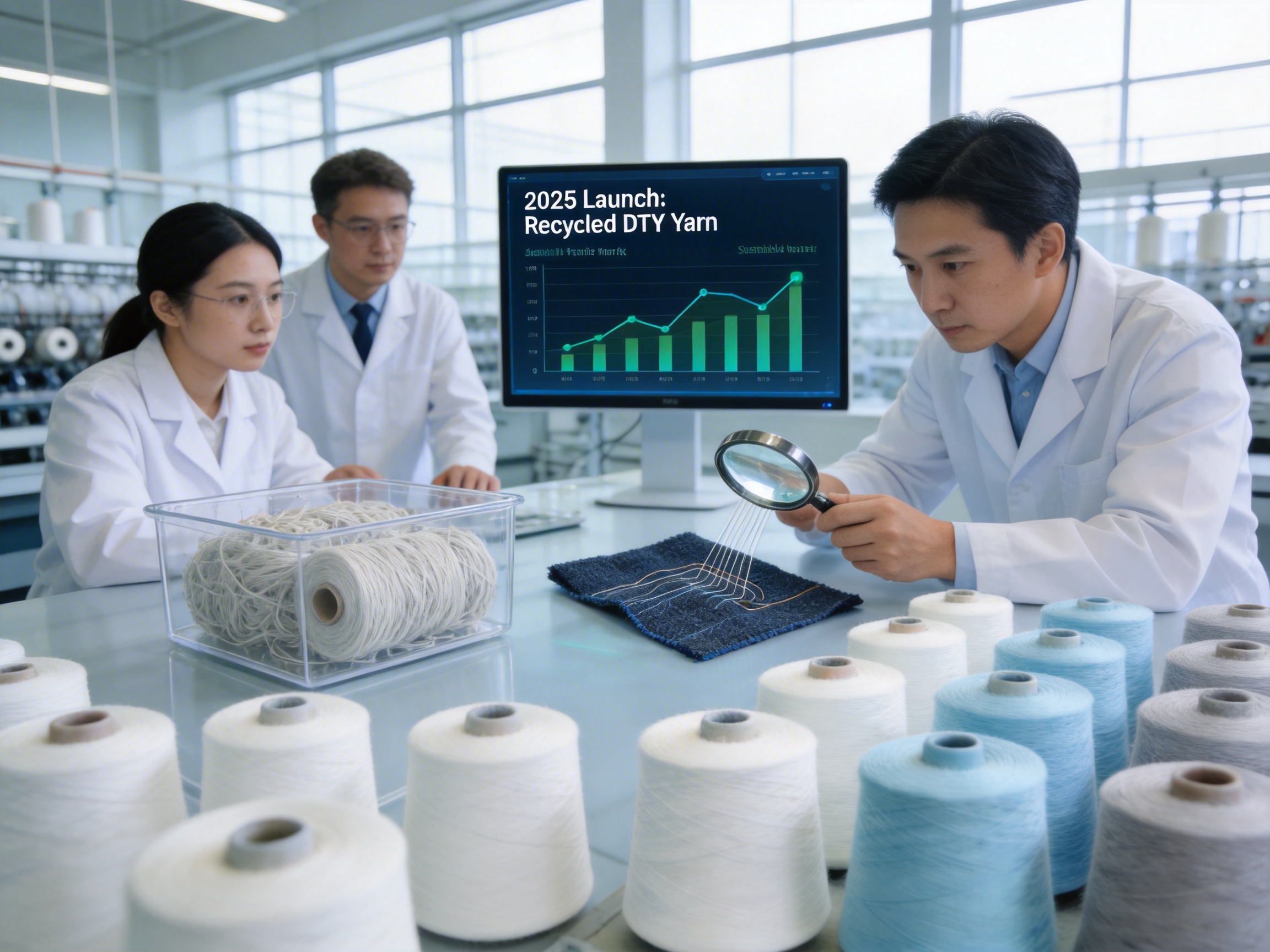
- Recycled DTY Yarn: R&D is focused on developing DTY yarn made from recycled polyester bottles. This reduces plastic waste and meets the growing demand for sustainable materials.
- Functional Additives: Adding UV inhibitors, water-resistant coatings, and moisture-wicking agents to blended fabrics to meet the needs of activewear and outdoor apparel brands.
- Smart Textiles: Exploring conductive yarns for wearable technology (like fitness trackers integrated into clothing) and temperature-regulating fabrics for extreme climates.
These innovations are already in the prototype stage, with plans to launch recycled DTY yarn by 2025. The company’s integrated manufacturing model allows it to scale these innovations quickly, ensuring it remains a leader in textile innovation.
Conclusion
The textile solutions explored in this article—from slight intermingled DTY yarn to Cotton NR Roman Fabric—represent the cutting edge of modern textile innovation. Their unique advantages over competitors, combined with manufacturing excellence, make them ideal for a wide range of applications. Whether for apparel, home textiles, or industrial use, these products deliver on comfort, durability, and sustainability.
As the textile industry continues to evolve, the company’s commitment to R&D, eco-friendly processes, and client-centric solutions positions it as a trusted partner for brands and consumers worldwide. By merging traditional craftsmanship with advanced technology, it is shaping the future of textiles—one high-quality product at a time.
References
1. American Association of Textile Chemists and Colorists (AATCC). (2023). Test Method 61: Colorfastness to Laundering: Accelerated. Research Triangle Park, NC: AATCC Press.
2. OEKO-TEX International. (2023). OEKO-TEX Standard 100: Requirements for Textile Products. Zurich, Switzerland: OEKO-TEX Association.
3. Textile Institute. (2022). Global Textile Market Trends Report: Focus on Functional and Sustainable Fabrics. Manchester, UK: Textile Institute Press.
4. International Yarn and Fabric Association (IYFA). (2023). Yarn Quality Standards for Knitted Fabrics. Brussels, Belgium: IYFA Publications.
5. United Nations Environment Programme (UNEP). (2022). Sustainable Textiles: A Global Perspective. Nairobi, Kenya: UNEP.