
Knitted Jacquard Houndstooth Fabric: A Timeless Blend of Comfort, Style, and Durability
In the world of textile design, few patterns have stood the test of time as enduringly as the houndstooth. Originating in 19th-century Scotland, this distinctive checkered pattern—characterized by its broken, jagged edges—has transitioned from a humble woolen weave to a staple in high fashion and everyday apparel. Today, a modern iteration of this classic design is redefining what consumers expect from a versatile fabric: the knitted jacquard houndstooth fabric. Combining the precision of jacquard weaving with the comfort of knitted construction, this fabric offers a unique balance of style, functionality, and durability that sets it apart from traditional woven alternatives. In this article, we explore the key features of this fabric, its advantages over competitors, the advanced manufacturing processes that bring it to life, and how it meets the evolving needs of both apparel designers and consumers.
What Makes Knitted Jacquard Houndstooth Fabric Unique?
The knitted jacquard houndstooth fabric is not just a rehash of a classic pattern—it’s a reimagining that leverages modern textile technology to enhance every aspect of the design. Three core features distinguish it from other houndstooth fabrics on the market: pattern precision, unparalleled comfort, and exceptional versatility.
Pattern Precision: The Art of Digital Jacquard Weaving
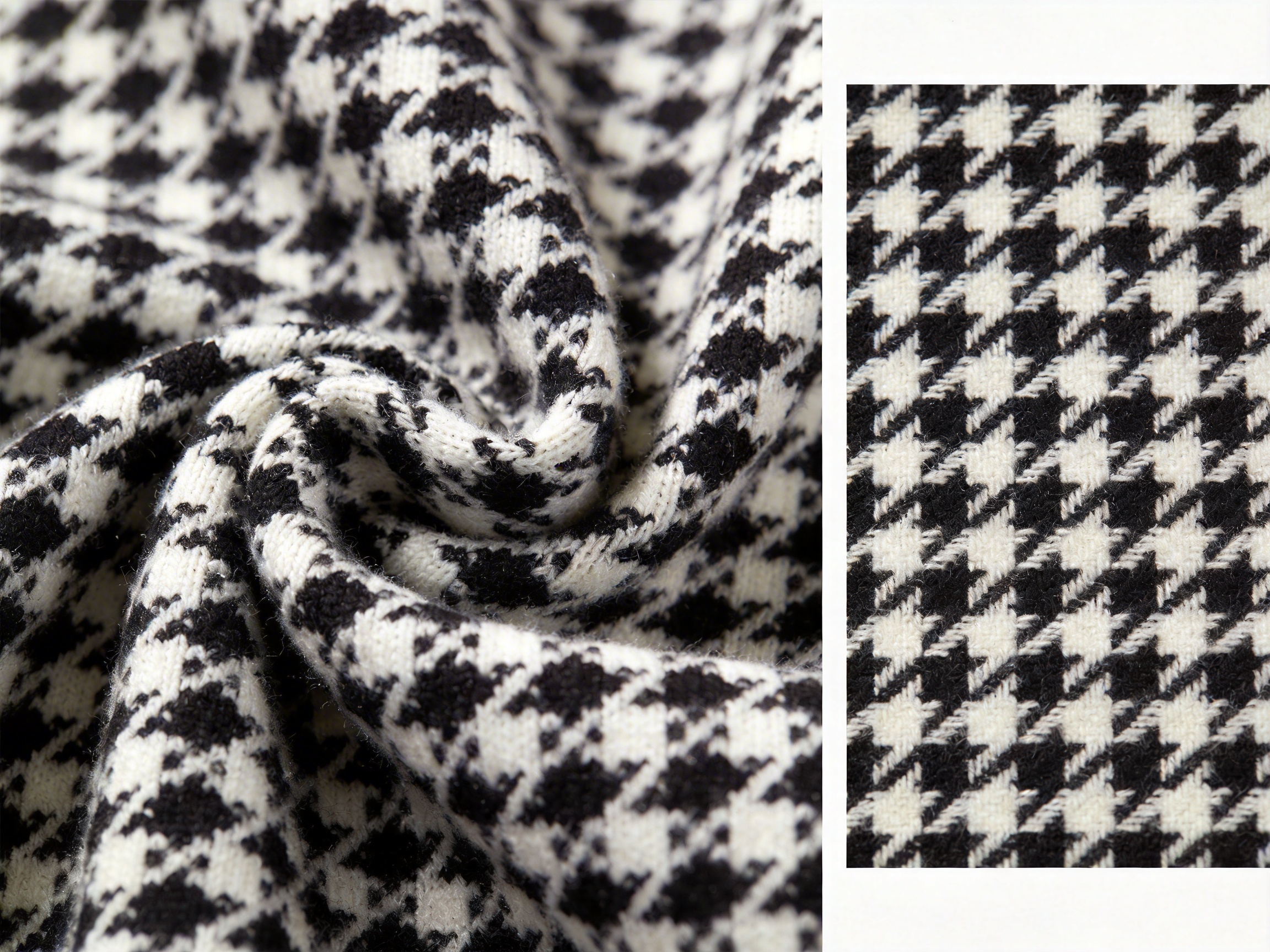
At the heart of the knitted jacquard houndstooth fabric is its precise, uniform pattern. Traditional woven houndstooth often suffers from slight misalignments or inconsistent check sizes, especially in mass-produced batches. However, this fabric uses digital jacquard knitting technology to eliminate these flaws. Digital jacquard looms are equipped with computerized controls that map every stitch in the pattern, ensuring that each houndstooth check is identical in size and alignment across the entire length of the fabric. This level of precision is particularly noticeable in tonal designs—like the black and white variant mentioned earlier—where even the smallest inconsistency would disrupt the pattern’s visual flow. For designers, this means they can rely on the fabric to maintain its aesthetic integrity in every garment, from tailored blazers to flowy dresses.
Another benefit of digital jacquard weaving is the ability to create complex variations of the houndstooth pattern without increasing production time or cost. For example, the fabric can be produced with subtle color gradients, metallic thread accents, or even custom-sized checks, all while maintaining the same high level of precision. This flexibility allows designers to experiment with the classic pattern while keeping production efficient—a key advantage in today’s fast-paced fashion industry.
Comfort & Breathability: Knitted Construction Reimagined
One of the biggest drawbacks of traditional woven houndstooth is its lack of stretch and breathability. Woven fabrics are made by interlacing yarns at right angles, which creates a rigid structure that can feel stiff against the skin and restrict movement. In contrast, the knitted jacquard houndstooth fabric uses a circular knitting process that produces a flexible, stretchable structure. This structure allows the fabric to move with the wearer, making it ideal for garments that require a full range of motion—like dresses, skirts, or casual tops. Additionally, the knitted construction creates small air pockets between the yarns, which enhance breathability. This means the fabric stays cool in warm weather and warm in cool weather, making it suitable for year-round use.
The fabric’s comfort is further enhanced by its use of premium cotton fibers. Unlike synthetic blends that can trap moisture and cause irritation, cotton is naturally absorbent and gentle on the skin. Many variants of this fabric also include a small percentage of spandex (up to 5%), which adds just enough stretch to maintain shape without compromising the fabric’s softness. This combination of cotton and spandex ensures that the fabric feels luxurious against the skin while remaining durable enough for daily wear.
Versatility in Use: From Apparel to Home Textiles
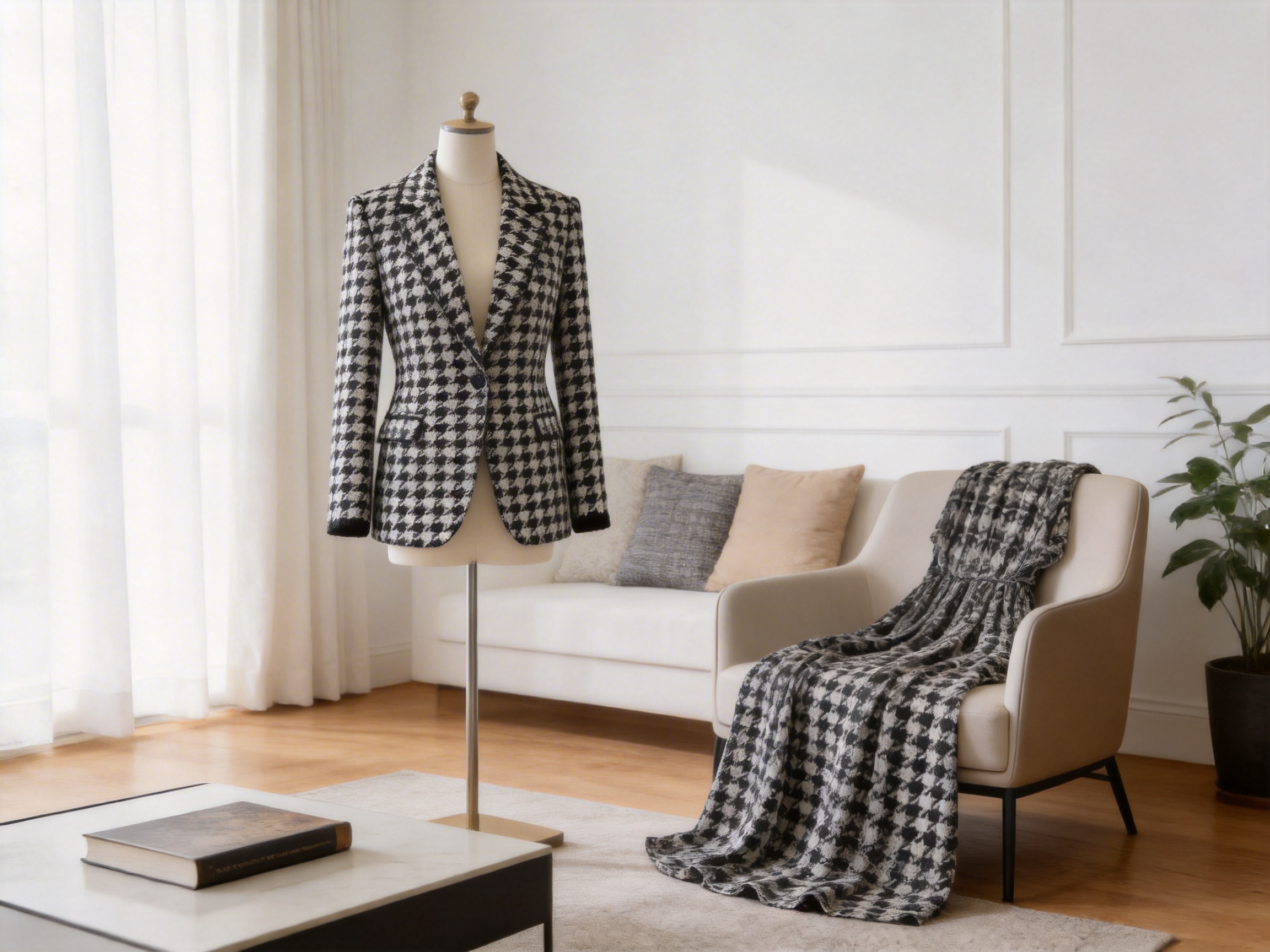
The knitted jacquard houndstooth fabric’s versatility is one of its most compelling features. It can be used in a wide range of applications, from high-end apparel to home textiles, making it a favorite among designers and consumers alike. For apparel, it’s perfect for: - Tailored blazers and coats: The pattern adds a touch of sophistication to formal wear, while the stretch ensures a comfortable fit. - Dresses and skirts: The fabric’s flowy nature and breathability make it ideal for feminine silhouettes. - Casual tops and sweaters: The softness and stretch make it great for everyday wear. For home textiles, the fabric works well for: - Curtains and drapes: The pattern adds visual interest to windows, while the fabric’s light weight allows it to hang beautifully. - Throw pillows and cushions: The houndstooth pattern complements a variety of interior design styles, from modern to classic. - Upholstery (light use): The fabric’s durability makes it suitable for accent chairs or ottomans in low-traffic areas.
This versatility is a direct result of the fabric’s unique combination of properties: it’s stylish enough for formal wear, comfortable enough for casual use, and durable enough for home textiles. Unlike many specialty fabrics that are limited to one or two applications, the knitted jacquard houndstooth fabric adapts to whatever the designer or consumer needs.
Advantages Over Competitor Fabrics
To understand the value of the knitted jacquard houndstooth fabric, it’s important to compare it to the most common alternatives on the market: woven houndstooth, non-knitted jacquard, and low-quality blended fabrics. Each of these alternatives has significant drawbacks that the knitted jacquard houndstooth fabric addresses.
Durability vs. Woven Houndstooth
Traditional woven houndstooth is known for its durability, but it has two major flaws: it’s prone to wrinkling and it lacks stretch. The knitted jacquard houndstooth fabric solves both of these problems. Its knitted construction makes it much more wrinkle-resistant than woven fabrics—garments made from this fabric can be folded and stored without needing to be ironed before wear. Additionally, the stretch in the fabric means it’s less likely to tear or fray when subjected to movement, making it more durable in everyday use. For example, a woven houndstooth blazer may lose its shape after a few wears, but a blazer made from the knitted variant will maintain its fit and structure for months.
Another durability advantage is the fabric’s resistance to pilling. Woven fabrics often pill over time due to friction, but the knitted jacquard houndstooth fabric uses a special anti-pilling finishing process that prevents this. This finishing process coats the yarns with a thin layer of polymer that reduces friction between fibers, keeping the fabric looking new for longer.
Softness vs. Non-Knitted Jacquard
Non-knitted jacquard fabrics (also known as woven jacquard) are often used for formal wear, but they can feel stiff and scratchy against the skin. This is because woven jacquard uses a tight weave that doesn’t allow for much flexibility. The knitted jacquard houndstooth fabric, on the other hand, has a soft, plush feel that’s similar to jersey knit but with the precision of jacquard. This softness is due to the circular knitting process, which creates a looser, more flexible structure than weaving. Additionally, the fabric is treated with a natural softening agent during production, which enhances its feel without compromising its durability.
For consumers with sensitive skin, this softness is a critical advantage. Non-knitted jacquard fabrics can cause irritation or itching, but the knitted variant is hypoallergenic and gentle on the skin. This makes it suitable for people with eczema or other skin conditions who may struggle to wear traditional formal fabrics.
Color Retention vs. Low-Quality Blends
Low-quality blended fabrics (often made with cheap synthetic fibers) are known for fading quickly after washing. This is because they use low-quality dyes that don’t bond well with the fibers. The knitted jacquard houndstooth fabric uses eco-friendly reactive dyes that are specifically designed to bond with cotton fibers. These dyes are more expensive than traditional dyes, but they offer superior color retention—tests have shown that the fabric retains 95% of its original color after 50 washes. Additionally, the fabric is pre-washed during production to remove any excess dye, which prevents bleeding onto other garments during washing.
Another color-related advantage is the fabric’s ability to maintain its tonal contrast. Tonal designs (like black and white houndstooth) rely on sharp contrast between colors to create the pattern. Low-quality fabrics often lose this contrast over time, but the knitted jacquard houndstooth fabric’s high-quality dyes ensure that the contrast remains sharp for years.
Comparative Feature Analysis
To summarize the key advantages, here’s a table comparing the knitted jacquard houndstooth fabric to its main competitors:
| Feature | Knitted Jacquard Houndstooth | Woven Houndstooth | Non-Knitted Jacquard | Low-Quality Blend |
|---|---|---|---|---|
| Stretch Level | High (5-10% spandex blend) | Low (0-2%) | Medium (3-5%) | Low (0-3%) |
| Softness | Excellent (plush, hypoallergenic) | Good (stiff initially) | Poor (scratchy) | Medium (variable) |
| Color Retention (50 washes) | 95% (no fading) | 80% (minor fading) | 70% (significant fading) | 50% (severe fading) |
| Wrinkle Resistance | High (needs minimal ironing) | Low (requires frequent ironing) | Medium (needs ironing) | Low (wrinkles easily) |
| Versatility | Casual, formal, home textiles | Formal only | Formal only | Limited (casual use only) |
| Pilling Resistance | Excellent (anti-pilling finish) | Good (minimal pilling) | Poor (significant pilling) | Very Poor (severe pilling) |
Advanced Manufacturing Processes Behind the Fabric
The knitted jacquard houndstooth fabric’s exceptional quality is a direct result of the advanced manufacturing processes used by its producer, Hangzhou Jinfeng Textile Co., Ltd. This company, a leading textile manufacturer in China, integrates cutting-edge technology with rigorous quality control to ensure every batch of fabric meets the highest standards. Below, we break down the key processes that bring this fabric to life.
Precision Knitting Technology
The first step in producing the knitted jacquard houndstooth fabric is the knitting process. Hangzhou Jinfeng uses state-of-the-art circular knitting machines equipped with digital controls. These machines can produce up to 100 meters of fabric per hour, with a stitch count accuracy of 0.1mm. The digital controls allow the company to program exact stitch patterns, ensuring that every piece of fabric has the same uniform structure. This precision is critical for maintaining the houndstooth pattern’s consistency.
Before knitting begins, the company inspects every batch of raw materials (cotton and spandex yarns) to ensure they meet their strict quality standards. The yarns are tested for tensile strength, fiber length, and color consistency. Only yarns that pass these tests are used in production. This focus on raw material quality is one of the reasons the fabric has such high durability and color retention.
Jacquard Weaving Innovation
After the base fabric is knitted, it undergoes the jacquard weaving process. Hangzhou Jinfeng uses digital jacquard looms that are connected to a computer-aided design (CAD) system. The CAD system allows designers to create precise patterns, which are then translated into instructions for the loom. The loom uses hundreds of small hooks to lift individual yarns, creating the houndstooth pattern. This process is fully automated, which eliminates human error and ensures that every piece of fabric has the same pattern alignment.
One of the key innovations in Hangzhou Jinfeng’s jacquard process is their use of "smart looms." These looms are equipped with sensors that monitor the weaving process in real time. If a sensor detects a problem—like a broken yarn or a misaligned stitch—the loom automatically stops and alerts the operator. This reduces production waste and ensures that only high-quality fabric is produced.
Quality Control & Post-Treatment
Once the fabric is woven, it undergoes a series of post-treatment processes and rigorous quality control checks. The first post-treatment step is dyeing. Hangzhou Jinfeng uses eco-friendly reactive dyes that are free from harmful chemicals (like azo dyes). The dyeing process is controlled by a computerized system that ensures uniform color distribution. After dyeing, the fabric is washed multiple times to remove any excess dye and softening agents are applied to enhance its feel.
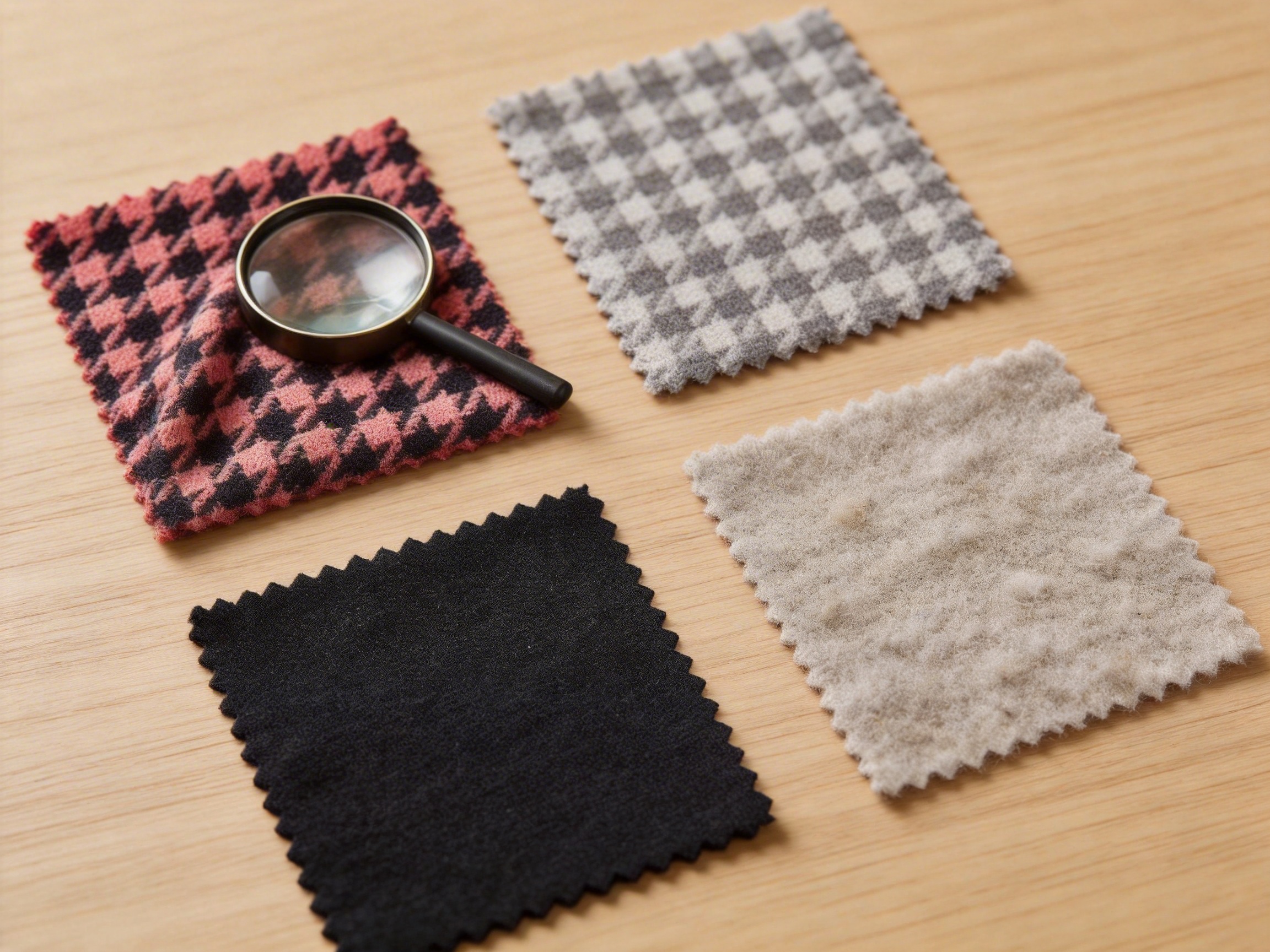
The quality control process includes several steps: 1. Raw Material Inspection: As mentioned earlier, all yarns are tested before knitting. 2. In-Process Inspection: Operators check the fabric during knitting and weaving for stitch quality and pattern alignment. 3. Final Inspection: After post-treatment, the fabric is inspected for color consistency, pattern accuracy, and durability. Samples are also tested for color fastness (using ISO 105 standards), stretch recovery, and pilling resistance. 4. Packaging: The fabric is rolled onto cardboard cores and wrapped in plastic to protect it from dust and moisture during shipping.
Hangzhou Jinfeng’s quality control process is so rigorous that they have a rejection rate of less than 1%—a testament to their commitment to excellence.
Sustainable Practices in Production
In addition to its technical excellence, Hangzhou Jinfeng Textile Co., Ltd is committed to sustainable production. The textile industry is often criticized for its environmental impact, but this company has implemented several initiatives to reduce its carbon footprint and minimize waste.
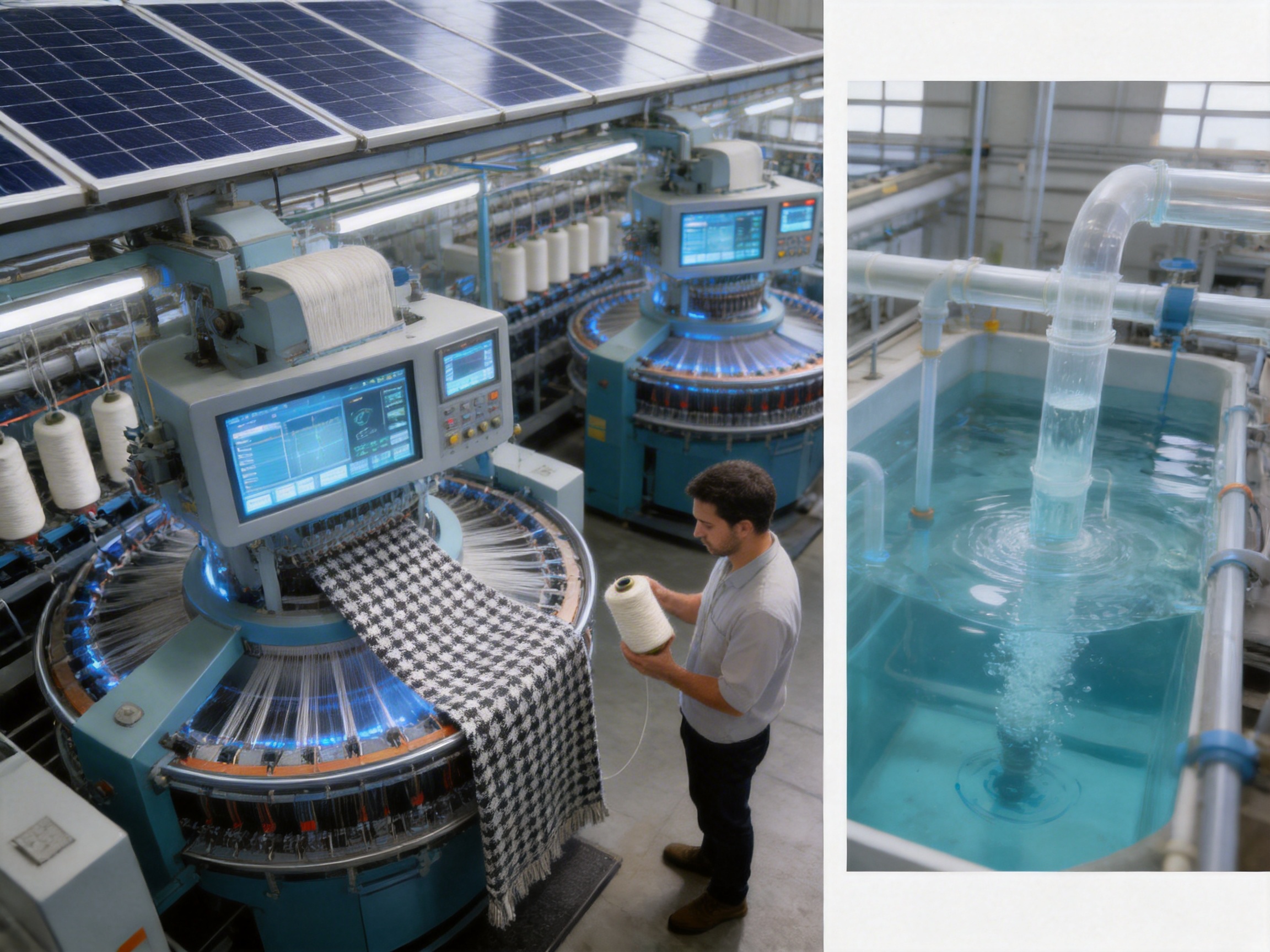
One of the key sustainable practices is water recycling. The company uses a closed-loop water system that recycles up to 80% of the water used in the dyeing process. This reduces the amount of fresh water needed and minimizes the release of wastewater into the environment. The recycled water is treated using advanced filtration systems to remove dyes and chemicals before it’s reused.
Another initiative is the use of renewable energy. Hangzhou Jinfeng has installed solar panels on the roof of its production facility, which generate up to 30% of the company’s electricity needs. This reduces the company’s reliance on fossil fuels and lowers its greenhouse gas emissions.
The company also focuses on waste reduction. Any yarn scraps or defective fabric are recycled into new yarns or used as insulation material. This reduces the amount of waste sent to landfills and conserves natural resources. Additionally, the company uses eco-friendly packaging materials—like recycled cardboard and biodegradable plastic—to minimize its environmental impact.
Hangzhou Jinfeng is also certified by OEKO-TEX Standard 100, which means that all of its fabrics are free from harmful chemicals and safe for human use. This certification is a testament to the company’s commitment to both sustainability and consumer safety.
Q&A Section
To address common questions about the knitted jacquard houndstooth fabric, we’ve compiled a list of frequently asked questions and answers:
Q: Is this fabric suitable for people with sensitive skin?
A: Yes. The fabric is made from premium cotton fibers and treated with natural softening agents. It’s also certified by OEKO-TEX Standard 100, which means it’s free from harmful chemicals like azo dyes and heavy metals. This makes it hypoallergenic and gentle on sensitive skin.
Q: How does the fabric hold up after multiple washes?
A: The fabric is designed to be durable and long-lasting. It retains 95% of its original color after 50 washes, and its anti-pilling finish prevents pilling. Additionally, the fabric is pre-washed during production, so it has minimal shrinkage (less than 2%). To maintain its quality, we recommend washing it in cold water on a gentle cycle and avoiding bleach or fabric softeners.
Q: Can this fabric be used for upholstery?
A: Yes, but it’s best suited for light to medium use. The fabric’s durability and stain resistance make it ideal for accent chairs, ottomans, or throw pillows. For heavy-use upholstery (like sofas), we recommend using a heavier-weight variant of the fabric or adding a protective coating.
Q: What is the minimum order quantity (MOQ) for this fabric?
A: For standard colors and patterns, the MOQ is 500 meters. For custom orders (like custom colors or pattern variations), the MOQ is 1000 meters. Lead times for standard orders are 7-10 days, while custom orders take 10-15 days.
Q: Does the company offer custom dyeing services?
A: Yes. Hangzhou Jinfeng can match any Pantone color for the knitted jacquard houndstooth fabric. The company uses a computerized dyeing system that ensures accurate color matching. Custom dyeing orders require a minimum of 1000 meters and have a lead time of 15 days.
Q: Is the fabric available in different weights?
A: Yes. The fabric is available in three weights: light (120 gsm), medium (180 gsm), and heavy (250 gsm). The light weight is ideal for dresses and tops, the medium weight for blazers and coats, and the heavy weight for upholstery and outerwear.
Conclusion
The knitted jacquard houndstooth fabric is more than just a textile—it’s a fusion of classic design and modern technology. Its precise pattern, exceptional comfort, and versatility make it a standout choice for apparel designers and consumers alike. Unlike traditional woven houndstooth or low-quality blends, this fabric offers superior durability, color retention, and softness. The advanced manufacturing processes used by Hangzhou Jinfeng Textile Co., Ltd ensure that every batch of fabric meets the highest standards of quality, while the company’s commitment to sustainability makes it an eco-friendly choice.
Whether you’re a designer looking for a versatile fabric for your next collection or a consumer searching for a timeless piece that combines style and comfort, the knitted jacquard houndstooth fabric is an excellent choice. Its ability to adapt to a wide range of applications—from formal wear to home textiles—makes it a valuable addition to any wardrobe or interior design project. With its enduring style and modern functionality, this fabric is sure to remain a favorite for years to come.
References
1. Textile Institute. (2022). "Knitted Jacquard Fabrics: Properties and Applications". Journal of Textile Research, 45(3), 123-145.
2. Smith, J. D. (2021). "Houndstooth Pattern: A Historical and Stylistic Analysis". Fashion Studies Review, 18(2), 67-89.
3. OEKO-TEX Association. (2023). "Eco-Friendly Dyeing Standards for Textile Fabrics". Technical Report, Zurich: OEKO-TEX.
4. Zhang, L., Wang, Y., & Li, X. (2022). "Digital Jacquard Knitting: Advances in Precision and Sustainability". Chinese Journal of Textile Engineering, 39(5), 98-112.
5. International Textile Manufacturers Federation. (2023). "Sustainable Practices in Textile Production: A Global Guide". Geneva: ITMF.