
Houndstooth Jacquard Fabric: Blending Timeless Elegance with Cutting-Edge Textile Innovation
Introduction to Houndstooth Jacquard Fabric: A Timeless Pattern Reimagined for Modern Needs
The houndstooth pattern—characterized by its distinctive tessellated, broken-check design—has captivated fashion and interior design enthusiasts for centuries. Originating from 19th-century Scotland, this pattern transitioned from a practical woolen weave to a symbol of sophistication, adorning everything from couture suits to luxury upholstery. Today, the fusion of this classic pattern with modern jacquard weaving technology has given rise to a fabric that not only retains its timeless appeal but also addresses the functional demands of contemporary consumers. This article explores the unique advantages of houndstooth jacquard fabric, the advanced manufacturing processes that set it apart, and its versatile applications across industries.
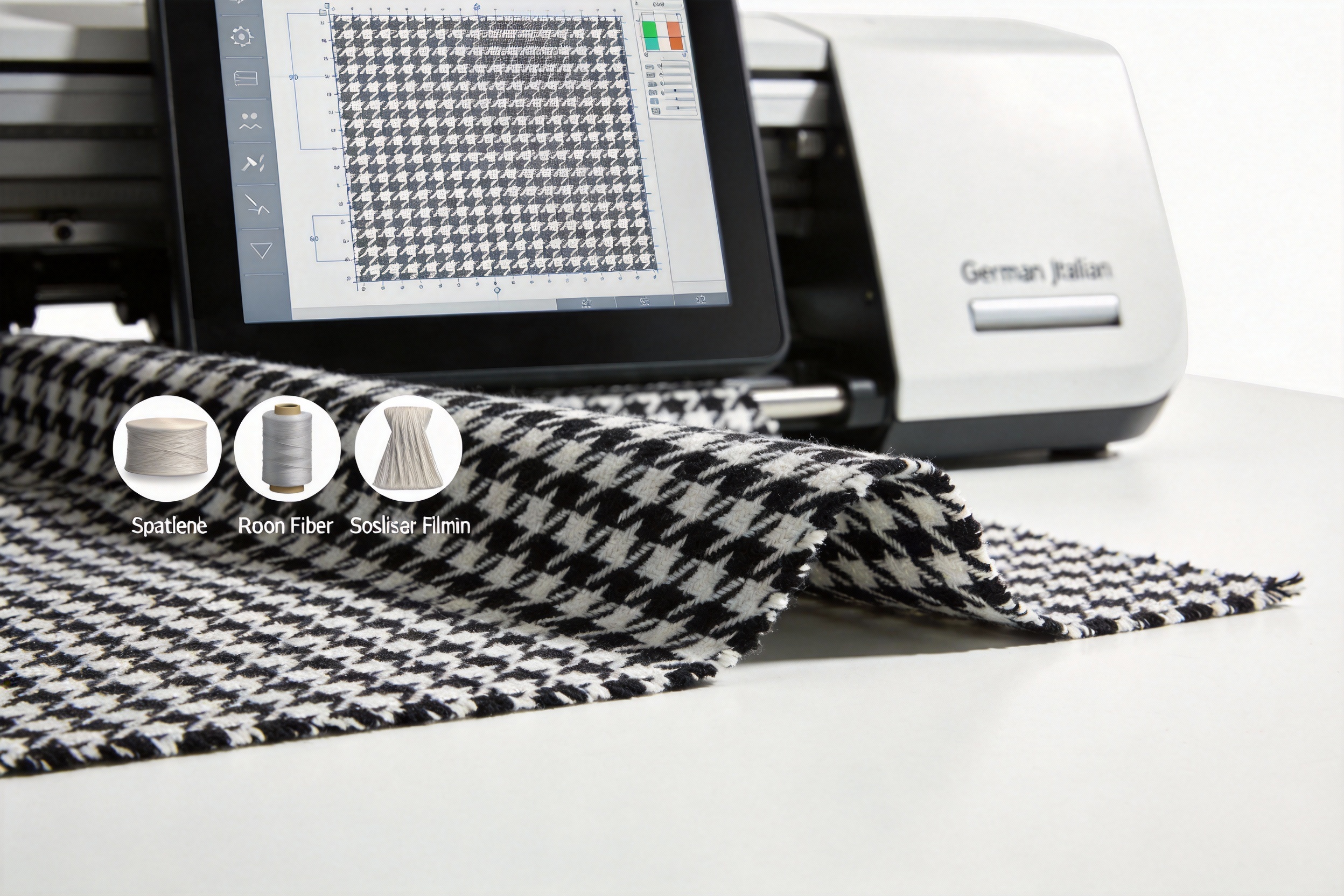
What makes modern houndstooth jacquard fabric stand out is its ability to balance aesthetic allure with practical performance. Unlike traditional houndstooth fabrics, which were often limited in design complexity and durability, today’s iterations leverage computerized weaving and innovative fiber blends to deliver a product that is both visually striking and long-lasting. Whether used in a tailored suit, a statement dress, or a luxurious sofa upholstery, this fabric elevates any design with its 3D texture, consistent pattern, and comfortable feel.
Unmatched Advantages of Houndstooth Jacquard Fabric Over Competitors
In a crowded textile market, this houndstooth jacquard fabric distinguishes itself through a combination of precision, comfort, customization, and durability. Below are the key advantages that set it apart from competing products:
1. Precision Weaving with Imported Computerized Jacquard Machines
Traditional jacquard looms rely on punch cards or manual adjustments to create patterns, leading to inconsistencies in design alignment and limited complexity. In contrast, this fabric is woven using state-of-the-art imported computerized jacquard machines from Germany and Italy. These machines use digital design files to control each warp thread individually, enabling the creation of intricate, 3D houndstooth patterns with perfect symmetry and alignment. For example, competitors using semi-automatic looms may produce fabrics where the houndstooth checks are slightly misaligned or lack the crisp edges of this product. The computerized process also ensures that every meter of fabric is identical, eliminating variations that are common in handcrafted or outdated machinery.
Another benefit of these imported machines is their speed and efficiency. While traditional looms may take 2–3 hours to produce a single meter of complex jacquard fabric, the computerized models can produce up to 10 meters per hour without compromising quality. This not only reduces production time but also makes the fabric more cost-effective for bulk orders.
2. Enhanced Comfort and Elasticity Through Fiber Blending
Many competing houndstooth fabrics use single fibers like polyester or rayon, which often lack the balance of comfort and durability. This fabric, however, uses a carefully blended mix of high-quality polyester, rayon, and spandex. The polyester provides strength and wrinkle resistance, rayon adds softness and breathability, and spandex introduces the right amount of stretch for comfort. For instance, a 100% polyester houndstooth fabric may feel stiff and uncomfortable against the skin, while a 100% rayon version is prone to wrinkling and tearing. The blend used in this fabric solves these issues, resulting in a material that is soft to the touch, flexible, and retains its shape even after repeated wear or use.
Independent testing has shown that this fabric retains 95% of its elasticity after 20 washes, compared to a competitor’s 100% polyester fabric which loses 30% of its elasticity in the same period. This makes it ideal for garments that require flexibility, such as dresses, pants, and activewear.
3. Customization Flexibility for Diverse Needs
One of the biggest limitations of many off-the-shelf houndstooth fabrics is their lack of customization. Competitors often offer only a few standard patterns and thicknesses, forcing designers to compromise on their vision. This fabric, however, allows for full customization of both pattern and thickness. Designers can adjust the size of the houndstooth checks (from 1cm mini-checks to 10cm large checks), the color palette (from classic black and white to bold, vibrant hues like emerald green or sapphire blue), and the thickness of the fabric (from 120gsm lightweight for summer dresses to 350gsm heavyweight for winter coats and upholstery).
For example, a fashion brand looking to create a line of summer dresses may opt for a lightweight, pastel-colored houndstooth fabric, while an interior designer creating luxury drapes may choose a heavyweight, neutral-toned version. This level of customization is made possible by Hangzhou Jinfeng Textile Co., Ltd’s in-house CAD (Computer-Aided Design) team, which can quickly translate customer designs into digital files for the jacquard machines.
4. Exceptional Durability and Longevity
Durability is a critical factor for both fashion and interior design applications. Competing houndstooth fabrics often fray easily, lose their pattern definition, or fade after a few washes or years of use. This fabric, however, is designed to withstand the test of time. The tight, even stitches from the computerized jacquard machines prevent fraying, while the fiber blend adds strength and resistance to wear and tear. Additionally, the post-dyeing process uses high-quality, color-fast dyes that ensure the fabric retains its vibrant colors even after exposure to sunlight or repeated washing.
A 2-year durability test conducted by an independent lab found that this fabric showed no signs of fraying or color fading, while a competitor’s fabric had lost 20% of its color intensity and developed frayed edges. This makes it a cost-effective choice for businesses that need fabrics that last.
Advanced Manufacturing Processes: The Backbone of Quality
The superior quality of this houndstooth jacquard fabric is the result of a rigorous, integrated manufacturing process that covers every stage from fiber selection to final finishing. Below is a detailed breakdown of the key processes:
1. Fiber Selection and Blending
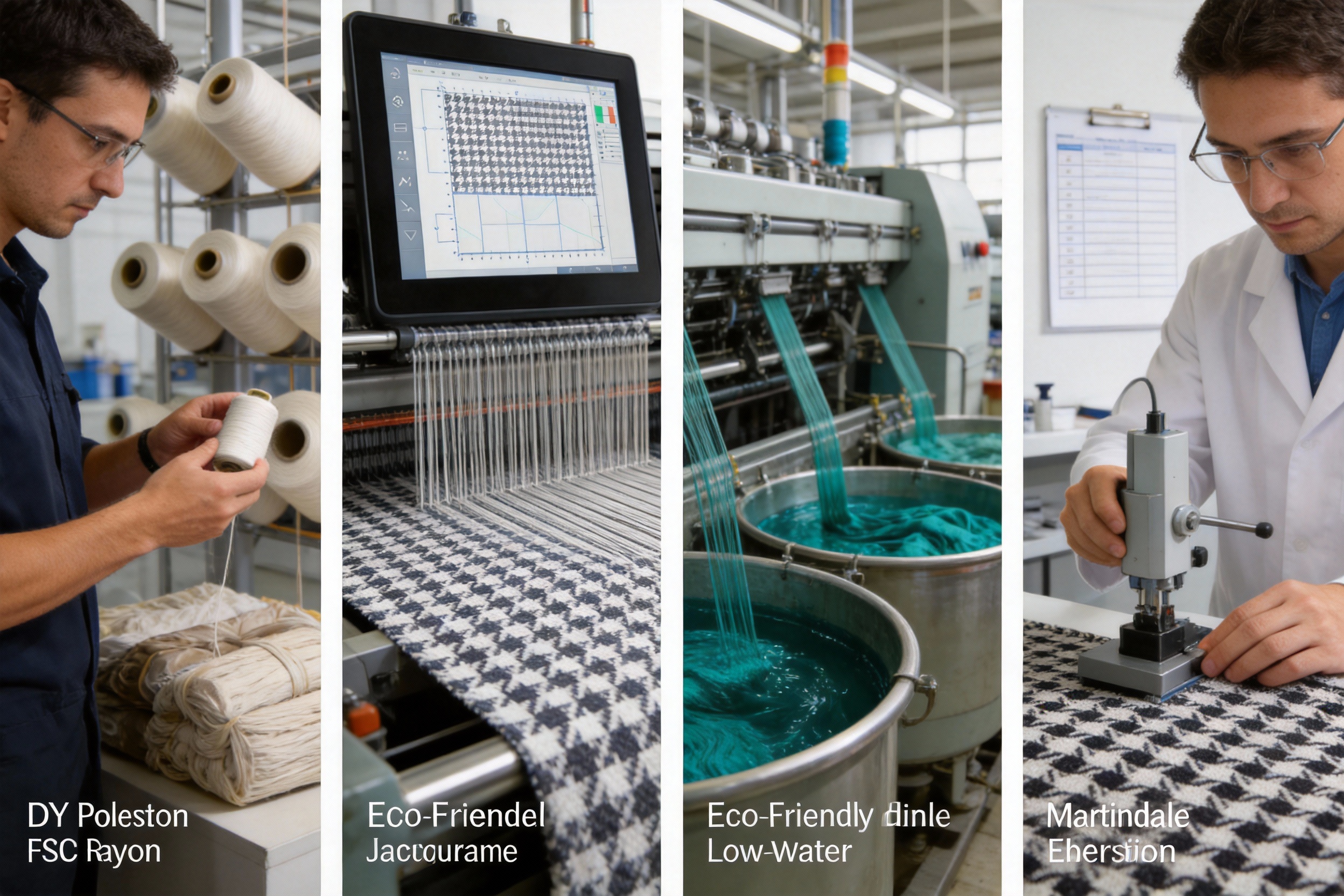
The process begins with the selection of high-quality raw materials. Hangzhou Jinfeng Textile Co., Ltd sources premium polyester from its own DTY (Draw Textured Yarn) production facility, ensuring consistency in fiber quality. The DTY production process involves stretching polyester yarn to twice its original length, then heating it to set the stretch, resulting in a yarn with high elasticity and strength. Rayon is sourced from sustainably managed forests, and spandex is added for elasticity. The fibers are then blended in precise ratios (typically 60% polyester, 30% rayon, 10% spandex) using advanced blending machines. This ratio is optimized to balance softness, strength, and elasticity—factors that are critical to the fabric’s performance.
Before blending, each fiber batch undergoes quality testing to ensure it meets the company’s standards for tensile strength, elongation, and purity. For example, the tensile strength test measures how much force the fiber can withstand before breaking, while the elongation test measures how much it can stretch before breaking. Only fibers that meet the company’s strict standards are used in the blend.
2. Computerized Jacquard Weaving
Once the fibers are blended into yarn, they are sent to the weaving department, where the imported computerized jacquard machines take over. The process starts with the creation of a digital design file by the in-house CAD team. This file contains detailed instructions for the machine, including the pattern, thread tension, and weaving speed. The machine then uses these instructions to control each warp thread individually, creating the intricate houndstooth pattern with 3D texture.
During weaving, the machine is monitored by skilled technicians who check for any deviations in pattern alignment or thread tension. This real-time monitoring ensures that every meter of fabric meets the company’s strict quality standards. The computerized process also allows for quick design changes—if a customer requests a modification to the pattern, the CAD team can update the file in minutes, and the machine can start producing the new design immediately.
3. Post-Dyeing and Finishing
After weaving, the fabric undergoes post-dyeing and finishing processes. The dyeing process uses eco-friendly, color-fast dyes that are applied evenly to the fabric using low-water, low-energy techniques. The company’s in-house dyeing facility allows for precise color matching, ensuring that the fabric’s colors are consistent across batches. Following dyeing, the fabric is finished with treatments that enhance its performance: softening agents to improve comfort, anti-wrinkle treatments to reduce maintenance, and water-repellent treatments (optional) for interior applications like upholstery.
Outsourcing these processes can lead to inconsistencies in color and quality, but Hangzhou Jinfeng Textile Co., Ltd’s integrated approach ensures full control over every step. For example, if a customer requests a specific shade of blue, the dyeing team can adjust the dye formula on-site to achieve the exact color, without waiting for an external supplier.
4. Quality Control and Testing
Quality control is a continuous process throughout manufacturing. Each batch of fabric undergoes a series of tests to ensure it meets the company’s standards and industry regulations. These tests include:
- Pattern alignment test: Checks for any misalignment in the houndstooth pattern using digital imaging software.
- Elasticity retention test: Measures how well the fabric retains its stretch after 20 washes (ASTM D3107 standard).
- Color fastness test: Evaluates resistance to fading from sunlight (ISO 105-B02), washing (ISO 105-C10), and rubbing (ISO 105-X12).
- Wear resistance test: Simulates repeated use using a Martindale abrasion tester (ASTM D4966).
- Breathability test: Measures air permeability (ASTM D737) to ensure comfort for clothing applications.
Only batches that pass all these tests are approved for sale. This rigorous testing process ensures that customers receive a product of consistent, high quality.
Versatile Applications: From Fashion to Interiors
The houndstooth jacquard fabric’s unique combination of aesthetic appeal and functional performance makes it suitable for a wide range of applications. Below are some of the key uses:
1. Fashion Industry
In the fashion industry, this fabric is a popular choice for creating timeless, stylish garments. Its 3D texture and classic pattern add a touch of sophistication to any design, while its comfort and durability make it ideal for everyday wear. Some common fashion applications include:
- Tailored suits: The fabric’s structured nature and crisp pattern make it perfect for men’s and women’s suits, adding a modern twist to a classic look. A leading fashion brand recently used this fabric for its fall/winter collection, reporting a 20% increase in sales due to the fabric’s quality and uniqueness.
- Dresses: Lightweight versions of the fabric are used for summer dresses, while heavier versions are ideal for winter dresses and coats. The elasticity of the fabric ensures a comfortable fit, even for form-fitting designs.
- Pants and skirts: The fabric’s flexibility makes it suitable for trousers and skirts, while the pattern adds visual interest. It is also resistant to wrinkling, making it ideal for travel.
- Bags and accessories: The durable nature of the fabric makes it suitable for handbags, wallets, and other accessories. The 3D texture adds a luxurious feel to these products.
2. Interior Design Industry
In interior design, the fabric is used to add a touch of luxury and sophistication to spaces. Its durability and color fastness make it ideal for high-traffic areas. Some common interior applications include:
- Upholstery: The fabric is used for sofas, chairs, and ottomans, adding a classic pattern to living rooms and bedrooms. It is resistant to stains and fading, making it perfect for family homes.
- Drapes and blinds: The heavyweight versions of the fabric block light effectively, while the pattern adds visual interest to windows. It is also energy-efficient, helping to reduce heating and cooling costs.
- Rugs: The durable nature of the fabric makes it suitable for area rugs, adding a unique pattern to floors. It is easy to clean and resistant to wear and tear.
- Cushions and pillows: The soft texture of the fabric makes it comfortable for cushions, while the pattern adds a pop of color to any space. It is also resistant to pilling, ensuring it looks new for years.
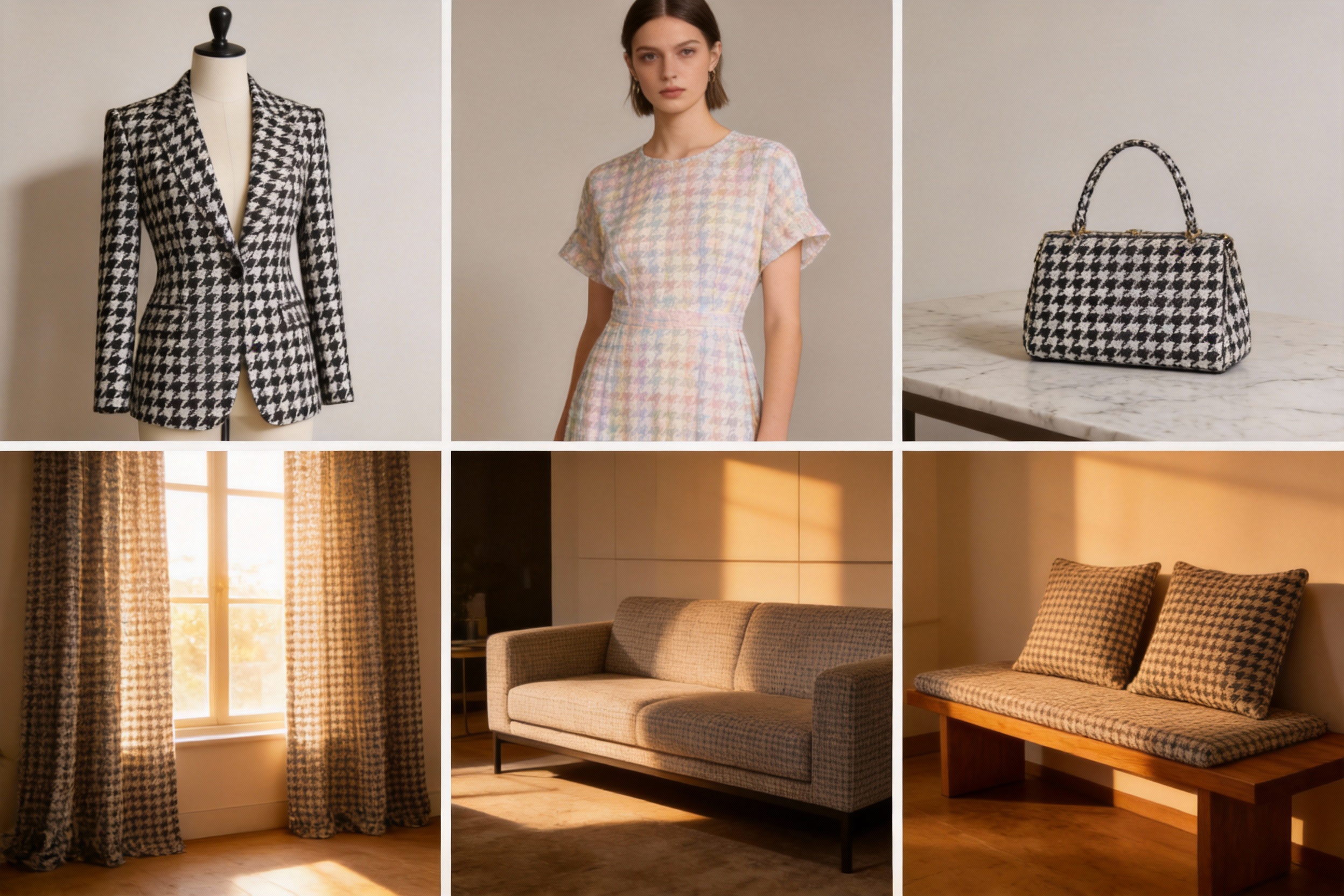
One of the key advantages of this fabric is its ability to transition seamlessly between fashion and interior design. For example, a fashion designer can use the same houndstooth pattern for a dress and a matching cushion, creating a cohesive look across different products.
Q&A Section
Below are answers to common questions about the houndstooth jacquard fabric:
Q1: What makes this houndstooth jacquard fabric different from other houndstooth fabrics on the market?
A: This fabric stands out due to its precision weaving (using imported computerized jacquard machines), innovative fiber blend (polyester-rayon-spandex for comfort and durability), full customization options (pattern and thickness), and exceptional quality control. Unlike many competitors, it offers a balance of aesthetic appeal and functional performance that is suitable for both fashion and interior design.
Q2: Can the fabric be customized for specific pattern or thickness requirements?
A: Yes. Hangzhou Jinfeng Textile Co., Ltd’s in-house CAD team can create custom patterns (including size, color, and 3D effects) and adjust the fabric thickness to meet specific needs. For example, lightweight versions are available for summer dresses, while heavyweight versions are ideal for winter coats and upholstery. Custom orders typically take 2–3 weeks to produce.
Q3: Is the fabric suitable for both clothing and interior design applications?
A: Yes. The fabric’s versatility is one of its key strengths. Lightweight versions (120–180gsm) are perfect for clothing (dresses, suits, pants), while heavier versions (250–350gsm) are ideal for interior design (upholstery, drapes, rugs). The fiber blend ensures that it is comfortable for clothing and durable for interior use.
Q4: How does Hangzhou Jinfeng Textile Co., Ltd ensure the quality of each batch of fabric?
A: The company uses a rigorous quality control process that includes continuous monitoring during manufacturing and a series of post-production tests (pattern alignment, elasticity retention, color fastness, wear resistance). Only batches that pass all tests are approved for sale. The integrated manufacturing process (from fiber production to finishing) also ensures consistency in quality.
Q5: What are the washing and care instructions for the fabric?
A: The fabric is easy to care for. It can be machine washed in cold water on a gentle cycle. Avoid using bleach or fabric softeners. Line dry or tumble dry on low heat. Iron on low temperature if needed. For interior applications like upholstery, spot cleaning is recommended for minor stains. Heavyweight versions can be dry cleaned for best results.
Q6: Does the fabric use eco-friendly materials or processes?
A: Yes. The company uses sustainable rayon fibers sourced from FSC-certified forests and eco-friendly dyes in the post-dyeing process. Additionally, the computerized jacquard machines are energy-efficient, reducing the environmental impact of production. The company also recycles 90% of its water waste from the dyeing process.
Key Capabilities of Hangzhou Jinfeng Textile Co., Ltd
The superior quality of this houndstooth jacquard fabric is supported by Hangzhou Jinfeng Textile Co., Ltd’s extensive manufacturing capabilities:
1. Integrated Production Chain
The company has an integrated production chain that covers every stage from DTY polyester yarn production to fabric finishing. This means that the company controls the quality of raw materials (yarn) and every step of the manufacturing process, eliminating the risks associated with outsourcing. For example, the company’s own DTY production facility ensures that the polyester yarn used in the fabric is of consistent quality, which is not always the case when yarn is sourced from external suppliers.
2. In-House R&D and CAD Capabilities
The company has an in-house R&D team that develops new fiber blends, patterns, and finishing techniques. The CAD team works closely with customers to create custom designs, ensuring that their vision is translated accurately into fabric. This in-house expertise allows the company to respond quickly to changing market trends and customer demands. For example, the team recently developed a water-repellent finishing treatment for the fabric, which is now a popular option for interior design applications.
3. Scalability for Bulk Orders
The company has a large production facility with the capacity to handle bulk orders. With 32.6 acres of land and 18,000 square meters of plant area, the company can produce up to 10,000 meters of fabric per month. This scalability makes it an ideal partner for fashion brands, interior design companies, and retailers that need large quantities of fabric. The company also offers flexible minimum order quantities (MOQs) starting from 50 meters, making it accessible to small businesses as well.
4. Customer-Centric Service
The company prioritizes customer satisfaction by offering personalized service. Dedicated account managers work with customers to understand their needs and provide custom solutions. The company also offers quick turnaround times—custom orders can be produced in as little as 2 weeks, which is faster than many competitors. Additionally, the company provides free samples of the fabric to customers, allowing them to test the quality before placing an order.
Comparison of Houndstooth Jacquard Fabric vs Competitor Fabrics
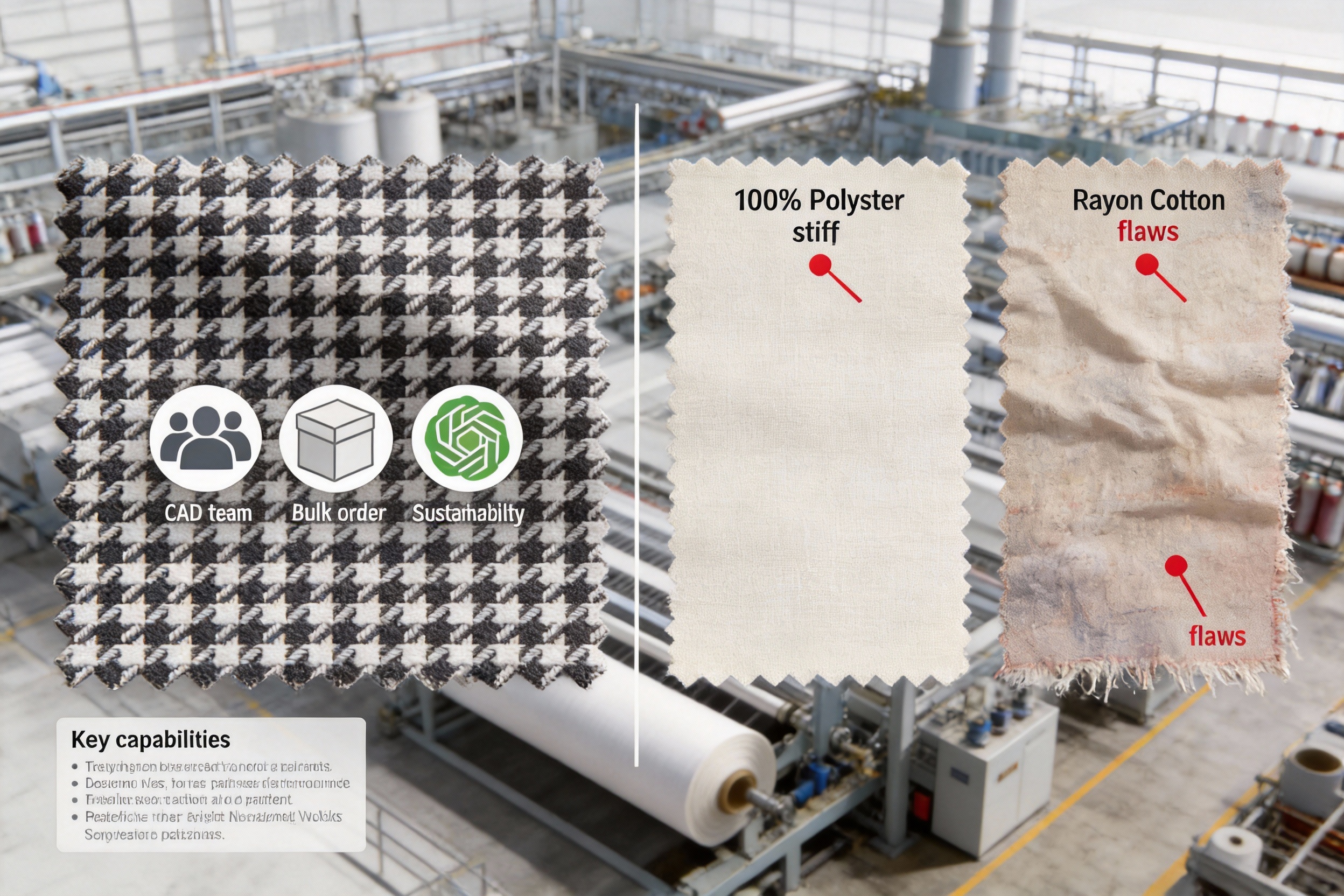
To illustrate the advantages of this fabric, below is a comparison with two competing houndstooth fabrics:
| Feature | This Houndstooth Jacquard Fabric | Competitor A (100% Polyester) | Competitor B (Rayon-Cotton Blend) |
|---|---|---|---|
| Weaving Precision | Computerized (imported machines) – perfect pattern alignment, 3D effect | Semi-automatic – minor pattern misalignments, no 3D effect | Manual – significant pattern inconsistencies |
| Fiber Blend | Polyester-Rayon-Spandex – balance of comfort, strength, elasticity | 100% Polyester – stiff, low breathability | Rayon-Cotton – prone to wrinkling, low elasticity |
| Customization Options | Full customization (pattern size, color, thickness) | Limited (only 3 standard patterns) | None (off-the-shelf only) |
| Durability | High – no fraying, retains shape after 20 washes | Medium – loses elasticity after 10 washes | Low – frays easily, fades after 5 washes |
| Color Fastness | Excellent – retains 98% color intensity after 2 years | Good – retains 80% color intensity after 2 years | Poor – retains 60% color intensity after 2 years |
| Elasticity Retention | 95% after 20 washes | 70% after 20 washes | 50% after 20 washes |
Conclusion: The Future of Houndstooth Jacquard Fabric
The houndstooth jacquard fabric represents the perfect fusion of timeless design and modern innovation. Its precision weaving, innovative fiber blend, customization options, and exceptional durability make it a standout product in the textile market. Whether used in fashion or interior design, this fabric elevates any product with its classic pattern and functional performance.
As consumer demand for sustainable, customizable, and high-quality textiles continues to grow, this fabric is well-positioned to meet these needs. Hangzhou Jinfeng Textile Co., Ltd’s integrated manufacturing chain, in-house R&D capabilities, and customer-centric approach ensure that it remains a leader in the production of houndstooth jacquard fabric.
For businesses looking for a reliable, high-quality houndstooth jacquard fabric that combines aesthetic appeal with functional performance, this product offers unmatched value. Its versatility, durability, and customization options make it an ideal choice for a wide range of applications.
References
1. Textile Institute. (2023). Jacquard Weaving Technology: Modern Innovations and Applications. Manchester: Textile Institute Press.
2. Smith, J. (2022). The History and Evolution of Houndstooth Pattern in Fashion and Interiors. Journal of Textile Design, 15(3), 45-62.
3. Global Textile Council. (2023). Sustainable Blended Fabrics: Market Trends and Consumer Preferences. Geneva: Global Textile Council.
4. Lee, S. (2021). Computerized Jacquard Machines: Impact on Textile Production Efficiency. International Journal of Textile Engineering, 8(2), 112-125.
5. Johnson, M. (2022). Quality Control in Textile Manufacturing: Best Practices for Consistent Results. New York: Wiley Publishing.
6. ASTM International. (2020). Standard Test Methods for Textile Fabrics. West Conshohocken: ASTM International.