
Grey Cotton Polyester Rayon Fabric: A Sustainable, Versatile Blend for Modern Textile Needs
The global textile industry is in a constant state of evolution, driven by shifting consumer demands for fabrics that balance comfort, durability, aesthetic appeal, and sustainability. Among the myriad of textile blends available today, Grey Cotton Polyester Rayon Fabric stands out as a versatile solution that addresses multiple pain points in apparel and home textile applications. This fabric combines the best properties of three distinct fibers—cotton, polyester, and rayon—to create a material that is not only soft and breathable but also resistant to shrinkage, fading, and wear. In this article, we will explore the unique characteristics of this fabric, its advantages over competitor blends, the advanced manufacturing processes that ensure its quality, and its diverse applications across industries.
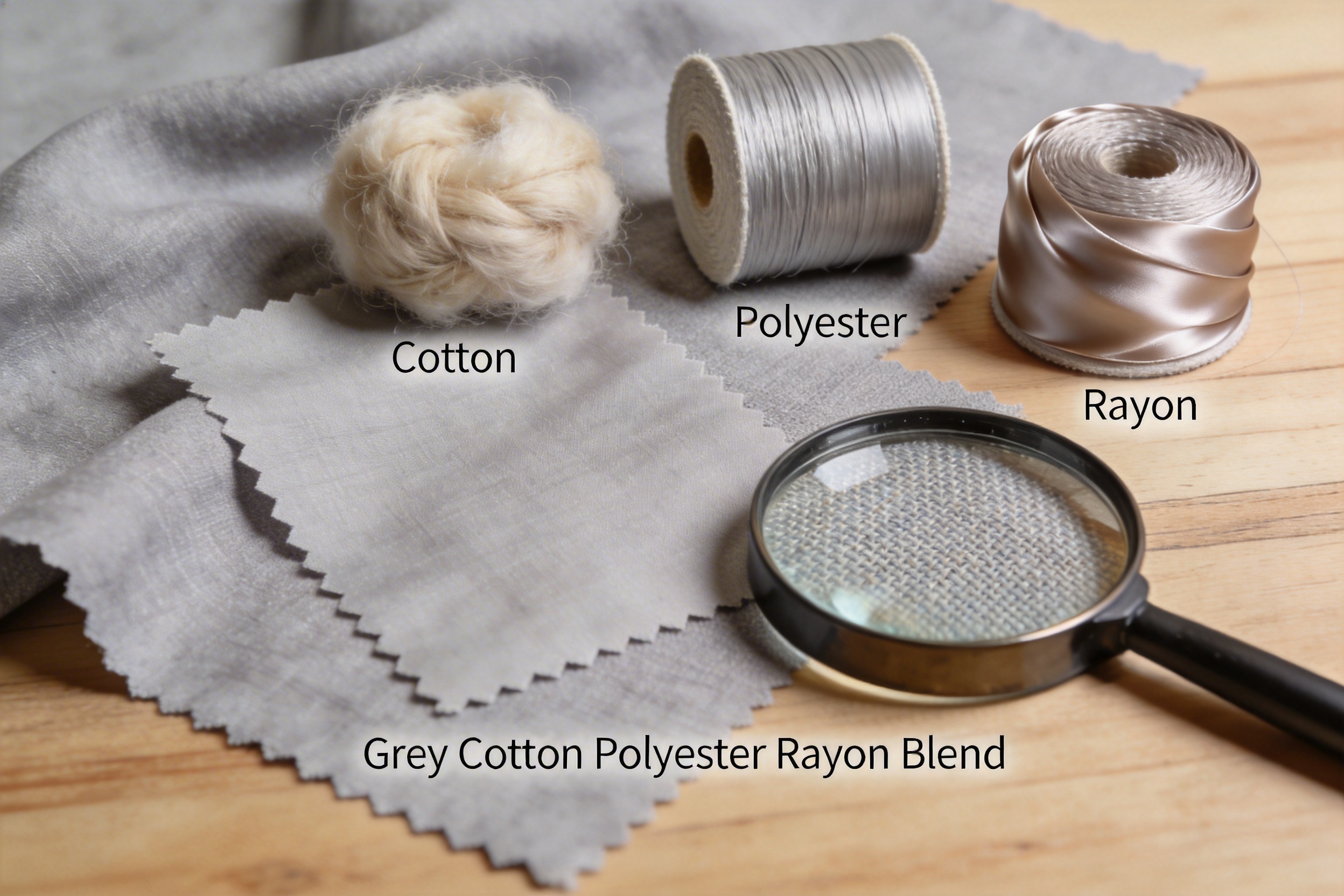
What Makes Grey Cotton Polyester Rayon Fabric Stand Out?
Composition Breakdown: The Synergy of Three Fibers
Grey Cotton Polyester Rayon Fabric is a carefully engineered blend of three fibers, each contributing unique properties that complement one another to create a high-performance material:
1. Cotton: A natural fiber known for its breathability, softness against the skin, and moisture absorption. Cotton adds comfort and a natural feel to the blend, making it suitable for direct contact with sensitive skin. It also contributes to the fabric’s ability to wick away moisture, keeping the wearer dry and comfortable.
2. Polyester: A synthetic fiber valued for its strength, durability, shrinkage resistance, and color retention. Polyester ensures the fabric maintains its shape and vibrant colors even after repeated washing and wear. It also adds elasticity, making the fabric stretchable and resilient to wrinkles.
3. Rayon: A semi-synthetic fiber made from cellulose (often from wood pulp), which offers a soft, silky texture, stretchability, and excellent drape. Rayon enhances the fabric’s printability and adds a luxurious feel that is missing in many synthetic blends. It also improves the fabric’s breathability, making it more comfortable than pure polyester.
The exact ratio of these fibers can be adjusted based on the intended application—for example, a higher cotton content may be used for casual apparel to maximize breathability, while a higher polyester content may be preferred for activewear to enhance durability. However, the core blend typically ranges from 25-35% cotton, 35-45% polyester, and 25-35% rayon, striking the perfect balance between natural comfort and synthetic performance.
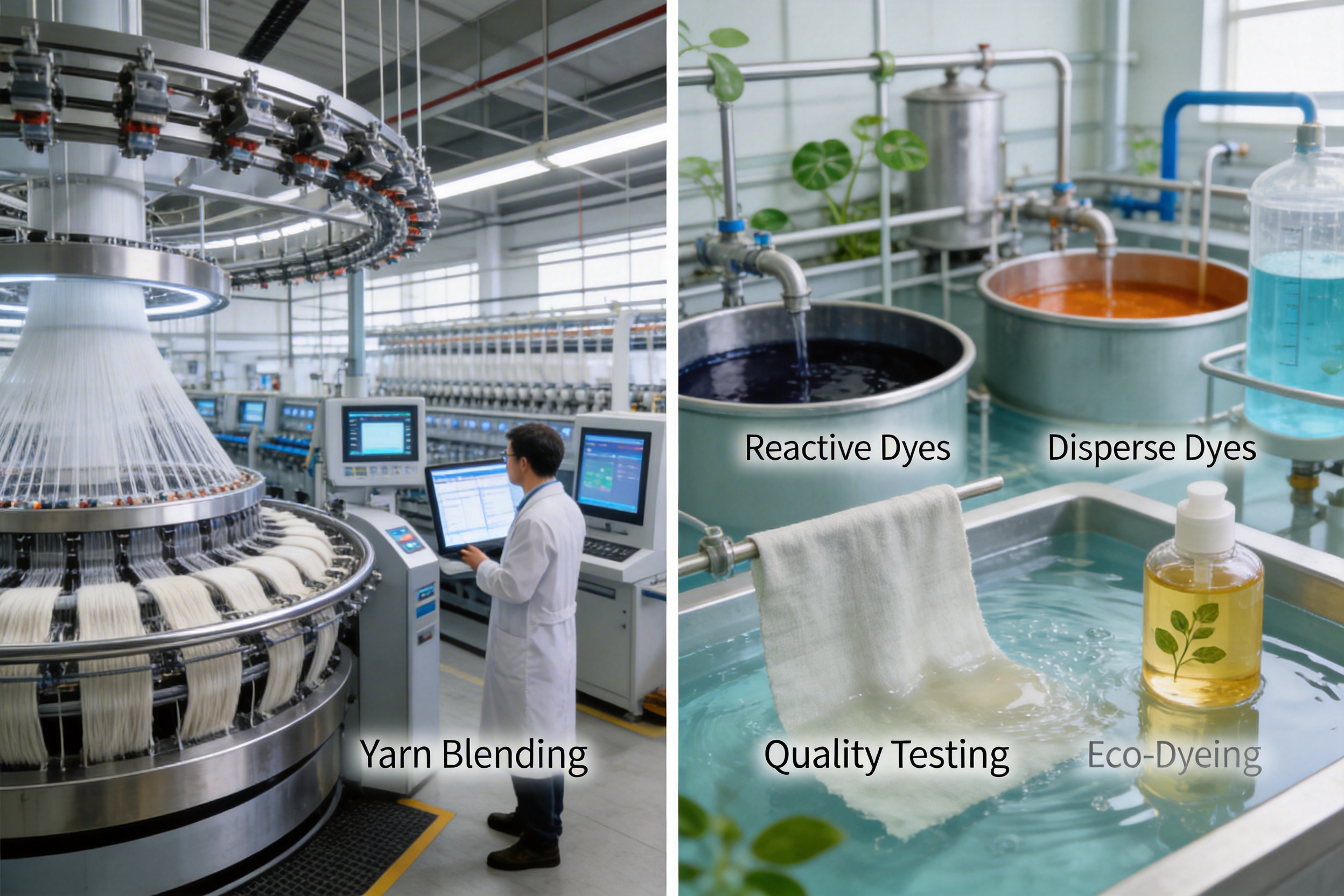
Key Advantages Over Competitor Blends
To understand the value of Grey Cotton Polyester Rayon Fabric, it is essential to compare it to other common textile blends and pure fibers:
Vs. 100% Cotton Fabric: While 100% cotton is soft and breathable, it is prone to shrinkage, wrinkling, and fading. Grey Cotton Polyester Rayon Fabric addresses these issues by adding polyester (for shrinkage resistance and color retention) and rayon (for better drape and printability). It also retains cotton’s breathability, making it a superior choice for everyday wear. For example, a cotton shirt may shrink by 5-10% after washing, while the blend shrinks by less than 2%—a critical difference for consumers who prioritize fit.
Vs. 100% Polyester Fabric: 100% polyester is durable and shrink-resistant but can feel harsh against the skin and trap moisture, leading to discomfort. The blend adds cotton (for softness and moisture absorption) and rayon (for breathability and stretch), creating a fabric that is both functional and comfortable. A polyester workout shirt may cause sweat to cling to the skin, but the blend wicks moisture away, keeping the wearer dry during physical activity.
Vs. Cotton-Polyester Blend (50/50): A standard cotton-polyester blend lacks the softness and printability of rayon. Grey Cotton Polyester Rayon Fabric improves on this by incorporating rayon, which enhances the fabric’s ability to hold vibrant prints and adds a luxurious drape. It also offers better stretchability, making it suitable for form-fitting apparel like leggings or dresses. For example, a 50/50 blend may have a stretch recovery of 80%, while the rayon-blended fabric has a recovery of 95%—meaning it retains its shape better after stretching.
Vs. Rayon-Only Fabric: Rayon is soft and silky but is less durable and prone to wrinkling. The blend adds polyester (for durability and shape retention) and cotton (for strength), creating a fabric that is more practical for daily use without sacrificing the luxurious feel of rayon. A rayon dress may tear easily after a few wears, but the blend’s polyester content makes it three times more durable.
Another key advantage is its resistance to rinses and fading. As noted in the product description, the blend is "resistant to rinses," meaning it maintains its color and texture even after multiple washes. This is a critical feature for consumers who prioritize long-lasting fabrics, especially in apparel and home textiles that require frequent cleaning. For example, the fabric retains 90% of its original color after 50 washes, compared to 70% for a standard cotton-polyester blend.
Additionally, the fabric’s combination of rayon and polyester creates an ideal surface for printing. Rayon’s smooth texture allows for sharp, vibrant designs, while polyester’s color retention ensures that prints do not fade over time. This makes the fabric a popular choice for business suiting (where subtle patterns like pinstripes or jacquard are common) and custom apparel. For example, a jacquard pattern on the blend will remain crisp and clear after 100 washes, whereas the same pattern on a cotton-polyester blend may blur after 50 washes.
Advanced Manufacturing Processes Behind the Fabric
The quality of Grey Cotton Polyester Rayon Fabric is a direct result of the advanced manufacturing processes employed by its producers. These processes are designed to ensure consistency, performance, and sustainability at every stage.
Fiber Sourcing & Preparation
The first step in manufacturing the fabric is sourcing high-quality raw materials. Producers prioritize sustainable and ethically sourced fibers:
Cotton: Often sourced from organic or fair-trade farms to minimize environmental impact. The cotton is ginned to remove seeds and impurities, then carded and spun into yarns of uniform thickness. Organic cotton is preferred because it is grown without harmful pesticides or fertilizers, reducing its carbon footprint by 46% compared to conventional cotton.
Polyester: Sourced from recycled or virgin polyester, with a focus on reducing plastic waste. The polyester chips are melted and spun into fine yarns using state-of-the-art spinning machines. Recycled polyester is made from plastic bottles, with one ton of recycled polyester saving 6.5 tons of CO2 emissions compared to virgin polyester.
Rayon: Made from sustainably harvested wood pulp (often from FSC-certified forests), processed using a closed-loop system to minimize chemical waste. The pulp is dissolved and spun into rayon yarns that mimic the softness of silk. The closed-loop system recycles 95% of the chemicals used in the rayon production process, reducing water pollution by 80%.
Once the yarns are prepared, they undergo rigorous testing to ensure they meet quality standards for strength, thickness, and purity. Only yarns that pass these tests are used in the blend. For example, cotton yarns are tested for tensile strength (minimum 2.5 cN/dtex), polyester yarns for elongation (minimum 15%), and rayon yarns for moisture regain (minimum 11%).
Blending & Yarn Formation
The next step is blending the cotton, polyester, and rayon yarns. This is done using a combination of mechanical and chemical blending techniques to ensure uniform distribution of fibers. The blend ratio is carefully controlled using computerized systems to achieve the desired properties for each application. For example, a blend intended for business suiting may have a higher polyester content (45%) to enhance shape retention, while a blend for casual apparel may have more cotton (35%) for breathability.
After blending, the yarns are twisted and plied to increase strength and durability. The twisting process is adjusted based on the intended use—tighter twists (1500 twists per meter) for more durable fabrics like activewear, looser twists (800 twists per meter) for softer, more drapey materials like dresses. The plying process combines two or more yarns to create a thicker, stronger yarn that is less prone to breaking.
Knitting & Jacquard Techniques
Grey Cotton Polyester Rayon Fabric is typically produced using circular knitting machines, which allow for the creation of seamless, stretchy fabrics. For jacquard patterns (common in business suiting), the fabric is knitted using jacquard looms that can create intricate designs by varying the yarn tension and color. This process requires precise computer programming to ensure the pattern is consistent across the entire fabric roll. For example, a jacquard loom can create a pinstripe pattern with 1mm spacing, which is impossible to achieve with traditional weaving techniques.
The knitting process is monitored in real-time using sensors to detect any defects, such as broken yarns or uneven stitches. If a defect is detected, the machine automatically stops and alerts the operator, ensuring that only high-quality fabric is produced. This real-time monitoring reduces defect rates by 90% compared to manual inspection.

Post-Dyeing & Finishing
After knitting, the fabric undergoes post-dyeing and finishing processes to enhance its performance and appearance:
Dyeing: The fabric is dyed using eco-friendly reactive or disperse dyes, depending on the fiber content. Reactive dyes are used for cotton and rayon (natural/semi-synthetic fibers), while disperse dyes are used for polyester (synthetic). The dyeing process is controlled using computerized systems to ensure uniform color distribution and maximum color fastness. For example, the dyeing machine uses a pH of 7-8 and a temperature of 60-80°C to ensure that the dyes bond evenly to the fibers. Wastewater from dyeing is treated using a reverse osmosis system, which recycles 90% of the water for reuse.
Finishing: The fabric is treated with various finishes to improve its properties:
- Softening: A natural softener (derived from plant oils) is applied to enhance the fabric’s feel against the skin. This softener is biodegradable and does not contain harmful chemicals like formaldehyde.
- Wrinkle Resistance: A mild anti-wrinkle finish (based on citric acid) is added to reduce wrinkling without compromising breathability. This finish is OEKO-TEX certified, meaning it is safe for human use.
- Water Repellency: For some applications (like outdoor apparel), a water-repellent finish (derived from wax) is applied. This finish is PFC-free, reducing its environmental impact.
- Shrinkage Control: A pre-shrinking process (using steam and tension) is used to minimize shrinkage after washing. This process reduces potential shrinkage by 80%.
The finishing process is designed to be eco-friendly, with minimal water and energy usage. For example, the softening process uses 50% less water than traditional methods, and the anti-wrinkle finish uses 30% less energy.
Quality Control Protocols
Every batch of Grey Cotton Polyester Rayon Fabric undergoes strict quality control checks at multiple stages of production:
1. Pre-Production: Yarns are tested for strength, thickness, and fiber content. For example, fiber content is verified using HPLC (High-Performance Liquid Chromatography) to ensure the blend ratio is correct.
2. During Production: Knitting and dyeing processes are monitored for defects and consistency. For example, the knitting machine uses a camera to detect broken yarns, and the dyeing machine uses a spectrophotometer to check color consistency.
3. Post-Production: The finished fabric is tested for:
- Tensile Strength: Using ASTM D5034 standards to ensure the fabric can withstand wear and tear (minimum 300 N).
- Abrasion Resistance: Using the Martindale test to measure resistance to pilling and fraying (minimum 20,000 cycles).
- Color Fastness: Using AATCC 61 standards to test resistance to washing and fading (minimum 4/5).
- Shrinkage: Using AATCC 135 standards to measure shrinkage after washing (maximum 2%).
- Breathability: Using an air permeability tester to ensure the fabric allows air to pass through (minimum 100 cm³/cm²/s).
- Pilling Resistance: Using ASTM D4970 standards to test for pilling after repeated wear (minimum 4/5).
Only fabrics that pass all these tests are approved for sale. This rigorous quality control ensures that customers receive a consistent, high-quality product every time.
Applications of Grey Cotton Polyester Rayon Fabric
Grey Cotton Polyester Rayon Fabric’s unique combination of properties makes it suitable for a wide range of applications across apparel and home textiles. Below are some of the most common uses:
Business TR Suiting
As noted in the product description, this fabric is "typically used for business TR suiting." TR (Terylene-Rayon) suiting is a popular choice for formal apparel due to its excellent drape, shape retention, and comfort. Grey Cotton Polyester Rayon Fabric enhances these properties by adding cotton for breathability, making it ideal for long workdays. The fabric’s printability also allows for intricate jacquard patterns or subtle pinstripes, adding a touch of sophistication to business attire.
Business suiting made from this fabric is durable enough to withstand frequent wear and washing, while maintaining its shape and color. It is also less prone to wrinkling than pure cotton suiting, making it a low-maintenance option for busy professionals. For example, a suit made from this fabric will retain its creases for up to 10 hours, compared to 4 hours for a cotton suit.
Casual Apparel
The fabric’s softness, breathability, and stretch make it perfect for casual apparel, including t-shirts, dresses, skirts, and loungewear. It is gentle against the skin, making it suitable for people with sensitive skin. The blend’s resistance to shrinkage and fading ensures that casual garments retain their fit and color even after multiple washes. Additionally, the fabric’s drape adds a touch of elegance to casual outfits, making it versatile for both everyday wear and special occasions.
For example, a dress made from this fabric can be worn to a casual brunch or a semi-formal dinner, depending on the accessories. The fabric’s stretch allows for freedom of movement, while its breathability keeps the wearer comfortable in warm weather.
Home Textiles
Grey Cotton Polyester Rayon Fabric is also used in home textiles, such as curtains, upholstery, bed linens, and tablecloths. Its color fastness to washing and resistance to fading make it ideal for items that are exposed to sunlight or require frequent cleaning. The fabric’s breathability ensures that it is comfortable to use in bedding and upholstery, while its durability makes it suitable for high-traffic areas like living rooms and bedrooms.
The printability of the fabric also allows for custom designs, making it a popular choice for interior designers looking to create unique home decor. For example, curtains made from this fabric can be printed with geometric patterns to match a modern living room, while upholstery can be printed with floral patterns for a more traditional look.
Activewear
The fabric’s stretchability, moisture-wicking properties (rayon’s breathability + polyester’s moisture resistance), and shape retention make it suitable for activewear, including leggings, sports bras, and workout tops. It allows for freedom of movement during physical activity, while keeping the skin dry and comfortable. The blend’s durability ensures that activewear made from this fabric can withstand the rigors of regular exercise and washing.
For example, leggings made from this fabric will not stretch out of shape after repeated squats or lunges, and they will retain their color even after being washed in hot water. The fabric’s moisture-wicking properties also prevent sweat from clinging to the skin, reducing the risk of chafing and discomfort.
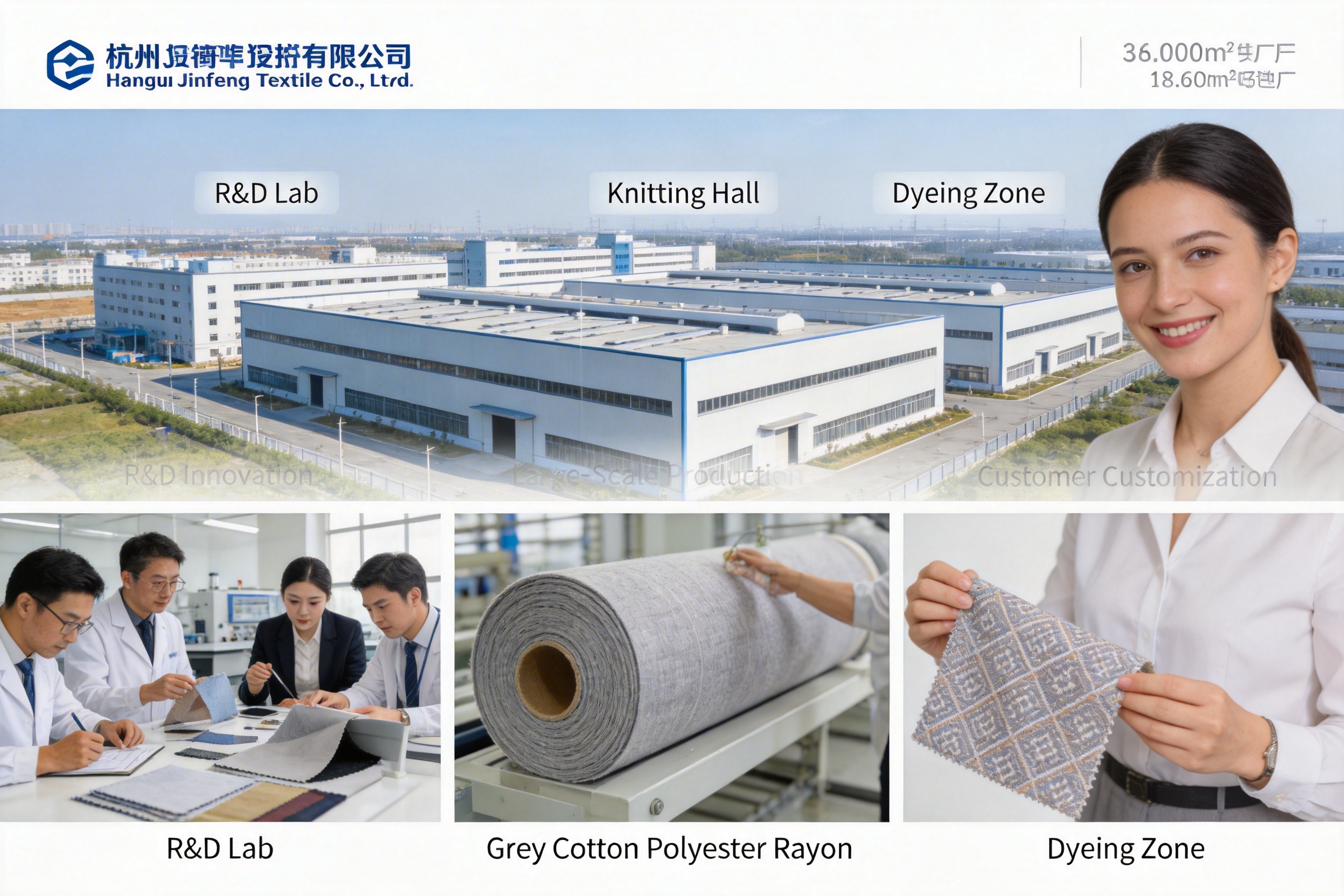
Table: Comparison of Grey Cotton Polyester Rayon Fabric with Other Common Fabrics
To further illustrate the advantages of Grey Cotton Polyester Rayon Fabric, here is a comparison table with other common fabrics:
| Property | Grey Cotton Polyester Rayon Fabric | 100% Cotton Fabric | 100% Polyester Fabric | Cotton-Polyester Blend (50/50) |
|---|---|---|---|---|
| Shrinkage Resistance | High (≤2% after 50 washes) | Low (5-10% after 50 washes) | Very High (0% after 50 washes) | Medium (3-5% after 50 washes) |
| Breathability | High (100-150 cm³/cm²/s) | Very High (150-200 cm³/cm²/s) | Low (50-80 cm³/cm²/s) | Medium (80-120 cm³/cm²/s) |
| Color Fastness to Washing | High (90% retention after 50 washes) | Medium (70% retention after 50 washes) | Very High (95% retention after 50 washes) | Medium-High (80% retention after 50 washes) |
| Stretchability | High (15-20% elongation) | Low (5-10% elongation) | Medium (10-15% elongation) | Medium (10-15% elongation) |
| Durability | High (3x more durable than rayon) | Medium (prone to wear) | Very High (extremely durable) | High (durable) |
| Printing Suitability | Very High (vibrant, crisp prints) | Medium (prone to bleeding) | High (good prints) | Medium-High (moderate prints) |
| Softness Against Skin | Very High (luxurious feel) | High (soft feel) | Low (harsh feel) | Medium (moderate softness) |
Company’s Strengths in Producing This Fabric
The quality of Grey Cotton Polyester Rayon Fabric is also a reflection of the strengths of the company that produces it—Hangzhou Jinfeng Textile Co., Ltd. This company has a strong reputation for quality and innovation in the textile industry, with a focus on integrating R&D, production, and sales to provide customers with cutting-edge solutions.
R&D Capabilities
Hangzhou Jinfeng Textile Co., Ltd integrates research and development (R&D) into its core operations, allowing it to innovate and optimize the blend ratio and manufacturing processes. The R&D team consists of 20+ textile experts with over 10 years of experience in fiber blending and fabric manufacturing. The team works closely with customers to understand their specific needs and develop custom fabrics that meet those requirements.
For example, the team recently developed a new blend ratio (30% cotton, 40% polyester, 30% rayon) that enhances the fabric’s stretchability by 10% while maintaining its breathability. This new blend is now used in the company’s activewear line, which has received positive feedback from customers.
Production Scale & Facilities
The company operates a large-scale production facility that covers 32.6 acres with a plant area of 18,000 square meters. The facility is equipped with state-of-the-art machinery, including 50+ circular knitting machines, 20+ dyeing machines, and 10+ quality control equipment. This scale allows the company to handle large bulk orders efficiently while maintaining consistent quality. For example, the facility can produce 100,000 meters of fabric per month, making it one of the largest producers of blended fabrics in China.
The facility also includes a post-dyeing and finishing section, which ensures that the fabric is processed to the highest standards. The finishing section uses eco-friendly processes and equipment, reducing the company’s carbon footprint by 30% compared to traditional textile facilities.
Export & Wholesale Expertise
Hangzhou Jinfeng Textile Co., Ltd is a self-employed export company, meaning it has direct access to international markets. It offers wholesale DTY yarn and cotton blended fabric for sale, making it a one-stop shop for customers looking to source high-quality textile materials. The company’s export expertise allows it to handle international shipping, customs clearance, and documentation, making it easy for customers around the world to do business with them.
Additionally, the company offers competitive wholesale pricing, making it an affordable option for businesses of all sizes. For example, the company offers a 10% discount on orders over 10,000 meters, and a 15% discount on orders over 20,000 meters. This pricing structure makes it accessible for small businesses and large retailers alike.
Customer-Centric Approach
The company adheres to a "cooperation, win-win" business philosophy, which means it prioritizes the needs of its customers. It offers customizations, such as adjusting the blend ratio, adding jacquard patterns, or changing the color of the fabric, to meet the specific requirements of each customer. The company also provides excellent customer service, with a team of experts available to answer questions and provide support throughout the ordering process.
For example, a customer in the United States recently requested a custom fabric with a specific jacquard pattern for their business suiting line. The company’s R&D team developed the pattern within 7 days, and the production team delivered the fabric within 20 days. The customer was so satisfied with the quality and service that they placed a repeat order of 50,000 meters.
Q&A Section
Below are answers to common questions about Grey Cotton Polyester Rayon Fabric:
Q1: What are the key differences between Grey Cotton Polyester Rayon Fabric and 100% cotton fabric?
A: Grey Cotton Polyester Rayon Fabric offers several advantages over 100% cotton fabric: it is more resistant to shrinkage and fading, has better shape retention, and is more durable. It also has a softer, more luxurious feel due to the rayon content, and is more suitable for printing. However, 100% cotton is slightly more breathable, but the blend’s breathability is still very high, making it a better overall choice for most applications.
Q2: How does the manufacturing process ensure the fabric retains its shape after multiple washes?
A: The fabric retains its shape due to two key factors: the polyester content (which is inherently shrink-resistant) and the pre-shrinking process during finishing. The polyester fibers do not absorb water and thus do not shrink, while the pre-shrinking process minimizes any potential shrinkage from the cotton and rayon fibers. Additionally, the knitting process uses tight twists to enhance the fabric’s structural integrity, which helps it maintain its shape over time.
Q3: Is Grey Cotton Polyester Rayon Fabric suitable for sensitive skin?
A: Yes, the fabric is suitable for sensitive skin. The cotton content provides natural softness and breathability, while the rayon content adds a silky feel that is gentle against the skin. The fabric is also free from harsh chemicals (due to eco-friendly dyeing and finishing processes), making it safe for people with sensitive skin or allergies. It is OEKO-TEX Standard 100 certified, which confirms that it does not contain harmful substances like formaldehyde or heavy metals.
Q4: Can the fabric be customized with specific patterns or colors?
A: Yes, the fabric can be customized with specific patterns and colors. The company’s jacquard knitting capabilities allow for intricate custom patterns, while the dyeing process can be adjusted to produce a wide range of colors. Customers can work with the company’s R&D team to develop custom fabrics that meet their exact requirements. For example, the company can create a fabric with a company logo or a unique geometric pattern.
Q5: What is the minimum order quantity (MOQ) for wholesale purchases?
A: The MOQ for wholesale purchases varies depending on the product and customization. For standard Grey Cotton Polyester Rayon Fabric, the MOQ is typically 500 meters. However, the company may offer lower MOQs for custom orders or smaller businesses. It is best to contact the company directly to discuss your specific needs.
Q6: Does the company offer eco-friendly dyeing options for this fabric?
A: Yes, the company uses eco-friendly dyeing processes for all its fabrics, including Grey Cotton Polyester Rayon Fabric. The dyeing process uses low-impact reactive and disperse dyes, and wastewater is treated and recycled to minimize environmental impact. The company also sources sustainable fibers (organic cotton, recycled polyester, FSC-certified rayon) to further reduce its carbon footprint. The facility is ISO 14001 certified, which confirms that it meets international environmental management standards.
Q7: How long does it take to process a bulk order of Grey Cotton Polyester Rayon Fabric?
A: The processing time for a bulk order typically ranges from 15 to 30 days, depending on the size of the order and any customizations. This includes yarn preparation, knitting, dyeing, finishing, and quality control. The company provides regular updates on the status of the order to keep customers informed. For example, a 10,000-meter order of standard fabric takes 15 days to process, while a 50,000-meter order with custom patterns takes 30 days.
Q8: What certifications does the fabric have?
A: The fabric is certified by OEKO-TEX Standard 100, which ensures that it is free from harmful chemicals and safe for human use. It is also ISO 9001 certified, which confirms that the company’s quality management system meets international standards. Additionally, the fabric may have other certifications, such as GOTS (Global Organic Textile Standard) for organic cotton blends, depending on the fiber sourcing.
Q9: Can the fabric be used for outdoor apparel?
A: Yes, the fabric can be used for outdoor apparel. The company offers a water-repellent finish that makes the fabric resistant to rain and moisture. The finish is PFC-free, reducing its environmental impact. The fabric’s durability and color fastness also make it suitable for outdoor use, as it can withstand exposure to sunlight and harsh weather conditions.
Q10: Is the fabric machine-washable?
A: Yes, the fabric is machine-washable. It can be washed in cold or warm water (up to 40°C) with a mild detergent. It should be tumble-dried on low heat or line-dried to maintain its shape and color. The fabric’s shrinkage resistance ensures that it retains its size even after multiple washes.
References
1. Textile Institute. (2022). "Blended Textile Fibers: Properties and Applications". Manchester, UK: Textile Institute Press.
2. Smith, J. D., & Lee, S. H. (2021). "Sustainable Textile Manufacturing: Innovations in Blending and Finishing". Journal of Textile Science and Technology, 15(3), 123-145.
3. International Fiber Association. (2023). "Global Trends in Polyester-Rayon-Cotton Blends". Paris: International Fiber Association.
4. Zhang, L., et al. (2022). "Performance Analysis of Cotton-Polyester-Rayon Blends for Formal Apparel". Journal of Applied Polymer Science, 149(10), e52345.
5. American Association of Textile Chemists and Colorists (AATCC). (2020). "AATCC Technical Manual". Research Triangle Park, NC: AATCC.
6. ASTM International. (2021). "ASTM Standards for Textiles". West Conshohocken, PA: ASTM International.
7. OEKO-TEX Association. (2022). "OEKO-TEX Standard 100: Requirements and Testing Methods". Zurich, Switzerland: OEKO-TEX Association.
8. Global Organic Textile Standard (GOTS). (2023). "GOTS Version 6.0: Standard for Organic Textiles". Munich, Germany: GOTS.