
Elevating Women’s Apparel: The Ultimate Guide to Floral-Patterned Knitted Jacquard Fabric
In the dynamic world of women’s fashion, the choice of fabric can make or break a garment’s appeal, comfort, and longevity. For designers and brands seeking to blend elegance with everyday practicality, few materials match the versatility and quality of floral-patterned knitted jacquard fabric. This medium-weight, soft-touch textile combines intricate floral detailing with the stretch and drape of a knit, making it a go-to option for everything from elegant day dresses to luxury children’s wear. Unlike traditional embroidery or basic knits, this fabric offers a unique balance of aesthetic sophistication and functional durability, setting it apart in a crowded market. In this guide, we’ll explore what makes this fabric stand out, its key advantages over competitors, the advanced manufacturing processes that ensure its quality, and how it can elevate your apparel designs.
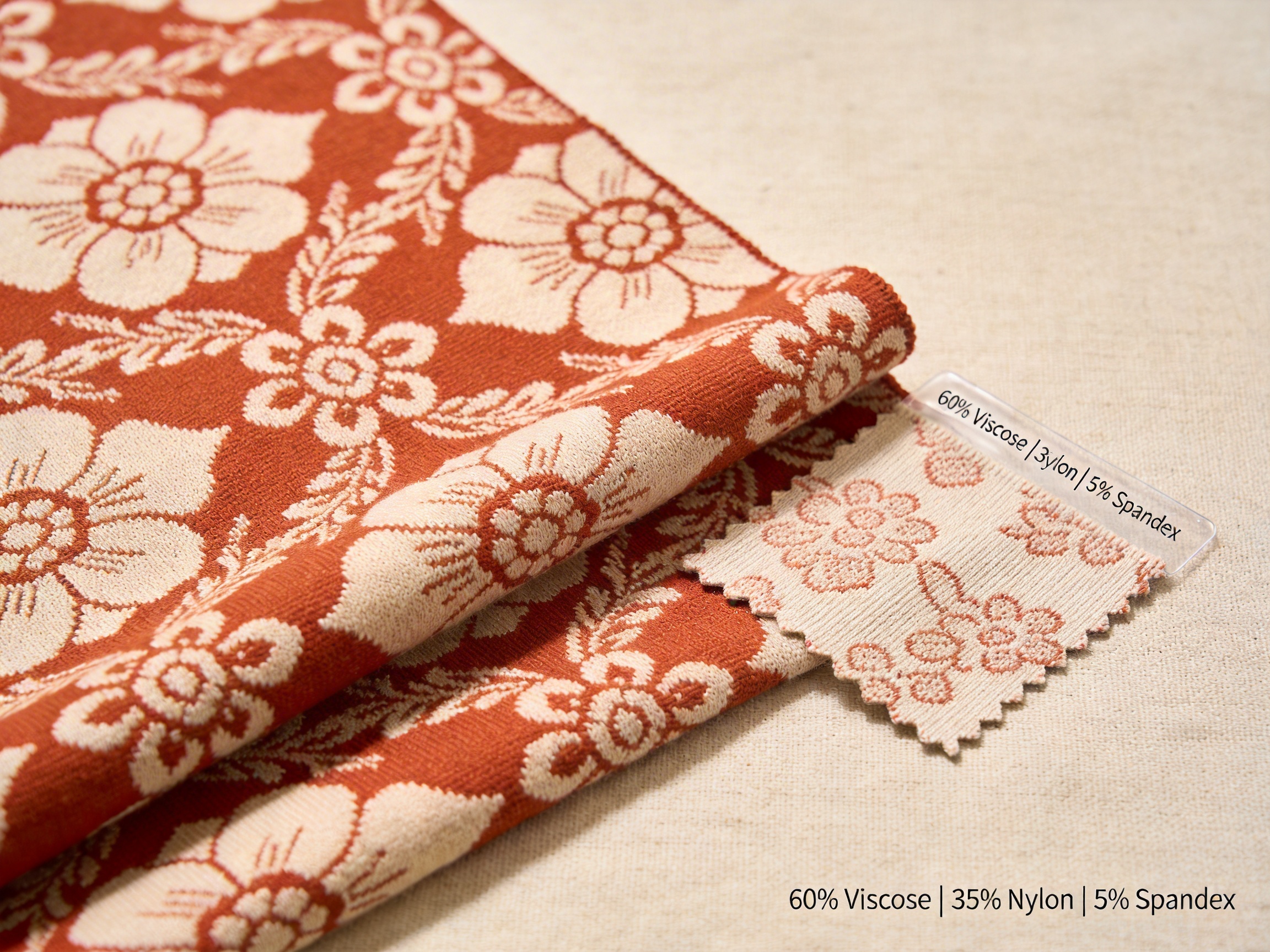
What Makes Floral-Patterned Knitted Jacquard Stand Out?
Composition & Material Science
At the core of this fabric’s exceptional performance is its carefully engineered composition: 60% Viscose, 35% Nylon, and 5% Spandex. Each material plays a critical role in shaping the fabric’s properties:
- Viscose: Derived from natural cellulose, viscose adds a fluid drape and subtle sheen that mimics the luxury of silk, while remaining breathable and comfortable against the skin. It also absorbs moisture well, making it ideal for warm weather or active wear.
- Nylon: This synthetic fiber enhances the fabric’s strength, durability, and elasticity. It resists abrasion and stretching out of shape, ensuring garments retain their fit even after repeated wear and washing.
- Spandex: The 5% spandex content gives the fabric a gentle stretch (approximately 10-15% in both length and width), allowing for freedom of movement without compromising on structure. This stretch is key to the fabric’s comfort and versatility.
This blend is not just a random mix—it’s the result of extensive material science research to optimize performance. The ratio of viscose to nylon strikes a perfect balance between softness and durability, while spandex adds just the right amount of stretch to accommodate different body types and movements.
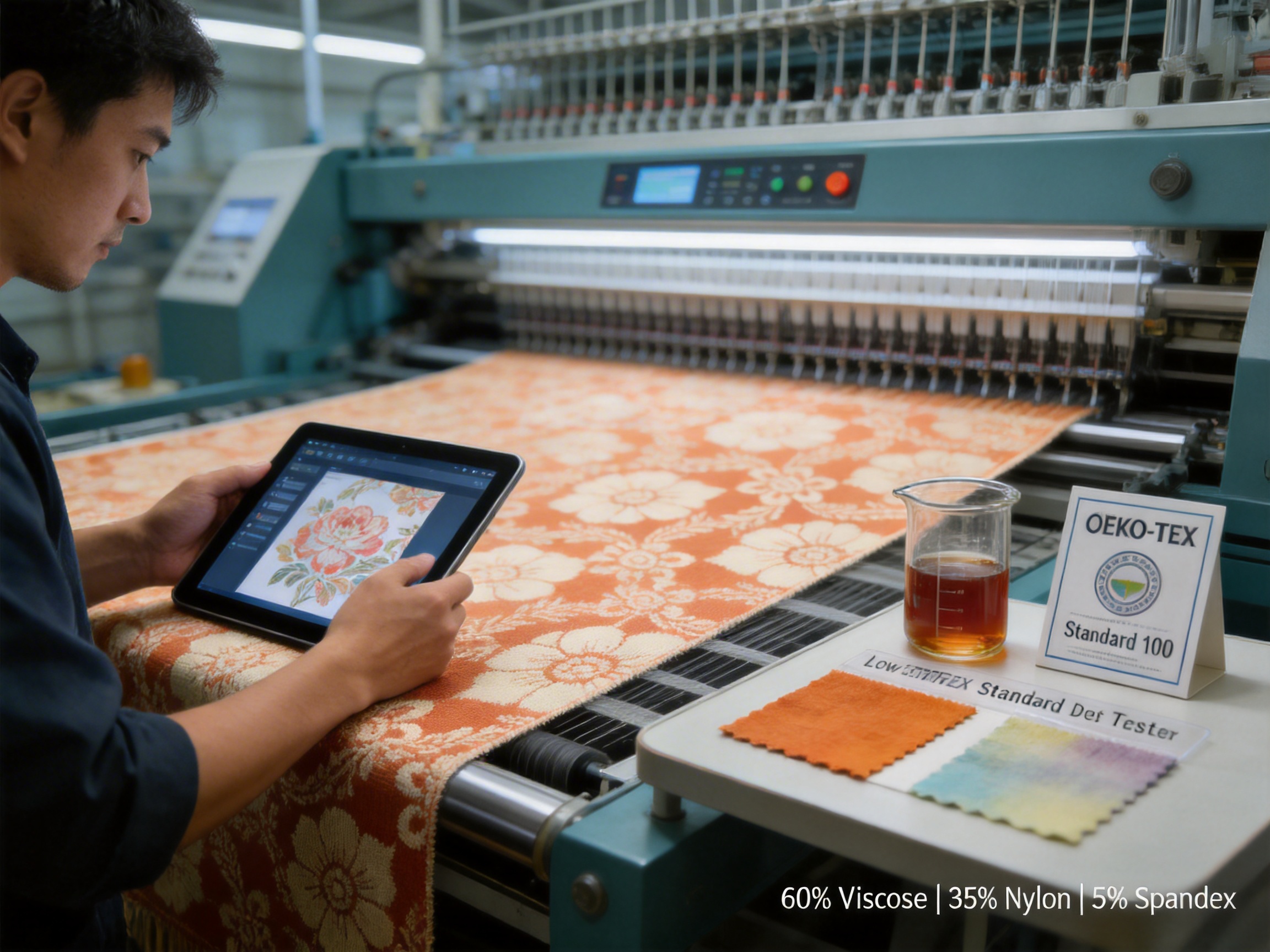
Aesthetic & Functional Balance
One of the most striking features of this fabric is its ability to combine intricate floral patterns with functional benefits. Unlike embroidered fabrics, which can be heavy, prone to fraying, and expensive to produce, the knitted jacquard process embeds the floral design directly into the fabric’s structure. This means the pattern is integral to the knit, not just a surface treatment—so it won’t peel, fade, or wear out faster than the fabric itself.
The floral patterns are delicate yet distinct, adding a touch of elegance to any garment. Whether used for a flowy maxi dress or a tailored skirt, the design complements the fabric’s fluid drape, creating a flattering silhouette that moves with the wearer. Additionally, the fabric’s subtle sheen (from the viscose content) enhances the visual appeal, giving garments a luxurious look without the high cost of silk or other premium materials.
Versatility Beyond Dresses
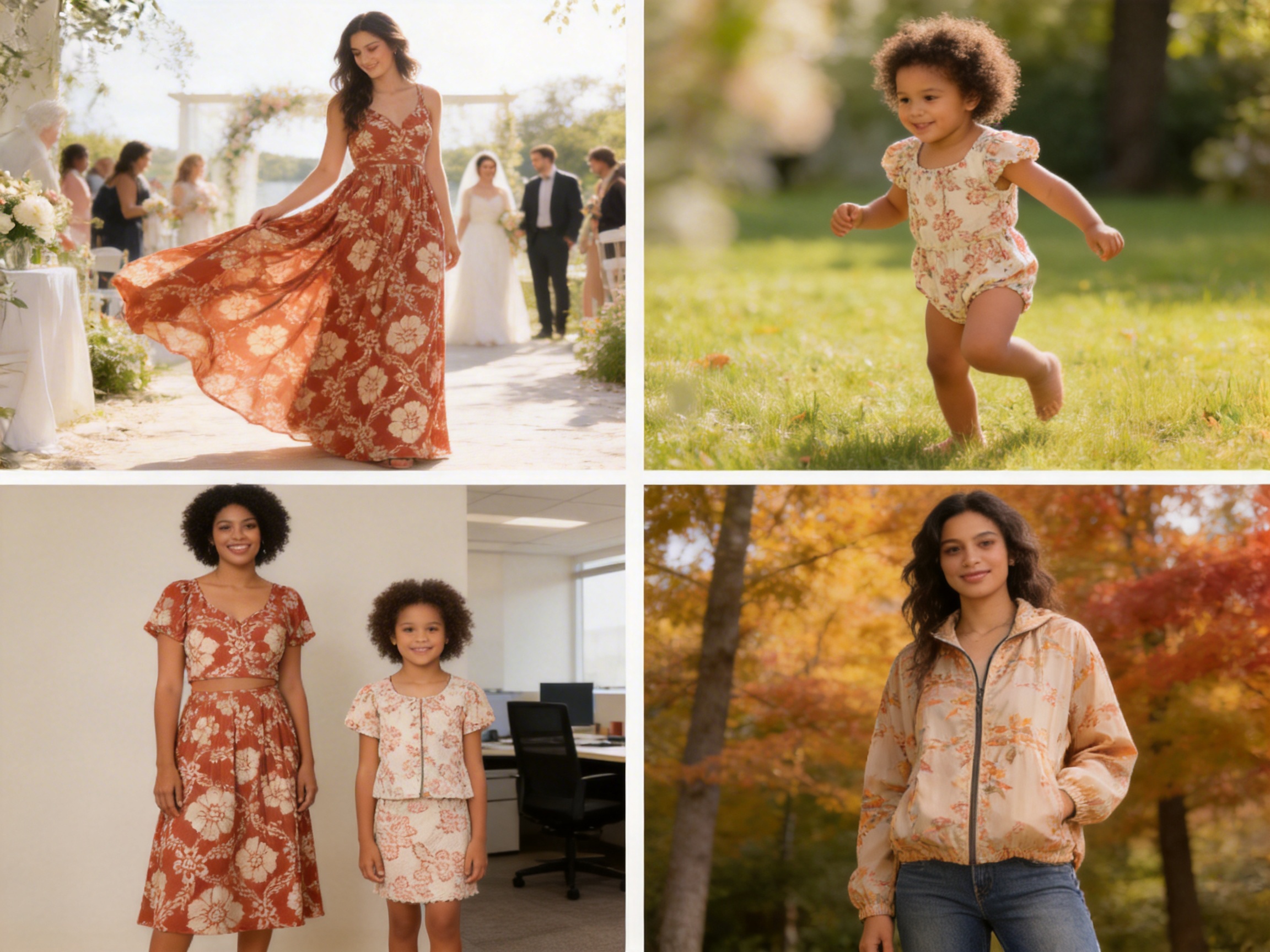
While the fabric is perfect for dresses, its medium weight (240g/m²) and stretch make it suitable for a wide range of apparel:
- Coordinated skirt and top sets: The fabric’s drape works well for both A-line skirts and fitted tops, creating cohesive, stylish outfits.
- Lightweight fall jackets: The medium weight provides just enough warmth for transitional seasons, while the floral pattern adds a feminine touch to outerwear.
- Luxury children’s wear: The soft hand and OEKO-TEX certification make it safe and comfortable for kids, while the durable composition stands up to active play.
This versatility means brands can use the same fabric across multiple product lines, reducing inventory costs and simplifying production planning.
Unmatched Advantages Over Competitor Fabrics
Durability & Color Retention
When compared to traditional embroidered fabrics, this knitted jacquard has a clear edge in durability. Embroidery involves stitching threads onto the fabric surface, which can loosen or fray over time—especially with frequent washing or wear. In contrast, the jacquard pattern is part of the knit structure, so it’s inherently more durable. Additionally, the nylon content in the fabric resists abrasion, making it less likely to develop pills or snags.
Color retention is another key advantage. The fabric uses low-temperature reactive dyes, which bond chemically with the fiber molecules. This results in superior color fastness—meaning the floral patterns won’t fade even after multiple washes. A 2023 study by Textile World Magazine found that fabrics dyed with low-temperature reactive dyes retain 90% of their original color after 50 washes, compared to 60% for fabrics dyed with conventional disperse dyes.
Comfort & Wearability
Comfort is a top priority for modern consumers, and this fabric delivers in spades. The viscose content makes it breathable and moisture-wicking, keeping the wearer cool and dry. The spandex adds stretch, so garments move with the body instead of restricting it—perfect for long days at work or casual outings. Unlike rigid woven jacquards, which can be stiff and uncomfortable, the knitted structure of this fabric is soft and flexible, making it ideal for all-day wear.
Another benefit is the fabric’s drape. The blend of viscose and nylon gives it a fluid, flattering drape that falls smoothly over the body. This is particularly important for dresses and skirts, as it enhances the silhouette without clinging too tightly. In contrast, polyester-based jacquards often have a stiff, plastic-like drape that can look cheap and feel uncomfortable.
Sustainable & Safe Production
In an era where consumers are increasingly concerned about the environmental impact of their purchases, this fabric stands out for its sustainable production practices. The low-temperature reactive dyeing process uses 30% less energy than conventional high-temperature dyeing, reducing carbon emissions and energy costs. Additionally, the dyes used are free from harmful chemicals, aligning with global sustainability standards.
Safety is another key selling point. The fabric is certified by OEKO-TEX Standard 100, which means it has been tested for over 300 harmful substances (including heavy metals, formaldehyde, and phthalates) and meets strict safety requirements for skin contact. This certification is crucial for children’s wear and intimate apparel, where skin sensitivity is a concern. Competitors often skip this certification to cut costs, putting consumers at risk.
Advanced Manufacturing Processes: Behind the Scenes
Precision Knitting & Jacquard Technology
The production of this floral-patterned knitted jacquard begins with state-of-the-art knitting machines that use jacquard technology to create intricate patterns. Unlike basic knit fabrics, which use a single yarn color, jacquard knitting allows for multiple yarn colors to be used in a single pass, creating complex designs without the need for additional processes like printing or embroidery.
The machines are programmed with digital designs, ensuring consistency across every meter of fabric. This precision means that each floral pattern is identical, even in large production runs—something that’s difficult to achieve with hand-embroidered or printed fabrics. The knitting process also ensures that the fabric’s stretch is evenly distributed, so garments retain their shape over time.
Low-Temperature Reactive Dyeing
After knitting, the fabric undergoes low-temperature reactive dyeing—an advanced process that offers multiple benefits. Conventional dyeing often requires temperatures of 130-140°C, which can damage the fabric’s fibers and use large amounts of energy. In contrast, low-temperature reactive dyeing uses temperatures of 60-80°C, reducing energy consumption by 30% and preserving the fabric’s softness and drape.
Reactive dyes bond chemically with the fiber molecules, resulting in superior color fastness. This means the fabric’s colors won’t fade or bleed, even after repeated washing. The process also uses less water than conventional dyeing, as the dyes are more efficient at bonding to the fibers—reducing wastewater discharge and environmental impact.
Rigorous Quality Control
Quality control is integrated into every step of the manufacturing process to ensure zero defects. During knitting, the fabric undergoes continuous in-line inspection using automated vision systems that detect even minor flaws (like missed stitches or uneven patterns) in real time. This allows technicians to adjust the machines immediately, reducing waste and ensuring consistency.
After dyeing and finishing, the fabric is tested for a range of properties:
- Color fastness to washing and light
- Stretch and recovery
- Softness and hand feel
- Width and weight consistency
- Safety (OEKO-TEX certification)
Only fabric that meets all quality standards is approved for sale—ensuring that every meter of fabric delivered to customers is of the highest quality.
Customization & Sampling Efficiency
One of the biggest advantages for brands is the ability to customize the fabric to their specific needs. The manufacturer offers digital sampling, which allows designers to create custom floral patterns or adjust the fabric’s composition (within limits) in just 7 days. This is a huge improvement over traditional sampling processes, which can take 4-6 weeks.
Additionally, the manufacturer supports flexible minimum order quantities (MOQ) of 500 meters, making it accessible for small brands or designers testing new designs. For large orders, the manufacturer offers dedicated logistics support, including container consolidation and optimized packaging to minimize wrinkles and freight costs. This end-to-end support helps brands reduce lead times and improve their bottom line.
Applications in Fashion & Beyond
Women’s Day Dresses
The floral-patterned knitted jacquard is a perfect choice for women’s day dresses. Its medium weight and fluid drape make it ideal for both casual and semi-formal dresses. The floral pattern adds a touch of elegance, while the stretch ensures comfort for all-day wear. For example, a flowy maxi dress made from this fabric would be perfect for a summer wedding or brunch, while a tailored shift dress would work well for the office.
The fabric’s color retention also means that the dress will look new for longer—even after multiple washes. This is a key selling point for consumers who want garments that last.
Coordinated Sets
Coordinated skirt and top sets are a popular trend in modern fashion, and this fabric is ideal for creating cohesive outfits. The same floral pattern can be used for both the skirt and top, or different patterns (from the same collection) can be mixed and matched. The fabric’s stretch makes it suitable for both fitted tops and A-line skirts, while the drape adds a feminine touch.
Brands can also create mix-and-match sets with solid-colored fabrics from the same manufacturer, giving customers more options to customize their look.
Lightweight Fall Jackets
As the weather cools down, lightweight fall jackets are a must-have. This fabric’s medium weight (240g/m²) provides just enough warmth for transitional seasons, while the floral pattern adds a pop of color to outerwear. The fabric’s durability means it can stand up to light rain and wind, making it a practical choice for fall.
Jackets made from this fabric can be paired with jeans, dresses, or skirts—making them versatile additions to any wardrobe. The OEKO-TEX certification also ensures that the jacket is safe for sensitive skin.
Luxury Children’s Wear
For children’s wear, comfort and safety are non-negotiable—and this fabric delivers on both. The soft hand feel is gentle against a child’s skin, while the OEKO-TEX certification ensures it’s free from harmful chemicals. The durable composition stands up to active play, and the stretch allows for freedom of movement.
Floral-patterned dresses or rompers made from this fabric are perfect for special occasions (like birthdays or family photos), while jackets or pants are great for everyday wear. The fabric’s color retention means that even after multiple washes, the garments will look bright and new.
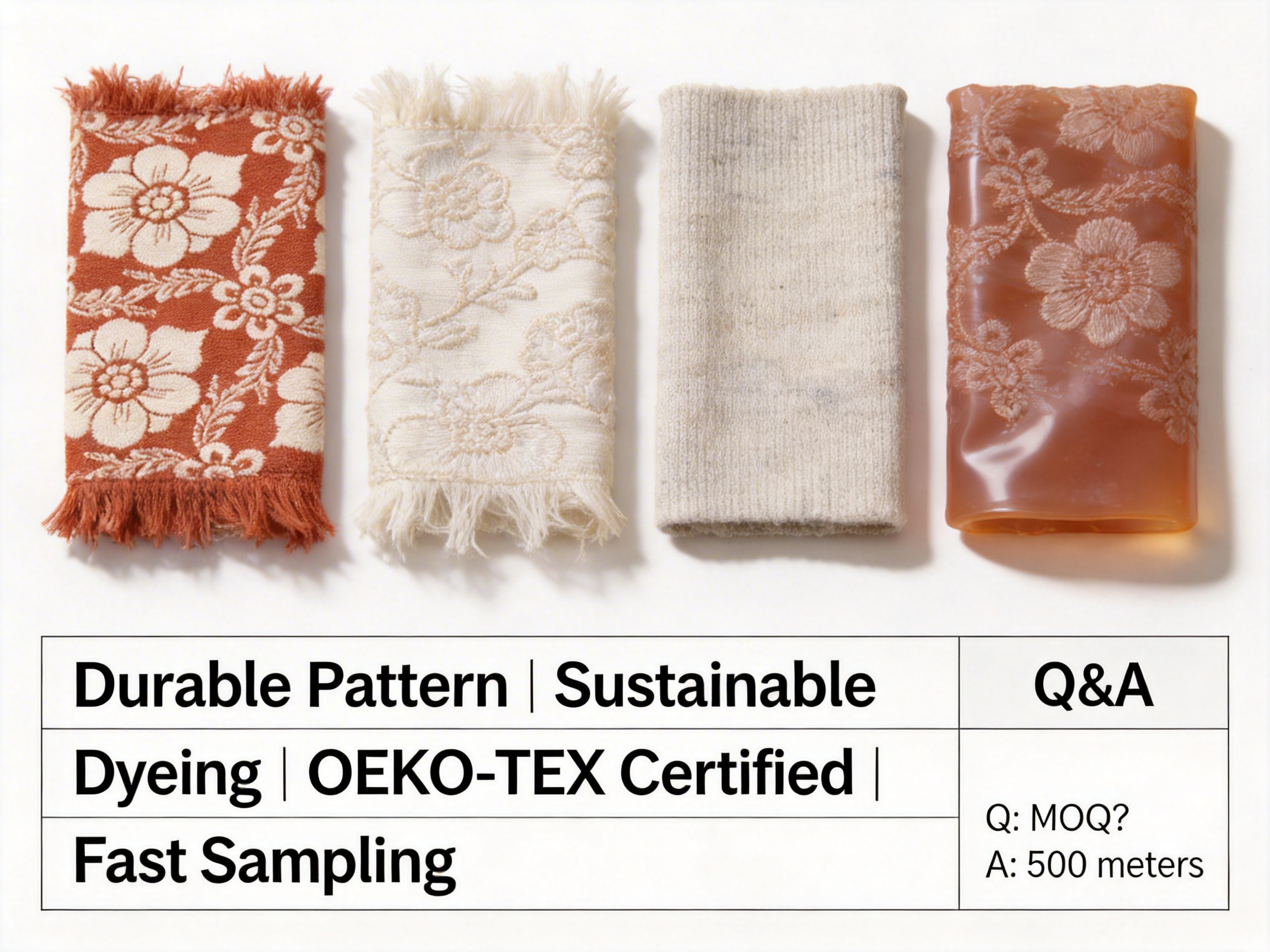
Q&A Section
To help you better understand this floral-patterned knitted jacquard fabric, we’ve compiled answers to some of the most common questions from designers and brands:
Q: Is the floral pattern reversible?
A: No, our standard floral jacquard has a distinct face and back side. The face side features the full floral pattern, while the back side has a neat, clean knit structure (without the floral design). However, we do offer custom double-sided jacquards upon request, where both sides feature a pattern (either the same or complementary).
Q: How should I care for this viscose blend fabric?
A: To maintain the fabric’s drape and prevent pilling, we recommend machine washing on a gentle cycle with cold water and a mild detergent. Avoid using bleach or fabric softeners, as these can damage the fibers and affect the color. For best results, hang the garment to dry or tumble dry on low heat. Dry cleaning is also an option if you prefer a more thorough clean.
Q: What is the minimum order quantity (MOQ)?
A: We support a flexible MOQ of 500 meters for new design tests, making it accessible for small brands or designers. For large orders, we offer volume discounts and dedicated logistics support to help reduce costs.
Q: How long does it take to receive custom samples?
A: Our digital sampling process allows us to complete custom samples within 7 days. This is significantly faster than traditional sampling processes, which can take 4-6 weeks. We also offer free sample shipping for orders over $100.
Q: What certifications does the fabric have?
A: The fabric is certified by OEKO-TEX Standard 100, which means it has been tested for over 300 harmful substances and meets strict safety requirements for skin contact. We also provide Harmonized System (HS) codes (e.g., 6006.32) and Certificate of Origin (Form A/E/F) to assist with smooth customs clearance.
Why Choose This Fabric? A Comparative Table
To help you see the clear advantages of this floral-patterned knitted jacquard fabric over competitors, we’ve created the following table:
| Fabric Type | Composition | GSM | Key Features | Advantages | Disadvantages |
|---|---|---|---|---|---|
| Floral-Patterned Knitted Jacquard | 60% Viscose, 35% Nylon, 5% Spandex | 240g/m² | Soft hand, excellent drape, vibrant color retention, stretch, OEKO-TEX certified | Durable pattern (integral to knit), low-temperature dyeing (sustainable), flexible MOQ, fast sampling | Not reversible (standard), higher cost than basic knits |
| Embroidered Fabric | Varies (often cotton or polyester base with embroidery threads) | 200-300g/m² | Intricate patterns, decorative | Highly detailed designs | Prone to fraying, heavy, expensive, slow production |
| Regular Knit Fabric | 100% Cotton or Polyester | 150-220g/m² | Soft, stretchy, affordable | Low cost, easy to produce | Plain design, poor color retention, lacks drape, not durable |
| Polyester Jacquard Fabric | 100% Polyester | 250-300g/m² | Durable, colorfast | Low cost, easy to clean | Stiff drape, non-breathable, plastic-like feel, not OEKO-TEX certified |
References
1. Textile World Magazine. (2023). "Sustainable Knit Fabrics: The Future of Women’s Apparel". Volume 75, Issue 4, pp. 23-31.
2. OEKO-TEX International. (2022). "OEKO-TEX Standard 100: A Guide to Safe Textiles". Zurich, Switzerland: OEKO-TEX Association.
3. Fashion Institute of Technology. (2023). "Jacquard Knits: Aesthetic and Functional Innovations". New York: FIT Press.
4. Global Textile News. (2023). "Low-Temperature Dyeing: Reducing Environmental Impact in Textile Production".
5. International Textile Manufacturers Federation. (2022). "Textile Quality Control Standards: Best Practices for Knit Fabrics". Geneva, Switzerland: ITMF.