Double-Sided Mesh Fabric for Pants: A Game-Changer in Comfort, Versatility, and Durability
In the world of textile manufacturing, few innovations have managed to balance functional performance with aesthetic flexibility as effectively as double-sided mesh fabric for pants. This fabric, crafted through advanced knitting and jacquard techniques, stands out for its reversible design, breathability, stretch, and durability—qualities that make it a top choice for activewear, casual wear, and even home décor. Unlike traditional single-sided mesh or non-mesh alternatives, double-sided mesh offers designers and consumers unprecedented versatility, allowing for two distinct looks in one garment. In this article, we will explore what makes this fabric unique, how advanced manufacturing processes elevate its quality, its competitive advantages over other materials, and its wide range of applications. We will also address common questions about care, customization, and sustainability, and conclude with key takeaways on why this fabric is reshaping the textile industry.
What Makes Double-Sided Mesh Fabric for Pants Unique?
Double-sided mesh fabric for pants is not just another textile—it’s a carefully engineered material that combines multiple desirable properties into one. Let’s break down its key unique features:
Reversible Design Advantage
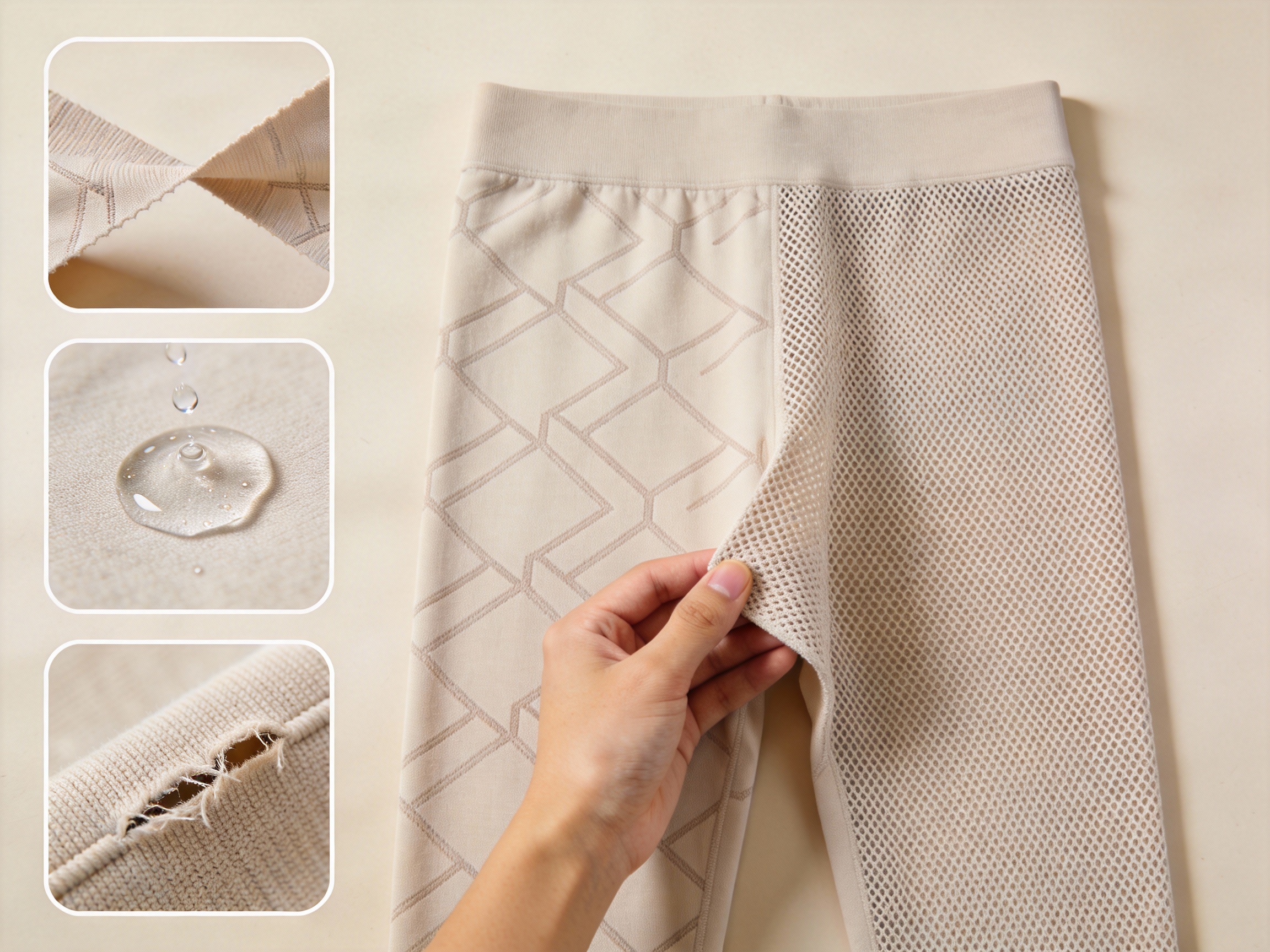
One of the most striking features of this fabric is its reversible nature. Unlike single-sided mesh, which only has one usable surface, double-sided mesh is crafted with two distinct face sides, each with its own pattern or texture. This is achieved through precision jacquard knitting, where the machine interlaces yarns in a way that creates contrasting designs on both sides without compromising the fabric’s integrity. For example, one side might feature a subtle geometric pattern, while the reverse side has a more pronounced mesh structure. This reversibility offers endless design possibilities: designers can create pants that can be flipped to match different outfits, or even omit linings (since both sides are finished) to reduce weight and cost. For consumers, this means getting two garments in one—an eco-friendly and cost-effective benefit that sets this fabric apart from its competitors.
Another advantage of the reversible design is its ability to hide wear and tear. Since both sides are usable, minor snags or stains on one side can be easily addressed by flipping the garment, extending its lifespan. This is particularly valuable for activewear, where pants are subjected to frequent friction and contact with surfaces.
Breathability & Moisture Management
Mesh fabrics are inherently breathable, but double-sided mesh takes this to the next level. The open structure of the mesh allows air to circulate freely through the garment, preventing heat buildup and keeping the wearer cool even in high temperatures. This is critical for activewear, where sweat and moisture can lead to discomfort and chafing. Additionally, the fabric’s moisture-wicking properties draw sweat away from the skin and onto the surface of the fabric, where it evaporates quickly. This not only keeps the wearer dry but also reduces the risk of bacterial growth and odors—common issues with non-moisture-wicking fabrics like cotton.
To test this, consider a runner wearing double-sided mesh pants versus cotton pants on a hot day. The mesh pants will allow air to flow through, while the cotton pants will absorb sweat and become heavy and uncomfortable. This difference in performance makes double-sided mesh a preferred choice for athletes and fitness enthusiasts.
Stretch & Recovery for Active Lifestyles
Double-sided mesh fabric for pants is designed with 4-way stretch, meaning it can stretch both horizontally and vertically. This is achieved through the use of stretch yarns (like spandex or NR knitted yarns) integrated into the fabric’s structure. The stretch allows the garment to move with the wearer’s body, making it ideal for activities like yoga, running, or weightlifting—where freedom of movement is essential. Unlike some stretch fabrics that lose their shape over time, double-sided mesh has excellent recovery properties. This means that after being stretched, the fabric returns to its original shape without bagging or sagging. This durability of stretch is a key advantage over materials like nylon mesh, which often loses its elasticity after a few washes.
For example, a pair of yoga pants made from double-sided mesh will maintain their fit even after hundreds of sessions, whereas a pair made from a lower-quality stretch fabric might become loose and baggy. This longevity adds value for consumers and reduces the need for frequent replacements.
Durability & Longevity
Durability is another standout feature of double-sided mesh fabric. The use of high-quality yarns (such as NR knitted yarns, known for their strength and softness) and reinforced knitting techniques contribute to its long lifespan. The double-sided structure also adds an extra layer of strength: since both sides are interwoven, the fabric is less likely to tear or fray compared to single-sided mesh. Additionally, the fabric is resistant to pilling—small balls of fiber that form on the surface of worn fabrics—due to the tight knitting pattern and high-quality yarns. This means that the garment will look new for longer, even with frequent use and washing.
To illustrate, consider a pair of work pants made from double-sided mesh versus a pair made from a standard woven fabric. The mesh pants will withstand more friction (from sitting, bending, etc.) without showing signs of wear, whereas the woven fabric might develop holes or frays over time. This durability makes the fabric a cost-effective choice for both consumers and businesses.
Aesthetic Versatility
Beyond its functional benefits, double-sided mesh fabric offers unmatched aesthetic versatility. The jacquard knitting process allows for a wide range of patterns, from subtle stripes and dots to bold geometric designs. Designers can customize the fabric to match specific brand aesthetics or consumer preferences. For example, a sportswear brand might choose a mesh pattern with their logo woven into both sides, while a fashion brand might opt for a reversible floral pattern for casual pants. The fabric’s ability to be dyed in a variety of colors (with excellent color fastness) further expands its design possibilities. Additionally, the mesh structure adds a modern, sporty look that is popular in both activewear and streetwear fashion.
How Advanced Manufacturing Processes Elevate This Fabric
The exceptional quality of double-sided mesh fabric for pants is not accidental—it is the result of advanced manufacturing processes that prioritize precision, consistency, and sustainability. Let’s take a closer look at the key processes involved:
Precision Knitting Techniques
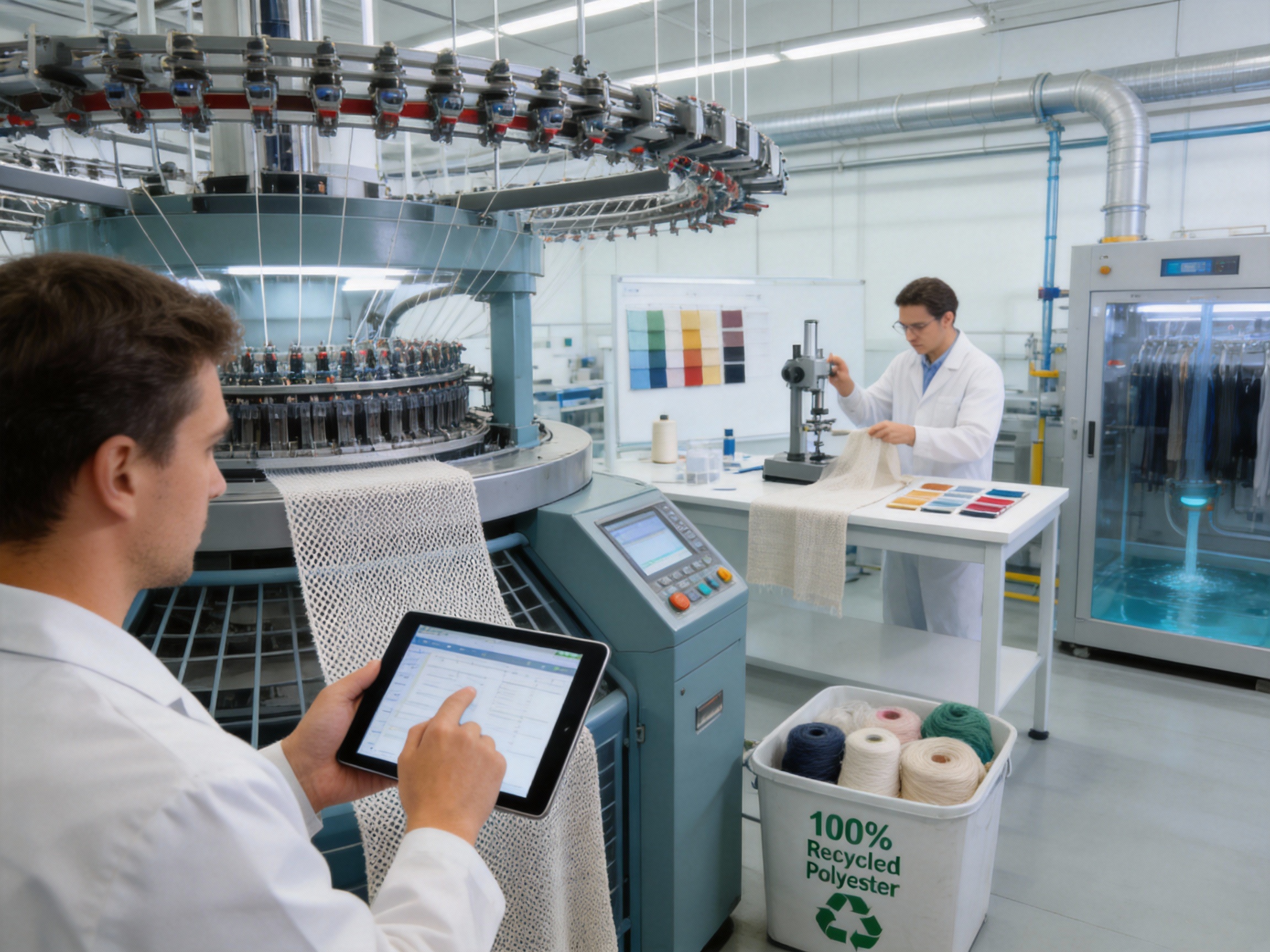
Double-sided mesh fabric is produced using computer-controlled circular knitting machines, which offer unmatched precision and consistency. These machines are programmed to interlace yarns in specific patterns, ensuring that both sides of the fabric have distinct and uniform designs. Unlike manual knitting, which can lead to inconsistencies, computer-controlled machines produce fabric with exact dimensions, pattern alignment, and mesh size. This precision is critical for ensuring that the fabric’s functional properties (like breathability and stretch) are consistent across every yard.
For example, Hangzhou Jinfeng Textile Co., Ltd (a leading manufacturer of this fabric) uses state-of-the-art circular knitting machines imported from Germany. These machines can produce fabric at high speeds while maintaining tight tolerances, allowing for large-scale production without compromising quality. The company’s knitting team also conducts regular calibration checks to ensure that the machines are operating at peak performance.
Jacquard Weaving Innovation
The reversible design of the fabric is made possible by jacquard knitting, a technique that uses a set of needles to create complex patterns on both sides of the fabric. Jacquard machines are equipped with a series of hooks and needles that can be individually controlled, allowing for intricate designs to be woven into the fabric. For double-sided mesh, the machine alternates between two sets of yarns to create contrasting patterns on each side. This process requires advanced programming and skilled operators to ensure that the patterns align correctly and that the fabric’s structure remains stable.
Hangzhou Jinfeng Textile Co., Ltd has a dedicated R&D team that develops custom jacquard patterns for clients. The team uses computer-aided design (CAD) software to create patterns, which are then tested on small-scale machines before being scaled up for production. This iterative process ensures that the final fabric meets the client’s design and functional requirements.
Quality Control at Every Stage
Quality control is a critical part of the manufacturing process for double-sided mesh fabric. Hangzhou Jinfeng Textile Co., Ltd implements a multi-stage quality control system that covers every step from yarn inspection to final product testing:
1. Yarn Inspection: Before production begins, incoming yarns are tested for strength, elasticity, color consistency, and purity. Only yarns that meet the company’s strict standards are used.
2. Pre-Production Sampling: A small sample of fabric is produced and tested for key properties, including breathability, stretch, recovery, color fastness, and durability. This sample is approved by the client before full-scale production starts.
3. In-Line Inspection: During production, operators inspect the fabric at regular intervals to check for defects like misaligned patterns, loose yarns, or uneven mesh size. Any defective fabric is immediately removed from the production line.
4. Final Testing: After production, the fabric undergoes a series of tests, including: - Stretch and Recovery Test: The fabric is stretched to a specific percentage of its original length and measured for recovery. - Color Fastness Test: The fabric is exposed to light, washing, and rubbing to ensure that the color does not fade or transfer. - Durability Test: The fabric is subjected to abrasion and friction tests to simulate wear and tear. - Moisture Management Test: The fabric’s ability to wick moisture is tested using standardized methods.
This rigorous quality control system ensures that every yard of fabric meets the highest standards of quality and performance.
Sustainable Production Practices
In recent years, sustainability has become a top priority in the textile industry. Hangzhou Jinfeng Textile Co., Ltd has implemented several sustainable production practices to reduce its environmental impact:
1. Recycled Yarns: The company uses recycled polyester and spandex yarns in some of its fabric productions, reducing the need for virgin materials. These recycled yarns are sourced from post-consumer plastic bottles and other textile waste.
2. Water-Saving Dyeing: The company uses closed-loop dyeing systems that recycle up to 90% of the water used in the dyeing process. This reduces water consumption and minimizes the release of wastewater into the environment.
3. Energy Efficiency: The company has invested in energy-efficient machinery and lighting systems, reducing its energy consumption by 20% compared to traditional manufacturing facilities.
4. Waste Reduction: The company minimizes waste by optimizing production patterns and recycling scrap fabric. Any leftover fabric is either reused in other products or recycled into new yarns.
These sustainable practices not only benefit the environment but also appeal to eco-conscious consumers and clients.
Competitive Advantages Over Alternative Fabrics
Double-sided mesh fabric for pants outperforms many alternative fabrics in terms of functional performance, versatility, and durability. Let’s compare it to three common alternatives:
Comparison with Cotton
Cotton is a popular fabric for pants, but it has several limitations compared to double-sided mesh:
1. Breathability: Cotton absorbs moisture and becomes heavy and uncomfortable when wet, whereas double-sided mesh wicks moisture away from the skin and dries quickly.
2. Stretch: Cotton has limited stretch, whereas double-sided mesh offers 4-way stretch and excellent recovery.
3. Reversibility: Cotton is not reversible, whereas double-sided mesh has two usable sides.
4. Durability: Cotton is prone to pilling and tearing, whereas double-sided mesh is more durable and resistant to wear and tear.
5. Eco-Friendliness: While cotton is natural, it requires large amounts of water and pesticides to grow. Double-sided mesh can be made from recycled materials, making it more eco-friendly.
Comparison with Nylon Mesh
Nylon mesh is another common fabric for activewear, but it has its own drawbacks:
1. Softness: Nylon mesh can be scratchy and uncomfortable against the skin, whereas double-sided mesh (made from NR knitted yarns) is soft and gentle.
2. Stretch Recovery: Nylon mesh loses its elasticity over time, whereas double-sided mesh maintains its shape.
3. Reversibility: Nylon mesh is usually single-sided, whereas double-sided mesh is reversible.
4. Aesthetic: Nylon mesh has a limited range of patterns, whereas double-sided mesh can be customized with intricate jacquard patterns.
Comparison with Single-Sided Mesh
Single-sided mesh is similar to double-sided mesh but lacks the reversible feature:
1. Versatility: Single-sided mesh has only one usable side, whereas double-sided mesh has two, offering more design options.
2. Durability: Single-sided mesh is thinner and more prone to tearing, whereas double-sided mesh is thicker and more durable.
3. Aesthetic: Single-sided mesh has a uniform pattern on one side, whereas double-sided mesh has contrasting patterns on both sides.
4. Comfort: Single-sided mesh can feel rough on the reverse side, whereas double-sided mesh is soft on both sides.
Key Performance Metrics Comparison
To summarize the advantages, here is a table comparing double-sided mesh fabric with cotton, nylon mesh, and single-sided mesh:
| Property | Double-Sided Mesh | Cotton | Nylon Mesh | Single-Sided Mesh |
|---|---|---|---|---|
| Breathability | Excellent | Poor (when wet) | Good | Good |
| Stretch (4-way) | Yes | No | Limited | Limited |
| Recovery | Excellent | Poor | Poor | Good |
| Reversible | Yes | No | No | No |
| Durability | Excellent | Moderate | Moderate | Moderate |
| Moisture Wicking | Excellent | Poor | Good | Good |
| Aesthetic Versatility | High | Moderate | Low | Moderate |
Applications Beyond Pants: Expanding Use Cases
While double-sided mesh fabric is ideal for pants, its unique properties make it suitable for a wide range of other applications. Let’s explore some of these:
Activewear
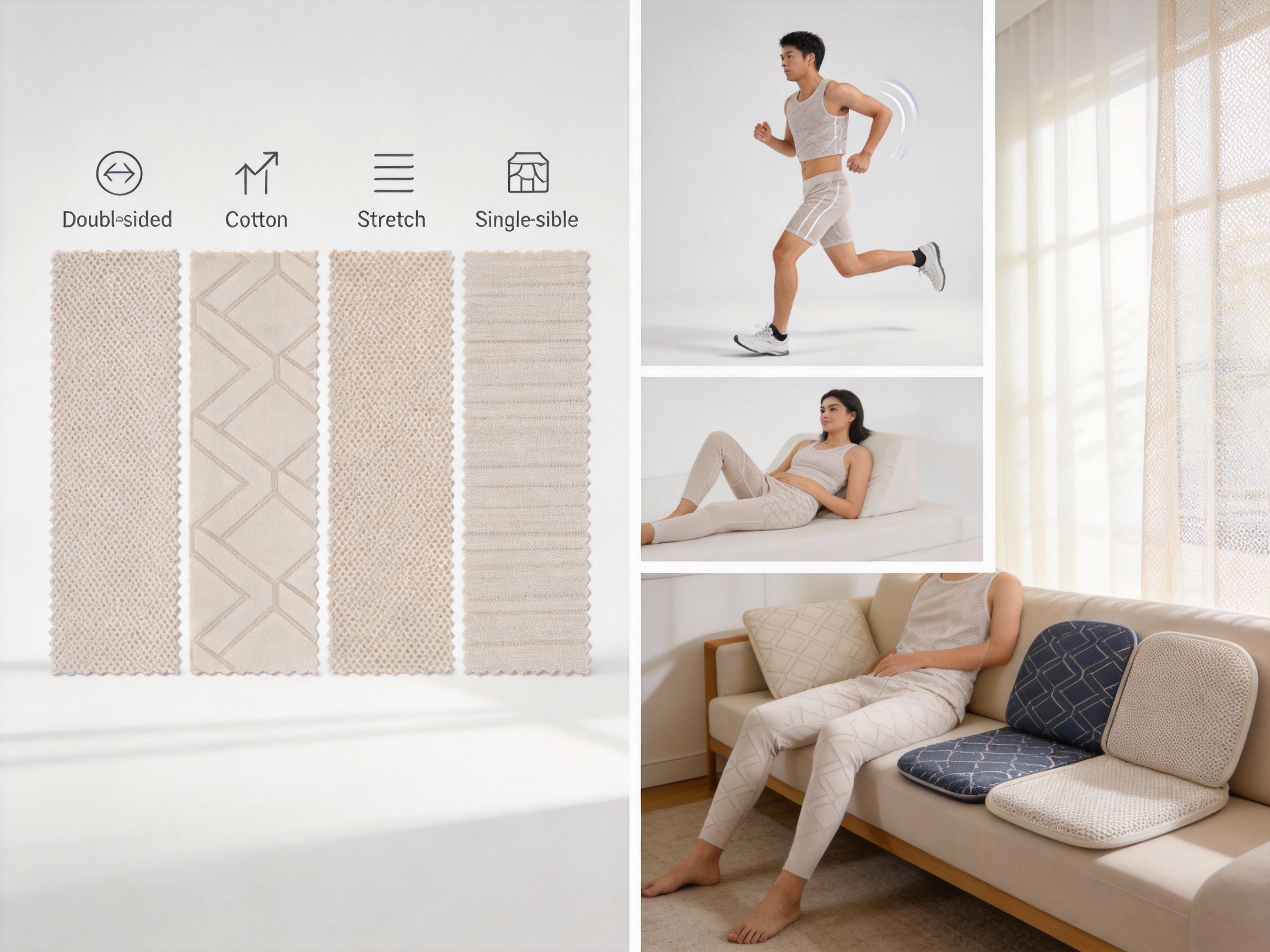
Activewear is one of the fastest-growing segments of the textile industry, and double-sided mesh fabric is perfectly suited for this market. Its breathability, stretch, and moisture-wicking properties make it ideal for: - Yoga Pants: The 4-way stretch allows for full range of motion, while the moisture-wicking properties keep the wearer dry during intense sessions. - Running Shorts: The breathable mesh structure keeps the wearer cool, while the reversible design offers two looks in one. - Gym Tops: The fabric’s stretch and recovery ensure that the top maintains its shape even after repeated stretching. - Sports Bras: The soft, breathable fabric provides support and comfort without causing chafing.
Athletes and fitness enthusiasts often prefer double-sided mesh activewear because it enhances performance and reduces discomfort. For example, a runner wearing double-sided mesh shorts will stay cool and dry, even during a long run in hot weather.
Loungewear
Loungewear has become increasingly popular in recent years, with consumers looking for comfortable, stylish clothing for home use. Double-sided mesh fabric is ideal for loungewear because: - Comfort: The soft, stretchy fabric feels gentle against the skin. - Versatility: The reversible design allows for easy style changes (e.g., flipping a pair of loungewear pants to match a top). - Breathability: The mesh structure keeps the wearer cool and comfortable, even when relaxing for long periods. - Durability: The fabric is resistant to pilling and tearing, making it suitable for frequent use.
For example, a pair of double-sided mesh loungewear pants can be worn for a morning workout, then flipped to a different pattern for a lazy afternoon at home.
Home Décor
Double-sided mesh fabric is also suitable for home décor applications, thanks to its aesthetic versatility and breathability. It can be used for: - Curtains: The mesh structure allows light to filter through while providing privacy. The reversible design allows for easy style changes (e.g., flipping the curtains for a different look in the morning vs. evening). - Cushion Covers: The intricate jacquard patterns add a touch of style to any room. The breathable fabric prevents cushions from becoming too hot. - Throw Pillows: The soft, stretchy fabric is comfortable to lean on, while the reversible design offers two looks in one. - Table Runners: The mesh structure adds a modern, airy look to a dining table.
Home décor designers often choose double-sided mesh fabric because it combines functionality with style. For example, a set of double-sided mesh cushion covers can add a pop of color to a living room while keeping the cushions cool and comfortable.
Q&A Section
To address common questions about double-sided mesh fabric for pants, we have compiled this Q&A section:
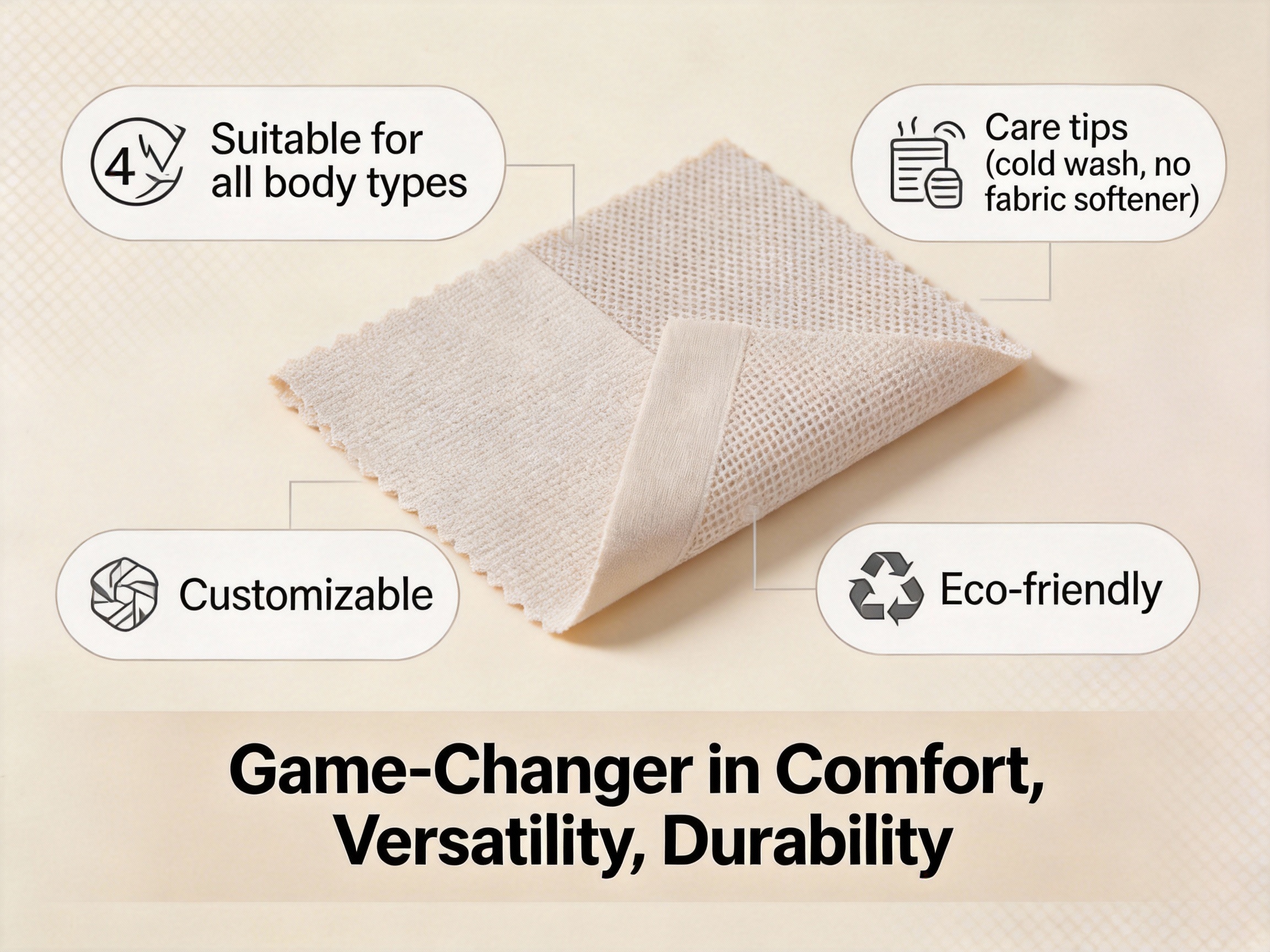
Q1: Is double-sided mesh fabric suitable for all body types?
A: Yes, double-sided mesh fabric is suitable for all body types. Its 4-way stretch allows it to accommodate a wide range of sizes and body shapes, while the body-hugging design (without being restrictive) flatters the wearer. The fabric’s stretch and recovery properties ensure that it fits comfortably without bagging or sagging, regardless of the wearer’s body type.
Q2: How do I care for double-sided mesh pants to maintain quality?
A: To care for double-sided mesh pants, follow these instructions: - Wash: Machine wash in cold water on a gentle cycle. Avoid using hot water, as it can damage the stretch yarns. - Detergent: Use a mild, bleach-free detergent. Avoid fabric softeners, as they can clog the mesh structure and reduce breathability. - Dry: Tumble dry on low heat or hang to dry. Avoid ironing, as high heat can damage the fabric. - Storage: Fold the pants and store them in a dry, cool place. Avoid hanging them for long periods, as this can cause stretching.
Following these care instructions will help maintain the fabric’s quality and extend its lifespan.
Q3: Can this fabric be customized for specific design needs?
A: Yes, double-sided mesh fabric can be fully customized to meet specific design needs. Hangzhou Jinfeng Textile Co., Ltd offers custom jacquard patterns, colors, and weights. The company’s R&D team works closely with clients to develop designs that align with their brand aesthetics and functional requirements. Customization options include: - Patterns: Intricate geometric, floral, or logo patterns. - Colors: Any color (with excellent color fastness). - Weights: Lightweight (for summer wear) or heavyweight (for winter wear). - Yarn Types: Recycled or virgin yarns, blended with spandex or other stretch fibers.
Q4: Is double-sided mesh fabric eco-friendly?
A: Double-sided mesh fabric can be eco-friendly, depending on the materials and production processes used. Hangzhou Jinfeng Textile Co., Ltd offers an eco-friendly version of the fabric made from recycled polyester and spandex yarns. The company also uses sustainable production practices, such as water-saving dyeing and energy-efficient machinery, to reduce its environmental impact. Additionally, the fabric’s durability means that it lasts longer, reducing the need for frequent replacements and minimizing waste.
Q5: What makes this fabric stand out from other reversible options?
A: Unlike other reversible fabrics (which often require lining or have inconsistent quality), double-sided mesh fabric is: - 100% Reversible: Both sides are finished and usable, with distinct patterns or textures. - Functional: It offers breathability, stretch, and moisture-wicking properties that other reversible fabrics lack. - Durable: The double-sided structure and high-quality yarns make it more durable than other reversible options. - Customizable: It can be customized with intricate jacquard patterns and colors.
Conclusion
Double-sided mesh fabric for pants is a revolutionary textile that combines functional performance with aesthetic versatility. Its reversible design, breathability, stretch, and durability make it a top choice for activewear, casual wear, and home décor. Advanced manufacturing processes—including precision knitting, jacquard weaving, and rigorous quality control—elevate its quality, while sustainable practices reduce its environmental impact. Compared to alternative fabrics like cotton, nylon mesh, and single-sided mesh, double-sided mesh offers superior performance in key areas like breathability, stretch recovery, and reversibility.
As the textile industry continues to evolve, double-sided mesh fabric is poised to become a staple in many product lines. Its ability to meet the needs of both consumers (comfort, style, durability) and businesses (customization, cost-effectiveness, sustainability) makes it a valuable investment. Whether you are a designer looking to create innovative garments, a consumer seeking high-quality activewear, or a home décor enthusiast wanting stylish and functional products, double-sided mesh fabric is a game-changer that delivers on all fronts.
References
1. Textile Institute. (2023). "Knitted Fabrics: Performance and Applications". Manchester, UK: Textile Institute Press.
2. Smith, J. (2022). "Reversible Fabrics: A Guide to Design and Production". New York: Fashion Industry Publications.
3. Global Textile Council. (2023). "Sustainable Textile Manufacturing Trends". Geneva: Global Textile Council.
4. Wang, L. (2021). "Moisture Management in Knitted Fabrics". Beijing: China Textile Press.
5. Hangzhou Jinfeng Textile Co., Ltd. (2023). "Product Catalog: Double-Sided Mesh Fabric". Hangzhou, China: Hangzhou Jinfeng Textile Co., Ltd.