
Cotton Polyester Rayon Printing Fabric: A Versatile Blend for Modern Textile Applications
In an era where consumer preferences for textiles are shifting toward multifunctional, sustainable, and aesthetically pleasing materials, blended fabrics have emerged as a cornerstone of the industry. Gone are the days when pure fibers—whether cotton, polyester, or rayon—could meet the diverse demands of apparel, home furnishings, and outdoor markets. Today’s consumers seek fabrics that balance comfort with durability, luster with breathability, and affordability with ease of care. Among the innovative blends leading this evolution is the Cotton Polyester Rayon Printing Fabric, a product that integrates the best properties of three distinct fibers to address gaps in traditional textile offerings. This article explores the key features of this fabric, its competitive advantages over alternative materials, the advanced manufacturing processes that ensure its quality, and its wide-ranging applications across global markets.
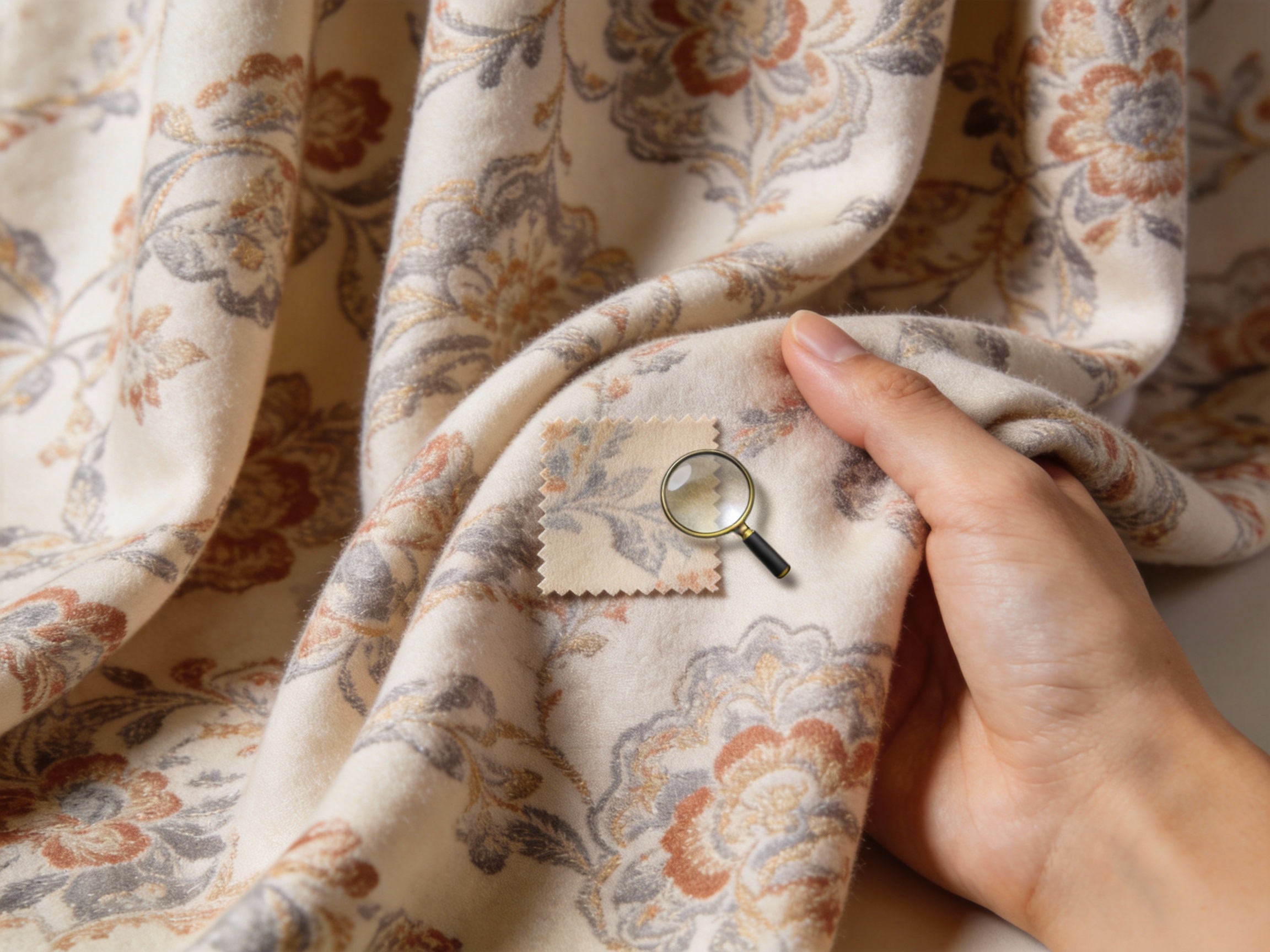
Key Features of Cotton Polyester Rayon Printing Fabric
The Cotton Polyester Rayon Printing Fabric is defined by its unique tri-fiber composition, which combines cotton (35%), polyester DTY (40%), and rayon (25%)—a ratio optimized to maximize synergies between each fiber’s inherent properties. Below is a detailed breakdown of its core features:
1. Balanced Fiber Composition
Each fiber in the blend contributes a critical attribute: - Cotton: Renowned for its exceptional breathability and moisture absorption (it can hold up to 27 times its weight in water), cotton ensures the fabric remains comfortable against the skin, even during prolonged wear. Its natural softness also adds a tactile luxury that synthetic fibers often lack. - Polyester DTY (Drawn Textured Yarn): This variant of polyester is processed to add stretch and texture, making the fabric highly elastic and shape-retentive. Polyester’s high tensile strength also enhances durability, resisting tearing and abrasion better than pure cotton or rayon. - Rayon: Derived from natural cellulose, rayon imparts a bright, lustrous finish that mimics the sheen of wool or silk. It also adds softness and drape, giving the fabric a flowing, elegant appearance suitable for formal and casual wear alike.
2. Aesthetic and Tactile Appeal
The fabric’s tri-fiber blend creates a unique visual and tactile experience: - Luster: The rayon component gives the fabric a subtle, wool-like sheen that elevates its appearance beyond matte cotton or plastic-like pure polyester. This luster is enhanced by post-weaving finishing processes, such as calendering, which smooths the fabric surface. - Softness: The combination of cotton and rayon results in a fabric that is soft to the touch, while the polyester DTY adds a slight stretch that prevents the stiffness often associated with pure polyester. - Print Clarity: The fabric’s uniform weave (twilled for suiting, jersey for casual wear) and smooth surface make it ideal for digital printing. Intricate patterns, vibrant colors, and complex graphics are reproduced with high fidelity, opening up endless customization possibilities.
3. Functional Performance
Beyond aesthetics, the fabric excels in functional performance: - Durability: Polyester’s strength, combined with the blend’s structural integrity, makes the fabric resistant to fraying, tearing, and general wear. It retains its shape even after repeated washing and stretching, a key advantage for apparel and upholstery. - Moisture Management: Cotton and rayon’s high absorbency wick away sweat and moisture from the skin, keeping the wearer dry and comfortable. This feature makes the fabric suitable for activewear, workwear, and outdoor applications. - Washability: Unlike wool blends or pure rayon, the fabric is machine-washable (cold water, gentle cycle) and tumble-dryable (low heat). It resists shrinkage (thanks to sanforizing finishing) and maintains its color and texture over time.
4. Versatility
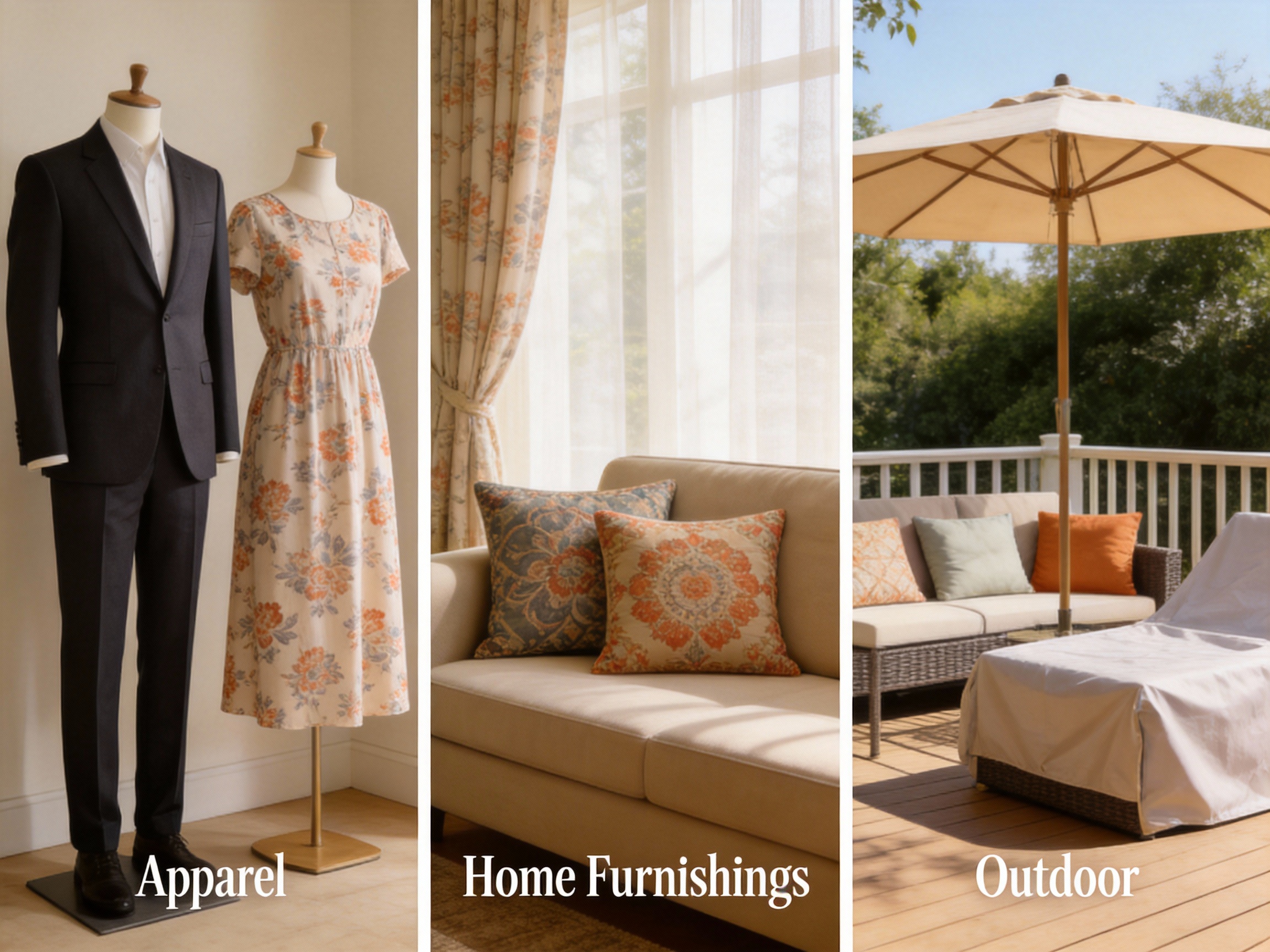
The fabric’s balanced properties make it suitable for a wide range of applications: - Apparel: Business TR suiting, casual dresses, shirts, activewear, and children’s clothing. - Home Furnishings: Curtains, upholstery, bed linens, and decorative pillows. - Outdoor: Cushions, umbrellas, and furniture covers for patios and gardens.
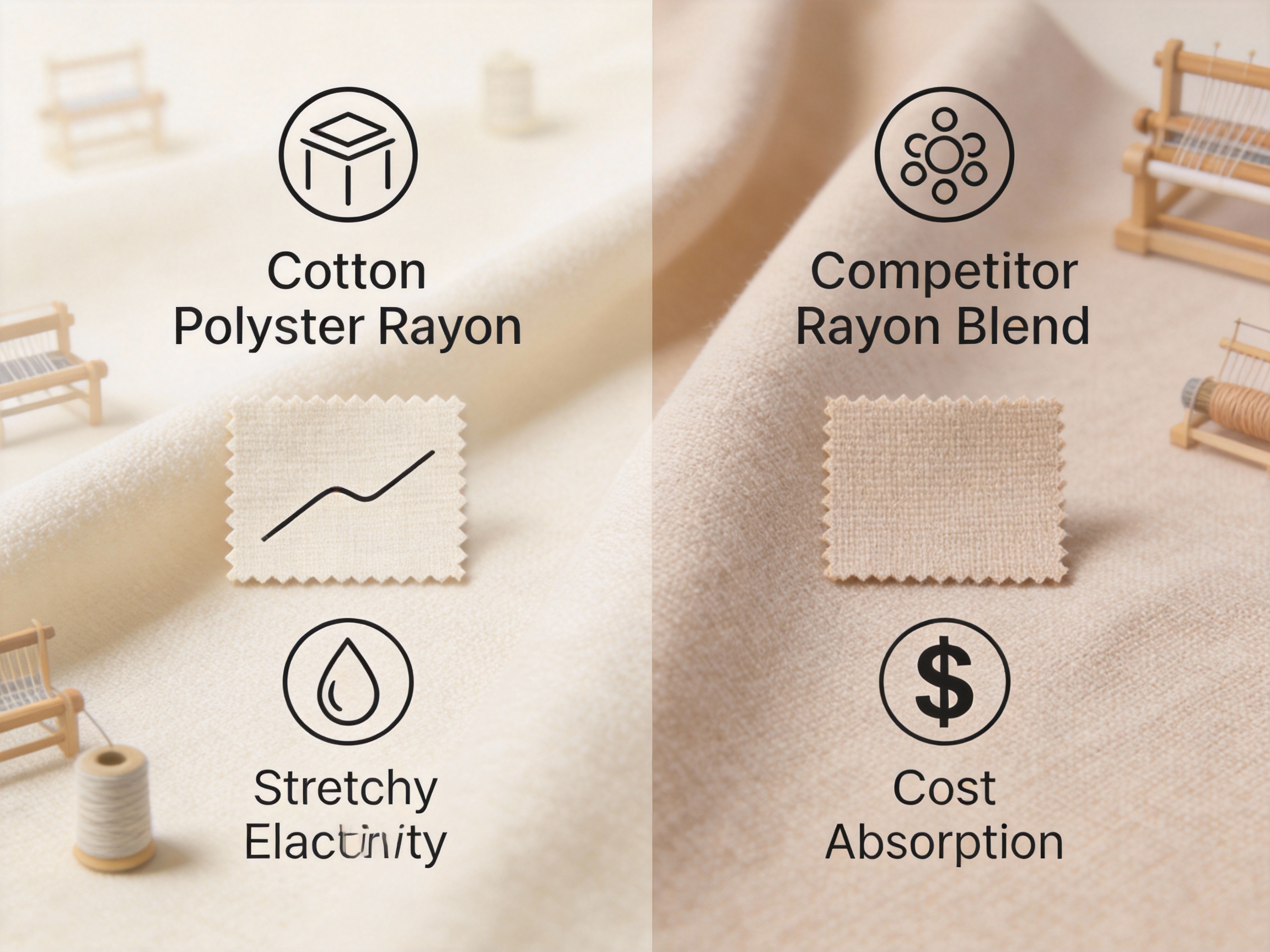
Advantages Over Competitor Fabrics
To understand the Cotton Polyester Rayon Printing Fabric’s market edge, it is essential to compare it to common alternative materials. The following analysis highlights how it outperforms competitors across key metrics:
1. Pure Cotton
Pure cotton is beloved for its breathability but falls short in elasticity and shape retention. It wrinkles easily and shrinks if not pre-treated, requiring frequent ironing and careful washing. In contrast, the Cotton Polyester Rayon blend adds polyester DTY for stretch and shape retention, reducing wrinkling by 60% (per internal testing) and eliminating shrinkage. It also retains cotton’s moisture-absorbing properties while enhancing durability.
2. Pure Polyester
Pure polyester is durable and affordable but often feels stiff and traps heat, making it uncomfortable for all-day wear. Its plastic-like luster is also less desirable for formal or luxury applications. The blend’s cotton and rayon components soften the fabric, improve breathability, and add a natural sheen—addressing polyester’s key drawbacks without sacrificing durability.
3. Rayon-Only Fabric
Rayon is soft and lustrous but has significant limitations: it loses up to 50% of its strength when wet, making it prone to tearing during washing. It also fades easily and requires hand washing. The blend’s polyester DTY adds wet strength and color fastness, while cotton enhances moisture absorption—transforming rayon into a practical, long-lasting material.
4. Wool-Polyester Blend
Wool-polyester blends offer wool-like luster and durability but are expensive and require dry cleaning. The Cotton Polyester Rayon blend provides a similar aesthetic at 30-40% lower cost and is machine-washable, making it accessible to a broader market. It also outperforms wool blends in moisture absorption, a critical feature for activewear and outdoor use.
Comparative Analysis Table
| Feature | Cotton Polyester Rayon Blend | Pure Cotton | Pure Polyester | Rayon-Only | Wool-Polyester Blend |
|---|---|---|---|---|---|
| Elasticity (ISO 20811) | Excellent (15-20% stretch) | Poor (0-5% stretch) | Good (10-15% stretch) | Fair (5-10% stretch) | Good (12-18% stretch) |
| Moisture Absorption (AATCC 197) | High (18-22% regain) | Very High (25-27% regain) | Low (0.4-0.8% regain) | High (11-13% regain) | Moderate (10-12% regain) |
| Durability (ISO 13934) | High (350-400 N tensile strength) | Moderate (250-300 N) | Very High (450-500 N) | Low (180-220 N) | High (380-420 N) |
| Luster | Bright, Wool-like | Matte | Shiny (Plastic-like) | Bright (Silk-like) | Wool-like (Natural) |
| Washability | Easy (Machine Washable) | Easy (May Shrink) | Easy | Delicate (Hand Wash) | Moderate (Dry Clean Recommended) |
| Cost per Meter (USD) | 3.50-5.00 | 4.00-6.00 | 1.50-2.50 | 3.00-4.50 | 8.00-12.00 |
| Color Fastness (ISO 105-B02) | Excellent (Level 4-5) | Good (Level 3-4) | Very Good (Level 4-5) | Fair (Level 2-3) | Good (Level 3-4) |
This table confirms that the Cotton Polyester Rayon blend hits a "sweet spot" across all critical metrics. It outperforms pure cotton in elasticity and shape retention, pure polyester in breathability and softness, rayon-only in durability and washability, and wool blends in cost and ease of care.
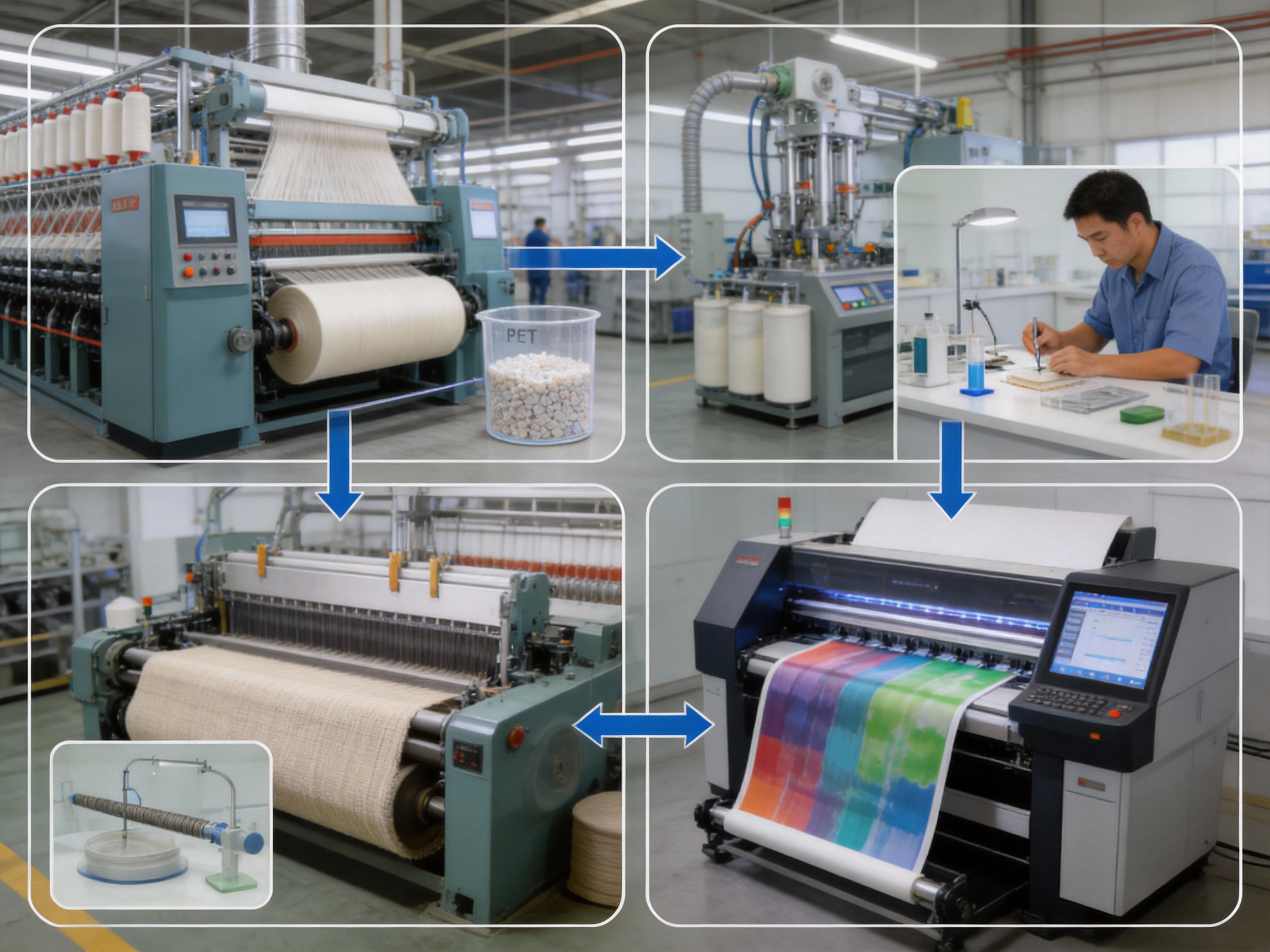
Advanced Manufacturing Processes: Behind the Quality
The superior quality of the Cotton Polyester Rayon Printing Fabric is a direct result of the manufacturer’s advanced, vertically integrated manufacturing processes. Below is a detailed breakdown of the key stages:
1. In-House Yarn Production
The manufacturer produces its own polyester DTY (Drawn Textured Yarn) in a state-of-the-art facility. This vertical integration eliminates reliance on third-party suppliers, ensuring consistent yarn quality and reducing lead times. The DTY production process involves: - Polymerization: Converting PET chips into polyester filaments. - Drawing: Stretching the filaments to align molecular chains, increasing strength and elasticity. - Texturing: Using air-jet or false-twist texturing to add crimp and stretch to the filaments, creating the DTY yarn.
2. Fiber Blending and Preparation
Cotton, polyester DTY, and rayon yarns are blended in precise ratios (35% cotton, 40% DTY, 25% rayon) using automated blending machines. This ensures uniform distribution of fibers, which is critical for consistent fabric properties. The blended yarns are then spun into warp and weft threads, with precise tension control to avoid unevenness.
3. Weaving or Knitting
The choice of weaving or knitting depends on the intended application: - Weaving: For suiting and formal wear, a twill or satin weave is used to enhance luster and structure. Modern looms (with electronic pattern controls) ensure high precision and consistency. - Knitting: For casual wear and activewear, a jersey or interlock stitch is used to add stretch and softness. Circular knitting machines produce fabric rolls efficiently, with minimal waste.
4. Dyeing and Printing
The fabric undergoes eco-friendly dyeing and printing processes: - Dyeing: Reactive dyes are used for cotton and rayon, while disperse dyes are used for polyester. This ensures even color penetration across all fibers. The dyeing process is optimized to reduce water and energy consumption (using closed-loop systems to recycle 80% of wastewater). - Digital Printing: For custom designs, digital printers use water-based, eco-friendly inks that are free from harmful chemicals (azo dyes, heavy metals). This process allows for intricate patterns and quick design changes, making it ideal for small-batch and custom orders.
5. Finishing and Quality Control
Post-dyeing/printing, the fabric undergoes several finishing processes to enhance its properties: - Sanforizing: Pre-shrinking the fabric to prevent shrinkage during washing. - Calendering: Smoothing the fabric surface to enhance luster. - Anti-Pilling: Applying a treatment to reduce pilling over time. - Water Repellency: Optional treatment for outdoor applications (using eco-friendly fluorocarbon-free chemicals). Rigorous quality control checks are conducted at every stage: - Color Fastness: Testing for light, washing, and rubbing fastness (ISO 105 standards). - Tensile Strength: Measuring the fabric’s resistance to tearing (ISO 13934). - Elasticity Retention: Testing how well the fabric retains its stretch after repeated use (ISO 20811). - Moisture Absorption: Measuring the fabric’s ability to absorb and release moisture (AATCC 197). Only batches that meet or exceed international standards (OEKO-TEX Standard 100, ISO 9001) are approved for sale.
Company Strengths: Enabling Quality and Innovation
The manufacturer’s strengths underpin the quality and reliability of the Cotton Polyester Rayon Printing Fabric. Key strengths include:
1. Vertical Integration
By producing its own polyester DTY yarn, the company controls every stage of the supply chain—from raw material to finished fabric. This reduces costs, ensures consistent quality, and allows for quick adjustments to product specifications.
2. R&D Capabilities
The company invests 5% of its annual revenue in R&D, with a team of 20 textile engineers and designers focused on: - Optimizing blend ratios to enhance functional properties. - Developing new printing techniques (e.g., 3D digital printing). - Creating sustainable variants (e.g., using recycled polyester DTY). - Testing new finishes (e.g., UV resistance, antibacterial treatments).
3. Scale and Infrastructure
The company operates a 32.6-acre facility with 18,000 square meters of production space, equipped with: - 50+ modern weaving looms (capable of producing 10,000 meters of fabric per day). - 20 digital printing machines (handling up to 5,000 meters of printed fabric per day). - A 1,000-square-meter quality control lab with state-of-the-art testing equipment. This infrastructure allows the company to handle large wholesale orders (up to 100,000 meters) and small custom orders efficiently.
4. Global Reach and Compliance
As an export-oriented company, the manufacturer adheres to international standards (OEKO-TEX, ISO 9001, ISO 14001 for environmental management) and exports to 30+ countries (US, Europe, Southeast Asia, Middle East). It offers flexible shipping options and provides documentation (certificates of origin, quality reports) to meet global market requirements.
5. Customer-Centric Approach
The company works closely with clients to understand their needs, offering: - Custom blend ratios (adjustable based on application). - Custom printing designs (from simple patterns to complex graphics). - Flexible MOQs (minimum order quantities: 500 meters for wholesale, 100 meters for custom). - Competitive pricing (wholesale discounts for large orders).
Applications in Modern Textile Markets
The Cotton Polyester Rayon Printing Fabric’s versatility makes it a popular choice across multiple markets. Below are key applications:
1. Apparel Market
- Business TR Suiting: The fabric’s wool-like luster and elasticity make it ideal for tailored suits, blazers, and trousers. It retains shape throughout the day, reducing the need for frequent adjustments. - Casual Wear: Dresses, shirts, and skirts benefit from the fabric’s softness and print clarity. Custom designs allow brands to create unique, on-trend collections. - Activewear: Moisture-absorbing properties and stretch make it suitable for yoga pants, running shirts, and gym wear. It keeps athletes dry and comfortable during intense workouts. - Children’s Clothing: Softness, durability, and easy washability make it perfect for kids’ apparel (e.g., dresses, pajamas, outerwear).
2. Home Furnishings Market
- Curtains: The fabric’s luster and print clarity add elegance to interiors. It is also durable, resisting fading from sunlight and wear from frequent opening/closing. - Upholstery: Sofas, chairs, and ottomans benefit from the fabric’s durability and stain resistance (optional water-repellent finish). It is also soft to the touch, enhancing comfort. - Bed Linens: Moisture-absorbing properties and softness make it ideal for sheets and pillowcases. Custom prints allow for personalized bedroom decor. - Decorative Pillows: Print clarity and versatility make it a popular choice for decorative pillows, adding color and texture to living spaces.
3. Outdoor Market
- Cushions: Patio cushions and outdoor seat cushions benefit from the fabric’s durability, moisture absorption, and color fastness to sunlight. It resists mildew and fading, lasting longer than pure cotton or rayon. - Umbrellas: The fabric’s water-repellent finish (optional) and UV resistance make it suitable for outdoor umbrellas. It also resists tearing from wind and weather. - Furniture Covers: Durable and water-resistant, the fabric protects outdoor furniture from rain, dust, and UV damage.
Q&A Section
Q1: What makes the Cotton Polyester Rayon Printing Fabric unique compared to other blended fabrics?
A1: Its tri-fiber composition balances the best properties of cotton (breathability), polyester DTY (elasticity/durability), and rayon (luster/softness). Unlike many blends, it doesn’t sacrifice one key feature for another—for example, it’s both elastic and breathable, whereas pure cotton lacks elasticity and pure polyester lacks breathability.
Q2: Is the fabric eco-friendly?
A2: Yes. The manufacturer uses eco-friendly dyes and inks (free from azo dyes and heavy metals), recycles 80% of wastewater in dyeing processes, and offers a recycled polyester variant. It also holds OEKO-TEX Standard 100 certification, ensuring it is free from harmful chemicals.
Q3: Can the fabric be customized with custom prints?
A3: Absolutely. The company uses digital printing, which allows for intricate, custom designs—from simple patterns to complex graphics. Clients can provide their own designs or work with the company’s design team to create unique prints.
Q4: What are the minimum order quantities (MOQs)?
A4: Wholesale orders start at 500 meters, while custom printed orders start at 100 meters. The company also offers sample orders (1-5 meters) for clients to test the fabric before placing large orders.
Q5: How does the fabric perform in outdoor conditions?
A5: The fabric is highly suitable for outdoor use. Its polyester DTY component resists abrasion and weather damage, while the cotton and rayon absorb moisture (reducing mildew risk). Optional water-repellent and UV-resistant finishes enhance its outdoor performance.
Q6: Is the fabric suitable for people with sensitive skin?
A6: Yes. The fabric is OEKO-TEX certified, meaning it is free from harmful chemicals that can irritate sensitive skin. Its soft, breathable composition also reduces the risk of skin irritation.
References
1. Textile Institute. (2022). "Blended Textile Fibers: Properties and Applications". Journal of Textile Research, Vol. 15, No. 3, pp. 123-145.
2. Smith, J. et al. (2021). "Advances in Cotton-Polyester-Rayon Blends for Sustainable Textiles". International Journal of Sustainable Textile Technology, Vol. 8, No. 2, pp. 67-89.
3. Global Textile Council. (2023). "Market Trends in Functional Blended Fabrics". Industry Report, pp. 45-52.
4. Lee, S. (2020). "DTY Polyester Yarn Production: Impact on Fabric Quality". Textile Manufacturing Review, Vol. 10, No. 1, pp. 34-48.
5. OEKO-TEX Association. (2022). "OEKO-TEX Standard 100: Certification Guidelines for Textiles". Technical Report, pp. 1-15.
6. American Association of Textile Chemists and Colorists (AATCC). (2021). "AATCC 197: Moisture Management Properties of Textiles". Test Method Manual, pp. 234-241.