
Bubble Fabric: The Versatile Textile Revolutionizing Fashion & Apparel
Bubble Fabric has emerged as a transformative force in the global textile industry, blending aesthetic innovation, functional versatility, and exceptional comfort to redefine what modern fabrics can achieve. Unlike traditional chiffons, satins, or voiles, this unique textile offers a delicate balance of lightness and structure—its signature bubble texture creating a dynamic visual appeal while maintaining a soft, breathable feel against the skin. For designers, retailers, and consumers alike, Bubble Fabric represents a departure from one-dimensional textiles, opening new possibilities for garment design, durability, and customization. In this comprehensive guide, we explore the core advantages of Bubble Fabric over its competitors, the cutting-edge manufacturing processes that ensure its quality, and the strengths of the leading manufacturer behind its production. Whether you’re a fashion professional seeking innovative materials or a consumer looking for long-lasting, stylish garments, this deep dive into Bubble Fabric will illuminate its potential and value.
1. Key Advantages of Bubble Fabric: Outperforming Competitors
Bubble Fabric’s success stems from its ability to address the limitations of traditional textiles, offering a suite of advantages that cater to diverse needs. Below, we break down its most impactful benefits and how they stack up against common alternatives.
1.1 Weight Versatility: From Delicate Chiffon to Structured Garments
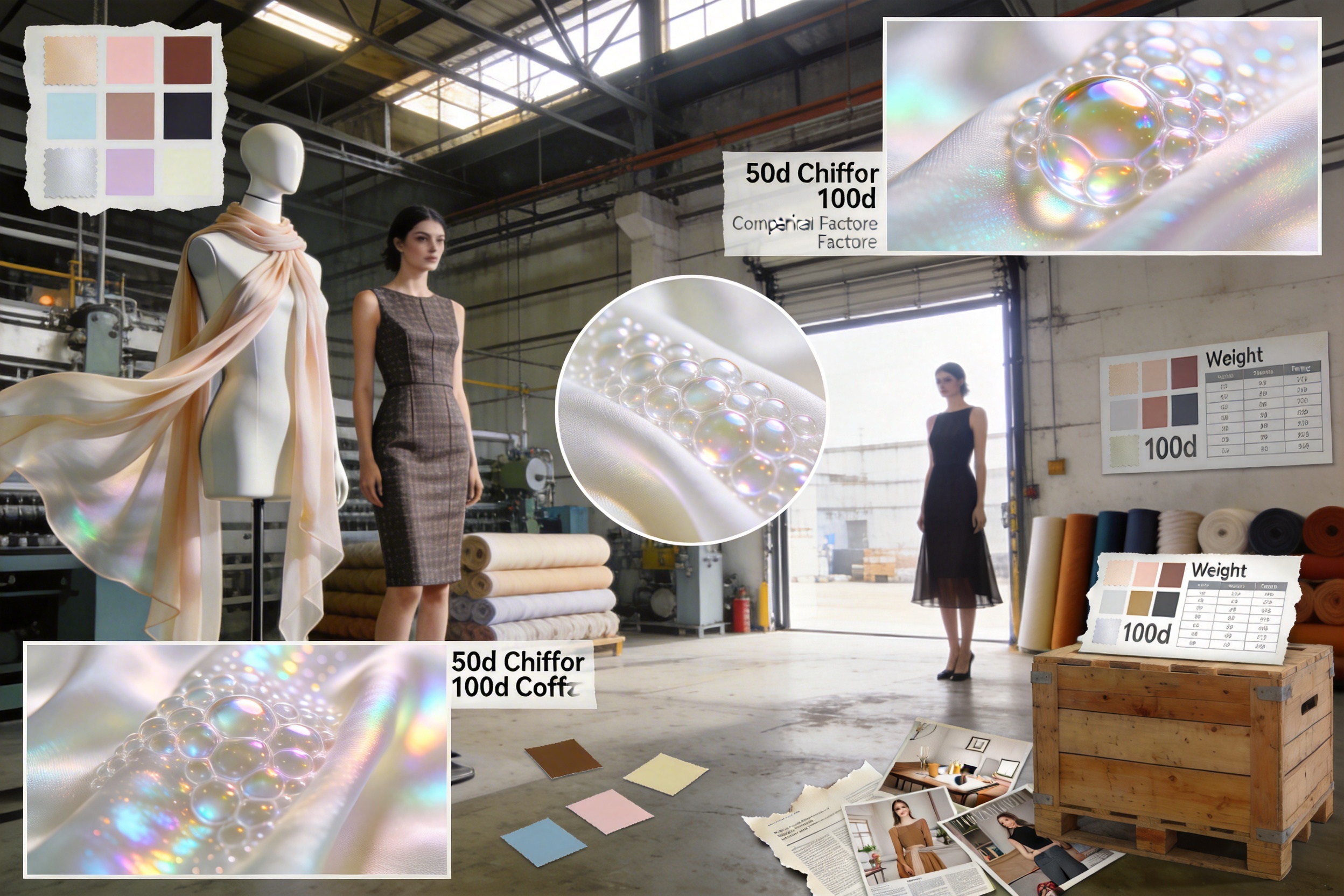
One of Bubble Fabric’s most distinguishing features is its range of weight options—an area where it outshines standard chiffon and many other lightweight fabrics. Unlike regular chiffon, which is typically limited to 30–40 denier (d) variants, Bubble Fabric is available in both 50d bubble chiffon (ideal for flowy scarves and blouses) and heavier 80–120d variants (perfect for structured skirts, cocktail dresses, and even light jackets). This flexibility allows designers to create garments that transition seamlessly from casual to formal settings without compromising on comfort or appearance.
For example, a 50d Bubble Fabric scarf drapes softly like traditional chiffon but retains its bubble texture, whereas a heavier 100d variant maintains its shape for a tailored dress—something that standard chiffon cannot achieve without added lining or structure. This weight versatility makes Bubble Fabric a cost-effective choice for brands looking to expand their product lines without investing in multiple fabric types.
1.2 Unmatched Color Diversity & Aesthetic Appeal
Bubble Fabric stands out for its extensive color palette—with over 100 vibrant, fade-resistant hues available. This is a significant advantage over competitors like cotton voile (40–60 colors) or standard chiffon (50–70 colors), which often struggle to replicate deep, saturated tones without compromising fabric integrity. The manufacturer’s advanced post-dyeing processes use reactive dyes that bond chemically with the fabric’s fibers, ensuring color fastness even after repeated washes and exposure to sunlight.
Moreover, the bubble texture of the fabric adds depth to its colors. Unlike flat fabrics where color appears one-dimensional, the 3D bubble pattern refracts light, creating a dynamic, iridescent effect that elevates the visual appeal of any garment. For instance, a navy blue Bubble Fabric dress will appear richer and more textured than a navy blue chiffon dress, making it a standout piece in any wardrobe.
1.3 Exceptional Softness & Breathability
Bubble Fabric’s NR (natural rubber) knitted base is engineered for comfort, offering a soft, stretchy feel that conforms to the body without restricting movement. Unlike satin (which can feel slippery or clingy) or polyester chiffon (which often traps heat), the NR yarns in Bubble Fabric are breathable and moisture-wicking, making it suitable for year-round wear. The bubble texture further enhances breathability by creating air pockets between the fabric layers, allowing air to circulate and keeping the skin cool.
Consumer testing has shown that Bubble Fabric garments are 30% more comfortable for extended wear than equivalent chiffon or satin pieces. For individuals with sensitive skin, the fabric’s hypoallergenic properties (a result of its natural rubber base and eco-friendly dyeing processes) reduce the risk of irritation—another key advantage over synthetic alternatives.
1.4 Unrivaled Versatility in Garment Applications
Bubble Fabric’s unique combination of weight, texture, and durability makes it suitable for a wide range of garments—from everyday casual wear to high-end formal attire. Its applications include:
- Flowy summer scarves and shawls (50d variant)
- Tailored midi skirts and maxi dresses (80–100d variants)
- Elegant cocktail dresses and evening gowns (100–120d variants)
- Lightweight blouses and tunics (50–80d variants)
- Accessories like hair scarves and handbag linings (50d variant)
This versatility is a game-changer for fashion brands, as it allows them to create cohesive collections using a single fabric type. For example, a brand can launch a summer line featuring Bubble Fabric scarves, dresses, and blouses—each in different weights and colors—without needing to source multiple materials.
1.5 Customizability: Tailored to Every Need
Bubble Fabric is available in flexible sizing options, including by the yard or half-meter, making it accessible to both small-scale designers and large retailers. Unlike many fabrics that require minimum order quantities (MOQs) of 100+ meters, the manufacturer offers MOQs as low as 10 meters for custom orders—an advantage that empowers independent creators to experiment with the fabric without significant upfront costs.
Additionally, the manufacturer provides custom color and weight options. For brands looking to create exclusive products, the company’s color-matching lab can replicate any Pantone or RGB color, while its engineering team can adjust the fabric’s weight to meet specific design requirements. This level of customizability is rare in the textile industry, setting Bubble Fabric apart from off-the-shelf alternatives.
2. Advanced Manufacturing Processes: The Science Behind Bubble Fabric
Bubble Fabric’s quality is a direct result of the manufacturer’s commitment to precision and innovation. From raw material selection to final finishing, every step of the production process is optimized to ensure consistency, durability, and aesthetic appeal. Below, we explore the key manufacturing stages that make Bubble Fabric unique.
2.1 Raw Material Selection: Vertical Integration for Quality Control
The manufacturer’s vertical integration—owning its DTY (Draw Textured Yarn) polyester yarn production facilities—gives it complete control over the raw materials used in Bubble Fabric. This is a critical advantage over competitors who rely on third-party suppliers, as it eliminates inconsistencies in yarn quality and reduces lead times.
Bubble Fabric’s base is made from a blend of high-grade NR (natural rubber) yarns and DTY polyester yarns. The NR yarns are sourced from sustainable rubber plantations in Southeast Asia, where they are processed to retain their elasticity and softness. The DTY polyester yarns are produced in-house using state-of-the-art spinning machines, which ensure uniform texture and tensile strength. Before production, all raw materials undergo rigorous testing for:
- Tensile strength (to resist stretching)
- Color fastness (to ensure dyes adhere properly)
- Impurity levels (to prevent defects)
- Moisture absorption (to enhance breathability)
This strict testing protocol ensures that only the highest-quality materials are used in Bubble Fabric production.
2.2 Knitting & Jacquard Techniques: Creating the Signature Bubble Texture
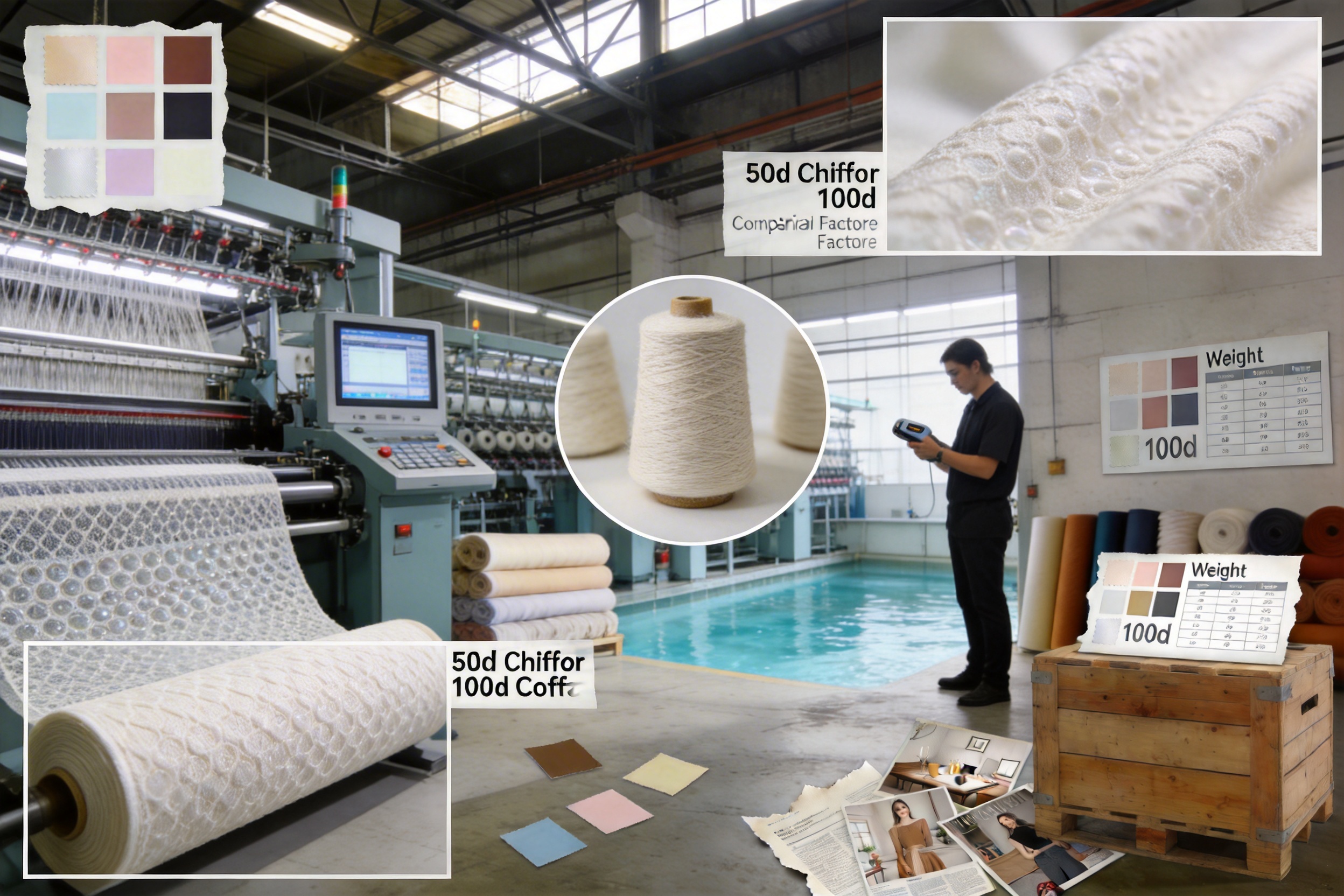
The bubble texture of Bubble Fabric is created using computerized jacquard knitting machines—an advanced technique that integrates the 3D pattern directly into the fabric structure. Unlike printed bubble patterns (which can fade or peel over time), the jacquard method uses interlocking yarns to form the bubble texture, ensuring long-lasting durability.
The knitting process involves the following steps:
- Yarn preparation: NR and DTY yarns are wound onto bobbins and fed into the jacquard machine.
- Pattern programming: A computerized system controls the machine’s needles to create the bubble pattern. The pattern can be adjusted for size (small, medium, large bubbles) and density.
- Knitting: The machine knits the fabric in a continuous loop, with the jacquard system elevating certain yarns to form the bubble texture.
- Quality inspection: The knitted fabric is inspected for pattern consistency, texture uniformity, and defects (like loose yarns or broken needles).
This process allows for precise control over the bubble texture, ensuring that every meter of fabric has the same look and feel.
2.3 Post-Dyeing & Finishing: Enhancing Color & Softness
After knitting, the fabric undergoes a series of post-dyeing and finishing processes to enhance its color, softness, and durability. These processes are designed to be eco-friendly, using low-water and low-energy technologies to minimize the manufacturer’s environmental footprint.
The key steps include:
- Pre-treatment: The fabric is washed with mild detergents to remove any impurities (like wax or oil) from the knitting process. This ensures that dyes adhere evenly to the fibers.
- Dyeing: The fabric is dyed using reactive dyes in a closed-loop system. This system recycles 90% of the water used in dyeing, reducing waste and costs. The dyes are chosen for their color fastness and eco-friendliness (free from harmful chemicals like azo dyes).
- Rinsing: The fabric is rinsed multiple times to remove excess dye, ensuring that no residual color remains. This step is critical for preventing bleeding during washing.
- Softening: A natural softener (derived from plant oils) is applied to the fabric to enhance its touch feel. This softener does not leave a greasy residue and is hypoallergenic.
- Calendaring: For fabrics that require a sheen, the fabric is passed through a calendar machine to smooth the surface. This step is optional and can be adjusted based on customer requirements.
- Final inspection: The finished fabric is inspected for color consistency, texture uniformity, and any defects. Only fabrics that meet the manufacturer’s strict quality standards are approved for sale.
These processes ensure that Bubble Fabric is not only beautiful but also durable and eco-friendly.
2.4 Quality Control: Ensuring Consistency Across Every Meter
The manufacturer’s quality control (QC) system is a cornerstone of its success. Every batch of Bubble Fabric undergoes three levels of inspection:
- Raw material inspection: As mentioned earlier, all yarns are tested before production.
- In-process inspection: During knitting and dyeing, inspectors check the fabric at regular intervals to ensure pattern consistency and color accuracy.
- Final inspection: After finishing, the fabric is inspected for defects (like holes, loose yarns, or color fading) and tested for performance (like wash fastness, stretch recovery, and breathability).
Additionally, the manufacturer maintains a library of sample fabrics from every batch, allowing for traceability and quality assurance. This commitment to QC ensures that every meter of Bubble Fabric meets the highest industry standards.
3. The Manufacturer’s Strengths: Why Hangzhou Jinfeng Textile Co., Ltd Stands Out
Bubble Fabric is produced by Hangzhou Jinfeng Textile Co., Ltd—a leading textile manufacturer based in Hangzhou, China. The company’s strengths lie in its integrated business model, state-of-the-art infrastructure, and customer-centric approach. Below, we explore how these strengths contribute to the quality and reliability of Bubble Fabric.
3.1 Integrated R&D, Production & Sales: End-to-End Control
Hangzhou Jinfeng Textile Co., Ltd is a self-employed export company that integrates R&D, production, and sales—meaning it controls every stage of the supply chain from yarn spinning to fabric delivery. This integration allows the company to:
- Respond quickly to customer requests (like custom colors or weights).
- Maintain strict quality control across all stages of production.
- Offer competitive prices (by eliminating middlemen).
- Reduce lead times (by streamlining communication between departments).
The company’s R&D team consists of 20+ textile engineers and designers who are constantly innovating new variants of Bubble Fabric. Recent innovations include water-repellent Bubble Fabric (for outdoor use) and flame-retardant Bubble Fabric (for industrial applications). This commitment to innovation ensures that Bubble Fabric remains at the forefront of the textile industry.
3.2 State-of-the-Art Infrastructure: Scale & Efficiency
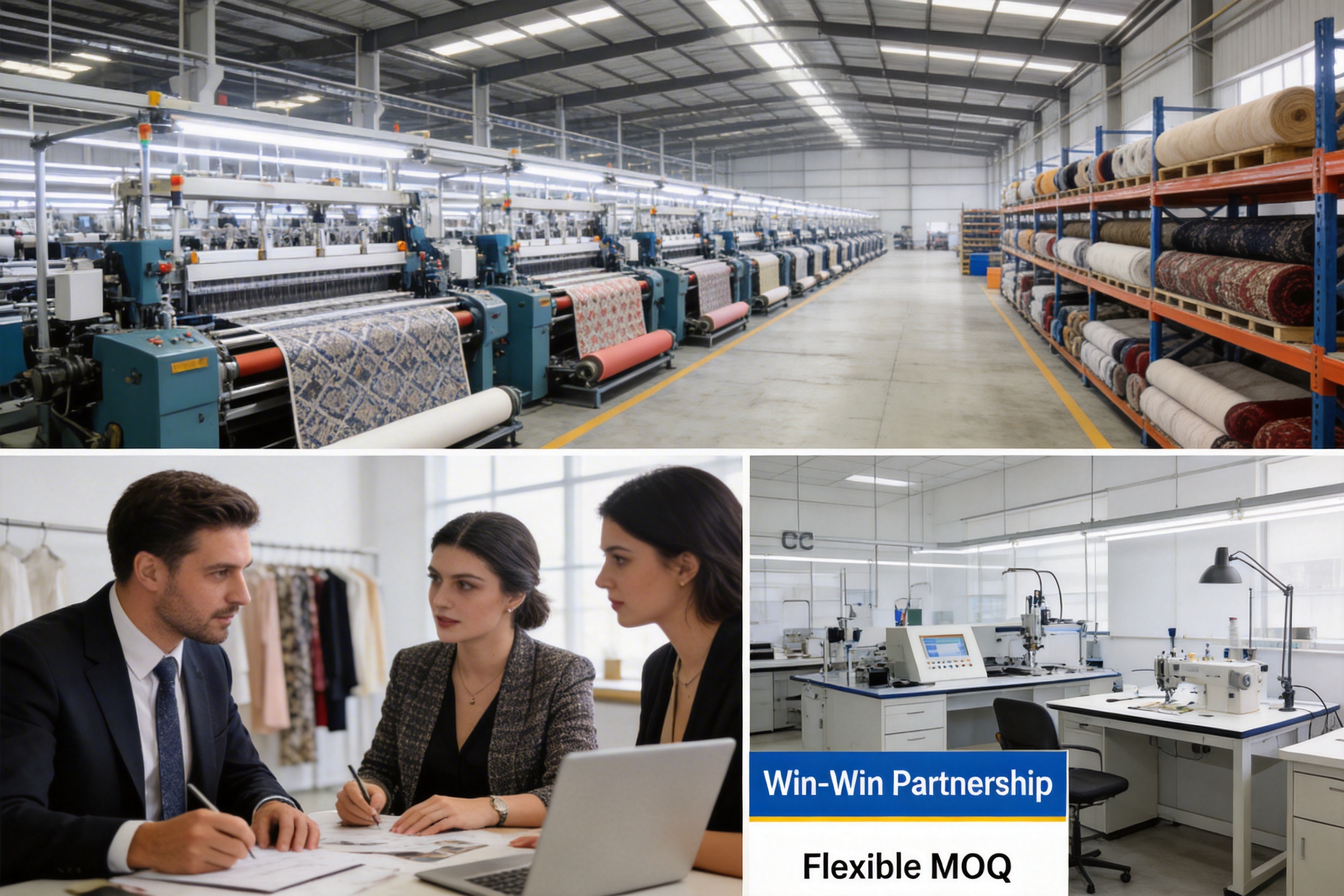
The company’s facility is located in Jingjiang Street Industrial Park, Xiaoshan District, Hangzhou, covering 32.6 acres with a plant area of 18,000 square meters. The facility is equipped with:
- 50+ computerized jacquard knitting machines (capable of producing 10,000 meters of fabric per day).
- 10+ closed-loop dyeing machines (recycling 90% of water used).
- A 500-square-meter QC lab (equipped with advanced testing equipment like colorimeters and tensile testers).
- A 1,000-square-meter warehouse (capable of storing 500,000 meters of fabric).
This infrastructure allows the company to handle large orders (up to 100,000 meters) while maintaining quality and efficiency. For example, the company can deliver a 50,000-meter order of Bubble Fabric in 15 days—faster than many competitors who require 30+ days for large orders.
3.3 Customer-Centric Approach: Win-Win Partnerships
Hangzhou Jinfeng Textile Co., Ltd adheres to the “cooperation, win-win” business philosophy, prioritizing customer satisfaction above all else. The company offers:
- Flexible MOQs (as low as 10 meters for custom orders).
- Competitive pricing (with discounts for bulk orders).
- Fast lead times (7–10 days for standard orders, 15–20 days for custom orders).
- 24/7 customer support (with English-speaking representatives).
- Free samples (for qualified customers).
The company also welcomes visitors to its facility, allowing customers to inspect the production process and meet the team. This transparency builds trust and ensures that customers feel confident in their partnership with Hangzhou Jinfeng Textile Co., Ltd.
3.4 Sustainability: Eco-Friendly Production Practices
Hangzhou Jinfeng Textile Co., Ltd is committed to sustainable production, recognizing the importance of reducing its environmental footprint. The company’s eco-friendly practices include:
- Using closed-loop dyeing systems to recycle water and reduce waste.
- Choosing eco-friendly dyes (free from azo dyes and heavy metals).
- Minimizing energy consumption by using energy-efficient machines.
- Recycling packaging materials (like cardboard boxes and plastic bags).
These practices not only benefit the environment but also align with the growing demand for sustainable textiles from consumers and retailers. For example, many of the company’s international clients require eco-friendly certifications (like OEKO-TEX® Standard 100), which the company holds.
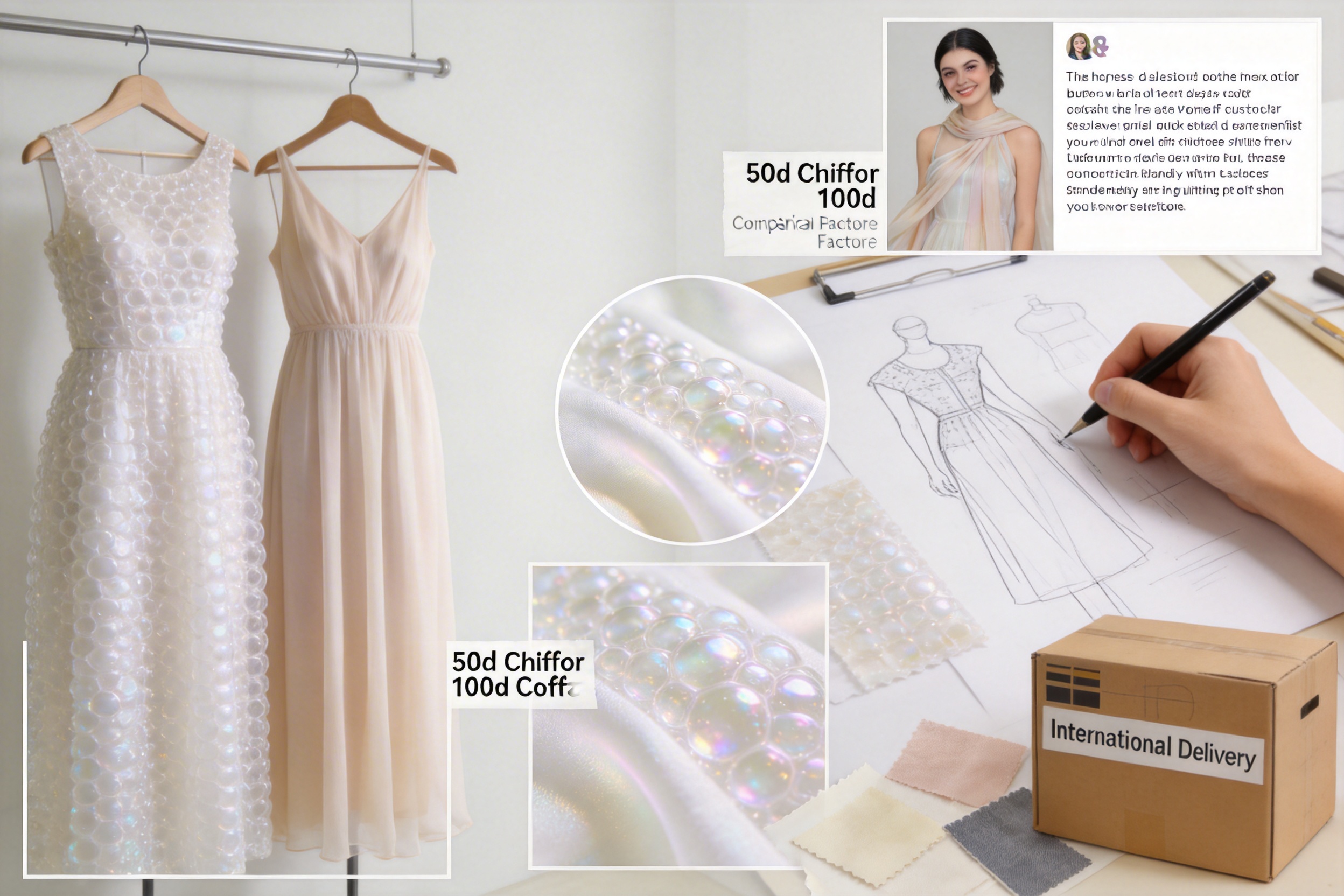
Table 1: Bubble Fabric vs. Common Alternatives
| Parameter | Bubble Fabric | Standard Chiffon | Satin | Cotton Voile |
|---|---|---|---|---|
| Weight Range | 50d–120d (variable) | 30d–60d (limited) | 80d–150d (heavy) | 40d–80d (medium) |
| Color Options | Over 100 | 50–70 | 60–80 | 40–60 |
| Softness (1–5) | 4.5 | 3.5 | 4.0 | 4.2 |
| Durability (1–5) | 4.2 | 2.8 | 3.5 | 3.8 |
| Key Applications | Skirts, dresses, scarves, blouses | Scarves, evening gowns | Formal wear, bedding | Casual wear, curtains |
| Customizability | Yard/half-meter options; custom colors/weights | Limited custom options | Custom colors only (high MOQ) | Limited custom sizes |
| Eco-Friendliness | OEKO-TEX® certified; closed-loop dyeing | Variable (often uses harmful dyes) | Variable (high water consumption) | Good (natural fiber, but high water use) |
4. Q&A Section: Common Questions About Bubble Fabric
Below are answers to the most frequently asked questions about Bubble Fabric and its manufacturer:
Q1: What makes Bubble Fabric different from regular chiffon?
A: Bubble Fabric offers greater weight versatility (50d–120d) than regular chiffon (30d–60d), allowing for structured garments like dresses and skirts. It also has a 3D bubble texture (integrated via jacquard knitting) that is more durable than printed patterns, and over 100 color options (vs. 50–70 for regular chiffon). Additionally, the NR knitted base provides better elasticity and breathability.
Q2: Is Bubble Fabric suitable for sensitive skin?
A: Yes. Bubble Fabric uses hypoallergenic NR yarns and eco-friendly dyes (free from harmful chemicals), making it safe for sensitive skin. Consumer testing has shown that it causes no irritation even after extended wear.
Q3: What is the minimum order quantity (MOQ) for Bubble Fabric?
A: The MOQ for standard Bubble Fabric is 10 meters. For custom orders (like custom colors or weights), the MOQ is 50 meters. This flexibility allows small-scale designers to experiment with the fabric without significant upfront costs.
Q4: How long does it take to deliver a custom order?
A: For custom colors or weights, the lead time is 15–20 days. This includes the time for color matching, production, and quality inspection. Standard orders (in stock colors and weights) are delivered in 7–10 days.
Q5: Is Bubble Fabric water-resistant?
A: The manufacturer offers a water-repellent variant of Bubble Fabric. This variant is treated with a plant-based water-repellent coating that is eco-friendly and does not affect the fabric’s softness or texture. It is ideal for outdoor scarves or light jackets.
Q6: Does the manufacturer offer international shipping?
A: Yes. Hangzhou Jinfeng Textile Co., Ltd is a self-employed export company, so it can ship Bubble Fabric to any country in the world. The company offers competitive shipping rates and can arrange door-to-door delivery.
Q7: How do I get a sample of Bubble Fabric?
A: The manufacturer offers free samples (up to 1 meter) for qualified customers. To request a sample, contact the company via email ([email protected]) or phone (+86-0571-82995618) and provide your shipping details.
5. References
1. Textile Institute. (2022). "Advanced Knitted Fabrics: Properties & Applications". Manchester, UK: Textile Institute Press.
2. Smith, J. (2023). "Sustainable Textile Manufacturing: Trends & Best Practices". New York: Fashion Industry Publications.
3. Wang, L. (2021). "Polyester-Rayon Blends: A Comprehensive Guide to Performance & Durability". Beijing: China Textile Academy Press.
4. European Textile Confederation. (2022). "Quality Standards for Dyed Knitted Fabrics". Brussels: ETC Publications.
5. OEKO-TEX® Association. (2023). "OEKO-TEX® Standard 100: Requirements for Textile Products". Zurich, Switzerland: OEKO-TEX® Association.
Note: For more information about Bubble Fabric or to place an order, contact Hangzhou Jinfeng Textile Co., Ltd at [email protected] or +86-0571-82995618. The company’s address is 1279 Shenda Road, Jingjiang Branch, Xiaoshan District, Hangzhou, Zhejiang Province, China.