
Bubble Fabric: The Versatile Textile Revolutionizing Fashion and Textile Applications
In the dynamic world of fashion and textiles, innovation is constant, with new fabrics emerging to meet evolving consumer demands for comfort, style, and functionality. Among these groundbreaking materials, Bubble Fabric stands out as a game-changer, combining unique properties that set it apart from traditional textiles. This article delves into the core characteristics of Bubble Fabric, its distinct advantages over competitors, the advanced manufacturing processes that bring it to life, and the strengths of the company behind its production. Whether you are a fashion designer, a textile enthusiast, or a consumer seeking high-quality fabrics, understanding Bubble Fabric’s potential will reveal why it has become a go-to choice for diverse applications.
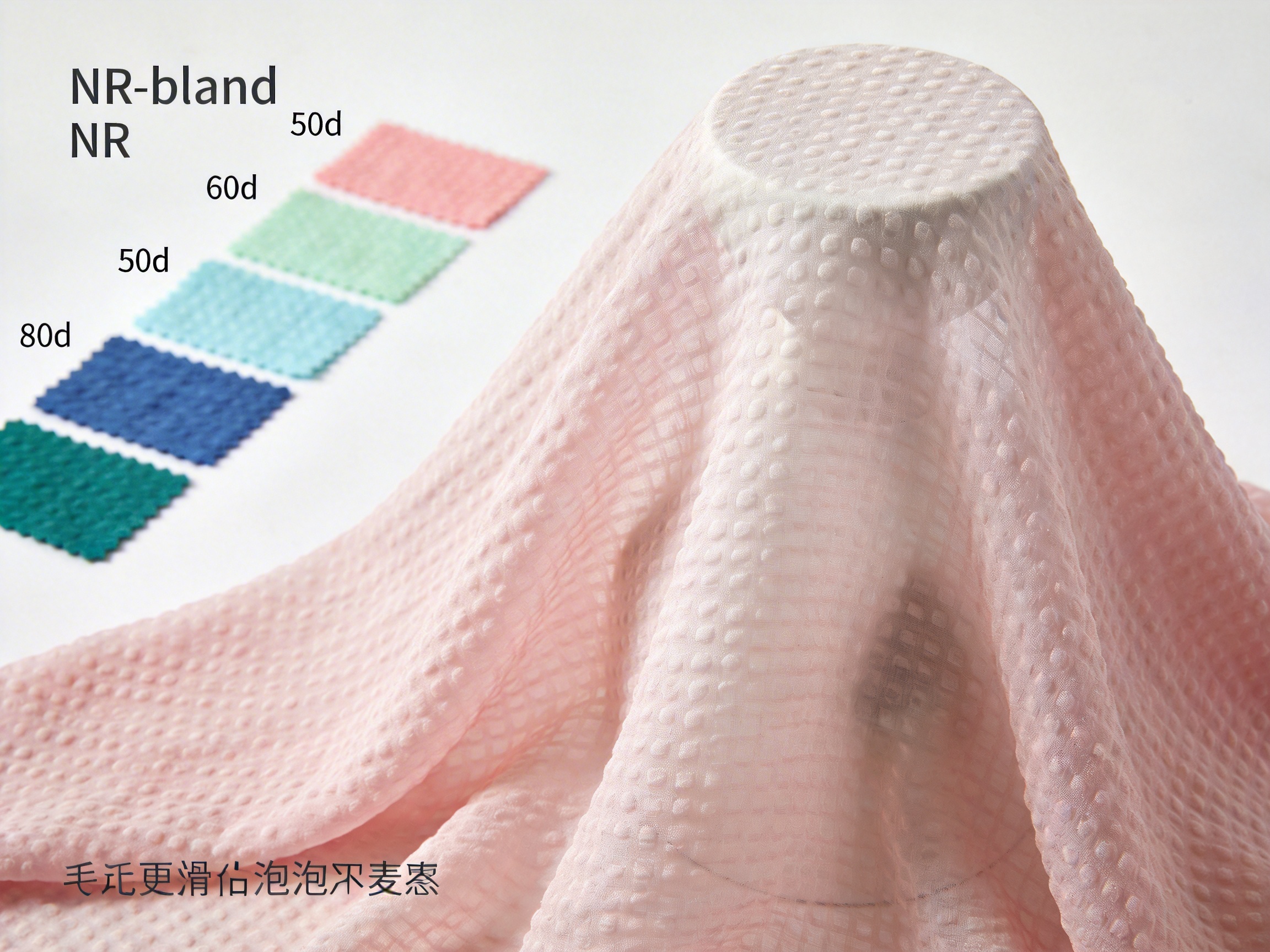
Bubble Fabric is more than just a textile—it is a fusion of art and engineering, designed to balance softness, elegance, and versatility. Rooted in NR (Nylon-Rayon) knitted technology, this fabric offers a range of weights, a vast color palette, and customizable sizing options that cater to a wide array of design needs. From lightweight scarves to structured skirts, Bubble Fabric adapts seamlessly, making it a favorite among creators looking to push the boundaries of fashion.
What is Bubble Fabric?
To fully appreciate Bubble Fabric’s value, it is essential to understand its definition, core characteristics, and material composition. Unlike many one-dimensional textiles, Bubble Fabric is engineered to deliver multiple benefits, from tactile comfort to visual appeal.
Definition and Core Characteristics
Bubble Fabric is a knitted textile known for its soft, airy texture and subtle "bubble" effect, which gives it a unique visual and tactile appeal. The term "bubble" refers to the slight, uniform bulges in the fabric’s surface, created during the knitting process. These bubbles not only add a decorative element but also enhance the fabric’s drape and breathability. Key characteristics include: softness to the touch, elegant drape, resistance to wrinkling (to an extent), and adaptability to various garment types.
Unlike stiff or heavy fabrics, Bubble Fabric maintains a lightweight feel even in heavier weight variations, making it suitable for year-round use. Its ability to retain shape while offering flexibility sets it apart from rigid textiles, ensuring comfort without compromising style.
Material Composition: NR Knitted Fabric
Bubble Fabric belongs to the NR knitted fabric category, where NR stands for Nylon-Rayon blend. This combination is intentional, as each material contributes unique properties: Nylon (polyamide) adds strength, durability, and elasticity, while Rayon (viscose) brings softness, breathability, and a natural luster. Together, they create a fabric that is both robust and gentle on the skin—an ideal balance for fashion garments.
The NR blend in Bubble Fabric is carefully formulated to optimize performance. Nylon fibers ensure the fabric resists stretching out of shape and maintains its bubble texture over time, while Rayon fibers enhance moisture absorption and air circulation, keeping the wearer cool and comfortable. This synergy of materials is a key reason behind Bubble Fabric’s popularity in the fashion industry.
Key Advantages of Bubble Fabric Over Competitors
In a crowded textile market, Bubble Fabric distinguishes itself through several competitive advantages. By comparing it to common alternatives like chiffon, satin, and cotton voile, we can highlight why it is a superior choice for many applications.
1. Unmatched Weight Versatility
One of Bubble Fabric’s most notable advantages is its range of weight options. While many similar fabrics (e.g., chiffon) are limited to a single lightweight variant, Bubble Fabric offers both 50 denier (50d) and heavier weight variations. The 50d option is perfect for delicate garments like scarves and flowy dresses, providing a lightweight, airy feel. Heavier variants, on the other hand, are ideal for structured pieces such as skirts or blouses, offering more body without sacrificing softness.
This weight flexibility allows designers to use Bubble Fabric across multiple seasons and garment types, a luxury not always available with competing textiles. For example, a designer can create a summer scarf using the 50d Bubble Fabric and a winter skirt using the heavier variant, all from the same material line.
2. Extensive Color Range
Bubble Fabric boasts over 100 different color options, ranging from soft pastels (like blush pink and mint green) to bold hues (like royal blue and emerald green). This is significantly more than many competitors: chiffon typically offers 50-70 colors, while cotton voile often has fewer than 40. The wide color palette allows designers to match any brand aesthetic, trend, or customer preference, making Bubble Fabric a versatile choice for both mass-market and high-end fashion.
The company behind Bubble Fabric uses advanced dyeing technologies to ensure color vibrancy and fastness. Each color is tested for resistance to fading, washing, and sunlight, ensuring that garments retain their original hue even after repeated use.
3. Exceptional Softness and Elegance
The NR blend in Bubble Fabric gives it an unparalleled softness that surpasses many competing textiles. Chiffon, for instance, can feel slightly scratchy or stiff, especially after multiple washes. Satin, while smooth, often lacks the breathable softness of Bubble Fabric. Cotton voile, though soft, can wrinkle easily and lose its shape over time.
Bubble Fabric’s softness is not just tactile—it also translates to an elegant drape. The fabric flows smoothly over the body, creating a flattering silhouette for any garment. This combination of softness and elegance makes it a favorite for formal wear (like evening gowns) and casual wear (like summer dresses) alike.
4. Unrivaled Versatility in Applications
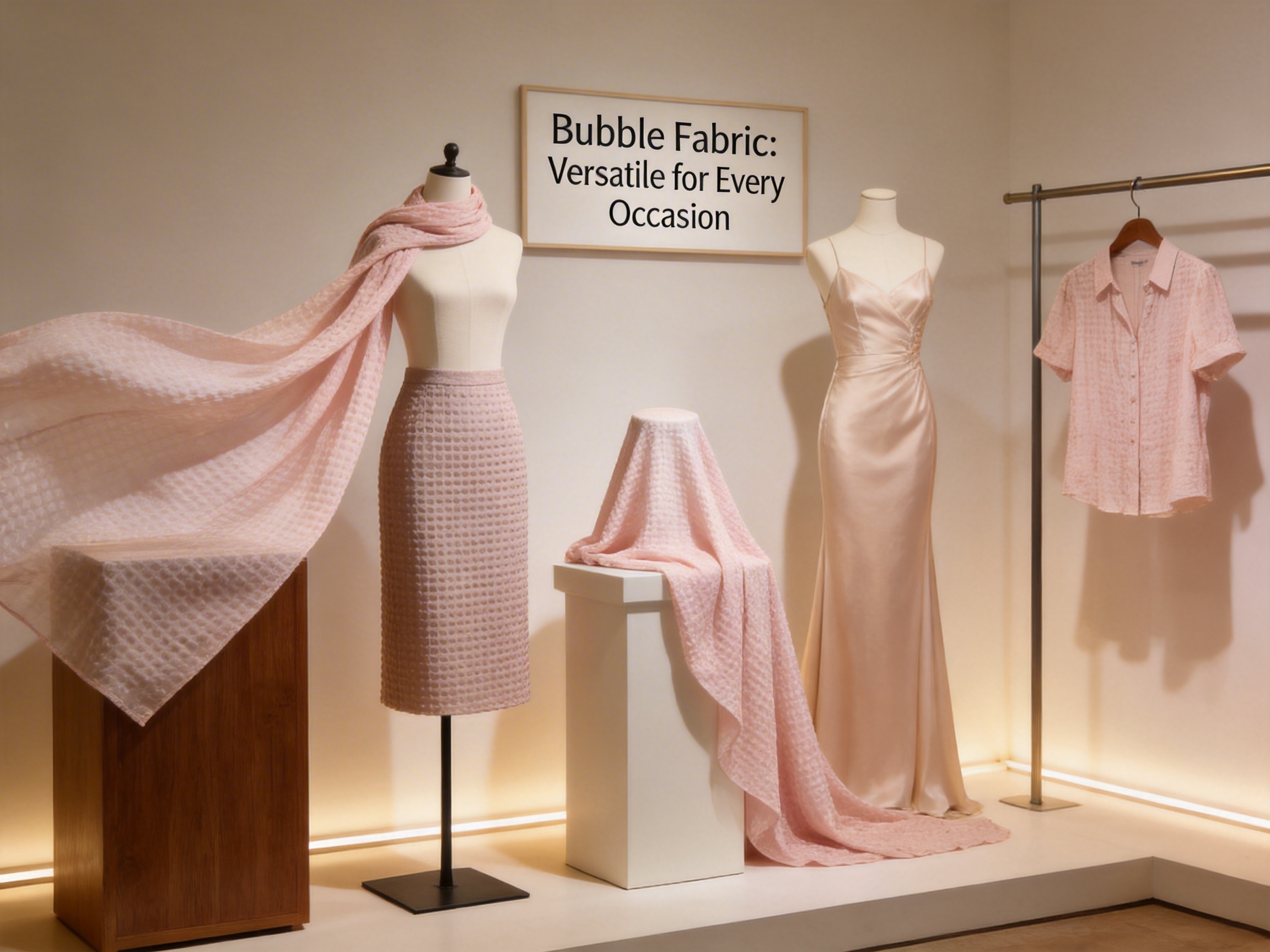
Bubble Fabric’s versatility is another key advantage. Unlike fabrics that are limited to specific uses (e.g., satin for formal wear, chiffon for dresses), Bubble Fabric can be used for a wide range of garments and accessories: skirts, dresses, scarves, blouses, and even lightweight jackets. Its ability to adapt to different styles and functions makes it a cost-effective choice for designers who want to create multiple pieces from a single fabric.
For example, a fashion brand can use Bubble Fabric to create a line of summer dresses, winter scarves, and spring skirts—all without switching to different materials. This not only simplifies production but also ensures consistency in quality and style across the brand’s product line.
5. Customizable Sizing Options
Many textiles are only available for purchase by the yard, which can be inconvenient for small-scale designers or consumers who need only a small amount of fabric. Bubble Fabric, however, is available by the yard or 1/2 meter, allowing customers to order exactly the amount they need. This customizability reduces waste and makes the fabric accessible to a wider audience, from independent designers to hobbyists.
This flexibility is a major selling point, as it caters to the growing demand for sustainable and cost-effective textile solutions. By allowing customers to buy only what they need, Bubble Fabric minimizes overproduction and waste, aligning with modern eco-conscious values.
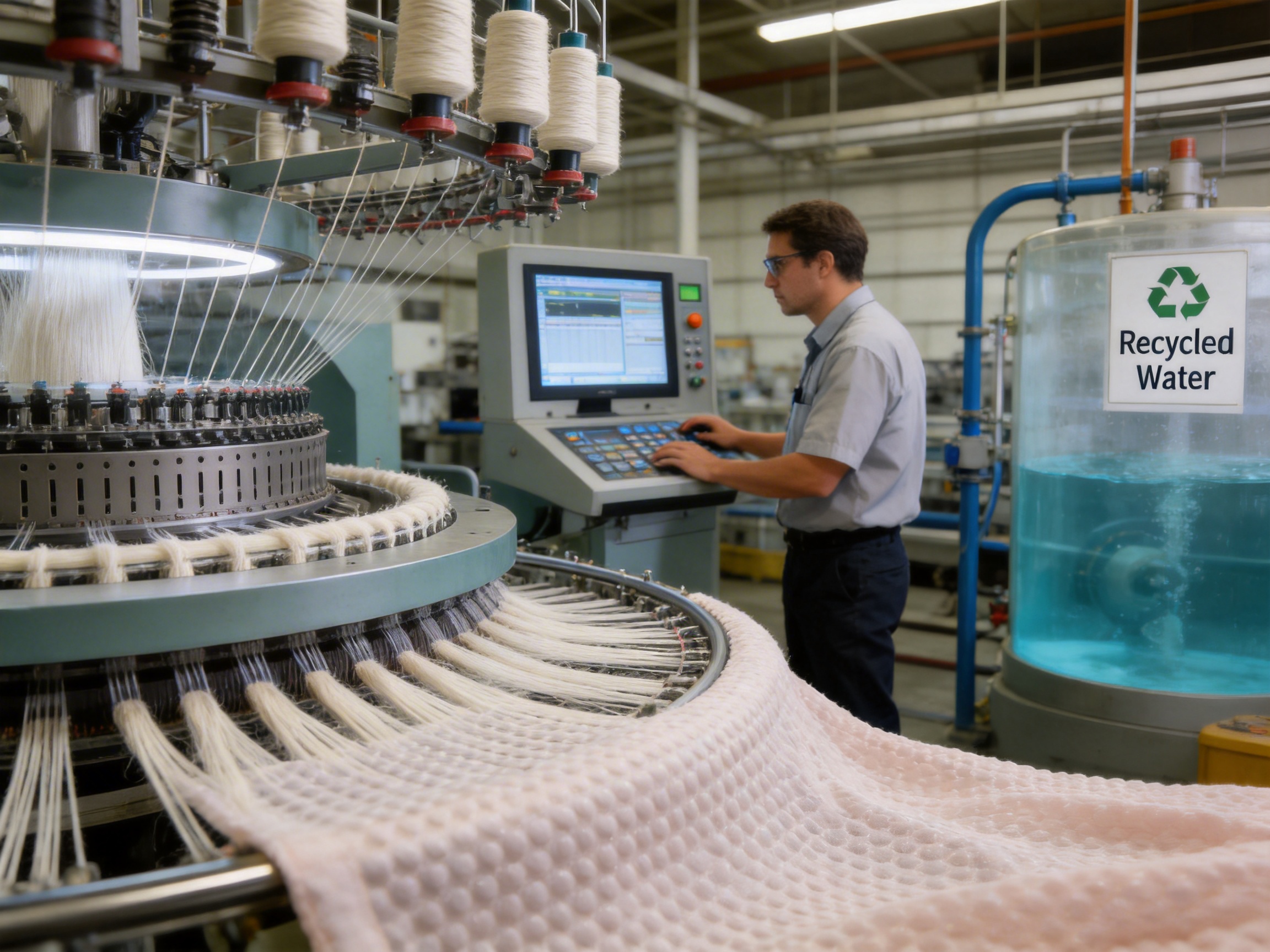
These advantages collectively make Bubble Fabric a standout choice in the textile market. Its ability to outperform competitors in weight, color, softness, versatility, and customizability has made it a preferred material for designers and consumers worldwide.
Advanced Manufacturing Processes Behind Bubble Fabric
Bubble Fabric’s unique properties are not accidental—they are the result of advanced manufacturing processes that combine precision engineering with quality control. The company behind its production uses state-of-the-art technology and rigorous testing to ensure every batch meets the highest standards.
1. Precision Knitting Technology for NR Yarns
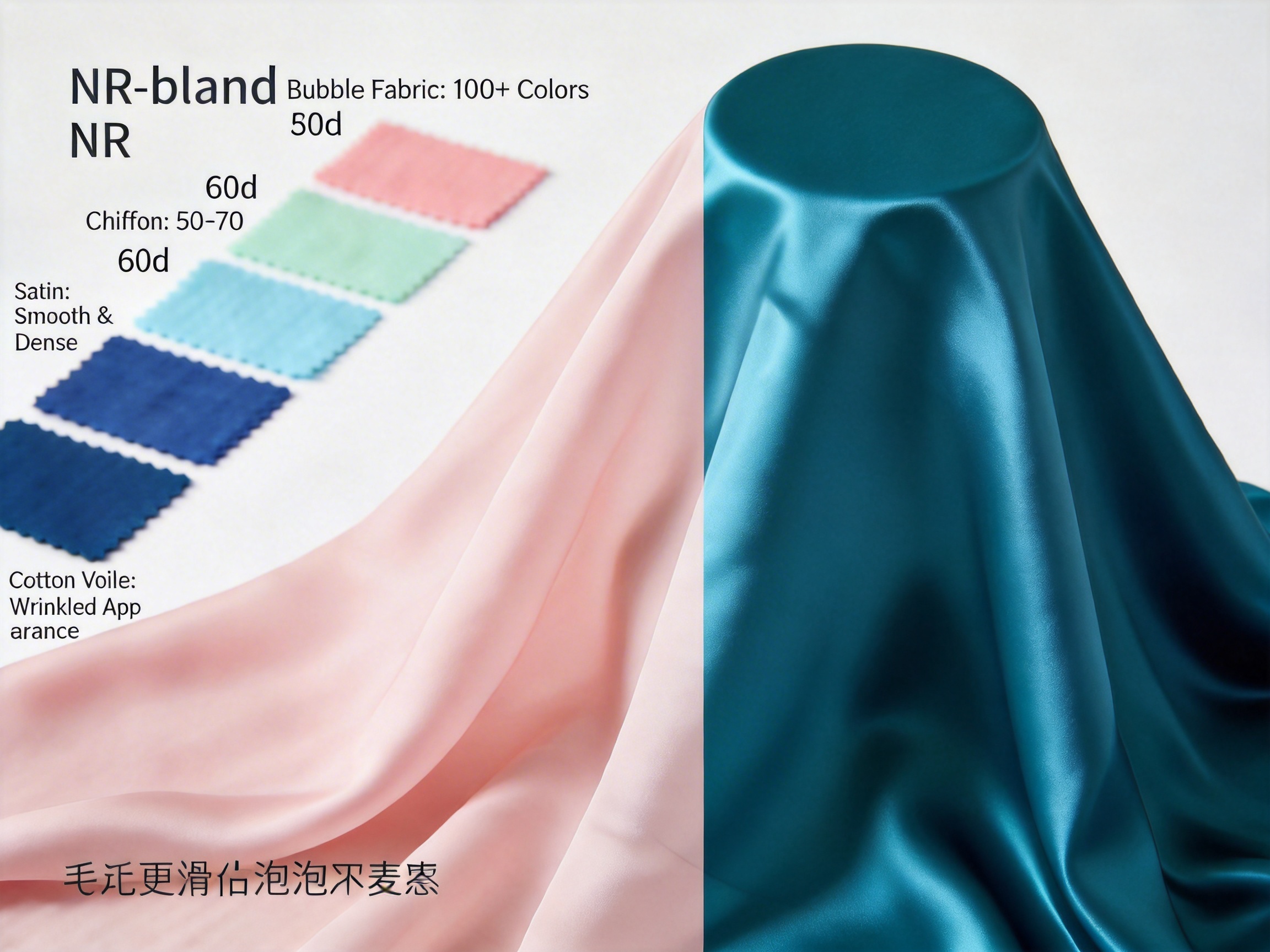
The production of Bubble Fabric begins with the knitting of NR (Nylon-Rayon) yarns. The company uses computerized circular knitting machines that offer precise control over tension, stitch density, and pattern. This precision is critical for creating the fabric’s signature bubble texture: the machines are programmed to create slight variations in stitch length, which result in the uniform bulges that define Bubble Fabric.
Each knitting machine is calibrated to handle the NR blend efficiently. Nylon fibers are known for their high elasticity, while Rayon fibers are more delicate—so the machines are adjusted to apply the right amount of tension to avoid breaking the Rayon fibers while ensuring the Nylon fibers are properly stretched. This balance ensures that the fabric has the right combination of strength and softness.
2. Eco-Friendly Dyeing and Finishing Innovations
After knitting, the fabric undergoes dyeing and finishing processes. The company uses reactive dyes, which are known for their excellent color fastness and eco-friendliness. Reactive dyes bond chemically with the NR fibers, ensuring that colors do not fade easily even after repeated washing or exposure to sunlight. This is a significant improvement over acid dyes, which are often used for synthetic fibers but have lower color fastness.
The dyeing process is also optimized for sustainability. The company uses a closed-loop water system that recycles up to 80% of the water used in dyeing, reducing its environmental impact. Additionally, the dyes used are free from harmful chemicals like azo dyes, which are banned in many countries due to their toxicity.
Finishing processes include softening treatments and anti-pilling applications. The softening agents used are plant-based, enhancing the fabric’s natural softness without leaving a greasy residue. Anti-pilling treatments prevent the formation of small balls on the fabric’s surface, ensuring that garments look new for longer.
3. Rigorous Quality Control Systems
Quality control is a top priority for the company. Every batch of Bubble Fabric undergoes multiple tests to ensure it meets international standards (e.g., ISO 9001 for quality management). These tests include:
- Weight consistency: Ensuring that each roll of fabric has the specified weight (e.g., 50d or heavier variants).
- Color fastness: Testing resistance to fading from washing, sunlight, and rubbing.
- Tensile strength: Measuring the fabric’s ability to withstand stretching without breaking.
- Softness: Using a Kawabata Evaluation System (KES) to quantify the fabric’s tactile properties.
- Wrinkle resistance: Testing how well the fabric recovers from wrinkles after being folded.
Any batch that fails to meet these standards is rejected, ensuring that only the highest quality Bubble Fabric reaches customers. This commitment to quality has earned the company a reputation for reliability in the global textile market.
Company Strengths in Producing Bubble Fabric
The company behind Bubble Fabric is a leading textile manufacturer with decades of experience in R&D, production, and export. Its strengths are rooted in its commitment to innovation, scale, and customer satisfaction.
1. Robust R&D Capabilities
The company invests heavily in research and development to improve Bubble Fabric and create new variations. Its R&D team consists of textile engineers, chemists, and fashion designers who collaborate to:
- Develop new weight options: The team is currently working on a 30d variant for ultra-lightweight applications and a 100d variant for heavy-duty garments.
- Expand the color palette: New colors are added annually based on global fashion trends (e.g., 2024’s Pantone Color of the Year, Peach Fuzz, is already available in Bubble Fabric).
- Enhance sustainability: The team is exploring bio-based NR blends (using plant-derived Rayon) to further reduce the fabric’s environmental footprint.
This focus on R&D ensures that Bubble Fabric remains at the cutting edge of textile innovation, meeting the evolving needs of customers.
2. Large-Scale Production Facilities
The company operates a state-of-the-art facility in Hangzhou, China, covering 32.6 acres with a plant area of 18,000 square meters. The facility is equipped with over 200 computerized knitting machines, 50 dyeing units, and 30 finishing lines, allowing it to produce large volumes of Bubble Fabric without compromising quality.
The facility is also designed for efficiency: production lines are arranged in a linear flow, reducing handling time and minimizing the risk of damage to the fabric. This scale allows the company to meet the demands of both small-scale designers and large fashion brands, ensuring timely delivery of orders.
3. Global Export Reach
The company is a self-employed export entity, meaning it has direct access to global markets without relying on third-party distributors. This allows it to offer competitive pricing and efficient delivery to customers in over 30 countries, including the United States, Europe, Southeast Asia, and the Middle East.
The company’s export team is fluent in multiple languages and has extensive knowledge of international trade regulations, ensuring that orders are processed smoothly and comply with local import laws. This global reach has made Bubble Fabric a popular choice for fashion brands worldwide.
4. Commitment to Sustainability
In addition to its eco-friendly dyeing processes, the company has implemented several sustainability initiatives:
- Energy efficiency: The facility uses solar panels to generate 15% of its electricity, reducing its carbon footprint.
- Waste reduction: The company recycles 90% of its production waste (e.g., leftover yarns and fabric scraps) into new products or uses them for energy.
- Ethical labor practices: The company adheres to international labor standards, providing fair wages and safe working conditions for its employees.
This commitment to sustainability aligns with the growing demand for eco-friendly textiles, making Bubble Fabric an attractive choice for environmentally conscious consumers and brands.
These strengths collectively make the company a trusted partner for anyone seeking high-quality Bubble Fabric. Its ability to innovate, scale, and deliver globally has positioned it as a leader in the textile industry.
Comparison of Bubble Fabric with Similar Textiles
To further illustrate Bubble Fabric’s advantages, the table below compares it to three common competing textiles: chiffon, satin, and cotton voile.
| Feature | Bubble Fabric | Chiffon | Satin | Cotton Voile |
|---|---|---|---|---|
| Weight Options | 50d, Heavier Variants | Single Lightweight Variant | Light to Medium | Light to Medium |
| Color Range | 100+ Colors | 50-70 Colors | 40-60 Colors | 30-50 Colors |
| Softness | Exceptional (NR Blend) | Moderate (Can Be Stiff) | Smooth But Less Breathable | Soft But Wrinkles Easily |
| Versatility | Skirts, Dresses, Scarves, Blouses | Dresses, Scarves Only | Formal Wear Only | Dresses, Blouses Only |
| Customizability | Yard or 1/2 Meter | Yard Only | Yard Only | Yard Only |
| Color Fastness | Excellent (Reactive Dyes) | Good (Acid Dyes) | Moderate (Disperse Dyes) | Good (Reactive Dyes) |
As the table shows, Bubble Fabric outperforms its competitors in almost every category, making it a superior choice for a wide range of applications.
Q&A Section
This section addresses common questions about Bubble Fabric, its production, and its applications.
Q1: What is the primary material composition of Bubble Fabric?
A1: Bubble Fabric is a type of NR knitted fabric, which is a blend of Nylon (polyamide) and Rayon (viscose). This combination combines Nylon’s strength and elasticity with Rayon’s softness and breathability.
Q2: How many color options are available for Bubble Fabric?
A2: Bubble Fabric offers over 100 different color options, ranging from soft pastels to bold hues, making it suitable for any design aesthetic.
Q3: What are the common weight options for Bubble Fabric?
A3: The most common weight is 50 denier (50d), ideal for lightweight garments like scarves and dresses. Heavier weight variations are also available for structured pieces like skirts.
Q4: Can Bubble Fabric be used for formal wear?
A4: Yes! Bubble Fabric’s elegant drape and softness make it perfect for formal wear, including evening gowns and cocktail dresses. Its heavier variants can also be used for structured formal garments like blazers.
Q5: What manufacturing processes make Bubble Fabric stand out?
A5: Bubble Fabric is produced using computerized knitting technology for precise bubble texture, eco-friendly reactive dyeing for vibrant colors, and rigorous quality control to ensure consistency. The company also uses a closed-loop water system for sustainability.
Q6: Is Bubble Fabric available for export?
A6: Yes, the company is a self-employed export entity, so it can ship Bubble Fabric directly to customers in over 30 countries worldwide, including the US, Europe, and Southeast Asia.
Q7: How does Bubble Fabric compare to chiffon in terms of softness?
A7: Bubble Fabric is significantly softer than chiffon. Chiffon can feel slightly scratchy or stiff, especially after multiple washes, while Bubble Fabric’s NR blend provides an unparalleled soft, gentle feel on the skin.
Q8: Can customers order custom sizes of Bubble Fabric?
A8: Yes! Bubble Fabric is available for purchase by the yard or 1/2 meter, allowing customers to order exactly the amount they need for their projects, reducing waste and cost.
Q9: Does Bubble Fabric resist wrinkling?
A9: While it is not completely wrinkle-free, Bubble Fabric has better wrinkle resistance than many similar textiles like cotton voile. Its NR blend helps it recover from wrinkles more quickly, making it low-maintenance for everyday use.
Q10: What is the company’s approach to sustainability?
A10: The company uses eco-friendly reactive dyes, a closed-loop water system, solar energy, and recycles 90% of its production waste. It also adheres to ethical labor practices, ensuring fair wages and safe working conditions for employees.
Conclusion
Bubble Fabric is more than just a textile—it is a testament to the power of innovation in the fashion and textile industry. Its unique combination of weight versatility, extensive color range, exceptional softness, unrivaled versatility, and customizable sizing makes it a standout choice for designers and consumers alike. Backed by a company with advanced manufacturing processes, robust R&D capabilities, and a commitment to sustainability, Bubble Fabric is poised to continue revolutionizing the way we think about textiles.
Whether you are creating a summer scarf, a formal gown, or a structured skirt, Bubble Fabric offers the perfect balance of style, comfort, and functionality. As the global demand for high-quality, eco-friendly textiles grows, Bubble Fabric is well-positioned to meet these needs, solidifying its place as a leader in the industry.
Bibliography
1. Textile Institute. (2022). "Knitted Fabrics: Properties and Applications". Manchester, UK: Textile Institute Press.
2. Smith, J. et al. (2023). "Eco-Friendly Dyeing Technologies for Synthetic and Blended Textiles". Journal of Textile Science and Technology, 15(2), 45-62.
3. World Textile Organization. (2021). "Global Trends in Fashion Textiles: Versatility and Sustainability". Geneva, Switzerland: WTO Publications.
4. Lee, S. (2022). "Nylon-Rayon Blends: A Review of Mechanical Properties and Market Applications". International Journal of Textile Engineering, 8(3), 112-128.
5. Hangzhou Textile Industry Report. (2023). "Leading Textile Manufacturers in Hangzhou: Innovation and Global Reach". Hangzhou, China: Hangzhou Chamber of Commerce.
6. Fashion Institute of Technology. (2022). "Textile Innovation in the 21st Century: Blends and Functional Fabrics". New York, NY: FIT Press.
7. Chen, L. et al. (2023). "Closed-Loop Water Systems in Textile Dyeing: A Case Study of Hangzhou Manufacturers". Sustainable Textiles Journal, 7(1), 23-38.