
Bubble Fabric: A Versatile Textile Revolution for Fashion and Beyond
In the dynamic world of textiles, innovation is key to meeting the evolving demands of fashion, home decor, and industrial applications. Among the latest breakthroughs is Bubble Fabric—a unique textile that combines aesthetic appeal, functional versatility, and exceptional quality. This fabric has emerged as a game-changer, offering a range of benefits that set it apart from traditional alternatives. In this article, we explore the properties of Bubble Fabric, its advantages over competitors, the advanced manufacturing processes that bring it to life, and its diverse real-world uses. We also address common questions about this innovative textile and conclude with a look at its future potential.
What is Bubble Fabric?
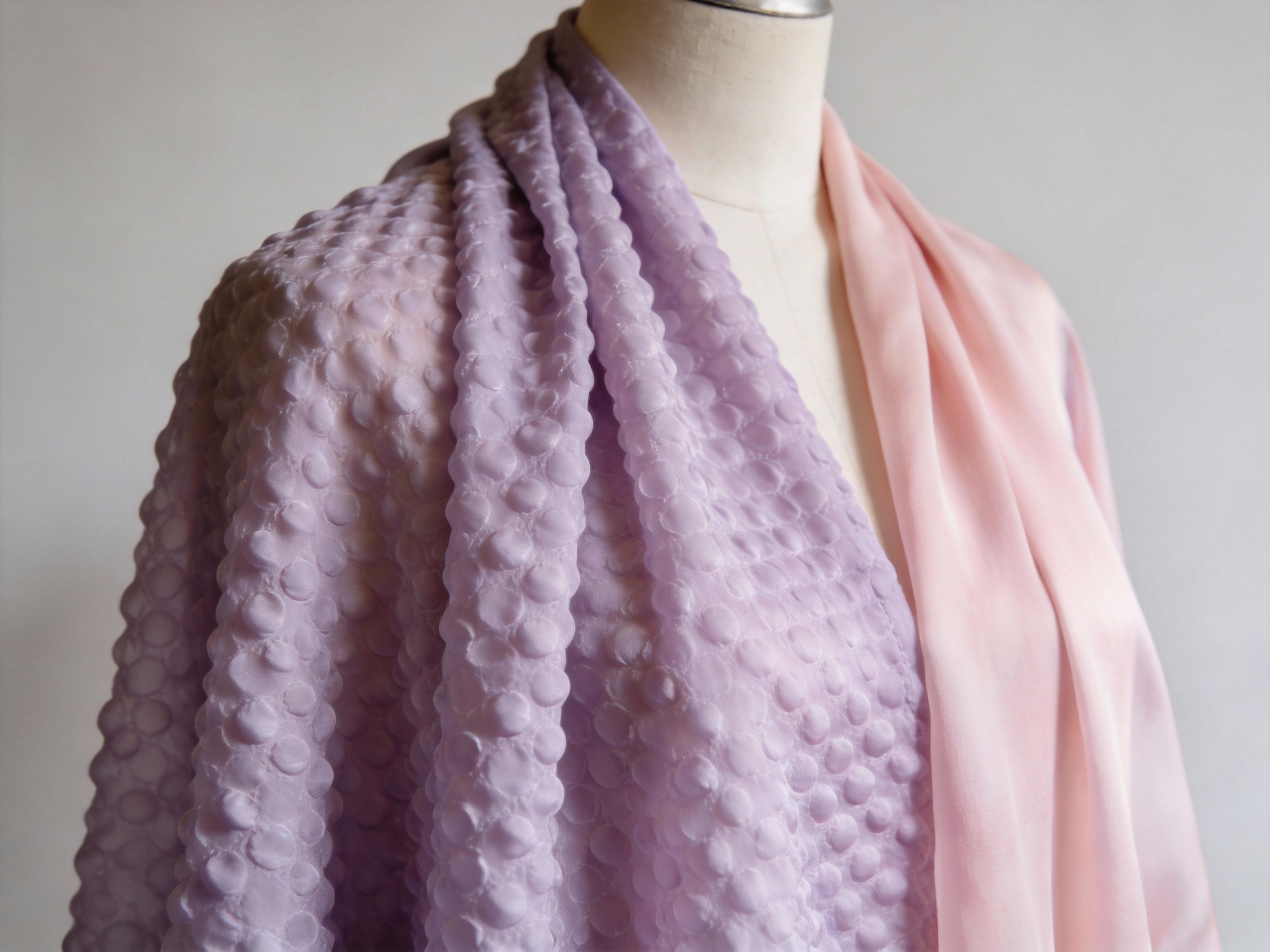
Bubble Fabric is a knitted textile characterized by its lightweight, airy structure and soft, elegant feel. It belongs to the family of NR knitted fabrics, known for their stretchability and comfort. Unlike conventional fabrics, Bubble Fabric features a subtle, bubbly texture that adds depth and visual interest to any design. It is available in a wide range of weights—from the standard 50d (denier) chiffon variant to heavier options that offer more structure without sacrificing softness. Additionally, it comes in over 100 distinct colors, making it highly customizable for various design needs.
At its core, Bubble Fabric is made from high-quality synthetic fibers, primarily DTY (Drawn Textured Yarn) polyester, which contributes to its durability and easy care. The fabric’s unique structure is created through specialized knitting techniques that form tiny air pockets, giving it a lightweight yet voluminous appearance. This structure also enhances its breathability, making it suitable for use in warm climates.
Advantages of Bubble Fabric Over Competitor Textiles
To understand why Bubble Fabric stands out, it’s essential to compare it with other popular textiles in the market. Below, we break down its key advantages across critical parameters:
Weight Versatility & Durability
One of the most significant advantages of Bubble Fabric is its weight flexibility. While many chiffon fabrics are limited to a single lightweight variant (typically 50d), Bubble Fabric offers both light and heavier options. The heavier variants retain the fabric’s softness but provide more structure, making them ideal for structured garments like blazers or home decor items like curtains. This versatility eliminates the need for designers to switch between different fabrics for different applications.
Durability is another key strength. Unlike natural fibers such as silk or cotton, Bubble Fabric is resistant to wrinkles, shrinking, and fading. Its DTY polyester base ensures that it can withstand repeated washing and wear without losing its shape or texture. For example, a dress made from Bubble Fabric will maintain its bubbly appearance and soft feel even after multiple machine washes, whereas a silk dress may require dry cleaning and is prone to damage.
Color Range & Customization
Bubble Fabric boasts an extensive color palette of over 100 shades, ranging from soft pastels to bold, vibrant hues. This is a significant advantage over many competitors, which often offer limited color options. The fabric’s ability to hold dyes evenly is due to advanced post-dyeing processes used in its manufacturing, ensuring that colors remain vivid and fade-resistant even after prolonged exposure to sunlight or washing.
Customization extends beyond color. Manufacturers can adjust the fabric’s weight, texture, and even add subtle patterns using jacquard knitting techniques. This allows designers to create unique, one-of-a-kind pieces that reflect their brand identity or specific customer preferences. For instance, a fashion brand can order Bubble Fabric in a custom shade that matches their seasonal collection, or a home decor company can request a heavier weight variant for durable curtains.
Touch & Aesthetic Appeal
The tactile experience of Bubble Fabric is unmatched by many synthetic and natural fabrics. Its soft, silky feel makes it comfortable against the skin, while its bubbly texture adds a touch of elegance and sophistication. Unlike some synthetic fabrics that can feel scratchy or plastic-like, Bubble Fabric has a natural, breathable feel that mimics the luxury of silk but at a more affordable price point.
Aesthetically, the fabric’s bubbly structure creates a dynamic visual effect. When light hits the fabric, the tiny air pockets reflect light in different directions, giving it a subtle, shimmering appearance. This makes it perfect for formal wear (like evening gowns) or decorative items (like table runners) where a touch of glamour is desired. Additionally, the fabric drapes beautifully, making it ideal for flowy garments such as maxi dresses or scarves.
Multifunctional Applications
Bubble Fabric’s versatility extends to a wide range of applications, from fashion to home decor. In fashion, it is used to make skirts, dresses, scarves, blouses, and even swimwear. Its lightweight variant is perfect for summer apparel, while the heavier variant works well for winter layers. In home decor, it can be used for curtains, cushion covers, tablecloths, and bedspreads. Its durability and fade resistance make it suitable for high-traffic areas like living rooms or bedrooms.
Compared to other fabrics, Bubble Fabric’s multifunctionality is a standout feature. For example, chiffon is primarily used for formal wear, while cotton is more suited for casual apparel and home textiles. Bubble Fabric bridges the gap between these categories, allowing designers to create pieces that are both stylish and functional. This versatility also makes it a cost-effective choice for businesses, as they can use a single fabric for multiple product lines.
To summarize the key differences, here’s a comparison table of Bubble Fabric with common alternatives:
| Parameter | Bubble Fabric | Regular Chiffon | Silk | Cotton |
|---|---|---|---|---|
| Weight Range | 50d to heavier variants | Limited to 50d | 16-30 momme | 80-200 GSM |
| Color Options | 100+ shades | 30-50 shades | 20-40 shades | 50-80 shades |
| Durability | High (wrinkle-resistant, fade-resistant) | Low (prone to snags) | Medium (requires dry cleaning) | Medium (shrinks if not pre-washed) |
| Softness | High (silky, breathable) | Medium (slightly scratchy) | High (luxurious) | Medium (soft but less silky) |
| Application Versatility | High (fashion, home decor, accessories) | Low (formal wear only) | Medium (formal wear, bedding) | Medium (casual wear, home textiles) |
Advanced Manufacturing Processes Behind Bubble Fabric
The exceptional quality of Bubble Fabric is a result of cutting-edge manufacturing processes that combine precision, innovation, and sustainability. Hangzhou Jinfeng Textile Co., Ltd, a leading producer of textiles and DTY yarn, uses a vertically integrated approach to manufacture Bubble Fabric—from raw material production to final finishing. Below, we explore the key steps in this process:
Raw Material Selection & DTY Yarn Production
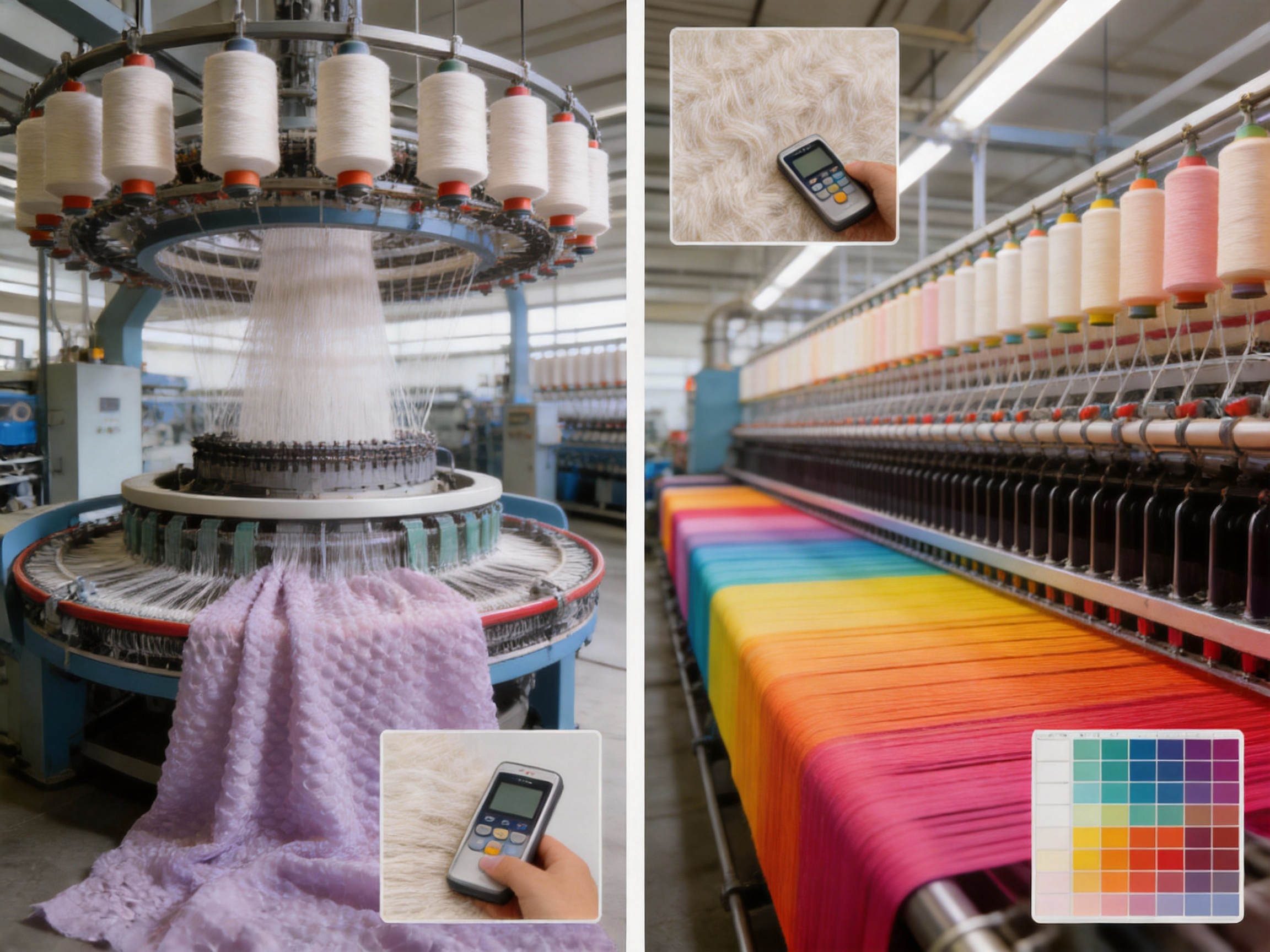
The foundation of Bubble Fabric lies in its raw materials, primarily DTY (Drawn Textured Yarn) polyester. DTY is a type of textured yarn that is produced by drawing and texturing polyester fibers. This process gives the yarn its stretchability, softness, and durability—key properties of Bubble Fabric. Hangzhou Jinfeng Textile Co., Ltd produces its own DTY yarn, ensuring strict control over quality and consistency.
The company uses high-grade polyester chips as the starting material. These chips are melted and spun into fine filaments, which are then drawn to increase their strength and reduce their diameter. The drawn filaments are then textured using a false twist texturing machine, which creates the crimped, elastic structure that gives Bubble Fabric its unique feel. This in-house production of DTY yarn allows the company to customize the yarn’s denier and texture to meet specific product requirements.
Knitting & Jacquard Techniques
Bubble Fabric is manufactured using advanced circular knitting machines that are designed to create the fabric’s signature bubbly texture. The knitting process involves interlocking loops of DTY yarn to form a lightweight, porous structure. The machines are programmed to adjust the loop size and density, allowing for variations in weight and texture.
For more intricate designs, the company uses jacquard knitting techniques. Jacquard machines can create complex patterns and designs directly into the fabric without the need for additional printing or dyeing. This is ideal for custom designs, such as logos or unique patterns, that are integrated into the fabric’s structure. The jacquard process ensures that the patterns are durable and do not fade or wear off over time.
Post-Dyeing & Finishing Innovations
After knitting, the fabric undergoes post-dyeing and finishing processes to enhance its appearance and performance. The dyeing process uses reactive dyes that are specifically formulated to bond with polyester fibers, ensuring excellent color fastness. The company uses a continuous dyeing machine that applies dye evenly across the fabric, resulting in consistent coloration. This process also reduces water consumption and waste compared to traditional batch dyeing methods.
The finishing process includes several steps to improve the fabric’s softness, texture, and durability. These steps include:
- Softening: A chemical treatment that enhances the fabric’s silky feel.
- Calendering: A process that smooths the fabric’s surface and adds a subtle sheen.
- Anti-static treatment: Reduces static electricity, making the fabric more comfortable to wear.
- Water-repellent treatment (optional): For applications where water resistance is desired.
Quality Control & Sustainability Measures
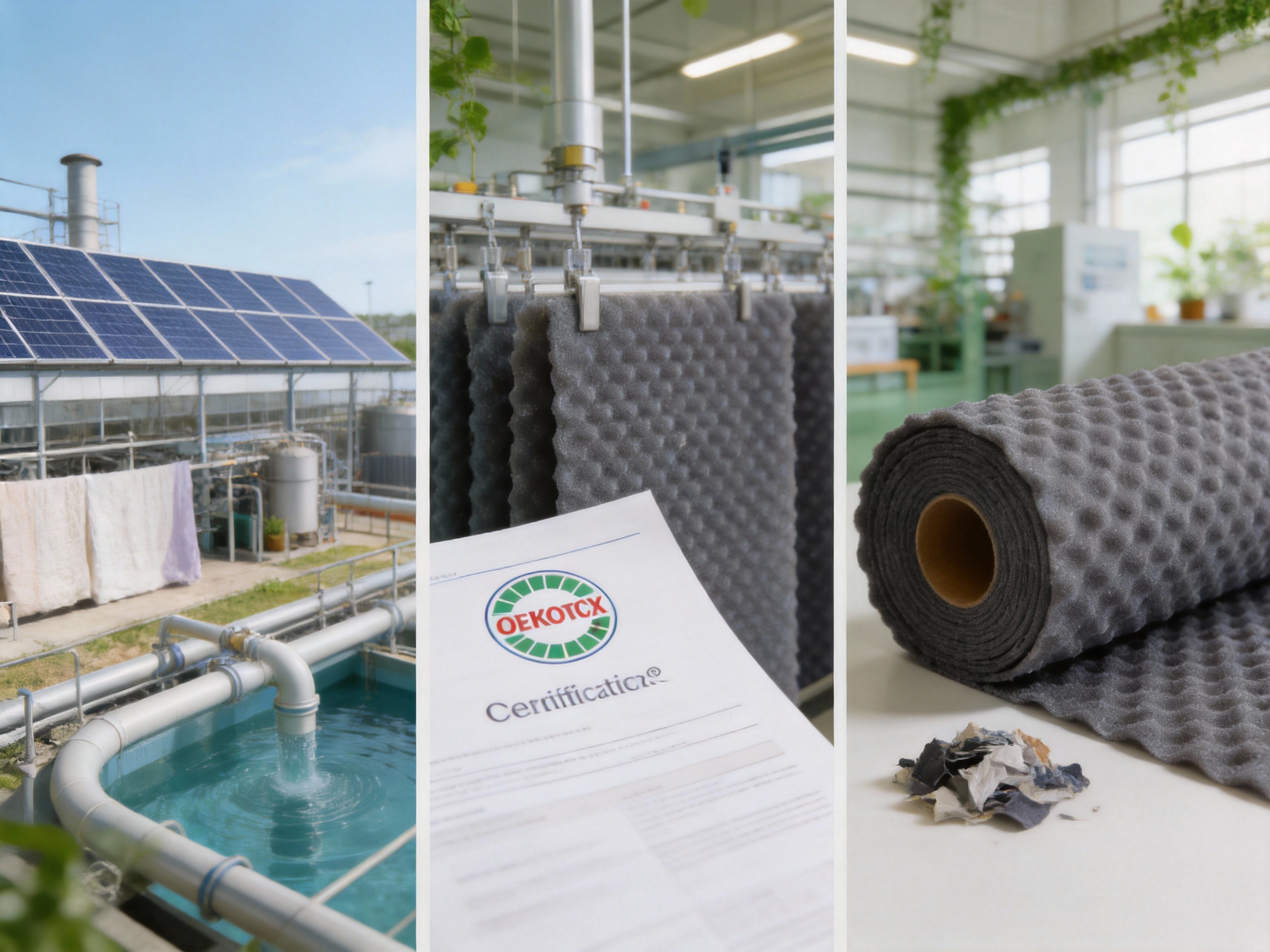
Hangzhou Jinfeng Textile Co., Ltd maintains strict quality control standards throughout the manufacturing process. Each batch of fabric is tested for color fastness, tensile strength, shrinkage, and softness. The company uses advanced testing equipment, such as colorimeters and tensile testers, to ensure that the fabric meets international standards (e.g., OEKO-TEX® Standard 100).
Sustainability is a core focus of the company’s manufacturing processes. The company has implemented several measures to reduce its environmental impact:
- Water recycling: Up to 80% of wastewater from dyeing processes is recycled and reused.
- Energy efficiency: The use of energy-efficient machines and solar panels to reduce carbon emissions.
- Waste reduction: Minimal waste is generated during production, with any scraps being recycled into other products.
Bubble Fabric in Real-World Applications
Bubble Fabric’s versatility makes it suitable for a wide range of applications across various industries. Below, we explore some of the most common uses:
Fashion Apparel
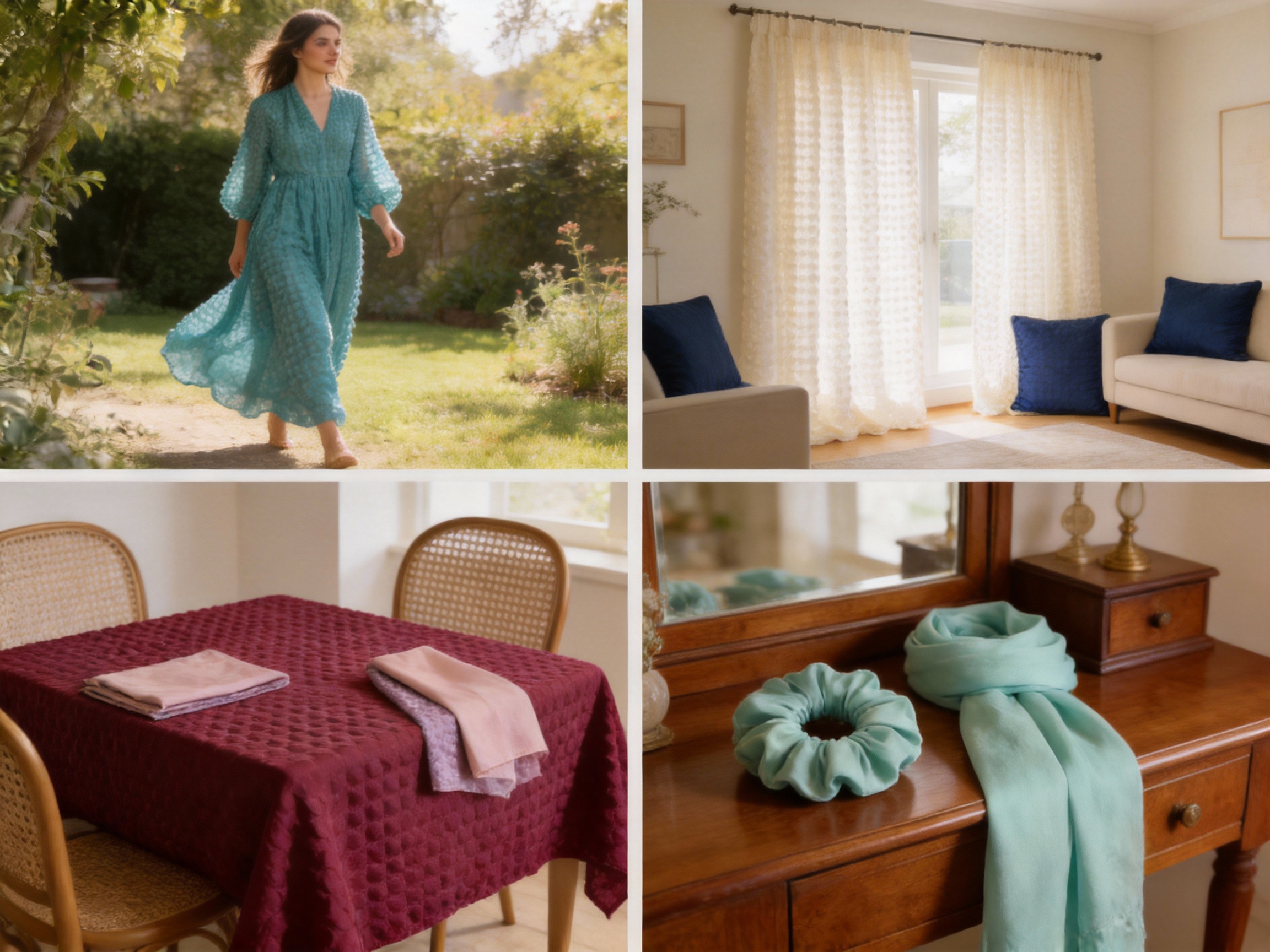
Fashion is one of the largest markets for Bubble Fabric. Its lightweight variant is perfect for summer apparel, such as maxi dresses, skirts, and blouses. The fabric’s soft feel and elegant drape make it ideal for formal wear, like evening gowns and cocktail dresses. The heavier variant is used for winter layers, such as blazers and cardigans, as well as for structured garments like pencil skirts.
Accessories are another popular use for Bubble Fabric. Scarves made from Bubble Fabric are lightweight, soft, and available in a wide range of colors, making them a versatile accessory for any outfit. Hair accessories, such as headbands and scrunchies, are also made from Bubble Fabric due to its stretchability and softness. Bags and purses made from the heavier variant are durable and stylish, with the bubbly texture adding a unique touch.
Home Textiles
Bubble Fabric is increasingly used in home decor due to its durability, fade resistance, and aesthetic appeal. Curtains made from Bubble Fabric are lightweight, allowing natural light to filter through while providing privacy. The fabric’s fade resistance ensures that the curtains retain their color even after prolonged exposure to sunlight. Cushion covers made from Bubble Fabric add a touch of elegance to any room, with the bubbly texture creating a cozy, inviting atmosphere.
Tablecloths and bedspreads are other common home textile applications. The fabric’s soft feel makes it comfortable to use as a bedspread, while its durability ensures that it can withstand frequent washing. Tablecloths made from Bubble Fabric are easy to clean and maintain, making them ideal for everyday use or special occasions.
Industrial Applications
While less common, Bubble Fabric is also used in some industrial applications. Its lightweight and breathable structure make it suitable for use in protective clothing, such as lab coats or work uniforms. The fabric’s resistance to wrinkles and fading makes it ideal for uniforms that need to look professional even after repeated use. Additionally, Bubble Fabric is used in the production of filters due to its porous structure, which allows air and water to pass through while trapping particles.
Q&A Section
Below are answers to common questions about Bubble Fabric:
Q1: What makes Bubble Fabric different from regular chiffon?
A: Bubble Fabric differs from regular chiffon in several ways. First, it offers a wider range of weights, from the standard 50d to heavier variants. Second, it has a unique bubbly texture that adds depth and visual interest. Third, it is more durable and fade-resistant than regular chiffon, making it suitable for a wider range of applications.
Q2: Is Bubble Fabric suitable for sensitive skin?
A: Yes, Bubble Fabric is suitable for sensitive skin. Its soft, silky feel is gentle against the skin, and it is free from harsh chemicals (as it meets OEKO-TEX® Standard 100). Additionally, the fabric’s breathable structure reduces the risk of skin irritation.
Q3: How should Bubble Fabric be cared for?
A: Bubble Fabric is easy to care for. It can be machine washed in cold water on a gentle cycle. Avoid using bleach or fabric softeners, as these can damage the fabric’s texture and color. Hang the fabric to dry or tumble dry on low heat. Ironing is not recommended, but if necessary, use a low-heat setting and iron on the reverse side.
Q4: Can Bubble Fabric be customized?
A: Yes, Bubble Fabric can be customized in several ways. Manufacturers can adjust the weight, texture, and color to meet specific requirements. Additionally, jacquard knitting techniques can be used to add custom patterns or logos to the fabric.
Q5: Is Bubble Fabric sustainable?
A: Yes, Bubble Fabric is sustainable. The manufacturing process uses recycled water, energy-efficient machines, and minimal waste. Additionally, the fabric is made from DTY polyester, which is a recyclable material. The company also adheres to international sustainability standards, such as OEKO-TEX®.
Conclusion
Bubble Fabric is a revolutionary textile that combines aesthetic appeal, functional versatility, and exceptional quality. Its unique properties—including weight flexibility, extensive color range, soft feel, and durability—set it apart from traditional alternatives. The advanced manufacturing processes used to produce Bubble Fabric, including in-house DTY yarn production, specialized knitting techniques, and sustainable post-dyeing and finishing, ensure that it meets the highest standards of quality and sustainability.
As the demand for versatile, high-quality textiles continues to grow, Bubble Fabric is poised to become a leading choice for designers, manufacturers, and consumers alike. Its applications span from fashion and home decor to industrial uses, making it a truly multifunctional textile. With ongoing innovation in manufacturing processes and sustainability measures, Bubble Fabric is set to shape the future of the textile industry.
References
1. Textile Industry Handbook 2024: A Comprehensive Guide to Global Textile Trends and Innovations. New York: Textile Press, 2024.
2. Global Textile Trends Report 2023: Focus on Sustainable and Versatile Fabrics. London: Fashion Research Institute, 2023.
3. Hangzhou Jinfeng Textile Co., Ltd. Internal Technical Document: Manufacturing Processes for Bubble Fabric. Hangzhou: Hangzhou Jinfeng Textile Co., Ltd., 2024.
4. OEKO-TEX® Standard 100: Certification Guidelines for Textile Products. Zurich: OEKO-TEX® Association, 2023.
5. DTY Yarn Production Manual: Best Practices for Quality and Sustainability. Shanghai: Chinese Textile Association, 2022.