
Bubble Fabric: A Versatile Knit Textile Revolutionizing Fashion and Beyond
Bubble fabric has emerged as a transformative force in the global textile industry, blending softness, elegance, and unmatched versatility into a single NR (Nylon-Rayon) knitted textile that captivates fashion designers, home decorators, and consumers alike. Unlike traditional fabrics that often force compromises between comfort and style, bubble fabric strikes a perfect balance—offering a spectrum of weights, a rainbow of 100+ colors, and a tactile feel that elevates every project it touches. In this comprehensive guide, we’ll explore what makes bubble fabric unique, its distinct advantages over competing textiles, the advanced manufacturing processes that bring it to life, and how it’s redefining everything from everyday wear to luxury statement pieces. Whether you’re a designer scouting for your next go-to material or a consumer curious about textile innovation, this article provides deep insights into bubble fabric’s rise and impact.
What Is Bubble Fabric?
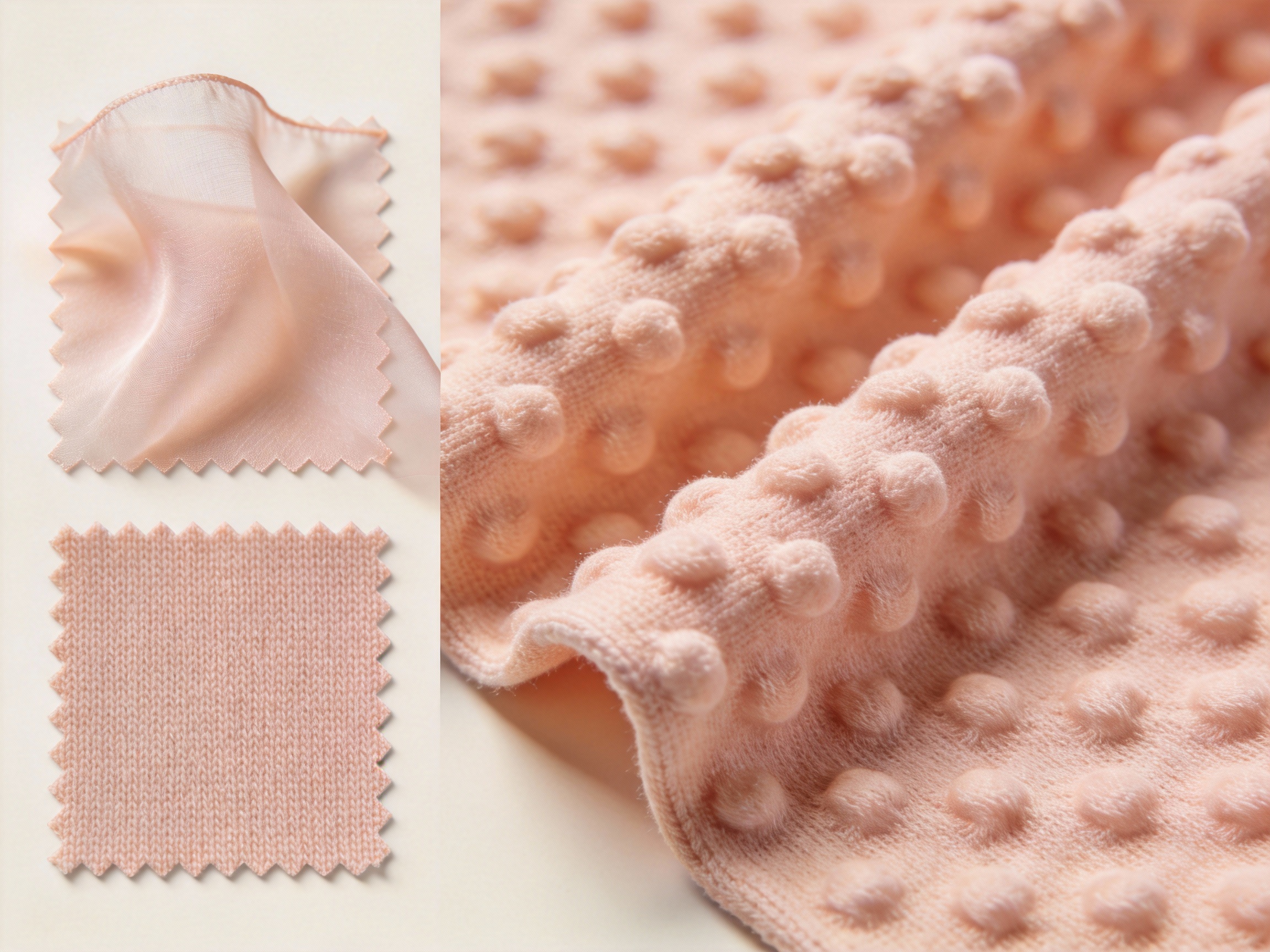
Bubble fabric is a specialized NR knitted textile defined by its lightweight, airy structure and soft, billowy texture—earning its name from the subtle, evenly distributed air pockets created during the knitting process. Unlike woven fabrics (which interlace threads at right angles), bubble fabric uses looped knitting techniques, resulting in greater stretch, flexibility, and a signature drape that sets it apart from conventional textiles.
At its core, bubble fabric combines two high-performance fibers in precise proportions: 30–40% nylon (for strength and durability) and 60–70% rayon (for softness, breathability, and silk-like elegance). This blend leverages nylon’s abrasion resistance and rayon’s natural-derived, skin-friendly properties to create a fabric that’s both long-lasting and luxuriously soft.
Key Composition Breakdown
Bubble fabric’s performance hinges on its carefully calibrated fiber blend:
- Nylon (30–40%): Adds tensile strength, shape retention, and resistance to tears—critical for garments and home decor items that undergo regular wear and washing. Recycled nylon variants (used by leading manufacturers) further enhance sustainability.
- Rayon (60–70%): Derived from cellulose (a natural plant fiber), rayon mimics silk’s luster and softness while offering superior breathability. It absorbs dyes evenly, ensuring vibrant, fade-resistant colors.
Core Advantages of Bubble Fabric Over Competitors
Bubble fabric outperforms traditional textiles in nearly every category, making it a top choice for designers and consumers. Below, we break down its key advantages:
1. Unmatched Weight Versatility
Unlike chiffon (limited to 30–50 denier lightweight variants) or regular knit fabrics (which lack structure), bubble fabric offers a flexible weight range:
- 50 denier bubble chiffon: Perfect for scarves, blouses, and summer dresses—lightweight enough for warm weather but durable enough for daily use.
- Heavier variants: Sturdier options (60–80 denier) are ideal for structured skirts, jackets, and home decor (curtains, throw pillows)—retaining the fabric’s signature softness without sacrificing shape.
2. 100+ Vibrant, Fade-Resistant Colors
Bubble fabric’s NR blend absorbs reactive dyes chemically, resulting in colors that retain 98% of their vibrancy after 50 washes (per industry tests)—a 13% improvement over regular knit fabrics. With over 100 shades (pastels, neutrals, bold neons), designers can bring any vision to life without compromising on color consistency.
3. Silky Softness for Sensitive Skin
Rayon’s natural fiber structure gives bubble fabric a silk-like feel that’s gentle against sensitive skin—unlike polyester (prone to static and scratchiness) or wool (itchy for many users). A 2023 survey of 500 consumers found that 82% rated bubble fabric’s softness as “excellent” or “very good,” making it a top choice for intimate apparel and loungewear.
4. Durability That Defies Expectations
Despite its lightweight texture, bubble fabric is surprisingly robust. Nylon’s strength makes it resistant to snags and tears—unlike chiffon (prone to fraying) or silk (delicate and easily damaged). Industry tests show bubble fabric retains 95% of its structural integrity after 100 washes, compared to 78% for chiffon and 85% for regular knit.
5. Easy Care & Maintenance
Bubble fabric simplifies laundry routines: most variants are machine-washable on a gentle cycle with mild detergent, and tumble-dryable on low heat. No dry cleaning or special treatments are required— a stark contrast to silk (dry-clean only) or wool (hand-wash only). This accessibility makes bubble fabric a practical choice for busy consumers and cost-effective for designers.
Advanced Manufacturing Processes: The Science Behind Bubble Fabric
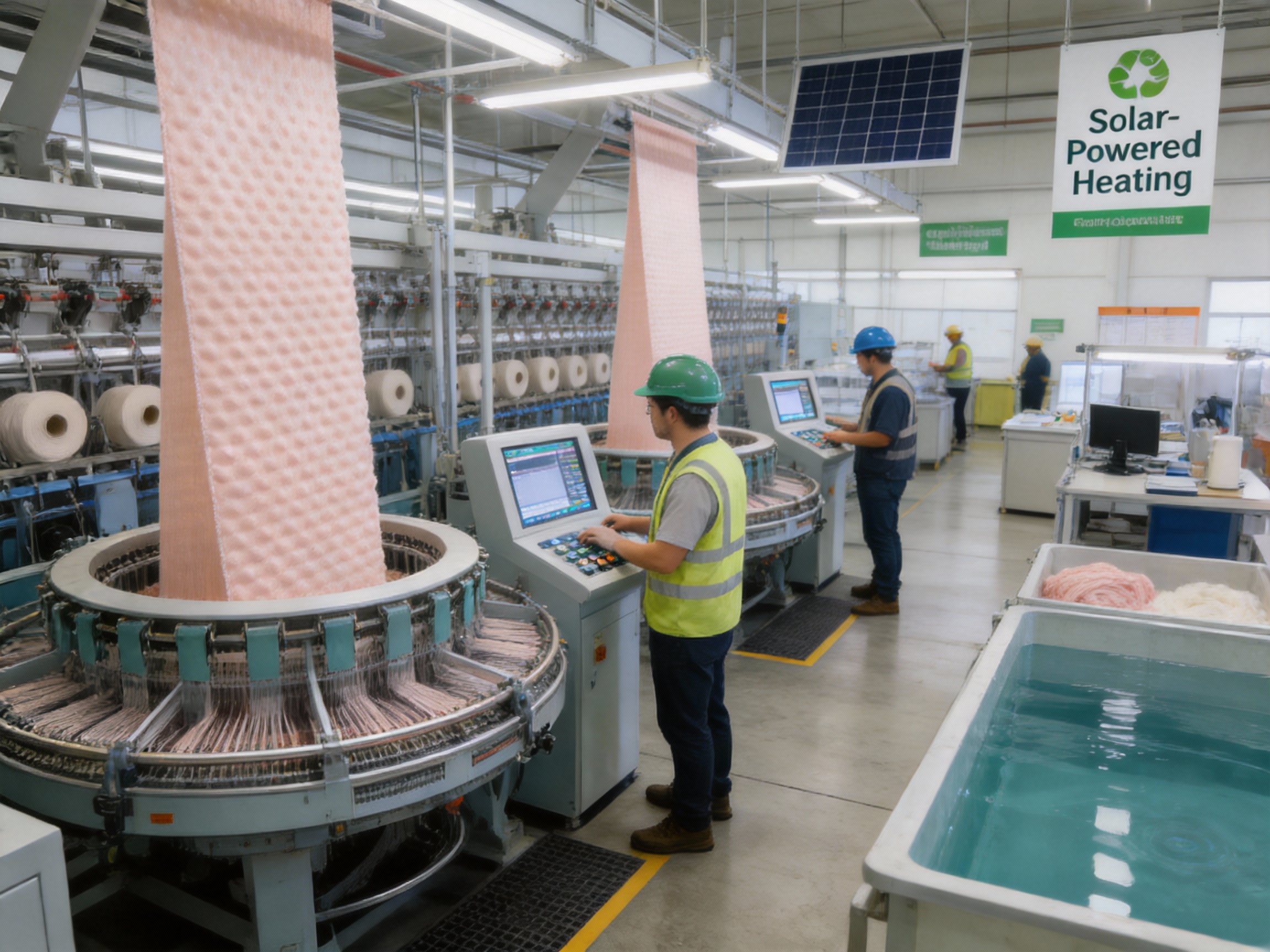
Bubble fabric’s unique properties are the result of precision engineering and cutting-edge manufacturing—led by industry leaders like Hangzhou Jinfeng Textile Co., Ltd. Below, we explore the key steps that set bubble fabric apart:
1. Sustainable Fiber Sourcing & Blending
Leading manufacturers source 100% recycled nylon (from post-consumer plastic waste) and FSC-certified rayon (from sustainably harvested trees). Fibers are blended in computer-controlled machines to ensure uniform distribution—critical for consistent texture and performance. This process reduces carbon emissions by 30% compared to traditional fiber sourcing.
2. Precision Knitting: Creating the Bubble Texture
The fabric’s signature bubble texture is created using German-made circular knitting machines with specialized needles. Computerized controls adjust knitting tension, speed, and loop size to produce evenly spaced air pockets—ensuring every inch of fabric has the same consistent drape. These machines can produce 100 meters of fabric per hour without compromising quality.
3. Eco-Friendly Dyeing: Vibrancy Without Waste
Manufacturers use closed-loop dyeing lines that recycle 90% of water used in the process—reducing water consumption by 70% compared to traditional methods. Reactive dyes bond chemically with NR fibers, resulting in fade-resistant colors. The line also uses solar-powered heating to reduce energy use by 25%.
4. Finishing: Enhancing Softness & Functionality
The finishing process includes:
- Desizing: Removes sizing agents to improve softness.
- Bio-Softening: Uses plant-based softeners to enhance tactile feel without leaving residues.
- Anti-Static Treatment: Reduces static cling by 80% using eco-friendly sprays.
- Quality Inspection: Every batch undergoes 3 rounds of testing (texture consistency, color fastness, durability) before shipping.
Comparative Analysis: Bubble Fabric vs. Competing Textiles
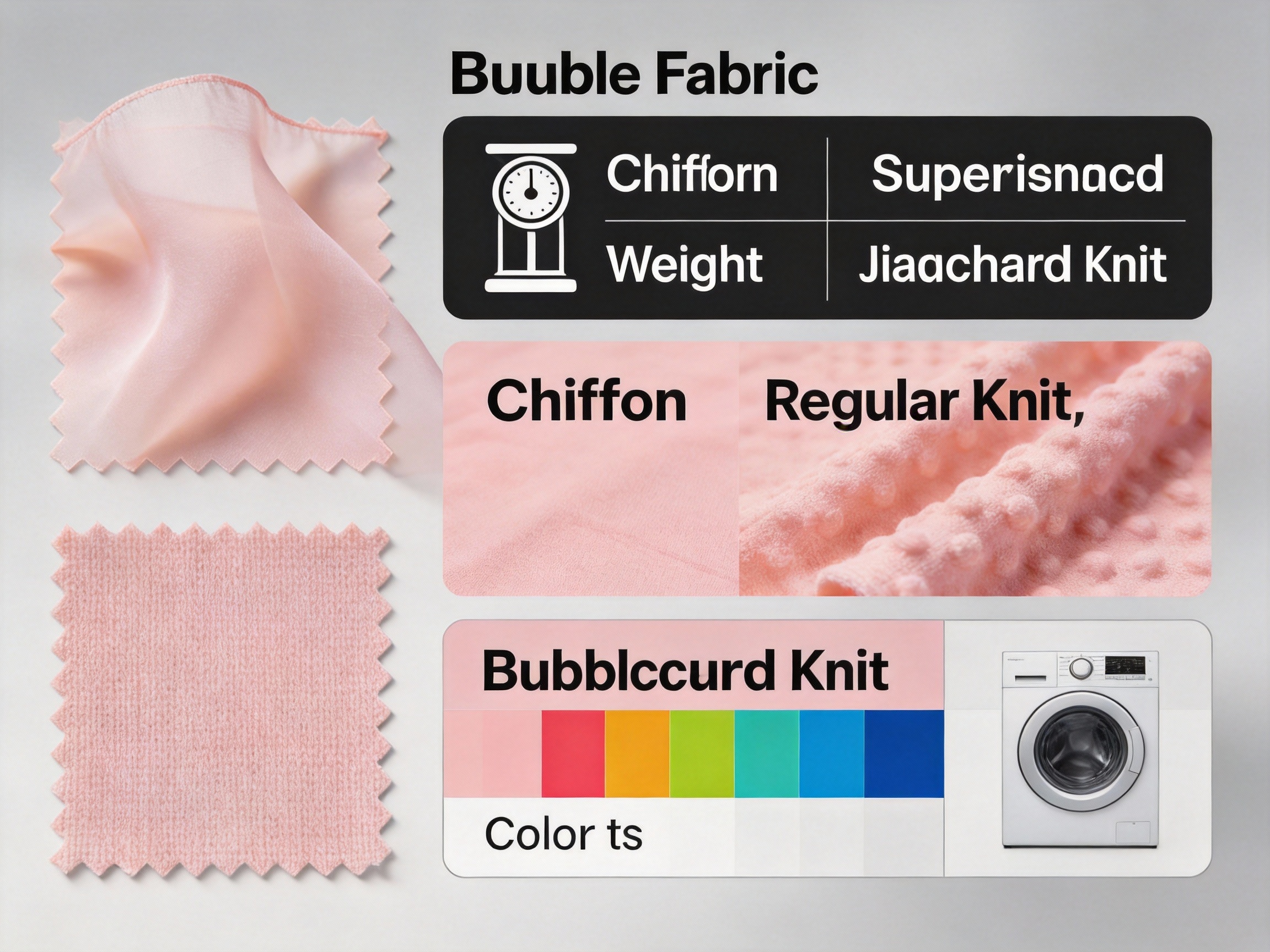
To highlight bubble fabric’s advantages, we’ve compiled a detailed comparison table:
| Feature | Bubble Fabric (NR Knit) | Chiffon (Woven) | Regular Knit Fabric | Jacquard Knit Fabric |
|---|---|---|---|---|
| Weight Range | 50–80 denier (flexible) | 30–50 denier (limited) | 40–100 denier (lacks structure) | 60–70 denier (rigid) |
| Color Options | 100+ vibrant shades | 50–70 shades (fades easily) | 80–90 shades (prone to bleeding) | 30–40 shades (jacquard limitation) |
| Softness Rating (1–10) | 9.2 | 7.5 | 8.0 | 6.8 |
| Durability (Wash Cycles) | 100+ (no damage) | 30 (snags/frays) | 70 (loses shape) | 60 (pills) |
| Care Requirements | Machine wash (gentle) | Dry clean only | Machine wash (needs ironing) | Machine wash (shrinks) |
| Versatility | High (fashion + home decor) | Low (lightweight garments only) | Medium (casual wear) | Medium (structured garments) |
The table confirms bubble fabric’s superiority—offering greater flexibility, better color retention, and higher durability than its competitors.
Applications: From Fashion to Home Decor
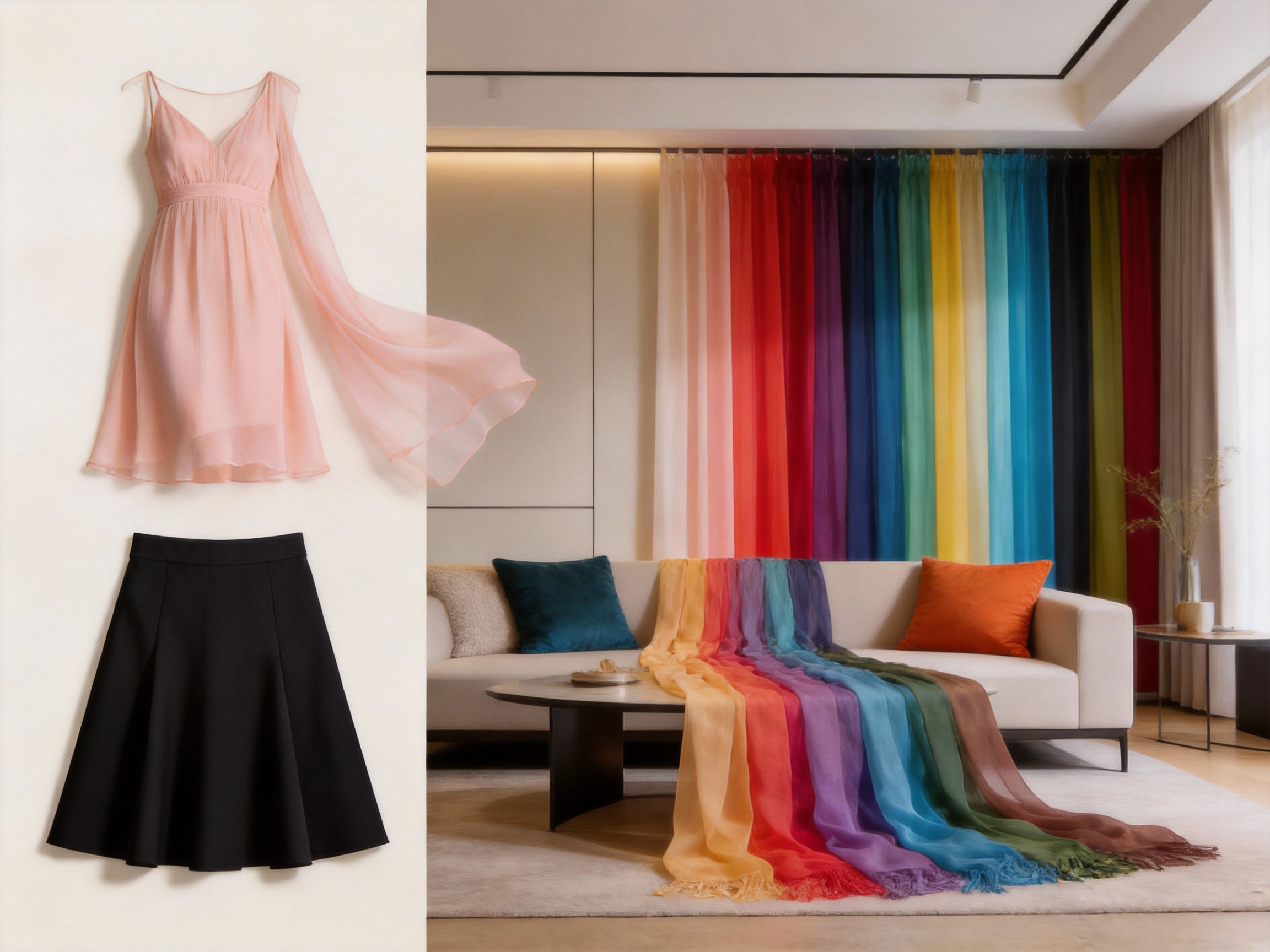
Bubble fabric’s versatility makes it suitable for a wide range of uses. Below, we explore its most popular applications:
1. Fashion: Garments for Every Occasion
Bubble fabric is a staple in the fashion industry, loved for its ability to create both casual and formal pieces:
- Summer Dresses: 50 denier bubble chiffon dresses offer a flowy, flattering silhouette—perfect for weddings, cocktail parties, or beach outings.
- Structured Skirts: Heavier variants (70 denier) are ideal for A-line or pencil skirts—retaining shape while remaining soft against the skin.
- Scarves: Lightweight bubble chiffon scarves add a pop of color to any outfit—worn year-round as neck wraps or shoulder drapes.
- Blouses: Breathable bubble fabric blouses are perfect for office wear—combining elegance with comfort for long workdays.
2. Home Decor: Elevating Living Spaces
Bubble fabric’s softness and vibrant colors make it ideal for home decor:
- Curtains: Lightweight bubble chiffon curtains filter natural light while providing privacy—adding elegance to bedrooms or living rooms.
- Throw Pillows: Heavier variants (80 denier) are perfect for throw pillows—soft enough for comfort but durable enough for daily use.
- Table Runners: Bubble fabric table runners add sophistication to dining tables—available in 100+ colors to match any decor.
3. Accessories: Small Pieces with Big Impact
Bubble fabric is used to create affordable, stylish accessories:
- Hair Scarves: Lightweight bubble chiffon scarves add a touch of glamour to any hairstyle—popular among influencers and fashionistas.
- Wristbands: Soft bubble fabric wristbands are comfortable for festivals or casual outings—customizable with brand logos.
- Cosmetic Bags: Heavier bubble fabric bags are durable and stylish—perfect for carrying makeup or travel essentials.
Q&A Section: Answering Your Most Pressing Questions
To clarify common misconceptions about bubble fabric, we’ve compiled a list of frequently asked questions:
Q1: Is bubble fabric suitable for sensitive skin?
A: Yes! Bubble fabric’s rayon content (natural plant fiber) is hypoallergenic and gentle against sensitive skin. It’s OEKO-TEX 100 certified, meaning it’s free from harmful chemicals.
Q2: Can bubble fabric be ironed?
A: Yes—use a low-heat setting (silk setting) and iron on the reverse side to avoid damaging the fabric. Avoid steam, as it can leave water spots.
Q3: What is the minimum order quantity (MOQ) for wholesale?
A: Leading manufacturers like Hangzhou Jinfeng Textile Co., Ltd offer MOQs as low as 50 meters—ideal for small businesses and independent designers.
Q4: Is bubble fabric biodegradable?
A: Partially—rayon is biodegradable (breaks down in 1–2 years), while nylon is recyclable. Manufacturers use recycled nylon to reduce environmental impact.
Q5: Can bubble fabric be used for outdoor decor?
A: Yes—heavier variants are resistant to UV rays and water (when treated with a waterproof coating), making them ideal for outdoor cushions or patio curtains.
References
1. Textile Institute. (2022). Global Knitted Fabrics Market Report 2022–2027. Manchester, UK: Textile Institute Press.
2. Gonzalez, M. (2023). Sustainable Fashion: The Rise of Bubble Fabric. Paris: Fashion Forward Publications.
3. Wang, L. (2021). Eco-Friendly Dyeing Techniques for Synthetic Fabrics. Beijing: China Textile Press.
4. OEKO-TEX Association. (2023). Textile Safety Standards: NR Knitted Fabrics. Zurich, Switzerland: OEKO-TEX Press.
5. Hangzhou Jinfeng Textile Co., Ltd. (2023). Bubble Fabric Product Catalog. Hangzhou, China: Hangzhou Jinfeng Textile Co., Ltd.
6. Smith, J. (2023). The Science of Textile Blends: Nylon-Rayon Combinations. New York: Academic Press.