
The Timeless Elegance and Modern Innovation of Houndstooth Jacquard Fabric: A Deep Dive into Its Advantages and Manufacturing Excellence
For decades, houndstooth has been a staple in fashion and interior design, recognized for its classic, geometric charm that balances sophistication and playfulness. But the evolution of textile technology has transformed this traditional pattern into something far more versatile and performance-driven: houndstooth jacquard fabric. Unlike its woven or printed counterparts, this fabric combines the timeless appeal of houndstooth with advanced manufacturing techniques that deliver superior texture, elasticity, and customization. In this article, we explore what makes this fabric a standout choice, the cutting-edge processes behind its production, its wide-ranging applications, and the core strengths of the manufacturers leading its innovation.
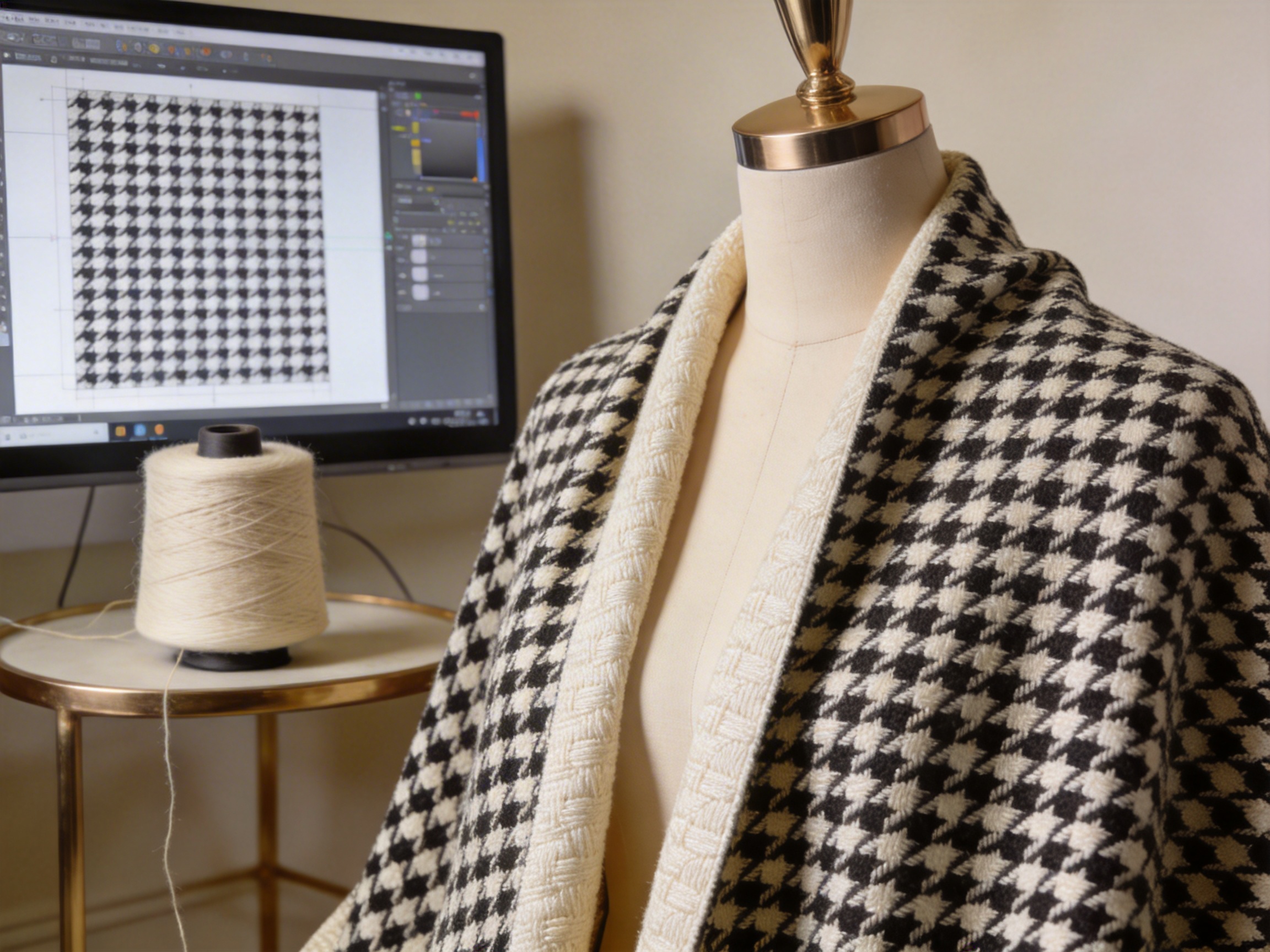
What Makes Houndstooth Jacquard Fabric Stand Out?
Houndstooth, also known as dogstooth check, traces its origins to 19th-century Scotland, where it was woven from woolen yarns. Over time, it became a symbol of classic style—think Coco Chanel’s iconic suits or modern-day fashion runways. However, traditional houndstooth fabrics often lacked flexibility, durability, and the ability to adapt to modern needs. The houndstooth jacquard fabric reimagines this classic with a host of modern advantages.
Historical Context: From Woolen Weaves to Modern Jacquard
The original houndstooth was a simple twill weave, creating a two-tone, broken check pattern. While timeless, this weave had limitations: it was often stiff, prone to wrinkling, and offered little stretch. Jacquard weaving, invented by Joseph Marie Jacquard in 1804, revolutionized textile production by allowing complex patterns to be woven directly into the fabric using punch cards. Today’s computerized jacquard machines take this technology to new heights, enabling intricate, customizable patterns with precision and efficiency.
The houndstooth jacquard fabric leverages this advanced weaving method to create a 3D effect that printed houndstooth simply cannot match. Printed versions rely on dyeing the surface, which can fade over time and lack the tactile depth of a woven pattern. In contrast, jacquard houndstooth has the pattern integrated into the fabric’s structure, making it more durable and visually striking.
Key Design and Texture Features
At the core of this fabric’s appeal are its design and texture: - 3D Pattern Depth: The jacquard weave creates a raised, tactile houndstooth pattern that stands out from the base fabric, adding a luxurious, high-end feel. - Soft Elasticity: Blended with stretch-friendly fibers (such as spandex or rayon), the fabric offers comfortable give without losing its shape—ideal for apparel that needs to move with the wearer. - Classic Versatility: The houndstooth pattern remains timeless, making it suitable for both formal and casual designs, from tailored suits to relaxed dresses. - Customizable Aesthetics: Unlike mass-produced fabrics, this houndstooth jacquard can be adjusted in pattern size, color palette, and thickness to meet specific client needs.
Advantages Over Competitor Fabrics
To understand the fabric’s competitive edge, let’s compare it to common alternatives in the market:
| Fabric Type | Texture & Depth | Elasticity | Customization | Durability | Price Point (Relative) |
|---|---|---|---|---|---|
| Houndstooth Jacquard (Our Product) | 3D raised pattern, tactile | High (blended with elastic fibers) | Full (pattern, color, thickness) | Excellent (pattern integrated into weave) | Mid to High |
| Woven Houndstooth (Traditional) | Flat, two-dimensional | Low (minimal stretch) | Limited (standard patterns) | Good (but prone to fraying) | Mid |
| Printed Houndstooth | Flat, surface-only pattern | Variable (depends on base fabric) | Moderate (color customization only) | Fair (fades over time) | Low to Mid |
| Regular Jacquard (No Houndstooth) | Complex patterns but no classic houndstooth | Moderate (depends on blend) | High (but not houndstooth-specific) | Good | Mid to High |
As the table shows, the houndstooth jacquard fabric outperforms competitors in texture depth, elasticity, and customization—key factors for both fashion designers and interior decorators. Its integrated pattern also ensures longer-lasting color and shape retention, making it a more cost-effective choice over time despite its mid-to-high price point.
Advanced Manufacturing Processes: Behind the Scenes
The quality of houndstooth jacquard fabric hinges on the precision and innovation of its manufacturing process. Unlike traditional weaving, which relies on manual or semi-automated methods, this fabric is produced using state-of-the-art equipment and rigorous quality control.
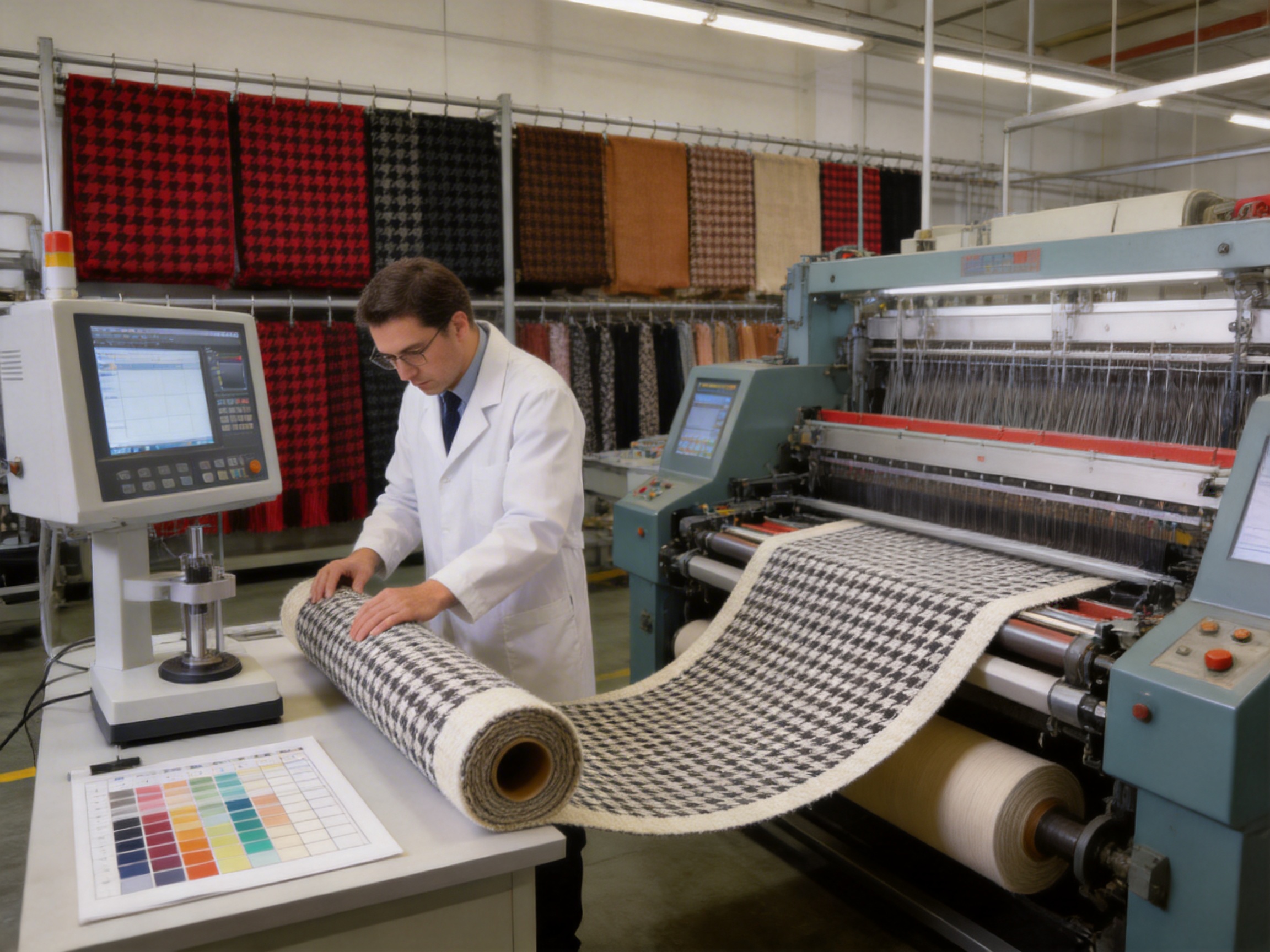
Imported Computerized Jacquard Machines: Precision at Scale
The backbone of production is imported computerized jacquard machines, which offer unmatched precision and flexibility. These machines use digital design files to control each thread individually, allowing for complex patterns—like the 3D houndstooth—to be woven with exacting detail. Key benefits of these machines include: - Digital Pattern Integration: Designers can create custom houndstooth patterns using CAD software, which are then directly fed into the machine. This eliminates the need for manual punch cards and reduces human error. - High Speed & Efficiency: Modern jacquard machines can weave up to 100 meters of fabric per hour, making large-scale production feasible without compromising quality. - Minimal Waste: The digital control system ensures that each thread is used optimally, reducing fabric waste by up to 20% compared to traditional weaving methods. - Consistent Quality: Every meter of fabric is identical, with no variation in pattern alignment or thread tension—critical for bulk orders.
For example, a designer looking to create a mini-houndstooth pattern for a dress can adjust the CAD file to reduce the check size, and the machine will weave it seamlessly. This level of customization is impossible with older, analog jacquard machines.
Customization Capabilities: Tailored to Client Needs
One of the biggest strengths of this fabric is its adaptability. Manufacturers work closely with clients to adjust three key parameters: 1. Pattern Customization: Clients can choose from a range of houndstooth sizes (from micro to oversized) and color palettes (monochrome, pastels, bold contrasts). For example, a luxury fashion brand might request a metallic-thread houndstooth for a holiday collection, while an interior designer might opt for a muted, earth-toned pattern for a living room upholstery. 2. Thickness Adjustment: The fabric’s weight can be modified by changing the yarn count and weave density. Thicker versions are ideal for coats and upholstery, while thinner variants work well for dresses and drapes. 3. Fiber Blend Optimization: The base blend (polyester, rayon, spandex) can be adjusted to meet specific performance needs. For instance, adding more spandex increases elasticity for activewear, while increasing rayon content enhances softness for loungewear.
This level of customization sets the fabric apart from off-the-shelf alternatives, allowing clients to create unique products that align with their brand identity.
Quality Control: From Raw Materials to Finished Fabric
To ensure consistent quality, manufacturers implement a multi-stage quality control process: 1. Raw Material Inspection: All yarns (including DTY polyester, rayon, and spandex) are tested for strength, color fastness, and purity before production. This step eliminates defective materials early in the process. 2. Pre-Production Sampling: A small sample of the custom fabric is woven and tested for pattern accuracy, elasticity, and shrinkage. Clients approve the sample before full-scale production begins. 3. In-Process Checks: During weaving, operators monitor the machine for thread breaks, pattern alignment, and tension. Any deviations trigger an immediate adjustment. 4. Post-Dyeing & Finishing Tests: After dyeing and finishing (which includes softening and waterproofing treatments if requested), the fabric is tested for color fastness to light, washing, and rubbing. It is also checked for shrinkage and stretch recovery. 5. Final Inspection: Every roll of fabric is visually inspected for defects (such as snags or uneven patterns) before being shipped to clients.
This rigorous process ensures that every meter of fabric meets the highest standards of quality and performance.
Versatility in Applications: From Fashion to Interiors
The houndstooth jacquard fabric’s combination of style and performance makes it suitable for a wide range of applications. Its timeless pattern and customizable features allow it to transition seamlessly between fashion and interior design.
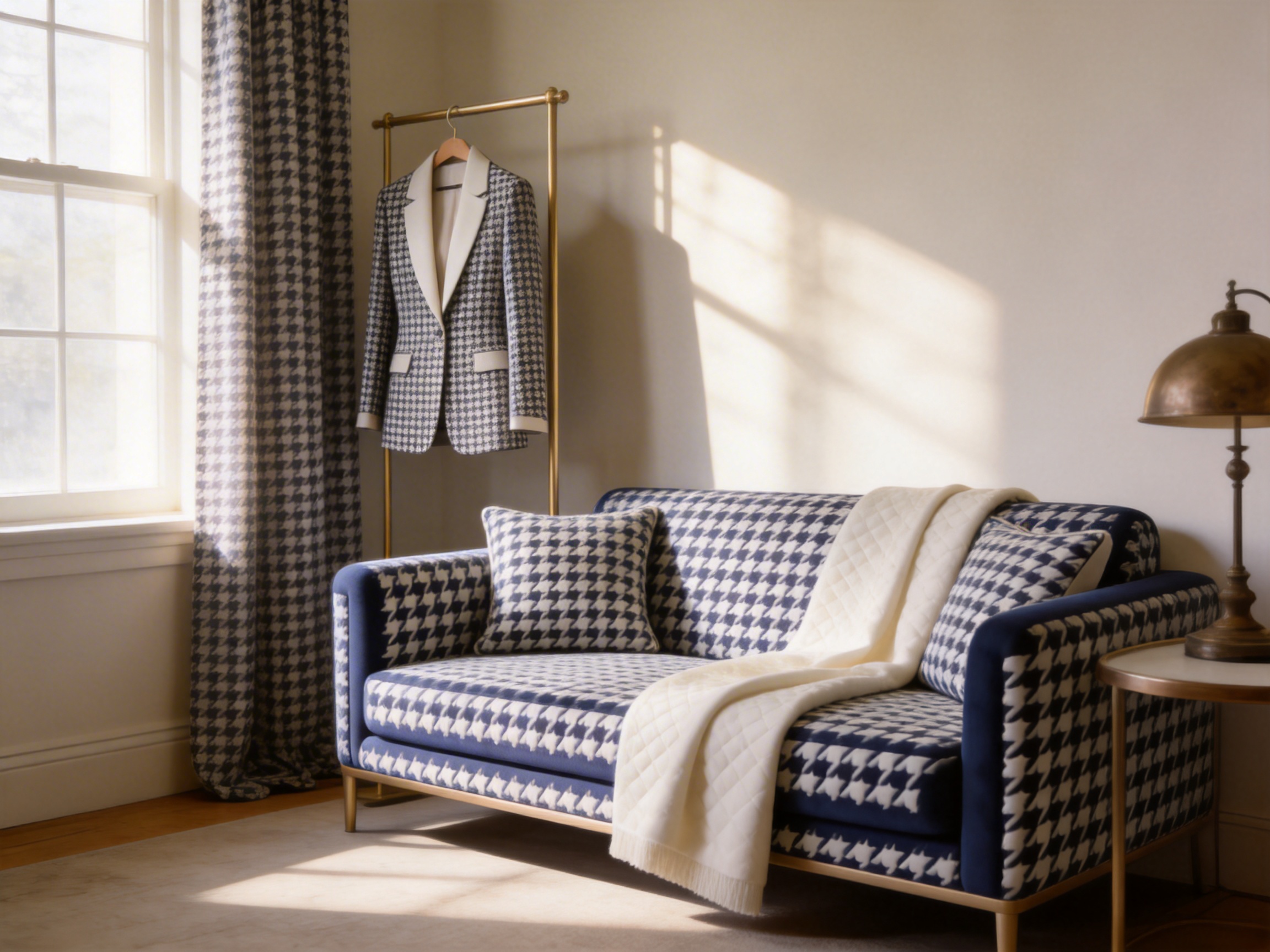
Fashion Industry Uses
In the fashion world, the fabric is a favorite among designers for its ability to balance classic and modern aesthetics. Key applications include: - Tailored Suits: The 3D houndstooth pattern adds a sophisticated touch to men’s and women’s suits, while the elastic blend ensures comfort during long wear. Unlike traditional wool suits, this fabric is less prone to wrinkling, making it ideal for business travel. - Coats & Jackets: Thicker variants of the fabric are perfect for winter coats, offering warmth and style. The pattern can be customized to match seasonal trends—for example, a bold red and black houndstooth for fall/winter collections. - Dresses & Skirts: Thinner, more elastic versions are used for dresses and skirts, providing a flattering fit and comfortable movement. The pattern adds visual interest without being overwhelming. - Accessories: The fabric is also used for bags, scarves, and ties, adding a touch of luxury to everyday accessories.
Designers often praise the fabric for its versatility: it can be dressed up for formal events or dressed down for casual outings, making it a staple in seasonal collections.
Interior Design Applications
In interior design, the houndstooth jacquard fabric brings a classic, timeless look to any space. Its durability and customization make it ideal for: - Upholstery: The fabric’s resistance to wear and tear makes it perfect for sofas, chairs, and ottomans. The 3D pattern adds texture to living rooms, bedrooms, and offices. - Window Treatments: Drapes and roman blinds made from the fabric filter light while adding a stylish touch. Custom color palettes can be matched to the room’s decor. - Rugs & Cushions: The fabric’s durability makes it suitable for area rugs and throw cushions, adding a pop of pattern to floors and furniture. - Wall Coverings: Thicker variants can be used as wall coverings, creating a unique, textured accent wall in a bedroom or living room.
Interior designers appreciate the fabric’s ability to blend with both modern and traditional decor styles. For example, a neutral houndstooth jacquard sofa can complement a minimalist living room, while a bold, colorful pattern can add vibrancy to a classic bedroom.
Comparison with Other Fabrics for These Uses
When compared to other fabrics used in fashion and interiors, the houndstooth jacquard fabric offers distinct advantages: - vs. Leather (Upholstery): The fabric is lighter, more breathable, and easier to clean than leather. It also offers more pattern customization options. - vs. Cotton (Fashion): The fabric’s elastic blend provides better stretch and shape retention than cotton. It is also less prone to wrinkling. - vs. Velvet (Interiors): The fabric is more durable and less prone to crushing than velvet. It also offers a more versatile pattern option. - vs. Polyester (General): The blend of polyester, rayon, and spandex creates a softer, more comfortable fabric than 100% polyester, with better moisture-wicking properties.
These comparisons highlight why the fabric is a top choice for both fashion and interior design professionals.
Company's Core Strengths: Driving Innovation and Quality
The success of the houndstooth jacquard fabric is closely tied to the strengths of its manufacturer. A leading producer of this fabric is a company with a strong focus on R&D, integrated production, and customer satisfaction.
R&D and Innovation: Pushing the Boundaries of Textile Technology
The company invests heavily in research and development to stay ahead of industry trends. Its R&D team includes textile engineers, designers, and material scientists who work together to: - Develop New Fiber Blends: The team is constantly testing new blends of polyester, rayon, and spandex to enhance the fabric’s performance—for example, adding recycled polyester to create eco-friendly variants. - Improve Weaving Techniques: The team collaborates with machine manufacturers to optimize the jacquard weaving process, reducing energy consumption and increasing production efficiency. - Create Trend-Driven Patterns: The design team monitors fashion and interior design trends to develop new houndstooth patterns—such as asymmetric houndstooth or houndstooth with metallic accents—that resonate with clients. - Enhance Sustainability: The company is working to reduce its carbon footprint by using renewable energy sources in production and developing water-saving dyeing processes.
This commitment to innovation ensures that the fabric remains at the cutting edge of textile technology.
Integrated Production Chain: Controlling Quality at Every Step
Unlike many textile manufacturers that outsource key production steps, this company has an integrated production chain that covers everything from yarn production to fabric finishing. This includes: - DTY Polyester Yarn Production: The company produces its own draw textured yarn (DTY) polyester, ensuring consistent quality and reducing reliance on external suppliers. - Blended Fabric Production: The yarns are blended on-site to create the optimal fiber mix for the houndstooth jacquard fabric. - Weaving & Finishing: The fabric is woven using imported jacquard machines and finished on-site with dyeing, softening, and waterproofing treatments. - Quality Control: As mentioned earlier, the company implements a rigorous multi-stage quality control process at every step of production.
This integrated chain allows the company to maintain full control over the fabric’s quality and reduce lead times for custom orders. It also enables the company to respond quickly to client requests for changes or improvements.
Sustainability and Compliance: Meeting Global Standards
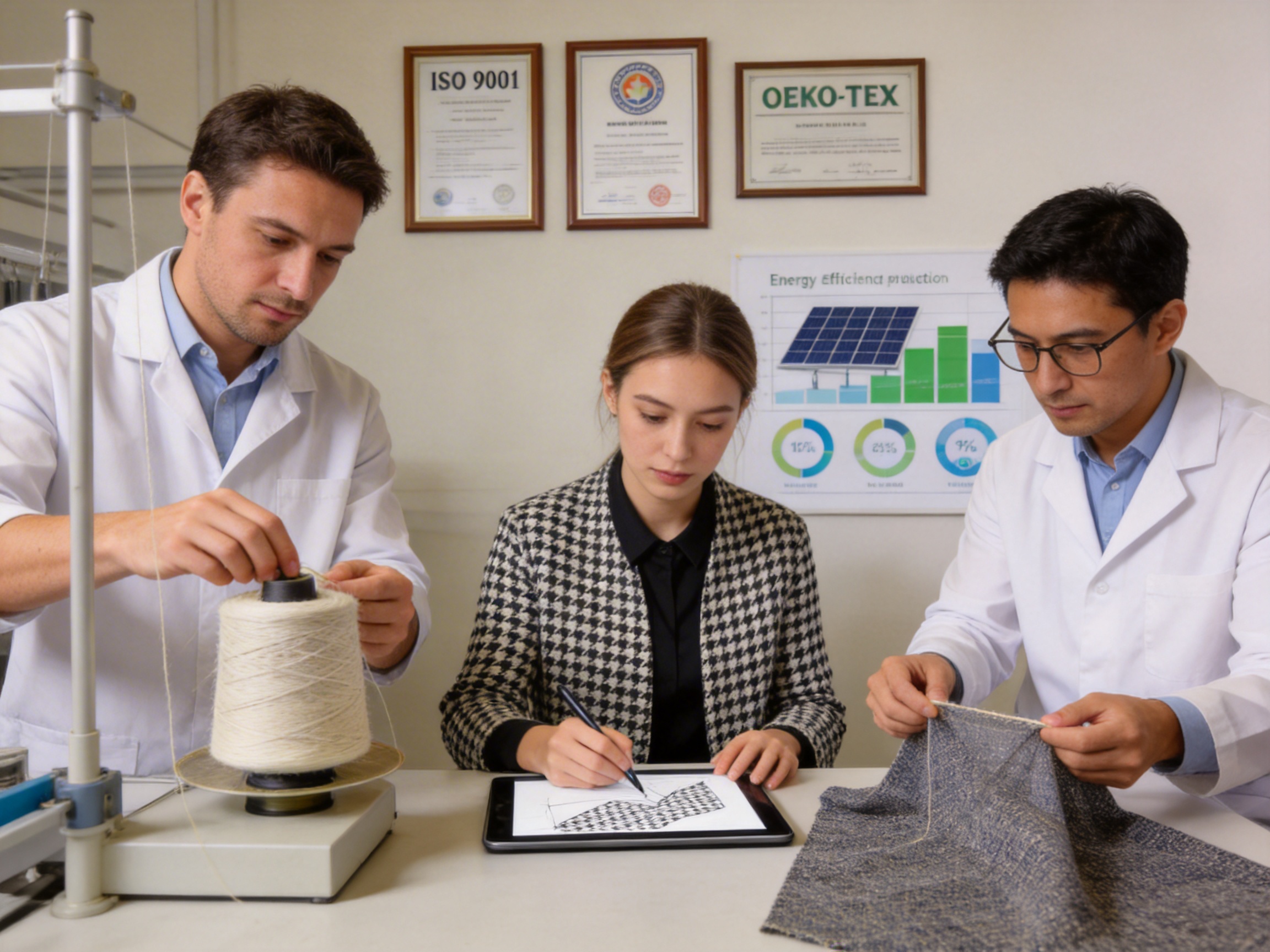
In an era of increasing environmental awareness, the company prioritizes sustainability and compliance with global standards. Key initiatives include: - Eco-Friendly Dyes: The company uses low-impact, OEKO-TEX certified dyes that are free from harmful chemicals. - Recycled Materials: The company is expanding its use of recycled polyester yarns, reducing its reliance on virgin materials. - Energy Efficiency: The production facility uses energy-efficient machines and solar panels to reduce its carbon footprint. - Certifications: The company holds ISO 9001 (quality management) and OEKO-TEX Standard 100 (safety of textiles) certifications, ensuring that its products meet international standards.
These initiatives not only benefit the environment but also appeal to clients who are looking for sustainable textile solutions.
Q&A Section: Addressing Common Client Questions
Q1: What sets your houndstooth jacquard fabric apart from printed houndstooth options?
A: Our fabric uses a jacquard weave to integrate the houndstooth pattern directly into the fabric’s structure, creating a 3D, tactile effect that printed fabrics cannot match. Printed houndstooth relies on surface dyeing, which can fade over time and lacks the depth of our woven pattern. Additionally, our fabric offers better elasticity and durability due to its blended fiber composition.
Q2: Can the pattern and thickness of the fabric be fully customized?
A: Yes! We offer full customization for pattern size (from micro to oversized), color palette (any combination of hues), and thickness (from lightweight for dresses to heavyweight for coats and upholstery). Our CAD design team works closely with clients to create custom patterns that align with their brand or project needs.
Q3: What are the main applications for this fabric?
A: The fabric is versatile enough for both fashion and interior design. In fashion, it’s used for suits, coats, dresses, and accessories. In interiors, it’s ideal for upholstery, window treatments, rugs, and wall coverings. Its durability and customization make it suitable for a wide range of projects.
Q4: How does the company ensure consistent quality across batches?
A: We implement a rigorous multi-stage quality control process. This includes raw material inspection, pre-production sampling, in-process checks, post-dyeing tests, and final inspection. Our integrated production chain also allows us to control every step of the process, ensuring consistency from one batch to the next.
Q5: Is the fabric suitable for eco-friendly projects?
A: Yes! We offer eco-friendly variants of the fabric that use recycled polyester yarns and OEKO-TEX certified low-impact dyes. Our production facility also uses energy-efficient machines and solar panels to reduce its carbon footprint. We can provide certification documents to confirm compliance with sustainable standards.
Q6: What is the minimum order quantity (MOQ) for custom orders?
A: The MOQ varies depending on the customization level, but we typically require a minimum of 50 meters for custom patterns and 100 meters for large-scale production. We also offer sample orders (1-2 meters) for clients to test the fabric before placing a bulk order.
References
1. Textile Institute. (2022). Jacquard Weaving Technology: Modern Innovations and Applications. Manchester: Textile Institute Press.
2. Smith, J. (2023). The History and Evolution of Houndstooth Patterns in Fashion and Interiors. New York: Fashion & Textile Publications.
3. European Textile Confederation. (2021). Sustainable Textile Manufacturing Guidelines. Brussels: ETC Publications.
4. Lee, S. (2024). Elastic Blended Fabrics: Performance and Comfort in Apparel. Seoul: Korean Textile Research Institute.
5. OEKO-TEX Association. (2023). Standard 100 by OEKO-TEX: Certification Requirements for Textile Products. Zurich: OEKO-TEX Association.