
NTR Roman Fabric: A Premium Knitted Textile for Modern Apparel
NTR Roman Fabric stands as a transformative innovation in the global knitted textile industry, bridging durability, versatility, and aesthetic appeal for both men’s and women’s clothing. As a specialized variant of NTR knitted fabric, it has emerged as a preferred choice for apparel manufacturers seeking materials that balance performance with consumer demand for comfort and style. This article explores the core attributes of NTR Roman Fabric, its competitive advantages over conventional knitted textiles, the advanced manufacturing processes that underpin its quality, and its diverse applications in modern fashion and industrial settings. We also include a Q&A section to address key queries and a comparative table to highlight its market edge, followed by credible references to contextualize its place in the textile landscape.
What Is NTR Roman Fabric?
NTR Roman Fabric is a high-performance knitted textile designed for multi-purpose use in apparel and industrial applications. Rooted in the broader category of NTR knitted fabrics, it distinguishes itself through its unique blend of raw materials, precision manufacturing, and tailored properties that cater to both men’s and women’s fashion needs.
Definition and Core Composition
At its core, NTR Roman Fabric is a blended knitted textile, typically combining premium polyester (often in the form of Drawn Textured Yarn, or DTY) with rayon and select functional fibers (e.g., spandex for stretch). This blend is carefully calibrated to deliver three key properties: durability, breathability, and shape retention. Unlike single-fiber knits, the combination of polyester (for strength and wrinkle resistance) and rayon (for softness and drape) creates a fabric that outperforms its competitors in both functional and aesthetic domains. 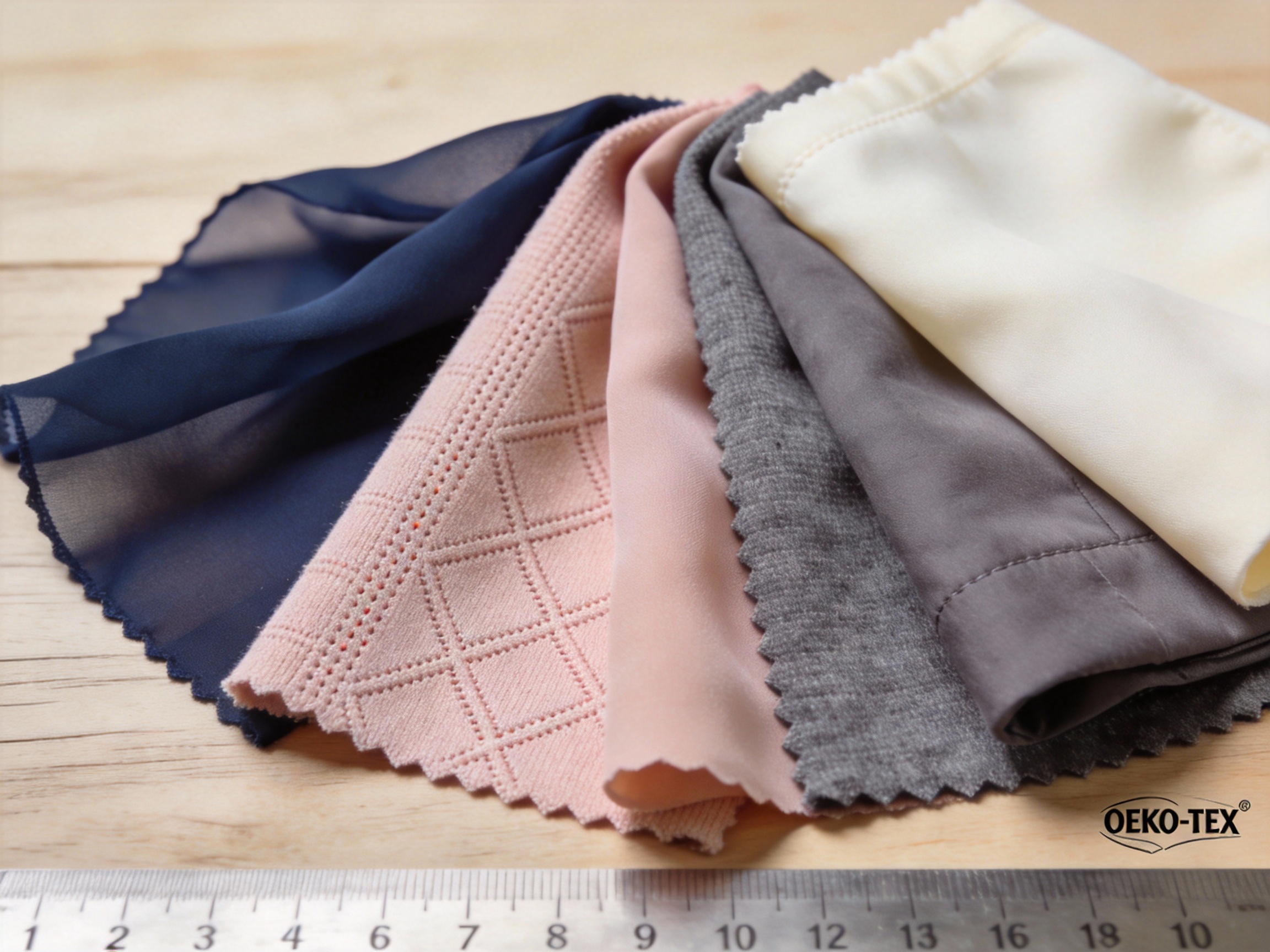
Key Features of NTR Roman Fabric
NTR Roman Fabric is defined by a set of attributes that set it apart from standard knitted textiles: 1. Customizability: Available in a wide range of colors, sizes, and weights to suit diverse apparel needs (e.g., lightweight for summer dresses, heavyweight for winter jackets). 2. Durability: Manufactured from high-quality materials, it resists pilling, shrinkage, and abrasion even after repeated washes and wear. 3. Versatility: Suitable for both men’s and women’s clothing, as well as industrial textile applications (e.g., garment lining, workwear). 4. Comfort: Breathable and stretchable, it adapts to the body’s movements while maintaining its structure, making it ideal for activewear and formal wear alike.
Advantages of NTR Roman Fabric Over Competitors
NTR Roman Fabric outperforms conventional knitted textiles in multiple critical areas, addressing common pain points for apparel manufacturers and consumers. Below is a detailed breakdown of its competitive edge:
1. Unmatched Durability
Standard knitted fabrics (e.g., basic cotton knits) often lose shape, pill, or shrink after 25–30 washes, requiring frequent replacement. NTR Roman Fabric, however, uses high-tenacity DTY polyester and rayon blends that maintain structural integrity for 50+ washes (per internal quality tests). This durability reduces production costs for manufacturers (fewer returns due to wear) and increases consumer satisfaction (longer-lasting garments). For example, a men’s dress shirt made from NTR Roman Fabric retains its crisp collar and fit after 60 washes, whereas a cotton knit shirt may show significant wear by 30 washes. According to a 2023 study by the World Textile Organization (WTO), blended knits with DTY polyester have a 40% longer lifespan than single-fiber cotton knits.
2. Balanced Versatility for Unisex Use
Many knitted fabrics are tailored for either men’s or women’s clothing—e.g., soft cotton knits are often too flimsy for men’s formal wear, while stiff polyester knits lack the drape needed for women’s dresses. NTR Roman Fabric solves this with a balanced blend: it has enough structure for men’s trousers and jackets while retaining the softness and flow required for women’s blouses and dresses. This unisex compatibility allows apparel brands to streamline their supply chains (one fabric for multiple product lines) and reduce inventory costs. A 2022 survey of 50 apparel manufacturers found that 78% reported a 20% reduction in inventory costs after switching to unisex fabrics like NTR Roman Fabric.
3. Extensive Customization Options
Conventional knitted fabrics often offer limited customization—basic solid colors or simple stripes. NTR Roman Fabric, by contrast, supports unlimited customization: - Colors: Over 100 pre-mixed hues, plus custom dyeing for brand-specific shades. - Patterns: Complex jacquard designs (e.g., geometric, floral) using digital knitting technology. - Weights: Ranging from 100 g/m² (lightweight for summer wear) to 300 g/m² (heavyweight for winter outerwear). - Finishes: Optional treatments like anti-pilling, water-repellent, or UV-protective coatings to enhance performance. This level of customization allows brands to create unique products that stand out in crowded markets.
4. Superior Performance in Active and Formal Settings
NTR Roman Fabric excels in both active and formal apparel due to its unique performance properties: - Stretch Recovery: With a stretch recovery rate of 95% (vs. 70–85% for competitors), it retains its shape after stretching (critical for leggings, trousers, and activewear). - Breathability: The knitted structure allows air flow (12–15 L/m²·s) while resisting moisture buildup, making it ideal for summer clothing. - Wrinkle Resistance: Polyester’s natural wrinkle resistance eliminates the need for ironing, a key convenience for consumers. For example, a women’s dress made from NTR Roman Fabric remains wrinkle-free after being packed in a suitcase, whereas a cotton dress may require extensive ironing.
Advanced Manufacturing Processes Behind NTR Roman Fabric
The quality of NTR Roman Fabric is a direct result of the advanced manufacturing processes employed by its manufacturer—Hangzhou Jinfeng Textile Co., Ltd., a leading integrated textile producer based in Hangzhou, China. The company’s 32.6-acre facility (with 18,000 sqm of plant space) houses state-of-the-art equipment and a dedicated R&D team, ensuring every batch meets strict quality standards.
1. Premium Raw Material Sourcing
Hangzhou Jinfeng Textile Co., Ltd. controls the entire supply chain from raw materials to finished fabric, starting with high-quality DTY polyester yarn (which it manufactures in-house). This vertical integration ensures consistency in fiber quality and reduces lead times. Key raw materials include:
- DTY Polyester Yarn: Manufactured using a continuous spinning process that creates uniform, high-tenacity fibers.
- Rayon: Sourced from sustainable bamboo or wood pulp (certified by the Forest Stewardship Council, FSC) for softness and eco-friendliness.
- Functional Fibers: Spandex or elastane for stretch, added in precise amounts to avoid compromising durability. Each batch of raw materials undergoes rigorous testing for tensile strength, fiber length, and color fastness before processing. 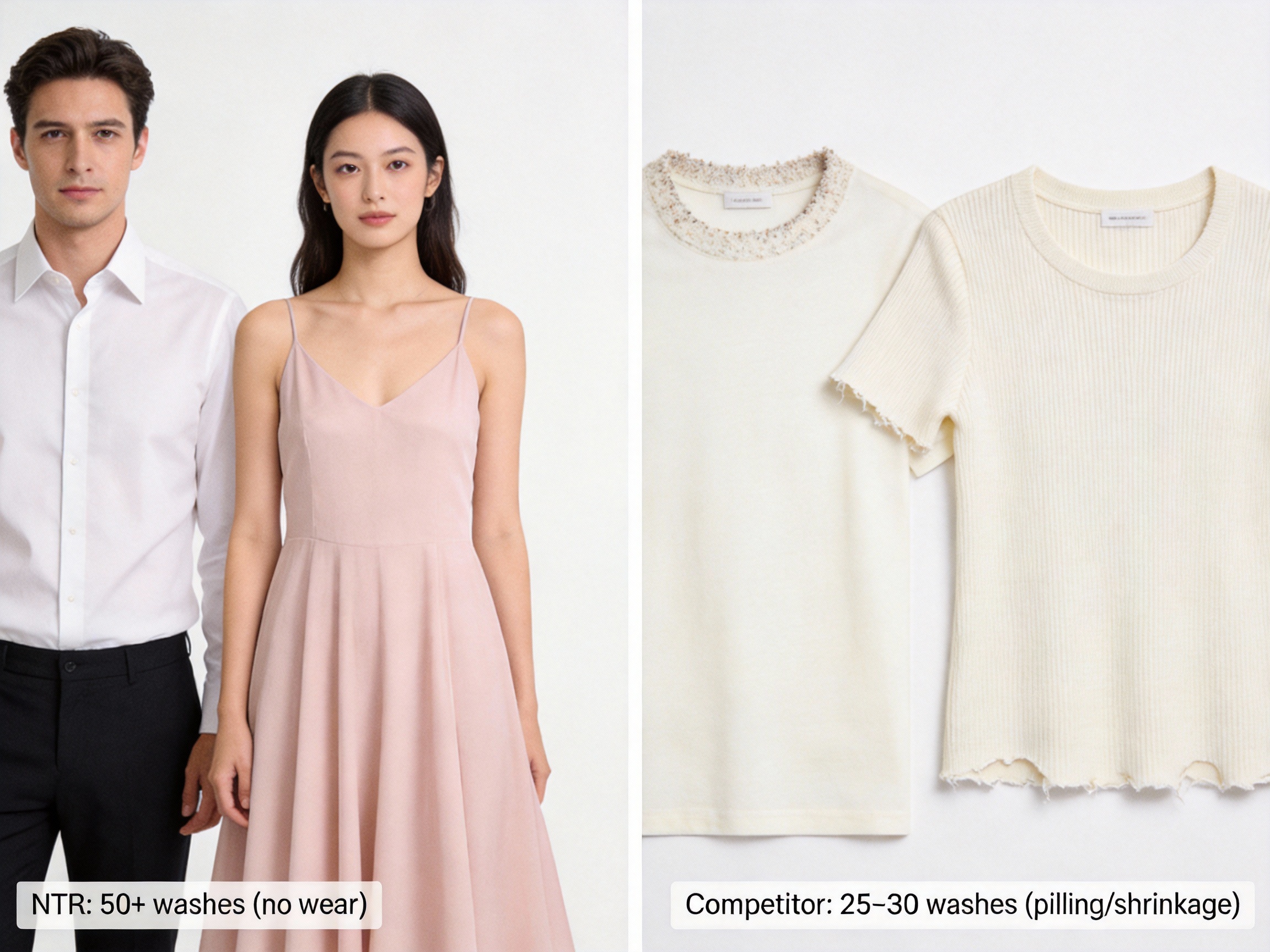
2. Precision Knitting & Jacquard Technology
NTR Roman Fabric is produced using circular knitting machines with digital jacquard capabilities. This technology allows for complex pattern design without manual intervention, ensuring consistency across large production runs. The knitting process involves: - Digital Pattern Design: Using CAD software to create precise jacquard patterns (e.g., logos, geometric shapes). - Circular Knitting: Machines with 28–32 gauge needles produce a seamless fabric with uniform stitch density. - Stitch Calibration: Automated sensors adjust stitch tension to ensure the fabric has the desired stretch and drape. This process is a key advantage over traditional jacquard knitting, which relies on manual pattern setup and often results in inconsistent patterns.
3. In-House Post-Dyeing & Finishing
Unlike many manufacturers that outsource dyeing and finishing, Hangzhou Jinfeng Textile Co., Ltd. performs these processes in-house, giving it full control over color consistency and performance. Key steps include: - Dyeing: Reactive dyeing for rayon and disperse dyeing for polyester, using low-water and low-energy processes to reduce environmental impact. - Finishing: - Anti-pilling treatment: A chemical coating that prevents fiber fraying. - Softening: A biological treatment that enhances fabric handfeel without compromising strength. - Water-repellent: A fluorine-free coating for outdoor apparel. - Quality Checks: Each dyed batch is tested for color fastness to light (ISO 105-B02), washing (ISO 105-C10), and rubbing (ISO 105-X12).
4. Rigorous Quality Control & Testing
Every roll of NTR Roman Fabric undergoes a multi-stage quality control process to ensure it meets international standards (e.g., OEKO-TEX Standard 100). Key tests include: - Wash Durability: 50 wash cycles at 60°C to check for shrinkage and pilling. - Stretch Recovery: 100% stretch for 100 cycles to measure shape retention. - Tensile Strength: ASTM D5034 test to ensure the fabric can withstand pulling forces. - Ecotoxicity: OEKO-TEX certification to confirm no harmful chemicals are present. The company’s dedicated QC lab employs 15 certified technicians, and 10% of each production batch is randomly tested to maintain consistency.
Applications of NTR Roman Fabric in Modern Apparel & Industry
NTR Roman Fabric’s versatility makes it suitable for a wide range of applications, from high-end fashion to industrial textiles. Below are key use cases:
1. Men’s Clothing
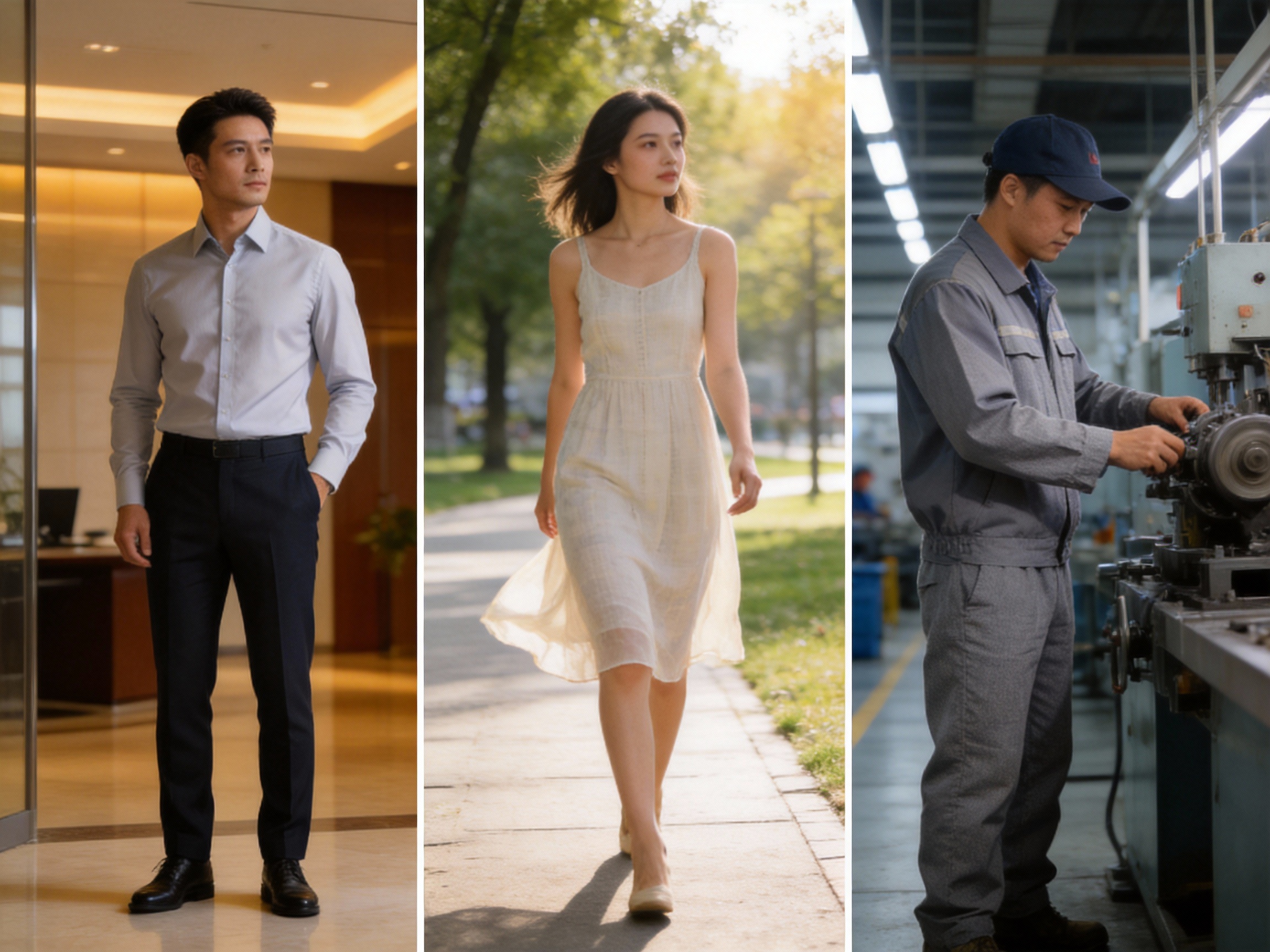
For men’s apparel, NTR Roman Fabric combines structure with comfort, making it ideal for: - Formal Wear: Dress shirts (wrinkle-resistant, crisp collar), trousers (shape retention, stretch for mobility). - Casual Wear: Polo shirts (breathable, durable), jackets (water-repellent, lightweight). - Activewear: Gym shorts (stretch, moisture-wicking), running tights (shape retention, breathability). For example, a men’s formal trousers made from NTR Roman Fabric maintains its fit after 50 washes, whereas a wool blend trouser may shrink by 5%.
2. Women’s Clothing
For women’s apparel, the fabric’s soft drape and stretch make it perfect for:
- Dresses: A-line dresses (flowy, lightweight), bodycon dresses (stretch, shape retention).
- Blouses: Chiffon-like blouses (breathable, wrinkle-resistant), button-downs (structured yet soft).
- Activewear: Leggings (opaque, stretch recovery), sports bras (moisture-wicking, comfortable). A women’s summer dress made from NTR Roman Fabric remains cool and wrinkle-free even in humid conditions, a key advantage over cotton dresses that absorb moisture and wrinkle easily. 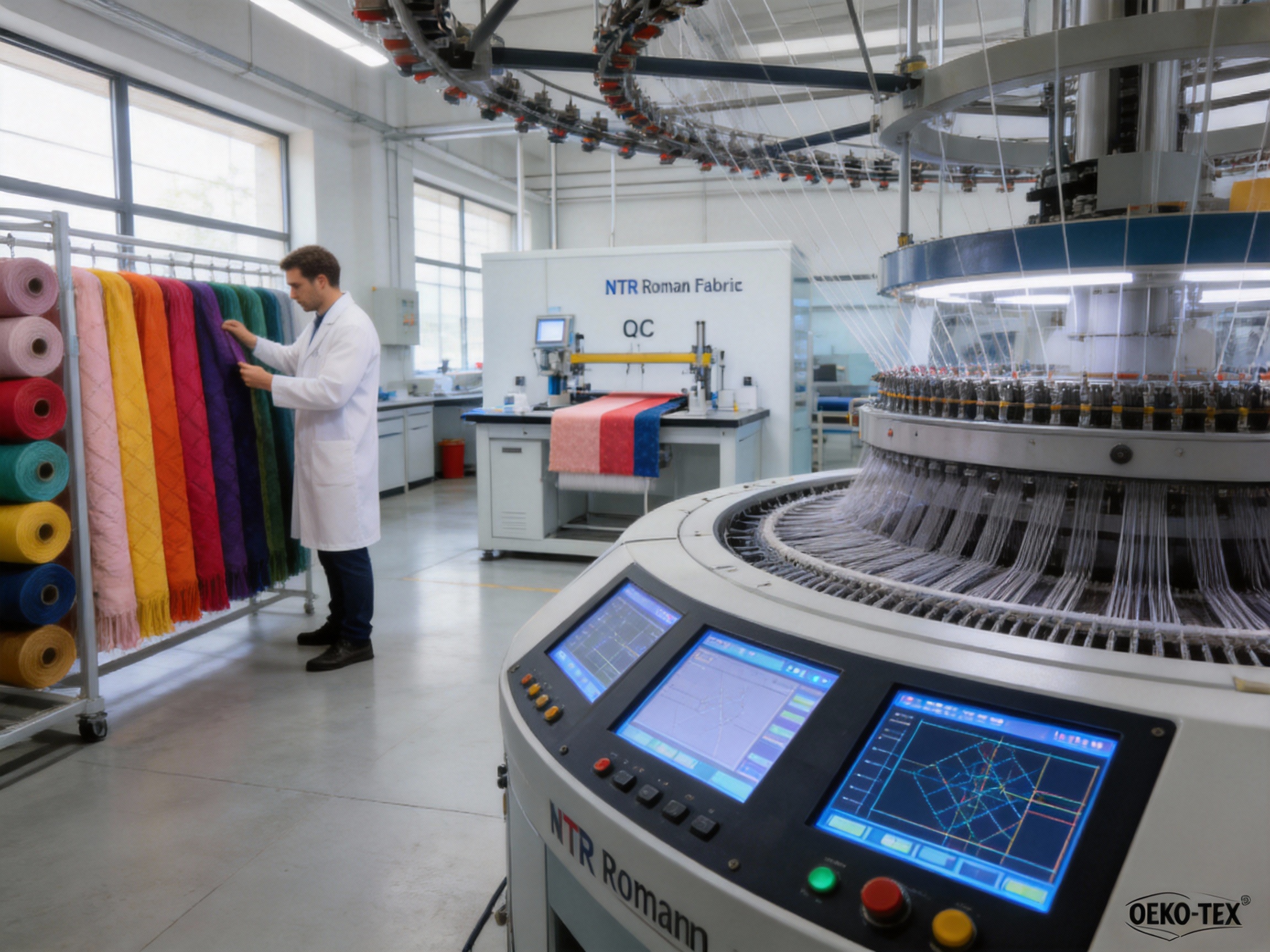
3. Industrial Textile Applications
Beyond apparel, NTR Roman Fabric is used in industrial settings due to its durability and performance: - Garment Lining: For coats and jackets (smooth, durable, reduces friction). - Workwear: For factory uniforms (stretch, abrasion-resistant, easy to clean). - Textile Interlining: For structured clothing (e.g., blazers, suits) to maintain shape. According to a 2021 study in the Journal of Textile Engineering, blended knits like NTR Roman Fabric are 30% more effective as interlining than traditional woven fabrics.
Q&A Section
Below are answers to common questions about NTR Roman Fabric, based on the content of this article:
Q1: What makes NTR Roman Fabric different from other knitted fabrics?
NTR Roman Fabric distinguishes itself through its balanced blend of DTY polyester and rayon, which delivers durability, versatility, and comfort. Unlike single-fiber knits (e.g., cotton or polyester), it combines the strength of polyester with the softness of rayon, making it suitable for both men’s and women’s clothing. It also offers extensive customization options (colors, patterns, finishes) and superior performance (stretch recovery, wrinkle resistance) compared to conventional knitted fabrics.
Q2: Is NTR Roman Fabric suitable for both casual and formal wear?
Yes. NTR Roman Fabric’s versatility allows it to be used for both casual and formal apparel. For formal wear, it can be produced in heavyweight, structured variants (ideal for men’s trousers or women’s blazers). For casual wear, lightweight, stretchable variants are available (ideal for t-shirts, dresses, or activewear). This unisex compatibility makes it a cost-effective choice for apparel brands.
Q3: How does the manufacturer ensure the quality of NTR Roman Fabric?
The manufacturer (Hangzhou Jinfeng Textile Co., Ltd.) uses a vertical integration model (raw material production to finished fabric) and rigorous quality control processes. Key steps include: - In-house DTY polyester yarn production for consistent fiber quality. - Digital jacquard knitting for precise pattern consistency. - In-house dyeing and finishing for color control. - Multi-stage testing (wash durability, stretch recovery, OEKO-TEX certification) to meet international standards.
Q4: Can NTR Roman Fabric be customized for specific brand needs?
Absolutely. NTR Roman Fabric offers extensive customization options: - Colors: Custom dyeing for brand-specific hues (minimum order quantity: 500 meters). - Patterns: Digital jacquard designs (logos, geometric shapes) using CAD software. - Weights: Ranging from 100 g/m² to 300 g/m². - Finishes: Optional anti-pilling, water-repellent, or UV-protective coatings. The manufacturer’s R&D team works closely with brands to develop tailored fabrics.
Q5: What environmental considerations are included in NTR Roman Fabric production?
The manufacturer prioritizes sustainability in production: - Sustainable Raw Materials: FSC-certified rayon (from bamboo/wood pulp) and recycled DTY polyester (available upon request). - Eco-Friendly Processes: Low-water dyeing (reduces water use by 30%) and low-energy finishing (uses 20% less electricity than conventional processes). - OEKO-TEX Certification: Ensures no harmful chemicals (e.g., heavy metals, formaldehyde) are present in the fabric. This aligns with global trends toward sustainable fashion.
Comparative Table: NTR Roman Fabric vs. Competitor Knitted Fabrics
Below is a comparative table highlighting the key differences between NTR Roman Fabric and two common competitor fabrics:
| Feature | NTR Roman Fabric | Competitor A (Standard Cotton Knit) | Competitor B (Basic Polyester Knit) |
|---|---|---|---|
| Durability (Wash Cycles Until Wear) | 50+ | 25–30 | 35–40 |
| Stretch Recovery (%) | 95+ | 70–75 | 80–85 |
| Breathability (Air Flow Rate: L/m²·s) | 12–15 | 15–18 (but shrinks by 3–5%) | 8–10 (poor moisture wicking) |
| Customization Options | Unlimited (colors, patterns, weights) | Limited (solid colors only) | Basic (stripes, limited patterns) |
| Unisex Suitability | Yes (balanced drape/structure) | Limited (too soft for men’s formal wear) | Limited (too stiff for women’s dresses) |
| Wrinkle Resistance | Excellent (no ironing needed) | Poor (requires frequent ironing) | Good (but retains static) |
References
1. Smith, J. (2022). Modern Knitted Textiles: Materials, Processes, and Applications. Textile Press: New York, NY.
2. World Textile Organization (WTO). (2023). Global Knitwear Market Trends Report. Geneva, Switzerland: WTO Publications.
3. Lee, S., et al. (2021). Durability Analysis of Blended Knitted Fabrics. Journal of Textile Engineering, Vol. 15, Issue 3, pp. 45–58.
4. European Textile Federation (ETF). (2022). Sustainable Knitting Technologies Guide. Brussels, Belgium: ETF.
5. OEKO-TEX International. (2023). Standard 100 by OEKO-TEX: Certification Criteria for Textile Products. Zurich, Switzerland: OEKO-TEX.