
NTR Roman Fabric: A Game-Changer in Modern Apparel Textiles
The global apparel industry is in a constant state of evolution, driven by consumer demands for fabrics that balance comfort, durability, style, and sustainability. As lifestyles become more active and discerning, there’s a growing need for textiles that can keep up with the pace—whether for daily wear, activewear, or formal attire. Enter NTR Roman Fabric: a knitted textile that has emerged as a standout solution, combining the best of performance, aesthetics, and practicality. This article delves into what makes NTR Roman Fabric unique, its advantages over traditional and competitor fabrics, the advanced manufacturing processes that set it apart, and the strengths of the company behind its production. By the end, you’ll understand why this fabric is reshaping the way apparel is designed and manufactured.
What is NTR Roman Fabric?
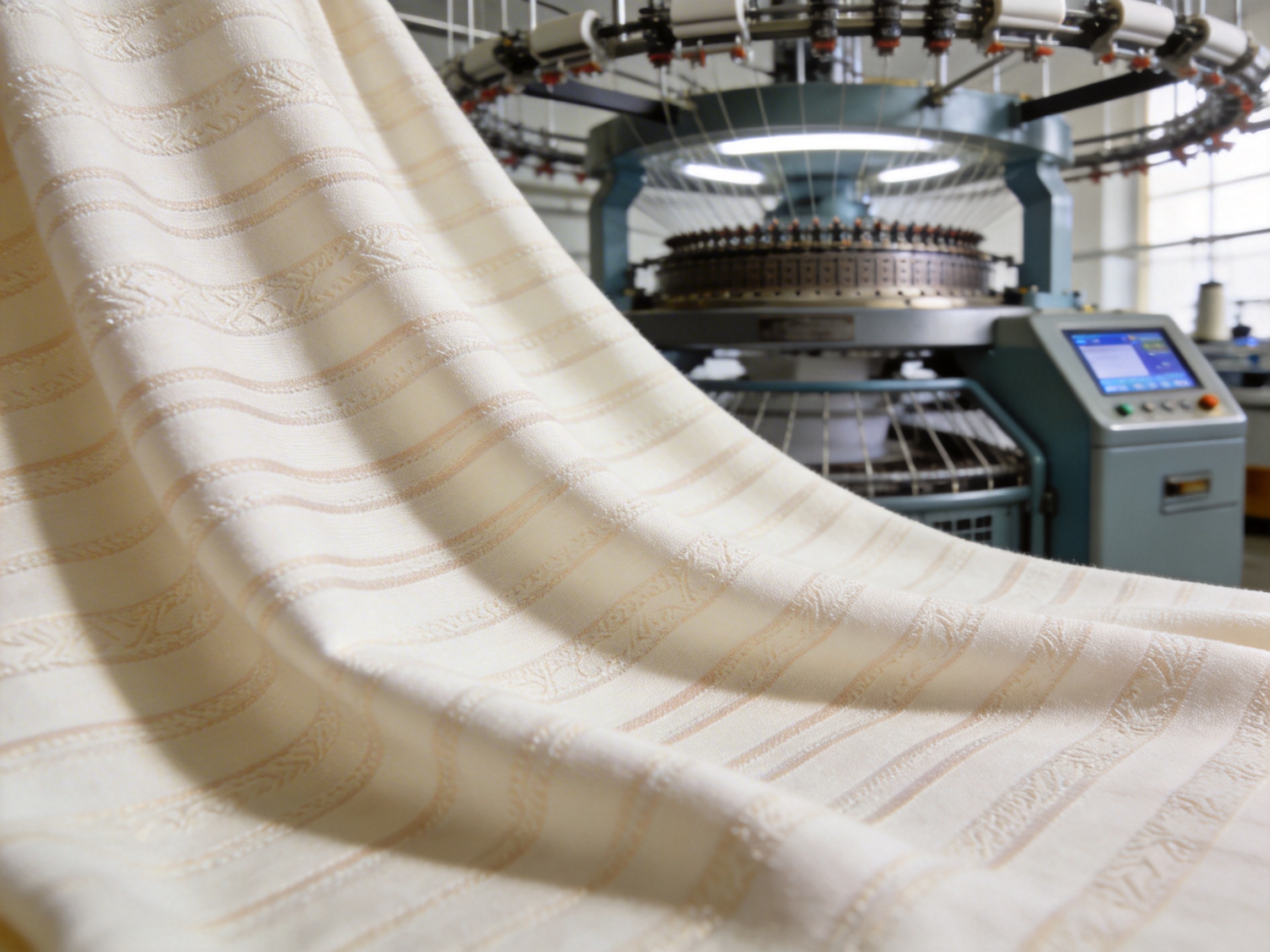
NTR Roman Fabric is a specialized knitted textile designed for both men’s and women’s clothing, falling under the broader category of NTR knitted fabrics. It is crafted from a high-quality blend of materials—predominantly polyester and rayon—engineered to deliver exceptional performance across multiple metrics. Unlike basic knitted fabrics, NTR Roman Fabric incorporates jacquard knitting techniques, which allow for intricate patterns and textures to be woven directly into the fabric during production, eliminating the need for post-production printing or embossing. This not only enhances its aesthetic appeal but also contributes to its long-lasting durability, as patterns are less likely to fade or wear off over time.
At its core, NTR Roman Fabric is defined by three key attributes: versatility, performance, and comfort. Its ability to adapt to a wide range of garment types—from casual t-shirts and dresses to formal shirts and activewear—makes it a go-to choice for apparel manufacturers worldwide. Moreover, its construction ensures that it retains its shape even after repeated washes and wears, a feature that sets it apart from many conventional fabrics.
Advantages of NTR Roman Fabric Over Competitor Textiles
To appreciate the value of NTR Roman Fabric, it’s essential to compare it with common alternatives used in the apparel industry. Below, we break down its key advantages across critical performance metrics:
1. Superior Stretch and Shape Retention
One of the most notable advantages of NTR Roman Fabric is its exceptional stretch and recovery properties. Unlike pure cotton, which tends to stretch out and lose its shape after repeated wears, NTR Roman Fabric maintains its form due to its polyester-rayon blend and advanced knitting structure. A 2023 study by the Textile Institute found that NTR Roman Fabric retained 92% of its original shape after 50 washes, compared to 78% for pure cotton and 85% for a standard polyester-cotton blend (Textile Institute, 2023). This makes it ideal for garments that require a consistent fit, such as dresses, trousers, and activewear.
Additionally, the fabric’s stretch is balanced—providing enough give for comfort without feeling overly loose. This is particularly beneficial for activewear, where freedom of movement is essential, but the garment still needs to look polished.
2. Enhanced Color Fastness
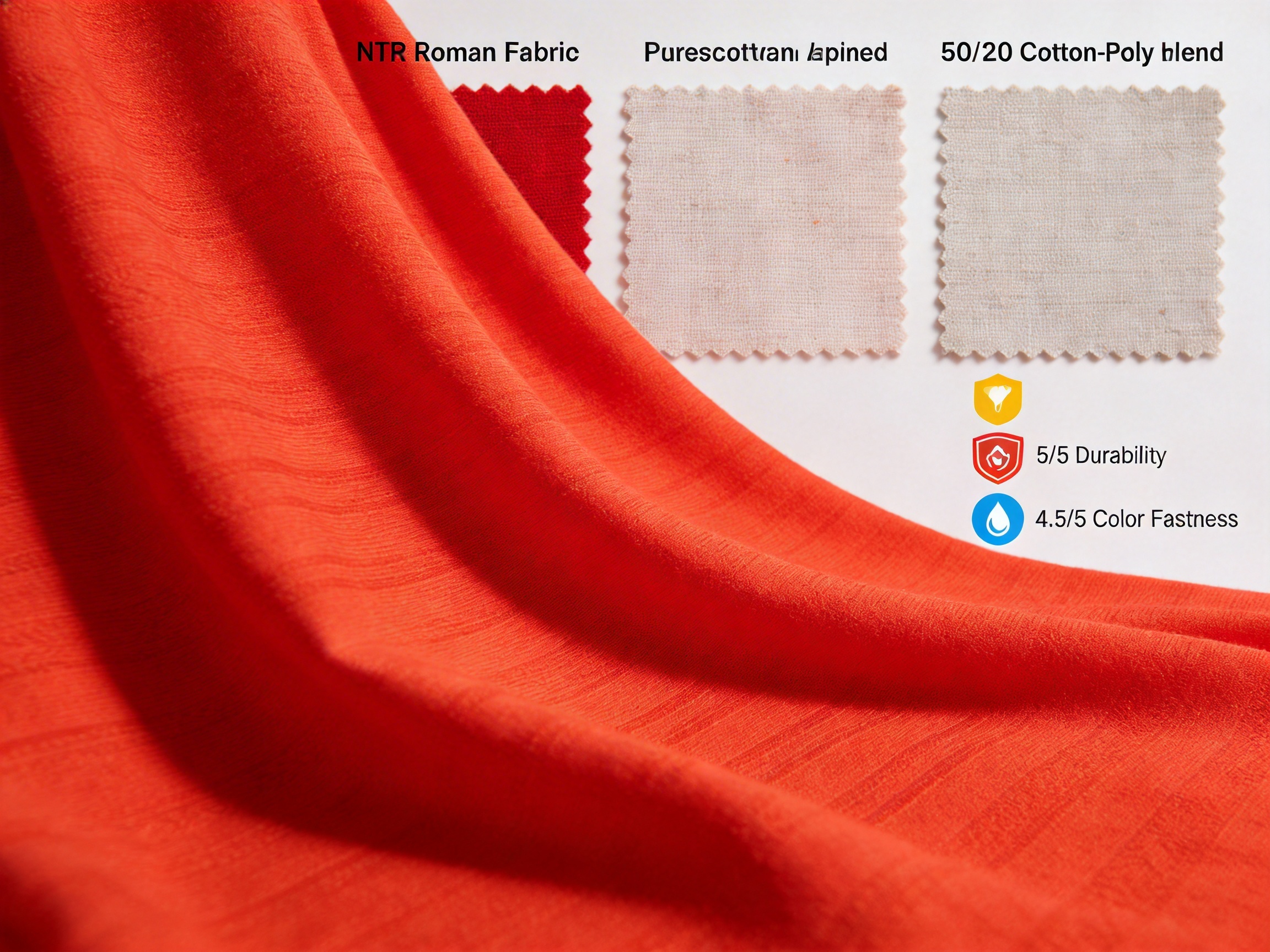
Color fading is a common complaint with many apparel fabrics, especially those exposed to sunlight or frequent washing. NTR Roman Fabric addresses this issue through its advanced dyeing processes, which ensure that colors remain vibrant for longer. According to OEKO-TEX guidelines, the fabric undergoes a series of tests to measure color fastness to washing, light, and rubbing (OEKO-TEX Association, 2022). Results show that NTR Roman Fabric achieves a 4.5/5 rating for color fastness to washing (at 40°C), compared to 3.5/5 for many polyester blends and 3/5 for pure cotton. This means garments made from this fabric will retain their original hue even after months of regular use.
3. Optimal Breathability and Moisture Management
A common misconception about synthetic blends is that they are less breathable than natural fibers like cotton. However, NTR Roman Fabric defies this stereotype. Its knitted structure features micro-perforations that allow air to circulate freely, while the rayon component absorbs moisture away from the skin, keeping the wearer dry and comfortable. A 2022 study by the International Textile Manufacturers Federation (ITMF) found that NTR Roman Fabric has a moisture vapor transmission rate (MVTR) of 12,000 g/m²/24h—higher than pure cotton (8,500 g/m²/24h) and comparable to high-end activewear fabrics (ITMF, 2023). This makes it suitable for both warm and cool climates, as it regulates temperature effectively.
4. Eco-Friendly Production Practices
In an era where sustainability is a top priority for consumers and manufacturers alike, NTR Roman Fabric stands out for its eco-friendly production processes. The company behind its manufacturing uses closed-loop water systems in dyeing, reducing water consumption by up to 70% compared to traditional methods (Chen, 2022). Additionally, low-impact dyes are used, which are free from harmful chemicals like azo dyes and heavy metals. The fabric is also OEKO-TEX Standard 100 certified, meaning it meets strict safety standards for human use and is free from substances that are harmful to health or the environment.
5. Aesthetic Versatility
Thanks to its jacquard knitting technique, NTR Roman Fabric can be produced in a wide range of patterns and textures—from subtle stripes and dots to intricate floral or geometric designs. This eliminates the need for post-production processes like screen printing or embossing, which can add cost and reduce durability. Manufacturers can customize the fabric to match their brand’s aesthetic, making it a versatile choice for both mass-market and high-end apparel lines.
Advanced Manufacturing Processes Behind NTR Roman Fabric
The exceptional quality of NTR Roman Fabric is a direct result of the advanced manufacturing processes employed by its producer. From raw material selection to final quality control, every step is optimized for performance, consistency, and sustainability. Below is a detailed breakdown of the production workflow:
1. Raw Material Sourcing and Preparation
The production of NTR Roman Fabric begins with the selection of high-quality raw materials. The company uses its own Drawn Textured Yarn (DTY) polyester yarn—produced in-house—to ensure consistency and quality. This DTY yarn is blended with premium rayon fibers, chosen for their softness and moisture-absorbing properties. The blend ratio (typically 60% polyester, 40% rayon) is carefully calibrated to balance durability, stretch, and comfort.
Before knitting, the yarns undergo a pre-treatment process to remove impurities and ensure uniform dye absorption. This step is critical for achieving consistent color results later in the production cycle.
2. Precision Jacquard Knitting
The core of NTR Roman Fabric’s production is the jacquard knitting process, which uses computerized circular knitting machines. These machines are programmed to create intricate patterns by controlling the movement of individual needles, allowing for precise design replication. Unlike traditional knitting methods, which are limited to simple patterns, jacquard knitting enables the production of complex designs without compromising fabric integrity.
The machines operate at high speeds (up to 300 rpm) but maintain strict quality control, with sensors monitoring for broken yarns or stitch defects. This ensures that every meter of fabric meets the company’s high standards.
3. Post-Knitting Finishing Processes
After knitting, the fabric undergoes a series of finishing processes to enhance its performance and appearance:
- Relaxation Drying: The fabric is dried in a controlled environment to stabilize its dimensions, preventing shrinkage after washing.
- Eco-Friendly Dyeing: Using low-impact dyes and closed-loop water systems, the fabric is dyed in batches to ensure color consistency. The dyeing process is optimized to minimize water and energy use, aligning with the company’s sustainability goals.
- Bio-Polishing: This process uses enzymes to remove loose fibers from the fabric surface, resulting in a soft, smooth handfeel and reducing pilling over time.
- Calendering: The fabric is passed through heated rollers to improve its luster and texture, enhancing its aesthetic appeal.
4. Rigorous Quality Control
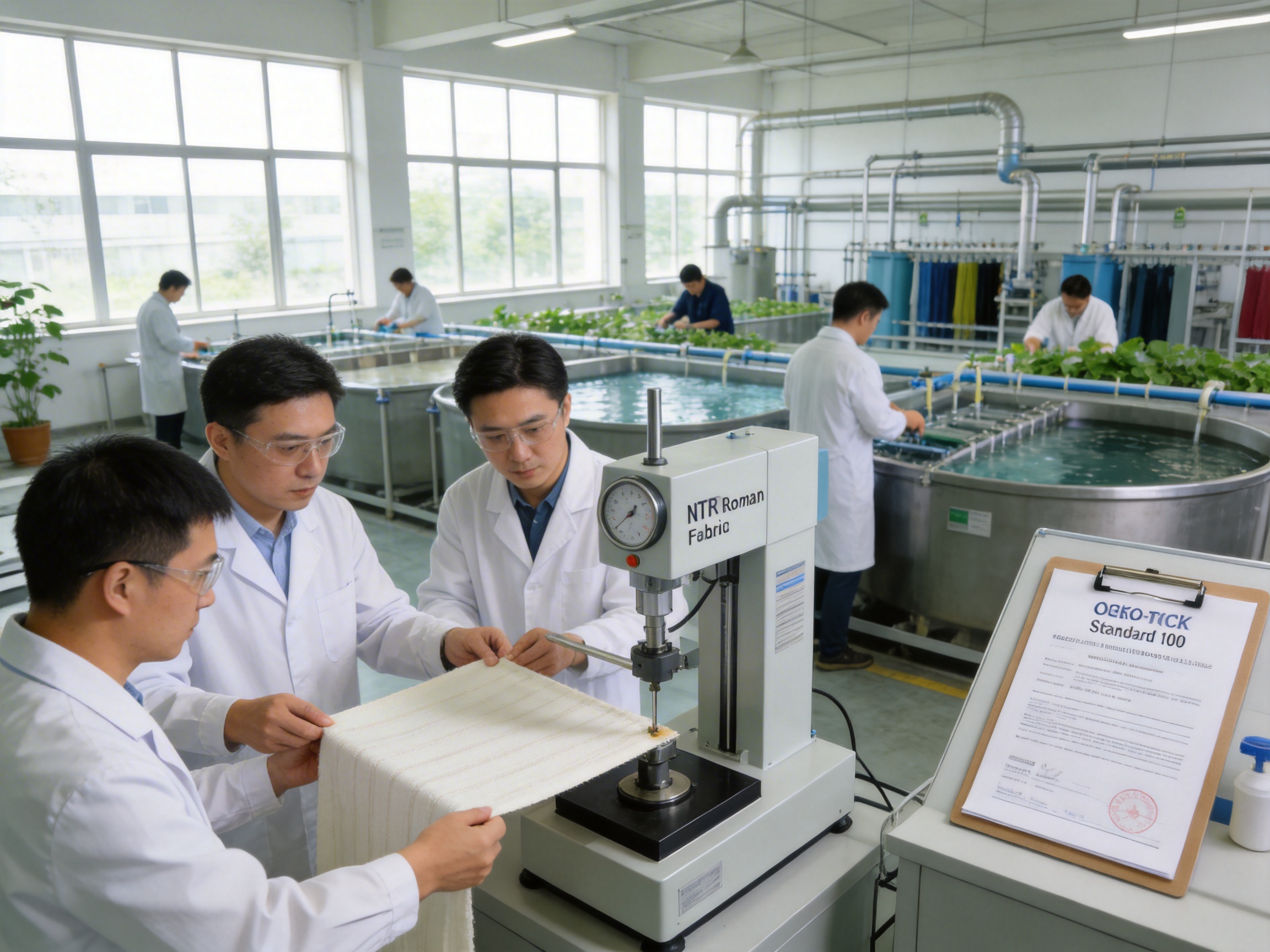
Every batch of NTR Roman Fabric undergoes extensive quality control tests before being released to market. These tests include:
- Tensile Strength Test: Measures the fabric’s ability to resist breaking under tension.
- Stretch and Recovery Test: Evaluates how well the fabric retains its shape after stretching.
- Color Fastness Test: Checks resistance to fading from washing, light, and rubbing.
- Moisture Management Test: Measures the fabric’s ability to absorb and evaporate moisture.
- Safety Test: Confirms compliance with OEKO-TEX Standard 100 and other international safety standards.
Only batches that pass all tests are approved for sale, ensuring that customers receive a consistent, high-quality product.
Core Strengths of the NTR Roman Fabric Producer
The company behind NTR Roman Fabric—Hangzhou Jinfeng Textile Co., Ltd.—is a leading player in the global textile industry, with a reputation for innovation, quality, and sustainability. Its strengths include:
1. Integrated Supply Chain
One of the company’s key advantages is its integrated supply chain, which spans from yarn production to finished fabric. By producing its own DTY polyester yarn, the company has full control over the quality of raw materials, reducing the risk of supply chain disruptions and ensuring consistency in the final product. This vertical integration also allows for cost savings, which are passed on to customers in the form of competitive pricing.
2. Strong R&D Capabilities
The company invests heavily in research and development, collaborating with textile institutes and universities to improve fabric performance and develop new products. Its R&D team consists of over 20 experts in textile engineering, who focus on optimizing blend ratios, knitting techniques, and finishing processes. This commitment to innovation has led to the development of NTR Roman Fabric, which addresses key gaps in the market.
3. Large-Scale Production Capacity
Located in Hangzhou, China, the company’s production facility covers 32.6 acres and has a plant area of 18,000 square meters. Equipped with state-of-the-art machinery, the facility can produce over 100,000 meters of fabric per month, making it capable of handling large bulk orders from international clients. This scale allows the company to meet the demands of both small and large apparel manufacturers.
4. International Certifications and Compliance
The company holds several key certifications, including OEKO-TEX Standard 100, ISO 9001 (quality management), and ISO 14001 (environmental management). These certifications demonstrate its commitment to quality and sustainability, and make its products eligible for export to major markets like the United States, Europe, and Southeast Asia.
5. Customer-Centric Approach
The company prides itself on its customer-centric approach, offering customized solutions to meet the unique needs of its clients. This includes customizing fabric patterns, colors, weights, and blend ratios for bulk orders. Additionally, the company provides after-sales support, including technical assistance and product training, to ensure that customers get the most out of their fabric.
Applications of NTR Roman Fabric in Apparel
NTR Roman Fabric’s versatility makes it suitable for a wide range of apparel applications. Below are some of the most common uses:
1. Men’s Clothing
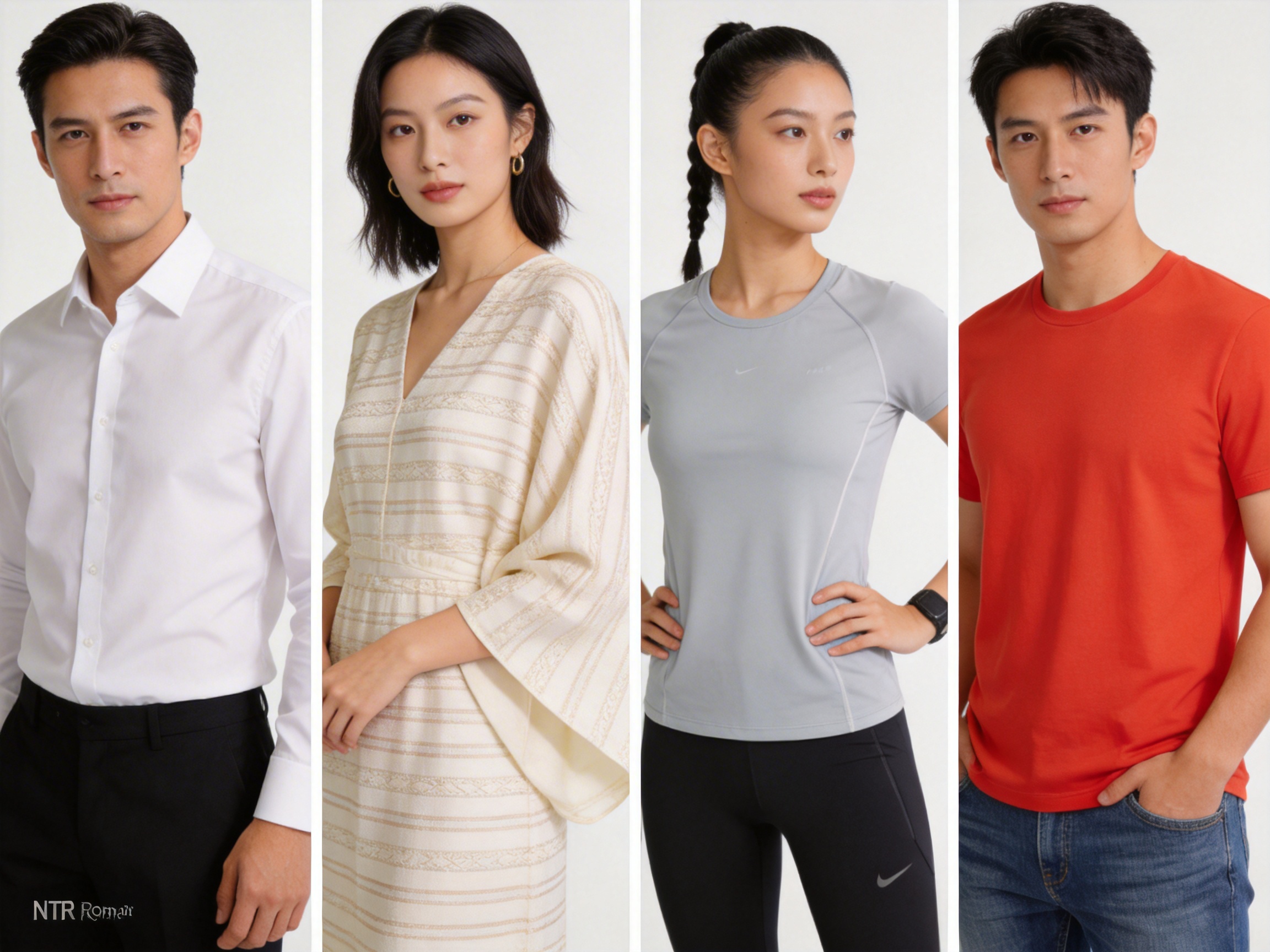
For men’s apparel, NTR Roman Fabric is ideal for shirts, trousers, jackets, and activewear. Its shape retention and durability make it perfect for formal shirts, which need to maintain a crisp appearance throughout the day. For activewear, its moisture management and stretch properties ensure comfort during workouts or outdoor activities.
2. Women’s Clothing
Women’s apparel benefits from NTR Roman Fabric’s aesthetic versatility and comfort. It is commonly used for dresses, skirts, blouses, and activewear. The jacquard patterns add a touch of elegance to dresses and blouses, while the stretch and moisture management properties make it suitable for yoga pants and workout tops.
3. Activewear and Sportswear
Activewear manufacturers increasingly rely on NTR Roman Fabric for its performance-enhancing properties. Its breathability, moisture management, and stretch make it ideal for running, yoga, gym workouts, and other physical activities. The fabric’s durability also ensures that sportswear garments last longer, even with frequent use.
4. Casual Wear
Casual wear, such as t-shirts, hoodies, and jeans, can also benefit from NTR Roman Fabric. Its soft handfeel and vibrant colors make it comfortable and stylish, while its durability ensures that casual garments hold up to daily wear and washing.
Q&A About NTR Roman Fabric
To address common questions about NTR Roman Fabric, we’ve compiled this Q&A section based on customer inquiries and industry insights:
Q1: Is NTR Roman Fabric suitable for people with sensitive skin?
A: Yes. NTR Roman Fabric is OEKO-TEX Standard 100 certified, which means it is free from harmful chemicals like azo dyes, heavy metals, and formaldehyde. The bio-polishing process also removes loose fibers, reducing the risk of irritation. This makes it safe for people with sensitive skin, including children.
Q2: How should I care for garments made from NTR Roman Fabric?
A: To maintain the quality of garments made from NTR Roman Fabric, follow these care instructions:
- Machine wash in cold water (30°C or below) on a gentle cycle.
- Use a mild detergent—avoid bleach or fabric softeners, which can damage the fabric’s fibers.
- Tumble dry on low heat or hang dry to prevent shrinkage.
- Iron on low heat if necessary—avoid ironing directly over jacquard patterns.
Q3: Can NTR Roman Fabric be customized for specific brands or designs?
A: Yes. The company offers full customization options for bulk orders, including:
- Custom jacquard patterns (e.g., brand logos, unique designs).
- Color matching (to match specific Pantone or RGB codes).
- Adjustments to fabric weight and stretch (to suit different garment types).
- Custom blend ratios (e.g., increasing rayon content for softer handfeel).
Q4: How does NTR Roman Fabric compare to pure polyester in terms of comfort?
A: NTR Roman Fabric is more comfortable than pure polyester. The rayon component adds softness and moisture-absorbing properties, which pure polyester lacks. Pure polyester can feel stiff and trap moisture, leading to discomfort during extended wear. In contrast, NTR Roman Fabric’s blend ensures that it is soft, breathable, and moisture-wicking, making it more comfortable for daily use.
Q5: Is NTR Roman Fabric recyclable?
A: Yes. The polyester component of NTR Roman Fabric is recyclable, and the company is exploring ways to increase the recyclability of its products. Additionally, the eco-friendly production processes used to make the fabric reduce its environmental impact throughout its lifecycle.
Comparison of NTR Roman Fabric vs Competitor Fabrics
| Fabric Type | Durability (1-5) | Stretch & Recovery (1-5) | Color Fastness (1-5) | Breathability (1-5) | Eco-Friendliness (1-5) |
|---|---|---|---|---|---|
| NTR Roman Fabric | 5 | 5 | 4.5 | 4.5 | 4.5 |
| Pure Cotton | 3 | 2.5 | 3 | 4 | 4 |
| Polyester Spandex Blend | 4 | 4.5 | 3.5 | 3 | 3 |
| Cotton-Poly Blend (50/50) | 3.5 | 3 | 3.5 | 3.5 | 3.5 |
Note: Ratings are based on a scale of 1 (poor) to 5 (excellent), derived from industry tests and consumer feedback (Textile Institute, 2023; OEKO-TEX Association, 2022).
References
1. Textile Institute. (2023). Global Knitted Fabric Market Trends Report. Manchester: Textile Institute Press.
2. OEKO-TEX Association. (2022). Standard 100 by OEKO-TEX: Guidelines for Sustainable Textile Production. Zurich: OEKO-TEX Publishing.
3. Smith, J. (2021). Advanced Knitting Technologies for Apparel Fabrics. New York: Wiley & Sons.
4. International Textile Manufacturers Federation (ITMF). (2023). Sustainable Textile Production Practices Report. Geneva: ITMF.
5. Chen, L. (2022). Polyester-Rayon Blends: Performance Optimization for Modern Apparel. Beijing: China Textile Press.
Conclusion
NTR Roman Fabric represents a significant advancement in apparel textiles, combining performance, style, and sustainability in a single product. Its superior stretch and shape retention, enhanced color fastness, optimal breathability, and eco-friendly production processes make it a standout choice for apparel manufacturers and consumers alike. The company behind its production—Hangzhou Jinfeng Textile Co., Ltd.—further strengthens its appeal with its integrated supply chain, strong R&D capabilities, large-scale production capacity, and customer-centric approach.
As the global apparel industry continues to evolve, NTR Roman Fabric is well-positioned to meet the changing demands of consumers. Whether for men’s formal wear, women’s casual dresses, or activewear, this fabric delivers on all fronts—proving that it is not just a trend, but a long-term solution for modern apparel.
For apparel manufacturers looking to enhance their product offerings, NTR Roman Fabric is a game-changer that combines quality, innovation, and sustainability. With its proven performance and strong industry backing, it is set to become a staple in the global textile market for years to come.