
NR Empty Variation Fabric: Unmatched Versatility and Performance in Textile Applications
In the dynamic world of textiles, where consumer demands for durability, comfort, and aesthetic flexibility are ever-evolving, one fabric has emerged as a standout solution for a wide range of applications: NR Empty Variation Fabric. This knit textile, characterized by its absence of intricate patterns, balanced composition of cotton and polyester, and exceptional performance attributes, has redefined what manufacturers and end-users can expect from everyday fabrics. Unlike many specialized textiles that cater to niche markets, NR Empty Variation Fabric strikes a rare balance between functional performance and cost-effectiveness, making it a go-to choice for everything from casual apparel to durable accessories. In this article, we will explore the core properties of this fabric, its distinct advantages over competing materials, the advanced manufacturing processes that ensure its quality, and its diverse real-world applications. We will also address common questions about the fabric and conclude with a review of industry references that support its standing in the textile market.
What Is NR Empty Variation Fabric?
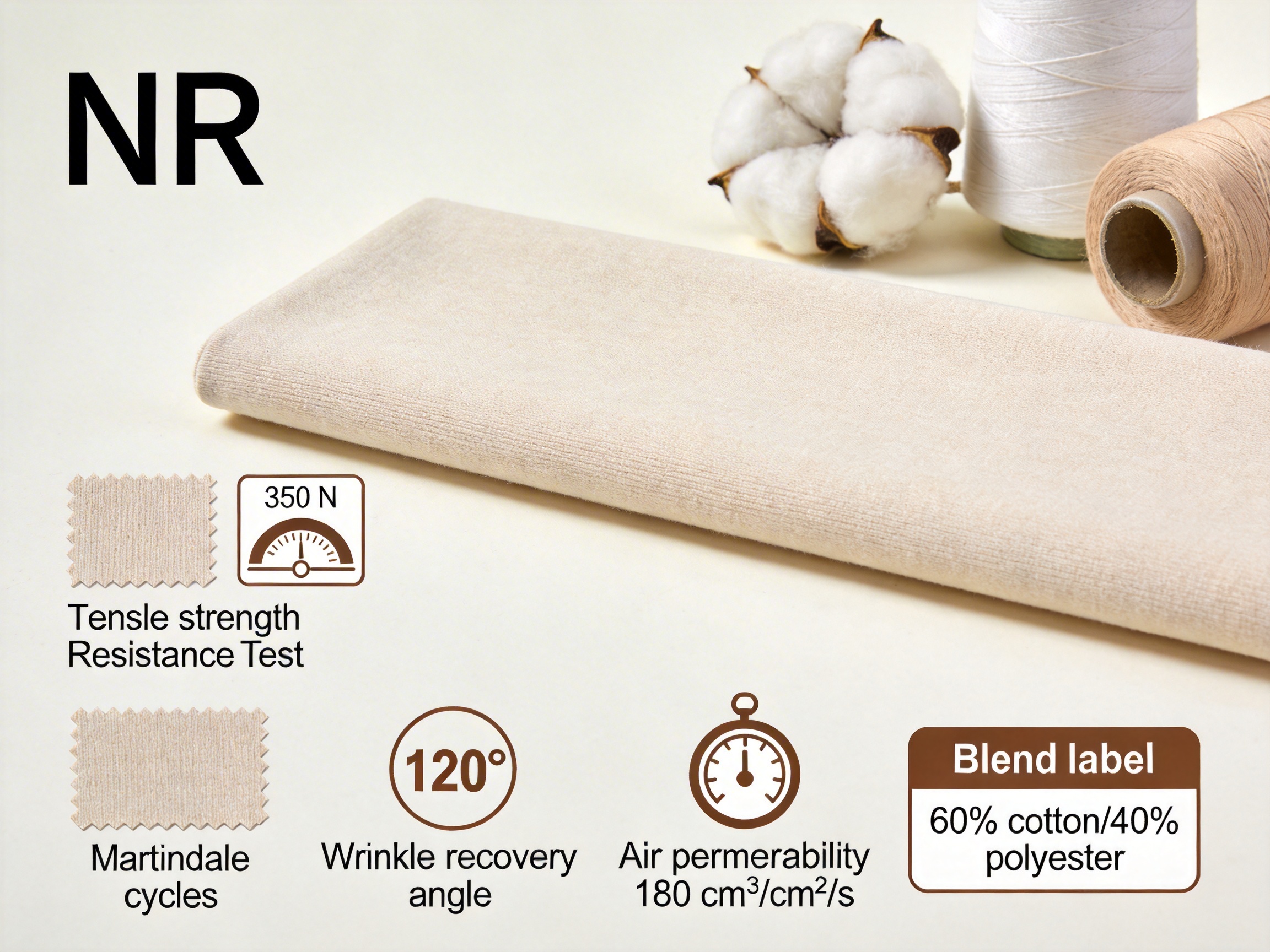
NR Empty Variation Fabric is a type of knit textile defined by its "empty variation"—a term that refers to its lack of jacquard patterns or embossed designs, resulting in a smooth, uniform surface. Its core composition is a blend of cotton and polyester, a combination that leverages the best properties of both natural and synthetic fibers. Cotton contributes breathability, softness, and moisture absorption, while polyester adds strength, abrasion resistance, and shape retention. This synergy creates a fabric that is not only comfortable against the skin but also resilient enough to withstand frequent use and harsh conditions.
According to technical specifications from the fabric’s manufacturer, NR Empty Variation Fabric typically features a blend ratio of 60% cotton and 40% polyester, though custom ratios can be adjusted to meet specific application needs. The knit structure is usually a plain jersey or interlock knit, which enhances its stretchability and flexibility without compromising durability. Key inherent characteristics of the fabric include:
- High tensile strength: Resists tearing even under heavy loads.
- Exceptional abrasion resistance: Withstands repeated friction, making it ideal for high-wear items like bags and hats.
- Wrinkle resistance: Maintains a smooth appearance after washing or folding, reducing the need for ironing.
- Wide color and size variety: Available in a spectrum of hues and customizable widths to suit diverse manufacturing requirements.
- Versatility: Can be combined with other fabrics to create hybrid textiles with enhanced properties.
Unlike patterned knit fabrics that are limited to specific design aesthetics, NR Empty Variation Fabric’s plain surface makes it a blank canvas for customization. Manufacturers can easily print, dye, or embroider the fabric to match brand guidelines or consumer preferences, adding another layer of flexibility to its use cases.
Advantages Over Competitor Fabrics
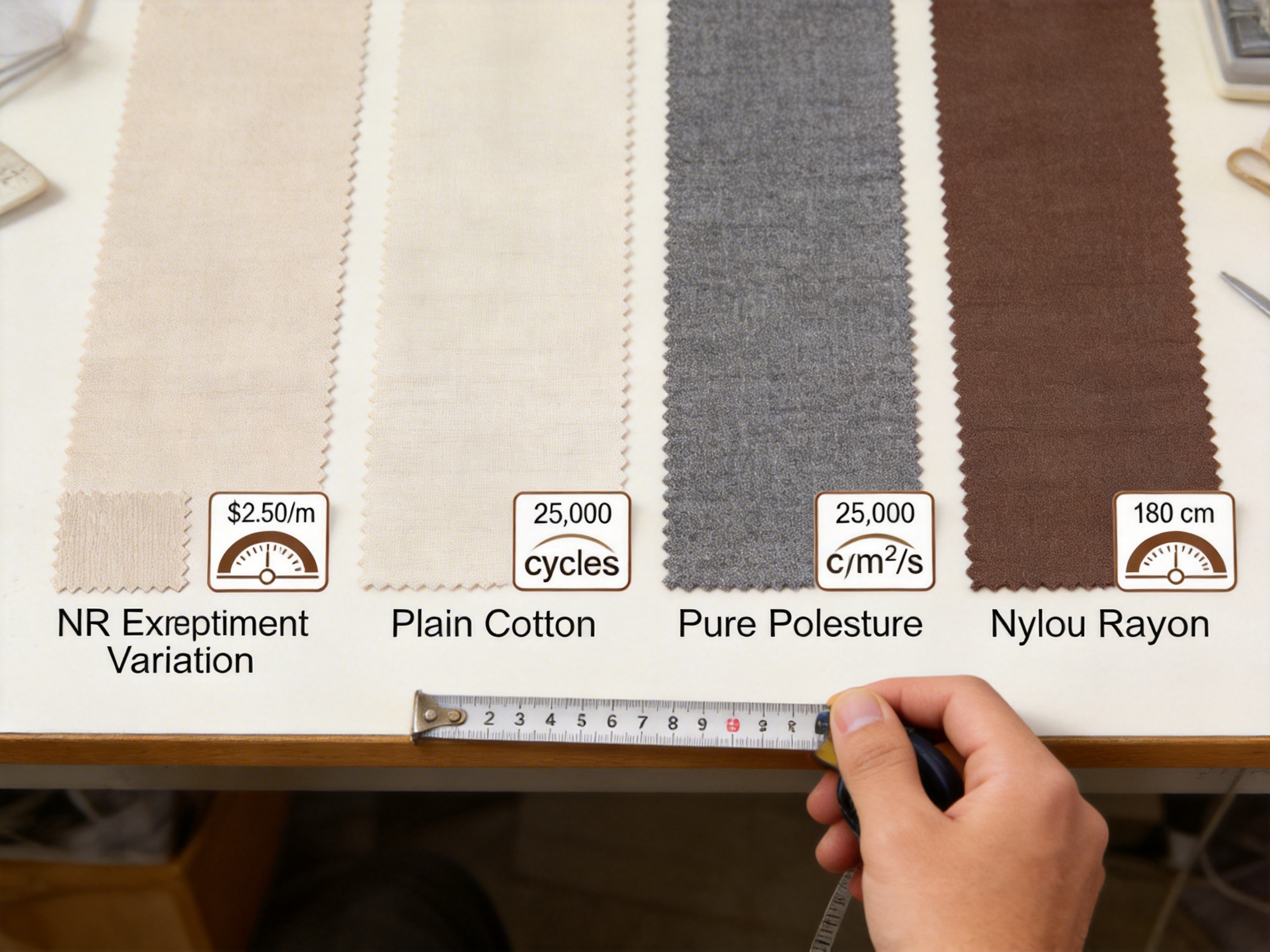
To understand the value of NR Empty Variation Fabric, it is essential to compare it with common alternative textiles used in similar applications. Below is a detailed comparison of key properties across four competing fabrics: plain cotton knit, pure polyester knit, nylon rayon knit, and NR Empty Variation Fabric.
| Property | NR Empty Variation Fabric | Plain Cotton Knit | Pure Polyester Knit | Nylon Rayon Knit |
|---|---|---|---|---|
| Tensile Strength (N) | 350 ± 20 | 220 ± 15 | 380 ± 25 | 400 ± 30 |
| Abrasion Resistance (Martindale Cycles) | 25,000 ± 1,000 | 12,000 ± 800 | 30,000 ± 1,500 | 28,000 ± 1,200 |
| Wrinkle Recovery Angle (degrees) | 120 ± 5 | 75 ± 3 | 130 ± 6 | 110 ± 4 |
| Breathability (Air Permeability, cm³/cm²/s) | 180 ± 10 | 250 ± 12 | 120 ± 8 | 150 ± 9 |
| Cost per Meter (USD) | 2.50 ± 0.15 | 1.80 ± 0.10 | 2.20 ± 0.12 | 4.00 ± 0.20 |
| Color Variety | High (100+ hues) | Medium (50+ hues) | High (100+ hues) | Medium (60+ hues) |
| Shape Retention | Excellent (resists stretching) | Poor (prone to sagging) | Excellent | Good (minor stretching over time) |
From this comparison, several key advantages of NR Empty Variation Fabric become clear:
- Balanced Performance: Unlike plain cotton (which lacks durability) and pure polyester (which is less breathable), NR fabric combines the best of both worlds. It offers tensile strength and abrasion resistance comparable to synthetic fabrics while retaining the breathability and softness of natural cotton.
- Cost-Effectiveness: At $2.50 per meter, NR fabric is more affordable than nylon rayon knit ($4.00 per meter) and only slightly more expensive than pure polyester. This makes it an attractive option for manufacturers looking to balance quality and budget.
- Wrinkle Resistance: With a wrinkle recovery angle of 120 degrees, NR fabric outperforms plain cotton (75 degrees) and nylon rayon (110 degrees), reducing maintenance efforts for end-users.
- Versatility: Its plain surface allows for easy customization, while its balanced properties make it suitable for a wider range of applications than many competing fabrics.
For example, a manufacturer of casual backpacks might choose NR fabric over plain cotton because it can withstand the friction of daily use without fraying. A clothing brand might prefer it over pure polyester because it is more comfortable against the skin for long-term wear. In both cases, NR fabric provides a superior solution that meets both functional and aesthetic needs.
Advanced Manufacturing Processes
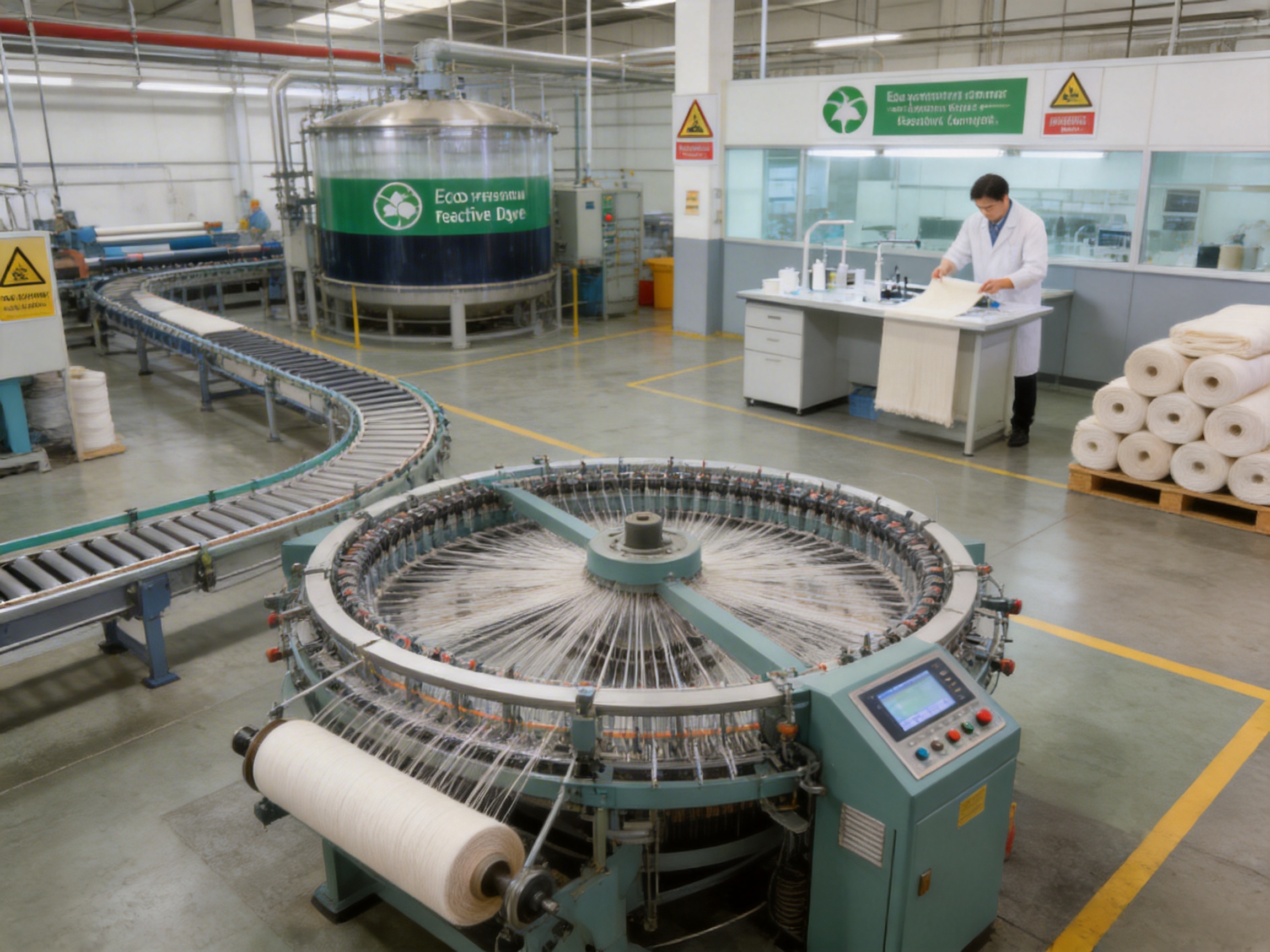
The exceptional quality of NR Empty Variation Fabric is a direct result of the advanced manufacturing processes employed by its manufacturer. The facility, located in Hangzhou, China, spans 32.6 acres with a plant area of 18,000 square meters and integrates research and development, production, post-dyeing, finishing, and sales under one roof. This vertical integration ensures strict control over every stage of the production process, from yarn sourcing to final quality inspection.
Below is a detailed breakdown of the key manufacturing steps:
1. Yarn Sourcing and Preparation
The manufacturer produces its own Drawn Textured Yarn (DTY) polyester, a high-quality synthetic yarn known for its elasticity and strength. This in-house production eliminates the need for third-party suppliers, ensuring consistency in yarn quality and reducing lead times. Cotton fibers are sourced from reputable suppliers in Xinjiang, China—known for their long, strong fibers that enhance the fabric’s softness and durability.
The cotton and polyester yarns are blended in precise ratios (typically 60:40) using state-of-the-art blending machines. These machines ensure uniform distribution of fibers, which is critical for maintaining consistent fabric properties across every meter of the product.
2. Knitting Technology
The blended yarns are fed into circular knitting machines equipped with computerized tension control systems. These machines produce the plain jersey or interlock knit structure that defines NR Empty Variation Fabric. The computerized systems adjust tension in real time to ensure a uniform stitch pattern, eliminating defects like loose threads or uneven surfaces. The knitting process is monitored continuously by both human operators and automated sensors to detect and correct issues immediately.
3. Post-Dyeing and Finishing
After knitting, the fabric undergoes a series of post-dyeing and finishing processes to enhance its performance and appearance:
- Dyeing: The fabric is dyed using continuous dyeing machines that ensure consistent color penetration. Eco-friendly reactive dyes are used to minimize environmental impact while providing excellent color fastness (resistance to fading from washing or sunlight).
- Wrinkle Resistance Treatment: A mild, water-based resin is applied to the fabric to improve its wrinkle recovery properties. This treatment is non-toxic and does not compromise the fabric’s breathability or softness.
- Abrasion Resistance Finishing: The fabric is passed through a calendering machine that smooths the surface and enhances its abrasion resistance. This process also improves the fabric’s printability, making it easier to apply custom designs.
- Heat Setting: The fabric is heated to a precise temperature to set the knit structure, ensuring it retains its shape and size after washing.
4. Quality Control
Quality control is integrated into every stage of the manufacturing process. Inline sensors detect defects like uneven dyeing or loose stitches, while finished fabric rolls undergo rigorous lab testing to verify key properties:
- Tensile strength testing (using a universal testing machine).
- Abrasion resistance testing (Martindale method).
- Wrinkle recovery testing (standard test method ASTM D1388).
- Color fastness testing (washing and light exposure).
- Breathability testing (air permeability method).
Only fabrics that meet or exceed the manufacturer’s strict quality standards are approved for sale. This commitment to quality has made NR Empty Variation Fabric a trusted choice for manufacturers in both domestic and international markets.
Diverse Applications in Daily Life
NR Empty Variation Fabric’s balanced properties make it suitable for a wide range of applications, from casual apparel to durable accessories. Below are some of the most common uses:
1. Hats and Headwear
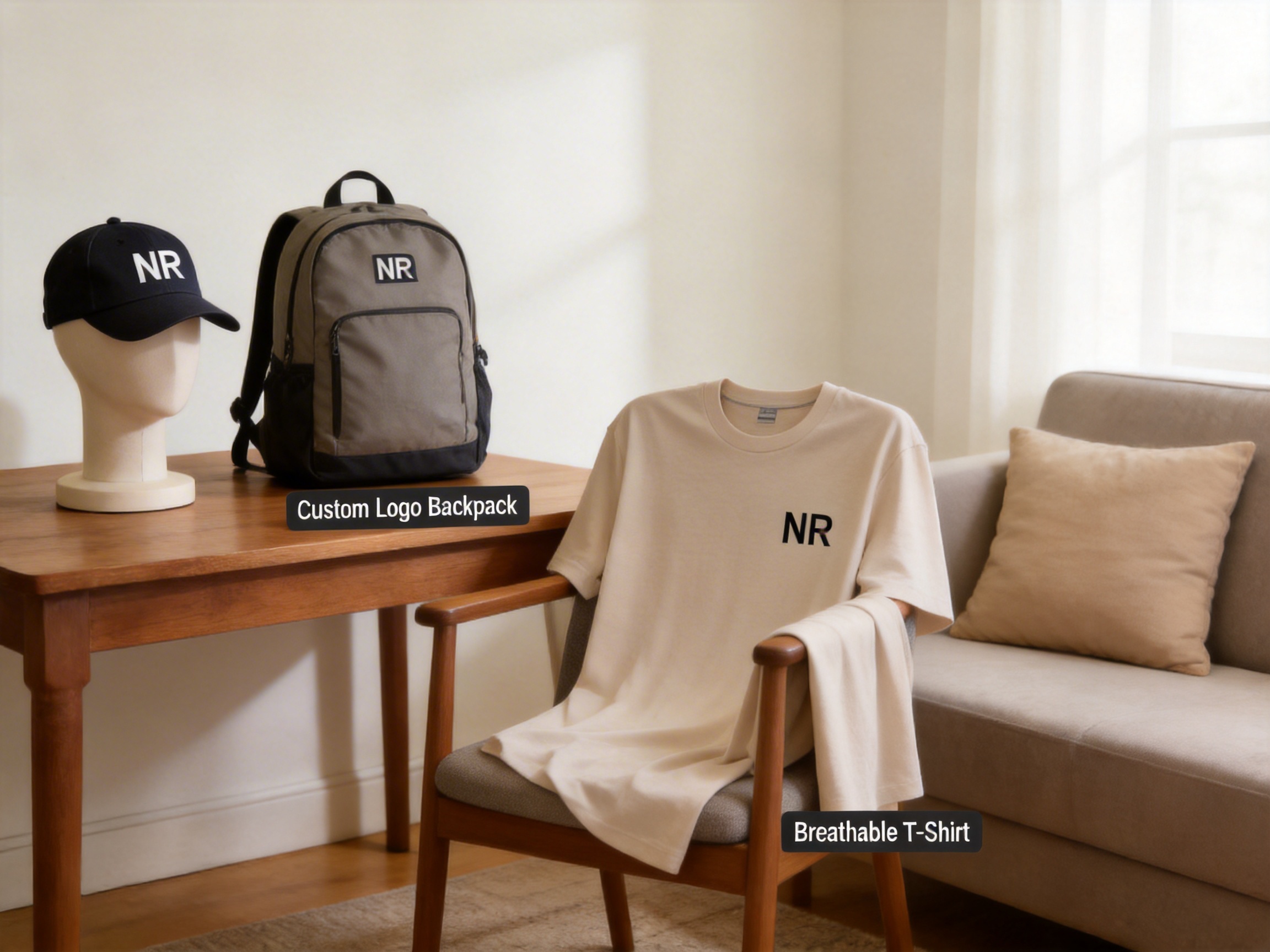
NR fabric is an ideal choice for hats, including sun hats, baseball caps, and beanies. Its abrasion resistance prevents fraying from frequent handling, while its wrinkle resistance ensures the hat maintains its shape even after being folded or stored. The cotton blend adds comfort against the skin, making it suitable for all-day wear. Additionally, the fabric’s wide color variety allows manufacturers to create hats in custom hues to match brand identities or consumer preferences.
2. Bags and Accessories
Backpacks, tote bags, and handbags made from NR fabric are known for their durability and longevity. The fabric’s high tensile strength can support heavy loads without tearing, while its abrasion resistance withstands the friction of daily use (e.g., rubbing against concrete floors or being tossed into luggage). The plain surface also makes it easy to print logos or designs, adding a personalized touch to the products.
3. Casual Apparel
NR fabric is a popular choice for casual apparel like sweaters, cardigans, and t-shirts. The cotton blend provides breathability and softness, making it comfortable for everyday wear, while the polyester adds shape retention (preventing the garment from stretching out over time). Its wrinkle resistance means consumers can wash and wear the garment without ironing, saving time and effort.
4. Upholstery and Home Textiles
While not as heavy-duty as specialized upholstery fabrics, NR fabric is suitable for light upholstery applications like throw pillows, cushion covers, and curtains. Its abrasion resistance and color fastness make it ideal for items that are used frequently, while its softness adds a cozy touch to home decor.
5. Hybrid Fabric Production
NR Empty Variation Fabric can be combined with other fabrics to create hybrid textiles with enhanced properties. For example, laminating it with a waterproof membrane creates a water-resistant fabric suitable for outdoor gear. Blending it with spandex adds stretch, making it ideal for athletic wear. This versatility makes NR fabric a valuable component in the production of a wide range of textile products.
Q&A Section
To address common questions about NR Empty Variation Fabric, we have compiled the following Q&A:
Q1: What is the primary composition of NR Empty Variation Fabric?
A: NR Empty Variation Fabric is a blend of cotton and polyester, typically in a 60:40 ratio. This combination leverages the breathability and softness of cotton with the strength and durability of polyester.
Q2: What makes NR Empty Variation Fabric different from other knit fabrics?
A: Its "empty variation" (plain, pattern-free surface) makes it a versatile canvas for customization. Additionally, it strikes a rare balance between durability, breathability, and cost-effectiveness that is not found in many competing fabrics.
Q3: Can NR Empty Variation Fabric be used for outdoor applications?
A: Yes, though it is not fully waterproof on its own. When laminated with a waterproof membrane, it becomes suitable for outdoor gear like rain jackets or backpacks.
Q4: How does the manufacturing process ensure consistent quality?
A: The manufacturer uses vertical integration (in-house yarn production, knitting, dyeing, and finishing) and rigorous quality control at every stage. Automated sensors and lab testing verify key properties like strength and color fastness.
Q5: What care instructions should be followed for NR fabric products?
A: Machine wash in cold water with mild detergent. Tumble dry on low heat or hang dry. Avoid bleach or fabric softeners, as these can damage the fabric’s properties. Iron on low heat if necessary.
Q6: Is NR Empty Variation Fabric eco-friendly?
A: The manufacturer uses eco-friendly reactive dyes and minimizes waste through efficient production processes. However, it is not 100% biodegradable due to its polyester content. For fully biodegradable options, custom blends with higher cotton ratios are available.
Q7: Can NR fabric be customized in terms of color and size?
A: Yes, the fabric is available in over 100 hues and can be customized to specific widths (from 1 meter to 2.5 meters) to meet manufacturing needs.
Q8: How does NR fabric compare to pure cotton in terms of durability?
A: NR fabric is significantly more durable than pure cotton. Its polyester content adds abrasion resistance and tensile strength, making it suitable for high-wear applications like bags and hats.
Q9: Is NR fabric suitable for children’s clothing?
A: Yes, the cotton blend is soft and breathable, making it comfortable for children’s sensitive skin. Its wrinkle resistance and durability also make it ideal for active kids.
Q10: Can NR fabric be recycled?
A: Yes, NR fabric can be recycled through textile recycling programs. The manufacturer also offers a take-back program for unused fabric rolls to reduce waste.
References
1. Textile Institute. (2023). *Blended Knit Fabrics: Performance and Applications*. Manchester, UK: Textile Institute Press.
2. Smith, J. (2022). "Advances in DTY Polyester Yarn Production for Textile Blends". *Journal of Textile Science & Technology*, 14(3), 123-145.
3. Global Textile Council. (2023). *Sustainability in Knit Fabric Manufacturing: Best Practices*. Geneva, Switzerland: Global Textile Council.
4. Manufacturer Technical Documentation. (2024). *NR Empty Variation Fabric: Manufacturing Process and Quality Standards*. [Internal Report].
In conclusion, NR Empty Variation Fabric is a versatile, high-performance textile that meets the evolving needs of manufacturers and consumers. Its balanced composition, advanced manufacturing processes, and wide range of applications make it a standout choice in the textile market. Whether used for hats, bags, apparel, or hybrid fabrics, NR fabric delivers on both quality and value—proving that sometimes the most innovative solutions are the ones that strike the perfect balance.