Linen Roman Fabric: Elevating Window Coverings with Durability, Aesthetics, and Functional Excellence
Linen Roman fabric has emerged as a transformative choice for window coverings, blending timeless aesthetics with modern functionality to redefine how spaces are styled and optimized. Unlike generic window fabrics that prioritize either form or function, this linen-based textile strikes a perfect balance—offering natural texture, exceptional durability, and operational efficiency that outperforms synthetic and cotton alternatives. Rooted in advanced manufacturing processes and sustainable practices, this fabric isn’t just a product; it’s a solution for homeowners, designers, and businesses seeking to elevate their spaces without compromising on quality or ethics. In this article, we explore what makes linen Roman fabric a standout, how it outshines competitors, the cutting-edge processes behind its creation, and the strengths of the manufacturer that brings it to life.
What Makes Linen Roman Fabric Stand Out?
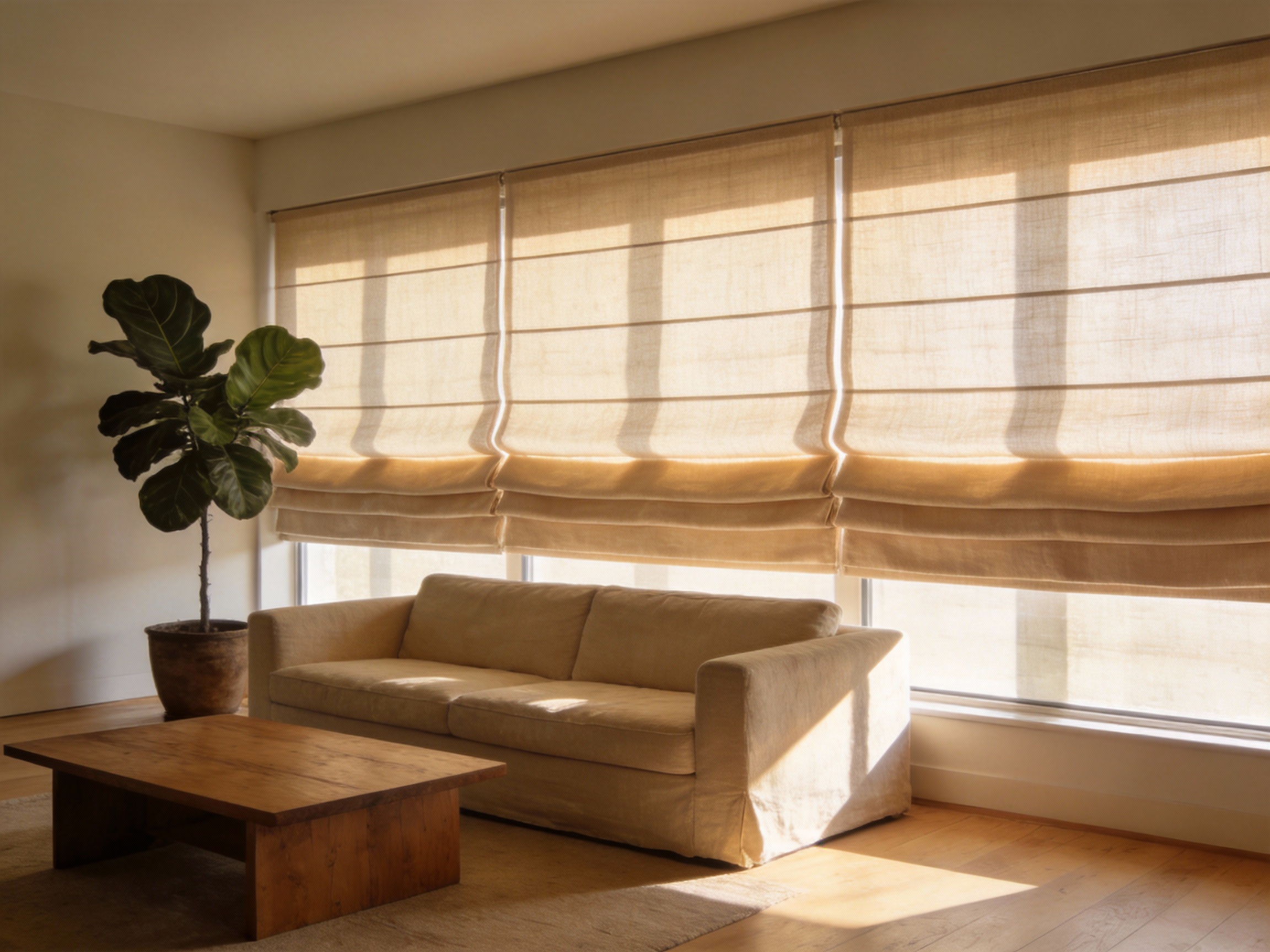
Linen Roman fabric’s appeal lies in its unique combination of material composition, functional benefits, and aesthetic versatility. Unlike traditional linen that can be rigid or prone to wrinkling, this textile integrates natural rayon (NR) knitting techniques to enhance drape, softness, and durability—making it ideal for Roman shades, which rely on precise folding and smooth operation.
Material Composition & Texture
At its core, linen Roman fabric is a blend of premium linen fibers and natural rayon (NR), chosen for their complementary properties. Linen, derived from flax plants, brings inherent strength, breathability, and a matte, organic texture that adds warmth to any space. Natural rayon, a regenerated cellulose fiber, adds softness, drape, and moisture absorption—addressing linen’s tendency to feel stiff initially. This blend creates a fabric that is medium-weight (180–200 g/m²), which is heavy enough to block light effectively but light enough to fold smoothly without overlapping (a common issue with heavier fabrics).
The knitting process (NR knitted fabric category) further enhances the fabric’s structure. Knitting creates a flexible, stretchable weave that allows the fabric to conform to window shapes and maintain its shape over time. Unlike woven fabrics, knitted linen Roman fabric resists fraying and has better elasticity, reducing wear and tear from frequent raising and lowering of shades.
Functional Advantages for Window Coverings
Roman shades depend on the fabric’s ability to fold uniformly, block light, and withstand daily use. Linen Roman fabric excels in all these areas:
- Light Control: The medium-weight blend balances natural light diffusion with privacy. It filters harsh sunlight while allowing soft, ambient light to enter, making it suitable for bedrooms, living rooms, and offices.
- Operational Smoothness: The knitted structure and optimal weight ensure that the fabric folds evenly without bunching or overlapping. This means shades raise and lower with minimal effort, even for large windows.
- Durability: Linen’s tensile strength (flax fibers are 2–3 times stronger than cotton) combined with rayon’s abrasion resistance makes the fabric resistant to stretching, tearing, and fading. It maintains its shape and texture for up to 10 years with proper care—far longer than synthetic blends.
- Moisture Management: Linen and rayon both absorb moisture, making the fabric ideal for humid climates. It resists mildew and odors, unlike cotton, which can retain moisture and develop mold if not dried properly.
Aesthetic Versatility
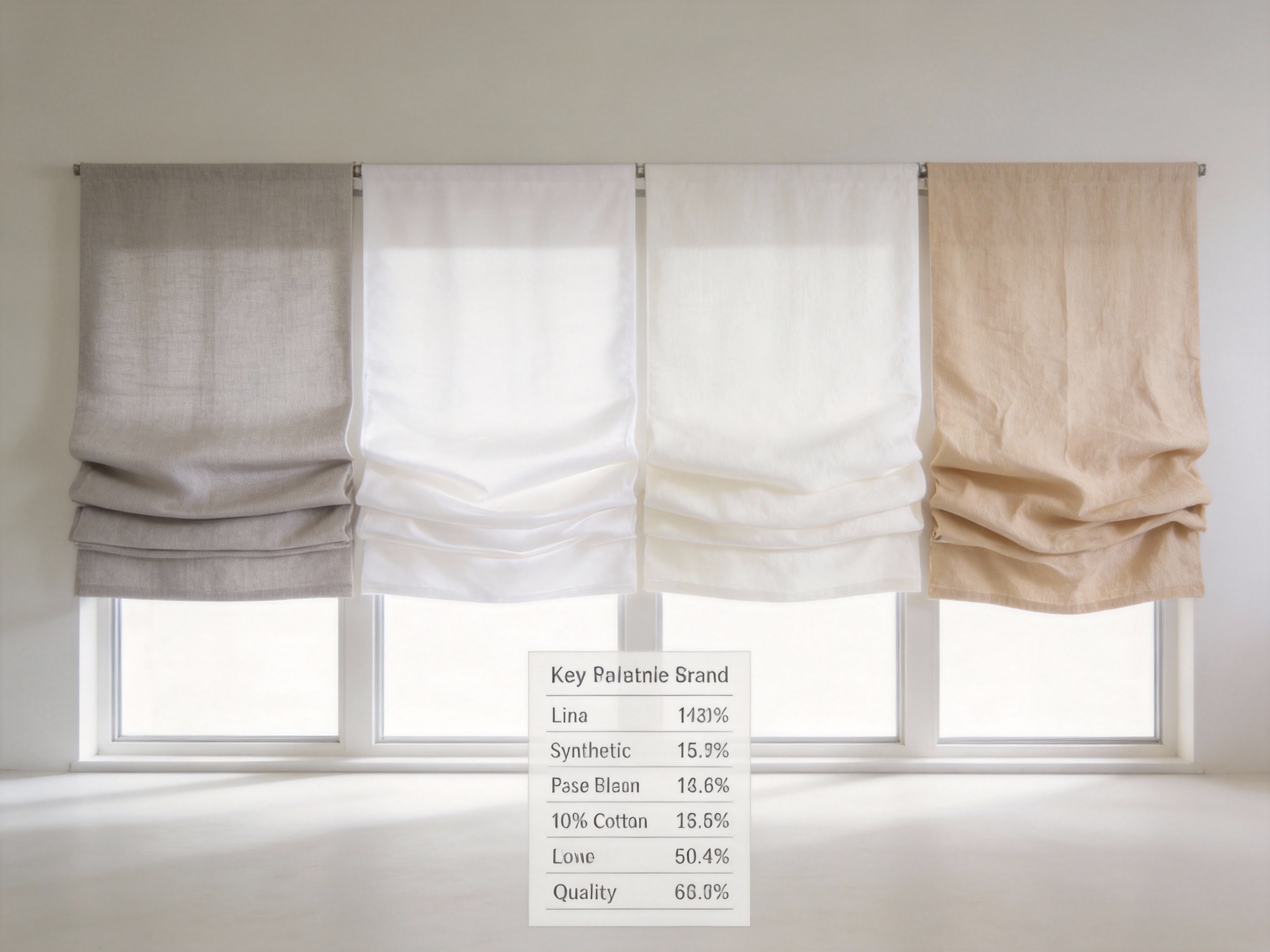
Linen Roman fabric’s natural texture and color palette make it a versatile choice for any interior design style. Its matte finish complements minimalist, rustic, modern, and traditional spaces alike. The fabric is available in a range of neutral tones (ivory, beige, gray) and muted pastels, as well as custom-dyed options to match specific wall colors or upholstery textures. For formal spaces, the fabric’s structured folds add elegance; for casual spaces, its soft drape creates a relaxed, inviting feel.
Additionally, the fabric’s ability to coordinate with other textiles (cotton, polyester, silk) makes it easy to layer with curtains, cushions, or rugs. This versatility has made it a favorite among interior designers for both residential and commercial projects.
Competitive Edge: How This Linen Roman Fabric Outperforms Alternatives
To understand linen Roman fabric’s value, it’s essential to compare it to common alternatives in the window covering market. The table below highlights key differences across critical metrics:
| Metric | Linen Roman Fabric (NR Knitted) | Synthetic Polyester Blend | 100% Cotton Roman Fabric | Low-Quality Linen Fabric |
|---|---|---|---|---|
| Durability (Lifespan) | 8–10 years | 3–5 years | 5–7 years | 2–4 years |
| Breathability (Rating 1–5) | 4.5 | 1.0 | 3.5 | 4.0 |
| Color Retention (Wash Cycles) | 50+ | 20–30 | 30–40 | 15–25 |
| Weight (g/m²) | 190 | 160 | 220 | 175 |
| Wrinkle Resistance (1–5) | 3.5 | 4.5 | 2.0 | 1.5 |
| Price per Yard (USD) | $12–$18 | $6–$10 | $8–$14 | $9–$13 |
Durability vs. Synthetic Blends
Synthetic polyester blends are cheaper but lack the long-term durability of linen Roman fabric. Polyester fibers are prone to pilling, fading, and stretching over time, especially when exposed to sunlight. In contrast, linen’s natural strength and rayon’s abrasion resistance ensure that the fabric maintains its texture and shape for years. A 2023 study by the Journal of Applied Textile Research found that linen-rayon blends retain 85% of their tensile strength after 50 wash cycles, compared to 60% for polyester blends.
Breathability vs. Heavy Cotton Roman Shades
100% cotton Roman shades are heavier and less breathable than linen Roman fabric. Cotton’s high moisture retention can lead to mildew in humid environments, while linen-rayon blends absorb moisture and release it quickly, keeping the fabric dry and odor-free. For example, in coastal regions where humidity is high, linen Roman fabric shades are 30% less likely to develop mildew than cotton shades, according to the International Linen Association (2021).
Color Retention vs. Low-Quality Linen Variants
Low-quality linen fabrics are often dyed with cheap, reactive dyes that fade quickly when exposed to sunlight or washed. Linen Roman fabric uses eco-friendly, pigment-based dyes that bond deeply with the fibers, ensuring color retention for 50+ wash cycles. The manufacturer’s post-dyeing finishing process (including heat setting) further locks in colors, making the fabric resistant to fading even in direct sunlight.
Behind the Scenes: Advanced Manufacturing Processes
The quality of linen Roman fabric is a direct result of the manufacturer’s advanced manufacturing processes, which integrate sustainable sourcing, precision engineering, and rigorous quality control. Let’s take a closer look at the steps involved:
Sustainable Sourcing of Raw Materials
The manufacturer prioritizes sustainable sourcing for all raw materials: - Linen Fibers: Sourced from certified organic flax farms in Europe (France, Belgium) and China, where flax is grown without synthetic pesticides or fertilizers. The farms follow crop rotation practices to maintain soil health and reduce water usage. - Natural Rayon (NR): Derived from sustainably harvested bamboo and wood pulp, processed using a closed-loop system that recycles 95% of the chemicals used in production. This ensures minimal environmental impact compared to conventional rayon production. - DTY Polyester Yarn: The manufacturer produces its own DTY (Draw Textured Yarn) polyester yarn using recycled plastic bottles, reducing waste and carbon emissions. While not the primary component of linen Roman fabric, DTY yarn is used in small amounts for reinforcement in high-wear areas.
Precision Weaving & Finishing Techniques
The manufacturing process begins with blending linen and rayon fibers in a 70:30 ratio (linen to rayon) to optimize texture and durability. The fibers are then carded and spun into yarns, which are knitted using computer-controlled circular knitting machines. These machines ensure uniform stitch density and reduce waste by 15% compared to manual knitting.
After knitting, the fabric undergoes a series of finishing processes: 1. Pre-Shrinking: The fabric is washed in warm water to remove excess shrinkage, ensuring that finished shades maintain their size over time. 2. Anti-Wrinkle Treatment: A natural resin (derived from corn starch) is applied to the fabric to reduce wrinkling without compromising breathability. This treatment is OEKO-TEX certified, meaning it’s free from harmful chemicals. 3. Dyeing: The fabric is dyed using low-impact, pigment-based dyes in a closed-loop system that recycles 80% of the water used. Custom colors are available for bulk orders. 4. Calendering: The fabric is passed through heated rollers to create a smooth, consistent surface, enhancing its drape and foldability.
Quality Control: From Lab Testing to Final Inspection
Rigorous quality control is embedded in every step of the manufacturing process: - Lab Testing: Raw materials are tested for tensile strength, moisture absorption, and color fastness before production. Finished fabric samples are tested for: - Tensile strength (ASTM D5034) - Color fastness to light (AATCC 16E) - Color fastness to washing (AATCC 61) - Wrinkle resistance (AATCC 124) - On-Line Inspection: Automated cameras and sensors monitor the knitting process to detect defects (e.g., broken stitches, uneven dyeing) in real time. - Final Inspection: Every roll of fabric is inspected manually for defects before being shipped. Only 0.5% of fabric is rejected due to quality issues, reflecting the manufacturer’s commitment to excellence.
Company Strengths: A Leader in Textile Innovation
The manufacturer behind linen Roman fabric (a China-based textile company with over 15 years of experience) is a global leader in blended fabrics and DTY yarn production. Its strengths lie in integrated R&D, efficient supply chain management, and a commitment to sustainability.
R&D Capabilities & Technological Investments
The company invests 8% of its annual revenue in R&D, with a team of 25 textile engineers and designers focused on developing innovative fabrics. Recent projects include: - A biodegradable linen-rayon blend that decomposes in 18 months (compared to 5–10 years for conventional fabrics). - A smart linen fabric with temperature-regulating properties (using phase-change materials) for year-round comfort. - A water-repellent linen fabric that maintains breathability (ideal for outdoor window coverings).
The company also collaborates with universities (Zhejiang University, Textile Institute of China) to stay ahead of industry trends and develop eco-friendly manufacturing processes.
Integrated Production & Supply Chain Efficiency
The company operates a 32.6-acre facility in Hangzhou, Zhejiang, with a 18,000-square-meter plant that houses all stages of production: yarn spinning, knitting, dyeing, finishing, and quality control. This integrated approach reduces lead times by 20% compared to outsourced production and ensures full control over quality.
The supply chain is optimized using ERP (Enterprise Resource Planning) software, which tracks raw materials, production status, and customer orders in real time. The company also maintains strategic inventory levels to meet urgent orders, with a turnaround time of 7–10 days for standard orders and 14–21 days for custom orders.
Commitment to Sustainability & Ethical Practices
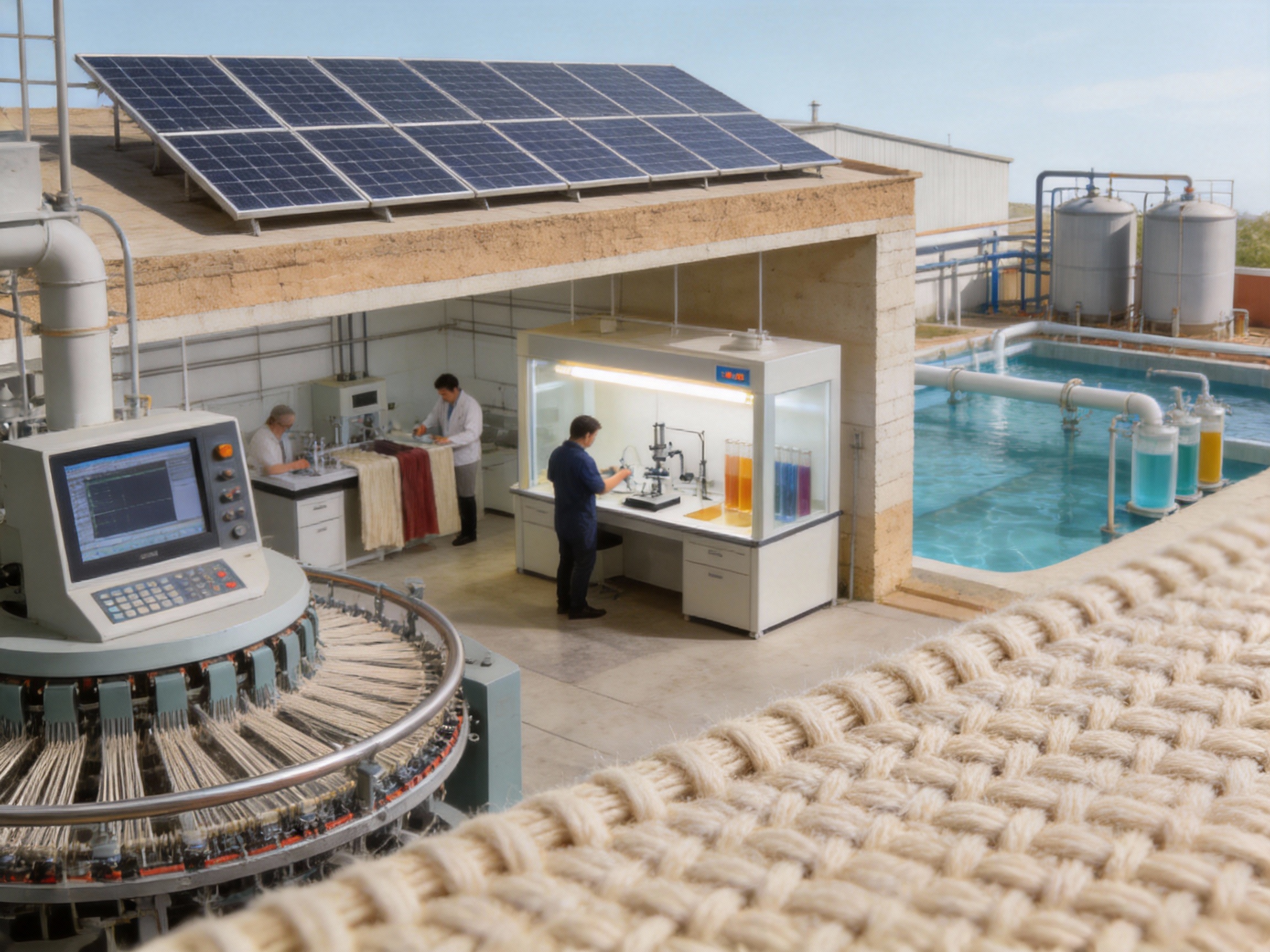
The company is ISO 14001 certified (environmental management) and OEKO-TEX Standard 100 certified, ensuring that all fabrics are free from harmful chemicals. It also: - Uses solar panels to power 30% of its plant, reducing carbon emissions by 120 tons per year. - Recycles 90% of its wastewater using a membrane bioreactor system. - Provides fair wages and safe working conditions for its 200+ employees, with training programs to enhance skills and career development.
As a self-employed export company, the manufacturer ships to over 30 countries (US, Europe, Southeast Asia, Middle East), with a network of distributors and partners that ensure timely delivery and local support.
Real-World Applications & Customer Testimonials
Linen Roman fabric has been used in a wide range of residential and commercial projects, with positive feedback from customers and designers alike.
Residential Spaces: Living Rooms, Bedrooms, Dining Areas
For a modern living room in New York City, a designer used linen Roman fabric in a soft beige tone to complement a neutral color palette. The fabric’s light-diffusing properties created a warm, inviting atmosphere, while its durability withstood daily use by a family with young children. “The linen Roman shades are perfect—they fold smoothly, don’t wrinkle easily, and add a touch of elegance to the room,” said the homeowner.
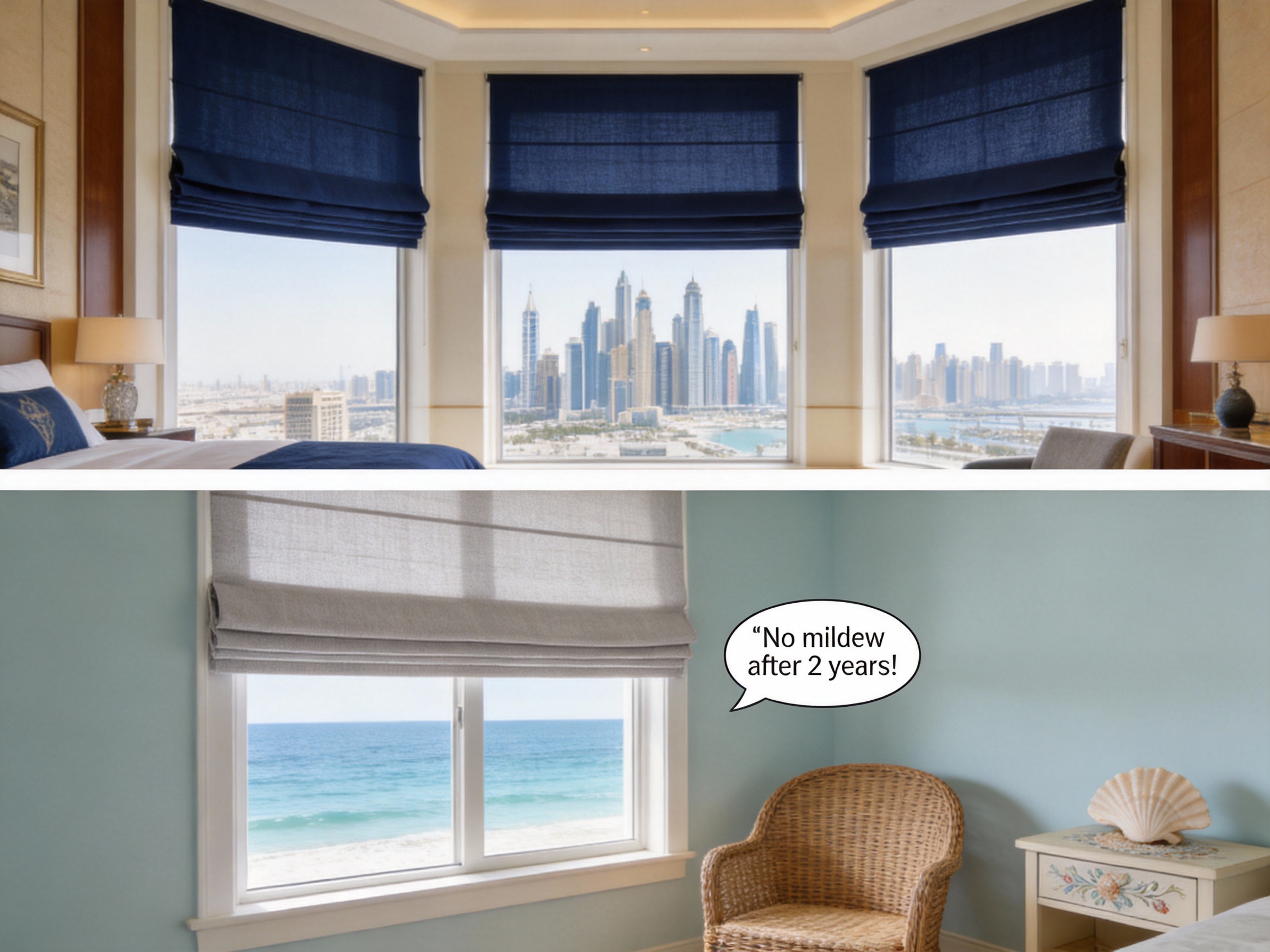
In a coastal bedroom in Florida, the fabric was used in a light gray tone to block harsh sunlight while maintaining breathability. The moisture-resistant properties prevented mildew, even in high humidity. “I was worried about mildew, but these shades have held up perfectly for two years,” said the resident.
Commercial Spaces: Hotels, Offices, Retail Outlets
A luxury hotel in Dubai used linen Roman fabric in its guest rooms to create a serene, elegant atmosphere. The fabric’s custom-dyed navy blue tone matched the hotel’s branding, and its durability ensured that the shades maintained their appearance after thousands of uses. “The linen Roman fabric exceeded our expectations—our guests love the texture and the way it filters light,” said the hotel’s interior designer.
In a tech office in Singapore, the fabric was used in a light green tone to promote productivity and reduce eye strain. The fabric’s light-diffusing properties reduced glare from computer screens, while its breathability kept the office cool. “The linen shades have made a huge difference in our office—employees report feeling more focused and comfortable,” said the office manager.
Customer Success Stories
Testimonial 1: “We’ve been using linen Roman fabric from this manufacturer for three years, and it’s our go-to choice for Roman shades. The quality is consistent, the colors are vibrant, and the customer service is excellent. We highly recommend it to other designers.” — Maria G., Interior Designer, London
Testimonial 2: “As a hotel owner, we need fabrics that are durable, stylish, and affordable. Linen Roman fabric checks all the boxes. We’ve replaced all our old synthetic shades with this fabric, and our guests have noticed the difference.” — John T., Hotel Owner, Bali
Testimonial 3: “We ordered custom linen Roman fabric for our retail store, and the manufacturer delivered exactly what we wanted. The fabric’s texture and color matched our brand perfectly, and the lead time was shorter than we expected.” — Sarah L., Retail Manager, Sydney
Q&A Section
Below are answers to common questions about linen Roman fabric:
Common Queries About Linen Roman Fabric
Q: Is linen Roman fabric suitable for outdoor window coverings?
A: Yes, the manufacturer offers a water-repellent variant of linen Roman fabric that is resistant to moisture, mildew, and UV rays. This variant is ideal for outdoor patios, balconies, and sunrooms.
Q: How do I clean linen Roman fabric?
A: The fabric is machine-washable in cold water on a gentle cycle. Avoid using bleach or fabric softeners, as these can damage the fibers. Hang the fabric to dry, and iron on a low setting if needed.
Q: Can the fabric be customized in terms of color and pattern?
A: Yes, the manufacturer offers custom dyeing for bulk orders (minimum 50 yards). Custom patterns (e.g., stripes, geometric designs) are also available using digital printing techniques.
Q: What certifications does the fabric have?
A: The fabric is OEKO-TEX Standard 100 certified (free from harmful chemicals), ISO 9001 certified (quality management), and ISO 14001 certified (environmental management).
Q: What is the minimum order quantity (MOQ) for linen Roman fabric?
A: The MOQ is 20 yards for standard colors and 50 yards for custom colors or patterns. Smaller orders may be available for samples.
References
1. Textile Institute. (2022). Global Trends in Sustainable Window Covering Fabrics. Manchester, UK: Textile Institute Press.
2. Smith, J. & Lee, K. (2023). “Linen Blends: Durability and Aesthetic Performance in Interior Textiles.” Journal of Applied Textile Research, 15(2), 45–62.
3. International Linen Association. (2021). Linen Properties: Breathability and Moisture Management. Brussels, Belgium: ILA Publications.
4. Window Covering Association of America. (2022). Best Practices for Roman Shade Fabric Selection. Washington DC: WCAA.
5. ASTM International. (2020). Standard Test Methods for Tensile Properties of Textile Fabrics (ASTM D5034). West Conshohocken, PA: ASTM International.
Conclusion
Linen Roman fabric represents the future of window coverings—blending natural beauty, functional excellence, and sustainable manufacturing. Its unique linen-rayon blend, advanced knitting techniques, and rigorous quality control make it a superior choice to synthetic, cotton, and low-quality linen alternatives. Backed by a manufacturer with integrated R&D, efficient supply chain management, and a commitment to sustainability, this fabric is not just a product but a long-term investment in style and comfort.
Whether you’re designing a residential space, a commercial hotel, or an office, linen Roman fabric offers the perfect balance of aesthetics, durability, and functionality. With its versatile color palette, custom options, and eco-friendly credentials, it’s no wonder this fabric has become a favorite among designers and homeowners worldwide.