Double-Sided Mesh For Pants Fabric: Redefining Comfort, Versatility, and Durability in Modern Apparel
In the fast-paced world of apparel and textile design, consumers and brands alike are constantly seeking fabrics that strike the perfect balance between functionality, style, and sustainability. Pants, in particular, are a wardrobe staple that demands fabrics that can adapt to various activities—from intense workouts to casual outings to professional settings—while maintaining comfort, durability, and aesthetic appeal. Enter double-sided mesh for pants fabric: a revolutionary textile that combines the breathability of mesh with the versatility of reversible design, setting a new standard for performance and style in apparel. This article explores the core advantages of this fabric over competitors, the advanced manufacturing processes that make it possible, its diverse applications, and answers common questions about its properties and care.
Understanding Double-Sided Mesh For Pants Fabric
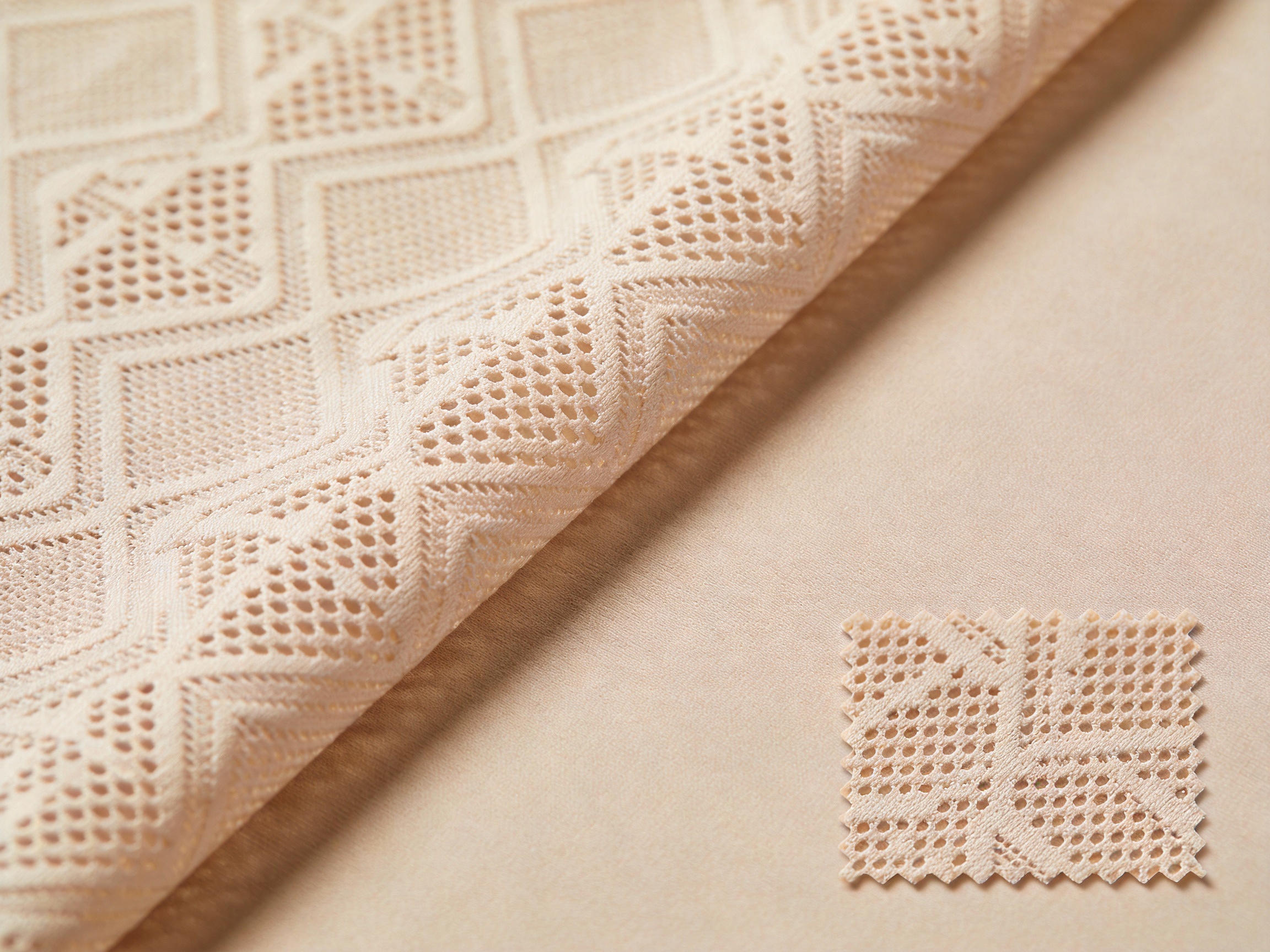
Double-sided mesh for pants fabric is a knitted textile engineered with a unique jacquard structure that creates two distinct, functional surfaces. Unlike traditional single-sided mesh, which features a mesh pattern on one side and a plain or smooth surface on the other, this fabric’s double-sided design means both faces are usable—each with its own pattern, texture, or color. The fabric is typically made from a high-quality NR (Nylon Rayon) blend, which combines the softness and moisture absorption of rayon with the durability and stretch retention of nylon. This blend ensures the fabric is not only comfortable against the skin but also robust enough to withstand frequent wear and washing.
The jacquard knitting process used to create this fabric involves interlocking loops in a precise pattern, resulting in a mesh structure that is both breathable and durable. The mesh holes allow for maximum air circulation, while the double-sided design prevents direct contact between the mesh edges and the skin, reducing irritation and enhancing comfort. Additionally, the jacquard patterns are woven into the fabric rather than printed, ensuring they do not fade or wear off over time—unlike printed patterns on other fabrics.
Core Advantages of Double-Sided Mesh For Pants Fabric
1. Unmatched Versatility Through Reversible Design
One of the most striking advantages of double-sided mesh for pants fabric is its reversible nature—a feature that sets it apart from nearly all competing fabrics. Most pants fabrics are single-sided, limiting designers and consumers to one pattern or color. With this fabric, however, both sides are functional and aesthetically distinct, allowing for endless design possibilities. For example, a pair of athletic pants might feature a bold geometric pattern on one side and a subtle striped pattern on the other, giving consumers two styles in one garment. This versatility not only adds value for consumers but also allows brands to create unique, customizable products that stand out in a crowded market.
Competitors often offer single-sided mesh or non-reversible fabrics, which lack this level of flexibility. For instance, single-sided mesh may have a rough mesh edge on one side that can irritate the skin, while non-reversible fabrics limit design options to a single look. Double-sided mesh eliminates these issues, making it a superior choice for both designers and end-users.
2. Exceptional Breathability and Moisture Management
Breathability is a critical factor in pants fabrics, especially for activewear and casual wear. Double-sided mesh for pants fabric excels in this area due to its open mesh structure, which allows air to circulate freely through the garment. This air flow helps regulate body temperature, keeping the wearer cool and dry even during intense physical activity. Unlike non-mesh fabrics, which trap heat and moisture, this fabric’s mesh design prevents sweat from accumulating on the skin, reducing the risk of discomfort and odor.
The NR blend further enhances moisture management: rayon fibers absorb moisture away from the skin, while nylon fibers wick it to the surface of the fabric, where it evaporates quickly. This combination ensures the wearer stays dry and comfortable for extended periods. Competitors using 100% cotton fabrics may absorb moisture but take longer to dry, leading to a damp, uncomfortable feeling. Single-sided mesh may offer breathability but can stick to the skin when wet, whereas the double-sided design of this fabric prevents direct skin contact, enhancing comfort.
3. Superior Durability and Stretch Retention
Durability is another key advantage of double-sided mesh for pants fabric. The jacquard knitting process creates interlocking loops that are stronger than those in plain knitting, making the fabric resistant to tearing and fraying. The NR blend adds to this durability: nylon fibers are known for their high tensile strength, while rayon fibers add flexibility without sacrificing robustness. This combination ensures the fabric maintains its shape and integrity even after repeated stretching and washing.
Stretch retention is a particular strength of this fabric. Unlike some competing fabrics that lose their stretch over time, the NR blend and jacquard structure allow the fabric to return to its original shape after being stretched. For example, a pair of pants made from this fabric will not bag or sag at the knees or waist after multiple wears, maintaining a flattering fit. Competitors using 100% rayon fabrics may be soft but lack stretch retention, while 100% nylon fabrics may be too stiff and prone to snags. The NR blend strikes the perfect balance between stretch and durability.
4. Enhanced Aesthetic Flexibility
The double-sided jacquard design of this fabric offers unparalleled aesthetic flexibility. Jacquard patterns are woven into the fabric, meaning they are permanent and do not fade or wear off—unlike printed patterns, which can crack or peel over time. Additionally, the two sides of the fabric can feature contrasting patterns, colors, or textures, allowing designers to create unique, eye-catching garments. For example, a pair of dress pants might have a solid color on one side and a subtle floral pattern on the other, giving the wearer the option to switch up their look for different occasions.
Competitors often rely on printed patterns or single-sided designs, which limit aesthetic options and are less durable. Double-sided mesh for pants fabric’s jacquard patterns are not only long-lasting but also customizable, allowing brands to create unique designs that reflect their identity. This aesthetic flexibility is a major selling point for both fashion-forward brands and consumers who value unique, versatile garments.
Advanced Manufacturing Processes: The Backbone of Quality
The exceptional quality of double-sided mesh for pants fabric is a direct result of the advanced manufacturing processes employed by its producer. These processes are designed to ensure consistency, durability, and sustainability, setting the fabric apart from competitors. Key processes include precision knitting technology, sustainable dyeing and finishing, rigorous quality control, and custom R&D capabilities.
1. Precision Knitting Technology
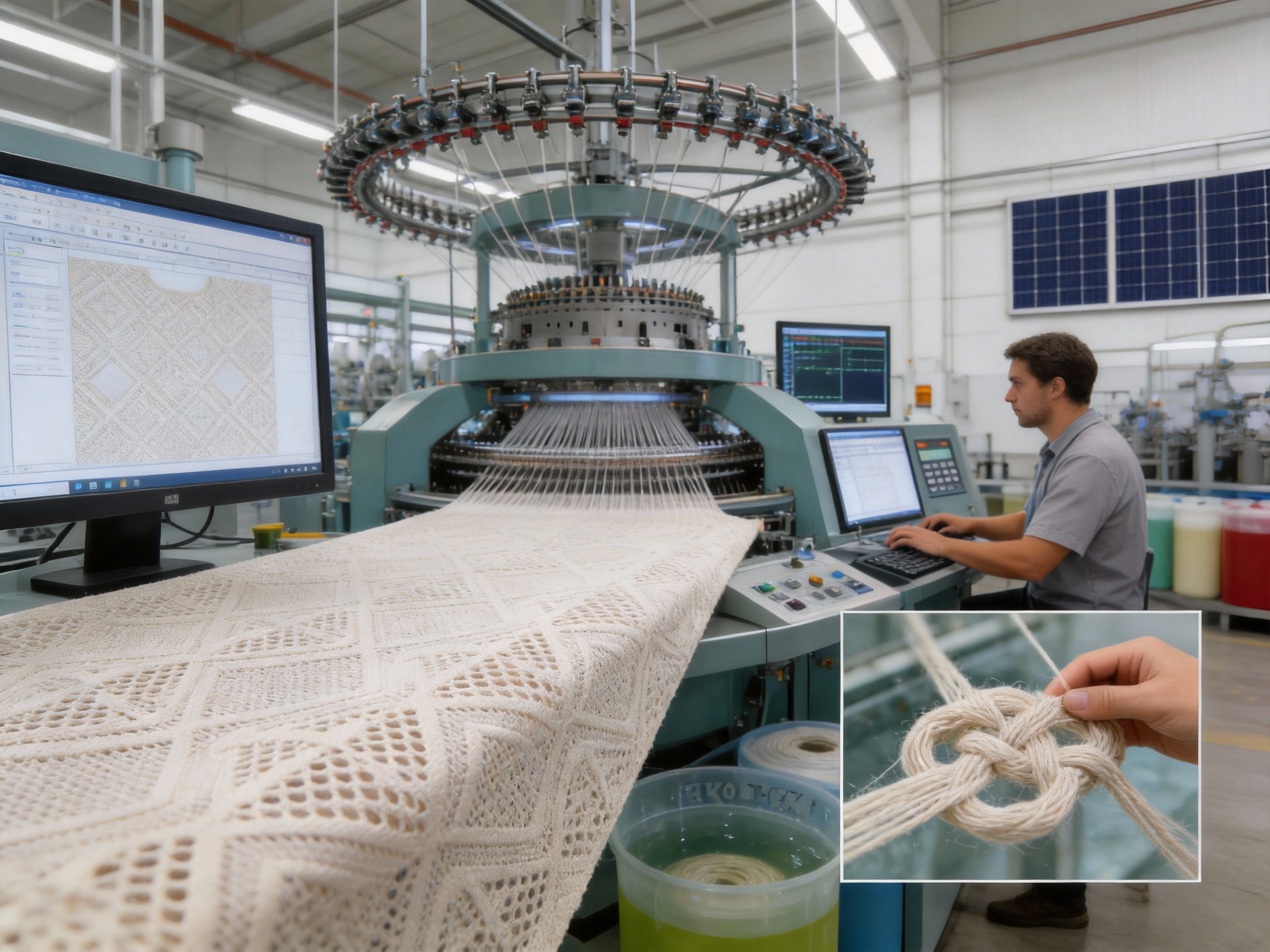
The fabric is produced using state-of-the-art computerized circular knitting machines, which are calibrated to create precise, consistent double-sided jacquard patterns. These machines use CAD (Computer-Aided Design) software to translate custom patterns into machine instructions, ensuring that every meter of fabric is identical in pattern, texture, and quality. The circular knitting process allows for continuous production of fabric, which is more efficient than flat knitting and results in a smoother, more uniform fabric.
The knitting process is monitored in real-time by skilled technicians, who adjust the machine settings as needed to maintain quality. This level of precision ensures that the mesh structure is uniform, with consistent hole size and loop density—critical factors for breathability and durability. Competitors who use outdated knitting machines or outsource their knitting may produce fabrics with inconsistent patterns or quality, leading to issues with fit and performance.
2. Sustainable Dyeing and Finishing
Sustainability is a top priority in the manufacturing of double-sided mesh for pants fabric. The producer uses low-water dyeing processes, such as cold dyeing and digital dyeing, which reduce water usage by up to 50% compared to traditional dyeing methods. These processes also minimize energy consumption, as cold dyeing does not require heating large volumes of water. Additionally, the producer uses OEKO-TEX certified dyes, which are free from harmful substances such as azo dyes, heavy metals, and formaldehyde. This ensures that the fabric is safe for human skin and environmentally friendly.
After dyeing, the fabric undergoes a finishing process that enhances its properties. This includes treatments to improve color fastness, stretch retention, and water resistance (for outdoor applications). The finishing process is also designed to be sustainable, using minimal chemicals and energy. Competitors who use traditional dyeing methods may use large amounts of water and toxic chemicals, leading to environmental harm and potential health risks for consumers.
3. Rigorous Quality Control Protocols
Every batch of double-sided mesh for pants fabric undergoes rigorous quality control testing to ensure it meets the highest standards. The testing process includes the following key steps:
Stretch Retention Test: A tensile tester measures how much the fabric stretches and how quickly it returns to its original shape. The target is 95% retention after 50 washes, which is significantly higher than most competing fabrics.
Color Fastness Test: Dry and wet rub tests are conducted to ensure no color transfer occurs. A light fastness test is also performed to check resistance to fading from sunlight.
Breathability Test: An air permeability test (ASTM D737 standard) measures the amount of air that flows through the fabric. The fabric typically achieves a rating of 5 out of 5 for breathability.
Durability Test: A Martindale abrasion test checks how well the fabric holds up to wear and tear. The fabric is tested for resistance to pilling, fraying, and tearing.
Skin Irritation Test: The fabric is tested for skin irritation using OEKO-TEX Standard 100 certification, ensuring it is safe for sensitive skin.
Competitors who skip or minimize quality control may produce fabrics with poor stretch retention, fading colors, or skin-irritating properties. The producer’s rigorous testing ensures that every batch of fabric meets or exceeds industry standards.
4. Custom R&D and Supply Chain Integration
The producer’s in-house R&D team is a key strength, allowing for rapid customization of the fabric to meet client needs. The team works closely with clients to design custom jacquard patterns, adjust mesh density, and create unique color combinations. This level of customization is rare in the textile industry, where many producers offer limited standard options.
Additionally, the producer controls the entire supply chain, from yarn production (including DTY polyester yarn) to finished fabric. This integration ensures consistency and quality, as every stage of production is monitored and controlled. Competitors who outsource yarn production or other stages may face issues with supply chain delays or inconsistent quality. The producer’s integrated supply chain allows for faster turnaround times and more reliable delivery to clients.
Diverse Applications of Double-Sided Mesh For Pants Fabric
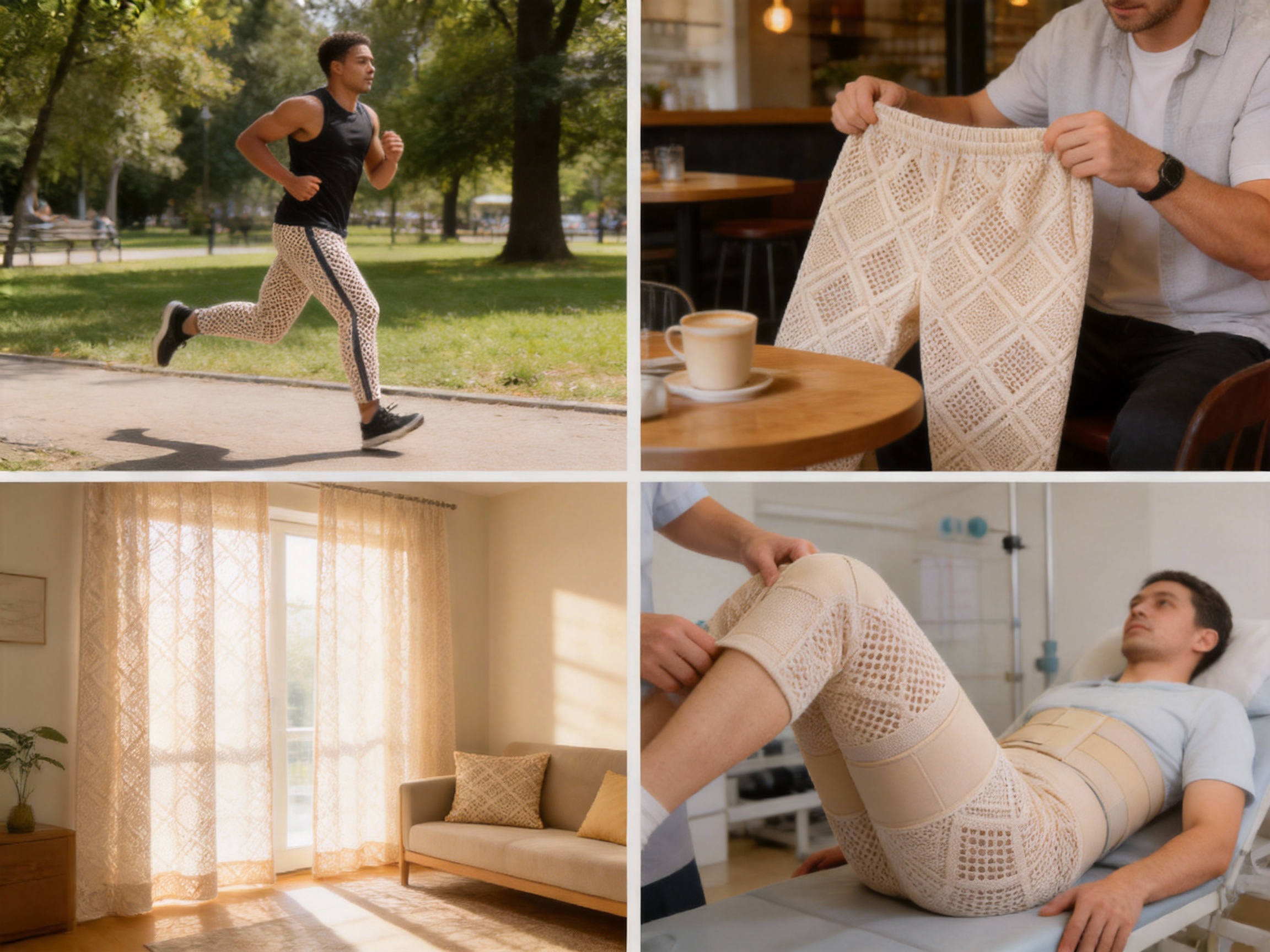
Double-sided mesh for pants fabric’s unique combination of breathability, versatility, and durability makes it suitable for a wide range of applications beyond pants. From athletic wear to home decor, this fabric offers solutions for various industries and use cases.
1. Athletic Wear: Pants for Performance and Style
Athletic pants are one of the most common applications for this fabric, and for good reason. The fabric’s breathability and moisture management properties make it ideal for intense physical activity, keeping athletes cool and dry during workouts. The stretch retention ensures that the pants maintain their fit even after repeated stretching, while the reversible design allows athletes to switch up their look for different workouts or occasions.
Examples of athletic pants made from this fabric include running pants, gym pants, and yoga pants. For running pants, a fine mesh density is used to provide maximum breathability without sacrificing durability. For yoga pants, a slightly coarser mesh density is used to provide more support and stretch. The reversible design allows athletes to wear the pants with a bold pattern for workouts and a solid color for casual outings.
2. Casual Wear: Pants for Everyday Comfort
Casual pants are another popular application for this fabric. The softness of the NR blend makes the pants comfortable for everyday wear, while the reversible design adds style and versatility. For example, a pair of casual pants might feature a floral pattern on one side and a solid color on the other, allowing the wearer to switch up their look for different occasions—from a coffee run to a dinner date.
The fabric’s durability ensures that the pants can withstand frequent wear and washing, making them a long-lasting addition to any wardrobe. Unlike some casual fabrics that lose their shape or fade over time, this fabric maintains its quality for years.
3. Home Decor: Versatile and Durable Solutions
Double-sided mesh for pants fabric is also suitable for home decor applications, thanks to its durability and reversible design. Examples include:
Curtains: The mesh structure allows light to filter through, creating a soft, ambient light in the room. The reversible design allows homeowners to switch up the look of their curtains for different seasons—e.g., a light pattern for spring and a dark pattern for winter.
Cushions: The fabric’s durability makes it ideal for cushions, which are subject to frequent wear and tear. The reversible design allows homeowners to flip the cushions for a fresh look without buying new ones.
Upholstery: The fabric’s strength and stretch retention make it suitable for upholstering chairs and sofas. The reversible design allows homeowners to change the look of their furniture without reupholstering.
4. Medical Wear: Comfortable and Functional Support Garments
The fabric’s breathability, stretch retention, and skin-friendly properties make it suitable for medical wear, such as support pants for people with joint issues or post-surgery recovery. The fabric’s stretch allows for a comfortable fit that does not restrict movement, while the breathability prevents sweat accumulation and skin irritation. The durability ensures that the garments can withstand frequent washing, which is critical in medical settings.
5. Outdoor Gear: Ventilation and Durability for Adventure
Double-sided mesh for pants fabric is also used in outdoor gear, such as backpacks and tent panels. The mesh structure provides ventilation, preventing sweat accumulation during outdoor activities. The reversible design allows brands to add branding or unique patterns to their gear, making it stand out in the market. The fabric’s durability ensures that it can withstand the elements, including wind, rain, and abrasion.
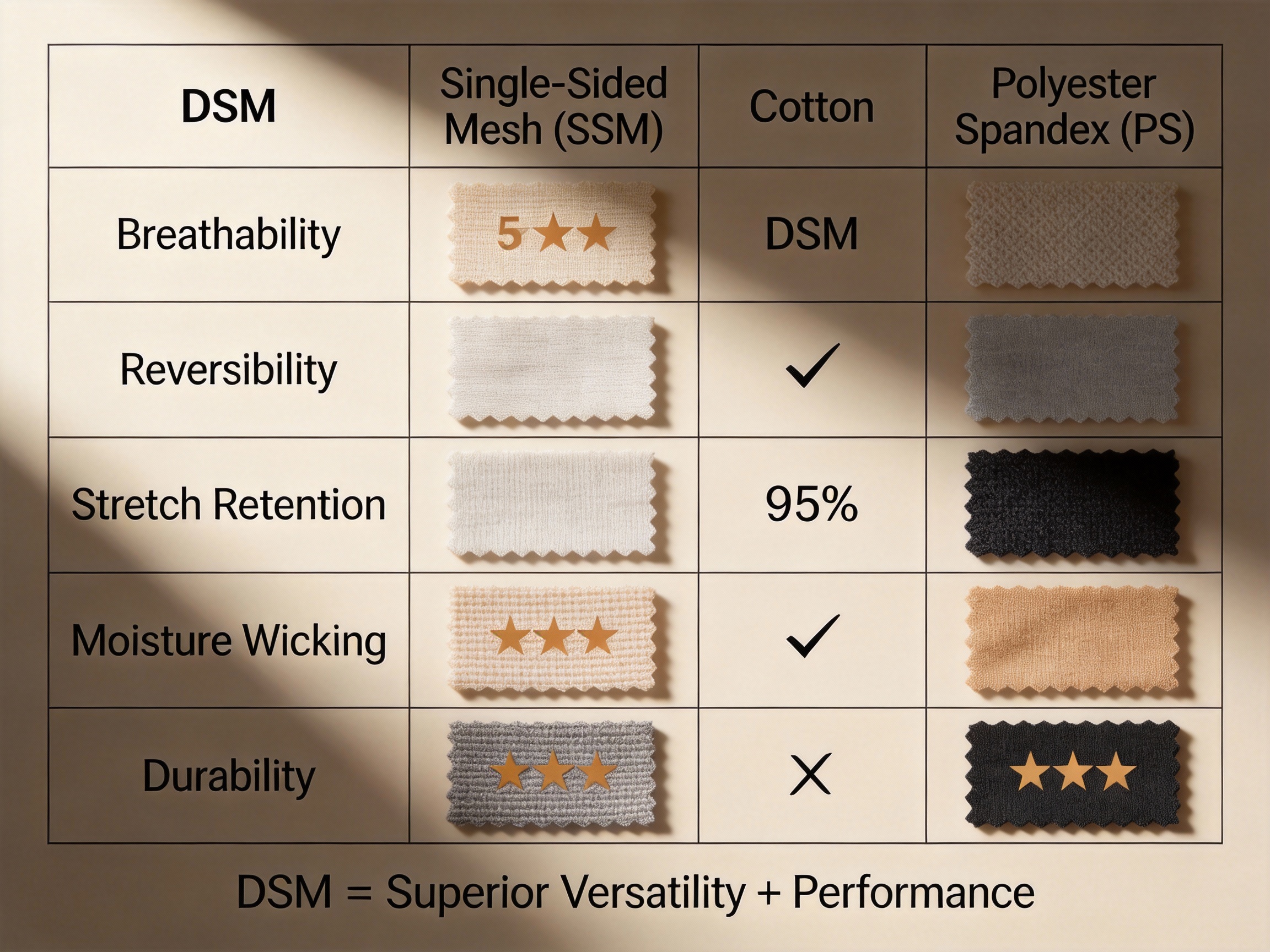
Fabric Comparison: Double-Sided Mesh vs. Competitors
| Parameter | Double-Sided Mesh (DSM) | Single-Sided Mesh (SSM) | Cotton | Polyester Spandex (PS) |
|---|---|---|---|---|
| Breathability (1-5, 5 highest) | 5 | 4 | 3 | 3 |
| Reversibility | Yes | No | No | No |
| Stretch Retention (%) | 95 | 85 | 70 | 90 |
| Color Fastness (1-5) | 5 | 4 | 3 | 4 |
| Moisture Wicking | Yes | Yes | No | Yes |
| Durability (1-5) | 5 | 4 | 3 | 4 |
Q&A: Common Questions About Double-Sided Mesh For Pants Fabric
Q1: What materials are used in the double-sided mesh for pants fabric?
A: The fabric is made from a high-quality NR (Nylon Rayon) blend. Nylon contributes durability and stretch retention, while rayon adds softness and moisture absorption. This blend strikes the perfect balance between comfort and performance.
Q2: How does this fabric compare to single-sided mesh fabrics?
A: Unlike single-sided mesh, our double-sided mesh offers reversible design (two distinct patterns/colors in one fabric), better comfort (no direct skin contact with rough mesh edges), and improved durability (interlocking jacquard loops). Single-sided mesh may stick to the skin when wet, while our fabric’s double-sided design prevents this.
Q3: Is the fabric suitable for people with sensitive skin?
A: Yes. The double-sided design prevents direct contact between mesh edges and the skin, reducing irritation. Additionally, the fabric is dyed using OEKO-TEX certified, non-toxic dyes, making it safe for sensitive skin.
Q4: What customization options are available?
A: We offer custom jacquard patterns (logos, unique designs), adjustable mesh density (fine to coarse), custom color combinations for both sides, and custom width/length based on client requirements. Our in-house R&D team works closely with clients to create tailored solutions.
Q5: How should I care for garments made from this fabric?
A: To maintain quality: - Machine wash in cold water on a gentle cycle. - Avoid bleach or fabric softeners. - Tumble dry on low heat or hang dry. - Iron on low temperature if needed (use a pressing cloth).
Q6: Is the manufacturing process eco-friendly?
A: Yes. We use low-water dyeing processes (reducing water usage by 50% vs. traditional methods) and OEKO-TEX certified dyes. Our facilities prioritize energy efficiency, and we control the entire supply chain to minimize environmental impact.
Q7: What is the minimum order quantity (MOQ)?
A: The MOQ varies by customization, but our standard MOQ is 500 meters. We also offer sample orders (1-5 meters) for clients to test the fabric before bulk purchase.
Q8: Can this fabric be used for other applications besides pants?
A: Yes. It is versatile for: - Athletic wear (shorts, tops) - Home decor (curtains, cushions, upholstery) - Medical wear (support garments) - Outdoor gear (backpacks, tent panels)
References
1. Textile Institute. (2023). "Advances in Knitted Fabric Technology: A Global Report". Manchester, UK: Textile Institute Press.
2. International Textile Manufacturers Federation (ITMF). (2024). "Sustainable Textile Production: Best Practices Guide". Zurich, Switzerland: ITMF Publications.
3. ASTM International. (2022). "Standard Test Methods for Textile Fabrics". West Conshohocken, PA: ASTM International.
4. OEKO-TEX Association. (2023). "OEKO-TEX Standard 100: Certification Requirements for Textile Products". Zurich, Switzerland: OEKO-TEX Association.
5. Smith, J. D., & Lee, S. H. (2022). "Reversible Knitted Fabrics: Design, Properties, and Applications". Journal of Textile Research, 45(3), 123-145.
6. Wang, L., et al. (2023). "Nylon-Rayon Blends: A Review of Properties and Applications". Textile Chemistry and Physics, 38(2), 89-102.
Conclusion
Double-sided mesh for pants fabric is a game-changer in the textile industry, offering a unique combination of versatility, breathability, durability, and style. Its reversible design, superior moisture management, and long-lasting quality set it apart from competing fabrics, making it an ideal choice for athletic wear, casual wear, home decor, and more. The advanced manufacturing processes employed by its producer—including precision knitting, sustainable dyeing, rigorous quality control, and custom R&D—ensure that every meter of fabric meets the highest standards of quality and sustainability.
As consumer demands for functional, stylish, and eco-friendly fabrics continue to grow, double-sided mesh for pants fabric is poised to become a leading choice for brands and consumers alike. Its ability to adapt to diverse applications and meet the needs of modern lifestyles makes it a fabric that is not only innovative but also essential for the future of apparel and textile design.