
Cotton Polyester Rayon Printing Fabric for Versatile Modern Textiles
Cotton Polyester Rayon Printing Fabric is a practical, attractive, and durable blended textile developed for modern garment, furnishing, and decorative applications. By combining the comfort associated with cotton, the smooth drape and brightness of rayon, and the strength and resilience of polyester, this fabric offers a balanced solution for buyers who need both visual appeal and dependable performance.
In today’s textile market, customers expect fabric to be more than beautiful. It must be comfortable, stable, adaptable to finishing, easy to process, and suitable for a wide range of designs. Cotton Polyester Rayon Printing Fabric answers these requirements with a smooth surface, lustrous appearance, good moisture absorption, reliable elasticity, and excellent durability. It is especially suitable for printed designs, fashion apparel, business-style suiting, casual garments, home textiles, and selected outdoor furnishing uses.
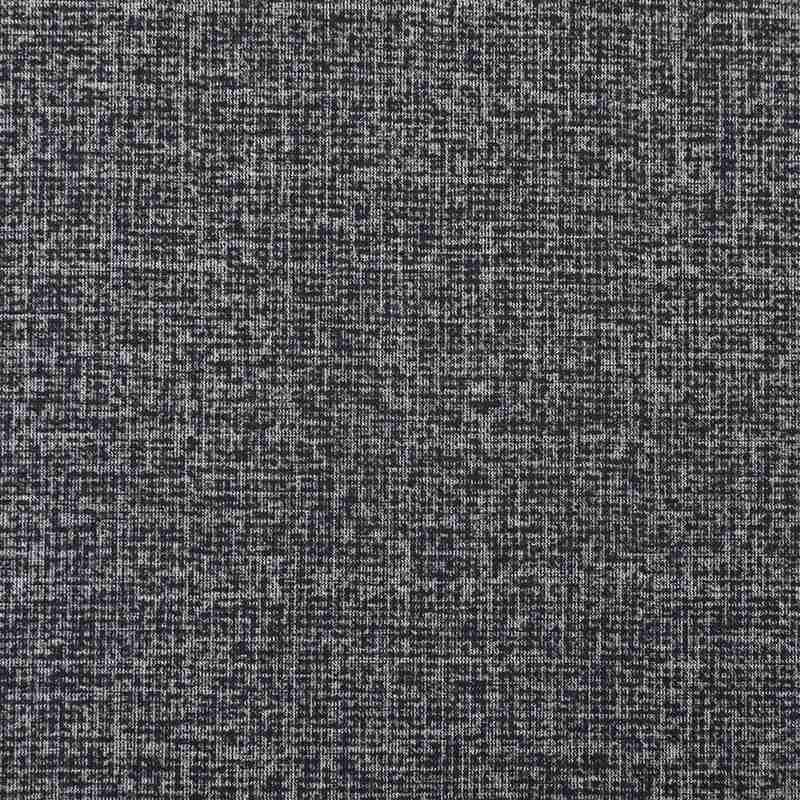
Cotton Polyester Rayon Printing Fabric
Product Overview
Cotton Polyester Rayon Printing Fabric belongs to the polyester rayon fabric category and is designed to deliver the advantages of multiple fiber types in one material. The fabric is made with a combination of rayon and polyester yarns, with cotton characteristics contributing comfort and a natural hand feel. This blended structure gives the fabric a refined appearance while maintaining practical strength for repeated use.
The fabric is typically associated with TR-style suiting and similar blended textile applications. It offers a smooth, bright, and lustrous surface while retaining a wool-like sense of quality. This makes it attractive for garments that need to look professional, polished, and elegant without sacrificing easy-care performance.
Unlike single-fiber textiles that may excel in one area but underperform in another, this fabric is engineered to balance softness, strength, elasticity, moisture management, and printability. The result is a versatile textile that can support both classic and contemporary designs.
Core Fiber Advantages
The value of Cotton Polyester Rayon Printing Fabric begins with the intelligent combination of fibers. Polyester contributes strength, dimensional stability, wrinkle resistance, and long-lasting durability. Rayon contributes smoothness, brightness, drape, and moisture absorption. Cotton-related comfort adds a more familiar and breathable feel that consumers appreciate in daily wear.
Polyester is widely recognized for its resistance to stretching, shrinking, and abrasion. In blended fabric, it helps maintain shape after cutting, sewing, wearing, and washing. For manufacturers, this means more predictable garment production and fewer issues related to distortion or deformation.
Rayon is appreciated for its soft touch, elegant drape, and silk-like luster. It gives the fabric a more premium appearance and improves wearing comfort. Rayon also absorbs moisture better than many synthetic fibers, helping the fabric feel more comfortable in different climates.
Cotton characteristics support natural comfort, skin-friendly touch, and breathability. When integrated with polyester and rayon, cotton helps soften the overall hand feel and makes the fabric more suitable for apparel and home textile products that are used close to the body.
Why This Fabric Stands Out
Compared with ordinary polyester fabric, Cotton Polyester Rayon Printing Fabric has a softer, more refined, and more natural feel. Pure polyester may be strong and easy to care for, but it can sometimes feel less breathable or less luxurious. The inclusion of rayon and cotton characteristics improves comfort, visual depth, and drape.
Compared with pure rayon fabric, this blended fabric is more stable and durable. Rayon alone can provide excellent softness and luster, but it may have lower wet strength and can be more sensitive to care conditions. Polyester strengthens the structure and improves the fabric’s ability to withstand regular use.
Compared with pure cotton fabric, this blended fabric offers better wrinkle resistance, better shape retention, and a more polished surface. Cotton is comfortable and breathable, but it may wrinkle easily and require more maintenance. The polyester and rayon components help create a smoother appearance and more elegant print effect.
Compared with low-grade blended fabrics, this fabric provides a more balanced hand feel, better surface brightness, and more dependable performance. A high-quality blend requires precise yarn selection, controlled processing, and careful finishing. The result is a fabric that not only looks good on display but also performs well after production and use.
Key Product Features
The fabric has a smooth surface suitable for printing. A smooth base fabric helps printed patterns appear clearer, sharper, and more vibrant. This is important for apparel brands and home textile producers who want consistent color expression and strong visual impact.
The fabric has a bright and lustrous appearance. The rayon component contributes a refined sheen, while polyester supports surface stability. This combination makes the fabric attractive for formal, business, and decorative uses.
The fabric retains a wool-like sense. This gives it a more substantial and professional appearance, especially in suiting and structured garments. It can create the impression of quality without the cost, weight, or care demands often associated with wool.
The fabric is highly durable. Polyester reinforcement helps resist wear and extends the service life of finished products. This is valuable for garments, upholstery, curtains, and decorative items that must remain attractive after repeated handling.
The fabric has excellent elasticity. Good elasticity helps the fabric move with the body and return to shape. This improves comfort in clothing and helps reduce deformation in finished textile goods.
The fabric absorbs moisture. Moisture absorption improves wearer comfort and makes the textile more pleasant for daily use. Rayon and cotton characteristics help the fabric feel less synthetic and more comfortable against the skin.
Product Specification Snapshot
| Item | Description | Benefit |
|---|---|---|
| Product Type | Cotton Polyester Rayon Printing Fabric | Balanced blended textile for apparel and furnishing uses |
| Category | Polyester Rayon Fabric | Combines synthetic durability with rayon comfort and luster |
| Typical Use | TR-style suiting, apparel, home furnishings, decorative textiles | Suitable for both fashion and practical textile applications |
| Surface Character | Smooth, bright, and lustrous | Supports attractive printing and refined appearance |
| Performance | Durable, elastic, moisture-absorbing | Improves comfort, stability, and service life |
| Design Suitability | Printing and finishing friendly | Allows diverse colors, patterns, and market styles |
Superior Printability
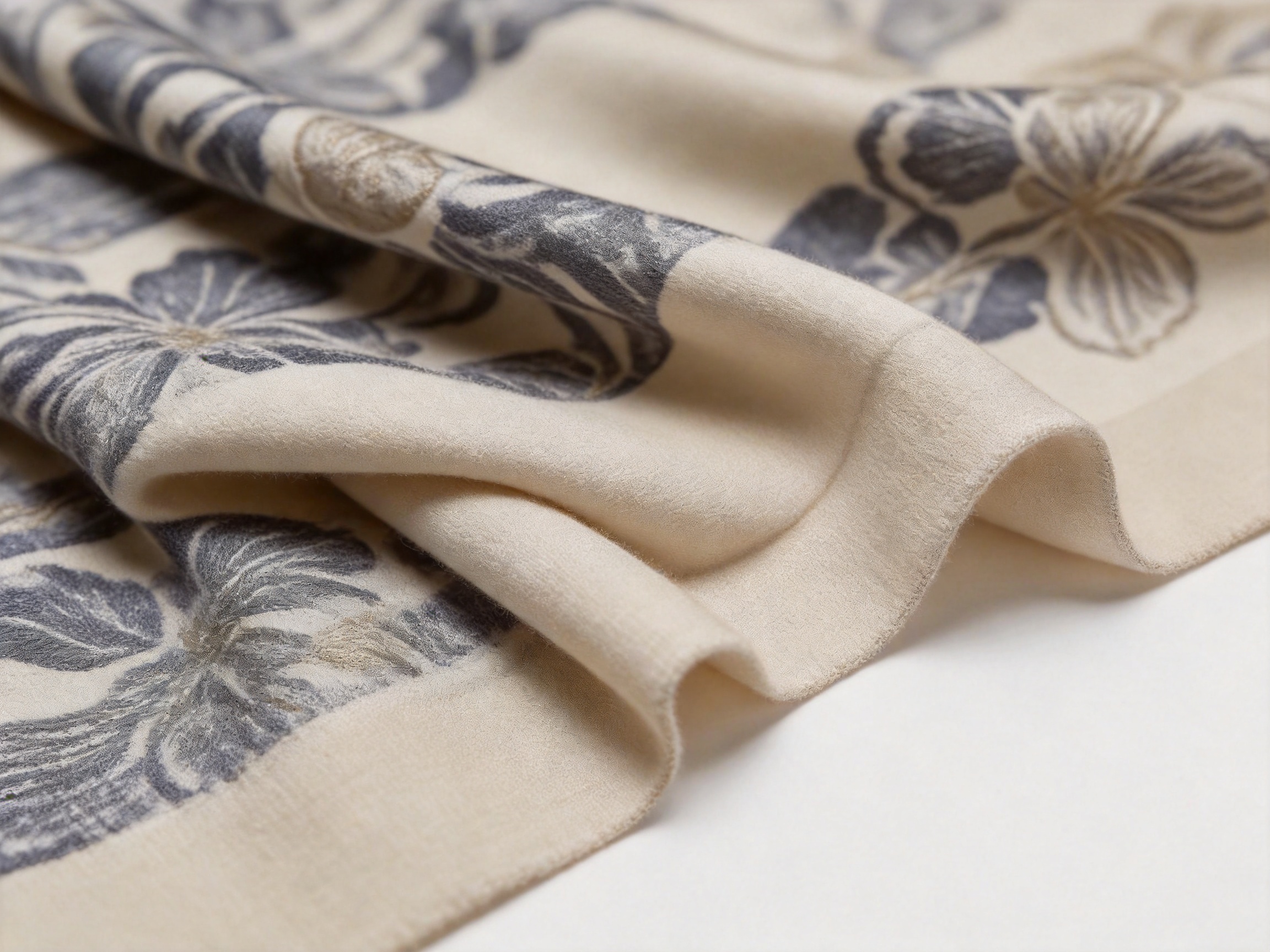
Printing performance is one of the most important advantages of Cotton Polyester Rayon Printing Fabric. The smooth and stable surface allows patterns to appear clean and expressive. Whether used for subtle business patterns, fashion florals, geometric motifs, or modern decorative designs, the fabric provides a reliable foundation for visual creativity.
Print clarity depends on several factors, including yarn quality, fabric construction, surface smoothness, pretreatment, dye or pigment compatibility, and finishing control. A well-manufactured polyester rayon blended fabric supports stable printing because it reduces irregularities that may cause blurred patterns or uneven color absorption.
The rayon component helps enrich color expression, while polyester contributes stability during processing. This makes the fabric suitable for designs that require both visual brilliance and practical endurance. For buyers, strong printability means greater design freedom and better shelf appeal.
Comfort and Wearability
Comfort is a decisive factor in apparel fabric selection. Cotton Polyester Rayon Printing Fabric provides comfort through softness, moisture absorption, elasticity, and a balanced hand feel. It does not rely on only one fiber property; instead, it combines several desirable characteristics into a single fabric.
The rayon component gives the fabric a smooth and pleasant touch. The cotton-related feel adds familiarity and softness, while polyester improves recovery and durability. This combination makes the fabric suitable for garments worn in professional, casual, and semi-formal settings.
Moisture absorption contributes to comfort by helping the fabric manage perspiration and environmental humidity. While fabric performance depends on construction and finishing, the presence of rayon and cotton characteristics improves the overall wearing experience when compared with many fully synthetic alternatives.
Elasticity adds another layer of comfort. Fabric that can adapt to movement is more suitable for daily wear. It allows garments to feel less restrictive and helps them maintain their intended shape throughout use.
Durability for Long-Term Value
Durability is one of the strongest reasons to choose a polyester rayon blended fabric. Polyester fibers provide resistance to abrasion, stretching, and repeated handling. This helps garments and textile products maintain their structure and appearance over time.
For manufacturers and buyers, durability means lower replacement frequency and better end-user satisfaction. A fabric that looks beautiful at first but quickly loses shape or surface quality can damage product reputation. Cotton Polyester Rayon Printing Fabric is designed to reduce such risks by combining attractive appearance with reliable performance.
Durability also supports wider application. The fabric can be considered for apparel, home furnishings, and even certain outdoor furniture-related uses where appearance and resilience are both required. While specific outdoor performance depends on finishing and end-use conditions, the blended structure provides a stronger base than many delicate fashion-only fabrics.
Professional Appearance for Suiting and Apparel
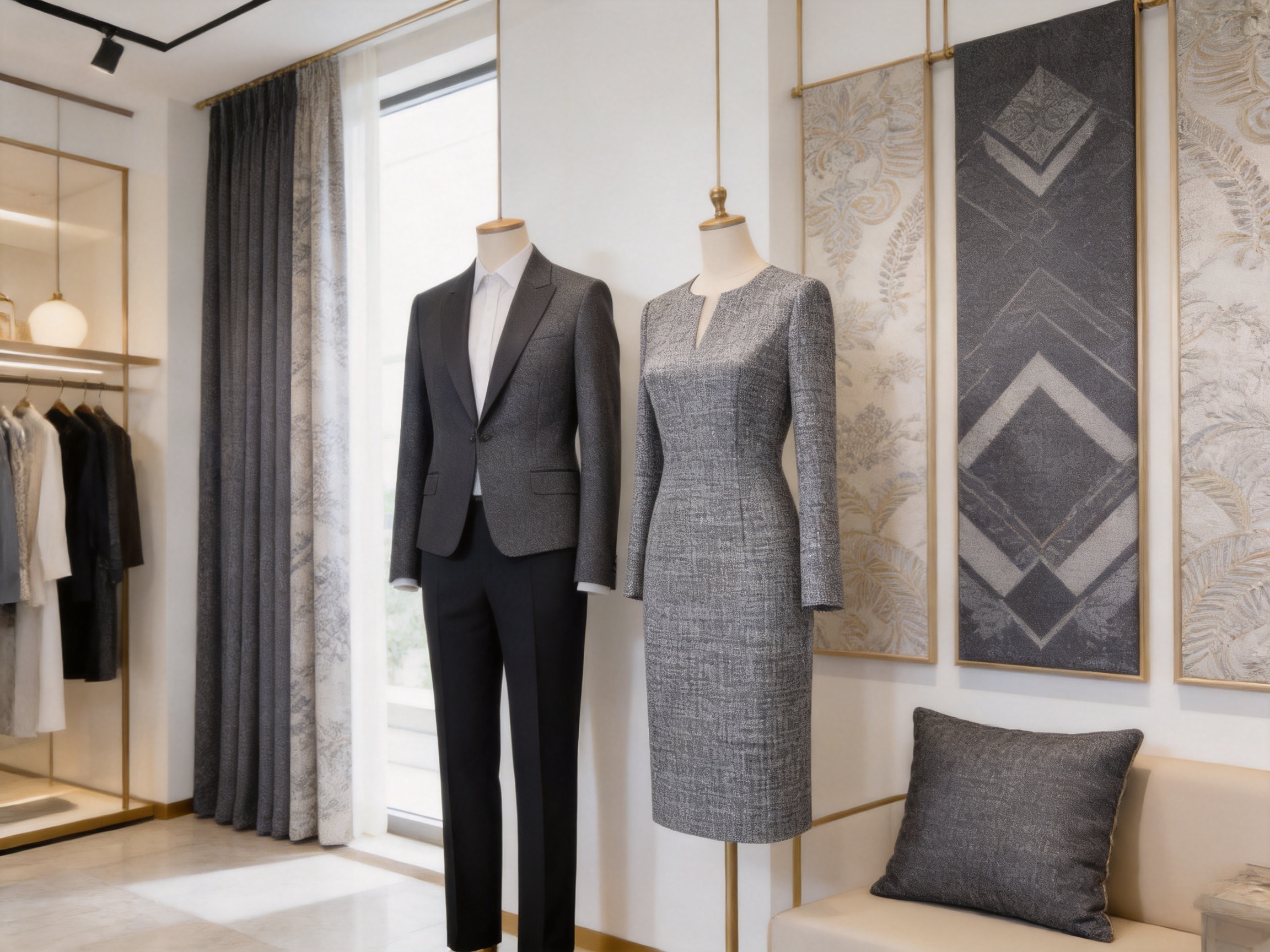
The fabric is especially relevant for business TR suiting and related apparel. It has a smooth, bright, and wool-like quality that gives garments a polished look. This makes it suitable for trousers, jackets, skirts, uniforms, office wear, dresses, and coordinated fashion pieces.
In business clothing, fabric must communicate quality and professionalism. It should drape well, resist excessive wrinkling, and maintain shape during movement. Cotton Polyester Rayon Printing Fabric supports these needs with its combination of elegance and functionality.
For fashion apparel, the fabric provides a printable surface that can adapt to seasonal trends. Designers can use it for classic patterns, modern prints, or customized visual effects. The fabric’s lustrous surface helps printed designs gain depth and presence.
Applications in Home Furnishings
Beyond apparel, Cotton Polyester Rayon Printing Fabric can be used in home textile applications. Its smooth surface, attractive luster, and durability make it suitable for curtains, cushion covers, decorative panels, table textiles, and other furnishing items where print design and fabric hand are important.
Home furnishing fabrics must balance decoration with usability. They are often exposed to handling, folding, light friction, and periodic cleaning. The polyester component helps improve durability, while rayon and cotton characteristics contribute a more refined visual and tactile effect.
Printed home textiles benefit from a stable fabric base. Clear patterns and consistent surface quality can improve the overall decorative value of interior products. This fabric offers a practical option for producers seeking stylish yet functional materials.
Selected Outdoor Furniture Potential
The material can also be considered for certain outdoor furniture-related applications, especially when supported by appropriate finishing. Polyester strength helps the fabric resist wear, while the blended hand feel provides a softer and more attractive surface than many purely technical fabrics.
Outdoor use requires careful evaluation of exposure to sunlight, moisture, mildew, and abrasion. With suitable finishing, coating, or treatment, Cotton Polyester Rayon Printing Fabric may serve decorative outdoor cushions, covered patio accessories, or semi-outdoor furnishing designs. Buyers should match finishing specifications to their required environment.
Manufacturing Strength and Process Control
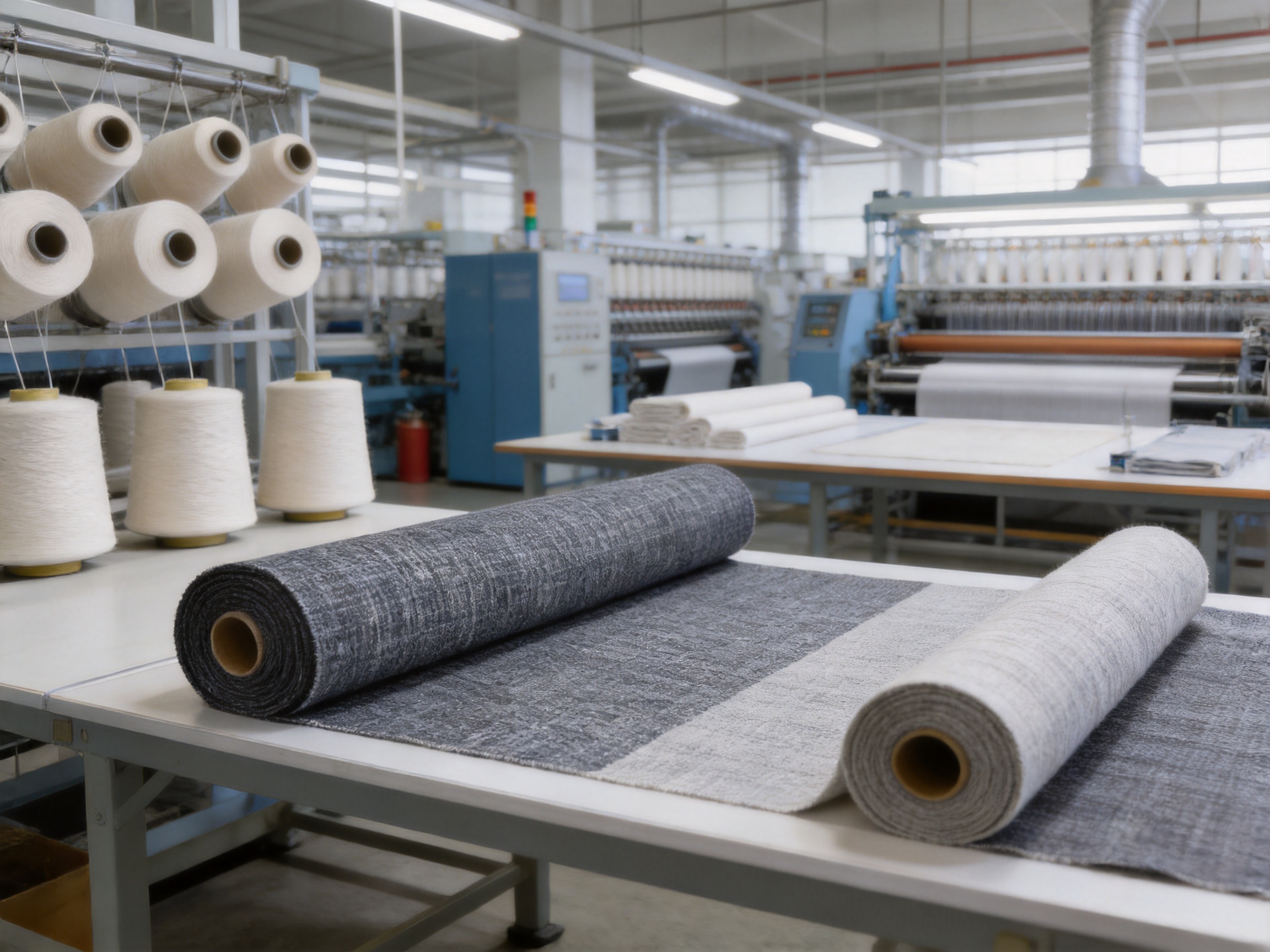
The quality of Cotton Polyester Rayon Printing Fabric depends heavily on manufacturing control. Advanced textile production is not limited to weaving or knitting yarns together. It includes fiber and yarn selection, yarn processing, fabric formation, dyeing, printing preparation, finishing, inspection, and packaging.
Hangzhou Jinfeng Textile Co., Ltd. is located in Xiaoshan District, Hangzhou, Zhejiang Province, an area with a strong textile production foundation. The company covers 32.6 acres and has a plant area of approximately 18,000 square meters. This industrial scale supports integrated production, processing, post-dyeing, finishing, and sales of blended fabrics, including polyester and spandex-related textiles, as well as DTY polyester yarn production and processing.
Integrated manufacturing brings important advantages. When yarn processing, fabric production, dyeing, finishing, and sales coordination are managed within a connected system, quality can be controlled more effectively. Communication between production stages becomes faster, technical adjustments can be made more efficiently, and product consistency can be improved.
The company’s background in DTY polyester yarn production is especially relevant. Drawn textured yarn contributes texture, elasticity, and bulk in many textile structures. Experience with DTY polyester yarn helps strengthen understanding of yarn behavior, fabric stability, and finishing performance. This knowledge supports better blended fabric development.
Advanced Yarn and Fabric Preparation
High-quality fabric starts with yarn. Polyester rayon blended fabric requires yarns with suitable strength, evenness, twist, texture, and compatibility. If yarn quality is unstable, defects may appear during fabric formation, dyeing, printing, or finishing. Careful yarn control reduces the risk of streaks, uneven surfaces, tension differences, and weak points.
Slight intermingled drawn textured yarn and related polyester yarn technologies can improve yarn cohesion and processing performance. Intermingling helps stabilize filament yarns, reduces filament separation, and improves handling during downstream production. For blended fabrics, yarn stability supports more uniform fabric structure.
Fabric preparation also includes controlled tension and consistent construction. Whether the fabric is used for apparel or furnishings, the base structure must be stable enough to accept printing and finishing. A stable fabric base improves dimensional performance and helps finished products meet buyer expectations.
Dyeing, Printing, and Finishing Capabilities
Post-dyeing and finishing are essential to the final quality of Cotton Polyester Rayon Printing Fabric. Dyeing and finishing influence color, hand feel, shrinkage, luster, surface smoothness, and performance. A fabric may have excellent yarn quality, but without suitable finishing, it cannot achieve its full commercial value.
Finishing can enhance softness, improve drape, control width, stabilize shrinkage, adjust surface brightness, and prepare the fabric for printing or garment production. In printing fabric, finishing must preserve surface clarity while supporting pattern definition and hand feel.
Because the fabric contains different fiber components, dyeing and finishing require technical experience. Polyester and rayon respond differently to heat, moisture, dyes, and chemicals. A capable manufacturer must understand these differences and select suitable processing routes to create balanced results.
Quality finishing also improves competitiveness. Many buyers compare fabrics not only by fiber content but by touch, appearance, stability, and production performance. A well-finished blended fabric can outperform competitors by offering better consistency, better print effect, and better user comfort.
Quality Inspection and Consistency
Consistency is a major advantage in textile sourcing. Apparel and home textile producers need fabric rolls that match in color, width, weight, surface quality, and performance. Inconsistent fabric can cause cutting waste, sewing problems, shade variation, and customer complaints.
A systematic manufacturing operation checks fabric through multiple stages. Yarn quality is monitored before fabric formation. Greige fabric is inspected for structural defects. Dyeing and finishing results are evaluated for shade, handle, and dimensional performance. Final fabric inspection identifies visible defects before packing and shipment.
For printed fabric, inspection is especially important. Print defects such as color variation, pattern distortion, stains, or uneven absorption can reduce product value. Careful control helps ensure the fabric is ready for garment factories, furnishing producers, or distributors.
Advantages Over Competing Materials
Cotton Polyester Rayon Printing Fabric competes with pure polyester, cotton, rayon, wool blends, and lower-cost mixed fabrics. Its advantage is not based on one single feature but on an effective combination of properties.
Against pure polyester, it offers improved softness, moisture absorption, and a more natural touch. Against pure cotton, it offers improved wrinkle resistance, durability, and dimensional stability. Against pure rayon, it offers stronger performance and better resilience. Against wool or wool-like alternatives, it can provide a refined appearance with easier maintenance and broader printing options.
For buyers who need both aesthetics and practicality, this balance is valuable. It allows brands to create products that feel comfortable, look polished, and perform reliably. This reduces the need to compromise between beauty and function.
Design Flexibility
Design flexibility is another strong advantage. The fabric can be adapted to many colors, prints, and finished styles. Its smooth and lustrous surface gives designers a clean foundation for creative development.
In apparel, the fabric can support formal designs, business clothing, fashion pieces, uniforms, dresses, trousers, skirts, and coordinated collections. In furnishings, it can support decorative prints, modern interior styles, and seasonal textile programs.
Because it combines elegance and durability, the fabric can serve both mainstream and premium market needs. A buyer may use it for cost-effective fashion lines, while another may choose it for more refined printed products. The same base fabric concept can be adjusted through print, finishing, and construction choices.
Production Scale and Export-Oriented Service
A company with integrated production and export experience can provide more than fabric. It can provide sourcing reliability, technical communication, order coordination, and product development support. Hangzhou Jinfeng Textile Co., Ltd. operates as a self-employed export company integrating research and development, production, and sales.
This integrated business model benefits overseas and domestic customers. Buyers can communicate product requirements, sample needs, finishing preferences, and delivery expectations through a coordinated system. The company’s focus on cooperation and win-win business philosophy supports long-term relationships rather than short-term transactions.
For international customers, clear coordination is essential. Fabric sourcing often involves technical specifications, lab dips, sample approvals, bulk production, inspection, packaging, and logistics. A manufacturer experienced in production and export is better positioned to manage these steps efficiently.
Role of Research and Development
Research and development is important for blended textiles because market preferences change quickly. Customers may request different hand feels, prints, weights, constructions, colors, or finishes. A company that integrates R and D with manufacturing can respond more effectively to these needs.
For Cotton Polyester Rayon Printing Fabric, R and D may involve improving yarn combinations, adjusting fabric density, refining finishing formulas, enhancing printing performance, and developing new textures. Each improvement can help the fabric meet specific customer requirements.
Continuous development also helps the product remain competitive. Textile buyers regularly compare suppliers based on innovation, consistency, price-performance ratio, and service. A manufacturer with technical development capability can offer more tailored solutions.
Sustainability and Practical Resource Use
Blended fabrics can contribute to practical resource use by extending product life and improving usability. A durable textile that maintains appearance over time may reduce replacement frequency. Comfort and easy-care performance can also increase consumer satisfaction and reduce waste caused by unsuitable products.
While fiber blends require thoughtful recycling strategies, their performance benefits are significant in real-world use. Cotton Polyester Rayon Printing Fabric combines long-lasting polyester strength with rayon comfort and cotton-like wearability, creating a fabric that is designed for extended functional value.
Responsible production also depends on process control, efficient finishing, defect reduction, and quality consistency. Reducing waste during production and improving first-quality output are important practical steps in textile manufacturing.
Buyer Considerations
When selecting Cotton Polyester Rayon Printing Fabric, buyers should consider intended application, required weight, pattern, colorfastness needs, shrinkage expectations, hand feel, and finishing requirements. Apparel applications may prioritize drape, comfort, and sewing performance. Home textile applications may prioritize print clarity, abrasion resistance, and decorative appearance.
For suiting or business garments, buyers may request a smooth surface, stable dimensions, and professional drape. For printed fashion, they may focus on color vibrancy and hand feel. For furnishing use, they may request stronger durability and special finishing.
Clear communication with the manufacturer helps ensure the best result. Specifications such as width, weight, color, print method, finishing treatment, packing method, and inspection standard should be confirmed before bulk production.
Care and Handling Recommendations
Care requirements depend on exact fabric construction and finishing, but blended polyester rayon fabrics generally benefit from gentle washing, moderate temperature control, and proper drying. Excessive heat may affect certain finishes or fiber behavior, while careful handling helps preserve appearance.
Garment makers should test shrinkage, colorfastness, seam performance, and pressing conditions before mass production. Home textile producers should confirm cleaning and durability requirements according to end use.
Proper care instructions should be developed for finished products. Since the fabric combines multiple fiber characteristics, care guidance should protect softness, luster, dimensional stability, and print quality.
Q&A Section
What is Cotton Polyester Rayon Printing Fabric?
It is a blended textile made with cotton, polyester, and rayon characteristics, designed to provide comfort, durability, luster, elasticity, moisture absorption, and strong printability.
What makes this fabric suitable for printing?
Its smooth and stable surface supports clear patterns and attractive color expression. Rayon improves visual richness, while polyester helps maintain fabric stability during processing.
How does it compare with pure polyester fabric?
It feels softer and more comfortable than many pure polyester fabrics. It also offers better moisture absorption and a more refined appearance while still keeping polyester’s durability and shape retention.
How does it compare with pure cotton fabric?
It generally provides better wrinkle resistance, greater dimensional stability, and a smoother lustrous surface. Cotton contributes comfort, while polyester and rayon improve performance and appearance.
Can this fabric be used for business clothing?
Yes. It is suitable for TR-style suiting and business garments because it has a smooth, bright, wool-like appearance with good durability and elasticity.
Is the fabric comfortable for daily wear?
Yes. Rayon and cotton characteristics improve softness and moisture absorption, while elasticity helps the fabric move with the body and maintain comfort during wear.
Can it be used for home textiles?
Yes. It can be used for curtains, cushion covers, decorative textiles, table textiles, and other home furnishing products that require print design, durability, and attractive texture.
What manufacturing strengths support this product?
The manufacturer has integrated production capabilities covering DTY polyester yarn processing, blended fabric production, post-dyeing, finishing, and sales. This helps improve consistency, communication, and quality control.
Why is DTY polyester yarn experience important?
DTY polyester yarn knowledge helps improve understanding of yarn texture, elasticity, strength, and fabric behavior. This supports better development of stable and high-performance blended fabrics.
What should buyers confirm before ordering?
Buyers should confirm application, width, weight, color, print design, finishing requirements, shrinkage standard, colorfastness expectations, packaging, and inspection criteria.
Conclusion
Cotton Polyester Rayon Printing Fabric is a versatile blended textile created for buyers who need beauty, comfort, performance, and reliable production quality. It combines the strength and stability of polyester, the smooth drape and luster of rayon, and the comfort associated with cotton. This makes it suitable for apparel, business suiting, printed fashion, home furnishings, and selected decorative applications.
Its advantages over competing fabrics come from balance. It is softer and more refined than many pure polyester fabrics, more stable than pure rayon, more wrinkle-resistant than pure cotton, and more adaptable to printing than many traditional suiting materials. The fabric’s smooth surface, bright appearance, wool-like sense, durability, elasticity, and moisture absorption all contribute to its commercial value.
Behind the product is a manufacturing system supported by yarn processing, fabric production, post-dyeing, finishing, inspection, and export-oriented service. Integrated production helps improve consistency, technical communication, and product development. For buyers seeking dependable blended fabric with strong printability and broad application potential, Cotton Polyester Rayon Printing Fabric offers a practical and competitive choice.
References
1. Textile Institute. Textile Terms and Definitions.
2. Kadolph, S. J. Textiles.
3. Morton, W. E., and Hearle, J. W. S. Physical Properties of Textile Fibres.
4. Saville, B. P. Physical Testing of Textiles.
5. Trotman, E. R. Dyeing and Chemical Technology of Textile Fibres.
6. Cook, J. G. Handbook of Textile Fibres: Man-Made Fibres.
7. Horrocks, A. R., and Anand, S. C. Handbook of Technical Textiles.