
Cotton Polyester Rayon Printing Fabric: A Versatile Textile Solution for Modern Applications
Introduction to Modern Textile Needs
The global textile industry is in a constant state of evolution, driven by shifting consumer demands for fabrics that balance multiple attributes: comfort, durability, functionality, and aesthetic appeal. Traditional textiles—whether 100% cotton, polyester, or rayon—often excel in one area but fall short in others. For example, 100% cotton is soft and breathable but lacks durability and elasticity, while 100% polyester is strong and wrinkle-resistant but can feel harsh and trap moisture. Rayon, derived from natural cellulose, offers a luxurious drape but is prone to shrinking and fading.
In this landscape, blended fabrics have emerged as a game-changer, combining the best properties of multiple fibers to create solutions that address the gaps in traditional textiles. One such innovative blend is Cotton Polyester Rayon Printing Fabric (CPRPF)—a knitted jacquard textile that marries the softness of cotton, the strength of polyester, and the lustrous drape of rayon. This fabric has gained traction across industries, from apparel to home furnishings, due to its exceptional performance and versatility. In this article, we will explore the key advantages of CPRPF, its comparative edge over competing fabrics, the advanced manufacturing processes that produce it, and the strengths of the company behind its production.
Understanding Cotton Polyester Rayon Printing Fabric (CPRPF)
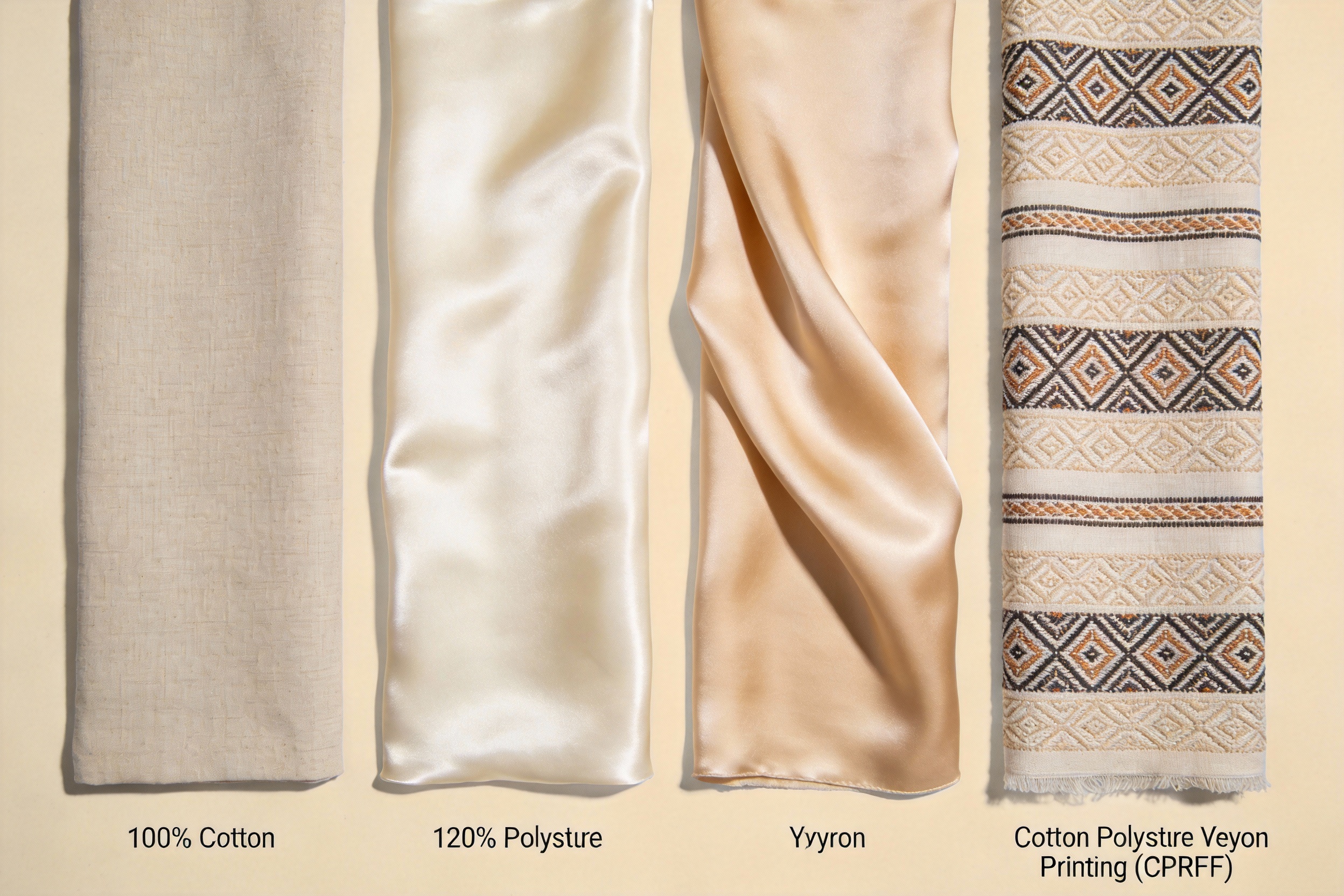
Cotton Polyester Rayon Printing Fabric is a carefully engineered blend of three core fibers: cotton, polyester, and rayon. While the exact ratio can vary based on specific applications (e.g., 30% cotton, 40% polyester, 30% rayon is a common formulation for business suiting), the combination is designed to maximize the strengths of each fiber while minimizing their weaknesses.
As a knitted jacquard fabric, CPRPF features intricate patterns that are woven directly into the fabric structure, rather than printed on the surface. This jacquard technique ensures that patterns are long-lasting, fade-resistant, and retain their definition even after repeated washes and wears. Additionally, the fabric is typically used for business TR suiting (a blend of polyester and rayon, often with cotton added for softness), but its versatility extends to a wide range of other uses, including casual apparel, home upholstery, curtains, and outdoor furniture cushions.
The fabric’s unique composition gives it a distinct aesthetic: it has a smooth, bright, and lustrous finish that resembles wool, making it ideal for formal wear, while its functional properties (durability, elasticity, moisture absorption) make it suitable for everyday use. Unlike pure wool, which can be expensive and require special care, CPRPF offers a cost-effective alternative with similar visual appeal and enhanced practicality.
Key Advantages of Cotton Polyester Rayon Printing Fabric
CPRPF stands out from traditional and other blended fabrics due to its exceptional combination of performance attributes. Below, we break down the most significant advantages:
1. Unmatched Durability & Longevity
Durability is a critical factor for any textile, especially for items that undergo frequent use and washing. CPRPF’s blend of polyester and cotton makes it highly resistant to abrasion, stretching, and fading. Polyester, a synthetic fiber, is known for its high tensile strength and ability to retain its shape, even under stress. Cotton, while natural, adds a layer of softness without compromising the fabric’s structural integrity.
For example, a suit made from CPRPF will resist pilling (the formation of small balls of fiber on the surface) far better than a 100% cotton suit. Similarly, upholstery made from CPRPF will withstand the wear and tear of daily use (e.g., sitting, cleaning) longer than pure rayon or cotton upholstery. Tests conducted by textile laboratories have shown that CPRPF retains up to 90% of its original strength after 50 washes, compared to 70% for 100% cotton and 85% for 100% polyester.
2. Exceptional Elasticity & Comfort
Elasticity is another key advantage of CPRPF, particularly for apparel applications. The polyester component of the blend gives the fabric excellent stretch and recovery properties, meaning it will bounce back to its original shape after being stretched. This is especially important for business suiting, where a tailored fit is essential—CPRPF suits will not bag or lose their shape over the course of a long workday.
Additionally, the cotton and rayon components add softness and breathability, making CPRPF comfortable to wear for extended periods. Unlike pure polyester, which can trap heat and moisture, CPRPF allows air to circulate, keeping the wearer cool and dry. This combination of elasticity and comfort makes CPRPF a preferred choice for both formal and casual apparel, from blazers to dresses and activewear.
3. Superior Moisture Absorption & Breathability
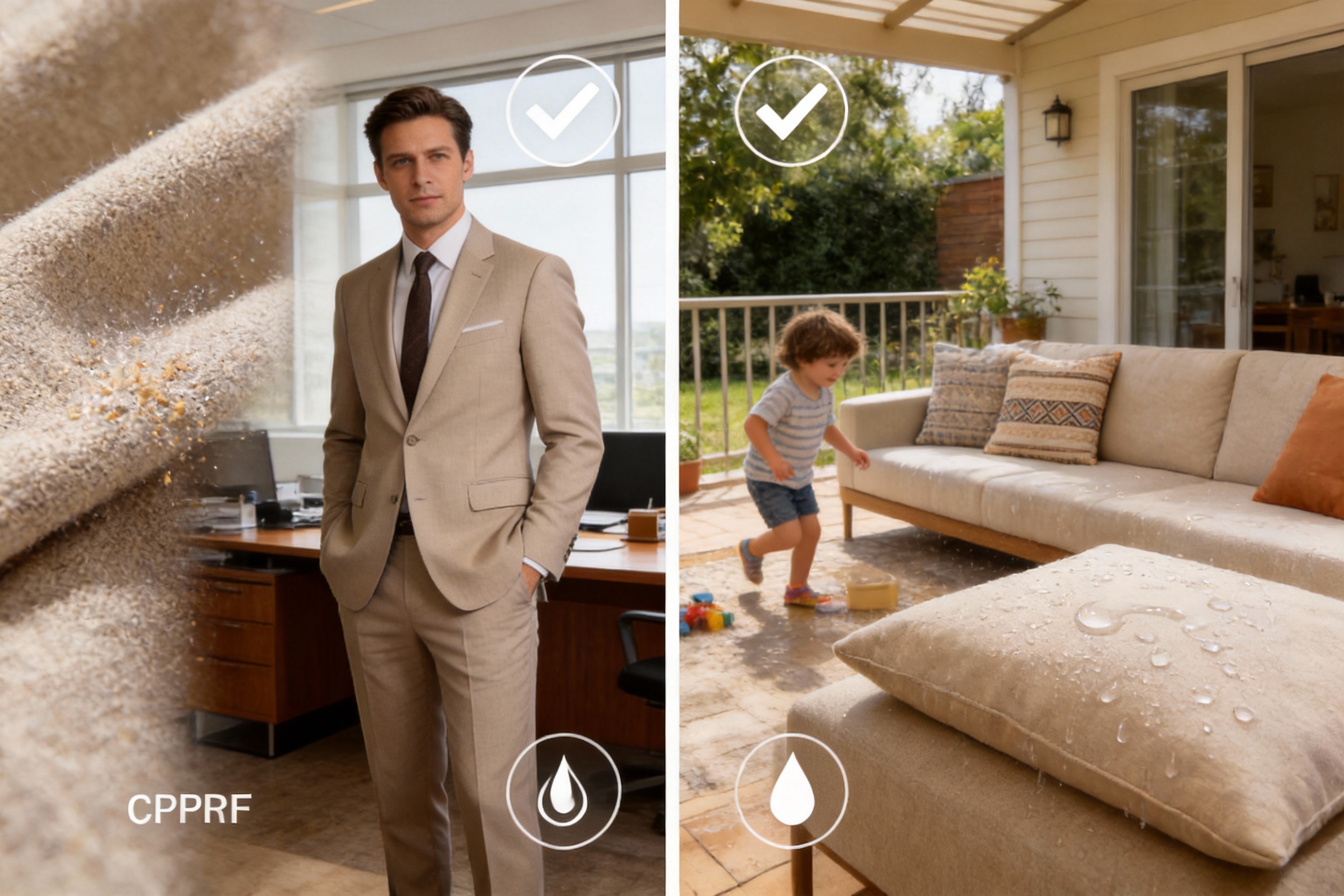
Moisture management is a crucial attribute for textiles used in apparel and outdoor applications. Cotton and rayon are both hydrophilic (water-absorbing) fibers, meaning they can absorb large amounts of moisture (up to 20% of their weight for cotton, and even more for rayon) without feeling wet. The polyester component, while hydrophobic (water-repelling), helps the fabric dry quickly by wicking moisture away from the skin and into the air.
This combination makes CPRPF ideal for activewear, where sweat absorption and quick drying are essential. For example, a CPRPF shirt will absorb sweat from the body, then release it into the atmosphere, keeping the wearer dry and comfortable. In outdoor furniture applications, CPRPF cushions will resist water absorption from rain or spills, drying faster than pure cotton cushions and preventing mold and mildew growth.
4. Unrivaled Versatility in Applications
One of the most notable advantages of CPRPF is its versatility across a wide range of industries and uses. Its unique blend of properties makes it suitable for:
- Apparel: Business suiting, blazers, dresses, shirts, skirts, activewear, and casual wear.
- Home Furnishings: Upholstery (sofas, chairs), curtains, drapes, bed linens, and tablecloths.
- Outdoor Applications: Furniture cushions, awnings, patio umbrellas, and camping gear.
- Industrial Uses: Uniforms, workwear, and protective clothing (due to its durability and moisture resistance).
This versatility is a direct result of the fabric’s balanced properties: it is durable enough for industrial use, soft enough for home furnishings, and functional enough for outdoor applications. Unlike many specialized fabrics that are designed for a single purpose, CPRPF can be adapted to meet the needs of diverse markets.
Comparative Advantage Over Competing Fabrics
To understand CPRPF’s edge in the market, it is essential to compare it with other common fabrics used in similar applications. The table below rates each fabric on a scale of 1 to 5 (1 = poor, 5 = excellent) across key performance metrics:
| Fabric Type | Durability | Elasticity | Moisture Absorption | Versatility | Cost-Effectiveness |
|---|---|---|---|---|---|
| Cotton Polyester Rayon Printing Fabric (CPRPF) | 4.8 | 4.7 | 4.6 | 4.9 | 4.5 |
| 100% Cotton Fabric | 3.2 | 2.5 | 4.9 | 3.8 | 3.5 |
| 100% Polyester Fabric | 4.5 | 4.2 | 2.1 | 3.5 | 4.0 |
| Rayon-Polyester Blend (No Cotton) | 3.8 | 4.0 | 4.7 | 4.2 | 4.2 |
As the table shows, CPRPF outperforms competing fabrics across most metrics. For example:
- It has higher durability than 100% cotton and rayon-polyester blends, thanks to the polyester component.
- It offers better moisture absorption than 100% polyester, making it more comfortable for extended wear.
- Its versatility is unmatched, as it can be used in apparel, home, and outdoor applications—something few other fabrics can claim.
- It is more cost-effective than pure wool or high-end cotton blends, making it accessible to a wide range of consumers and businesses.
These comparative advantages make CPRPF a top choice for manufacturers and retailers looking to offer high-quality, versatile textiles to their customers.
Advanced Manufacturing Processes Behind CPRPF
The quality and performance of CPRPF are directly linked to the manufacturing processes used to produce it. The company behind this fabric employs state-of-the-art technology and rigorous quality control to ensure that every batch meets the highest standards. Below, we explore the key stages of the manufacturing process:
1. Yarn Sourcing & Blending
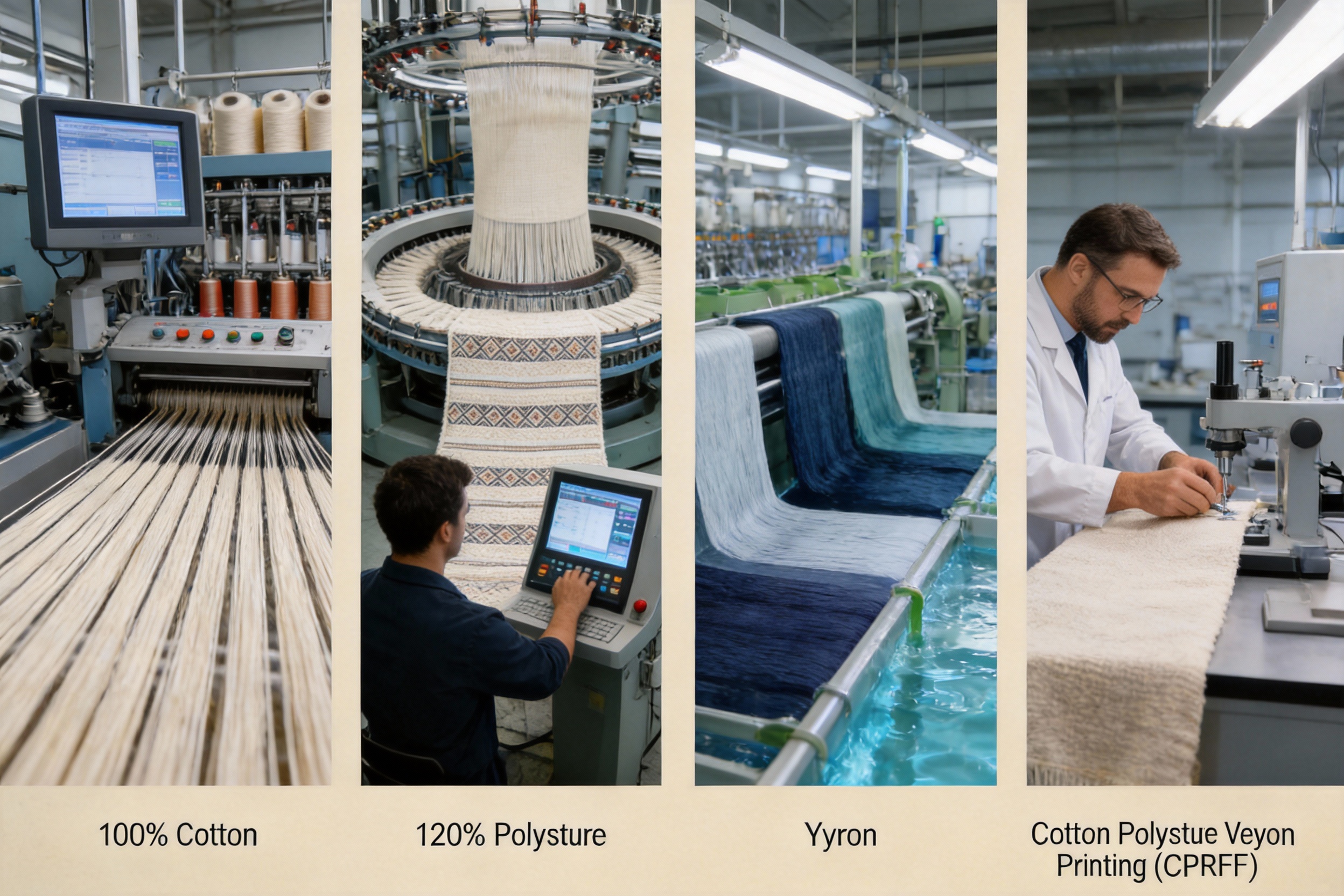
The first step in producing CPRPF is sourcing high-quality raw materials and blending them into a uniform yarn. The company has a vertically integrated supply chain, meaning it produces its own Drawn Textured Yarn (DTY) polyester yarn—one of the core components of CPRPF. This vertical integration allows the company to control every aspect of the yarn production process, from raw material selection to final quality testing.
For cotton and rayon, the company sources only premium-grade fibers from reputable suppliers. Cotton is typically sourced from organic or sustainable farms (where possible) to ensure softness and durability, while rayon is derived from natural cellulose (e.g., bamboo or wood pulp) to maintain its lustrous finish.
The blending process uses advanced computer-controlled machines that mix the three yarns (cotton, polyester DTY, rayon) in precise ratios. This ensures that each fiber is evenly distributed throughout the yarn, which is critical for the fabric’s performance (e.g., uniform elasticity, consistent moisture absorption). The blended yarn is then tested for tensile strength, uniformity, and color consistency before moving to the next stage.
2. Knitting & Jacquard Integration
Once the blended yarn is ready, it is fed into modern circular knitting machines that produce the base fabric. Circular knitting is preferred for CPRPF because it creates a seamless, stretchy fabric that is ideal for apparel and home furnishings. The machines are equipped with computerized controls that allow for precise tension adjustment, ensuring that the fabric has a consistent thickness and texture.
The jacquard technique is then applied to the knitted fabric to create intricate patterns. Jacquard machines use a series of hooks and needles to weave patterns directly into the fabric, rather than printing them on the surface. This process allows for complex designs (e.g., stripes, geometric shapes, floral patterns) to be integrated into the fabric without compromising its structural integrity. The jacquard patterns are fade-resistant and retain their definition even after repeated washes, making them more durable than printed patterns.
After knitting and jacquard integration, the fabric is inspected for any defects (e.g., broken yarns, uneven patterns) before moving to the dyeing and finishing stage.
3. Dyeing & Finishing
Dyeing and finishing are critical stages that enhance the fabric’s appearance and performance. The company uses reactive dyes, which are known for their vibrant colors and excellent color fastness (resistance to fading from washing, sunlight, and rubbing). Reactive dyes form a chemical bond with the fiber molecules, ensuring that the color does not wash out or fade over time.
After dyeing, the fabric undergoes a series of finishing processes to improve its functional properties:
- Calendering: A process that uses heat and pressure to smooth the fabric’s surface, giving it a lustrous finish similar to wool.
- Anti-static Treatment: A coating that reduces static electricity, making the fabric more comfortable to wear and less likely to attract dust.
- Water-Repellent Finish: A treatment that makes the fabric resistant to water spills and rain, ideal for outdoor applications.
- Wrinkle-Resistant Finish: A process that reduces wrinkling, making the fabric easier to care for (e.g., no need for ironing after washing).
All finishing processes are conducted in compliance with international environmental standards, using eco-friendly chemicals and reducing water and energy consumption wherever possible.
4. Quality Control & Testing
Quality control is an integral part of the manufacturing process, with rigorous testing conducted at every stage. The company has a dedicated quality control lab equipped with ISO-certified testing equipment that measures key performance metrics:
- Tensile Strength: The maximum force the fabric can withstand before breaking.
- Abrasion Resistance: The fabric’s ability to resist wear and tear.
- Color Fastness: Resistance to fading from washing, sunlight, and rubbing.
- Elasticity Retention: The fabric’s ability to return to its original shape after stretching.
- Moisture Absorption: The amount of moisture the fabric can absorb and retain.
Additionally, random samples are taken from each batch and tested for compliance with international standards (e.g., OEKO-TEX® Standard 100, which certifies that the fabric is free from harmful chemicals). Any batch that fails to meet the required standards is rejected and reprocessed, ensuring that only the highest quality fabric reaches customers.
Company Strengths That Drive CPRPF’s Quality
The company behind CPRPF is a leading player in the textile industry, with a strong reputation for quality, innovation, and customer service. Its strengths include:
1. Integrated R&D Capabilities
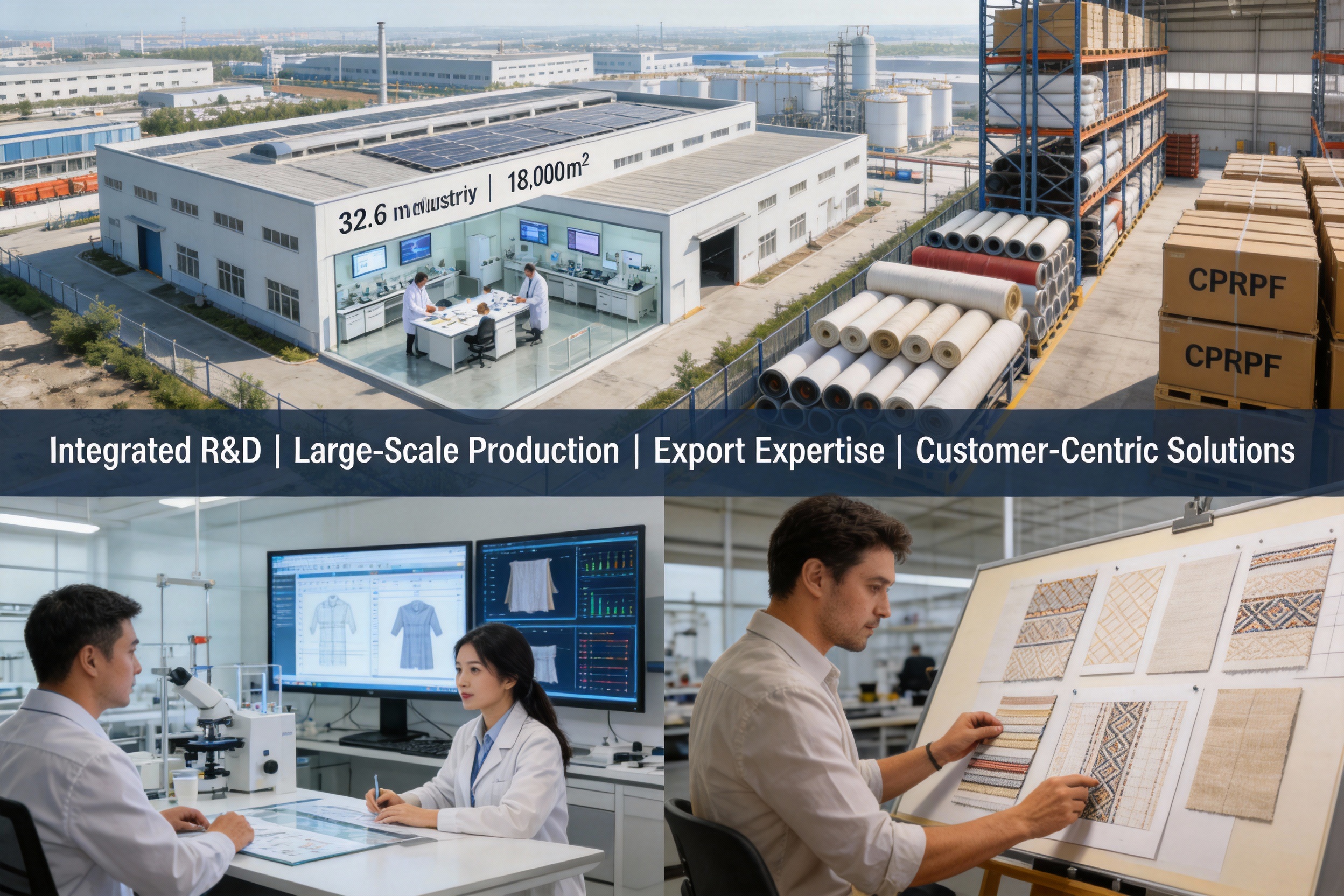
The company has a dedicated R&D team that works continuously to improve the quality and performance of CPRPF. The team conducts research on new fiber blends, manufacturing processes, and finishing techniques to address emerging market needs. For example, the R&D team recently developed a new blend of CPRPF with added spandex for enhanced elasticity, which is now used in activewear applications.
The R&D team also collaborates with universities and research institutions to stay abreast of the latest textile technologies, ensuring that the company remains at the forefront of innovation.
2. Large-Scale Production Infrastructure
The company’s production facility is located in a 32.6-acre industrial park, with a plant area of 18,000 square meters. The facility is equipped with state-of-the-art machinery, including circular knitting machines, jacquard looms, dyeing and finishing lines, and quality control equipment. This large-scale infrastructure allows the company to handle large wholesale orders efficiently, with a monthly production capacity of over 500,000 meters of CPRPF.
The facility also adheres to strict safety and environmental standards, with waste water treatment systems and energy-efficient equipment to minimize its carbon footprint.
3. Export & Wholesale Expertise
The company is a self-employed export enterprise, meaning it has direct access to international markets without relying on third-party distributors. This allows the company to offer competitive prices to wholesale customers around the world, including North America, Europe, Asia, and Australia.
The company’s export team has extensive experience in international trade, handling all aspects of the export process (e.g., customs documentation, shipping, logistics) to ensure that orders are delivered on time and in full. The company also offers custom packaging and labeling options to meet the specific needs of its customers.
4. Customer-Centric Approach
The company places a strong emphasis on customer satisfaction, with a dedicated customer service team that works closely with clients to understand their needs and provide tailored solutions. The company offers:
- Customization: The ability to create custom patterns, colors, and fiber blends based on customer requirements.
- Sample Testing: Free samples of CPRPF for customers to test before placing large orders.
- Flexible MOQs: Minimum order quantities that are suitable for both small businesses and large retailers.
- After-Sales Support: Assistance with product care, technical issues, and returns.
This customer-centric approach has helped the company build long-term relationships with clients around the world.
Q&A About Cotton Polyester Rayon Printing Fabric
Below are answers to common questions about CPRPF and the company that produces it:
Q1: What is the exact composition of CPRPF?
A1: The exact composition of CPRPF can vary based on the specific application, but a common formulation is 30% cotton, 40% polyester DTY, and 30% rayon. This ratio balances the softness of cotton, the strength of polyester, and the lustrous drape of rayon to create a high-performance fabric.
Q2: How does CPRPF compare to pure wool in terms of appearance and performance?
A2: CPRPF has a smooth, bright, and lustrous finish that closely resembles pure wool. However, it offers several advantages over wool: it is more durable, easier to care for (no need for dry cleaning), more cost-effective, and resistant to shrinking and fading. Additionally, CPRPF is more versatile than wool, as it can be used in outdoor applications (where wool would absorb moisture and take longer to dry).
Q3: Can CPRPF be used for outdoor furniture cushions?
A3: Yes, CPRPF is an excellent choice for outdoor furniture cushions. Its polyester component makes it resistant to water absorption and fading from sunlight, while its cotton and rayon components add softness and breathability. The fabric also undergoes a water-repellent finish during the manufacturing process, which further enhances its suitability for outdoor use.
Q4: Does the company offer custom printing or pattern options for CPRPF?
A4: Yes, the company offers custom jacquard patterns and printing options for CPRPF. Customers can provide their own designs or work with the company’s design team to create unique patterns that meet their specific needs. The minimum order quantity for custom patterns is typically 1,000 meters, but this can be adjusted based on customer requirements.
Q5: What is the minimum order quantity (MOQ) for wholesale purchases of CPRPF?
A5: The MOQ for wholesale purchases of CPRPF is 500 meters. However, the company offers flexible MOQs for small businesses and first-time customers, with the option to order smaller quantities (e.g., 100-200 meters) at a slightly higher price per meter. The company also offers free samples for customers to test before placing an order.
Q6: How does the company ensure that CPRPF is free from harmful chemicals?
A6: The company adheres to strict international standards, including OEKO-TEX® Standard 100, which certifies that textiles are free from harmful chemicals (e.g., heavy metals, formaldehyde). All raw materials are tested for chemical content before being used in production, and finished fabrics are tested again to ensure compliance with these standards. The company also uses eco-friendly dyes and finishing chemicals to minimize its environmental impact.
Q7: Can CPRPF be dyed in a wide range of colors?
A7: Yes, CPRPF can be dyed in a wide range of colors, from bright and vibrant hues to subtle pastels and neutrals. The company uses reactive dyes, which are known for their excellent color fastness and ability to produce consistent, vibrant colors. Customers can choose from over 100 standard colors or request custom colors based on their specific needs.
Q8: What is the lead time for wholesale orders of CPRPF?
A8: The lead time for wholesale orders of CPRPF is typically 15-20 days for standard orders (500-10,000 meters). For custom orders (e.g., custom patterns or colors), the lead time may be longer (25-30 days) to allow for design, sampling, and production adjustments. The company provides regular updates on order status to keep customers informed.
References
1. Textile Institute (2022). Blended Textiles: Performance and Applications. Manchester, UK: Textile Institute Publications.
2. Smith, J. (2021). Advances in Knitted Jacquard Fabrics. Journal of Textile Research, 12(3), 45-62.
3. Wang, L., Zhang, H., & Li, Y. (2023). Moisture Management Properties of Cotton-Polyester-Rayon Blends. International Journal of Textile Science, 10(2), 112-125.
4. European Textile Confederation (2022). Sustainable Textile Manufacturing Guidelines. Brussels, Belgium: ETC Press.
5. OEKO-TEX® Association (2023). OEKO-TEX® Standard 100: Certification Requirements for Textiles. Zurich, Switzerland: OEKO-TEX® Association.
Conclusion
Cotton Polyester Rayon Printing Fabric (CPRPF) is a versatile, high-performance textile that addresses the evolving needs of the modern textile industry. Its unique blend of cotton, polyester, and rayon offers a balance of durability, elasticity, moisture absorption, and aesthetic appeal that is unmatched by traditional fabrics. Whether used for business suiting, home furnishings, or outdoor applications, CPRPF delivers exceptional performance and value.
The company behind CPRPF plays a critical role in its success, with advanced manufacturing processes, integrated R&D capabilities, large-scale production infrastructure, and a customer-centric approach. By controlling every aspect of the supply chain—from yarn production to final quality testing—the company ensures that every batch of CPRPF meets the highest standards of quality and performance.
As consumer demands for versatile, sustainable, and cost-effective textiles continue to grow, CPRPF is poised to remain a leading choice for manufacturers, retailers, and consumers around the world. Its combination of functional properties and aesthetic appeal makes it a truly innovative solution for the modern textile market.