
TR Rome Fabric for Versatile Men’s and Women’s Clothing
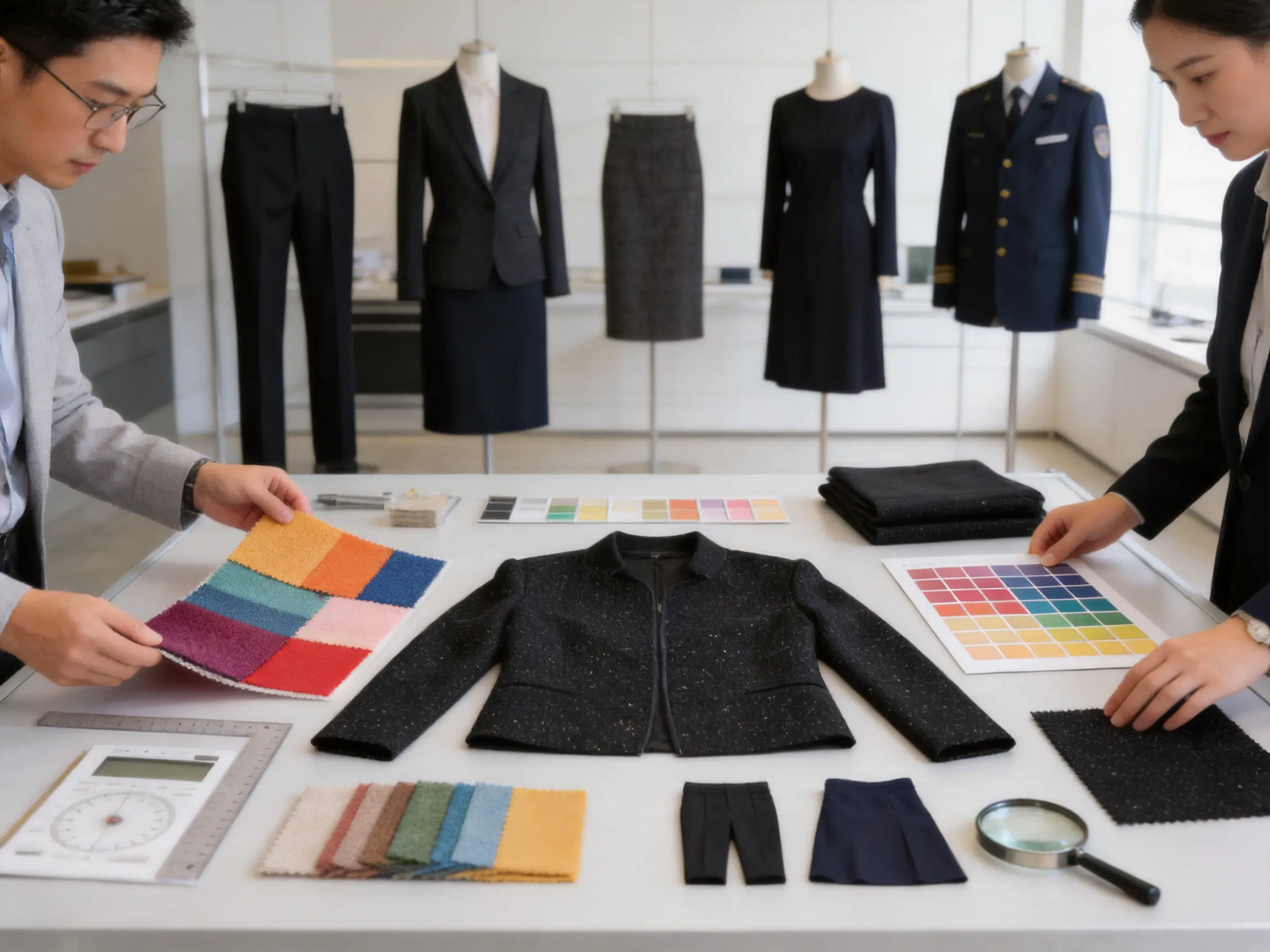
TR Rome fabric is a knitted polyester rayon fabric developed for manufacturers of men’s and women’s clothing who need a practical balance of appearance, comfort, durability, and production flexibility. As a type of NTR knitted fabric, it combines the useful performance of polyester with the soft hand feel and visual character associated with rayon. Its dense knitted construction gives garments a smooth appearance, dependable recovery, and a substantial yet comfortable drape.
The fabric is suitable for a broad range of apparel applications, including jackets, trousers, skirts, dresses, uniforms, waistcoats, fashion sets, officewear, and other garments that require a refined surface without the cost or maintenance demands of more delicate materials. It can also be dyed and printed in a wide selection of colors and patterns, allowing garment brands, wholesalers, and contract manufacturers to develop collections for different seasons and market segments.
TR Rome fabric is particularly attractive to clothing producers because it offers a practical alternative to fabrics that are either too light, too expensive, too difficult to maintain, or unsuitable for large-scale production. The fabric is designed for everyday use, repeated handling, and efficient garment manufacturing. Its polyester component contributes strength and dimensional stability, while the rayon component supports softness, comfort, and a more elegant textile appearance.
Manufactured and supplied by Hangzhou Jinfeng Textile Co., Ltd., the fabric benefits from an integrated business model that includes research and development, production, processing, post-dyeing, finishing, and sales. The company also produces and processes DTY polyester yarn and works with blended fabrics that may include polyester, rayon, spandex, and related fibers. This industrial background allows the supplier to understand the complete textile chain, from yarn preparation and knitting to dyeing, finishing, inspection, and delivery.
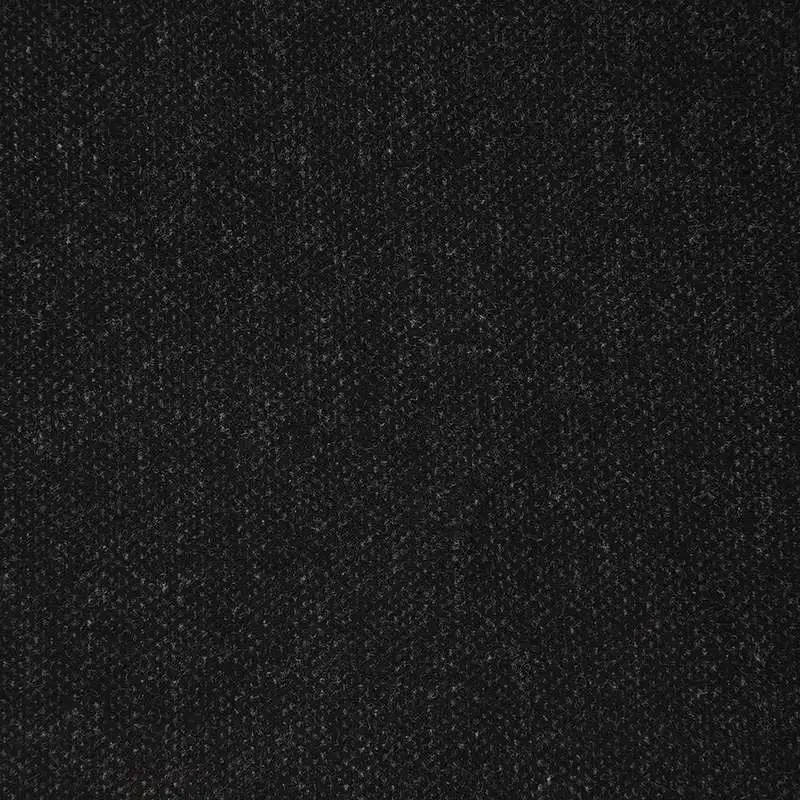
TR Rome Fabric(Men's and women's clothing fabrics)
Understanding TR Rome Fabric
The term “TR” generally refers to a textile blend made primarily from polyester and rayon. Polyester is valued for strength, resilience, resistance to wrinkling, and ease of care. Rayon is appreciated for its soft touch, fluid appearance, and ability to give fabric a more comfortable and natural-feeling surface. When these fibers are combined in a knitted construction, the result is a material that can provide both functional performance and fashion appeal.
Rome fabric is recognized for its stable knitted structure and smooth, relatively compact surface. Compared with many lightweight jersey materials, it usually presents a more substantial body and a cleaner silhouette. This quality is useful in garments that need to hold their shape without becoming rigid. The fabric can support tailored lines while retaining the comfort and movement expected from knitted clothing materials.
As an NTR knitted fabric, TR Rome fabric is appropriate for producers seeking a dependable fabric platform rather than a single-purpose specialty textile. Its characteristics make it adaptable to different garment designs. It can be used in relaxed styles, structured workwear, contemporary fashion pieces, and coordinated apparel collections. Depending on weight, color, finishing method, and garment design, the same general fabric category can serve multiple end uses.
The fabric’s construction also contributes to its visual consistency. Knitted loops provide flexibility and help the material move with the wearer. The polyester content helps the fabric resist excessive deformation during normal use, while the rayon content can improve the surface impression and tactile quality. These combined characteristics make TR Rome fabric a useful option for clothing companies that want a fabric with a polished appearance and practical production behavior.
Polyester and Rayon: A Complementary Fiber Combination
Polyester is one of the most widely used textile fibers because it offers strength, abrasion resistance, dimensional stability, and reliable processing performance. It is suitable for garments that must withstand frequent wear, transportation, folding, and repeated care. Polyester also accepts a wide range of dyeing and finishing treatments, helping manufacturers create consistent color collections.
Rayon contributes a different group of qualities. Its soft hand, smooth surface, and graceful drape can make a polyester-rich fabric appear more comfortable and refined. Rayon is often selected when a manufacturer wants to reduce the harsher or more synthetic feel that may be associated with some all-polyester fabrics. In TR fabric, the rayon component helps create a pleasant balance between performance and appearance.
The blend is therefore more versatile than either fiber might be when considered alone. A fabric made exclusively for maximum strength may not provide the desired softness, while a fabric chosen primarily for softness may require greater care or have lower resistance to deformation. TR Rome fabric addresses these competing requirements through a blended-fiber structure designed for commercial apparel production.
Principal Advantages of TR Rome Fabric
The main advantage of TR Rome fabric is its balanced performance. It is not limited to one narrow function. Instead, it provides a useful combination of durability, lightness, comfort, shape retention, visual appeal, color flexibility, and economical production. These characteristics are important for manufacturers that need to serve large orders and varied apparel programs.
Durability for Repeated Wear
TR Rome fabric is designed to offer dependable durability in clothing applications. The polyester component supports resistance to abrasion and ordinary mechanical stress. This is valuable in trousers, jackets, uniforms, skirts, and other garments that may experience frequent movement or repeated laundering. A durable fabric can help finished clothing maintain its appearance for longer and can reduce concerns about premature surface wear.
Durability also benefits the manufacturing process. Fabric that can tolerate cutting, sewing, pressing, folding, packing, and transport is less vulnerable to damage during production and distribution. A stable textile platform helps garment factories organize their workflow more efficiently and reduce avoidable losses caused by handling problems.
Lightweight Comfort
Although TR Rome fabric has a useful body, it is not unnecessarily heavy. Its relatively light and wearable construction can support all-day comfort in officewear, uniforms, travel garments, and fashion clothing. Lightness is especially important when garments are sold in warm climates, layered with other clothing, or transported in large volumes.
A lighter fabric can also improve logistics. Lower garment weight may help reduce packing volume and handling effort, while allowing brands to offer structured styles without making them feel cumbersome. The final result depends on the selected specification and garment design, but TR Rome fabric provides a practical starting point for comfortable, easy-to-wear apparel.
Reduced Heat Retention
The fabric is promoted for its ability to avoid excessive heat retention. This quality can make it suitable for garments worn indoors, during commuting, or in moderate and warm conditions. The knitted construction permits comfortable movement, while the blend can provide a surface that feels less dense and oppressive than heavier alternatives.
Heat comfort depends on fabric weight, garment pattern, lining, color, fit, climate, and finishing. Nevertheless, TR Rome fabric offers designers a useful option when they want structure and coverage without selecting a very heavy textile. It can therefore be considered for transitional-season clothing, lightweight suits, dresses, skirts, and versatile everyday garments.
Soft Hand and Refined Appearance
Rayon is an important contributor to the fabric’s hand feel. It can give TR Rome fabric a softer and smoother touch than many basic synthetic fabrics. This feature is valuable for garments worn close to the body and for fashion products where customers evaluate quality through both appearance and touch.
The fabric’s smooth face can support clean lines and a neat presentation. It is appropriate for clothing intended to look professional, modern, and well finished. A garment made from a fabric with a refined surface can be easier to position in workwear, business-casual, uniform, and mid-market fashion collections.
Shape Retention and Dimensional Stability
Knitted fabrics need to offer comfort without losing their shape too easily. The polyester component of TR Rome fabric helps support dimensional stability, while the knitted structure contributes stretch and movement. This combination can help garments maintain a consistent silhouette during normal wear.
Shape retention is especially useful in trousers, fitted skirts, jackets, dresses, and matching sets. It may reduce the tendency of garments to appear excessively tired after sitting, walking, or packing. Proper finishing, garment construction, and care instructions remain important, but the fabric itself provides a strong foundation for stable apparel.
Color and Pattern Versatility
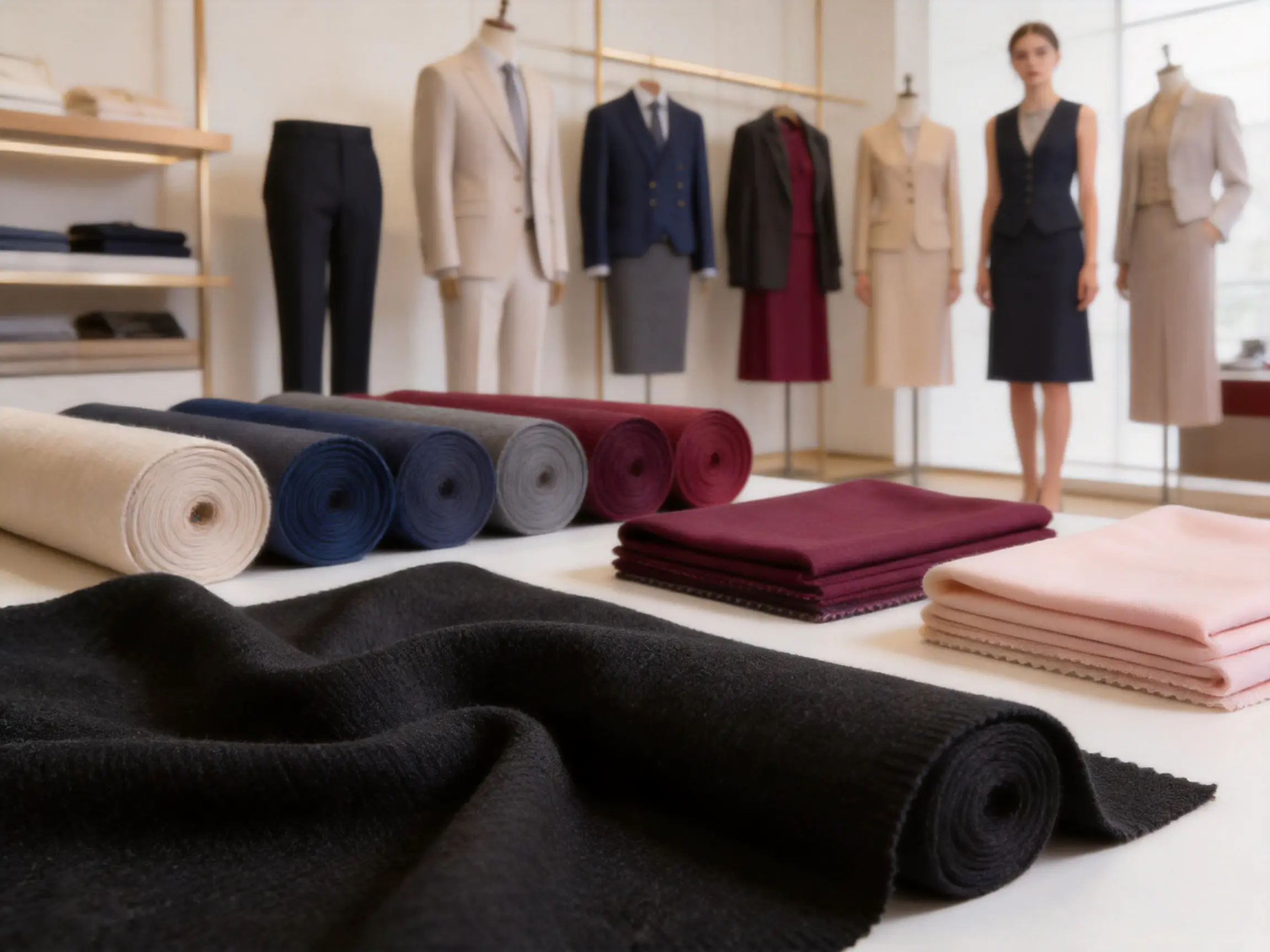
TR fabric can be dyed in many colors and printed with a variety of patterns. This flexibility allows manufacturers to create basic solids, seasonal shades, corporate colors, checks, stripes, abstract designs, floral motifs, and other visual effects. A broad color range is useful for clothing companies that need to refresh collections frequently or supply different markets.
Color versatility also supports customization. Uniform suppliers can coordinate fabric colors with organizational identity. Fashion brands can develop capsule collections around specific palettes. Wholesalers can request commercially popular shades, while garment factories can use one dependable fabric base for several designs and colorways.
Economical Commercial Value
TR Rome fabric is positioned as an economical choice for a wide range of buyers. The blend provides useful performance without requiring the cost associated with some premium natural fibers or highly specialized technical textiles. Its affordability can help brands control material budgets while maintaining a presentable and comfortable finished garment.
Cost efficiency is not limited to the purchase price. A fabric that is easy to process, available in multiple colors, suitable for various garments, and stable during production can reduce development complexity. Manufacturers may also benefit from using one versatile textile in several product lines instead of sourcing numerous narrow-purpose materials.
Comparison with Common Alternative Fabrics
TR Rome fabric competes with a wide variety of knitted and woven materials. Each alternative has its own strengths, but TR Rome fabric is attractive because it balances several requirements at once. The following comparison is a general purchasing guide; exact performance depends on fiber ratios, fabric weight, finishing, and testing conditions.
| Fabric Type | Typical Strength | Potential Limitation | Where TR Rome Fabric Can Offer an Advantage |
|---|---|---|---|
| All-polyester knit | Strength, easy care, dimensional stability | May feel less soft or less natural to some users | Rayon content can improve hand feel and drape while retaining polyester performance |
| Pure rayon fabric | Softness, fluid drape, comfortable surface | May require more careful handling and can be less stable | Polyester content supports durability and shape retention |
| Lightweight jersey | Flexibility and soft movement | May be too thin or lack body for tailored garments | Rome construction can provide a more substantial, polished silhouette |
| Heavy woven suiting | Structure and formal appearance | Can feel restrictive, heavy, or less comfortable during movement | Knitted construction offers greater flexibility and wearable comfort |
| Premium natural-fiber blends | Natural image and luxurious hand | Higher cost and potentially greater care requirements | TR fabric offers an economical alternative for high-volume apparel |
| Very light synthetic fabric | Low weight and low material consumption | May lack opacity, body, or resistance to deformation | TR Rome fabric can provide more coverage and a cleaner garment shape |
The principal competitive benefit is balance rather than an extreme result in only one category. Some fabrics may be softer, heavier, lighter, more elastic, or more luxurious than TR Rome fabric. However, clothing manufacturers often need a commercially reliable material that performs well across design, production, wear, and cost considerations. TR Rome fabric is designed for that middle ground.
Applications in Men’s and Women’s Clothing
TR Rome fabric can be developed for multiple apparel categories. Its suitability for a particular garment depends on the fabric specification, color, weight, finish, and required performance standard. Buyers should confirm the intended application through sampling and testing before bulk production.
Trousers and Tailored Pants
The fabric’s shape retention and smooth surface make it suitable for trousers, office pants, ankle-length pants, and contemporary tailored styles. A knitted fabric can provide more comfort than a rigid woven, especially in garments designed for long periods of sitting or movement. The fabric may also support a neat crease or clean leg line when the correct finishing and garment construction methods are used.
For women’s trousers, TR Rome fabric can provide a comfortable base for slim, straight, wide-leg, or cropped designs. For men’s clothing, it can be considered for business-casual pants, uniform trousers, travel garments, and coordinated separates. Pocket construction, waistband design, seam reinforcement, and garment wash requirements should be reviewed during product development.
Jackets and Blazers
TR Rome fabric can be used in lightweight jackets, unstructured blazers, fashion jackets, and matching suit pieces. Its body allows a garment to appear more polished than a very thin jersey, while its knitted construction may improve comfort and movement. Depending on the desired silhouette, the fabric can be used with or without additional lining, interlining, or shoulder structure.
Designers can use the fabric for single-color jackets, contrast-panel styles, and coordinated sets. Its ability to accept different colors and patterns makes it possible to develop formal, casual, corporate, and fashion-oriented products from the same general textile base.
Dresses and Skirts
For women’s clothing, TR Rome fabric is suitable for dresses and skirts that require a smooth surface, comfortable movement, and dependable coverage. It may be used in straight dresses, fit-and-flare styles, shirt dresses, midi skirts, pencil skirts, and other silhouettes. The fabric’s drape can help create a clean fall without making the garment look excessively thin.
In fitted designs, pattern engineering and seam placement are important. Designers should consider stretch direction, recovery, lining, seam allowance, and the interaction between fabric weight and garment shape. Sampling can help determine whether a style requires additional support or a particular finishing treatment.
Uniforms and Workwear
Commercial and institutional clothing often requires a combination of professional appearance, comfort, durability, and manageable cost. TR Rome fabric can meet these general needs in office uniforms, hospitality apparel, retail clothing, service garments, and coordinated staff wardrobes. Its broad dyeing potential also supports consistent corporate color programs.
Uniform manufacturers may value the fabric’s ability to support repeat orders and standardized product lines. When a textile is used in several styles, it becomes easier to coordinate trousers, skirts, jackets, dresses, and vests within one uniform collection. Buyers should establish testing procedures for colorfastness, dimensional change, seam performance, and care durability according to the end-use requirements.
Matching Sets and Fashion Collections
Modern consumers often purchase coordinated garments, such as matching jackets and trousers, skirts and tops, or complete fashion sets. TR Rome fabric is suitable for this concept because it can provide a consistent appearance across several garment categories. The same material can be dyed in complementary colors or printed in coordinated designs.
For fashion collections, the fabric offers a useful balance between development flexibility and commercial practicality. Designers can create minimalist solid-color garments, bold printed pieces, or seasonal capsule collections without changing to an entirely different textile base for every style.
Manufacturing and Processing Strengths
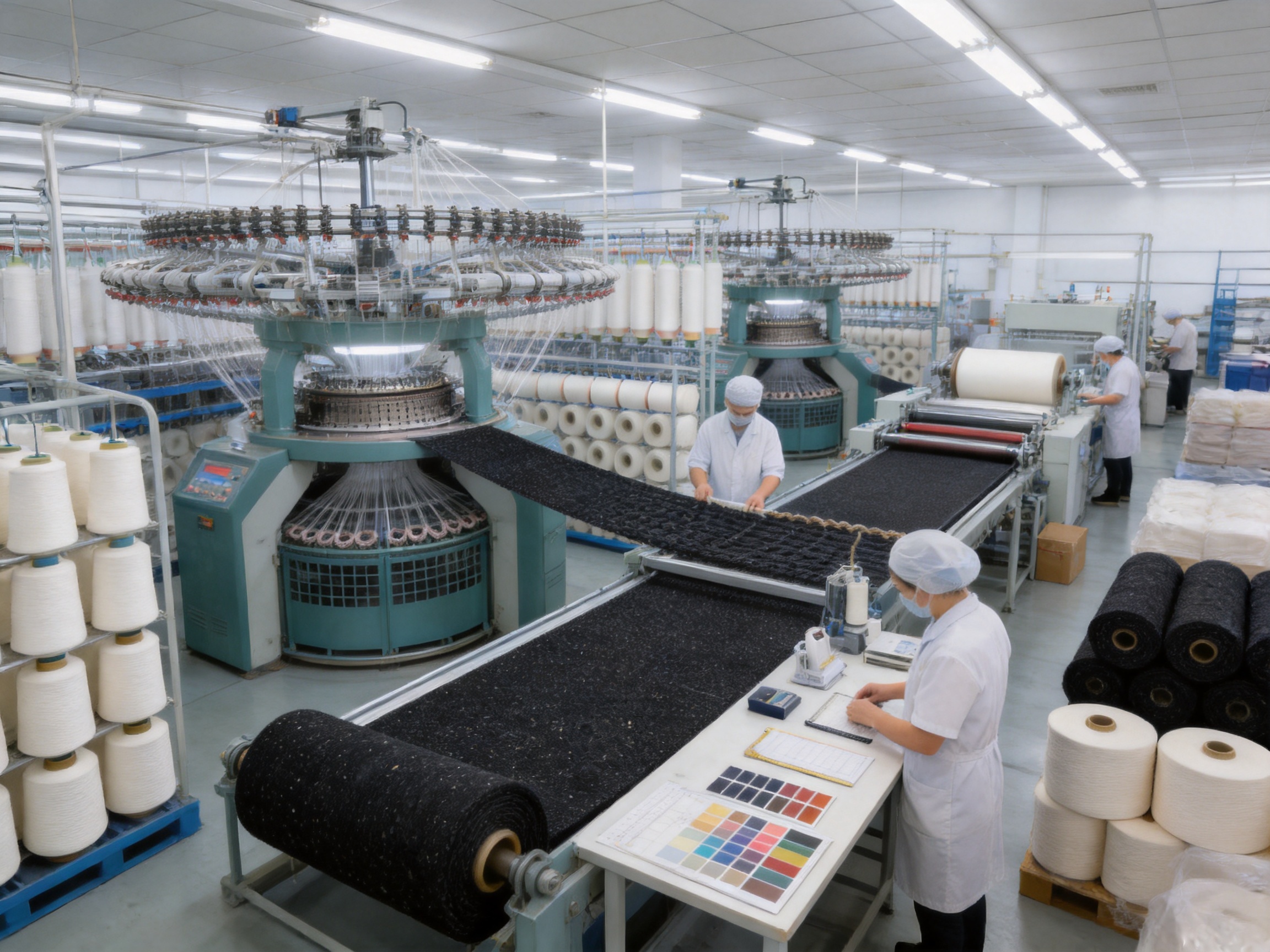
The performance of a finished fabric depends not only on the fiber blend but also on the quality of yarn preparation, knitting, dyeing, finishing, inspection, and order management. Hangzhou Jinfeng Textile Co., Ltd. operates across several parts of this textile chain. Its activities include the production, processing, post-dyeing, finishing, and sale of blended fabrics, as well as the production and processing of DTY polyester yarn.
This integrated capability is important because each stage affects the next. Yarn quality influences knitting stability. Knitting quality influences fabric appearance and dimensional behavior. Dyeing affects color consistency and surface character. Finishing affects handle, width, appearance, and usability. A supplier that understands these relationships can respond more effectively when a buyer needs a specific result.
Yarn Preparation and DTY Experience
Drawn Textured Yarn, commonly known as DTY polyester yarn, is produced through a process that combines drawing and texturing. Drawing helps orient the polymer chains and establish useful strength characteristics, while texturing introduces bulk, softness, and a degree of elasticity to the yarn. DTY is widely used in knitted and woven textiles because it can provide a practical balance between performance and fabric comfort.
Experience with DTY polyester yarn gives a textile manufacturer a stronger foundation for controlling yarn behavior during knitting. Yarn count, intermingling, texture, tension, and uniformity can influence the final fabric. The company’s product categories also include Slight Intermingled Draw Textured Yarn, reflecting its involvement in yarn varieties used for textile manufacturing.
For TR Rome fabric, reliable yarn preparation helps support regular knitting, stable fabric formation, and consistent dye uptake. Although exact yarn specifications are selected according to the required fabric construction, an understanding of DTY production allows the supplier to coordinate upstream materials with downstream fabric objectives.
Knitting Process Control
Knitting converts yarn into an interconnected loop structure. Compared with weaving, knitting generally provides greater flexibility and movement, which are valuable in apparel. However, knitted fabrics require careful control of machine settings, yarn tension, loop formation, fabric width, and take-down conditions.
A well-managed knitting process helps reduce problems such as uneven density, needle lines, dropped stitches, barré, width variation, and excessive curling. Process control is particularly important for fabric intended for tailored garments, because irregularities can become visible on large panels or clean garment silhouettes.
For TR Rome fabric, knitting parameters must be matched to the selected fiber blend and intended end use. The goal is to produce a fabric with appropriate body, surface smoothness, stretch behavior, and dimensional stability. Subsequent finishing can refine these qualities, but stable knitting provides the essential base.
Dyeing and Color Development
Dyeing gives TR Rome fabric its commercial versatility. Buyers may request standard colors, custom shades, seasonal colors, or coordinated color families. The supplier’s post-dyeing and finishing capabilities support the development of fabrics that meet different visual and tactile requirements.
Color development involves more than selecting a shade from a sample card. It may require laboratory dips, evaluation under different lighting conditions, testing against a standard, and confirmation of repeatability. Bulk dyeing should be managed carefully to minimize variation between lots. Shade continuity is especially important when fabric is used in matching garments or replenishment orders.
Printed TR fabric can further expand the product range. Printing may be used for stripes, checks, florals, geometric patterns, logos, and artistic motifs. The suitability of a particular printing method depends on the fabric surface, design complexity, color requirements, and desired durability. Buyers should confirm print sharpness, rubbing performance, washing behavior, and pattern repeat during development.
Post-Dyeing and Finishing
Finishing is used to improve the fabric’s appearance, handle, width, surface, and practical performance. Possible finishing objectives include stabilizing dimensions, improving softness, refining the face, controlling shrinkage, and creating a more uniform commercial presentation. The exact treatment should be selected according to the final garment application.
Post-dyeing finishing can also help prepare the fabric for cutting and sewing. A stable width and predictable relaxation behavior make marker planning and cutting more manageable. A smooth and even surface supports more consistent garment appearance. For structured clothing, appropriate finishing can help the material hold a clean line without losing the flexibility that makes knitted fabric comfortable.
Inspection and Order Coordination
Textile inspection is an essential part of commercial supply. Fabric rolls should be checked for visible defects, width, weight, color, surface consistency, and other agreed requirements. Buyers may use a recognized inspection system or develop specifications based on the end use. The inspection standard should be communicated before bulk production.
Order coordination is another important supplier strength. Textile buyers need clear communication about specifications, color standards, quantities, packaging, lead times, and shipping documentation. A manufacturer involved in production and sales can help connect technical discussions with commercial planning. This is particularly useful when a buyer requests custom colors, blended constructions, or repeat orders.
Quality Considerations for Buyers
Before purchasing TR Rome fabric in bulk, buyers should define the properties that matter most for their products. A fabric selected for a lightweight dress may require different specifications from one selected for trousers or uniforms. Clear requirements help the manufacturer recommend a suitable construction and finishing process.
Fiber Composition
Buyers should confirm the actual polyester and rayon percentages or the agreed blend specification. Fiber composition affects hand feel, appearance, strength, drape, shrinkage, dyeing behavior, and care performance. If the garment is intended for a regulated market, composition should be verified through appropriate laboratory testing and labeling procedures.
Fabric Weight and Width
Fabric weight influences opacity, drape, warmth, garment structure, and shipping cost. Width affects marker efficiency and material consumption. Both values should be confirmed using an agreed test method. A small difference in weight or width can affect the fit and appearance of finished clothing, especially in large production programs.
Stretch and Recovery
Because TR Rome fabric is knitted, buyers should evaluate its stretch and recovery in both relevant directions. Stretch affects comfort, fit, and ease of sewing. Recovery affects whether the garment returns to its intended shape after movement. Tests should be performed on representative samples and, where necessary, after washing or other care cycles.
Colorfastness
Colorfastness should be assessed according to the intended use. Relevant tests may include washing, rubbing, perspiration, light, and water resistance. Dark and vibrant colors may require particular attention. If the fabric is printed, the print should be evaluated separately for surface adhesion, rubbing, and wash durability.
Dimensional Change
Knitted fabric can relax or change dimensions after washing, steaming, or storage. Buyers should request dimensional-change data and conduct their own garment trials. Pattern allowances, cutting direction, relaxation time, and finishing conditions should be adjusted to the fabric’s behavior.
Surface Appearance and Pilling
Surface evaluation should consider smoothness, uniformity, fuzz, pilling tendency, and visual defects. Pilling performance may vary with fiber ratio, yarn type, knitting construction, finishing, and garment use. The buyer and supplier should agree on a test method and acceptance level before bulk production.
Environmental and Chemical Requirements
The supplied product information presents TR fabric as a material that does not contain harmful chemicals when disposed of. Buyers should treat such claims as a starting point for discussion and request the relevant technical documentation, restricted-substance declarations, and laboratory reports required for their market. Environmental suitability should be evaluated across raw materials, dyeing, finishing, production, use, and end-of-life handling.
Responsible textile purchasing requires transparency. Buyers may ask about chemical management, wastewater treatment, dyeing controls, worker safety, packaging, and waste reduction. Documentation should match the legal and commercial requirements of the destination country. A fabric’s environmental profile should be assessed through verifiable information rather than general statements alone.
Advantages of an Integrated Textile Supplier
Hangzhou Jinfeng Textile Co., Ltd. is located in Jingjiang Street Industrial Park, Xiaoshan District, Hangzhou City, Zhejiang Province. The company covers approximately 32.6 acres and has a plant area of about 18,000 square meters. Its operations integrate research and development, manufacturing, processing, post-dyeing, finishing, and sales of blended fabrics.
This scale gives the company a practical industrial base for serving domestic and international customers. It also supports the coordination of multiple product categories, including polyester rayon fabrics, knitted jacquard fabrics, NTR knitted fabrics, NR knitted fabrics, and DTY polyester yarn. A supplier with a broad technical range can often help buyers compare constructions and choose a material according to price, appearance, hand feel, and performance priorities.
Research and Development Orientation
Textile requirements change with fashion, climate, customer preferences, and regulatory expectations. Research and development helps a manufacturer adjust fabric construction, fiber blending, dyeing, and finishing to respond to these changes. For TR Rome fabric, development work may involve improving softness, color range, dimensional stability, surface appearance, or suitability for a particular garment category.
A development-oriented supplier can also assist with sampling. The sampling stage allows buyers to evaluate fabric appearance, handle, sewing behavior, garment fit, and care performance before committing to a large production volume. This process helps reduce risk and creates a clearer technical foundation for bulk orders.
Production and Sales Integration
When manufacturing and sales functions are closely connected, communication can move more directly between the buyer and the production team. Questions about fabric specifications, color, finishing, packaging, and delivery can be addressed with a better understanding of actual factory capabilities. This can reduce confusion and help buyers make more realistic production plans.
For overseas customers, export experience is especially valuable. International textile transactions require attention to documentation, packing, shipment timing, customs requirements, and product consistency. A self-operated export company with integrated manufacturing and sales experience can provide a more coordinated purchasing process.
Commitment to Cooperation
The company states that it follows a business philosophy based on cooperation and mutual benefit. In practical terms, this approach means that long-term textile supply should be built around clear specifications, consistent quality, responsive communication, and reliable service. These factors are important when buyers require repeat colors, scheduled deliveries, or ongoing product development.
A cooperative supplier relationship can also help both parties respond to problems. If a buyer identifies a color, handle, or dimensional issue during sampling, early communication gives the manufacturer an opportunity to adjust the process. Likewise, accurate feedback from the buyer helps the supplier improve future production and recommend more suitable specifications.
Production Workflow from Yarn to Finished Fabric
The production of a blended knitted fabric is a sequence of connected operations. Understanding this workflow helps buyers recognize why technical details should be confirmed at each stage.
Step One: Material Planning
Production begins with the selection of polyester yarn, rayon fiber or rayon-based yarn, and any additional material required by the approved specification. Yarn count, texture, strength, moisture condition, and compatibility influence the subsequent knitting process. If DTY polyester yarn is used, its texturing and intermingling characteristics should be appropriate for the desired fabric structure.
Step Two: Knitting Preparation
Yarns are prepared and arranged for the knitting machine. Tension must be managed carefully because uneven tension can create differences in loop size and fabric density. Machine settings are selected according to the construction, gauge, width, and weight required by the buyer.
Step Three: Fabric Formation
The knitting machine forms interconnected loops to create the fabric. During this stage, operators monitor the appearance and regularity of the textile. Any issues involving yarn breakage, needle condition, machine cleanliness, or tension can affect the finished roll and must be identified as early as possible.
Step Four: Relaxation and Preparation
Newly knitted fabric may require relaxation before further processing. Relaxation allows internal stresses to settle and helps reveal the fabric’s natural dimensions. This stage is important because measurements taken before stabilization may not accurately represent the final production condition.
Step Five: Dyeing or Printing
The prepared fabric is dyed or printed according to the approved color and design. Process conditions must be matched to the fiber blend. Temperature, time, chemical selection, liquor ratio, and washing procedures influence shade, levelness, hand feel, and colorfastness.
Step Six: Finishing
Finishing treatments refine the fabric for its intended use. The fabric may be treated to improve softness, stability, surface appearance, width control, or handling characteristics. The finishing route should be selected with consideration for the final garment, not only the fabric in roll form.
Step Seven: Inspection and Packing
After finishing, the fabric is inspected and measured. Approved rolls are packed to protect them during storage and transportation. Labels should identify relevant information such as style, color, lot, roll length, and production details. Proper packaging helps maintain order traceability and simplifies receiving inspection.
Design and Garment-Making Recommendations
Designers can obtain better results from TR Rome fabric by considering the fabric’s direction, weight, stretch, and recovery during pattern development. The knitted construction may behave differently from a woven fabric, even when both materials have similar visual weight. A sample garment or toile can help confirm fit and drape.
Cutting should be performed on fabric that has been adequately relaxed. The cutting layout should account for the direction of stretch and the need to match printed or patterned designs. For garments with a strong directional surface, all panels should be cut consistently. Efficient marker planning can reduce waste while preserving the correct grain and appearance.
Sewing equipment and thread should be selected according to the fabric’s thickness and stretch. Seam type, stitch density, needle size, and presser-foot pressure may affect seam appearance. Overly tight seams can restrict movement, while insufficient reinforcement may reduce durability at stress points. Testing a small section before bulk sewing is recommended.
Pressing and finishing should be controlled to avoid unwanted shine, distortion, or dimensional change. The appropriate temperature and pressure depend on the blend and finishing treatment. Garment manufacturers should follow the supplier’s technical recommendations and verify the result on a production sample.
Care labeling should be based on actual test results. Although polyester supports easy care, the rayon component and fabric finishing may influence washing and drying recommendations. Proper labeling helps consumers preserve the garment’s appearance and supports realistic product claims.
Sourcing TR Rome Fabric for Different Business Needs
Different buyers require different levels of customization. A fashion brand may prioritize color, hand feel, and small-batch development. A uniform producer may prioritize repeatability, color matching, durability, and delivery schedules. A wholesaler may need competitive pricing, broad inventory options, and several standard colors. TR Rome fabric can be specified for each of these purchasing situations.
For Fashion Brands
Fashion companies can use the fabric to build seasonal collections with multiple colorways and garment categories. Sampling should focus on drape, silhouette, surface appearance, print quality, and compatibility with the brand’s target price. The supplier can be asked to provide lab dips, sample yardage, and construction recommendations before collection approval.
For Uniform and Contract Apparel Producers
Uniform producers should establish clear standards for color, wear resistance, dimensional change, care, and replenishment. Since uniforms are often reordered over time, shade continuity and lot traceability are important. A stable fabric specification can help ensure that replacement garments coordinate with earlier production.
For Wholesalers and Distributors
Wholesalers may benefit from the fabric’s broad application range. One construction can potentially serve several customer groups, reducing the need to maintain an excessively complex product portfolio. Popular solid colors, standard widths, and commercially useful weights can support faster sales and simpler inventory planning.
For International Buyers
International buyers should confirm export documentation, packing standards, labeling, testing requirements, and delivery arrangements at the quotation stage. It is also advisable to establish an approval procedure for samples and bulk production. Clear communication about inspection criteria can prevent misunderstandings after shipment.
Why TR Rome Fabric Is a Practical Competitive Choice
The competitive position of TR Rome fabric comes from its ability to meet several common apparel requirements simultaneously. It offers a refined appearance without demanding the cost of some premium fabrics. It provides comfort and movement without sacrificing all structural support. It can be dyed and printed in numerous designs, yet remains suitable for standardized commercial production.
Its polyester rayon composition is also strategically useful. Polyester helps provide strength, resilience, and production stability. Rayon supports softness and drape. The knitted construction adds flexibility. Together, these elements give manufacturers a fabric that can be adapted to both men’s and women’s clothing.
Compared with a very light jersey, TR Rome fabric can provide greater body and a more finished appearance. Compared with a heavy woven, it may offer better comfort and freedom of movement. Compared with pure rayon, it can provide greater durability and easier commercial handling. Compared with basic all-polyester fabric, it may offer a more pleasant tactile experience.
These advantages make the fabric appropriate for companies that compete through value, reliable supply, design flexibility, and practical performance. It is not simply a low-cost material; it is a commercially balanced textile intended to support a broad range of clothing programs.
Frequently Asked Questions
What is TR Rome fabric?
TR Rome fabric is a knitted polyester rayon fabric. The polyester component contributes strength, resilience, and dimensional stability, while rayon contributes softness, drape, and a comfortable surface. The Rome knitted construction gives the material useful body and flexibility for apparel.
What does TR mean in textile terminology?
TR commonly identifies a polyester and rayon blend. The exact percentages can vary by product specification, so buyers should confirm the composition with the supplier before placing an order or preparing product labels.
Is TR Rome fabric suitable for men’s clothing?
Yes. It can be used for trousers, lightweight jackets, blazers, waistcoats, uniforms, business-casual garments, and coordinated sets. Its smooth appearance, comfort, and shape retention are useful for many men’s apparel designs.
Is TR Rome fabric suitable for women’s clothing?
Yes. It is suitable for dresses, skirts, trousers, jackets, fashion sets, officewear, and other women’s garments. Its soft hand, drape, color flexibility, and knitted comfort support a wide variety of silhouettes.
Does the fabric retain heat?
The product information describes TR Rome fabric as lightweight and not prone to heat retention. Actual comfort depends on weight, garment design, lining, fit, color, climate, and finishing. Buyers should evaluate samples under the intended conditions.
Can TR Rome fabric be dyed in custom colors?
Yes. The fabric can be dyed in many colors, including customized shades subject to development and minimum-order requirements. Buyers should approve laboratory dips or color standards before bulk dyeing.
Can it be printed?
Yes. TR fabric can be printed with different colors and patterns. The appropriate printing process depends on the design, fabric surface, color depth, and required durability. Print samples should be tested before production approval.
Is TR Rome fabric durable?
It is designed to provide useful durability for apparel. Polyester supports resistance to ordinary wear and handling, while the knitted construction provides comfort. The final durability depends on blend ratio, fabric weight, finishing, garment construction, and care conditions.
How does TR Rome fabric compare with pure rayon?
TR Rome fabric generally provides greater polyester-based strength and dimensional stability than pure rayon, while retaining some of rayon’s soft hand and drape. Pure rayon may feel more fluid, but it can require more careful handling depending on its construction and finish.
How does it compare with all-polyester fabric?
All-polyester fabric may provide strong performance and easy care. TR Rome fabric adds rayon to improve softness, tactile comfort, and visual drape. The best option depends on the garment’s required performance, price, and hand-feel target.
What quality tests should buyers request?
Depending on the intended use, buyers may request tests for fiber composition, weight, width, colorfastness, dimensional change, stretch and recovery, pilling, abrasion, and seam performance. Environmental and restricted-substance documentation may also be necessary for specific markets.
Can the fabric be used for uniforms?
Yes. Its professional appearance, color flexibility, comfort, and practical cost make it suitable for many uniform programs. Uniform buyers should confirm durability, care performance, color consistency, and replenishment procedures.
What is DTY polyester yarn, and why is it relevant?
DTY means Drawn Textured Yarn. It is made by drawing and texturing polyester yarn to develop useful strength, bulk, softness, and textile performance. Experience with DTY production can support better control of yarn behavior used in knitted and blended fabrics.
What information should be included in a fabric inquiry?
A buyer should specify the intended garment, fiber composition, target weight, width, color, quantity, stretch requirement, finishing preference, testing requirements, delivery destination, and desired packaging. Reference samples or technical drawings can make communication more precise.
Is a sample recommended before bulk purchasing?
Yes. A sample allows the buyer to assess appearance, hand, drape, stretch, recovery, sewing behavior, color, and care performance. For important orders, a garment trial and pre-production approval are recommended in addition to a small fabric sample.
Conclusion
TR Rome fabric is a versatile NTR knitted fabric for manufacturers seeking a practical combination of polyester performance and rayon comfort. Its advantages include durability, lightness, reduced heat retention, smooth appearance, useful shape retention, broad dyeing and printing options, and economical commercial value. These characteristics make it suitable for men’s and women’s clothing, including trousers, jackets, skirts, dresses, uniforms, officewear, and coordinated fashion collections.
The product is strengthened by an industrial supply background that includes blended-fabric production, DTY polyester yarn manufacturing, knitting, post-dyeing, finishing, research and development, and export-oriented sales. This integrated capability can help buyers manage fabric development from yarn selection through finished textile delivery.
For the best result, buyers should define their technical requirements clearly, approve samples, confirm color and dimensional standards, and conduct testing appropriate to the end use. When correctly specified and processed, TR Rome fabric offers a dependable platform for clothing manufacturers that need comfort, appearance, production efficiency, and competitive value in one textile solution.
References
1. Product information supplied for TR Rome Fabric, polyester rayon knitted fabric for men’s and women’s clothing.
2. Product category information for NTR knitted fabric, polyester rayon fabric, knitted jacquard fabric, NR knitted fabric, and Slight Intermingled Draw Textured Yarn.
3. General textile manufacturing principles concerning polyester, rayon, knitted fabric construction, dyeing, finishing, and garment production.
4. General technical background on Drawn Textured Yarn, including drawing, texturing, yarn preparation, and applications in knitted textiles.
5. General quality-control practices for apparel fabrics, including colorfastness, dimensional stability, fabric weight, width, stretch recovery, pilling, and abrasion evaluation.
6. Company information supplied for Hangzhou Jinfeng Textile Co., Ltd., including manufacturing facilities, blended-fabric production, DTY polyester yarn production, research and development, finishing, sales, and export activities.