
TR Rome Fabric: A Technical Guide to Performance, Manufacturing Quality, and Apparel Applications

Introduction to TR Rome Fabric
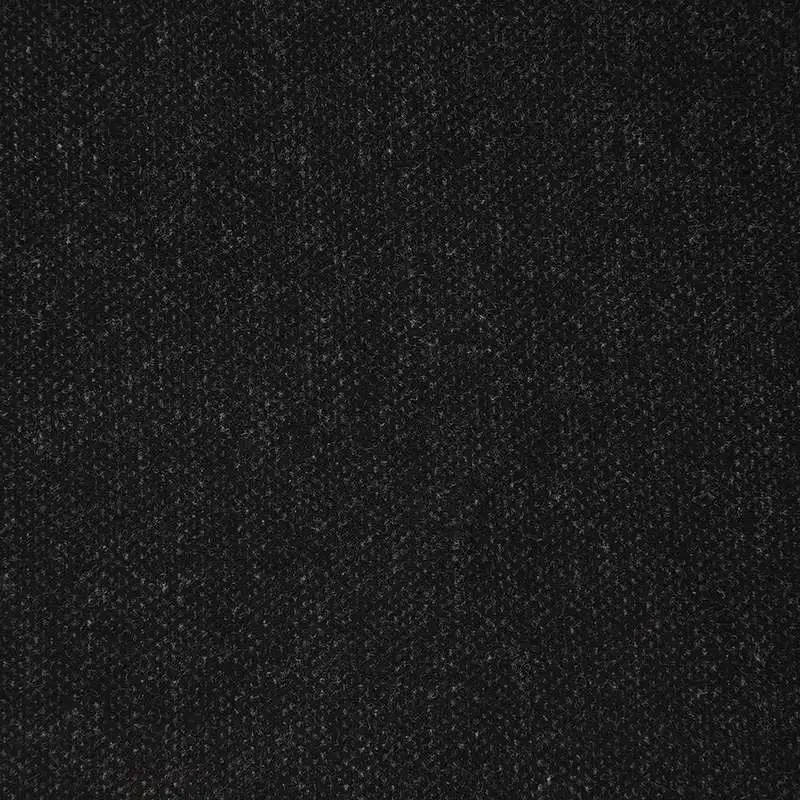
TR Rome fabric is a knitted textile made primarily from a polyester and rayon blend. It is designed for apparel manufacturers seeking a practical combination of softness, durability, dimensional stability, manageable cost, and attractive appearance. Within the broader category of NTR knitted fabrics, this material is suitable for men’s and women’s clothing, uniforms, fashion garments, lightweight jackets, trousers, skirts, dresses, and many other textile products.
The name “TR” generally refers to a blend of polyester and rayon. Polyester contributes strength, abrasion resistance, shape retention, easy care, and reliable production performance. Rayon contributes a smoother hand feel, improved drape, and a more natural visual character. When these fibers are knitted and finished correctly, the resulting fabric can provide a balanced performance profile that is difficult to achieve with a single-fiber textile.
TR Rome fabric is particularly useful for buyers who need a fabric that can move between commercial fashion, workwear, uniforms, and everyday apparel. It can be dyed in a wide range of colors and may also be suitable for printed designs, depending on the specific construction, finishing method, and intended end use. Its adaptability allows garment makers to develop both understated business clothing and more visually expressive products.
A successful TR Rome fabric is not defined only by its fiber content. Knitting quality, yarn selection, loop structure, dyeing control, finishing accuracy, inspection standards, and packing procedures all influence the final result. For this reason, the capabilities of the textile manufacturer are as important as the nominal composition shown on a specification sheet.
Hangzhou Jinfeng Textile Co., Ltd. operates across blended fabric production, post-dyeing, finishing, sales, and the production and processing of drawn textured polyester yarn. Its integrated experience provides a foundation for producing fabrics with closer control over raw materials, processing conditions, color consistency, and delivery requirements.
TR Rome Fabric(Men's and women's clothing fabrics)
What Is TR Rome Fabric?
TR Rome fabric is a knitted fabric made from a polyester-rayon blend. The exact percentage of polyester and rayon can vary according to the product specification, performance target, customer requirement, and intended garment application. Some constructions may also include elastane or other fibers when additional stretch or recovery is required.
The term “Rome” is commonly associated with a stable, compact knitted construction. Compared with very loose single jersey fabrics, a Rome-style knit can offer a denser surface, a more substantial hand, and better resistance to deformation. The fabric may retain a smooth appearance while providing enough body for structured garments.
As a knitted textile, TR Rome fabric differs from a woven textile in the way its yarns are formed into loops. This looped construction gives knitted fabric a degree of natural flexibility and comfort. It can follow body movement more easily than many rigid woven fabrics, making it appropriate for garments that require ease of motion.
The fabric’s performance depends on several interacting factors, including:
• Polyester and rayon fiber proportions.
• Yarn count, yarn type, and yarn quality.
• Knitting machine gauge and construction parameters.
• Loop density and fabric weight.
• Dyeing temperature, time, and chemical control.
• Washing, drying, compacting, and heat-setting conditions.
• Final inspection and packaging practices.
Because these factors influence one another, a manufacturer must manage the product as a complete process rather than treating knitting, dyeing, and finishing as independent operations. Integrated production experience helps reduce variation between batches and makes it easier to adjust the fabric for a particular customer’s use.
Polyester’s Contribution
Polyester is valued for its tensile strength, resistance to abrasion, relatively low moisture absorption, and ability to maintain its shape. In a blended knit, polyester can help the fabric withstand regular wear, repeated handling, and common garment-care conditions. It can also support efficient production because polyester yarns are widely available in different specifications and are compatible with numerous knitting and dyeing systems.
The polyester component may also contribute to color durability and surface stability when the fabric is processed correctly. Properly selected polyester yarn and controlled dyeing conditions can help create a consistent appearance across a production lot.
Rayon’s Contribution
Rayon is valued for its soft hand, fluid drape, and visually appealing surface. It can make a polyester-rich blend feel less synthetic and more comfortable against the skin. Rayon also helps produce garments with a graceful fall, which is important for dresses, blouses, skirts, fashion tops, and other styles where movement and appearance matter.
Rayon requires careful processing because its behavior during wet treatment and drying can differ from that of polyester. A knowledgeable manufacturer must consider shrinkage, tension, surface appearance, and dimensional stability when handling the blend.
Key Product Advantages
TR Rome fabric offers a balance of qualities that can be attractive to apparel brands, garment factories, wholesalers, uniform suppliers, and textile distributors. Its principal advantage is not that it maximizes one isolated property, but that it provides a practical combination of performance, comfort, appearance, and cost.
Balanced Durability and Comfort
Pure polyester fabrics can be strong and easy to care for, but some buyers may prefer a softer and more natural-feeling surface. Rayon can improve comfort and drape, while polyester reinforces the blend’s durability and shape retention. The result is a textile suitable for garments that must look presentable while tolerating regular use.
This balance can make TR Rome fabric a practical alternative to both basic synthetic knits and more expensive premium natural-fiber fabrics. It provides a commercial solution for customers who need dependable wear performance without sacrificing the hand feel expected in modern apparel.
Lightweight and Comfortable Construction
TR Rome fabric can be produced in lightweight or medium-weight specifications, depending on the intended application. A controlled knitted construction can provide sufficient body without making the garment unnecessarily heavy. This is helpful for clothing designed for indoor use, transitional seasons, travel, uniforms, and layered styling.
A lighter fabric can also simplify shipping, storage, and garment handling. For manufacturers, lower fabric weight may contribute to more efficient material usage and easier cutting. For consumers, it can improve comfort in daily wear.
Reduced Heat Retention
The supplied product information emphasizes that the fabric does not retain excessive heat. In practical terms, a suitable knitted construction can support comfortable wear by combining a relatively light structure with air movement through the textile. Actual thermal behavior depends on fabric weight, compactness, garment design, finishing, humidity, and the surrounding environment.
For this reason, TR Rome fabric can be considered for clothing that requires a balance between coverage and comfort. It may be used in business-casual garments, uniforms, fashion separates, and other products where the wearer needs a material that is not overly bulky.
Shape Retention and Dimensional Stability
Garments made from unstable fabric can lose their appearance after washing, pressing, or repeated wear. Polyester helps provide shape retention, while controlled knitting and finishing can improve dimensional stability. Proper finishing is essential because fiber content alone does not guarantee that the finished fabric will maintain its original measurements.
Manufacturers can manage width, weight, shrinkage, and surface condition through processes such as controlled drying, compacting, heat setting, and final inspection. The appropriate combination depends on the construction and customer specification.
Versatile Color and Pattern Potential
TR Rome fabric can be dyed in many colors, allowing buyers to develop seasonal collections, corporate uniforms, coordinated garment ranges, and private-label products. It may also support printing for selected designs, although printability should be confirmed through laboratory testing and sample approval before bulk production.
Color flexibility is a commercial advantage because it allows the same general fabric platform to serve multiple markets. A single fabric quality may be developed in dark business colors, neutral everyday shades, bright fashion tones, or custom brand colors.
Competitive Cost
The polyester-rayon blend offers a cost structure that can be more accessible than many premium textile alternatives. Polyester is widely used and can support efficient production, while rayon provides added comfort and appearance value without requiring a fully natural-fiber composition.
Cost competitiveness is especially important for uniforms, workwear, wholesale fashion, mass-market apparel, and large-volume programs. A fabric that delivers acceptable performance at a manageable price can help garment producers control product costs while maintaining a professional appearance.
Broad Application Range
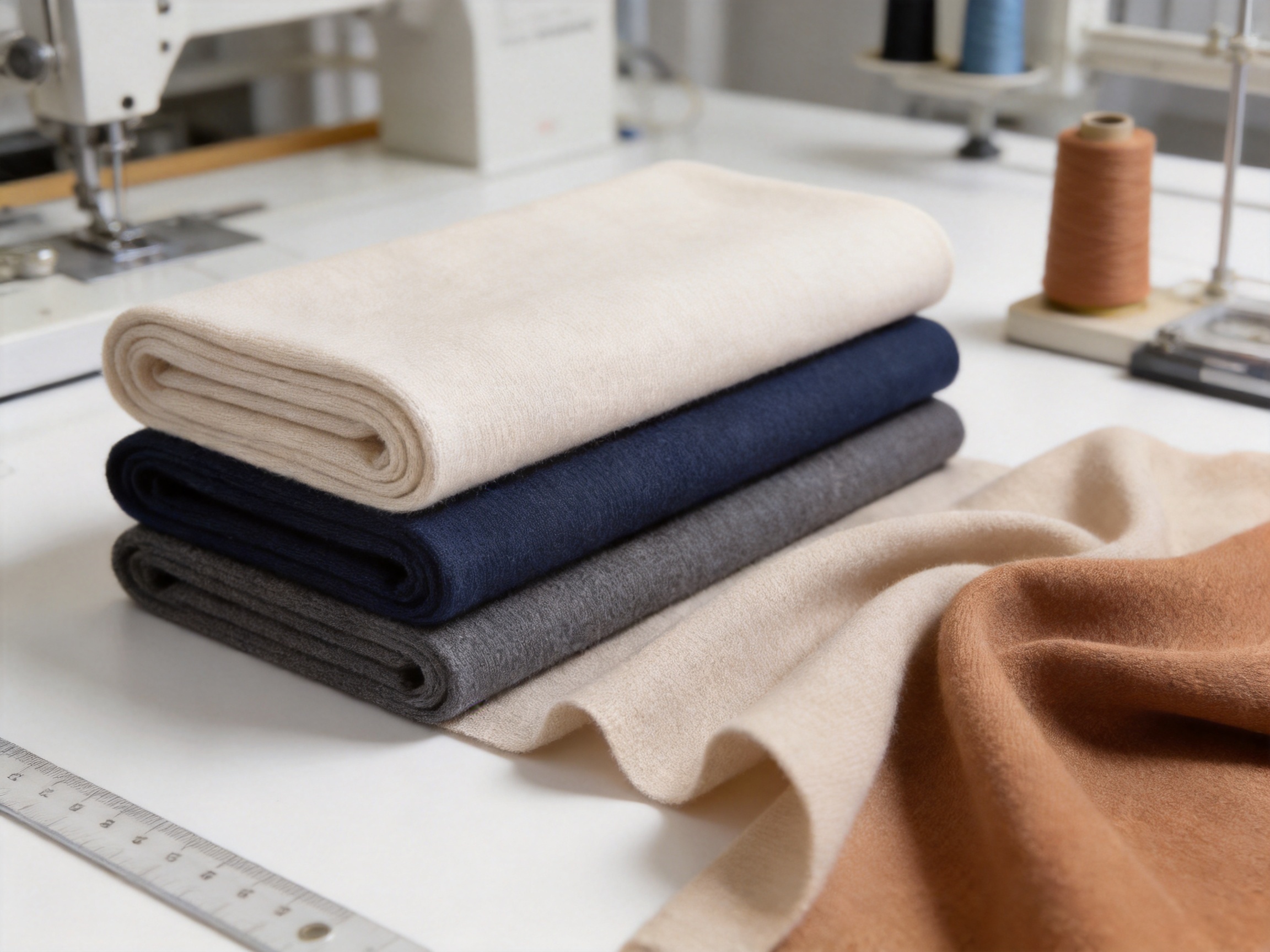
TR Rome fabric can be used for men’s and women’s clothing, including trousers, dresses, skirts, jackets, tops, office wear, uniforms, and coordinated sets. Its flexibility makes it useful for customers who want to simplify sourcing by selecting one reliable textile family for multiple product categories.
The final application should be selected according to fabric weight, width, stretch, colorfastness, pilling behavior, shrinkage, and care requirements. Sampling remains essential because the best specification for a structured jacket may differ from the best specification for a soft dress or lightweight top.
| Performance area | Contribution of TR Rome fabric | Importance to buyers |
|---|---|---|
| Durability | Polyester supports strength and abrasion resistance | Suitable for regular wear and repeated garment use |
| Comfort | Rayon contributes softness and a smoother hand | Improves wearer acceptance and garment feel |
| Appearance | Compact knitted construction can provide a clean, stable surface | Supports polished fashion and uniform designs |
| Care performance | Polyester can assist shape retention and easy handling | Helps reduce maintenance concerns |
| Design flexibility | Suitable for varied colors and selected printing applications | Supports seasonal and customized collections |
| Cost control | Blended construction can offer commercial pricing | Useful for wholesale and volume programs |
Advantages Over Alternative Fabrics
Every fabric has strengths and limitations. The value of TR Rome fabric becomes clearer when it is compared with common alternatives. These comparisons should be understood as general guidance because actual performance depends on the individual specification and manufacturing quality.
Compared with Basic Polyester Knits
Basic polyester knits can be durable, economical, and easy to produce. However, some polyester-only materials may have a more synthetic hand or less fluid drape. The rayon component in TR Rome fabric can improve softness and create a more refined surface impression.
For apparel brands that want polyester’s practical performance but do not want an overly technical or artificial feel, a polyester-rayon blend can be a useful middle option. It can offer a more comfortable touch while preserving much of the durability associated with polyester.
Compared with Lightweight Single Jersey
Lightweight single jersey is comfortable and flexible, but it may curl at the edges, show a more casual appearance, or lack the body required for tailored garments. TR Rome fabric, when produced with a compact and stable construction, can provide a more structured surface and a more substantial hand.
This makes it better suited to garments that need visual neatness, including office wear, dresses, skirts, trousers, and uniforms. The choice still depends on the desired drape and weight, but the Rome-style construction can provide a useful alternative to very light jersey.
Compared with Woven Blends
Woven polyester-rayon fabrics can provide excellent structure and dimensional stability, but they may not offer the same flexibility or comfort in movement as a knitted fabric. TR Rome fabric benefits from its looped construction, which can make garments easier to wear and more adaptable to body movement.
For designs requiring a degree of stretch-like comfort without an excessively elastic appearance, a suitable knitted structure can be advantageous. However, where sharp tailoring, crisp creases, or highly formal suiting structure is required, a woven fabric may remain preferable.
Compared with High-Cost Natural-Fiber Fabrics
Natural fibers can provide excellent comfort and a distinctive hand, but they may also involve higher material costs, greater shrinkage, more demanding care, or less consistent supply. TR Rome fabric can provide a commercially balanced alternative by combining rayon’s soft feel with polyester’s practical performance.
This does not mean that TR Rome fabric replaces every natural-fiber textile. Instead, it gives product developers another option when they need repeatable production, consistent pricing, easy-care performance, and a broad choice of colors.
Manufacturing Process
The quality of TR Rome fabric begins with controlled manufacturing. A reliable production system should manage the fabric from yarn selection through knitting, dyeing, finishing, inspection, and packing. Each stage has a direct influence on appearance, hand feel, dimensional stability, and customer satisfaction.
Raw Material and Yarn Selection
The first step is selecting suitable polyester, rayon, and, where required, elastane or other fibers. Yarn quality affects knitting efficiency, fabric regularity, surface appearance, strength, and dyeing behavior. The manufacturer must select yarn specifications that match the desired fabric weight, construction, stretch, and end use.
The company’s experience in DTY polyester yarn production and processing provides an additional technical foundation. Drawn textured yarn can be engineered to provide particular bulk, flexibility, surface character, and processing behavior. When yarn production and fabric manufacturing experience are connected, it becomes easier to understand how raw material choices influence the final knitted product.
Incoming yarn should be checked for count, uniformity, tensile properties, moisture condition, appearance, and packaging integrity. Consistent raw materials reduce the risk of variation during knitting and dyeing.
Knitting Preparation
Before knitting begins, the production team prepares the yarn packages and machine settings. Tension, feeding speed, needle condition, gauge, and construction parameters must be controlled carefully. Small differences in yarn tension can create visible variations in loop size, weight, width, or surface appearance.
Machine cleanliness and maintenance are also important. Needles, sinkers, feeders, and other working components should be inspected regularly. Preventive maintenance helps reduce dropped stitches, barré, holes, uneven structures, and unplanned production interruptions.
Knitting the Fabric
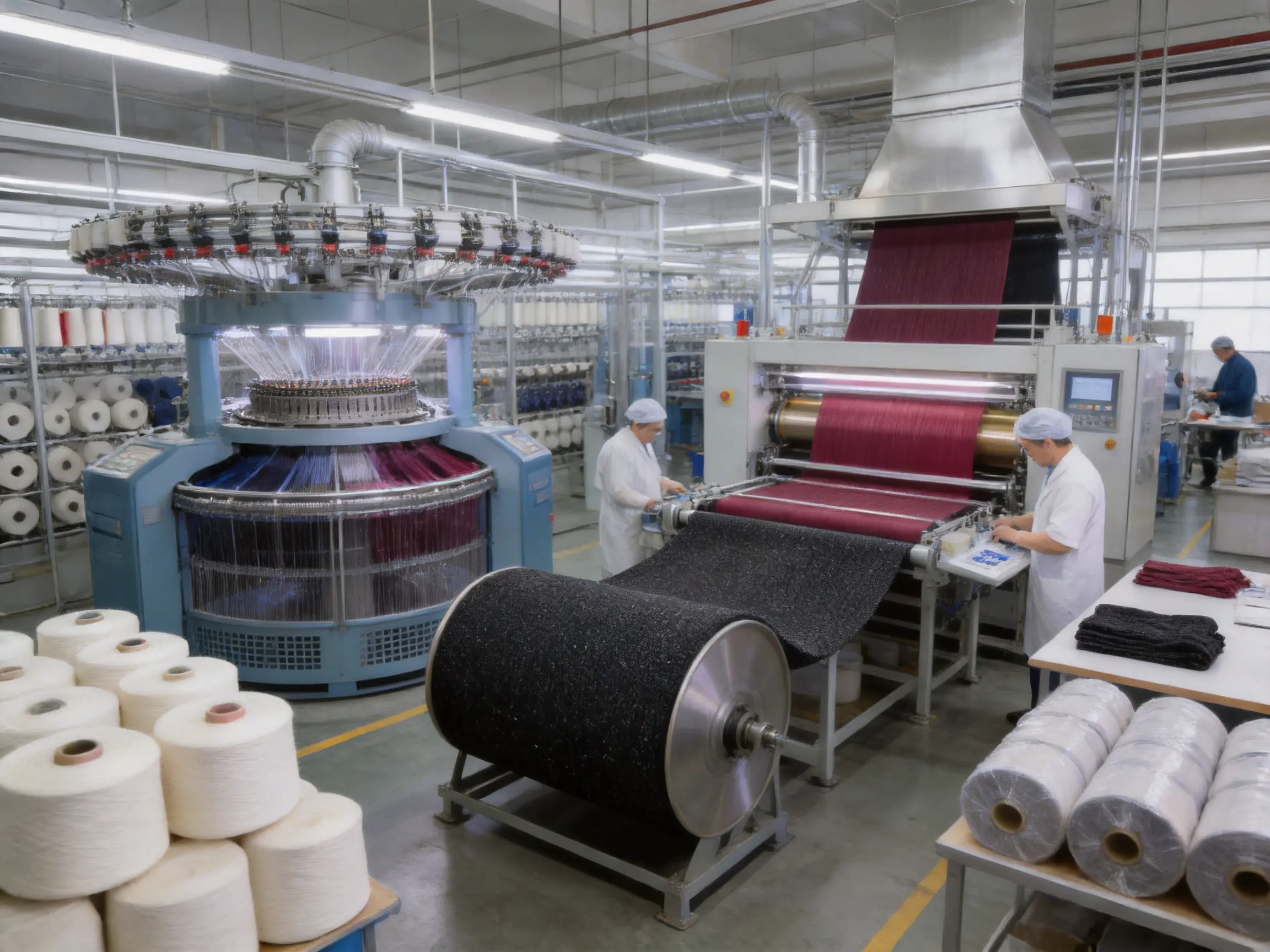
During knitting, yarns are formed into interconnected loops. The selected construction determines the fabric’s flexibility, thickness, surface texture, recovery, and appearance. A Rome-style knitted fabric generally requires attention to compactness and stability so that it provides sufficient body for apparel use.
Operators monitor fabric weight, width, loop formation, tension, and visible defects. Trial knitting is useful when developing a new specification because it allows the manufacturer to assess the relationship between machine settings and the desired finished performance.
After knitting, the fabric may be inspected in a grey or unfinished state. Early inspection can identify issues before the material proceeds to wet processing. This helps reduce waste and prevents large quantities of defective fabric from moving to later stages.
Dyeing and Color Development
Dyeing is one of the most important stages in the production of TR Rome fabric. The process must be selected according to the fiber blend, fabric construction, target shade, colorfastness requirements, and customer standards. Polyester and rayon can respond differently to dyes and processing conditions, so blend dyeing requires technical control.
Color development usually begins with laboratory sampling. A small sample is dyed to evaluate shade, depth, tone, hand feel, and dimensional change. The laboratory result is then used to establish a production recipe. Approval samples help ensure that the buyer and manufacturer share the same color expectation before bulk processing begins.
Production dyeing requires accurate dosing, temperature control, circulation, timing, and pH management. Uneven heating, inadequate circulation, incorrect chemical quantities, or excessive tension can create shade variation, streaks, patchiness, or unwanted changes in the fabric hand.
Color matching should be evaluated under appropriate lighting conditions. Buyers may also require testing for washing fastness, rubbing fastness, perspiration fastness, light fastness, and other performance indicators. The required tests depend on the destination market and garment application.
Post-Dyeing and Washing
After dyeing, the fabric may undergo washing or clearing processes to remove residual substances and improve the surface condition. Post-dyeing treatment can influence softness, cleanliness, color appearance, and the final hand feel.
Because rayon can be sensitive to wet processing and tension, the fabric must be handled carefully. Excessive mechanical stress may cause distortion or unnecessary surface damage. Controlled extraction and drying help preserve the intended width and appearance.
Finishing and Dimensional Control
Finishing converts dyed knitted fabric into a more stable and commercially usable product. Depending on the specification, finishing may include softening, compacting, heat setting, drying, brushing, calendaring, or other treatments. The objective is to achieve the required width, weight, shrinkage, surface appearance, and hand feel.
Dimensional stability is especially important for garment production. If the fabric changes significantly after cutting or washing, panels may not align correctly and finished garments may lose their intended measurements. Controlled finishing helps reduce these risks.
Finishing also influences the tactile identity of the fabric. A buyer may request a dry hand, soft hand, smooth surface, fuller body, or more fluid drape. The manufacturer can adjust the process within the limitations of the fiber blend and knitted construction.
Inspection and Quality Assurance
Final inspection is used to identify defects and confirm that the fabric meets the agreed specification. Common inspection points include color consistency, width, weight, holes, oil marks, stains, knitting faults, barre, distortion, pilling tendency, and surface irregularities.
A systematic inspection method allows the manufacturer to classify defects according to severity. Minor variations may be acceptable within a defined tolerance, while major defects require repair, rejection, or corrective action. Clear inspection records also improve communication between production, quality, and sales teams.
Quality assurance should not be limited to the finished roll. It is more effective when controls are applied throughout the manufacturing chain. Raw material checks, knitting checks, laboratory dyeing, bulk dyeing monitoring, finishing checks, and final inspection each contribute to the final result.
Packaging and Delivery Preparation
Once the fabric passes inspection, it is rolled, labeled, measured, and packed. Packaging should protect the material from moisture, contamination, crushing, and handling damage. Labels should identify the fabric quality, color, roll number, length, weight, and other information required for traceability.
Good packing practices are particularly important for export shipments and long-distance transportation. Organized roll identification allows garment factories to manage spreading and cutting more efficiently, while traceability supports faster investigation if a quality question arises.
Integrated Manufacturing Strengths
The company’s manufacturing profile includes blended fabric production and processing, post-dyeing, finishing, DTY polyester yarn production and processing, research and development, and sales. This combination can provide several advantages over a supply chain that depends entirely on unrelated subcontractors.
Experience Across Yarn and Fabric
Understanding both yarn and fabric helps a manufacturer evaluate problems at their source. If a knitted fabric shows unexpected variation, the cause may involve yarn uniformity, yarn tension, machine settings, dyeing behavior, or finishing conditions. Experience in DTY polyester yarn gives the production team a stronger basis for analyzing the relationship between yarn characteristics and fabric performance.
This integrated knowledge can also support customized development. A customer may require a particular fabric weight, surface effect, softness, stretch level, or recovery behavior. The supplier can consider the yarn structure and knitted construction together rather than adjusting only one stage.
Post-Dyeing and Finishing Capabilities
Many fabric qualities are determined after knitting. Post-dyeing and finishing capabilities allow the supplier to adjust the fabric toward the customer’s required appearance and performance. This is important for TR Rome fabric because the final hand, width, weight, drape, and dimensional stability depend heavily on wet processing and finishing control.
An experienced finishing team can help reduce the difference between laboratory samples and bulk production. It can also provide technical recommendations when a buyer needs a particular balance between softness, stability, and surface smoothness.
Production Scale and Facility Resources
Hangzhou Jinfeng Textile Co., Ltd. is located in Jingjiang Street Industrial Park, Xiaoshan District, Hangzhou City, Zhejiang Province. The company covers approximately 32.6 acres and has a plant area of about 18,000 square meters. This facility scale supports organized production, material handling, processing, inspection, and storage activities.
A sizable production site can improve workflow when it is managed effectively. Separate areas for raw materials, knitting, dyeing, finishing, inspection, and finished goods can support cleaner logistics and better process control. Facility size alone does not guarantee quality, but it can provide the infrastructure needed for systematic operations.
Research, Development, and Customization
Textile customers increasingly require more than a standard catalog fabric. They may request custom color, special weight, particular width, modified hand feel, improved stability, or a specific end-use performance. Research and development experience enables the manufacturer to evaluate these requirements and develop samples before bulk production.
Product development normally involves specification review, yarn selection, trial knitting, laboratory dyeing, finishing adjustment, testing, and sample approval. Close communication during this process helps prevent misunderstandings about appearance and performance.
Export-Oriented Service
The company operates as an export-oriented business integrating research and development, production, and sales. Export customers generally require accurate documentation, reliable packing, consistent batch quality, responsive communication, and attention to delivery schedules.
For overseas buyers, the ability to communicate specifications clearly is essential. Important information may include fiber composition, finished width, fabric weight, stretch, shrinkage, color standard, inspection method, packing format, order quantity, and delivery terms. A supplier with experience serving domestic and international customers is better positioned to organize these details.
Environmental and Safety Considerations
Responsible textile production requires attention to chemical management, wastewater treatment, energy use, resource efficiency, and product safety. The supplied product information presents TR fabric as a material that does not contain harmful chemicals when disposed of. However, environmental claims should always be confirmed against the actual production recipe, applicable regulations, testing records, and end-of-life conditions.
Polyester and rayon are different fiber types and have different environmental profiles. Polyester is durable and can support long garment life, while rayon is derived from regenerated cellulose. The environmental impact of the finished fabric depends on raw material sourcing, manufacturing energy, chemical inputs, wastewater management, garment lifespan, and disposal or recycling conditions.
For buyers with specific compliance requirements, the manufacturer should be asked to provide relevant test reports and declarations. Depending on the target market, these may include restricted substance testing, colorfastness results, formaldehyde testing, pH testing, azo dye screening, heavy metal testing, or other product safety documentation.
Long service life is also an important sustainability consideration. A durable garment that remains attractive and wearable for a longer period may reduce the need for frequent replacement. TR Rome fabric’s combination of practical durability, easy handling, and stable appearance can support this objective when the garment is designed and cared for correctly.
Applications in Apparel
Men’s Clothing
TR Rome fabric can be used for men’s trousers, casual jackets, lightweight outer layers, shirts, coordinated sets, and uniforms. Its stable knitted construction can provide a cleaner appearance than very loose jersey, while the rayon component can improve comfort and drape.
For men’s garments, buyers may prioritize abrasion resistance, color stability, shape retention, and ease of care. Dark shades such as black, navy, charcoal, and gray are common in professional clothing, while seasonal colors can be developed for fashion collections.
Women’s Clothing
Women’s apparel applications may include dresses, skirts, tops, trousers, cardigans, fashion jackets, and office wear. Rayon can provide a softer touch and more fluid movement, while polyester supports practical wear performance.
The fabric can be selected for garments that require a balance between structure and drape. A heavier quality may suit a fitted dress or jacket, while a lighter quality may be more appropriate for a flowing top or layered garment.
Uniforms and Workwear
Uniforms require a professional appearance, consistent color, comfort, and resistance to repeated use. TR Rome fabric can be considered for office uniforms, hospitality clothing, retail apparel, school garments, and service-industry products.
Before selecting the fabric for demanding workwear, buyers should test seam performance, abrasion resistance, pilling, washing shrinkage, colorfastness, and stain behavior. The correct specification can then be matched to the actual working environment.
Wholesale and Private-Label Collections
Wholesale buyers often require reliable pricing, repeatable color, broad application flexibility, and manageable minimum order quantities. A versatile polyester-rayon knitted fabric can support multiple designs within one collection and simplify fabric sourcing.
Private-label brands may also benefit from custom color development and finishing adjustments. By using a common base quality with different colors or garment constructions, a brand can create a coherent product range while controlling development complexity.
How Buyers Should Evaluate the Fabric
Buyers should request a technical specification before placing a bulk order. The specification should identify fiber content, finished width, fabric weight, construction, color, stretch, shrinkage, and any special finishing requirements.
Samples should be assessed under realistic conditions. A fabric may feel excellent on a small swatch but behave differently after washing, pressing, cutting, sewing, or garment finishing. A practical evaluation should include:
• Visual inspection under suitable lighting.
• Hand feel and surface assessment.
• Width and weight measurement.
• Stretch and recovery measurement where relevant.
• Washing and dimensional stability testing.
• Colorfastness testing.
• Pilling and abrasion evaluation.
• Trial cutting and sewing.
• Finished garment fitting and appearance review.
For larger programs, buyers should approve a sealed reference sample and a color standard. Bulk production should be compared with the approved reference. This creates a clear basis for discussing any deviation and helps protect both the buyer and the supplier.
Quality Control Priorities
| Control stage | Items to review | Purpose |
|---|---|---|
| Raw yarn inspection | Count, uniformity, strength, appearance, package condition | Reduce variation before knitting |
| Knitting inspection | Weight, width, loop formation, holes, barre, tension | Confirm structural consistency |
| Laboratory dyeing | Shade, recipe, hand feel, dimensional change | Approve the color and process before bulk dyeing |
| Bulk dyeing control | Temperature, time, pH, circulation, shade uniformity | Maintain repeatable color and quality |
| Finishing inspection | Width, weight, shrinkage, surface, hand feel | Meet the finished specification |
| Final inspection | Defects, roll length, labeling, packaging | Release only acceptable goods |
Why Manufacturing Integration Matters to Competitiveness
In a competitive textile market, price alone is not enough. Buyers also evaluate consistency, development support, production flexibility, communication, and delivery reliability. An integrated manufacturer can create value in each of these areas.
When yarn, fabric, dyeing, finishing, and sales knowledge are connected, technical decisions can be made more quickly. A problem can be investigated across the whole process instead of being passed from one supplier to another. This may shorten development time and reduce the risk of inconsistent results.
Integrated production can also support better cost management. Internal knowledge of yarn and processing requirements may help the company select appropriate raw materials, reduce avoidable waste, and optimize production sequences. The final price still depends on composition, weight, color, quantity, processing, and market conditions, but process control can improve overall value.
Another advantage is customization. Standard fabrics are useful, but many customers need a product adjusted to a particular garment or market. The ability to modify yarn, construction, color, or finish can give a supplier an advantage over competitors that offer only fixed stock qualities.
Ordering and Development Recommendations
Customers interested in TR Rome fabric should begin by describing the intended garment and market. Information about season, garment type, target price, expected care method, desired hand feel, color range, and performance requirements will help the manufacturer recommend a suitable specification.
The next step should be sample development. A sample should be evaluated for both fabric performance and garment appearance. If the first sample is not ideal, adjustments may be made to weight, construction, yarn, color, softness, compactness, or finishing.
Before bulk production, the buyer and supplier should confirm the following items:
• Fiber composition and tolerance.
• Fabric construction and finished width.
• Finished weight and acceptable variation.
• Color standard and approval method.
• Shrinkage and dimensional stability requirements.
• Colorfastness and other testing requirements.
• Roll length, packing, labeling, and documentation.
• Delivery schedule and inspection procedure.
Clear specifications reduce the chance of disagreement and make production planning more efficient. They also help the manufacturer determine which process controls are most important for the order.
Q&A About TR Rome Fabric
What does TR mean in TR Rome fabric?
TR generally refers to a blend of polyester and rayon. Polyester contributes durability, strength, and shape retention, while rayon contributes softness, drape, and a more comfortable hand feel.
Is TR Rome fabric woven or knitted?
TR Rome fabric is a knitted fabric. Its looped construction can provide flexibility and comfort, while the compact Rome-style structure can provide greater body and stability than some lightweight jersey fabrics.
What garments can be made from TR Rome fabric?
It can be used for men’s and women’s trousers, dresses, skirts, tops, jackets, office wear, uniforms, casual apparel, coordinated sets, and other garments. The most suitable application depends on the fabric weight, width, stretch, drape, and finishing.
Is TR Rome fabric suitable for uniforms?
It can be suitable for uniforms when the selected quality meets the required standards for comfort, abrasion resistance, colorfastness, shrinkage, and care performance. Buyers should conduct application-specific testing before approving a uniform program.
Does TR Rome fabric retain heat?
The product is positioned as a lightweight fabric that does not retain excessive heat. Actual comfort depends on fabric weight, construction, garment design, humidity, and the surrounding climate.
Can the fabric be dyed in custom colors?
Yes, TR Rome fabric can be developed in many colors. Custom colors should be confirmed through laboratory dips and bulk approval because the polyester-rayon blend and finishing process can affect shade and appearance.
Can TR Rome fabric be printed?
It may be suitable for selected printing applications, depending on its construction, surface, dyeing history, and the printing method. A print trial should be completed before commercial production.
Is the fabric easy to care for?
The polyester component can support easy-care performance and shape retention. However, care instructions should be based on the final fabric specification and garment construction. Washing tests are recommended before a care label is assigned.
What should buyers request before ordering?
Buyers should request a technical specification, physical sample, color standard, test information, packing details, and confirmation of the production tolerance. For large orders, a pre-production sample and bulk inspection plan are also recommended.
What makes the manufacturer a competitive supplier?
The manufacturer combines blended fabric production, post-dyeing, finishing, DTY polyester yarn production and processing, research and development, and sales. Its facility resources and export-oriented operating experience support product development and coordinated production service.
Conclusion
TR Rome fabric is a practical polyester-rayon knitted textile for buyers seeking a balance of durability, comfort, appearance, cost efficiency, and application flexibility. Polyester supports strength, easy handling, and shape retention, while rayon contributes softness and drape. A controlled Rome-style knitted construction can provide useful body and stability for both men’s and women’s clothing.
The fabric’s performance depends on more than its fiber composition. Yarn quality, knitting conditions, dyeing accuracy, post-dyeing treatment, finishing, inspection, and packaging all contribute to the final product. This is why the manufacturing partner plays such an important role in determining consistency and value.
With capabilities covering blended fabric production, post-dyeing, finishing, DTY polyester yarn, research and development, and export-oriented sales, Hangzhou Jinfeng Textile Co., Ltd. is positioned to support standard and customized textile requirements. Its production resources, including a substantial industrial site and approximately 18,000 square meters of plant area, provide a foundation for organized manufacturing and customer service.
For apparel brands, garment factories, uniform suppliers, wholesalers, and textile distributors, TR Rome fabric can serve as a versatile platform for commercial product development. Careful sampling, clear technical specifications, appropriate testing, and close production communication will help buyers achieve the best results from this blended knitted fabric.
References
1. Textile Institute, Textile Terms and Definitions, reference material on fiber, yarn, fabric, and finishing terminology.
2. Textile Exchange, Preferred Fiber and Materials Market Report, reference material on fiber categories and textile sustainability considerations.
3. International Organization for Standardization, standard methods for textile colorfastness, dimensional change, and fabric performance testing.
4. AATCC, Technical Manual, reference methods for textile colorfastness, laundering, abrasion, and performance evaluation.
5. ASTM International, textile testing standards covering fabric weight, tensile behavior, dimensional stability, pilling, and related properties.
6. Technical information supplied for the polyester-rayon TR Rome fabric and the associated manufacturing facilities and production capabilities.