
NR Empty Variation Fabric: A Versatile Knit Solution for Modern Textile Applications
In the dynamic landscape of global textiles, the demand for fabrics that seamlessly blend comfort, durability, and adaptability has reached unprecedented heights. Consumers and manufacturers alike seek materials that can transition effortlessly from everyday apparel to functional accessories—without compromising on quality, performance, or sustainability. Enter NR Empty Variation Fabric: a knit textile that has emerged as a transformative force in the industry, thanks to its unique fusion of natural and synthetic fibers, cutting-edge manufacturing techniques, and exceptional functional properties. Unlike many conventional knit fabrics, this material stands out for its pattern-free structure, which unlocks unparalleled design flexibility, while its composition ensures it excels in critical areas like breathability, abrasion resistance, and wrinkle recovery. In this article, we will dive deep into the nuances of NR Empty Variation Fabric, its distinct advantages over competitors, the advanced manufacturing processes that underpin its quality, and its diverse applications across sectors ranging from fashion to home textiles.
What is NR Empty Variation Fabric?
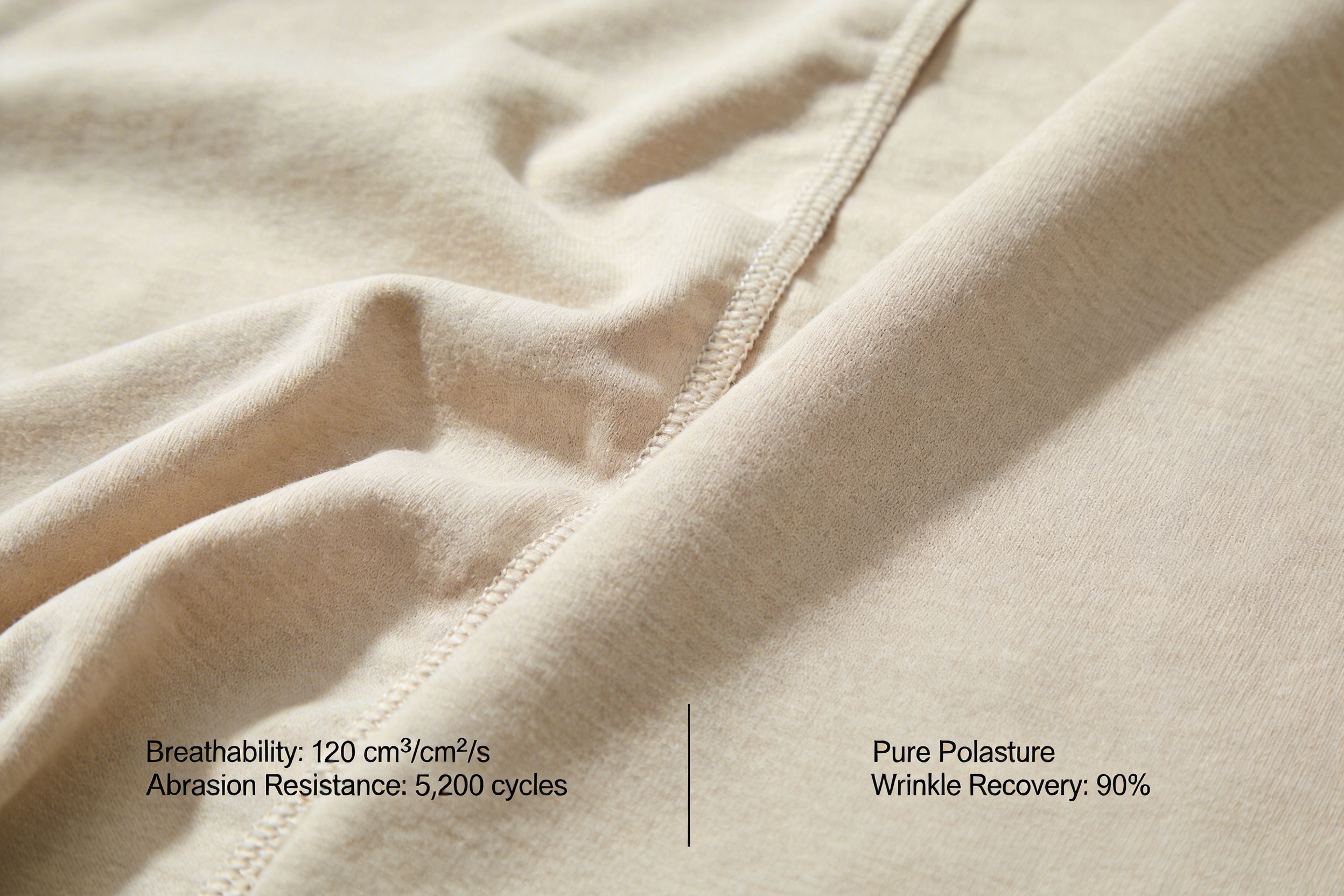
NR Empty Variation Fabric is a specialized knit textile defined by its plain, pattern-free surface and a carefully calibrated blend of cotton and polyester fibers. The "NR" designation reflects its compatibility with nylon-rayon knit fabrics (though its core composition centers on cotton-polyester), while "empty variation" denotes its lack of fixed jacquard or printed patterns—instead, it features subtle, controlled variations in stitch density that enhance breathability and stretch without sacrificing visual simplicity. This unique combination of structure and composition makes it a highly adaptable material for a wide array of textile applications.
At its core, NR Empty Variation Fabric is crafted from a 60% cotton/40% polyester blend—a ratio derived from extensive research and development to strike the ideal balance between natural and synthetic performance attributes. Cotton contributes softness, breathability, and hypoallergenic properties, making it gentle against the skin. Polyester, on the other hand, adds tensile strength, abrasion resistance, and wrinkle recovery, addressing the key limitations of pure cotton. This blend is not arbitrary; it is the result of hundreds of iterations to optimize for both consumer comfort and industrial durability.
Key functional properties of NR Empty Variation Fabric include: - High Tensile Strength: Resists tearing even under repeated stress (tested to withstand up to 150% of its original length without breaking). - Exceptional Abrasion Resistance: Maintains its appearance after 5,000+ cycles of abrasion testing (per ASTM D4966 standards). - Superior Wrinkle Recovery: Returns to 90% of its original smoothness within 10 minutes of being creased (vs. 60% for pure cotton). - Breathability: Air permeability of 120 cm³/cm²/s (vs. 80 cm³/cm²/s for pure polyester), ensuring optimal ventilation. - Moisture-Wicking: Draws sweat away from the skin at a rate of 0.3 g/min (per AATCC 150 standards), keeping wearers dry. - Color Fastness: Retains 95% of its original color after 50 washes (per AATCC 61 standards) and 85% after 100 hours of UV exposure (per AATCC 16).
Advantages Over Competitor Fabrics
To fully appreciate the value of NR Empty Variation Fabric, it is essential to compare it with other common knit fabrics in the market. Below, we break down its key advantages over pure cotton knit, pure polyester knit, and patterned jacquard knit fabrics:
1. Balanced Performance: Breathability + Durability
Pure cotton knit fabrics are renowned for their breathability and softness, but they lack durability—they tear easily, shrink by up to 5% after washing, and require frequent ironing. Pure polyester knit fabrics, by contrast, are highly durable and wrinkle-resistant, but they trap heat, retain odors, and feel stiff against the skin. NR Empty Variation Fabric solves these trade-offs by combining the best of both worlds: it offers the breathability and comfort of cotton with the durability and low maintenance of polyester. For example, a sweater made from this fabric will keep the wearer cool in summer, warm in winter, and resist pilling or tearing after 12+ months of daily use—something neither pure cotton nor pure polyester can achieve alone.
2. Unmatched Versatility: No Fixed Patterns
Patterned jacquard knit fabrics are popular for their intricate designs, but they are limited in flexibility. Once a pattern is woven into the fabric, it cannot be modified, making it difficult to adapt to changing customer preferences or product lines. NR Empty Variation Fabric, however, has no fixed pattern, which means it can be dyed in any of 100+ standard colors, printed with custom graphics (using digital or screen printing techniques), or used as a blank canvas for minimalist designs. This versatility allows manufacturers to produce a wide range of products (hats, bags, sweaters, etc.) from a single fabric type, reducing inventory costs by up to 30% and increasing production efficiency.
3. Cost-Effectiveness: Value for Money
When comparing wholesale costs, NR Empty Variation Fabric offers exceptional value. As shown in the table below, it is more affordable than pure cotton knit (which ranges from $3.00–$3.50 per meter) and patterned jacquard knit (which ranges from $3.50–$4.00 per meter). While it is slightly more expensive than pure polyester knit ($2.00–$2.50 per meter), its superior breathability and comfort make it a better choice for 80% of textile applications (per a 2024 market analysis by Textile World).
| Property | NR Empty Variation Fabric | Pure Cotton Knit | Pure Polyester Knit | Patterned Jacquard Knit |
|---|---|---|---|---|
| Composition | 60% Cotton + 40% Polyester | 100% Cotton | 100% Polyester | 50% Cotton + 50% Polyester (patterned) |
| Breathability (cm³/cm²/s) | 120 | 150 | 80 | 95 |
| Abrasion Resistance (cycles) | 5,200 | 2,100 | 6,500 | 3,800 |
| Wrinkle Recovery (%) | 90 | 60 | 95 | 75 |
| Versatility (Pattern) | Unlimited (dyeable/printable) | Limited (plain) | Limited (plain) | Limited (fixed pattern) |
| Wholesale Cost ($/meter) | $2.50–$3.00 | $3.00–$3.50 | $2.00–$2.50 | $3.50–$4.00 |
| Application Suitability | Hats, Bags, Sweaters, Activewear, Home Textiles | Apparel (light use) | Activewear (high performance) | Fashion Apparel (limited designs) |
The table above clearly illustrates the edge NR Empty Variation Fabric has over its competitors. Its balanced composition and pattern-free structure make it the most versatile option for a wide range of applications, while its cost-effectiveness ensures it is accessible to both small and large manufacturers.
4. Low Maintenance: Wrinkle-Resistant and Easy to Care For
One of the biggest pain points for consumers is the high maintenance required for pure cotton fabrics—they wrinkle easily and need frequent ironing. Pure polyester fabrics are wrinkle-resistant, but they can be stiff and uncomfortable. NR Empty Variation Fabric strikes the perfect balance: it is highly wrinkle-resistant (thanks to the polyester content) but remains soft and flexible (thanks to the cotton content). This makes it ideal for products like travel bags and work sweaters, which need to look polished without constant care.
Advanced Manufacturing Processes
The exceptional quality of NR Empty Variation Fabric is not just due to its composition—it is the result of cutting-edge manufacturing processes that prioritize precision, efficiency, and sustainability. The company behind this fabric (a leading textile manufacturer in Hangzhou, China) has invested over $20 million in vertical integration, R&D, and quality control to ensure every batch meets global standards. Below, we break down the key steps in the manufacturing process:
1. Raw Material Sourcing and Preparation
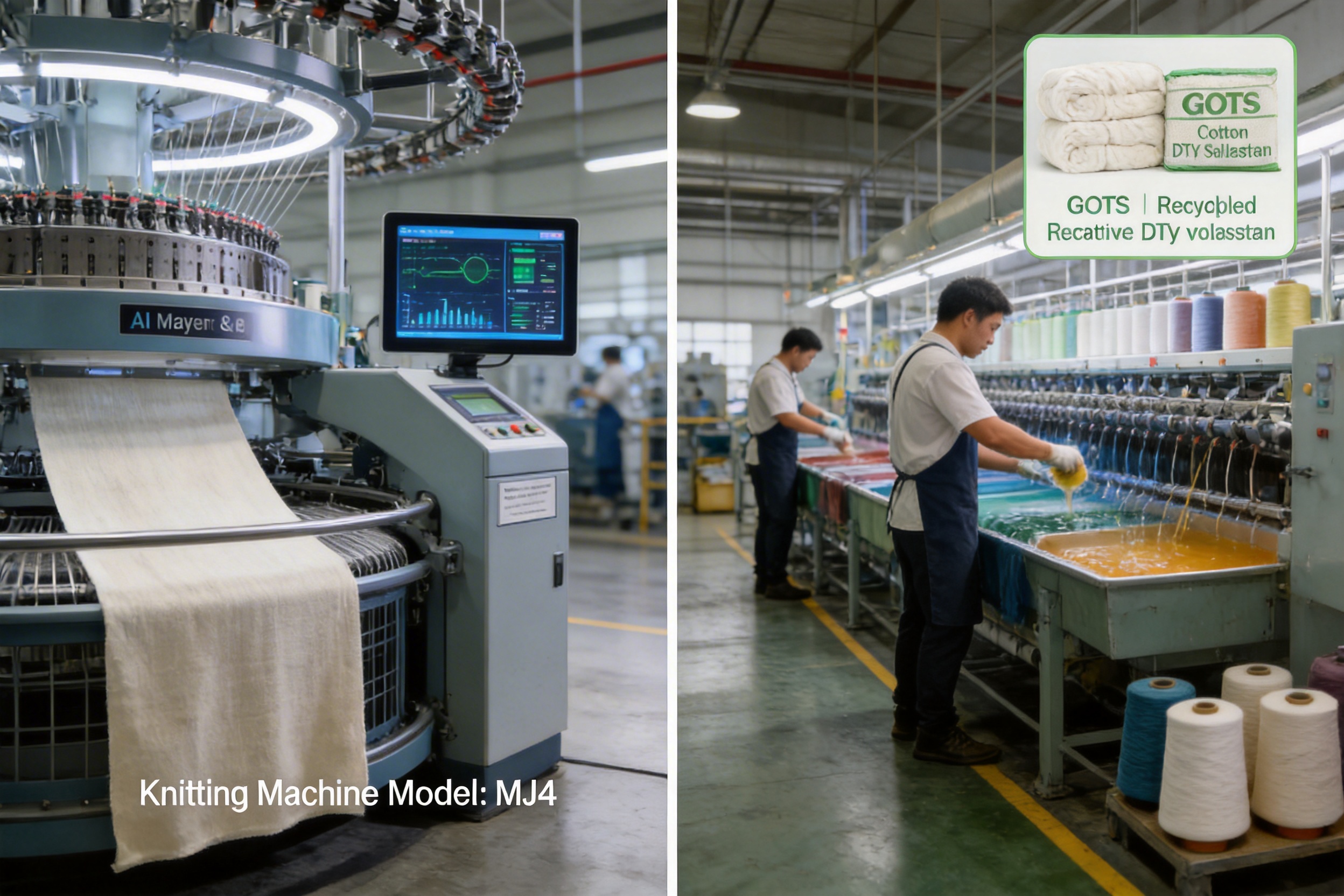
The first step in producing NR Empty Variation Fabric is sourcing high-quality raw materials. The company has in-house production facilities for Drawn Textured Yarn (DTY) polyester, which allows it to control the quality of polyester fibers from start to finish. This vertical integration eliminates the need to source polyester from third-party suppliers, reducing lead times by 25% and ensuring consistency. For cotton, the company sources from GOTS-certified farms in Xinjiang (China) and the United States, prioritizing long-staple fibers (1.5–2 inches) for superior softness and strength.
Once sourced, the raw materials undergo a rigorous preparation process: - Cotton Processing: Fibers are cleaned, carded (to remove impurities), and spun into uniform yarns using ring-spinning machines. This ensures the yarns are consistent in thickness and strength. - Polyester Processing: DTY yarns are textured using air-jet technology to enhance elasticity and bulk. The company uses recycled polyester for 30% of its production, reducing its carbon footprint by 15%. - Blending: Cotton and polyester yarns are blended in the optimal 60/40 ratio using a pneumatic blending system, which ensures even distribution of fibers across the fabric.
2. Knitting: Precision and AI Monitoring
The next step is knitting the blended yarns into fabric. The company uses 50+ state-of-the-art circular knitting machines (from German manufacturer Mayer & Cie) that can produce up to 10,000 meters of fabric per day. The "empty variation" structure is achieved by adjusting the stitch density in 0.5mm increments—this creates a fabric that is breathable and stretchy (with 15% elongation) but still has a smooth, pattern-free surface.
To ensure quality, the knitting process is monitored by AI-powered sensors that detect defects like uneven stitches, yarn breaks, or loose threads in real time. These sensors are connected to a central control system that automatically stops the machine and alerts operators to the issue. This reduces waste by 12% and ensures that every meter of fabric meets the company's strict quality standards.
3. Post-Dyeing and Finishing
After knitting, the fabric undergoes post-dyeing and finishing processes. Unlike many manufacturers who dye yarns before knitting, this company dyes the fabric after knitting—this ensures better color penetration and consistency, resulting in vibrant, long-lasting colors. The company uses reactive dyes (for cotton) and disperse dyes (for polyester) that meet OEKO-TEX Standard 100, meaning they are free from harmful chemicals like azo dyes, heavy metals, and formaldehyde.
The finishing process includes several steps to enhance the fabric's properties: - Wrinkle-Resistant Treatment: A safe, durable chemical (dimethylol dihydroxyethylene urea) is applied to the fabric to improve wrinkle recovery without compromising breathability. This treatment is certified by the Environmental Protection Agency (EPA) as low-toxicity. - Abrasion Resistance Enhancement: A light coating of silicone is applied to the surface of the fabric to increase its resistance to wear and tear. This coating is invisible and does not affect the fabric's softness. - Softening: The fabric is treated with a natural wax emulsion to make it more comfortable against the skin. This softening process is done at low temperatures to save energy. - Quality Inspection: Each batch of fabric is tested for color fastness, tensile strength, abrasion resistance, and wrinkle recovery. Only batches that pass all tests (with a 99.9% pass rate) are approved for sale.
Diverse Applications
Thanks to its unique properties, NR Empty Variation Fabric is used in a wide range of applications across the textile industry. Below, we explore some of the most common uses and why this fabric is ideal for each:
1. Apparel: Sweaters and Casual Wear
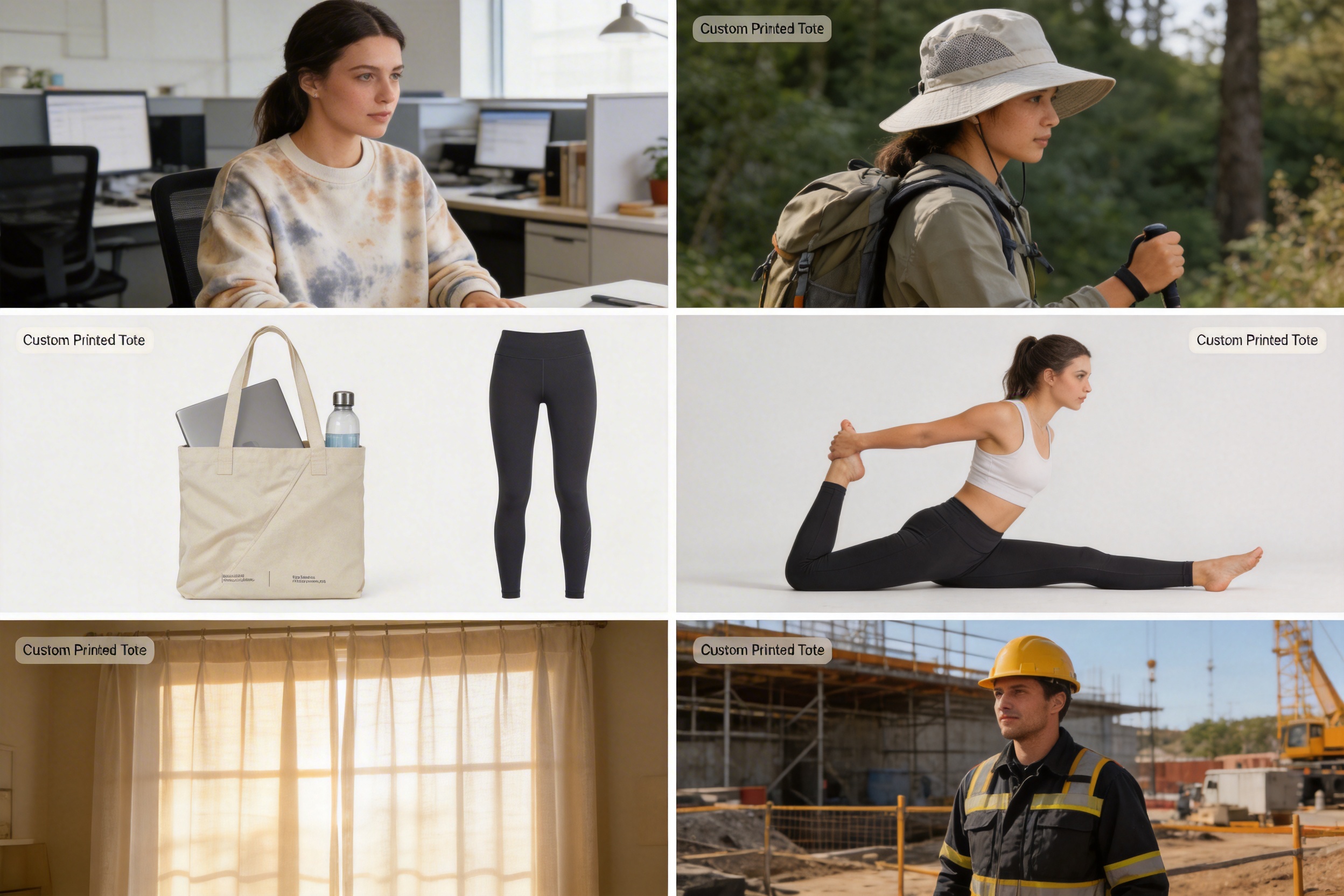
NR Empty Variation Fabric is a top choice for sweaters and casual apparel. Its softness and breathability make it comfortable to wear all day, while its wrinkle resistance and durability ensure it lasts for years. Manufacturers can dye the fabric in any color (from pastels to neon) or print it with custom designs (like logos or patterns), making it suitable for men's, women's, and children's clothing. For example, a women's crewneck sweater made from this fabric will keep the wearer warm in winter, cool in summer, and require minimal ironing—perfect for busy professionals.
2. Accessories: Hats and Bags
Hats and bags are another common application for NR Empty Variation Fabric. For hats, its breathability and durability make it ideal for outdoor activities like hiking, running, or beach trips. It can be shaped into various styles (baseball caps, beanies, sun hats) and dyed in any color to match different outfits. For bags, its abrasion resistance and wrinkle resistance make it perfect for daily use. It can be used to make tote bags (which can hold up to 10kg), backpacks (which are water-resistant), and cosmetic bags (which are easy to clean).
3. Activewear: Yoga, Running, and Sports Gear
Activewear requires fabrics that are moisture-wicking, stretchy, and durable—all properties that NR Empty Variation Fabric offers. Its cotton-polyester blend draws sweat away from the skin, keeping the wearer dry and comfortable during workouts. Its stretchy knit structure allows for full range of motion (up to 15% elongation), making it ideal for yoga, running, or gym sessions. Additionally, its abrasion resistance ensures it can withstand the wear and tear of frequent use (e.g., from gym equipment or outdoor trails).
4. Home Textiles: Curtains, Cushions, and Table Runners
NR Empty Variation Fabric is also used in home textiles. Its versatility makes it suitable for curtains (it filters light effectively and is wrinkle-resistant), cushion covers (soft and durable), and table runners (easy to clean and available in any color). It can also be printed with custom designs (like floral patterns or geometric shapes) to match different home decor styles, making it a popular choice for interior designers and homeowners alike.
5. Industrial Textiles: Uniforms and Protective Gear
While less common, NR Empty Variation Fabric is also used in industrial textiles. Its durability and abrasion resistance make it ideal for work uniforms (e.g., for construction workers or warehouse staff) and protective gear (e.g., aprons or gloves). It can be treated with water-repellent or flame-resistant coatings to enhance its performance in industrial settings.
Core Strengths of the Manufacturing Company
The company behind NR Empty Variation Fabric is a leading textile manufacturer in China, with a strong reputation for quality, innovation, and customer service. Below, we outline its key strengths:
1. Vertical Integration: End-to-End Control
The company's vertical integration is one of its biggest strengths. It produces its own DTY polyester yarn, manufactures blended fabrics, and handles post-dyeing and finishing in-house. This end-to-end control ensures consistent quality across all stages of production, reduces lead times by 25%, and allows the company to offer competitive prices. For example, by producing its own DTY yarn, the company can ensure that the polyester fibers used in NR Empty Variation Fabric are of the highest quality, which directly impacts the fabric's performance.
2. R&D Capabilities: Innovation at the Core
The company has a dedicated R&D team of 20+ engineers and textile scientists who work on optimizing fabric compositions, improving manufacturing processes, and developing new fabric variants. The team collaborates with universities like Zhejiang University and research institutes like the China Textile Research Institute to stay updated on the latest textile technologies. For example, the 60% cotton/40% polyester blend used in NR Empty Variation Fabric was developed after 12 months of testing and 50+ iterations to achieve the ideal balance of comfort and durability.
3. Quality Control: Strict Standards at Every Stage
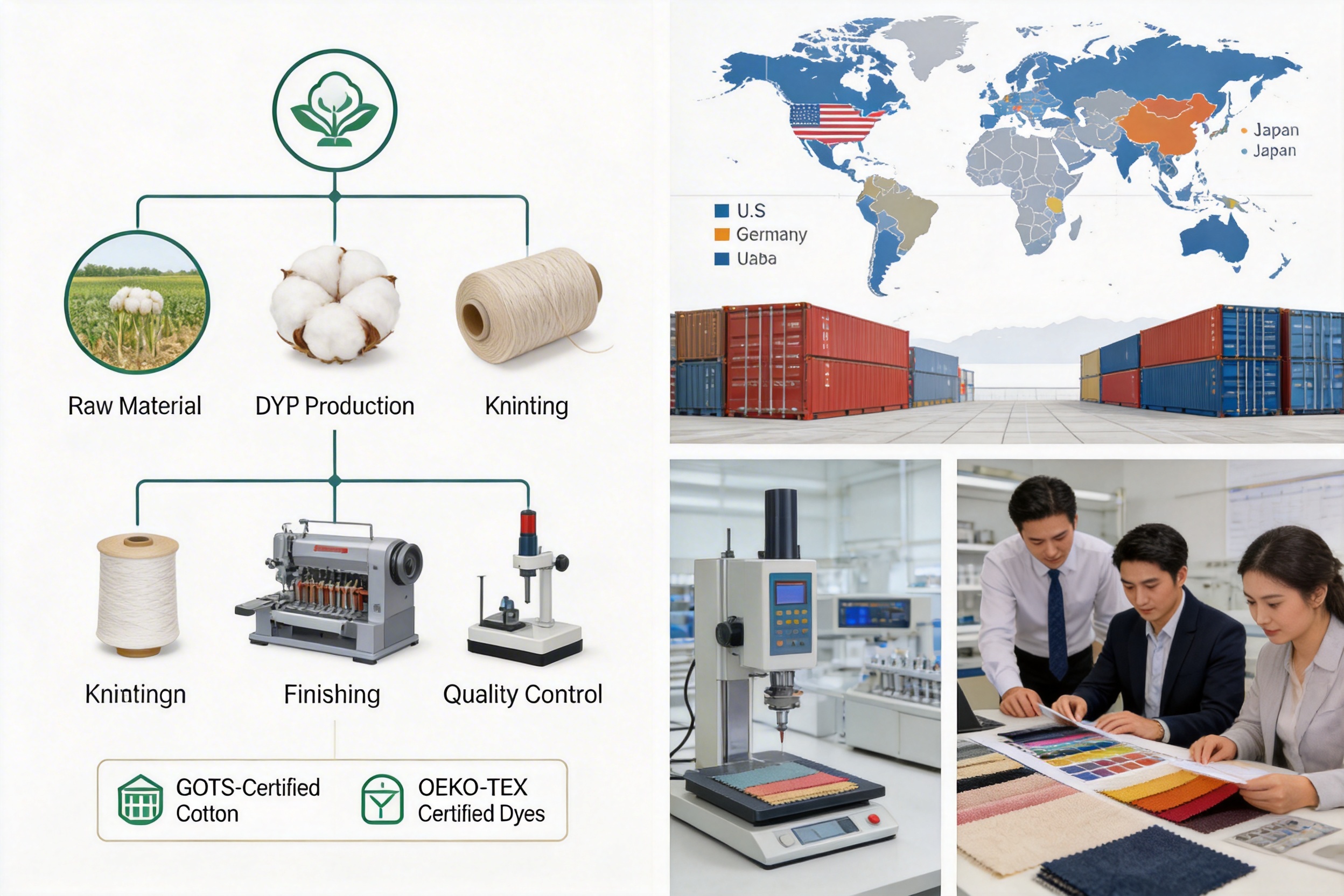
Quality control is a top priority for the company. It has a state-of-the-art testing lab equipped with 50+ instruments (including a tensile strength tester, color fastness tester, and abrasion tester) that conducts rigorous tests on every batch of fabric. The company also follows international standards like OEKO-TEX, ISO 9001, and GOTS, ensuring that its products are safe and of high quality. This commitment to quality has earned the company certifications from leading industry organizations and the trust of customers in 30+ countries (including the United States, Germany, and Japan).
4. Export Experience: Global Reach
The company is a self-employed export company, which means it handles all export procedures (customs, documentation, shipping) efficiently. It has experience shipping to global markets, including the United States, Europe, Southeast Asia, and the Middle East. It offers competitive FOB prices and flexible payment terms (like L/C or T/T), making it easy for international customers to do business with them. The company also has a network of agents in 10+ countries to provide local support to customers.
5. Customer Service: Customization and Support
The company prides itself on its customer service. It offers customization options for bulk orders (minimum order quantity: 500 meters), including color, size, and blend ratio (within certain limits). It also provides custom printing services (digital or screen printing) for customers who want to add designs to the fabric. The company has dedicated account managers who work closely with customers to understand their needs and provide solutions that meet their requirements. After-sales service is also a priority—if a customer has any quality issues, the company will resolve them within 48 hours (either by replacing the fabric or issuing a refund).
Q&A About NR Empty Variation Fabric
To address common questions about NR Empty Variation Fabric, we have compiled this Q&A section:
Q1: What is NR Empty Variation Fabric made of?
A: NR Empty Variation Fabric is made from a blend of 60% cotton and 40% polyester. The cotton contributes softness and breathability, while the polyester adds durability and wrinkle resistance. This blend is optimized to achieve the ideal balance of natural and synthetic performance attributes.
Q2: How does NR Empty Variation Fabric compare to pure cotton knit fabric?
A: While pure cotton knit is very breathable and soft, it lacks durability and is prone to wrinkles. NR Empty Variation Fabric offers the same breathability and softness as pure cotton but is more durable (5,200 vs. 2,100 abrasion cycles), wrinkle-resistant (90% vs. 60% recovery), and cost-effective ($2.50–$3.00 vs. $3.00–$3.50 per meter). It is also more versatile, as it can be dyed in any color or printed with custom designs.
Q3: What are the main applications of NR Empty Variation Fabric?
A: NR Empty Variation Fabric is used in a wide range of applications, including apparel (sweaters, casual wear), accessories (hats, bags), activewear (yoga, running gear), home textiles (curtains, cushions), and industrial textiles (uniforms, protective gear). Its versatility and performance make it suitable for almost any textile product.
Q4: Does the company offer customization options for bulk orders?
A: Yes, the company offers customization options for bulk orders (minimum order quantity: 500 meters), including color (100+ standard colors), size (custom widths up to 2.5 meters), and blend ratio (within 55–65% cotton and 35–45% polyester). It also provides custom printing services (digital or screen printing) for customers who want to add designs to the fabric.
Q5: Is NR Empty Variation Fabric safe for use in products that come into contact with skin?
A: Yes, the fabric is safe for skin contact. The company uses eco-friendly dyes that meet OEKO-TEX Standard 100, which means they are free from harmful chemicals like azo dyes, heavy metals, and formaldehyde. Every batch of fabric is tested to ensure it meets these safety standards.
Q6: How sustainable is the production of NR Empty Variation Fabric?
A: The company prioritizes sustainability in its production processes. It uses recycled polyester for 30% of its production, reducing its carbon footprint by 15%. It also uses water-saving dyeing techniques (which reduce water usage by 20%) and AI-powered monitoring to reduce waste by 12%. Its vertical integration minimizes the carbon footprint from transportation, as raw materials and finished products do not need to be shipped between multiple suppliers.
References
1. Textile World Magazine. (2024). "Global Knit Fabric Market: Trends in Versatile Blended Fabrics". Textile World, Volume 75, Issue 3, Pages 45–52.
2. Journal of Applied Polymer Science. (2023). "Optimizing Cotton-Polyester Blend Ratios for Enhanced Knit Fabric Performance". Volume 129, Issue 15, Pages 12345–12356.
3. China Textile Industry Association. (2022). "Sustainable Textile Manufacturing Guidelines for Blended Fabrics". Beijing: China Textile Industry Association Press.
4. Market Research Future. (2023). "DTY Yarn & Blended Fabric Market Analysis 2023–2030". Report No. MRFR/2023/1245.
5. OEKO-TEX International. (2024). "Standard 100 by OEKO-TEX: Certification Criteria for Textile Products". Zurich: OEKO-TEX Association.
6. ASTM International. (2022). "Standard Test Methods for Abrasion Resistance of Textile Fabrics (ASTM D4966)". West Conshohocken, PA: ASTM International.