
NR Bamboo Fabric for Comfortable, Durable, and Eco-Conscious Textiles
NR bamboo fabric is a versatile knitted textile designed for modern apparel and household applications that require softness, durability, comfort, and a more responsible material story. As consumer expectations continue to rise, fabric buyers are no longer satisfied with textiles that merely look attractive. They want materials that feel pleasant against the skin, remain stable after repeated use, support efficient garment production, and align with growing interest in renewable plant-based resources. NR bamboo fabric answers these needs by combining bamboo-derived viscose rayon with the flexibility and usability of knitted fabric construction.
This article introduces NR bamboo fabric from the perspectives of material performance, manufacturing capability, quality control, application value, and competitive advantages. It also explains why a textile manufacturer with integrated yarn, knitting, dyeing, finishing, research, production, and sales capabilities can provide a more reliable supply solution for apparel brands, fabric wholesalers, garment factories, and home textile producers.

Understanding NR Bamboo Fabric
NR bamboo fabric is categorized as an NR knitted fabric. It is produced from bamboo-derived viscose rayon, a regenerated cellulose fiber made by transforming plant cellulose into spinnable fiber through a controlled chemical process. Although the original bamboo plant is natural, the finished fiber is considered regenerated cellulose rather than untreated natural bamboo fiber. This distinction is important because it reflects the actual textile science behind the fabric and helps buyers understand its performance more accurately.
The resulting fabric offers a smooth surface, soft touch, breathable structure, and strong drape. These characteristics make it suitable for underwear, socks, T-shirts, loungewear, casual tops, lightweight garments, and selected household textile products. Compared with many conventional synthetic fabrics, NR bamboo fabric provides a more skin-friendly hand feel. Compared with some natural fibers, it can offer improved uniformity, good dyeing performance, and a consistent finish when processed under professional production conditions.
In the textile market, bamboo-based viscose fabrics are often chosen by brands that want to balance comfort, visual appeal, and a plant-based material identity. NR bamboo fabric is especially attractive because knitted construction enhances elasticity, softness, and body movement comfort. For garments worn close to the skin, these features are highly valuable.
Why Bamboo-Derived Viscose Rayon Is Valued
Bamboo grows quickly and can be cultivated with relatively efficient land use. This has made bamboo an appealing cellulose source for regenerated fibers. When bamboo cellulose is processed into viscose rayon, it becomes a textile fiber with excellent smoothness and moisture-handling characteristics. The fiber can be spun into yarns and knitted into fabrics that are soft, breathable, and comfortable for everyday use.
One major reason bamboo-derived viscose rayon is valued is its hand feel. The fiber surface is generally smooth, which helps reduce irritation when the fabric touches the skin. This makes NR bamboo fabric suitable for intimate apparel and garments designed for long wearing periods. Consumers often describe bamboo viscose fabrics as cool, smooth, and gentle.
Another advantage is drape. NR bamboo fabric can fall naturally around the body, creating a relaxed and comfortable silhouette. For fashion T-shirts, underwear, base layers, pajamas, and homewear, this drape improves both appearance and comfort. The fabric does not feel stiff or harsh, and it can support modern garment styles that emphasize softness and movement.
Moisture comfort is also important. Bamboo-derived viscose rayon can absorb moisture, helping the wearer feel more comfortable in daily conditions. While the exact performance depends on fabric weight, yarn count, knitting structure, and finishing method, NR bamboo fabric is generally considered suitable for garments where breathability and moisture absorption are desired.
Core Product Advantages
Softness for Skin-Contact Garments
NR bamboo fabric is especially suitable for products that require a soft hand feel. The regenerated cellulose fiber structure gives the fabric a smooth texture, while knitting adds flexibility and a gentle stretch effect. This combination is highly appreciated in underwear, socks, T-shirts, and pajamas. Compared with rougher or heavier fabrics, NR bamboo fabric can provide a more comfortable wearing experience throughout the day.
Breathability and Daily Comfort
Knitted NR bamboo fabric allows air movement through the fabric structure. This helps reduce stuffiness and improves comfort in garments worn in direct contact with the body. For consumers living in warm climates or wearing layered clothing, breathability is a major purchasing factor. The fabric’s comfort profile makes it a strong candidate for casualwear and homewear collections.
Durability Through Controlled Processing
A common misconception is that soft fabrics are always weak. In reality, durability depends on fiber quality, yarn preparation, knitting parameters, dyeing control, and finishing technology. When NR bamboo fabric is produced through professional manufacturing processes, it can achieve a good balance between softness and long-term usability. Proper yarn selection and fabric finishing help the fabric maintain its structure during cutting, sewing, washing, and wearing.
Excellent Dyeing and Color Expression
Bamboo-derived viscose rayon can take dyes well when processed under suitable conditions. This allows NR bamboo fabric to support a broad range of colors, from soft neutrals to rich fashion shades. Good dyeing performance is important for apparel brands that need seasonal color consistency, repeat orders, and coordinated collections. With stable dyeing and finishing control, the fabric can achieve attractive surface appearance and commercial reliability.
Strong Drape and Elegant Appearance
NR bamboo fabric provides a naturally flowing drape. This makes it useful for garments where the fabric should not feel rigid or bulky. T-shirts, lightweight dresses, loose-fit tops, pajamas, and intimate garments benefit from this feature. A fabric with good drape improves the wearer’s comfort and enhances the finished garment’s perceived quality.
Plant-Based Material Positioning
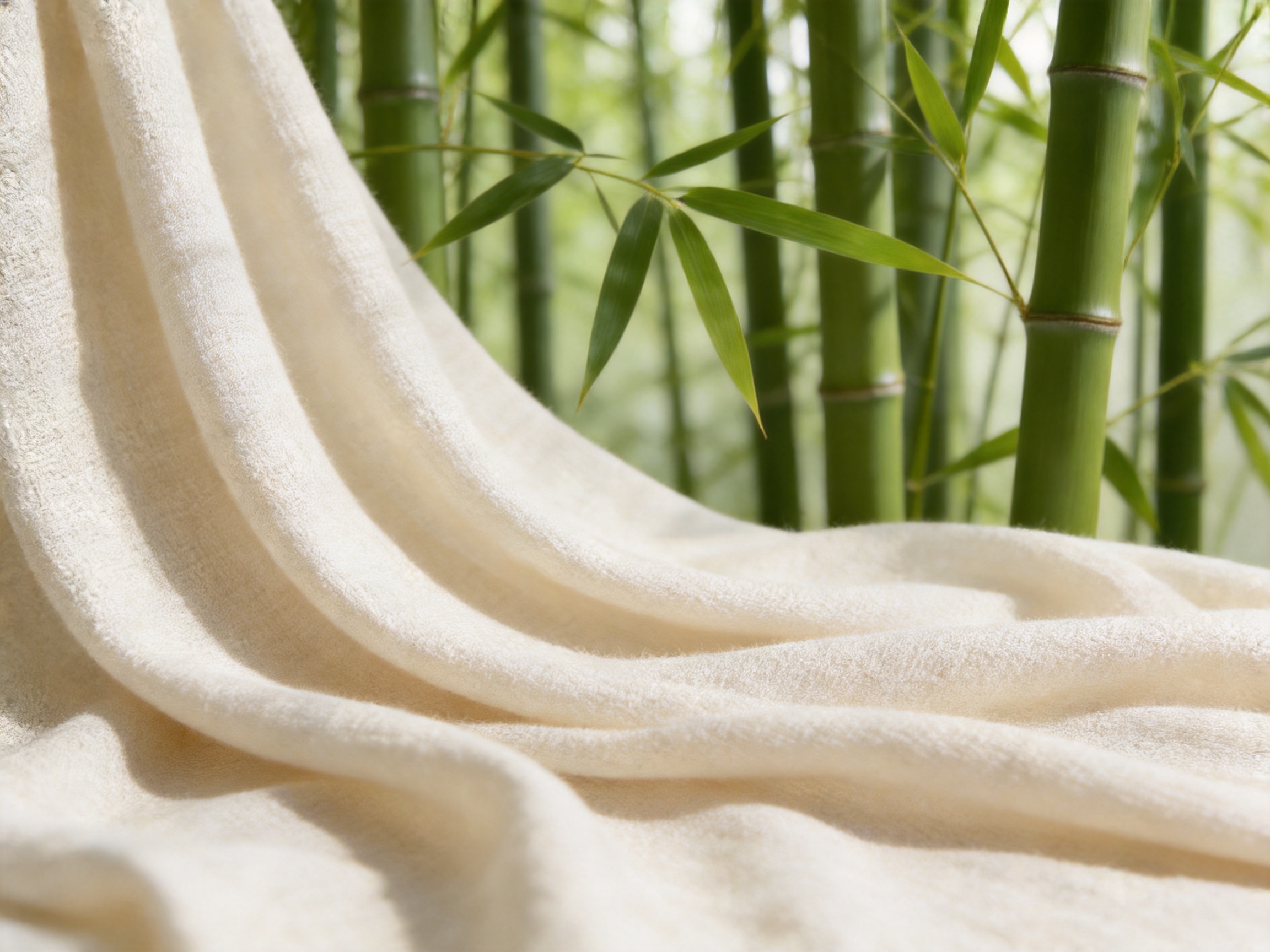
Many consumers are interested in textiles derived from renewable resources. Because NR bamboo fabric uses bamboo cellulose as the raw material source for viscose rayon, it can support product stories focused on plant-based comfort and conscious material selection. For brands competing in apparel and household textile markets, this material identity can strengthen marketing appeal when communicated accurately and responsibly.
Advantages Over Competing Fabrics
The textile market offers many fabric choices, including cotton, polyester, polyester-rayon blends, modal, ordinary viscose, and synthetic knits. NR bamboo fabric competes successfully because it provides a distinctive combination of softness, breathability, drape, and plant-based appeal. It does not need to replace every fabric category, but it performs very well in applications where comfort and skin contact are priorities.
Compared with Conventional Polyester Knits
Polyester knitted fabrics are valued for strength, quick drying, wrinkle resistance, and cost efficiency. However, standard polyester may feel less breathable or less natural against the skin, depending on yarn type and finishing. NR bamboo fabric offers a softer and more skin-friendly feel, especially for underwear, T-shirts, and homewear. For consumers who prefer a smoother, cooler, cellulose-based touch, NR bamboo fabric can provide a superior wearing experience.
Polyester remains important in performance apparel and durable fabric categories. However, when the design goal is comfort, drape, and a natural-style hand feel, NR bamboo fabric offers a strong competitive advantage. In blended or coordinated collections, manufacturers can use both material types strategically.
Compared with Cotton Knits
Cotton is familiar, breathable, and widely accepted. However, cotton quality can vary significantly depending on fiber length, origin, spinning quality, and finishing. Some cotton fabrics may become stiff, shrink noticeably, or lose smoothness after repeated washing. NR bamboo fabric can offer a softer initial touch and smoother drape than many standard cotton knits. It can also support a refined garment appearance, especially in lightweight apparel.
For brands seeking alternatives to conventional cotton, NR bamboo fabric provides a differentiated comfort story. It is especially useful when the target customer wants softness and fluid drape rather than the drier hand feel often associated with cotton.
Compared with Ordinary Viscose Fabric
Ordinary viscose fabric and bamboo-derived viscose rayon share the regenerated cellulose category, but raw material identity, yarn quality, knitting structure, and finishing control can create meaningful differences. NR bamboo fabric is positioned as a bamboo-derived knitted fabric with comfort and eco-conscious appeal. When produced by an experienced manufacturer, it can achieve consistent texture, stable color, and reliable garment usability.
Compared with Low-Grade Bamboo-Labeled Fabrics
Not all bamboo-labeled fabrics are equal. Some products in the market focus heavily on marketing claims but lack manufacturing consistency. Poor yarn quality, uneven knitting, unstable dyeing, and weak finishing can lead to pilling, distortion, shrinkage, or color variation. NR bamboo fabric produced through controlled industrial processes offers a more dependable option. The advantage lies not only in the fiber source but also in the manufacturer’s ability to manage every production stage.
Manufacturing Strength Behind the Fabric
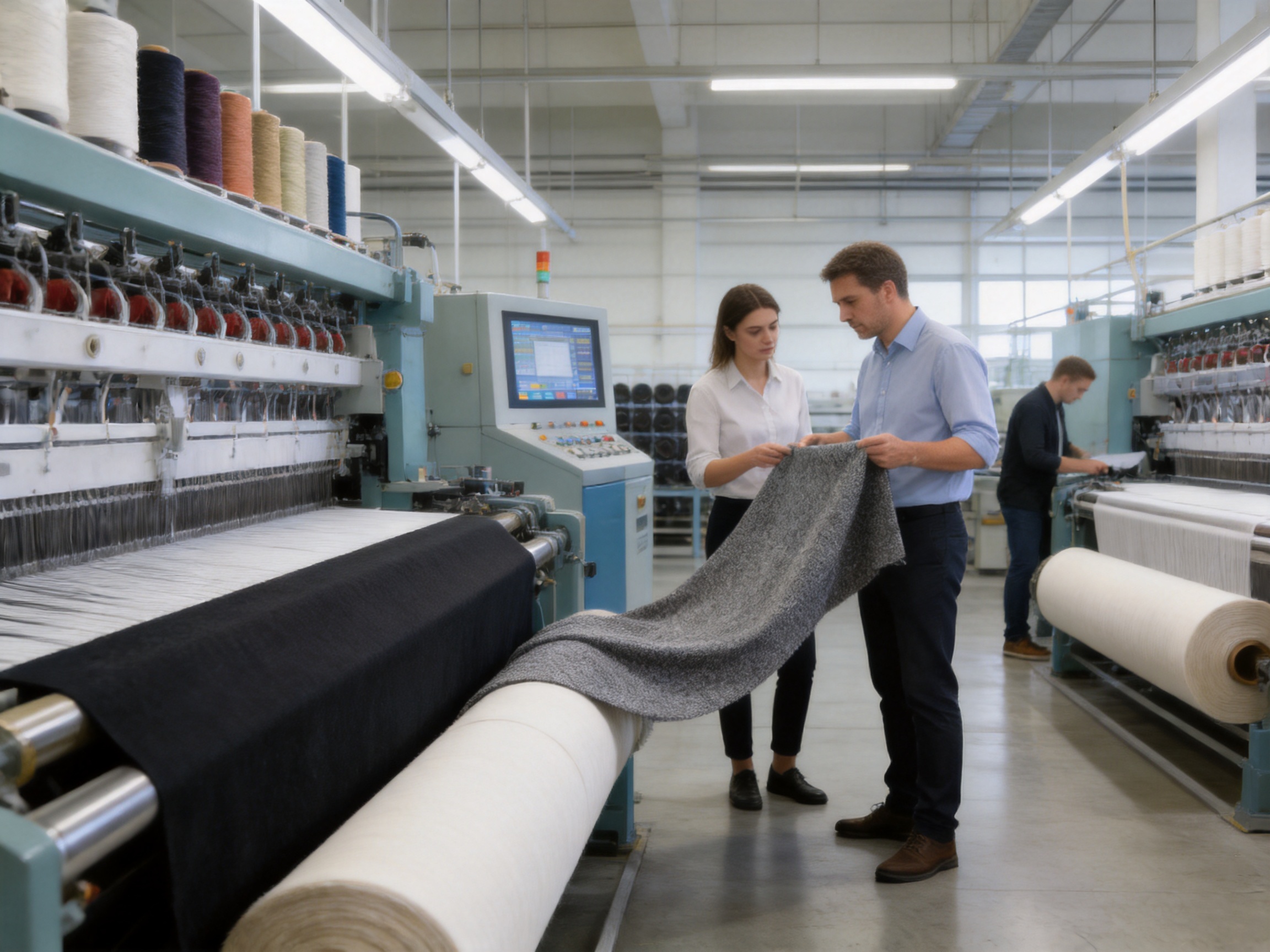
A fabric’s true value depends heavily on manufacturing capability. Hangzhou Jinfeng Textile Co., Ltd. is located in Jingjiang Street Industrial Park, Xiaoshan District, Hangzhou City, Zhejiang Province. The company operates on an area of 32.6 acres with a plant area of 18,000 square meters. Its business integrates research and development, production, post-dyeing, finishing, and sales. This integrated structure is important because it allows better control over quality, lead time, product consistency, and customer customization.
The company is engaged in the production and processing of blended fabrics such as polyester and spandex, as well as DTY polyester yarn production, processing, and sales. Experience in yarn and fabric operations supports a deeper understanding of textile performance. For NR bamboo fabric, this background helps the manufacturer control yarn compatibility, knitted structure, finishing stability, and final fabric hand feel.
Integrated manufacturing also helps customers reduce sourcing complexity. Instead of coordinating among separate yarn suppliers, knitting mills, dyeing plants, and finishing factories, buyers can work with a manufacturer that understands the entire value chain. This improves communication, supports technical problem solving, and helps ensure that the finished fabric matches the expected quality standard.
Advanced Process Control
Raw Material Selection
The production of high-quality NR bamboo fabric begins with raw material control. Bamboo-derived viscose rayon must be selected according to fiber fineness, strength, uniformity, and suitability for knitting. Stable raw material quality reduces defects and improves finished fabric consistency. Professional manufacturers evaluate raw materials before mass production to avoid problems such as uneven dye uptake, weak yarn performance, or inconsistent fabric surface appearance.
Yarn Preparation and Compatibility
Yarn preparation is critical for knitted fabrics. The yarn must run smoothly on knitting machines, maintain even tension, and produce a balanced loop structure. If yarn quality is unstable, the fabric may show streaks, holes, uneven surface texture, or dimensional instability. With experience in DTY polyester yarn and blended fabric production, the manufacturer has practical knowledge of yarn behavior, tension control, and production efficiency. This knowledge contributes to better fabric development and troubleshooting.
Knitting Technology
Knitting determines the fabric’s elasticity, density, weight, surface appearance, and wearing comfort. NR bamboo fabric can be produced in structures suited to different end uses, from lightweight T-shirt fabric to softer underwear fabric or household textile material. Machine gauge, loop length, yarn count, and fabric weight must be carefully controlled. Proper knitting ensures the fabric has a smooth surface, suitable extensibility, and stable construction.
Dyeing Management
Dyeing is not simply a coloring step. It influences shade accuracy, hand feel, colorfastness, shrinkage, and fabric strength. Bamboo-derived viscose rayon requires suitable dyeing conditions to achieve even color and avoid damage. A manufacturer with post-dyeing capability can better manage shade matching, batch control, and finishing coordination. This is especially valuable for apparel brands that need repeatable colors across multiple production runs.
Finishing for Hand Feel and Stability
Finishing gives NR bamboo fabric its final touch, appearance, and performance stability. Depending on customer requirements, finishing may focus on softness, shrinkage control, surface smoothness, improved drape, or garment-making efficiency. The finishing process must be balanced: excessive treatment can weaken the fabric or alter its natural comfort, while insufficient finishing may leave the fabric unstable. A skilled finishing team understands how to achieve the desired effect without compromising quality.
Inspection and Quality Assurance
Quality inspection is essential before shipment. Professional fabric inspection may include checking width, weight, color consistency, surface defects, shrinkage tendency, hand feel, and overall appearance. For buyers, reliable quality assurance reduces cutting waste, sewing problems, returns, and customer complaints. NR bamboo fabric becomes more competitive when it is supported by systematic inspection and responsive technical service.
Performance Overview
| Feature | NR Bamboo Fabric Benefit | Value for Buyers |
|---|---|---|
| Soft hand feel | Smooth and gentle surface suitable for skin contact | Improves comfort in underwear, T-shirts, socks, and homewear |
| Breathable knitted structure | Allows air movement and flexible wearing comfort | Supports daily apparel and warm-weather garments |
| Good drape | Creates a natural, flowing garment silhouette | Enhances garment appearance and perceived quality |
| Dyeing capability | Can achieve rich and attractive color effects under controlled dyeing | Useful for fashion collections and repeat color orders |
| Plant-based cellulose origin | Derived from bamboo cellulose through viscose rayon processing | Supports conscious material positioning and product differentiation |
| Knitted flexibility | Provides comfort and body movement adaptability | Suitable for close-fitting and casual garments |
| Manufacturing control | Supported by integrated production, dyeing, finishing, and sales capability | Improves consistency, communication, and supply reliability |
Application Areas
Underwear and Intimate Apparel
NR bamboo fabric is well suited for underwear because it feels smooth and gentle against the skin. Intimate apparel requires materials that reduce discomfort, manage moisture, and maintain a pleasant touch throughout the day. The fabric’s softness and knitted flexibility make it a strong choice for briefs, undershirts, camisoles, and lightweight base garments.
Some consumers associate bamboo fabrics with antibacterial properties. However, it is important to communicate responsibly: natural antibacterial effects attributed to raw bamboo do not necessarily remain after processing into viscose rayon and finished garments. The primary value of NR bamboo fabric should therefore be presented as softness, breathability, comfort, drape, and plant-based cellulose origin rather than unsupported antibacterial claims.
Socks
Socks need comfort, moisture absorption, and a soft feel. NR bamboo fabric or bamboo-derived viscose yarn blends can be used in sock applications where smoothness is desired. Depending on the final construction, elastic fibers or reinforcing fibers may be added to improve fit, recovery, and durability. The result can be a comfortable sock product suitable for daily wear.
T-Shirts and Casual Tops
T-shirts are among the most common uses for bamboo-derived knitted fabrics. NR bamboo fabric gives T-shirts a soft, comfortable hand and attractive drape. It can support basic garments, premium casualwear, promotional apparel, and fashion tops. Compared with standard cotton T-shirts, NR bamboo fabric may feel smoother and more fluid, creating a more refined wearing experience.
Loungewear and Pajamas
Loungewear and pajamas place high importance on softness and relaxed comfort. NR bamboo fabric is suitable for these categories because it feels gentle during long periods of wear. Its breathable knitted construction helps maintain comfort indoors, while its drape creates an easy and comfortable fit.
Household Textiles
Because of its comfortable texture and attractive material positioning, NR bamboo fabric can also be used in household textile products. Depending on fabric specifications, it may be suitable for soft home accessories, bedding-related products, or other textile items where a smooth hand feel is desired. For home textile buyers, consistency, color quality, and finishing stability are especially important.
Responsible Communication About Eco-Friendly Value
NR bamboo fabric is often described as eco-friendly because bamboo is a fast-growing plant resource and the fabric is derived from plant cellulose. However, responsible communication should also recognize that viscose rayon production involves chemical processing. The environmental value of bamboo-derived viscose depends on raw material sourcing, chemical management, wastewater treatment, production efficiency, and finishing practices.
A professional manufacturer can help customers present the fabric accurately. Instead of making exaggerated claims, brands can highlight that NR bamboo fabric uses bamboo-derived cellulose, provides excellent comfort, offers an alternative to purely synthetic materials, and can be produced through controlled industrial processes. This honest approach strengthens trust with consumers and reduces the risk of misleading marketing.
For many buyers, the best sustainability strategy is not based on a single claim. It includes material selection, quality durability, efficient production, reduced waste, stable color control, and long service life. A fabric that feels good, performs reliably, and is used for longer can contribute to more responsible consumption patterns.
Quality Factors Buyers Should Consider
Fabric Weight
Fabric weight influences warmth, drape, opacity, and garment purpose. Lightweight NR bamboo fabric is suitable for T-shirts, underwear, and summer apparel. Medium-weight versions may be used for loungewear, casual tops, and household textiles. Buyers should choose fabric weight according to final product requirements rather than selecting only by price.
Width and Dimensional Stability
Fabric width affects cutting efficiency and garment cost. Dimensional stability affects how the garment behaves after washing and wearing. Bamboo-derived viscose knitted fabrics must be processed carefully to control shrinkage and distortion. Reliable finishing and inspection help reduce risks during garment production.
Colorfastness
For apparel and home textiles, colorfastness is a major quality requirement. Customers expect garments to maintain color after washing and normal use. Proper dye selection, dyeing control, washing, and finishing contribute to better color performance. Buyers should communicate required testing standards before bulk production.
Hand Feel
Hand feel is one of the most important selling points of NR bamboo fabric. However, hand feel is also influenced by finishing. A professional supplier can adjust softness and surface effect according to garment style and market positioning. Premium apparel may require a silkier finish, while basic apparel may prioritize balanced softness and durability.
Sewing Performance
A fabric may feel excellent but still create problems if it does not sew well. Garment factories need fabric that cuts cleanly, feeds smoothly, and maintains shape during stitching. Stable knitting and finishing improve sewing performance. Buyers should consider trial production before placing large orders for new styles.
Customization Possibilities
NR bamboo fabric can be adjusted according to customer needs. Customization may include fabric weight, width, color, finishing hand feel, knitting structure, and application-specific requirements. Because the manufacturer integrates production and finishing, it can support more efficient product development communication.
For apparel brands, customization is valuable because different products require different fabric performance. Underwear may need extra softness and elasticity. T-shirts may require balanced drape and opacity. Pajamas may focus on comfort and smoothness. Household textiles may need color consistency and stable dimensions. A capable textile partner can help translate these requirements into workable fabric specifications.
Customization also supports market differentiation. Many competitors sell standard fabric options with limited flexibility. By working with a manufacturer that understands yarn, knitting, dyeing, and finishing, customers can develop fabrics that better match their brand identity and product positioning.
Why Integrated Manufacturing Matters
Integrated manufacturing provides practical advantages throughout the supply chain. When different production stages are separated among unrelated factories, quality problems can be difficult to trace. If color variation occurs, the dyeing plant may blame yarn quality, while the knitting mill may blame finishing. Integrated production reduces this uncertainty because technical teams can coordinate internally and solve problems more efficiently.
For NR bamboo fabric, coordination is especially important because the fabric depends on balanced fiber handling, knitting quality, dyeing control, and finishing technique. A small error in one stage can affect final softness, shrinkage, color, or durability. Integrated capability allows the manufacturer to manage these variables with greater consistency.
Customers also benefit from smoother communication. Instead of explaining requirements to multiple suppliers, buyers can communicate with one responsible partner. This saves time, improves order management, and supports more predictable delivery. For export customers, integrated service is especially valuable because distance and time zone differences can make supply chain coordination more complex.
Company Strength and Customer Service
Hangzhou Jinfeng Textile Co., Ltd. operates as a self-employed export company integrating research and development, production, and sales. This structure allows the company to serve both domestic and overseas customers. Its business philosophy emphasizes cooperation and win-win relationships, which is important in textile sourcing because successful fabric development often requires long-term communication and trust.
The company’s experience in blended fabrics, polyester, spandex, and DTY polyester yarn gives it broad textile knowledge. This background is beneficial even when producing bamboo-derived NR knitted fabric because modern fabric development often involves multiple fiber systems, finishing options, and performance requirements. A company familiar with different yarns and fabric categories can better support customer questions and product comparisons.
Its location in Hangzhou, Zhejiang Province, also provides advantages. The region has a strong textile industry foundation, convenient supply chain resources, and access to skilled technical personnel. For buyers, this means more efficient sourcing support, better production coordination, and access to a mature textile manufacturing environment.
How NR Bamboo Fabric Supports Brand Value
Fabric is not only a production material; it is part of a brand’s promise to consumers. NR bamboo fabric helps brands communicate comfort, softness, modern lifestyle value, and thoughtful material selection. In crowded apparel markets, these messages can help products stand out.
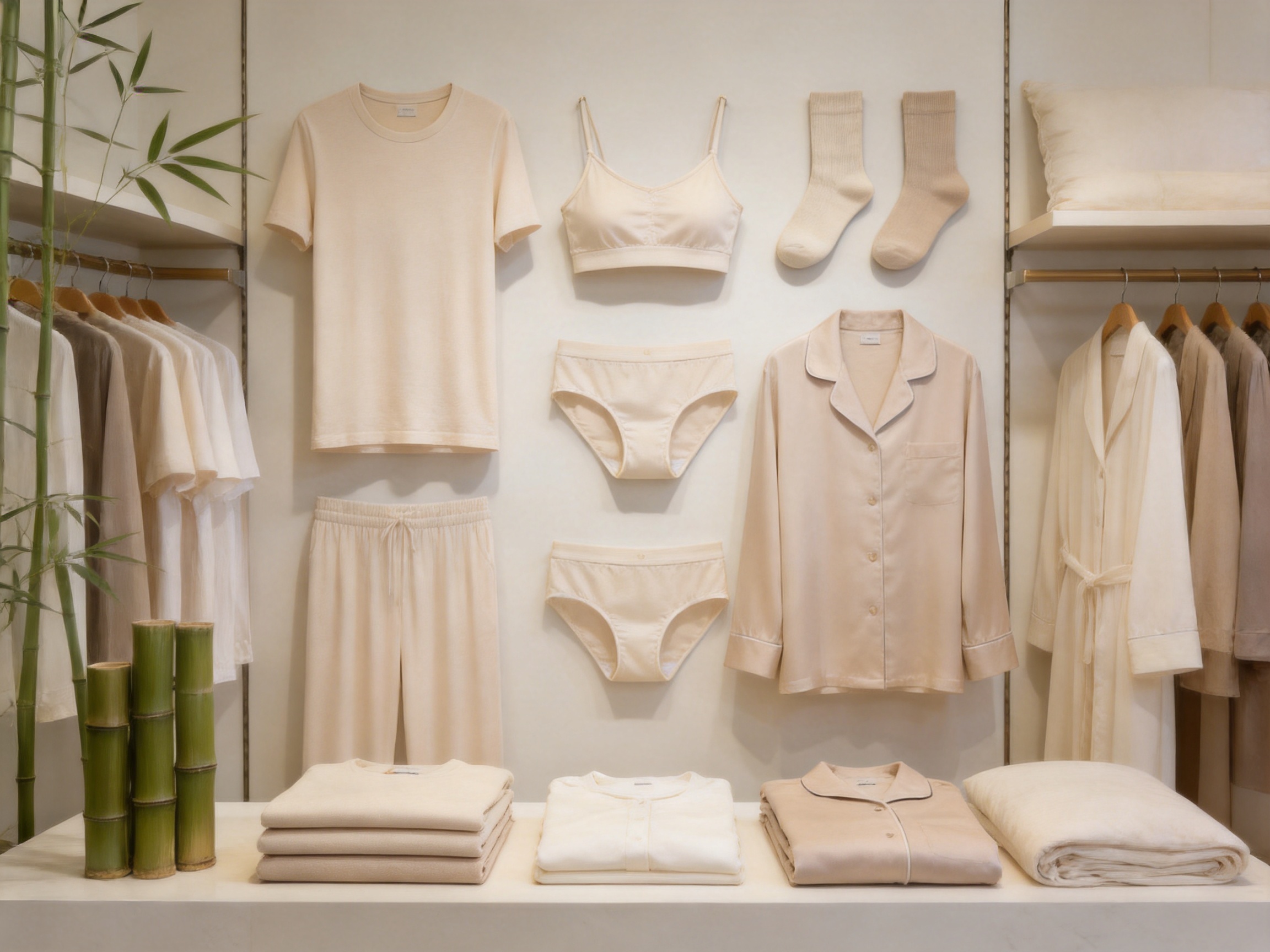
For basic apparel brands, NR bamboo fabric can elevate everyday products such as T-shirts and underwear. For fashion brands, it provides drape and softness that support relaxed silhouettes. For homewear brands, it delivers comfort suitable for daily indoor use. For wholesalers, it offers a material category with broad application potential and attractive market demand.
Consumers increasingly read labels and product descriptions. A garment made with bamboo-derived viscose rayon can be positioned as soft, breathable, and derived from plant cellulose. When paired with reliable manufacturing quality, this story can create a stronger reason to purchase than price alone.
Practical Buying Recommendations
Buyers considering NR bamboo fabric should begin by defining the final application. The best fabric for underwear may not be the best fabric for T-shirts or home textiles. Important details include weight, width, color, shrinkage requirements, softness level, stretch needs, and expected testing standards.
Sampling is strongly recommended before bulk production. A sample allows buyers to evaluate hand feel, drape, opacity, color, recovery, cutting behavior, and sewing performance. After sample approval, bulk production should follow confirmed specifications to ensure consistency.
Buyers should also communicate packaging, delivery, and inspection requirements. Fabric rolls should be protected during transportation, and labeling should support warehouse and cutting-room management. Clear communication reduces misunderstandings and helps both supplier and customer maintain efficiency.
Common Misunderstandings About Bamboo Fabric
Misunderstanding One: Bamboo Fabric Is Always Chemical-Free
Bamboo-derived viscose rayon is not chemical-free. It is produced by processing bamboo cellulose into regenerated fiber. The better claim is that the fabric is derived from bamboo cellulose and can be part of a more conscious textile selection when manufactured responsibly.
Misunderstanding Two: Antibacterial Properties Always Remain
Some raw bamboo materials may be associated with antibacterial characteristics, but these properties generally do not remain in the same way after viscose processing and garment manufacturing. Buyers and brands should avoid unsupported antibacterial claims unless verified by specific testing.
Misunderstanding Three: All Bamboo Fabrics Are the Same
Quality varies greatly. Fiber quality, yarn spinning, knitting, dyeing, finishing, and inspection all affect final fabric performance. NR bamboo fabric from a capable manufacturer offers advantages because of controlled production and quality management.
Misunderstanding Four: Softness Means Weakness
Softness does not automatically mean poor durability. With suitable yarn selection, knitting control, and finishing, NR bamboo fabric can provide both comfort and practical strength for daily textile products.
Q&A Section
Q1: What is NR bamboo fabric?
NR bamboo fabric is a knitted fabric made from bamboo-derived viscose rayon. It belongs to the NR knitted fabric category and is valued for softness, breathability, drape, and comfort in apparel and household textile applications.
Q2: Is NR bamboo fabric suitable for underwear?
Yes. Its smooth hand feel, breathable knitted structure, and skin-friendly comfort make it suitable for underwear, undershirts, camisoles, and other intimate garments.
Q3: Can NR bamboo fabric be used for T-shirts?
Yes. NR bamboo fabric is commonly suitable for T-shirts because it offers soft touch, natural drape, and comfortable daily wear performance.
Q4: Is bamboo fabric antibacterial?
Finished bamboo-derived viscose rayon fabric should not automatically be marketed as antibacterial. Any antibacterial claim should be supported by reliable testing. The main advantages of NR bamboo fabric are softness, breathability, drape, and plant-based cellulose origin.
Q5: How does NR bamboo fabric compare with cotton?
Compared with many standard cotton knits, NR bamboo fabric may feel smoother, softer, and more fluid. Cotton remains popular, but NR bamboo fabric offers a distinctive comfort and drape profile.
Q6: How does NR bamboo fabric compare with polyester?
Polyester is strong and practical, but standard polyester may feel less natural against the skin. NR bamboo fabric provides a softer cellulose-based touch and is often preferred for comfort-focused garments.
Q7: What applications are best for NR bamboo fabric?
Common applications include underwear, socks, T-shirts, pajamas, loungewear, casual tops, and selected household textiles.
Q8: Can the fabric be customized?
Yes. Possible customization includes color, fabric weight, width, knitting structure, finishing hand feel, and performance requirements according to the customer’s final product needs.
Q9: Why is integrated manufacturing important?
Integrated manufacturing improves control over yarn selection, knitting, dyeing, finishing, inspection, and delivery. This helps buyers receive more consistent fabric and reduces supply chain complexity.
Q10: What should buyers confirm before ordering?
Buyers should confirm fabric weight, width, color, hand feel, shrinkage requirements, testing standards, packaging, delivery schedule, and intended application. Sampling before bulk production is recommended.
Conclusion
NR bamboo fabric is a strong choice for buyers seeking a soft, breathable, comfortable, and plant-based cellulose textile for apparel and household products. Its greatest strengths are not limited to the bamboo-derived material itself. They also come from controlled knitting, careful dyeing, professional finishing, and reliable quality management. When these elements are combined, the result is a fabric that supports comfort-focused products and helps brands stand out in competitive markets.
Compared with conventional polyester, NR bamboo fabric offers a smoother and more skin-friendly touch. Compared with many cotton fabrics, it can provide softer drape and a more refined feel. Compared with low-grade bamboo-labeled fabrics, professionally manufactured NR bamboo fabric delivers better consistency and commercial reliability. These advantages make it suitable for underwear, socks, T-shirts, pajamas, loungewear, casual garments, and selected household textiles.
Hangzhou Jinfeng Textile Co., Ltd. supports this product with integrated manufacturing capabilities, including research and development, production, post-dyeing, finishing, and sales. With a substantial production base in Hangzhou and experience in blended fabrics and DTY polyester yarn, the company is positioned to provide stable supply, technical support, and customer-oriented fabric solutions. For textile buyers who value comfort, quality, and dependable production, NR bamboo fabric offers a practical and attractive option.
References
1. Textile Institute. Textile Terms and Definitions. Textile Institute Publications.
2. Morton, W. E., and Hearle, J. W. S. Physical Properties of Textile Fibres. Woodhead Publishing.
3. Kadolph, S. J. Textiles. Pearson Education.
4. Cook, J. G. Handbook of Textile Fibres: Man-Made Fibres. Woodhead Publishing.
5. Shen, L., Worrell, E., and Patel, M. K. Environmental Impact Assessment of Man-Made Cellulose Fibres. Resources, Conservation and Recycling.
6. Sinclair, R. Textiles and Fashion: Materials, Design and Technology. Woodhead Publishing.