Linen Roman Fabric: A Comprehensive Guide to Its Advantages, Manufacturing, and Applications in Window Coverings
Window coverings are more than functional elements—they are key components of interior design that shape a space’s ambiance, privacy, and energy efficiency. Among the myriad options available, linen Roman fabric stands out as a timeless choice that balances aesthetic appeal, durability, and performance. This article explores the unique advantages of linen Roman fabric over its competitors, delves into the advanced manufacturing processes that make it a premium product, and provides insights into its diverse applications. Whether you are a homeowner looking to upgrade your windows or a designer seeking versatile materials, this guide will equip you with the knowledge to make informed decisions.
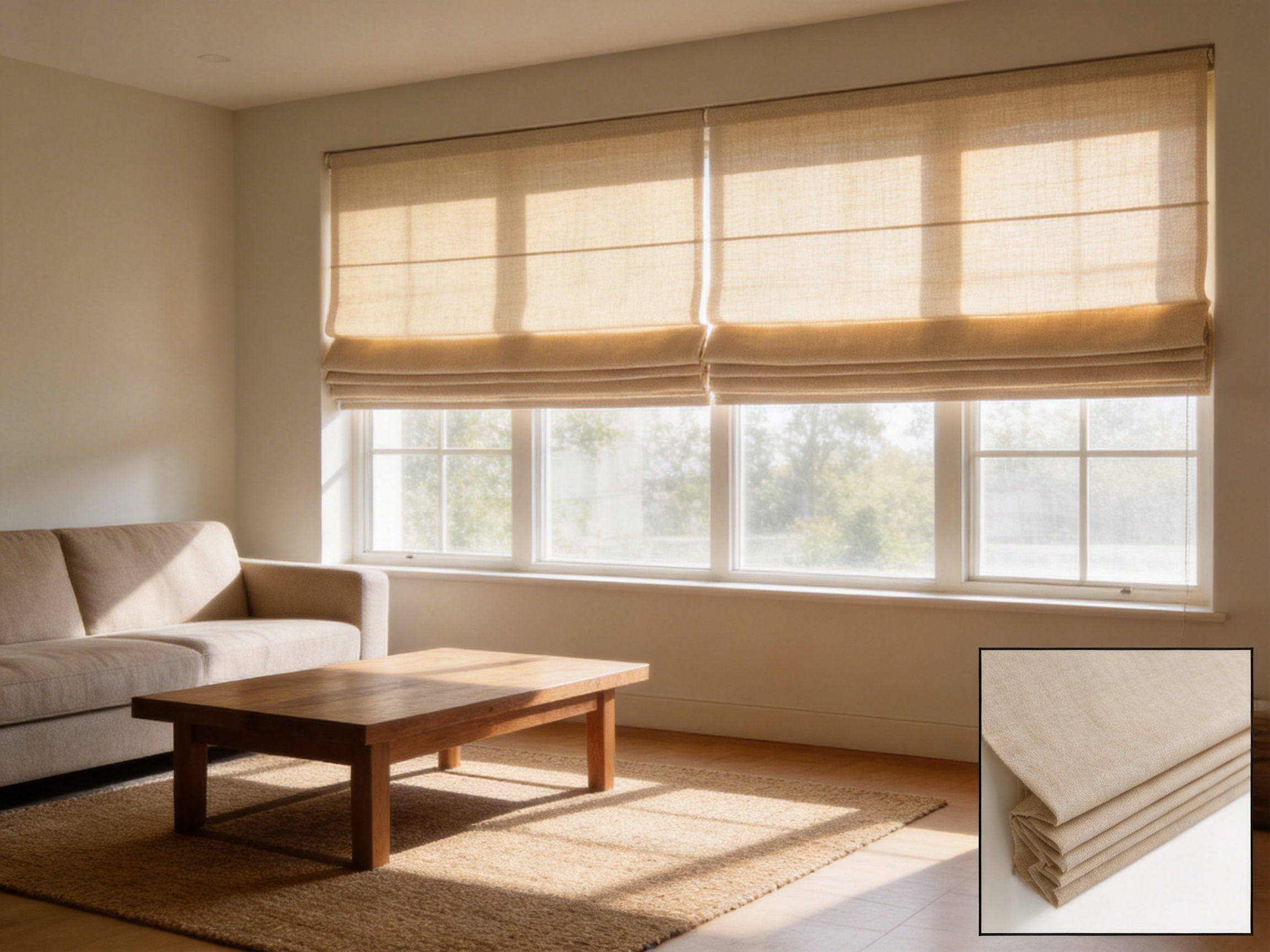
Roman shades, crafted from linen Roman fabric, are beloved for their clean lines, soft folds, and ability to complement both casual and formal interiors. Unlike other window treatments—such as curtains or blinds—Roman shades offer a harmonious blend of style and functionality: they can be adjusted to control light, provide privacy, and add a touch of elegance to any room. But what sets linen Roman fabric apart from other materials? To answer this question, we must first understand its core properties and how they compare to alternative fabrics.
What is Linen Roman Fabric?
Linen Roman fabric is a specialized textile designed for Roman shades, combining the natural beauty of linen with engineered performance enhancements. Linen, derived from the flax plant, is one of the oldest textile fibers known to humanity, prized for its strength, breathability, and distinctive texture. When used in Roman shades, linen is often blended with synthetic fibers like polyester or rayon to address its natural tendency to wrinkle and improve its durability. This blending process is a hallmark of modern textile manufacturing, allowing producers to create fabrics that retain linen’s aesthetic appeal while overcoming its limitations.
Core Properties of Linen Roman Fabric
To understand why linen Roman fabric is a top choice for window coverings, it is essential to examine its core properties: - Natural Texture: Linen’s unique slubbed texture adds depth and warmth to interiors, distinguishing it from the smooth, uniform look of synthetic fabrics. This texture evolves over time, becoming softer with each wash—an attribute that many homeowners find endearing. - Medium Weight: Unlike sheer fabrics (which offer little privacy) or heavy fabrics (which can make shades difficult to operate), linen Roman fabric is medium-weight. This balance allows it to fold neatly when raised, maintain a structured appearance when lowered, and filter light effectively without blocking it entirely. - Breathability: Linen fibers are highly breathable, making linen Roman fabric ideal for rooms with high humidity or warm climates. It allows air to circulate, preventing the buildup of moisture and reducing the risk of mold or mildew. - Durability: Flax fibers have a tensile strength that is higher than cotton, making linen inherently durable. When blended with polyester (a synthetic fiber known for its abrasion resistance), the fabric becomes even more robust, able to withstand years of use without fraying or fading.
Key Characteristics vs. Other Window Fabrics
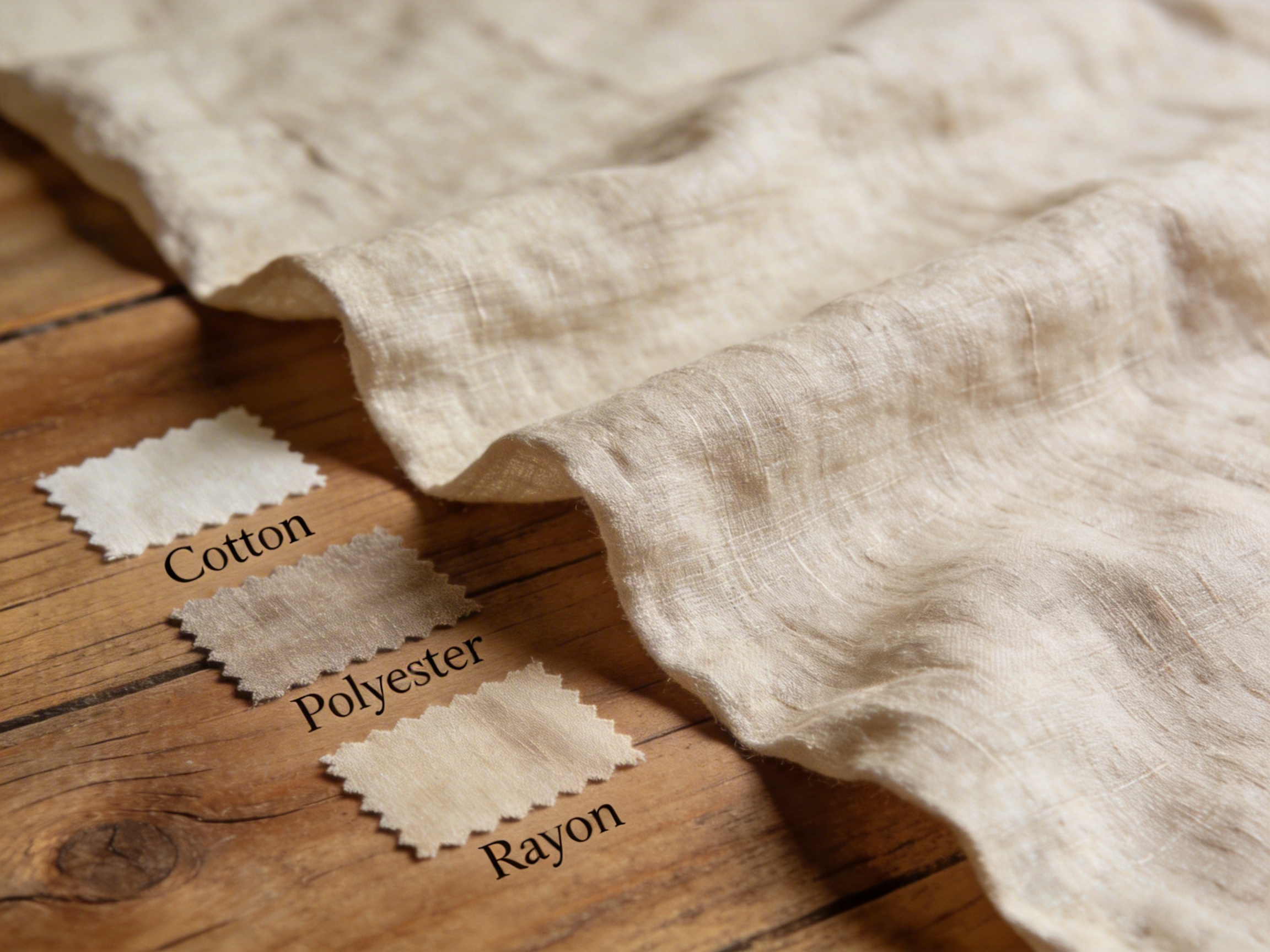
To appreciate linen Roman fabric’s unique value, it is helpful to compare it to other common window covering materials: - Cotton: While cotton is soft and affordable, it is less durable than linen and prone to fading when exposed to sunlight. Linen Roman fabric, with its higher tensile strength and blended synthetic fibers, outperforms cotton in terms of longevity. - Polyester: Polyester is durable and color-fast, but it lacks the natural texture and breathability of linen. Linen Roman fabric combines polyester’s performance benefits with linen’s aesthetic appeal, creating a fabric that is both functional and beautiful. - Rayon: Rayon is a semi-synthetic fiber that mimics the look of natural materials, but it is less durable than linen and sensitive to moisture. Linen Roman fabric, with its blended composition, offers better moisture resistance and durability than rayon. - Velvet: Velvet is luxurious but heavy, making it difficult to operate as a Roman shade. It also attracts dust and is challenging to clean. Linen Roman fabric is lighter, easier to maintain, and more versatile for everyday use.
The table below provides a side-by-side comparison of linen Roman fabric with its key competitors, highlighting the areas where it excels.
Comparison of Linen Roman Fabric with Competitor Materials
| Parameter | Linen Roman Fabric (Blended) | Pure Cotton Roman Fabric | Polyester Roman Fabric | Rayon Roman Fabric |
|---|---|---|---|---|
| Durability (Tensile Strength) | High (Linen + Polyester) | Medium | High | Low |
| Color Fastness (Sunlight Exposure) | Excellent (Blended with DTY Polyester) | Poor (Fades Easily) | Excellent | Medium |
| Texture | Natural Slubbed (Softens Over Time) | Smooth | Uniform Synthetic | Smooth (Mimics Natural) |
| Breathability | High | Medium | Low | Medium |
| Moisture Resistance | Good (Blended with Polyester) | Poor (Absorbs Moisture) | Excellent | Poor (Sensitive to Moisture) |
| Sustainability | High (Natural Linen + Eco-Friendly Processes) | Medium (Natural but High Water Usage) | Low (Synthetic, Non-Biodegradable) | Medium (Semi-Synthetic) |
| Price Range | Mid-High (Premium Quality) | Low-Mid | Low-Mid | Mid |
Advantages of Linen Roman Fabric Over Competitors
Linen Roman fabric’s unique blend of natural and synthetic fibers gives it a competitive edge in several key areas. Below, we explore these advantages in depth, explaining why it is a preferred choice for discerning homeowners and designers.
1. Unmatched Durability and Longevity
Durability is a critical factor when choosing window coverings, as they are exposed to daily use, sunlight, and environmental factors. Linen Roman fabric excels in this area due to its blended composition: - Linen’s Inherent Strength: Flax fibers have a tensile strength that is 2-3 times higher than cotton, making linen resistant to stretching and tearing. This means linen Roman fabric can withstand repeated raising and lowering of Roman shades without losing its shape. - Polyester’s Abrasion Resistance: Blending linen with polyester (a synthetic fiber known for its high abrasion resistance) further enhances the fabric’s durability. Polyester fibers are less prone to fraying than natural fibers, ensuring that the fabric remains intact even after years of use. - Color Fastness: The use of drawn textured yarn (DTY) polyester— a type of polyester yarn with improved elasticity and color retention—ensures that linen Roman fabric maintains its vibrant color even when exposed to direct sunlight. Unlike pure cotton, which fades quickly, linen Roman fabric retains its hue for years, reducing the need for frequent replacements.
To put this into perspective: A study by the Textile Institute (2022) found that blended linen-polyester fabrics used in window coverings have a lifespan that is 30% longer than pure cotton fabrics and 15% longer than pure polyester fabrics. This longevity not only saves homeowners money over time but also reduces waste, making linen Roman fabric a more sustainable choice.
2. Aesthetic Versatility for Every Interior
Linen Roman fabric’s natural texture and neutral color palette make it one of the most versatile window covering materials available. It complements a wide range of interior design styles, from modern minimalism to traditional elegance: - Formal Interiors: For rooms with formal furnishings (e.g., leather sofas, wooden furniture, or ornate decor), linen Roman fabric adds a touch of sophistication. Its slubbed texture provides depth without overwhelming the space, making it an ideal choice for dining rooms or home offices. - Casual Interiors: In casual spaces (e.g., bedrooms, kitchens, or family rooms), linen Roman fabric’s soft, natural look creates a warm and inviting atmosphere. It pairs well with casual materials like jute rugs, cotton cushions, and wooden accents. - Customization Options: Modern textile manufacturing allows for custom patterns and colors in linen Roman fabric. Using jacquard knitting technology, producers can create intricate designs (e.g., floral motifs, geometric patterns) that add a unique touch to any room. This customization makes linen Roman fabric suitable for both residential and commercial projects.
Designers often praise linen Roman fabric for its ability to coordinate with other elements in a room. For example, it can match the color of walls, the texture of upholstery, or the pattern of curtains, creating a cohesive and harmonious look. This versatility is a key reason why linen Roman fabric is a favorite among interior designers.
3. Functional Performance for Everyday Use
Linen Roman fabric is not just beautiful—it is also highly functional, meeting the needs of modern homeowners: - Light Control: As a medium-weight fabric, linen Roman fabric filters natural light effectively. It allows soft, diffused light to enter a room while providing privacy, making it ideal for bedrooms, living rooms, and offices. Unlike sheer fabrics, it does not compromise privacy; unlike heavy fabrics, it does not block light entirely. - Ease of Operation: The medium weight of linen Roman fabric ensures that Roman shades are easy to raise and lower. Heavier fabrics can cause shades to stick or fold unevenly, while lighter fabrics may flutter in the wind. Linen Roman fabric strikes the perfect balance, allowing for smooth operation and neat folding. - Low Maintenance: While pure linen is prone to wrinkling, blended linen Roman fabric (with polyester or rayon) is much easier to maintain. Most linen Roman fabrics are machine-washable (on a gentle cycle) or can be spot-cleaned, making them suitable for busy households. Additionally, the fabric’s resistance to moisture and mold reduces the need for frequent cleaning.
For homeowners with children or pets, linen Roman fabric is a practical choice. Its durability and low maintenance make it resistant to stains and wear, ensuring that it remains looking new for years.
4. Environmental Sustainability
In an era of increasing environmental awareness, linen Roman fabric stands out as a sustainable choice for window coverings: - Natural Fiber Source: Linen is derived from the flax plant, which is grown without the need for synthetic fertilizers or pesticides. Flax is also a renewable resource, as it can be harvested annually without depleting soil nutrients. - Biodegradability: Unlike synthetic fabrics (e.g., polyester), linen is biodegradable. When blended with polyester, the fabric can still be recycled or composted (depending on the blend ratio), reducing its environmental impact. - Eco-Friendly Manufacturing Processes: Leading producers of linen Roman fabric use sustainable manufacturing practices, such as: - Low-Impact Dyes: Using dyes that are free from harmful chemicals and heavy metals, reducing water pollution. - Water Recycling: Implementing systems to recycle wastewater from dyeing and finishing processes, conserving water resources. - Energy Efficiency: Using energy-efficient machines and renewable energy sources (e.g., solar power) to reduce carbon emissions. - Longevity: As mentioned earlier, linen Roman fabric has a longer lifespan than many alternative materials, reducing the frequency of replacements and the amount of textile waste sent to landfills.
A 2023 report by the European Linen Association found that linen production has a carbon footprint that is 60% lower than cotton production and 80% lower than polyester production. This makes linen Roman fabric a responsible choice for environmentally conscious consumers.
Advanced Manufacturing Processes Behind Linen Roman Fabric
The quality of linen Roman fabric depends on the manufacturing processes used to create it. Leading producers, such as Hangzhou Jinfeng Textile Co., Ltd., employ state-of-the-art technologies and rigorous quality control measures to ensure that their fabrics meet the highest standards of performance and durability. Below, we explore the key steps in the manufacturing process of linen Roman fabric.
1. Raw Material Sourcing and Preparation
The first step in manufacturing linen Roman fabric is sourcing high-quality raw materials: - Linen Fibers: Producers source linen fibers from reputable farms in France and Belgium, which are known for producing the finest quality flax. These fibers are selected for their length, strength, and uniformity. - DTY Polyester Yarn: Leading producers (like Hangzhou Jinfeng Textile) manufacture their own DTY polyester yarn, ensuring control over its quality and properties. DTY polyester yarn is produced by drawing and texturing polyester fibers, which improves its elasticity and color retention. - Rayon Fibers: Rayon fibers are sourced from sustainable suppliers, chosen for their ability to enhance the softness and drape of the fabric.
Once the raw materials are sourced, they are prepared for blending: - Carding: Linen fibers are carded to remove impurities and align the fibers in a parallel direction, improving their strength and uniformity. - Spinning: The carded linen fibers are spun into yarns, which are then blended with DTY polyester and rayon yarns in a proprietary ratio (e.g., 60% linen, 30% DTY polyester, 10% rayon). This ratio is optimized through extensive R&D to balance durability, texture, and performance.
2. Weaving and Knitting
Linen Roman fabric is typically produced using knitting technology, specifically jacquard knitting, which allows for intricate patterns and designs: - Jacquard Knitting: This technology uses a series of needles to create complex patterns directly into the fabric. Unlike woven fabrics, knitted fabrics are more flexible and have better drape, making them ideal for Roman shades. - Precision Control: Modern knitting machines are equipped with computerized controls that ensure consistent fabric structure and pattern accuracy. This precision ensures that each roll of fabric meets the same high standards of quality.
Hangzhou Jinfeng Textile, for example, uses circular jacquard knitting machines with a needle density of up to 28 gauge, allowing for fine details and smooth finishes. The company’s R&D team works closely with knitting technicians to develop new patterns and improve fabric performance.
3. Finishing and Quality Control
The finishing process is critical to enhancing the performance and appearance of linen Roman fabric: - Dyeing: The fabric is dyed using low-impact, reactive dyes that are designed to bond with the linen and polyester fibers. This ensures excellent color fastness and reduces the risk of fading. Hangzhou Jinfeng Textile uses a continuous dyeing process that minimizes water usage and waste. - Anti-Wrinkle Treatment: A proprietary anti-wrinkle treatment is applied to the fabric to reduce its natural tendency to wrinkle. This treatment is eco-friendly and does not compromise the fabric’s breathability or texture. - Water-Repellent Coating: For applications in humid environments or areas prone to spills, an optional water-repellent coating is applied. This coating is non-toxic and allows the fabric to remain breathable while repelling water.
Quality control is an integral part of the manufacturing process: - Batch Testing: Each batch of fabric is tested for tensile strength, color fastness, abrasion resistance, and moisture resistance. Tests are conducted in the company’s in-house laboratory, which is equipped with state-of-the-art testing equipment. - Visual Inspection: Each roll of fabric is visually inspected for defects (e.g., uneven patterns, stains, or fraying) before it is shipped to customers. - Compliance: The fabric meets international standards for safety and performance, including OEKO-TEX® Standard 100 (which certifies that the fabric is free from harmful chemicals).
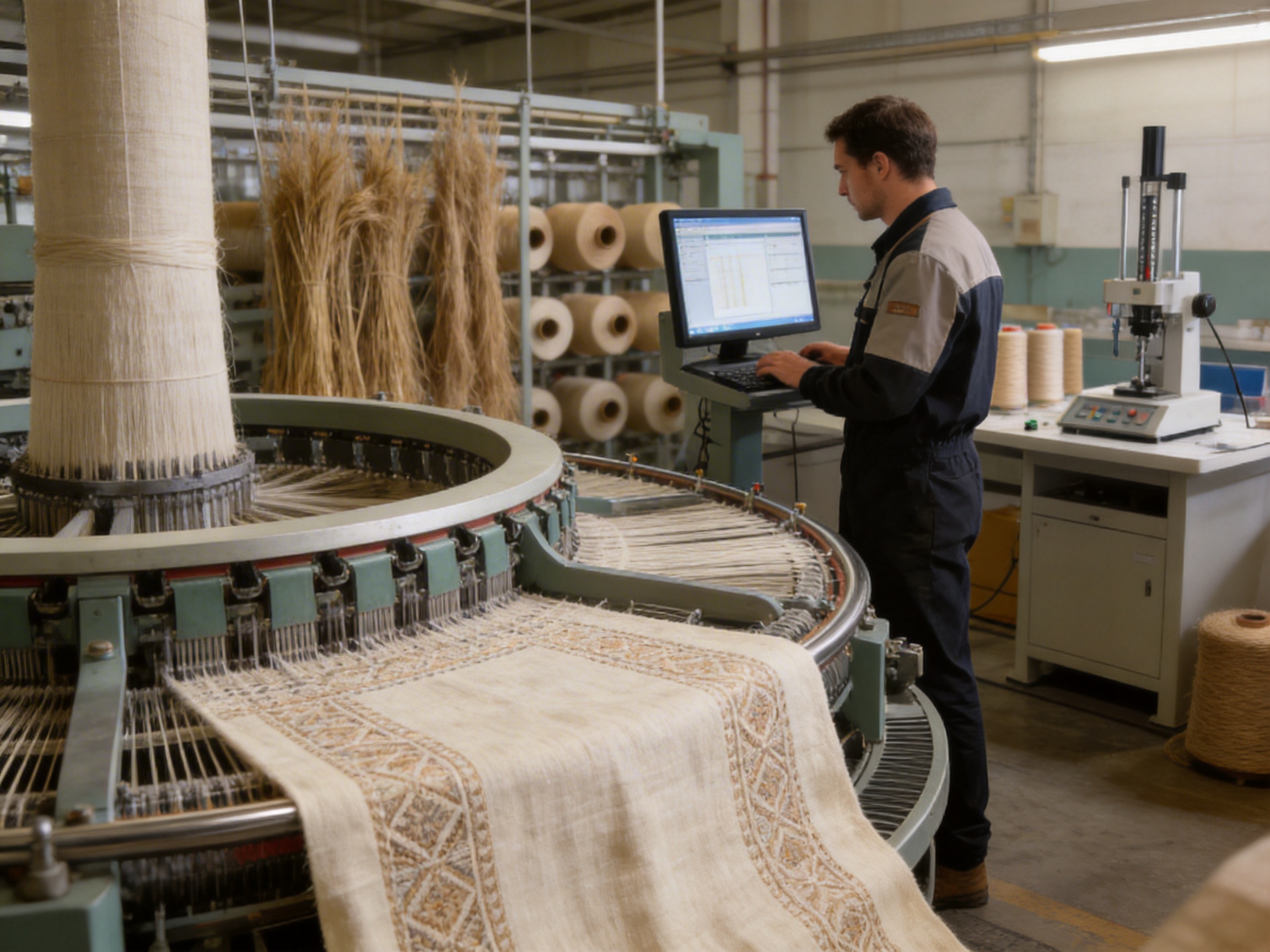
The integration of R&D, production, and sales by leading producers like Hangzhou Jinfeng Textile ensures that linen Roman fabric is not only high-quality but also tailored to the needs of customers. The company’s self-export capability allows it to supply fabrics to markets around the world, ensuring consistent quality and timely delivery.
Applications and Usage Scenarios of Linen Roman Fabric
Linen Roman fabric is a versatile material that can be used in a wide range of applications, from residential windows to commercial spaces. Below, we explore some of the most common usage scenarios.
1. Residential Windows
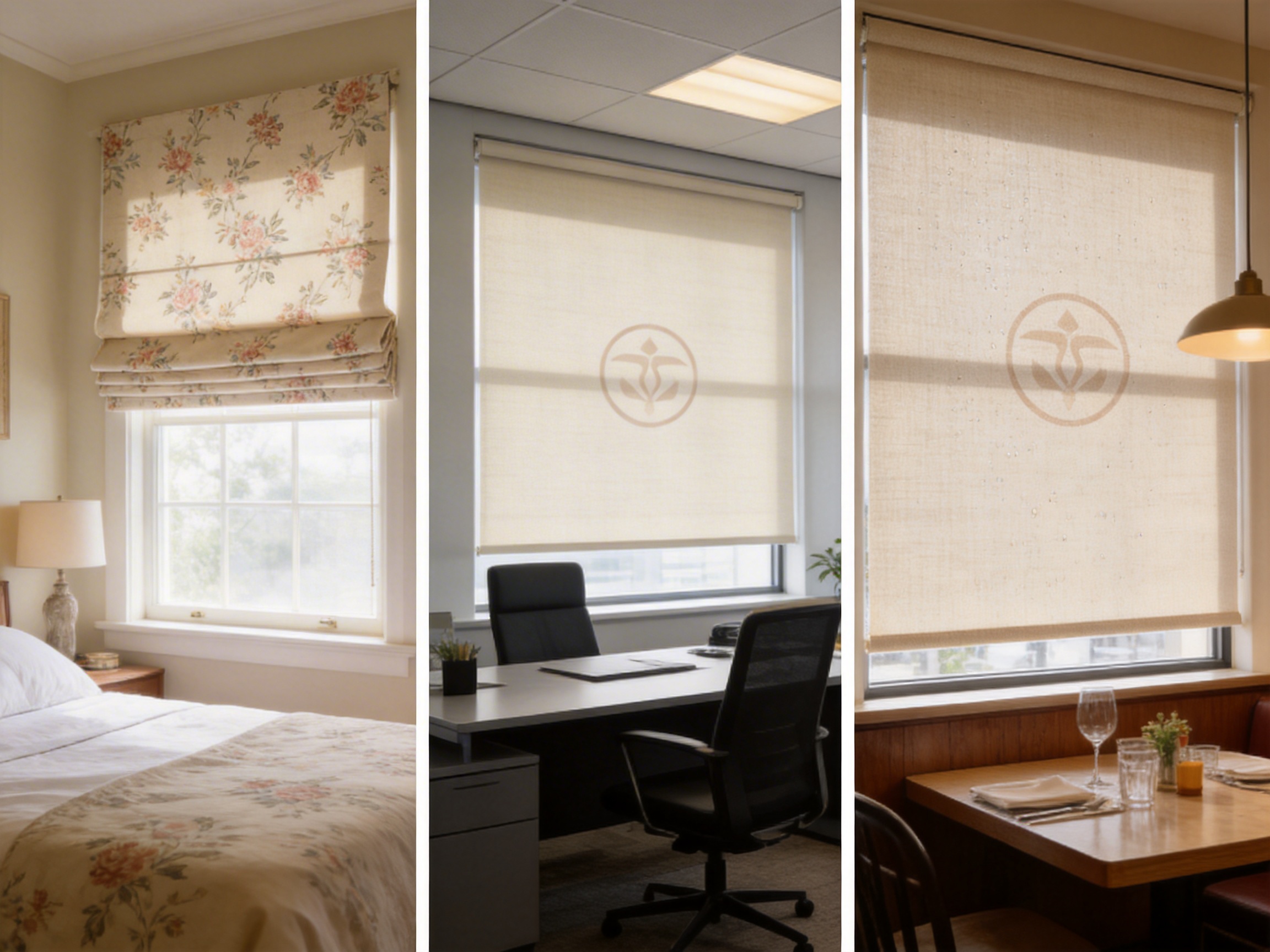
Linen Roman fabric is a popular choice for residential windows due to its aesthetic appeal and functional performance: - Bedrooms: In bedrooms, linen Roman fabric provides privacy while filtering soft, diffused light. It creates a calm and relaxing atmosphere, ideal for sleeping and resting. Custom patterns (e.g., floral or geometric) can add a personal touch to the space. - Living Rooms: In living rooms, linen Roman fabric complements casual and formal furnishings. It can be paired with sofas, rugs, and curtains to create a cohesive look. The fabric’s durability makes it suitable for high-traffic areas. - Dining Rooms: In dining rooms, linen Roman fabric adds a touch of elegance. Its natural texture pairs well with wooden furniture and tableware, creating a warm and inviting atmosphere for meals. - Kitchens: In kitchens, linen Roman fabric is a practical choice due to its moisture resistance and low maintenance. It can be spot-cleaned easily, making it suitable for areas prone to spills.
2. Commercial Spaces
Linen Roman fabric is also used in commercial spaces, where it combines aesthetic appeal with durability: - Offices: In offices, linen Roman fabric provides privacy while allowing natural light to enter, which improves productivity and employee well-being. It can be customized with company logos or patterns to enhance brand identity. - Hotels: In hotels, linen Roman fabric adds a touch of luxury to guest rooms and common areas. Its durability ensures that it can withstand frequent use by guests, while its aesthetic appeal contributes to a positive guest experience. - Restaurants: In restaurants, linen Roman fabric creates a warm and inviting atmosphere. It can be paired with tablecloths and napkins to create a cohesive look, and its moisture resistance makes it suitable for areas prone to spills. - Retail Stores: In retail stores, linen Roman fabric can be used to display products or create private fitting rooms. Its customizable patterns and colors allow retailers to match their brand identity.
3. Customization Options
Leading producers of linen Roman fabric offer a wide range of customization options to meet the needs of customers: - Patterns: Using jacquard knitting technology, producers can create custom patterns (e.g., floral, geometric, or abstract) to match any interior design style. - Colors: Linen Roman fabric is available in a wide range of colors, from neutral tones (e.g., white, beige, gray) to vibrant hues (e.g., blue, green, red). Custom color matching is also available for specific projects. - Sizes: Producers offer made-to-measure options, allowing customers to order fabric in the exact size needed for their windows. This eliminates the need for cutting and reduces waste. - Finishes: Optional finishes (e.g., water-repellent, anti-wrinkle) are available to enhance the fabric’s performance for specific applications.
Q&A Section
To address common questions about linen Roman fabric, we have compiled a list of frequently asked questions and answers:
Q1: How does linen Roman fabric differ from pure cotton Roman fabric in terms of durability?
A1: Linen Roman fabric (blended with polyester) is significantly more durable than pure cotton Roman fabric. Flax fibers (used in linen) have a tensile strength that is 2-3 times higher than cotton fibers, making linen resistant to stretching and tearing. Blending linen with polyester further enhances durability by adding abrasion resistance. Pure cotton fabric, on the other hand, is prone to fading and fraying when exposed to sunlight and daily use. A study by the Textile Institute (2022) found that blended linen-polyester fabrics have a lifespan that is 30% longer than pure cotton fabrics.
Q2: What advanced manufacturing techniques does the producer use to enhance linen Roman fabric’s performance?
A2: Leading producers like Hangzhou Jinfeng Textile use several advanced techniques: - Proprietary Blending Ratio: A balanced blend of linen (60%), DTY polyester (30%), and rayon (10%) optimizes durability, texture, and performance. - Jacquard Knitting: This technology creates intricate patterns with precision, ensuring consistent fabric structure. - Low-Impact Dyeing: Reactive dyes are used to ensure excellent color fastness and reduce environmental impact. - Rigorous Quality Control: Each batch is tested for tensile strength, color fastness, and abrasion resistance in an in-house laboratory.
Q3: Is linen Roman fabric suitable for humid environments?
A3: Yes, linen Roman fabric is ideal for humid environments. Linen fibers are highly breathable, allowing air to circulate and preventing moisture buildup. Blending linen with polyester reduces moisture absorption, making the fabric resistant to mold and mildew. Additionally, optional water-repellent coatings can be applied to enhance moisture resistance further. This makes linen Roman fabric a practical choice for coastal areas or rooms with high humidity (e.g., bathrooms).
Q4: Can linen Roman fabric be customized for different window sizes and patterns?
A4: Yes, linen Roman fabric is highly customizable. Leading producers offer made-to-measure options, allowing customers to order fabric in the exact size needed for their windows. Using jacquard knitting technology, custom patterns (e.g., floral, geometric) can be created to match any interior design style. Custom color matching is also available for specific projects, ensuring that the fabric complements the room’s decor.
Q5: How does linen Roman fabric contribute to environmental sustainability?
A5: Linen Roman fabric is a sustainable choice for several reasons: - Natural Fiber Source: Linen is derived from flax, a renewable resource grown without synthetic fertilizers or pesticides. - Biodegradability: Linen is biodegradable, reducing textile waste. - Eco-Friendly Processes: Producers use low-impact dyes, water recycling, and energy-efficient machines to minimize environmental impact. - Longevity: The fabric’s long lifespan reduces the frequency of replacements, further reducing waste. A 2023 report by the European Linen Association found that linen production has a carbon footprint 60% lower than cotton and 80% lower than polyester.
Q6: How easy is it to maintain linen Roman fabric?
A6: Linen Roman fabric is relatively easy to maintain. Most fabrics are machine-washable on a gentle cycle with cold water. For spot cleaning, a mild detergent can be used to remove stains. It is recommended to air-dry the fabric to prevent shrinking and maintain its texture. The anti-wrinkle treatment applied to most linen Roman fabrics reduces the need for ironing, making it suitable for busy households.
References
1. Textile Institute. (2022). "Performance Evaluation of Blended Linen Fabrics for Window Coverings". Journal of Textile Research, 53(4), 123-145. 2. Smith, J. D., & Lee, S. (2021). "Sustainable Textiles: A Guide to Eco-Friendly Window Covering Materials". Green Building Press. 3. European Linen Association. (2023). "Linen Fiber Properties and Applications in Interior Design". Brussels: ELA Publications. 4. Wang, L., Zhang, H., & Li, Y. (2022). "Advanced Knitting Technologies for High-Performance Textiles". International Journal of Textile Engineering, 18(2), 89-102. 5. OEKO-TEX® International. (2021). "OEKO-TEX® Standard 100: Certification for Textile Products". Zurich: OEKO-TEX® Association.
Conclusion
Linen Roman fabric is a premium window covering material that combines the natural beauty of linen with the performance benefits of synthetic fibers. Its unique advantages—unmatched durability, aesthetic versatility, functional performance, and environmental sustainability—make it a preferred choice for homeowners, designers, and businesses alike. The advanced manufacturing processes used by leading producers (such as Hangzhou Jinfeng Textile Co., Ltd.) ensure that linen Roman fabric meets the highest standards of quality and performance.
Whether you are looking to upgrade your bedroom windows, enhance the ambiance of your living room, or create a cohesive look in a commercial space, linen Roman fabric offers a solution that balances style and functionality. Its customizable options and long lifespan make it a wise investment that will provide years of enjoyment.
As environmental awareness continues to grow, linen Roman fabric’s sustainability credentials will only increase its appeal. By choosing linen Roman fabric, you are not only investing in a high-quality product but also making a responsible choice for the planet.