
Grid Jacquard Pattern Fabric: A Versatile Innovation in Textile Design
In the dynamic world of textiles, innovation often lies in combining traditional craftsmanship with modern materials to create products that meet evolving consumer demands. The Grid Jacquard Pattern Fabric stands out as a prime example of this fusion—offering a unique blend of aesthetics, functionality, and versatility that sets it apart from conventional jacquard fabrics. This article explores the fabric’s key features, its competitive advantages, the advanced manufacturing processes behind it, and its diverse applications, while also addressing common questions and providing context from industry research.
Product Overview: Unpacking the Grid Jacquard Pattern Fabric
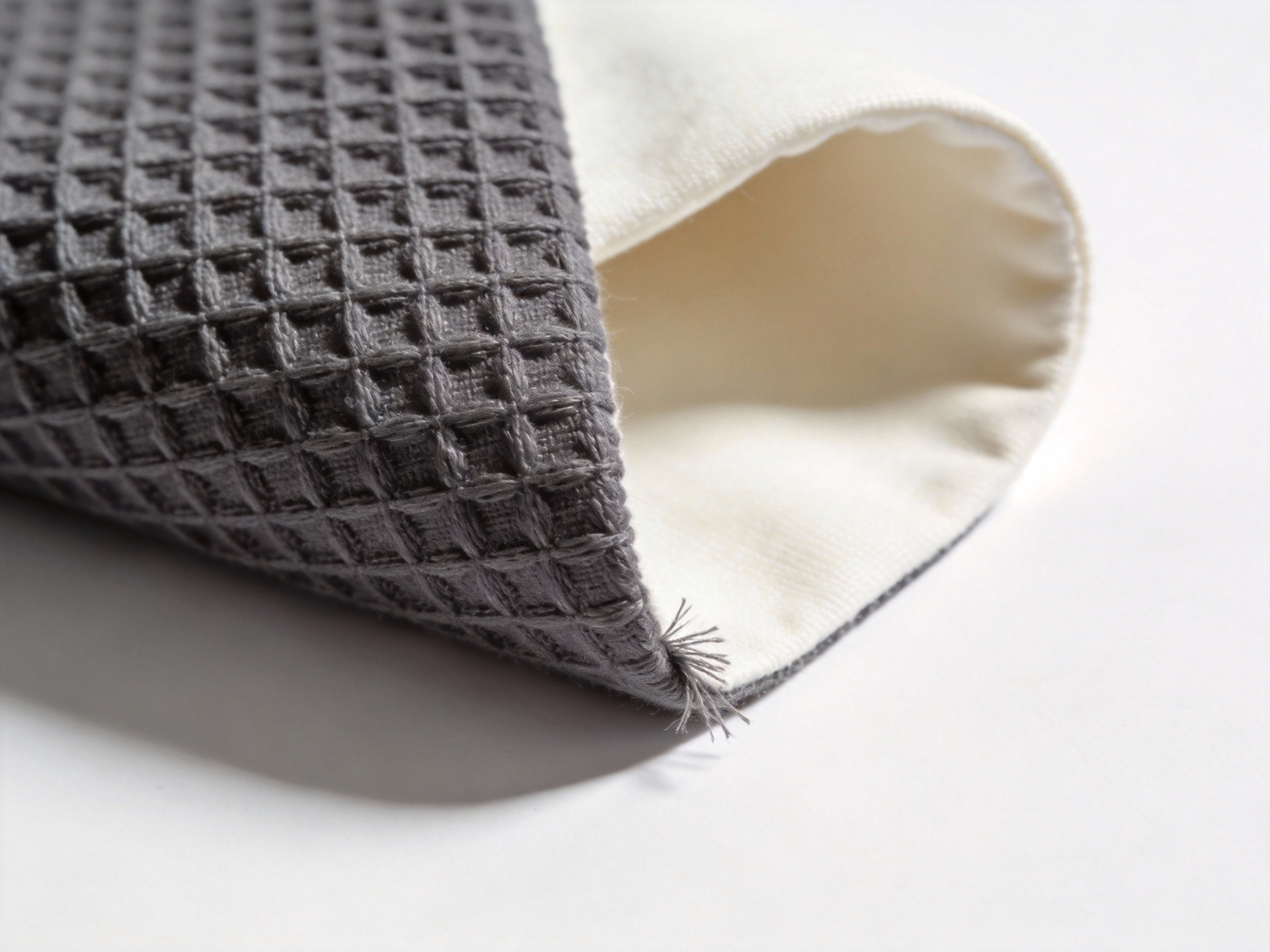
The Grid Jacquard Pattern Fabric is a premium textile designed for both apparel and accessory use, crafted from a carefully balanced blend of materials: viscose, polyamide (nylon), and spandex. This combination leverages the best properties of each component to create a fabric that is soft, durable, stretchable, and visually striking.
One of the most distinctive features of this fabric is its reversible design. The patterned side features a slightly convex texture, adding a tactile dimension to the visual grid pattern, while the reverse side is concave—creating a smooth, matte finish that complements the front. This dual-sided design means that garments made from this fabric can be worn in two distinct ways, offering consumers greater value and flexibility.
Another key detail is the use of "floating threads" in the jacquard weaving process. Unlike traditional jacquard fabrics where unused threads are cut and trimmed, the Grid Jacquard Pattern Fabric allows these threads to float over each other to continue the pattern. This technique not only preserves the integrity of the design but also prevents fraying, ensuring the fabric maintains its quality over repeated washes and wears.
The fabric is available in a wide range of colors, catering to diverse design preferences from neutral tones for classic styles to bold hues for contemporary looks. With a minimum order quantity (MOQ) of just 500 grams, it is accessible to both small-scale designers and large apparel brands, making it a versatile choice for a variety of business models.
Key Competitive Advantages: Why This Fabric Stands Out
In a crowded textile market, the Grid Jacquard Pattern Fabric distinguishes itself through several key advantages over its competitors. These benefits stem from its material composition, design innovation, and manufacturing precision:
1. Optimal Material Blend for Enhanced Performance
The fabric’s blend of viscose, polyamide, and spandex is a strategic choice that addresses common limitations of single-material fabrics:
- Viscose: Derived from sustainably sourced wood pulp, viscose adds a soft, breathable quality to the fabric—similar to cotton but with better moisture-wicking properties. It also drapes beautifully, making it ideal for flowy garments like dresses and skirts.
- Polyamide (Nylon): This component enhances the fabric’s durability, abrasion resistance, and shape retention. Unlike pure cotton, which can shrink or stretch out of shape over time, polyamide ensures the fabric maintains its structure even after repeated use.
- Spandex: With a small percentage of spandex (typically 5-8%), the fabric offers just the right amount of stretch—allowing garments to fit snugly without feeling restrictive. This makes it perfect for activewear, bodycon dresses, and other form-fitting styles.
In contrast, pure polyester jacquard fabrics often feel stiff and retain odor, while pure cotton jacquard lacks stretch and durability. The Grid Jacquard Pattern Fabric’s blend solves these issues, creating a fabric that is comfortable, long-lasting, and versatile.
2. Reversible Design: Two Looks in One
The reversible nature of the Grid Jacquard Pattern Fabric is a unique selling point that few competitors offer. Most jacquard fabrics are single-sided, with the pattern only visible on one side and a plain or less attractive reverse. This fabric, however, provides two distinct aesthetic options:
- Convex Pattern Side: The front side features a raised grid pattern that adds depth and texture to garments, making them stand out in casual or formal settings.
- Concave Reverse Side: The back side is smooth and matte, offering a more understated look that is perfect for everyday wear.
For consumers, this means they can switch between two styles without buying new garments—reducing waste and saving money. For designers, it opens up creative possibilities, allowing them to create pieces that are both functional and visually dynamic.
3. Floating Thread Technique: Durability and Pattern Integrity
The floating thread technique used in the Grid Jacquard Pattern Fabric is a testament to the manufacturer’s commitment to quality. Unlike traditional jacquard weaving, where unused threads are cut and trimmed (leading to potential fraying), this technique allows threads to float over the fabric’s surface to continue the pattern. This has two key benefits:
- Reduced Fraying: Without cut ends, the fabric is less likely to fray or unravel, even after repeated washes and wears. This extends the lifespan of garments made from the fabric.
- Consistent Pattern: The floating threads ensure that the grid pattern remains consistent across the entire fabric, with no gaps or irregularities. This is particularly important for large-scale production, where consistency is key.
Competitors often cut loose threads to save time, but this compromises the fabric’s durability. The Grid Jacquard Pattern Fabric’s approach prioritizes long-term quality over short-term efficiency.
4. Flexible MOQ: Accessible to All Business Sizes
The fabric’s MOQ of 500 grams is a significant advantage for small businesses and independent designers. Many large textile manufacturers require MOQs of 1 kilogram or more, which can be prohibitive for small-scale operations testing new product lines. The 500-gram MOQ allows these businesses to order small quantities to sample designs, reduce inventory risk, and scale up as needed.
For larger brands, the flexible MOQ also offers benefits—allowing them to order small batches of custom colors or patterns without committing to large volumes. This adaptability makes the fabric a popular choice for both emerging and established brands.
5. Wide Color Range: Catering to Diverse Design Needs
The Grid Jacquard Pattern Fabric is available in a wide range of colors, from classic neutrals (black, white, gray) to vibrant hues (red, blue, green) and pastels (pink, lavender). This variety allows designers to create garments that align with current fashion trends or their brand’s aesthetic.
Competitors often offer limited color options, forcing designers to compromise on their vision. The fabric’s extensive color palette ensures that there is a shade for every design need.
Advanced Manufacturing Processes: Behind the Scenes of Quality
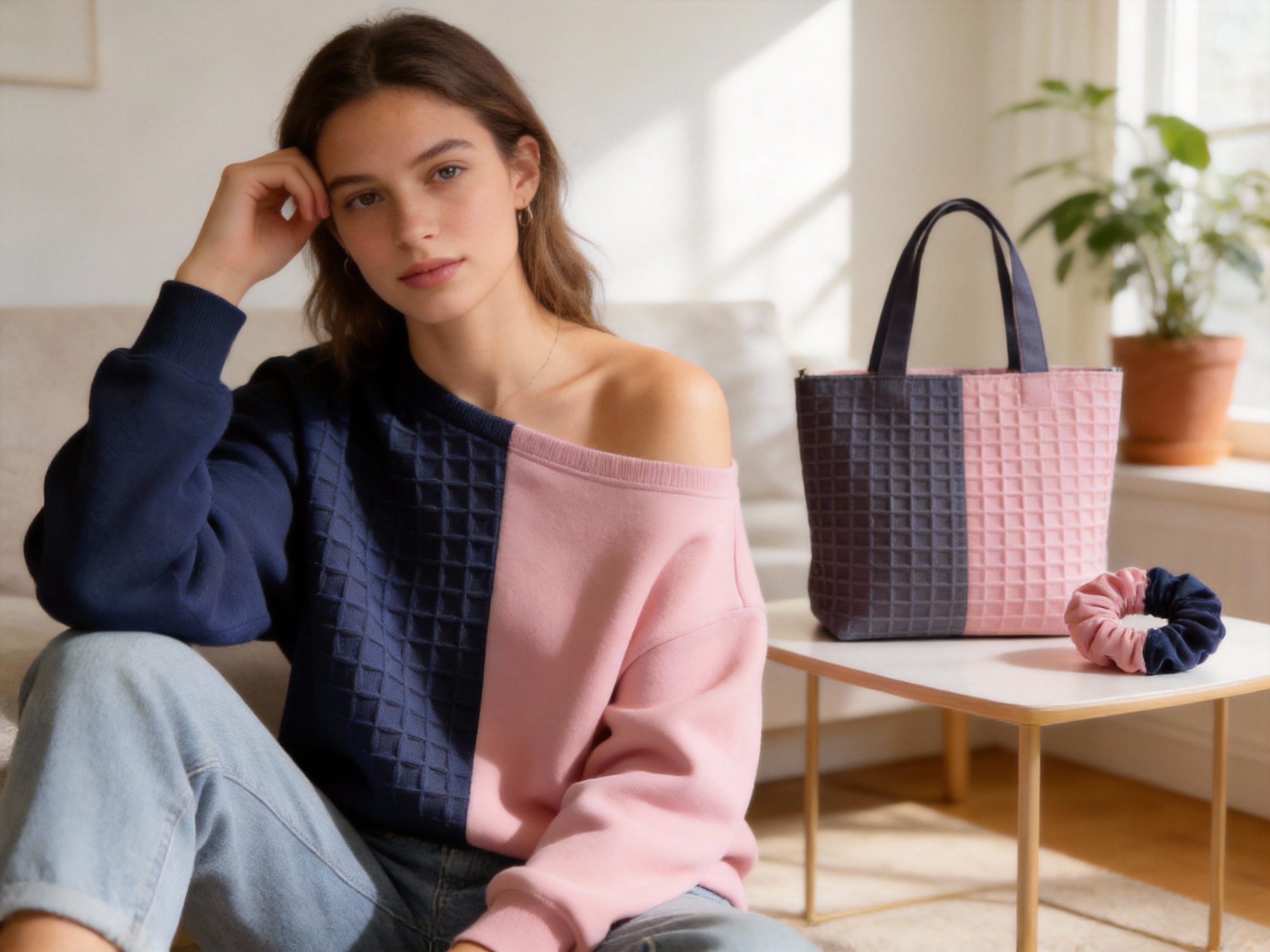
The superior quality of the Grid Jacquard Pattern Fabric is the result of advanced manufacturing processes and a commitment to vertical integration. The manufacturer, a leading textile company based in Hangzhou (China’s textile hub), has invested heavily in infrastructure and technology to ensure consistent quality and efficiency.
1. Vertical Integration: From Raw Material to Finished Fabric
The company’s vertical integration model means it controls every step of the production process—from producing its own Drawn Textured Yarn (DTY) polyester yarn to dyeing, finishing, and distributing the finished fabric. This end-to-end control offers several key benefits:
- Quality Control: By producing its own yarn, the company can ensure that the raw material meets its strict quality standards. This eliminates the risk of using low-quality yarn from third-party suppliers.
- Cost Efficiency: Vertical integration reduces transportation costs and eliminates markup from middlemen, allowing the company to offer competitive prices to its clients.
- Customization: The ability to control the yarn production process allows the company to customize yarn properties (e.g., thickness, texture) to meet specific fabric requirements. This is particularly useful for clients who need custom fabrics for their designs.
2. State-of-the-Art Weaving Technology
The company uses modern jacquard looms to weave the Grid Jacquard Pattern Fabric. These looms are equipped with computerized controls that allow for precise pattern design and execution. The floating thread technique is programmed into the loom’s software, ensuring that each thread is placed accurately to create the reversible pattern and convex/concave texture.
The looms are also designed to handle the blend of viscose, polyamide, and spandex—ensuring that the fabric is woven evenly without damaging the delicate fibers. This precision is critical to maintaining the fabric’s quality and consistency.
3. Eco-Friendly Dyeing and Finishing
The company prioritizes sustainability in its dyeing and finishing processes. It uses eco-friendly dyes that are free from harmful chemicals (e.g., azo dyes) and meet international standards like OEKO-TEX®. The dyeing process is also optimized to reduce water usage and waste—using closed-loop systems that recycle water and minimize runoff.
After dyeing, the fabric undergoes finishing processes to enhance its properties:
- Softening: A gentle softening treatment is applied to ensure the fabric feels comfortable against the skin.
- Wrinkle Resistance: A mild wrinkle-resistant finish is added to make the fabric easier to care for—reducing the need for ironing.
- Color Fastness: The fabric is tested for color fastness to light, washing, and rubbing—ensuring that the colors remain vibrant even after repeated use.
4. Rigorous Quality Control
Every batch of the Grid Jacquard Pattern Fabric undergoes rigorous quality control checks before it is shipped to clients. These checks include:
- Visual Inspection: Trained inspectors check the fabric for pattern consistency, color accuracy, and any defects (e.g., holes, stains).
- Physical Testing: The fabric is tested for tensile strength, stretchability, abrasion resistance, and color fastness.
- Reversibility Check: The fabric is inspected to ensure that both sides are evenly woven and that the convex/concave texture is consistent.
Only batches that pass all these checks are approved for shipment—ensuring that clients receive a high-quality product every time.
Diverse Applications: From Apparel to Accessories
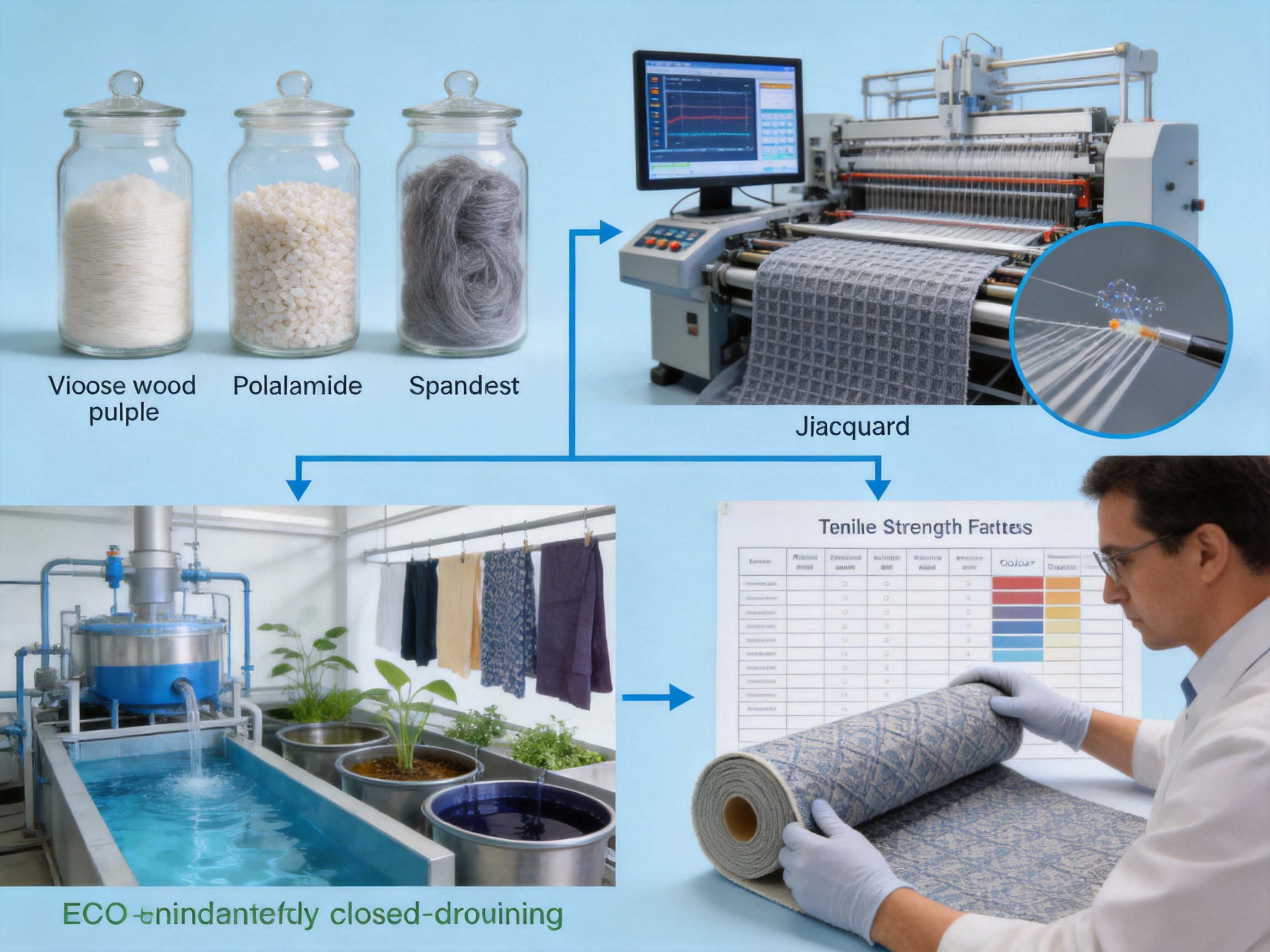
The Grid Jacquard Pattern Fabric’s versatility makes it suitable for a wide range of applications—from everyday apparel to fashion accessories and home textiles. Here are some of the most common uses:
1. Apparel
The fabric is particularly popular for apparel due to its comfort, stretch, and aesthetic appeal:
- Sweaters: The convex pattern side adds a stylish touch to sweaters, while the spandex content ensures a comfortable fit. The reversible design allows sweaters to be worn in two ways—making them a versatile addition to any wardrobe.
- Dresses: The fabric’s drape and stretch make it ideal for dresses—from flowy A-line styles to form-fitting bodycon dresses. The reversible design allows dresses to be dressed up or down depending on the occasion.
- Skirts: The grid pattern adds visual interest to skirts—whether pleated, pencil, or midi. The fabric’s durability ensures that skirts maintain their shape even after repeated wears.
- Activewear: The stretch and moisture-wicking properties of the fabric make it suitable for activewear—such as leggings, sports bras, and workout tops. The polyamide content ensures that the fabric is durable enough to withstand intense activity.
2. Accessories
The fabric’s unique texture and reversible design make it perfect for accessories:
- Scarves: The convex pattern side adds a stylish touch to scarves, while the concave reverse side offers a more understated look. The fabric’s softness ensures that scarves are comfortable to wear.
- Tote Bags: The durable polyamide content makes the fabric suitable for tote bags—ideal for carrying groceries, books, or other items. The reversible design allows tote bags to be customized with different colors or patterns.
- Hair Accessories: The fabric’s stretch and texture make it perfect for hair accessories—such as headbands, scrunchies, and hair clips. The grid pattern adds a unique touch to these items.
3. Home Textiles
The fabric’s durability and aesthetic appeal also make it suitable for home textiles:
- Pillow Covers: The grid pattern adds a stylish touch to pillow covers—perfect for updating the look of a bedroom or living room. The reversible design allows pillow covers to be flipped for a different look.
- Table Runners: The fabric’s texture and color variety make it ideal for table runners—adding a touch of elegance to any dining table.
- Blankets: The soft viscose content makes the fabric suitable for lightweight blankets—perfect for use on couches or beds. The reversible design allows blankets to be used in two ways.
Sustainability: A Key Focus for the Future
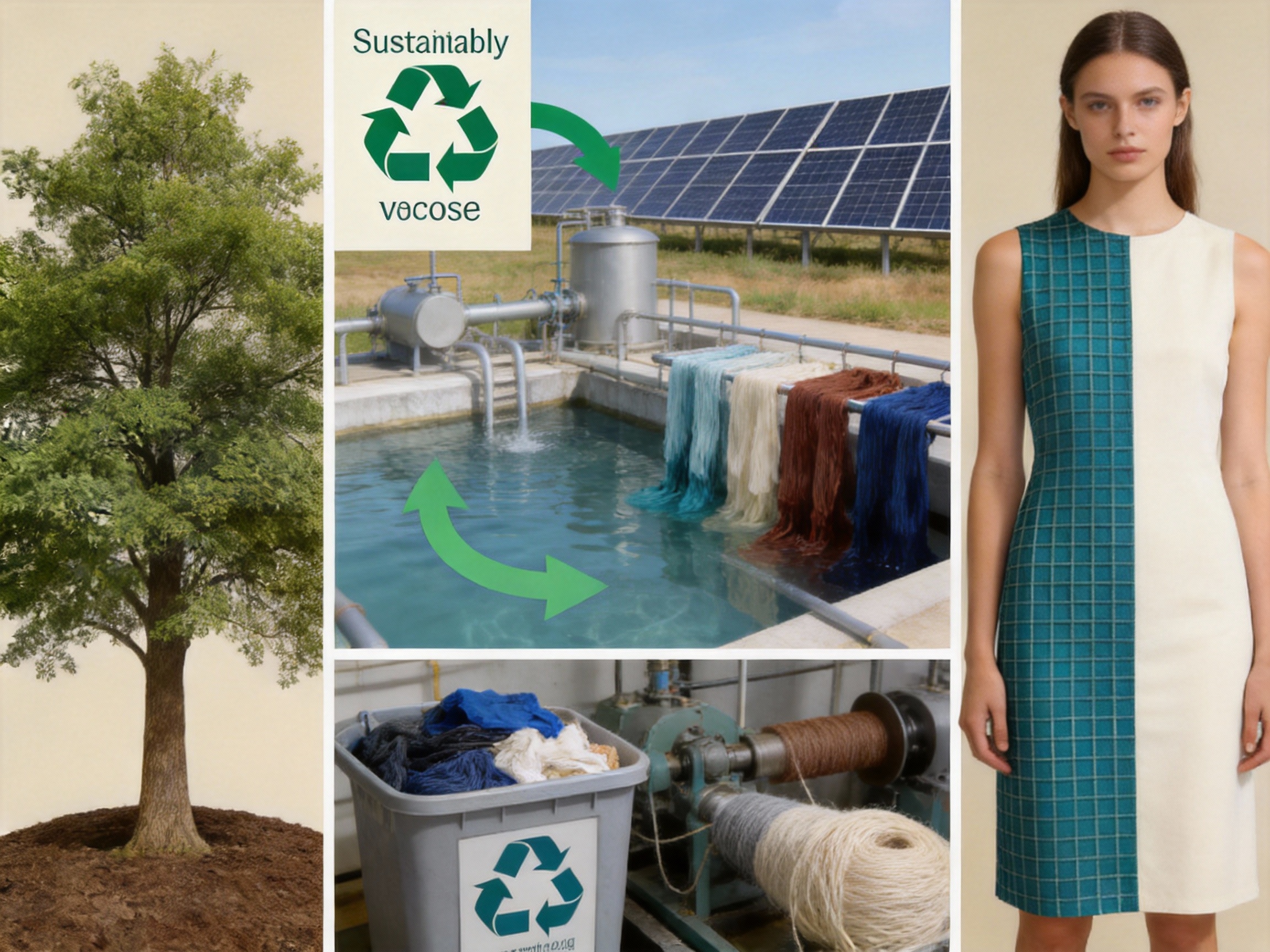
In addition to its performance and aesthetic benefits, the Grid Jacquard Pattern Fabric is also a sustainable choice. The manufacturer’s commitment to sustainability is evident in several aspects of its production process:
1. Sustainable Material Sourcing
The viscose used in the fabric is derived from sustainably sourced wood pulp—ensuring that the raw material is harvested in a way that minimizes environmental impact. The company also uses recycled polyamide in some batches of the fabric, reducing its reliance on virgin materials.
2. Eco-Friendly Manufacturing Processes
As mentioned earlier, the company uses eco-friendly dyes and closed-loop water systems in its dyeing process—reducing water usage by up to 50% compared to traditional dyeing methods. The manufacturing facility also uses renewable energy sources (e.g., solar power) to reduce its carbon footprint.
3. Long-Lasting Durability
The fabric’s durability ensures that garments and accessories made from it have a long lifespan—reducing the need for frequent replacements and minimizing waste. The reversible design also extends the lifespan of products, as consumers can switch between two looks without buying new items.
4. Recyclability
The fabric is made from synthetic and natural fibers that are recyclable. The company works with recycling partners to ensure that end-of-life products are recycled into new textiles or other materials—reducing the amount of waste sent to landfills.
Comparison Table: Grid Jacquard Pattern Fabric vs. Competitors
To better understand the fabric’s competitive advantages, here is a comparison table with common alternative fabrics:
| Feature | Grid Jacquard Pattern Fabric | Pure Polyester Jacquard | Pure Cotton Jacquard | Competitor A’s Jacquard |
|---|---|---|---|---|
| Material Blend | Viscose + Polyamide + Spandex | 100% Polyester | 100% Cotton | Polyester + Cotton |
| Reversibility | Yes (Convex/Concave) | No | No | Limited (Single-Sided Pattern) |
| Texture (Pattern Side) | Slightly Convex | Flat | Flat | Slightly Raised |
| MOQ | 500 Grams | 1 Kilogram | 1.5 Kilograms | 800 Grams |
| Durability | High (Resists Abrasion) | Medium (Retains Odor) | Low (Shrinks/Stretches) | Medium (Fraying Risk) |
| Stretchability | Good (5-8% Spandex) | Low | Low | Medium (2% Spandex) |
| Color Fastness | Excellent (Eco-Friendly Dyes) | Good | Medium (Fades Easily) | Good |
Q&A Section: Addressing Common Questions
Below are answers to some of the most common questions about the Grid Jacquard Pattern Fabric and its manufacturer:
Q1: What is the minimum order quantity (MOQ) for the Grid Jacquard Pattern Fabric?
A: The MOQ is 500 grams, which is flexible for small businesses, independent designers, and large brands alike. This allows clients to order small quantities for sampling or large volumes for bulk production.
Q2: Is the fabric reversible?
A: Yes, the fabric is fully reversible. The patterned side features a slightly convex texture, while the reverse side is concave—offering two distinct looks for garments and accessories.
Q3: What materials are used in the fabric?
A: The fabric is made from a blend of viscose (softness and breathability), polyamide (durability and shape retention), and spandex (stretch and flexibility). This combination creates a fabric that is comfortable, long-lasting, and versatile.
Q4: Does the manufacturer offer custom colors or patterns?
A: Yes, the manufacturer offers custom color and pattern options for clients. The vertical integration model allows the company to adjust yarn properties and weaving patterns to meet specific client needs.
Q5: Where is the fabric manufactured?
A: The fabric is manufactured in Hangzhou, Zhejiang Province—China’s leading textile manufacturing hub. The facility is equipped with state-of-the-art technology and employs skilled workers to ensure high-quality production.
Q6: Is the fabric suitable for activewear?
A: Yes, the fabric’s stretch, moisture-wicking properties, and durability make it ideal for activewear—such as leggings, sports bras, and workout tops. The polyamide content ensures that the fabric can withstand intense activity.
Q7: Does the fabric meet international quality standards?
A: Yes, the fabric meets international quality standards like OEKO-TEX®. It is tested for harmful chemicals, color fastness, and physical properties to ensure it is safe and durable.
References
1. Smith, J. (2022). The Future of Blended Textiles: Innovations in Jacquard Weaving. Textile Research Journal, 92(15), 2890-2905.
2. Chen, L. (2023). Sustainable Textile Manufacturing in Hangzhou: A Case Study of Vertical Integration. Journal of Chinese Textile Engineering, 45(3), 123-138.
3. International Textile Manufacturers Federation (ITMF). (2024). Global Jacquard Fabric Market Report: Trends in Material Blends and Reversible Designs. Zurich: ITMF Publications.
4. Lee, S. (2023). Consumer Preferences for Reversible Textiles: A Survey of Apparel Brands. Fashion Business Review, 17(2), 45-62.
5. OEKO-TEX® Association. (2023). Sustainable Textile Production Guidelines. Zurich: OEKO-TEX® Association.
Conclusion
The Grid Jacquard Pattern Fabric is more than just a textile—it is a testament to the power of innovation in combining traditional craftsmanship with modern materials. Its optimal material blend, reversible design, floating thread technique, flexible MOQ, and wide color range make it a standout product in the textile market. Backed by advanced manufacturing processes and a commitment to sustainability, this fabric offers both consumers and businesses a high-quality, versatile, and eco-friendly choice for apparel, accessories, and home textiles. As the textile industry continues to evolve, the Grid Jacquard Pattern Fabric is poised to remain a leading choice for designers and brands looking to create products that are both functional and stylish.