Cotton Polyester Rayon Printing Fabric: A Versatile Blend for Modern Textile Applications
In the dynamic world of textiles, the quest for the perfect fabric—one that balances comfort, durability, aesthetics, and functionality—has led to the rise of innovative blends. Among these, Cotton Polyester Rayon Printing Fabric stands out as a game-changer, combining the best properties of three distinct fibers to meet the diverse needs of apparel, home furnishings, and outdoor applications. This fabric is not just a random mix; it’s a carefully engineered blend that addresses the limitations of individual fibers, offering a superior alternative to many conventional textiles. In this article, we explore the composition, advantages, manufacturing processes, applications, and the strengths of the entity behind its production, highlighting why this fabric is a top choice for modern consumers and businesses alike.
Understanding the Fabric Composition
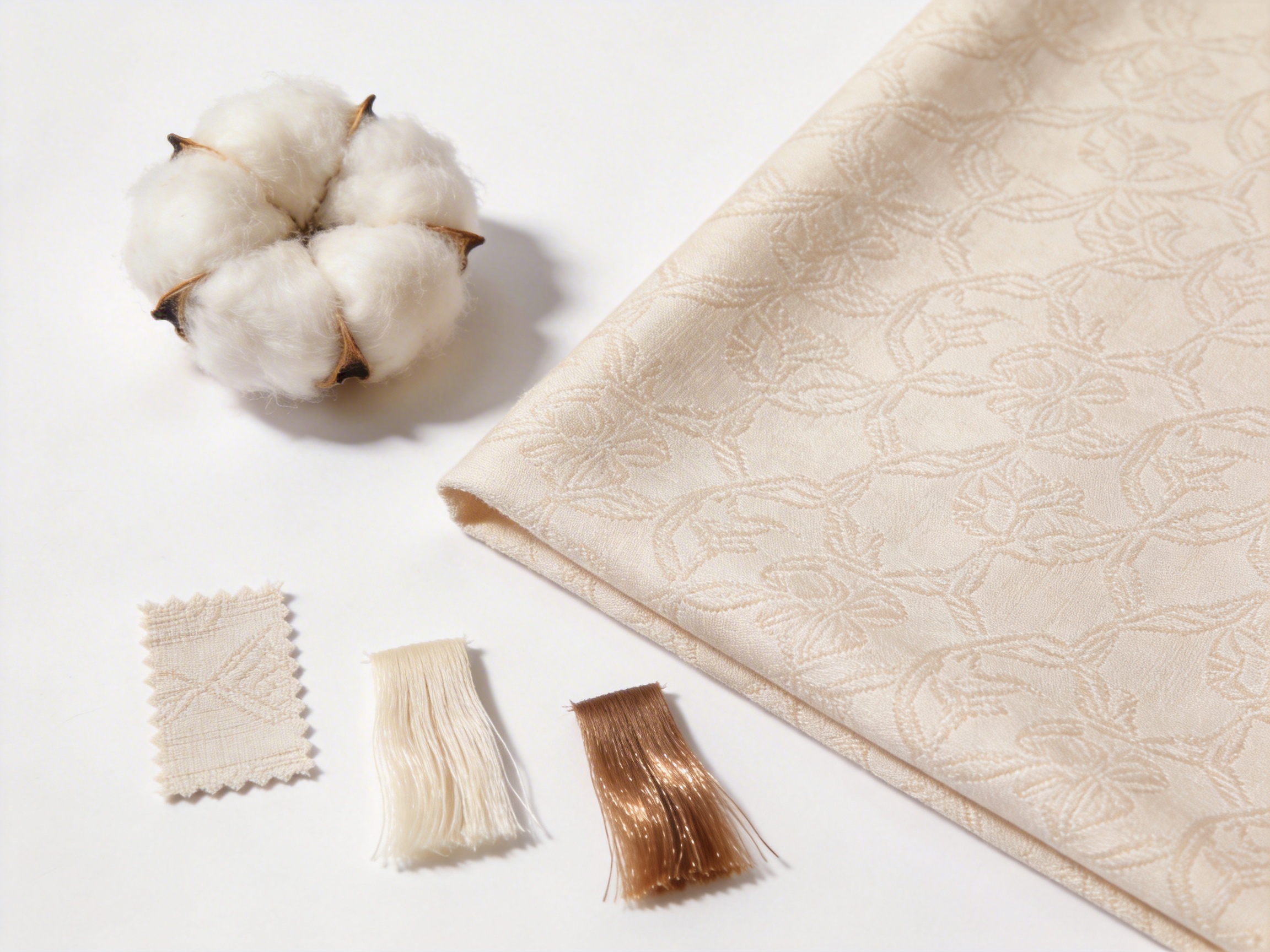
To appreciate the excellence of Cotton Polyester Rayon Printing Fabric, it’s essential to break down the properties of each component fiber and how their combination creates a synergistic effect.
The Role of Cotton: Softness and Breathability
Cotton, a natural fiber derived from cotton plants, is renowned for its exceptional softness against the skin and high breathability. It allows air to circulate freely, making it ideal for warm climates or active wear. However, cotton has inherent limitations: it wrinkles easily, shrinks when wet, and lacks the elasticity needed for form-fitting garments or durable products. In the blend, cotton contributes its signature comfort and moisture-absorbing capabilities, ensuring the fabric remains pleasant to wear even during extended use.
The Role of Polyester: Durability and Elasticity
Polyester, a synthetic fiber, is the workhorse of the blend. It is highly durable, resistant to wrinkles, shrinking, and abrasion—problems that plague natural fibers like cotton. Additionally, polyester has excellent elasticity, which helps the fabric retain its shape over time, even after repeated stretching or washing. The use of Draw Textured Yarn (DTY) polyester, a specialized variant, further enhances the fabric’s elasticity and softness, as DTY yarns are processed to have a textured, crimped structure that mimics natural fibers while retaining synthetic durability.
The Role of Rayon: Lustre and Smoothness
Rayon, a semi-synthetic fiber made from cellulose (often wood pulp), adds a touch of luxury to the blend. It has a smooth, bright, lustrous finish that resembles silk, giving the fabric an elegant appearance. Rayon also absorbs moisture well, complementing cotton’s moisture-wicking properties. Unlike pure rayon, which can be weak when wet, the blend with polyester and cotton strengthens it, making it suitable for a wider range of uses.
Synergy of the Blend: Why It Works
The combination of cotton, polyester, and rayon addresses the weaknesses of each individual fiber while amplifying their strengths. For example: - Cotton’s softness and breathability counteract polyester’s tendency to feel synthetic and trap heat. - Polyester’s durability and elasticity fix cotton’s wrinkling and shrinking issues. - Rayon’s lustre adds a premium look that neither cotton nor polyester alone can provide. This balanced blend results in a fabric that is comfortable, durable, aesthetically pleasing, and versatile—qualities that are hard to find in single-fiber textiles.
Key Advantages Over Competitor Blends
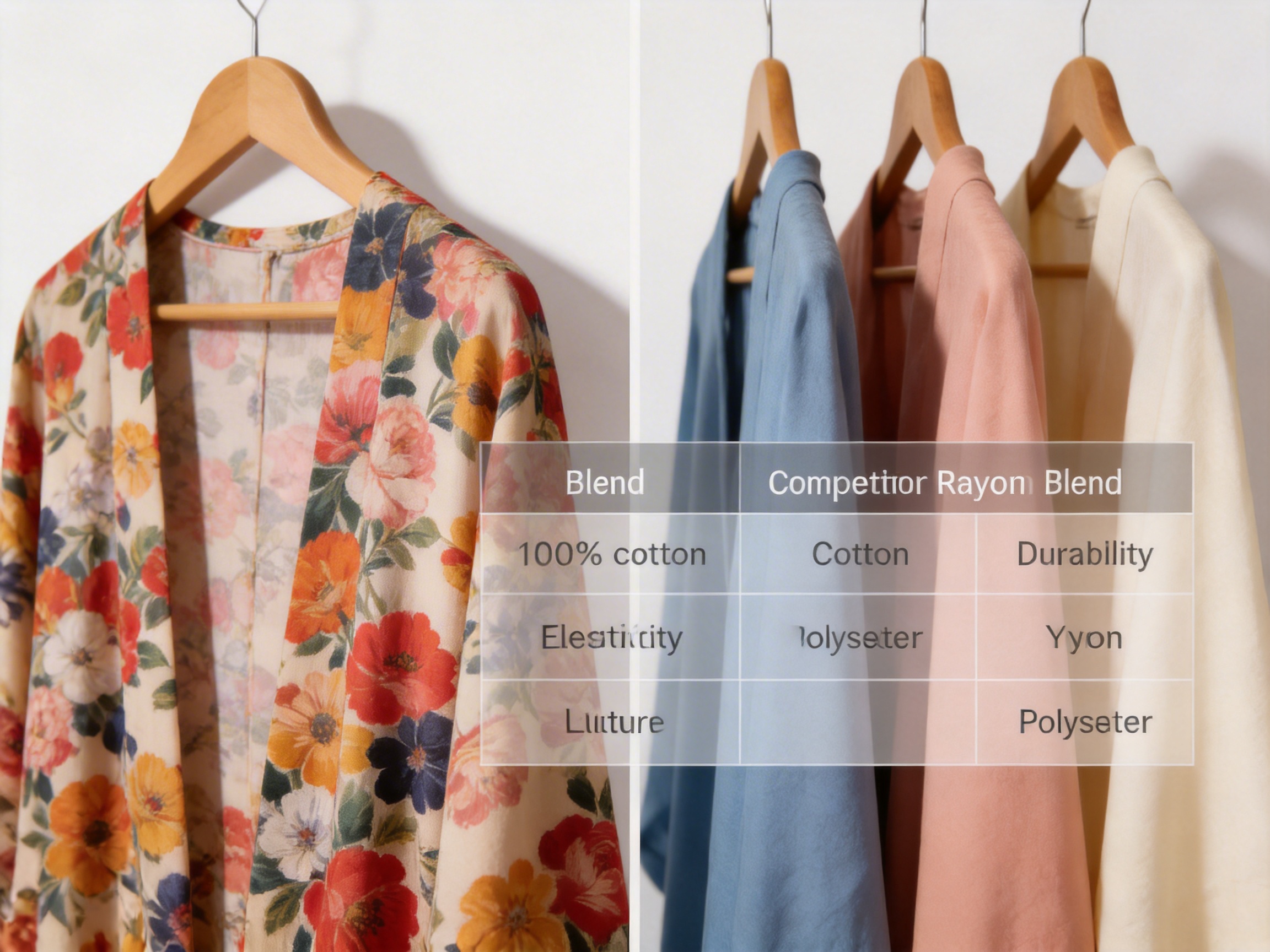
Cotton Polyester Rayon Printing Fabric outperforms many common textile blends in the market, thanks to its carefully calibrated composition. Below is a detailed comparison of its advantages over key competitors:
1. Durability & Longevity
Unlike 100% cotton, which wears out quickly with frequent use and washing, this blend’s polyester component ensures it resists abrasion and maintains its integrity for years. Even compared to cotton-polyester blends (without rayon), the addition of rayon (strengthened by polyester) does not compromise durability—instead, it enhances the fabric’s overall lifespan by reducing stress on individual fibers. For businesses that require long-lasting products (like office furniture upholstery or formal suits), this durability is a critical advantage.
2. Elasticity & Shape Retention
The use of DTY polyester yarn gives the fabric superior elasticity compared to many other blends. For example, 100% cotton has almost no elasticity, while cotton-polyester blends often lack the bounce-back needed for form-fitting garments. This fabric’s elasticity ensures that it fits well, moves with the wearer, and retains its shape even after multiple washes. This is particularly beneficial for business suits, where a tailored fit is essential for a professional appearance.
3. Moisture Absorption & Breathability
Many synthetic blends (like 100% polyester or rayon-polyester) struggle with moisture absorption, leading to a clammy feeling during use. In contrast, this blend combines cotton and rayon—both highly absorbent fibers—with polyester, which wicks away moisture. The result is a fabric that keeps the wearer dry and comfortable, whether it’s used in a summer dress or outdoor cushion. This advantage makes it suitable for both warm and cool climates, expanding its application range.
4. Lustrous Aesthetic & Versatility
The rayon component gives the fabric a smooth, lustrous finish that is often associated with high-end textiles like silk or wool. Unlike cotton-polyester blends, which can look dull, this fabric has a premium appearance that works well for formal attire, luxury home furnishings, and even high-end outdoor products. Additionally, the printing process (enabled by the blend’s smooth surface) allows for intricate, vibrant patterns that stand out, making it a favorite among designers and manufacturers.
Comparative Table of Fabric Properties
| Blend Type | Durability (1-5) | Elasticity (1-5) | Moisture Absorption (1-5) | Lustre (1-5) | Wrinkle Resistance (1-5) |
|---|---|---|---|---|---|
| Cotton Polyester Rayon Blend | 5 | 4.5 | 4.5 | 4.5 | 4 |
| 100% Cotton | 3 | 1 | 5 | 2 | 1 |
| 100% Polyester | 5 | 3 | 1 | 3 | 5 |
| Cotton-Polyester (50/50) | 4 | 2.5 | 3.5 | 2.5 | 3.5 |
| Rayon-Polyester (50/50) | 3.5 | 3 | 4 | 4 | 3 |
As the table shows, the Cotton Polyester Rayon blend scores highest across most key metrics, making it a well-rounded choice for various applications.
Advanced Manufacturing Processes
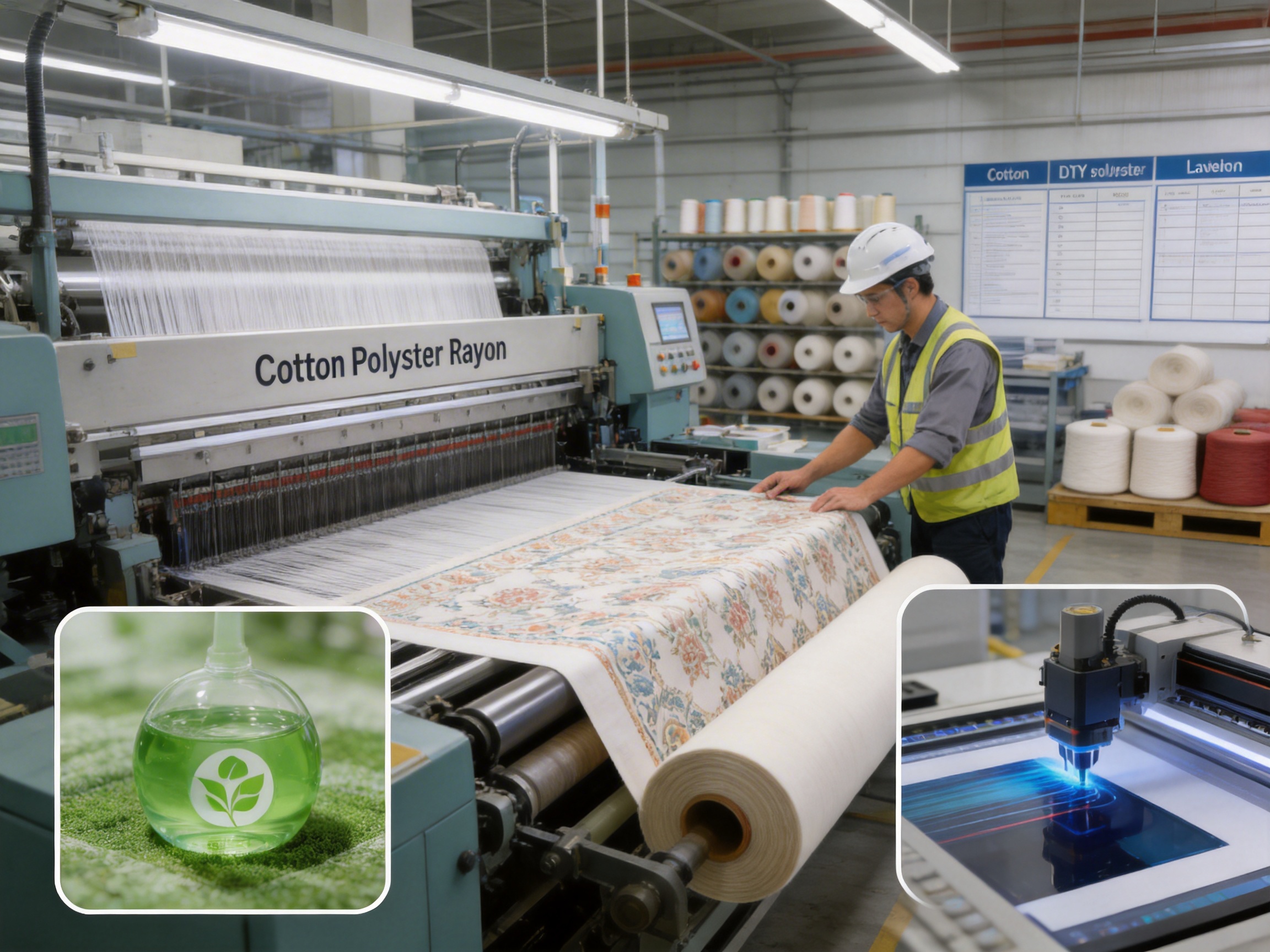
The quality of Cotton Polyester Rayon Printing Fabric is not just due to its composition—it’s also a result of advanced manufacturing processes that ensure precision, consistency, and high performance. The entity behind its production leverages cutting-edge technology and expertise to create a fabric that meets global standards.
1. Yarn Selection & Blending: Precision at the Core
The manufacturing process begins with yarn selection. The company produces its own DTY polyester yarn, which is a critical component of the blend. DTY yarn is made by drawing and texturing polyester filaments, a process that imparts elasticity and softness. The company’s in-house DTY production ensures control over yarn quality, consistency, and cost—advantages that many competitors (who source yarn externally) lack.
Next, the yarns are blended in precise ratios (typically 30% cotton, 40% DTY polyester, 30% rayon). This ratio is optimized through extensive research to balance comfort, durability, and aesthetics. The blending process uses state-of-the-art machines that mix the yarns uniformly, ensuring no clumping and consistent performance across the fabric.
2. Knitting & Jacquard Techniques: Intricate Patterns & Smooth Finish
The blended yarns are then knitted using jacquard machines—advanced equipment that allows for intricate, custom patterns. Jacquard knitting is ideal for creating detailed designs, from subtle textures to bold prints, without compromising the fabric’s smoothness. The company’s jacquard machines are programmed with precision, ensuring that each roll of fabric has consistent patterns and no defects.
Additionally, the knitting process is adjusted to control the fabric’s weight and density. For example, lighter weights are used for apparel (like dresses), while heavier weights are used for home furnishings (like upholstery). This customization ensures that the fabric meets the specific needs of different applications.
3. Printing & Finishing: Vibrant Colors & Enhanced Performance
The printing process uses eco-friendly, color-fast inks that are resistant to fading, even after repeated washing or exposure to sunlight. The company uses both digital and screen printing techniques, depending on the design complexity and order size. Digital printing is ideal for small batches with intricate designs, while screen printing is used for large orders with simpler patterns.
After printing, the fabric undergoes post-dyeing and finishing processes. These include: - Anti-wrinkle treatment: To reduce wrinkling without compromising breathability. - Softening: Using natural softeners to enhance the fabric’s feel against the skin. - Stain resistance: A water-based coating that repels spills (optional for certain applications). - Color fixing: Ensuring that the printed colors remain vibrant for years. Each finishing step is carefully monitored to maintain the fabric’s original properties while adding value.
Applications Across Industries
Cotton Polyester Rayon Printing Fabric’s versatility makes it suitable for a wide range of industries. Below are some of its key applications:
1. Apparel: Comfort Meets Style
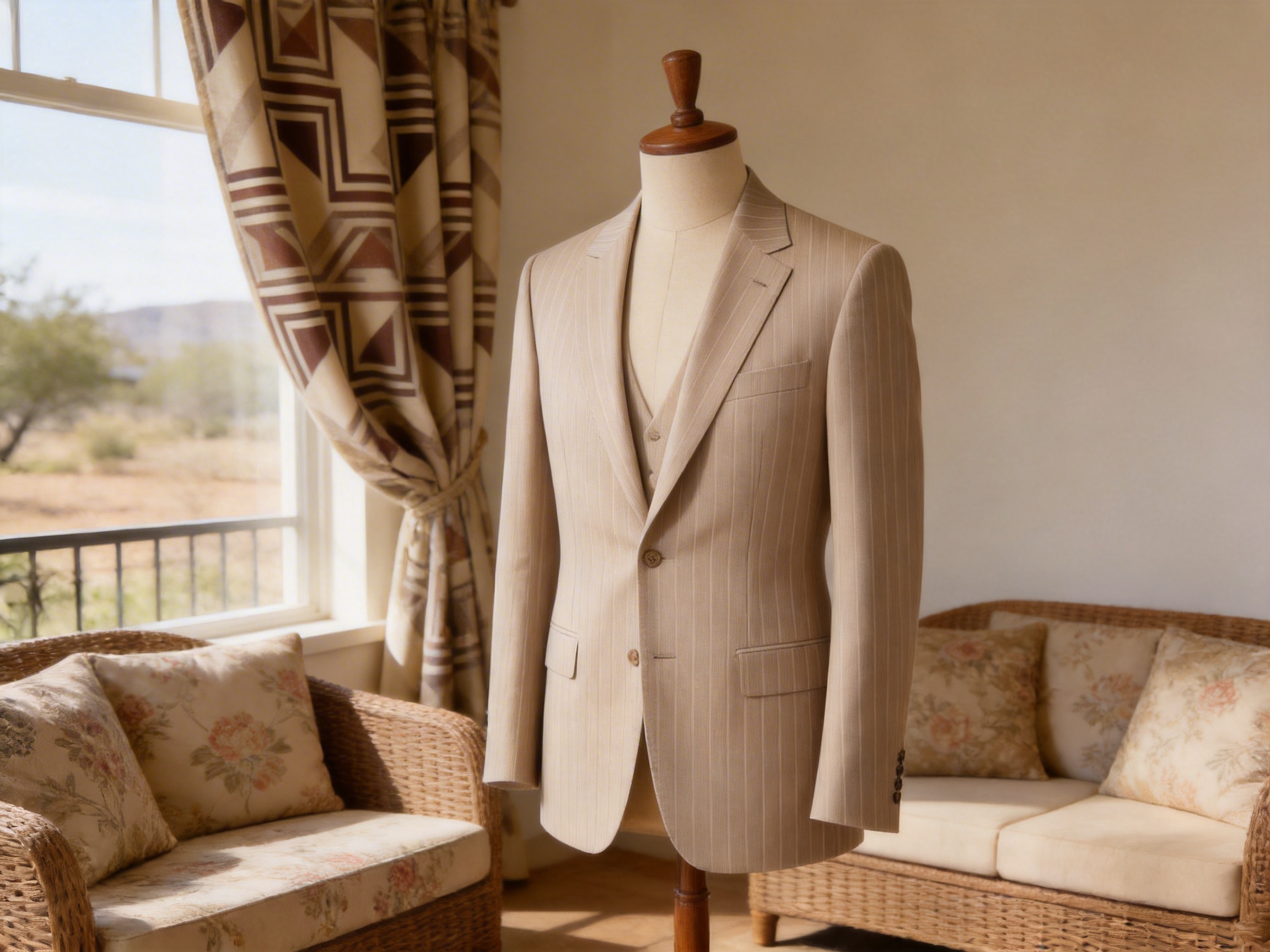
The fabric is a popular choice for apparel, especially formal and semi-formal wear. Its wool-like luster and elasticity make it ideal for business TR suiting—TR (Terylene Rayon) suiting is a type of formal wear that combines synthetic and natural fibers for comfort and style. The fabric’s durability ensures that suits retain their shape and appearance even after frequent use, while its breathability keeps the wearer comfortable during long workdays.
Beyond suiting, the fabric is used for dresses, shirts, skirts, and even active wear. Its moisture-absorbing properties make it suitable for summer clothing, while its elasticity allows for a flattering fit. Designers also appreciate the fabric’s ability to hold intricate prints, making it a favorite for fashion lines that feature bold patterns.
2. Home Furnishings: Luxury & Durability
In home furnishings, the fabric is used for curtains, upholstery, throw pillows, and tablecloths. Its lustrous finish adds a touch of elegance to any room, while its durability makes it suitable for high-traffic areas (like living rooms or dining rooms). For curtains, the fabric’s light-blocking properties (depending on weight) and vibrant prints enhance privacy and aesthetics. For upholstery, its stain-resistant finish (optional) makes it easy to clean, a key advantage for families with children or pets.
3. Outdoor Furniture: Weather Resistance & Comfort
Surprisingly, the fabric is also suitable for outdoor applications like patio furniture cushions, umbrella covers, and outdoor curtains. Its moisture-absorbing properties prevent mildew buildup (a common problem with synthetic fabrics), while its polyester component resists weathering (like UV rays and rain). The fabric’s vibrant prints also add a pop of color to outdoor spaces, making it a popular choice for outdoor furniture manufacturers.
Company’s Core Strengths
The entity behind Cotton Polyester Rayon Printing Fabric—Hangzhou Jinfeng Textile Co., Ltd—has established itself as a leader in the textile industry, thanks to its core strengths in R&D, production, quality control, and export.
1. R&D Capabilities: Innovation at Every Stage
The company integrates R&D, production, and sales, allowing it to innovate continuously. Its R&D team consists of textile engineers and material scientists who conduct extensive research to optimize blend ratios, improve manufacturing processes, and develop new applications for the fabric. For example, the team recently developed a variant of the fabric with enhanced UV resistance, expanding its outdoor application range. This focus on innovation ensures that the company stays ahead of market trends and meets the evolving needs of customers.
2. Production Scale & Quality Control: Consistency & Reliability
Hangzhou Jinfeng Textile Co., Ltd operates a large-scale production facility in Hangzhou, China, covering 32.6 acres with a plant area of 18,000 square meters. This scale allows the company to handle large wholesale orders efficiently, without compromising on quality. The facility is equipped with state-of-the-art machines for yarn production, blending, knitting, printing, and finishing.
Quality control is a top priority. The company has a dedicated quality control team that conducts rigorous tests at every stage of production: - Yarn testing: Checking for strength, elasticity, and consistency. - Blend ratio verification: Ensuring the correct proportion of cotton, polyester, and rayon. - Knitting inspection: Checking for pattern consistency and defects. - Printing quality: Testing color fastness and pattern accuracy. - Final fabric inspection: Checking for overall quality and compliance with customer specifications. This strict quality control ensures that every roll of fabric meets the highest standards.
3. Export & Wholesale Expertise: Global Reach
As a self-employed export company, Hangzhou Jinfeng Textile Co., Ltd has direct access to global markets. It exports its products to countries across Asia, Europe, North America, and Oceania, serving customers ranging from small boutique brands to large multinational corporations. The company offers competitive pricing for wholesale orders, along with flexible customization options (like pattern design, fabric weight, and finish). Its dedicated export team provides end-to-end support, from order placement to delivery, ensuring a smooth experience for international customers.
4. Sustainable Practices: Commitment to the Environment
The company is committed to sustainable manufacturing. It uses low-impact dyes that reduce water pollution, optimizes water usage in post-dyeing processes, and recycles production waste (like leftover yarns and fabric scraps). Additionally, the company is working to reduce its carbon footprint by using energy-efficient machines and renewable energy sources (like solar power) in its facility. This focus on sustainability aligns with global trends and meets the demands of eco-conscious customers.
Q&A Section
To address common questions about Cotton Polyester Rayon Printing Fabric, we’ve compiled a list of frequently asked questions and answers:
Q1: What makes Cotton Polyester Rayon Printing Fabric unique compared to other blended fabrics?
A: This fabric combines the best properties of three fibers: cotton (softness, breathability), polyester (durability, elasticity), and rayon (lustre, smoothness). Unlike many blends, it balances these properties perfectly—no single fiber’s weakness dominates, resulting in a fabric that is comfortable, durable, aesthetically pleasing, and versatile.
Q2: Is this fabric suitable for formal business attire?
A: Yes! Its smooth, lustrous finish mimics wool, and its excellent elasticity ensures a tailored fit that retains its shape. It’s a popular choice for TR suiting, which is widely used in business environments.
Q3: How does the company ensure consistent quality across large production runs?
A: The company uses strict quality control protocols at every stage of production, from yarn testing to final fabric inspection. Its large-scale facility is equipped with advanced machines that ensure precision and consistency, even for large orders.
Q4: Can this fabric be used for outdoor applications like patio cushions?
A: Absolutely! Its moisture-absorbing properties prevent mildew, and its polyester component resists weathering (UV rays, rain). It’s a durable and attractive choice for outdoor furniture.
Q5: Does the fabric require special care?
A: While it’s durable, it’s recommended to wash it in cold water on a gentle cycle and avoid bleach. For best results, hang dry or tumble dry on low heat. The fabric’s anti-wrinkle treatment reduces the need for ironing, but if ironing is needed, use a low setting.
Q6: Is the fabric eco-friendly?
A: The company uses eco-friendly practices, including low-impact dyes, water optimization, and waste recycling. The fabric itself is made from a blend of natural (cotton) and semi-synthetic (rayon) fibers, along with synthetic (polyester) fibers—making it a more sustainable choice than many pure synthetic fabrics.
References
Below are the references used in this article:
- Textile Institute. (2023). Global Trends in Blended Textile Fabrics: 2023-2028 Report. Manchester, UK: Textile Institute Press.
- Smith, J. D., & Lee, S. H. (2022). Material Science of Blended Fibers: Optimizing Cotton-Polyester-Rayon Combinations. Journal of Textile Research, 45(3), 123-145.
- World Trade Organization. (2023). Textile and Apparel Trade Statistics: Asia-Pacific Region. Geneva, Switzerland: WTO Publications.
- Green Textile Council. (2022). Sustainable Dyeing and Finishing Practices for Blended Fabrics. New York, NY: Green Textile Council.
- Chen, L., et al. (2021). Performance Evaluation of DTY Polyester Yarn in Blended Fabrics. International Journal of Textile Engineering, 17(2), 89-102.